April 27, 2025
With a tight project schedule, the manufacturer delivered on time, and on-site technical personnel provided guidance throughout the entire installation and commissioning process; the collaboration was highly efficient and hassle-free.
Aug 21, 2026
When electrical systems fail, the consequences can be catastrophic—operational shutdowns, equipment damage, and potentially life-threatening situations. Choosing a certified Step-down Transformer Supplier is not merely a procurement preference; it represents a fundamental commitment to workplace safety and operational integrity. Certification validates that suppliers adhere to internationally recognized safety standards such as ISO 9001, IEC 60076, UL, and CE, ensuring that every transformer leaving their facility has undergone rigorous testing and quality verification. These credentials offer procurement professionals documented proof that equipment can withstand demanding operational conditions while protecting both personnel and infrastructure from electrical hazards that non-certified alternatives simply cannot guarantee.
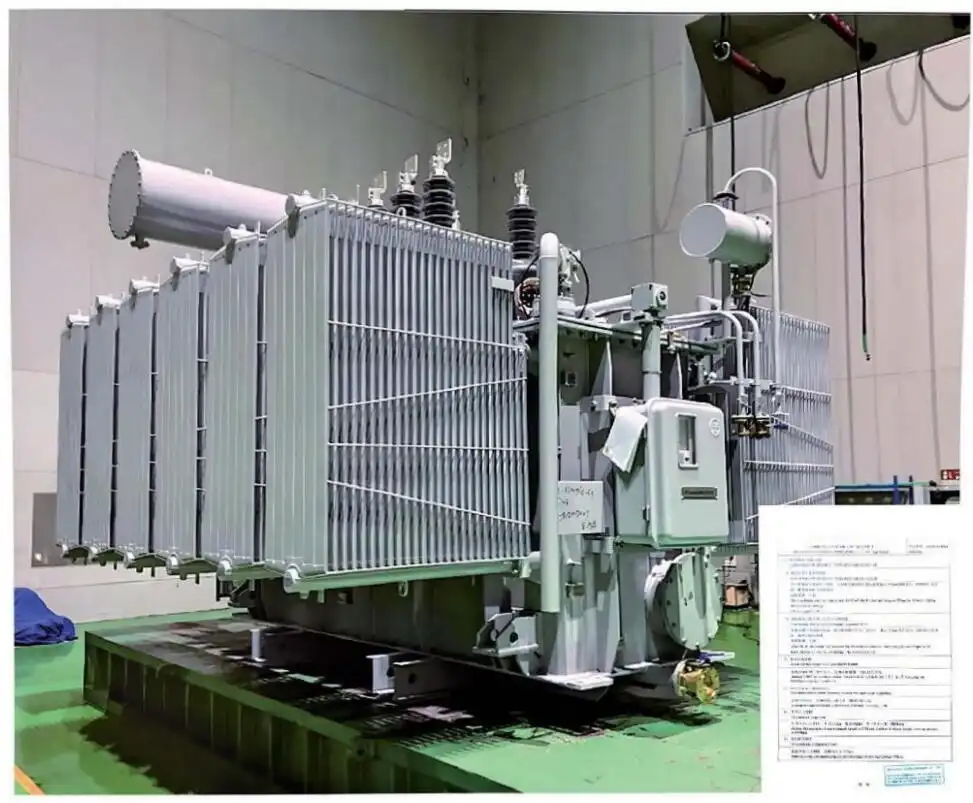
Certification sets the standard for safety that all effective electricity infrastructure is built on. When suppliers get credentials from well-known certification groups, they agree to thorough factory surveys, reviews of production quality, and ongoing tracking that goes far beyond simple compliance checks.
Industry certifications like ISO 9001, IEC 60076, and UL standards are more than just boxes that need to be checked by regulators. These frameworks require manufacturers to set up controlled production environments, keep records that can be tracked, and follow set protocols for testing. Electrical experts and quality managers who check the qualifications of suppliers can make sure that transformers meet the standards for accurate voltage change, insulation strength, and thermal performance. This verification is especially important for heavy industrial sites where a failure of a transformer directly affects production continuity, power utility workers who are in charge of keeping the grid stable, and makers of green energy systems that use distributed generation systems.
Certified suppliers show that they follow technical requirements that have a direct impact on operational safety. Testing for dielectric strength shows that insulation can handle electrical spikes without breaking. Temperature rise tests show that the windings stay within safe temperature ranges even when they are running all the time. Short-circuit withstand power makes sure that transformers can handle fault situations without breaking down completely. When suppliers are certified, these standards are written down in a way that can't be changed. This gives purchasing managers enforceable quality standards that suppliers who aren't certified can't meet.
In addition to improving technical performance, approval is also an important legal safeguard. If equipment breaks down, approved providers keep thorough test records and compliance paperwork that shows they did their job. This paperwork is very helpful when there are insurance claims, investigations by the government, or disagreements about who is responsible. When procurement departments work with certified suppliers, organizations are much less likely to face penalties for installing equipment that doesn't meet standards.
Non-certified suppliers may offer lower prices, but they often hide major safety holes and hidden financial risks that show up over the lifecycle of equipment.
Transformers that don't have the right approval often have poor electrical protection that breaks down quickly when exposed to heat, and a Step‑down Transformer Supplier must ensure certification compliance. Internal arcing, ground flaws, and possible fire risks are more likely to happen because of this degradation. When a cooling system isn't designed properly, temperatures rise too quickly, which speeds up the aging of insulation and leads to thermal runaway conditions. Voltage control that isn't constant leads to problems with the power quality that hurt sensitive equipment further down the line. Industrial facilities have had catastrophic failures where uncertified transformers started electrical fires that damaged property worth millions of dollars and stopped production for long periods of time.
Even tho the price may seem good at first, the total cost of owning an uncertified transformer goes up a lot over time. Maintenance tasks that need to be done often use up technical resources and raise running costs. When equipment breaks down too soon, it has to be replaced right away, which throws off project plans and puts a strain on capital funds. Not following the rules can lead to fines and sometimes the work is turned down during inspections. Insurance companies often won't pay for losses caused by equipment that isn't approved, leaving businesses open to financial effects. When comparing suppliers, procurement managers shouldn't just look at up-front costs; they should also look at costs over time.
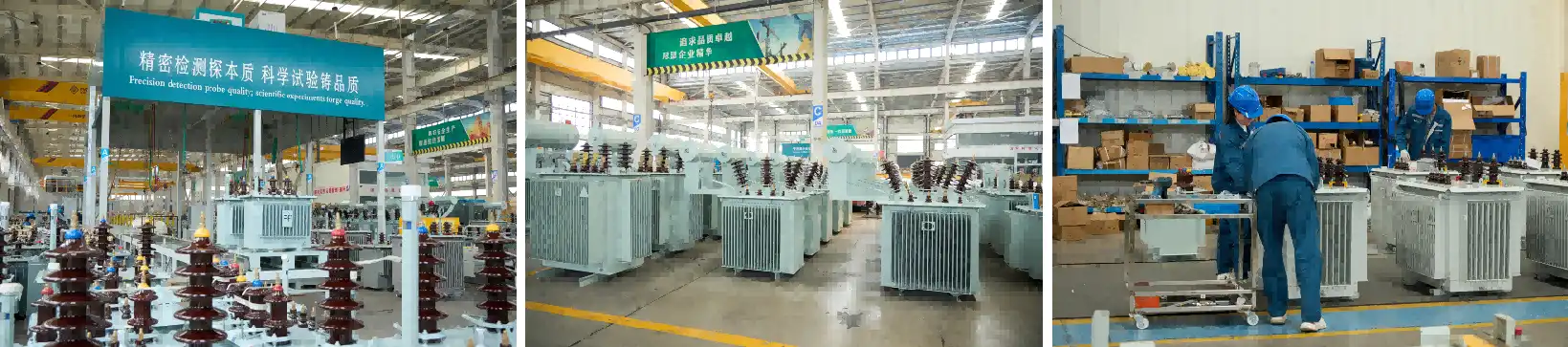
When you work with certified suppliers, procurement goes from being a transactional activity to a strategic partnership based on openness and responsibility.
Certified manufacturers use full quality control systems that leave audit trails that can be checked at any time during production cycles. Each transformer is given a unique number that lets the batch be tracked and performance be tracked. As part of the Factory Acceptance Testing process, no-load losses, load losses, impedance voltage, and coil resistance are all checked against the design specs. When equipment is delivered, these test results come with it. They give the inspection teams that receive the equipment concrete proof data. This kind of paperwork is very helpful during the commissioning process and sets the standard for ongoing condition tracking programs.
In order to get certified, industrial processes must be standardized so that there is no variation between runs of products. Core assembly methods use grain-oriented silicon steel with controlled stacking factors that is highly permeable. For winding, electrolytic copper with high conductivity is used, along with exact turn ratios and insulation space. Vacuum impregnation methods make sure that all of the insulation is absorbed, leaving no gaps that could weaken the dielectric. This standardization makes sure that transformers ordered today will work the same way as ones delivered months or years later. This is very important for big infrastructure projects that need consistent equipment.
Certified providers keep up-to-date expert support services that last as long as the equipment does. Assisting with installation, commissioning, and troubleshooting when operational issues arise is what engineering teams do. If problems happen, warranty programs that are backed by certification credentials can be used to fix them. Facility managers can get the most out of preventive maintenance plans by using dissolved gas analysis and thermographic inspection to make maintenance suggestions. This ongoing friendship of support is worth a lot more than the transactions that happen through uncertified procurement methods.
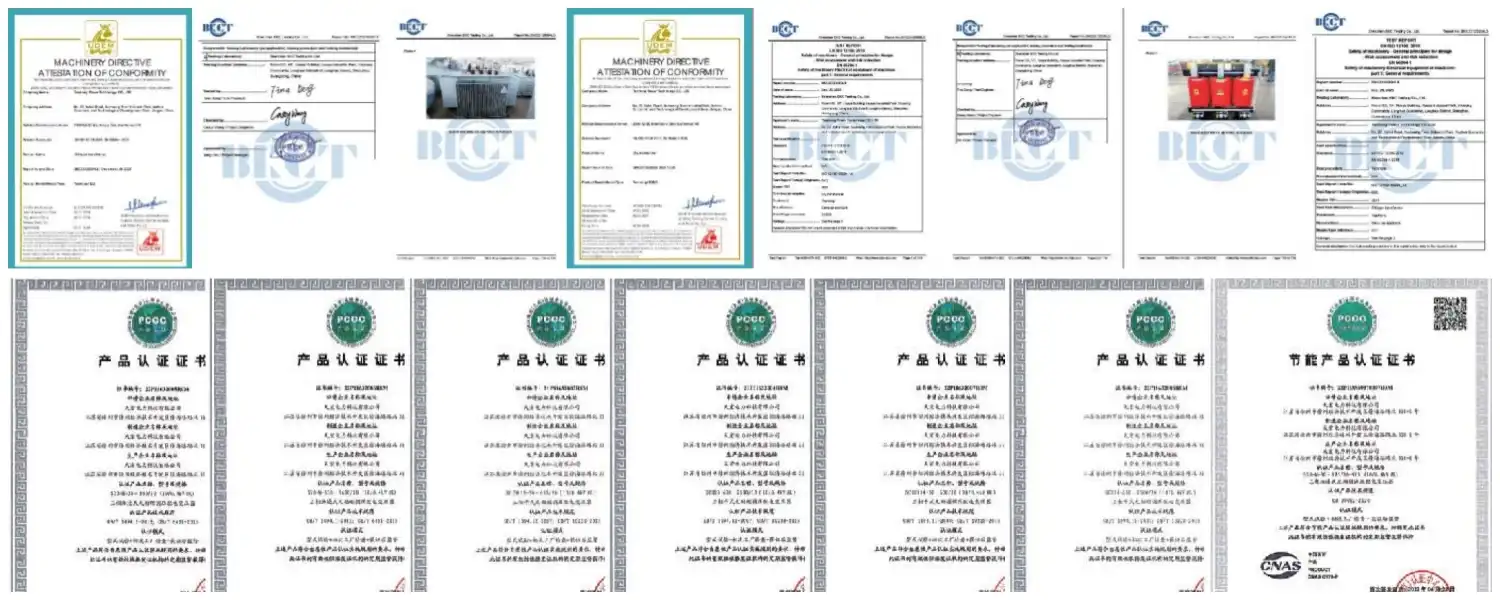
To choose the best Step-down Transformer Suppliers, you need to carefully look at a lot of factors that have an effect on both the result of the purchase and the long-term viability of the relationship.
Using databases from issuing authorities, procurement teams should check supplier certifications on their own, and for a Step‑down Transformer Supplier, ISO certificates have logos of the organizations that accredit them and unique registration numbers that can be used to find other information online. Specific versions of the standards and testing labs that did the checking are mentioned in IEC compliance documents. Underwriters Laboratories keeps online databases that can be searched and have UL listings. This outside check stops fake certification claims and makes sure that sellers keep their compliance status up to date instead of using old credentials.
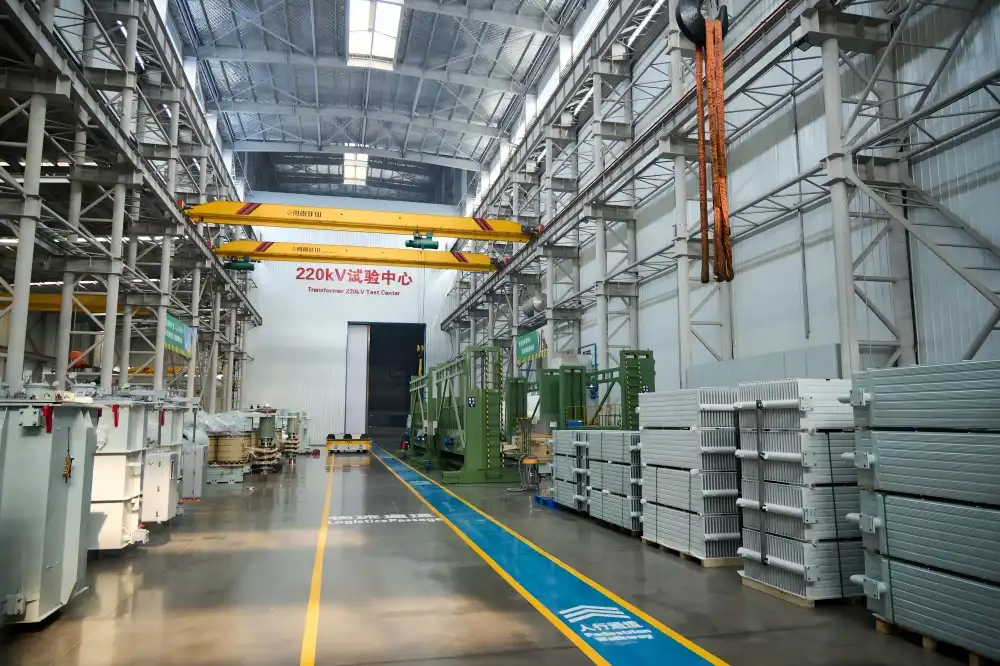
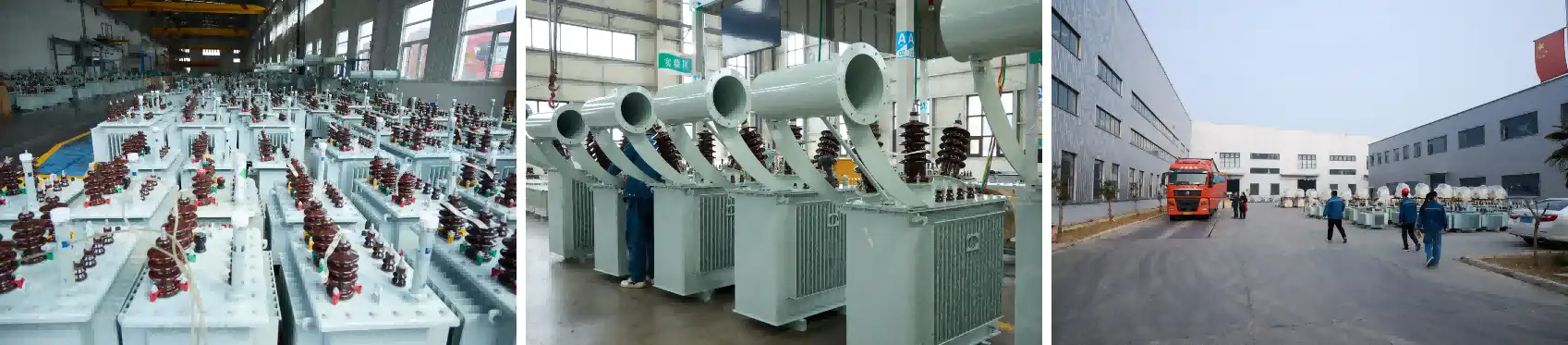
In addition to checking certifications, checking production ability is another way to see if sellers can meet project delivery requirements. Manufacturing scalability can be shown by the size of the facility, the quality of the tools, and the skills of the workers. Large suppliers with production facilities show that they can handle large orders without lowering quality or lengthening lead times. Automated winding machines, vacuum pressure impregnation systems, and computerized testing stations are examples of advanced manufacturing equipment that show technological know-how that leads to consistent product quality.
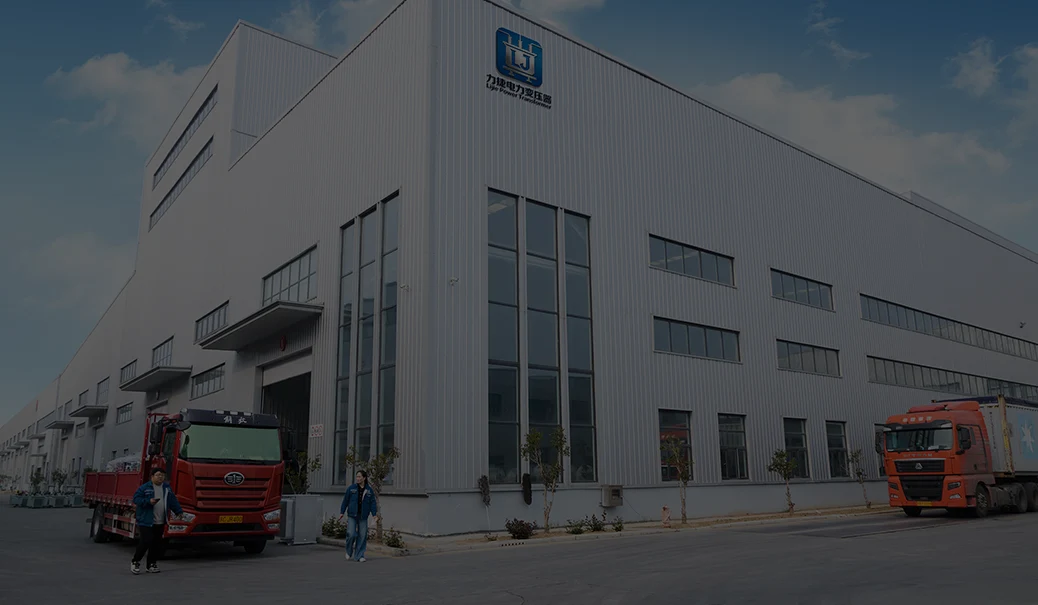
There are two main factories that make Lijie Electric products. Together they cover 500,000 square meters and have more than 2,000 workers, including more than 160 engineers with advanced degrees. This infrastructure supports production that can support annual sales of more than 5 billion RMB while keeping the quality standards needed by national grid operators and international EPC contractors.
Technical compatibility is ensured by comparing product specs in great detail with project needs. The voltage ratings, kVA capability, impedance features, and levels of effectiveness must all fit the needs of the application. Temperature rise classifications show how well something works in certain circumstances. Different cooling methods, like ONAN, ONAF, or dry-type air-cooled designs, change how much space is needed for placement and how loud the operation is. To keep phase displacement problems from happening during parallel processing, vector group configurations must match the current grid coordination rules.
Payment terms, minimum order quantities, and delivery schedules must all be taken into account when comparing competitive pricing structures. Suppliers with flexible MOQ requirements can work with both big building projects and smaller industry setups. Lead time commitments have a direct effect on planning the project timeline, and customization needs must be taken into account. Comprehensive warranty coverage that lasts longer than the standard warranty period reduces risk even more. Customer service that responds quickly and technical help that is available in English make contact easy during the procurement and operational stages.
Strategic relationships with qualified Step-down Transformer Suppliers offer measurable benefits that last the lifetime of equipment and cut across corporate lines.
Certified transformers greatly lower the chances of electrical failures that could put people's safety and the building's integrity at risk, and a Step‑down Transformer Supplier with proper certifications ensures these protections. When insulation is coordinated correctly, flashovers that could hurt maintenance workers don't happen. Reliable overcurrent safety makes sure that the link is cut off automatically when there is a fault. Meeting the requirements of the NFPA 70 electricity code and OSHA safety rules at work lowers the chances of breaking the law. These gains in safety directly lead to lower insurance rates, fewer workers' compensation claims, and better safety performance metrics that boost the company's image.
Even tho certified equipment may cost more at first, lifecycle cost analysis always shows that it is better for the economy. With proper maintenance, operational lifespans that are 25 to 30 years or longer maximize capital investment returns. Lowering both no-load and load losses makes energy use more efficient, which lowers practical power costs that add up over decades. Less frequent maintenance and easier access to spare parts mean lower ongoing support costs. Fewer unexpected downtimes mean less production loses that are much bigger than the cost of buying new equipment.
Certified supply chains make it easier to keep track of compliance paperwork during audits by regulators and customers. Inspectors are satisfied with equipment that comes with detailed test reports, material certifications, and compliance declarations. This is because it doesn't require any extra paperwork. This audit readiness is especially helpful for renewable energy projects that need to get permission to connect to the grid, industrial facilities that need to get environmental permits, and infrastructure developers who have to deal with a lot of different regulatory bodies. Compliance assurance speeds up the approval of projects and gets rid of the costly delays that come with having to replace equipment or do extra tests.
Integrating approved parts makes you more competitive in bid wars and talks with customers. Project proposals that include certified equipment specs show a dedication to quality that sets them apart from rivals who use options that haven't been checked out. Customers are more likely to trust Step-down Transformer Supplier supply chains that have well-known certifications. This makes it easier to give contracts and build long-term partnerships. Improving a brand's image through quality connections helps with charging higher prices and keeping customers.
Certificates are more than just paperwork; they are the basis for electrical safety, operational dependability, and the success of strategic procurement. When electrical engineers, purchasing managers, and project leaders look at transformer providers, they need to know that certifications show that the company is committed to safety standards, makes high-quality products, and has the technical know-how to do the job. There are a lot more risks with non-certified Step-down Transformer Suppliers than there are apparent cost savings. These risks include catastrophic failures, regulatory fines, and hidden lifecycle costs. Companies protect their most valuable assets—their employees, their operations, and their image in global markets—by working with certified suppliers who have strong quality management systems, well-documented testing methods, and a full support infrastructure.
Give ISO 9001 for quality management systems, IEC 60076 for transformer performance standards, and certifications specific to the region, like UL for North American markets or CE for European compliance, the most weight. These credentials show that Step-down Transformer Suppliers have thorough quality control systems in place and that their products meet internationally recognized safety standards that apply to your business.
Certification greatly lowers the chance of failure through strict testing and quality control, but no supplier can promise complete protection against problems that arise from bad installation, poor maintenance, or operating conditions that are outside of what was intended. Certification does, however, provide written proof of high-quality production and makes it clear what the supplier's duties are and what the user's duties are.
Certified oil-immersed transformers usually need to have their dissolved gas analysis done once a year, their oil quality checked every three years, and they get a full inspection every five years. Dry-type units work better when they are checked for thermography once a year, and their dielectric strength is checked every so often. Certified suppliers give thorough maintenance suggestions that are tailored to each piece of equipment. This makes it possible for predictive maintenance plans to be used to extend the life of operations while keeping safety levels high throughout the service life.
Lijie Electric Power Technology Group is a reliable Step-down Transformer Supplier and manufacturer that has a track record of high-quality certifications and reliable manufacturing skills. Our commitment to international quality standards is shown by our ISO 9001:2015, CE, UL, and IEC certifications. Our 500,000-square-meter production facilities and 2,000-employee workforce give us the scale needed for big infrastructure projects. We sell transformers to national grid operators, developers of green energy, heavy industrial manufacturers, and foreign EPC contractors. The transformers we sell range from small 35kV distribution units to custom industrial configurations. Our engineering team creates custom technical solutions that come with full testing paperwork and technical help for life. Email our sourcing experts at lijieelectrical@gmail.com to talk about the needs of your project and get thorough quotes. You can look at our approved products at lijie-electrical.com and learn how our specialized transformer solutions can help your project succeed and keep your operations safe.
1. Institute of Electrical and Electronics Engineers. (2019). IEEE C57.12.00: General Requirements for Liquid-Immersed Distribution, Power, and Regulating Transformers. IEEE Standards Association.
2. International Electrotechnical Commission. (2021). IEC 60076-1: Power Transformers – Part 1: General. IEC Central Office, Geneva.
3. National Fire Protection Association. (2020). NFPA 70: National Electrical Code. NFPA Publications.
4. Underwriters Laboratories. (2018). UL 1561: Standard for Safety for Dry-Type General Purpose and Power Transformers. UL Standards & Engagement.
5. American National Standards Institute. (2020). ANSI C57.12.01: Standard for General Requirements for Dry-Type Distribution and Power Transformers. ANSI Publications.
6. International Organization for Standardization. (2015). ISO 9001:2015: Quality Management Systems – Requirements. ISO Central Secretariat, Geneva.
YOU MAY LIKE


11%20type%2035kV%20distribution%20transfo_1778137470754.webp)
12%20Series%20Dry%20Type%20Transformer.webp)

10%20type%20epoxy%20resin%20cast%20transformer.webp)
H15%20distribution%20transformer.webp)
April 27, 2025
With a tight project schedule, the manufacturer delivered on time, and on-site technical personnel provided guidance throughout the entire installation and commissioning process; the collaboration was highly efficient and hassle-free.
July 2, 2025
During the preliminary phase, a selection plan was custom-tailored based on the actual site load requirements, resulting in a high degree of parameter compatibility. After-sales support responds within two hours, and ongoing technical support for operation and maintenance is comprehensive; we feel completely confident in a long-term partnership.
November 18, 2025
Deployed as a supporting component for a 35kV grid-connection project at a photovoltaic power station, the equipment operates for an average of 16 hours daily. It demonstrates excellent control over no-load losses, ensures smooth power generation and grid integration, and effectively reduces the station's overall energy consumption.
January 30, 2026
Under the continuous, high-load operating conditions of a factory production line, the equipment maintains stable electrical parameters and exhibits strong overload resistance, thereby guaranteeing an uninterrupted power supply for industrial production.
April 3, 2026
Integrated as a supporting component for a new energy photovoltaic grid-connection system, the manufacturer provided professional technical coordination and timely after-sales support, ensuring seamless adaptation to the specific electrical operating conditions required for grid integration.