April 27, 2025
With a tight project schedule, the manufacturer delivered on time, and on-site technical personnel provided guidance throughout the entire installation and commissioning process; the collaboration was highly efficient and hassle-free.
Aug 21, 2026
Finding the right Natural Ester Transformer Supplier means partnering with providers who deliver bio-based dielectric solutions that surpass traditional mineral oil alternatives in fire safety, environmental stewardship, and operational longevity. These specialized manufacturers offer transformers using vegetable-derived insulating fluids—typically from soybean, rapeseed, or sunflower oils—engineered to meet the rigorous demands of modern power infrastructure while addressing critical concerns around fire hazards, ecological impact, and compliance with evolving ESG frameworks across global markets.
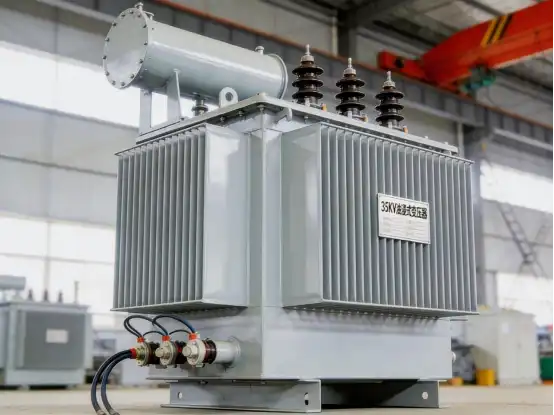
Learn about Natural Ester Transformer Oil and what it can do for you.
Natural Ester Transformer Oils are a big change in the way insulation is made. Mineral oils made from petroleum have been the norm for decades. These biodegradable fluids, on the other hand, come from green plant sources and break down naturally in 28 days when exposed to the environment. Natural esters can handle a lot of water because of how they are chemically structured. They can soak up a lot more water than other options and keep cellulose insulation from breaking down at the same time. This one-of-a-kind feature makes transformers last up to 33% longer, which adds up to a lot of value over many years of use.
Natural ester fluids have electrical qualities that are the same as or better than mineral oil. With breakdown voltages that are usually higher than 75 kV and thermal class values that let the top-oil temperature rise 20°C more, these shielding media allow for more power to be packed into smaller spaces. As per ASTM D92 testing guidelines, natural esters are considered K-class fluids when their fire points are higher than 360°C. This means that there are no longer any chances of pool fires and less money needs to be spent on fire control systems.
Environmental responsibility is driving more and more energy areas to adopt new technologies. Natural ester fluids don't harm soil or water ecosystems, so they're perfect for use in places near watersheds, protected habitats, and city water systems. Regulatory bodies all over the world are aware of these benefits. Biodegradability and lower environmental liability make compliance easier.
There are more operational perks than just safety measures. Natural esters are better at handling harmonic loads and peak demand cycles than mineral oil systems because they are more thermally stable. This means that they keep performing well even when working conditions change. Moisture management features dry insulation systems while they're working, stopping the breakdown processes that usually shorten the life of equipment. Facilities managers like that maintenance needs are less often and that performance curves are predictable, which helps with long-term planning and budgeting.
Mineral oil has been the standard in the business for generations because it has good dielectric qualities and is cheap. But its fuel base is bad for the earth, especially because of the costs of cleaning up spills and getting rid of waste. Fire risk is still a problem because the temperatures needed to start a fire are much lower than with natural ester alternatives. This means that sensitive installations need a lot of fire protection equipment.
Synthetic ester fluids fill in the performance gaps between mineral and natural esters, and a Natural Ester Transformer Supplier can help compare these options. They offer fire resistance similar to natural ester levels while keeping their lower viscosity at low temperatures. The downsides are that the materials are more expensive and don't break down as quickly as natural plant-based choices. Synthetic esters are good for some uses that need to work at low temperatures without nitrogen blanketing systems, but they are not as good for the environment as natural esters.
Even tho they cost more at first, natural ester fluids have a lower total cost of ownership. Lower environmental insurance premiums, fewer fire safety requirements, longer insulation life, and easier disposal processes all add up to good economics over 20-year operational horizons. It's more useful to be able to convert old mineral oil generators, but changes in seal compatibility and viscosity need to be carefully studied by engineers before the conversion can happen.
International standards are used by procurement teams to make sure that products are consistent and that suppliers can do their jobs. Natural Ester Transformer Oils that meet the requirements of IEC 62770 show that they meet performance standards that are known around the world. ASTM D6871 standards include detailed testing procedures that make sure the quality of fluids in all production batches. UL Classification and FM Approval as "Less-Flammable" fluids back up claims about fire safety and help with the permitting and insurance processes.
Quality management certifications, such as ISO 9001:2015, show that the manufacturing controls are strong and that the systems for continuous improvement are in place. IEC compliance for transformer equipment, especially 10kV and 35kV units, makes sure that natural ester fluids can be used without any problems. This gets rid of worries about compatibility that could hurt performance or cancel warranties. When evaluating new suppliers or adding more ones to lists of approved vendors, these certifications are very important.
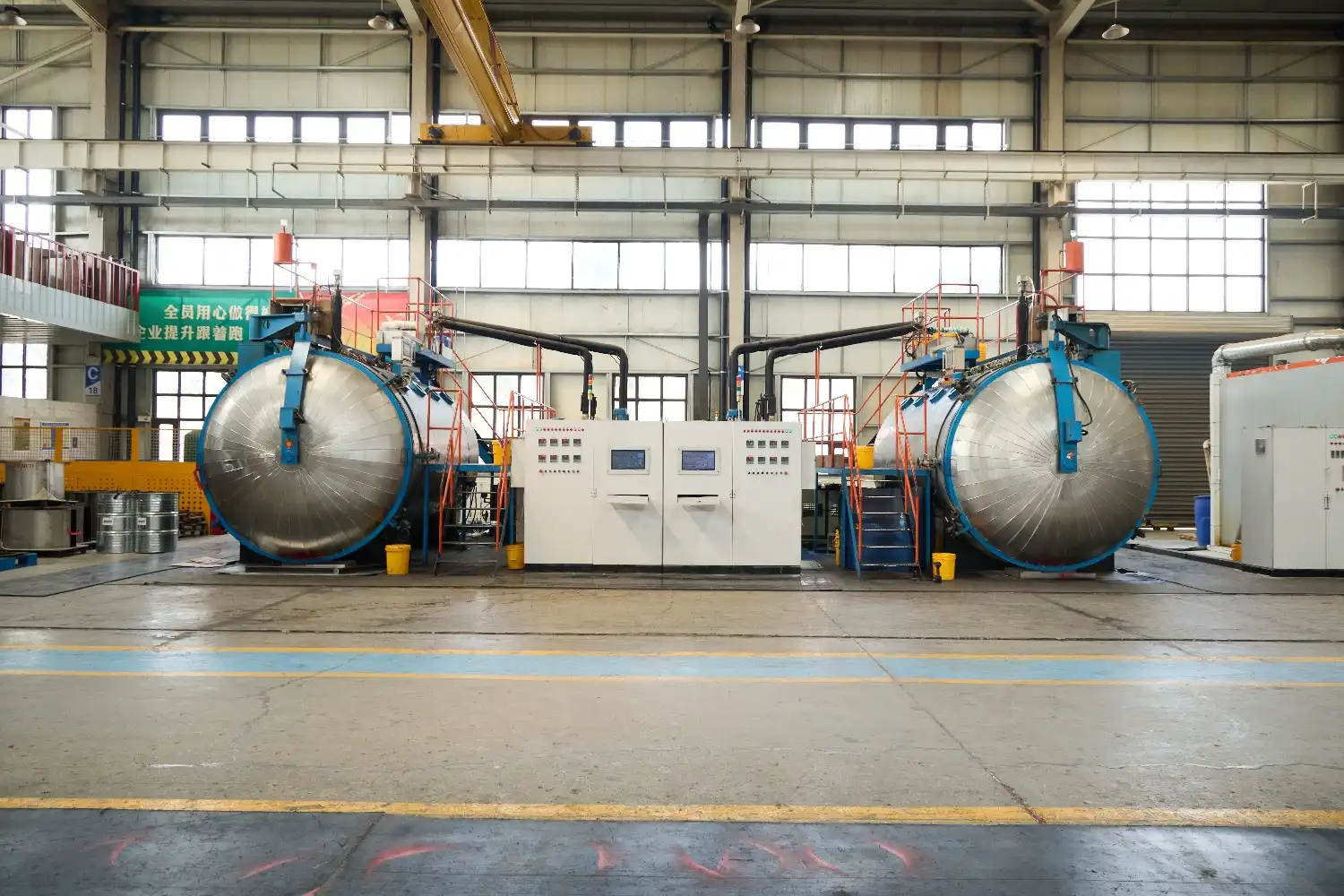
To find good partners, you need to do a systematic evaluation of many factors. For big projects that need a steady supply, production ability is the most important factor. Suppliers with factories that are bigger than 500,000 square meters and specialized research and development teams show that they have the size and technical depth needed for a reliable relationship. Engineers with advanced degrees in electrical and chemical fields can solve problems in a way that is necessary for unique uses.
Portfolios of certifications show how committed a supplier is to quality and market access. Certifications like CE and UL allow the product to be sold in international markets, and compliance with GB/T 27922-2021 for after-sales service systems shows that the support infrastructure is mature. Suppliers that are still recognized as "National High-Tech Enterprises" or "Specialized, Refined, and New 'Little Giant'" have been thru strict government evaluation processes that show they can come up with new ideas and are financially stable.
Logistics costs and delivery reliability are affected by where things are delivered. Having suppliers who have exported goods to places like Australia, Southeast Asia, Central Asia, and Africa in the past shows that they know how to handle foreign shipping, paperwork, and customs clearing. When domestic production is combined with foreign service networks, cost-effectiveness and quick help are both balanced.
Long-term framework deals keep prices stable and guarantee supplies for projects that last more than one year, and a Natural Ester Transformer Supplier can support such arrangements. By negotiating delivery guarantees against volume promises, suppliers can make sure that their production plans are in line with project timelines. This lowers the risk of running out of stock during key installation phases. Minimum order quantities depend on the supplier and the product specification. However, well-known manufacturers usually offer batch sizes that are good for large-scale deployments and industrial installations.
Opportunities for technical teamwork add value that goes beyond the exchange of goods. Customization means that suppliers can change the shapes of transformers to fit different voltage levels, operating conditions, and weather factors. This adaptability is very important for many different uses, from offshore wind farms that need to be more resistant to water to data centers that need to deliver a lot of power in a small space.
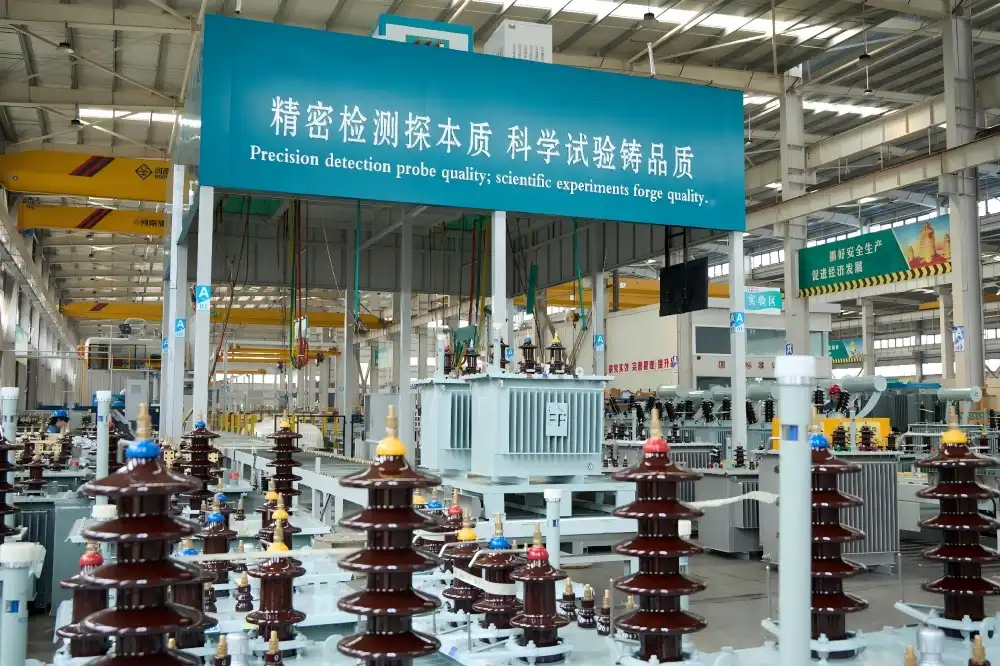
Creating thorough specifications that clearly define voltage class, power rate, environmental conditions, and certification standards is the first step to a successful acquisition. Sending RFQ packages to qualified suppliers with enough time to prepare allows for thorough technical and business responses. Evaluation models that take into account technical compliance, total lifetime cost, delivery capability, and service support make it easier to compare suppliers in a fair way.
Going to factories in person is a great way to learn about production processes, quality systems, and how well an organization can work. Keeping an eye on the testing procedures—including the routine, type, and special tests that are done according to national standards—increases confidence in the consistency of the product. Performance claims can be checked by looking at approvals from outside testing groups like the National Transformer Quality Supervision and Inspection Center.
Problems in the supply line are a big project risk. Dual-sourcing strategies or framework agreements with backup suppliers protect against production interruptions. However, this method needs careful management to keep primary vendors' volume commitments. Finding the right balance between carrying costs and stock-out risks in inventory management depends on how the project is planned and how long it takes for suppliers to make transformers, which is usually between 8 and 16 weeks.
Payment terms and quality holdback clauses protect the buyer's interests while keeping the supplier's cash flow steady. Financial risk is spread out over the different stages of a project by making payments based on key manufacturing goals like engineering approval, plant acceptance testing, delivery, and commissioning. Performance guaranties backed by warranty terms make sure that you can get help if you find problems with the way the product was made or its performance during operational deployment.
Global commitments to reducing carbon emissions speed up the installation of renewable energy infrastructure, which increases the need for transformer solutions that are good for the environment. As fire safety rules get stricter in cities, less flammable insulation fluids are being required for more indoor and underground systems. These government rules, along with companies' efforts to be more environmentally friendly, are pushing the energy and industry sectors to use Natural Ester Transformers.
Modernizing the power grid by adding things like remote generation, energy storage, and smart tracking systems needs transformer technologies that are as advanced as digital infrastructure. Natural ester fluids help with these changes by improving thermal performance to accommodate the changing loading patterns that come with integrating renewable energy. Natural esters provide better insulation protection, which stretches the life of equipment and maximizes the return on investments in grid strengthening.
Better ester formulas fix problems with past results. Cold-weather chemicals make it possible for systems to work reliably in temperatures below zero (-25°C), which means they can be used in more places without needing nitrogen blanketing systems. Better oxidation inhibitors make fluids last longer in sealed tanks while still being biodegradable. Because of these improvements in formulation, technical problems that stopped natural esters from being used in temperate climates and controlled environments are no longer an issue.
The diagnostic power of natural ester chemistry is increased when it is combined with state tracking devices. Advanced sensors that measure dissolved gas analysis, moisture content, and thermal profiles allow for planned maintenance strategies that cut down on unplanned outages. Digital twin technologies that combine real-time monitoring with physics-based models improve loading strategies so that current assets can be used to their fullest potential while insulation is kept in good shape thru smart thermal management.
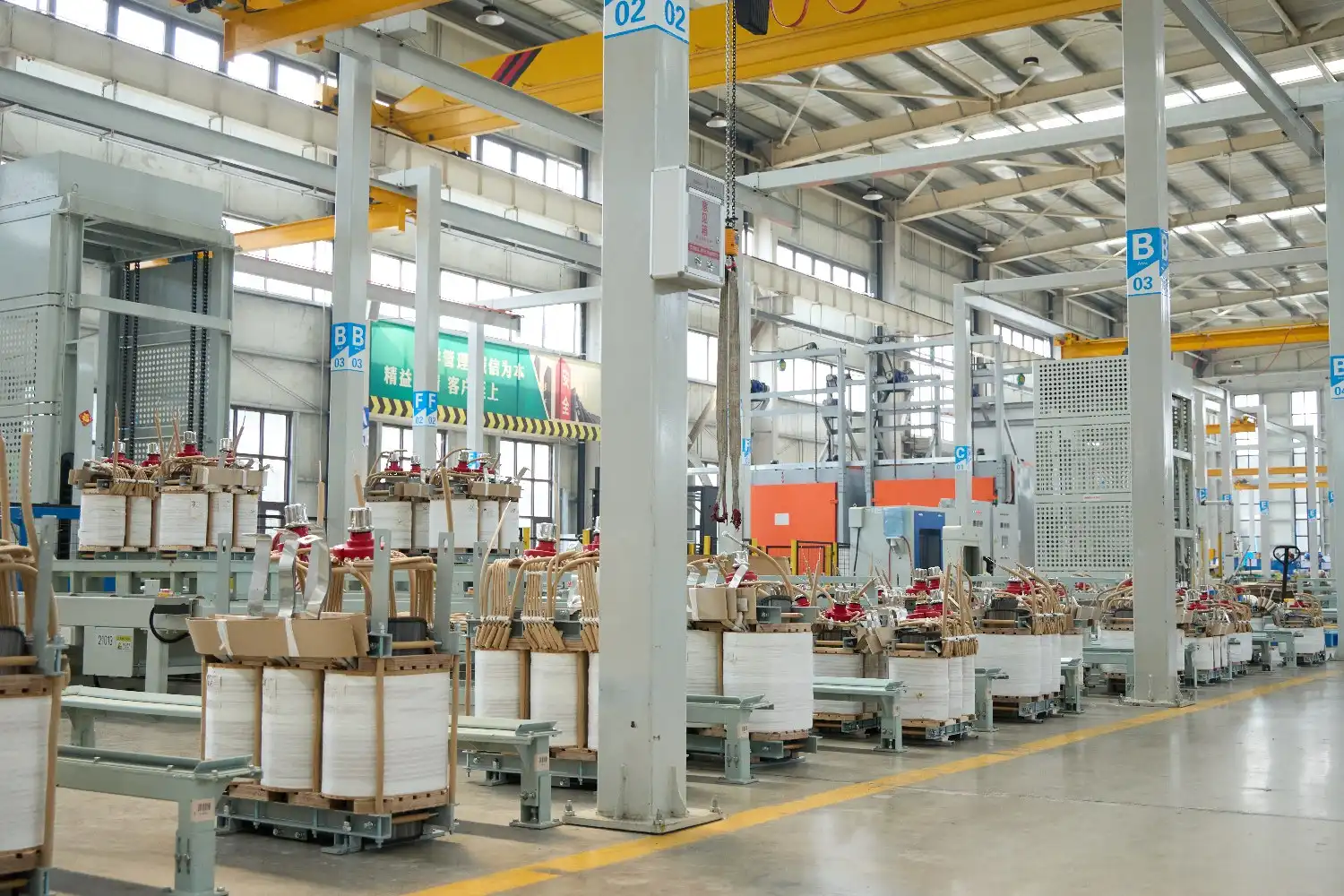
Finding a good Natural Ester Transformer Supplier is key to the success of a project in terms of safety, environmental compliance, and operating dependability. The evaluation framework shown helps procurement teams with technical evaluation, qualifying suppliers, and managing relationships, all of which are important for building long-term partnerships. As rules get stricter and promises to sustainability get stronger, bio-based insulation technologies move from specialized uses to common infrastructure solutions. When companies work with suppliers who can show they have the right manufacturing scale, technical know-how, and quality certifications, they can meet the needs of current projects while also building capacity for future grid transformation projects.
Mineral oils have fire points around 160°C, while natural ester fluids have fire points above 360°C. This big difference gets rid of the risk of pool fires, lets them be installed in buildings that don't have a lot of fire control equipment, and lowers insurance rates. UL Classification as "Less-Flammable" means that the safety performance has been independently checked.
Retrofilling is technically possible, but engineers need to check that the seals will work with the system and figure out how to flush the system. Natural esters have a higher viscosity than mineral oils, which could affect how well older pumps work and how well they cool. Suppliers that offer retrofit services check for compatibility and offer conversion protocols that keep operations running as smoothly as possible.
A supplier's ability and the complexity of the order affect the production plan. Standard designs for distribution transformers usually take 8 to 12 weeks from the time an order is placed until they are tested and approved by the factory. Custom specs for unique uses may make the wait time 14 to 16 weeks. Large framework agreements often set aside specific times for production. This cuts down on lead times for future orders by planning ahead and pre-positioning materials.
Lijie Electric offers complete natural ester transformer options backed by a track record of excellent production and project experience around the world, and as a Natural Ester Transformer Supplier, our two production facilities covering 500,000 square meters and engineering teams with more than 160 specialists give us the size and skill to do utility-grade deployments and industrial installations. We meet the high quality standards needed by foreign purchasing teams because we can produce more than 5 billion RMB a year and have certifications such as ISO 9001:2015, CE, UL, and IEC compliance.
Our product line includes voltages ranging from small 10kV distribution units to 220kV transmission applications. All of them can be made with bio-based insulating fluids that meet the strictest safety and environmental standards. Email our technical team at lijieelectrical@gmail.com to talk about your unique needs and get full information on Natural Ester Transformer solutions that are made to fit your project. Find out why major utilities and businesses on six continents choose Lijie Electric as their preferred Natural Ester Transformer Supplier.
1.International Electrotechnical Commission, "IEC 62770: Fluids for Electrotechnical Applications – Unused Natural Esters for Transformers and Similar Electrical Equipment," Geneva, Switzerland, 2013.
2.ASTM International, "ASTM D6871: Standard Specification for Natural (Vegetable Oil) Ester Fluids Used in Electrical Apparatus," West Conshohocken, Pennsylvania, 2019.
3.IEEE Transformers Committee, "C57.147: IEEE Guide for Acceptance and Maintenance of Natural Ester Fluids in Transformers," Institute of Electrical and Electronics Engineers, New York, 2018.
4.McShane, C. Patrick, "Natural Ester Dielectric Fluid Development and Verification," IEEE Electrical Insulation Conference, Ottawa, Ontario, 2013.
5.Tenbohlen, Stefan, and Koch, Maik, "Aging Performance and Moisture Solubility of Vegetable Oils for Power Transformers," IEEE Transactions on Power Delivery, Vol. 25, No. 2, April 2010.
6.National Fire Protection Association, "NFPA 850: Recommended Practice for Fire Protection for Electric Generating Plants and High Voltage Direct Current Converter Stations," Quincy, Massachusetts, 2020.
YOU MAY LIKE





April 27, 2025
With a tight project schedule, the manufacturer delivered on time, and on-site technical personnel provided guidance throughout the entire installation and commissioning process; the collaboration was highly efficient and hassle-free.
July 2, 2025
During the preliminary phase, a selection plan was custom-tailored based on the actual site load requirements, resulting in a high degree of parameter compatibility. After-sales support responds within two hours, and ongoing technical support for operation and maintenance is comprehensive; we feel completely confident in a long-term partnership.
November 18, 2025
Deployed as a supporting component for a 35kV grid-connection project at a photovoltaic power station, the equipment operates for an average of 16 hours daily. It demonstrates excellent control over no-load losses, ensures smooth power generation and grid integration, and effectively reduces the station's overall energy consumption.
January 30, 2026
Under the continuous, high-load operating conditions of a factory production line, the equipment maintains stable electrical parameters and exhibits strong overload resistance, thereby guaranteeing an uninterrupted power supply for industrial production.
April 3, 2026
Integrated as a supporting component for a new energy photovoltaic grid-connection system, the manufacturer provided professional technical coordination and timely after-sales support, ensuring seamless adaptation to the specific electrical operating conditions required for grid integration.