April 27, 2025
With a tight project schedule, the manufacturer delivered on time, and on-site technical personnel provided guidance throughout the entire installation and commissioning process; the collaboration was highly efficient and hassle-free.
Aug 16, 2026
Selecting the right high-capacity transformer for your utility network or industrial facility determines more than just operational efficiency—it shapes equipment longevity, system safety, and total lifecycle costs. Power transformers serve as the backbone of modern electrical infrastructure, stepping voltage levels up or down while maintaining grid stability across transmission and distribution networks. Whether you're specifying units for a national grid upgrade, integrating renewable energy sources, or powering heavy industrial operations, understanding the technical nuances and procurement best practices ensures your investment delivers decades of reliable performance. This guide walks procurement managers, electrical engineers, and project leaders through the critical decisions that define successful transformer deployment in demanding environments.
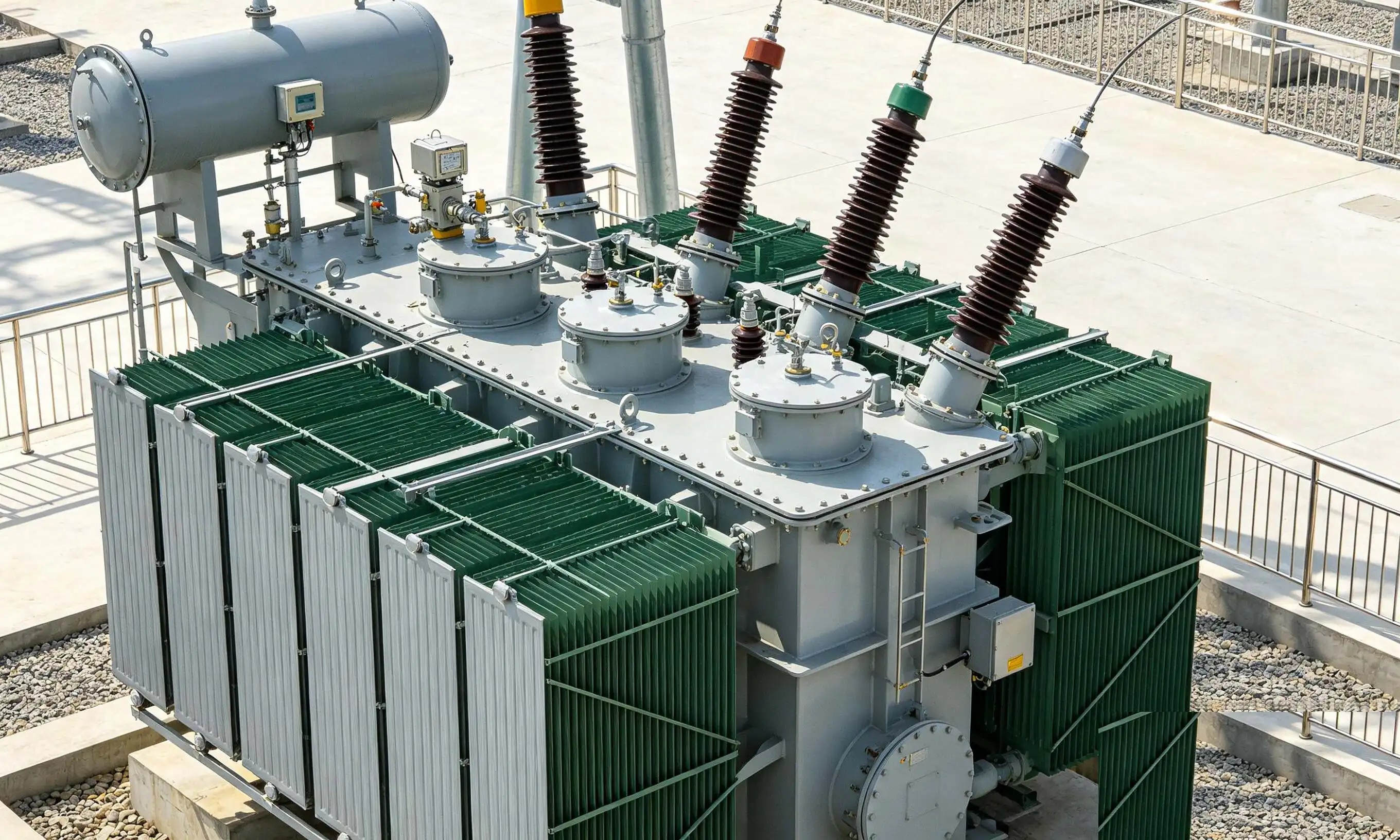
Power Transformers are static electromagnetic devices that use induction to move electricity between lines without changing the frequency. In contrast to distribution units that are made for variable loads, these high-capacity devices focus on being as efficient as possible at full load, usually at voltage levels above 33kV. Their main job is to keep transmission losses as low as possible over long distances, keep voltage stable when demand changes, and prevent galvanic separation between sensitive equipment and high-voltage networks.
Each unit has a layered core made of cold-rolled grain-oriented silicon steel in the middle that moves magnetic flux between the primary and secondary windings. Whether the wires are copper or aluminum has a direct effect on the efficiency and heat performance of the winding. For cooling and insulation, oil-immersed designs use mineral oil or synthetic ester fluids. Dry-type designs, on the other hand, use resin-encapsulated windings that are good for indoor installations where fire safety is very important. The ratio of turns between the windings determines how the voltage changes, and tap changers let you fine-tune things when the load is on.
Knowing the differences between types helps you match tools to specific work situations. Three-phase units are most common in utility applications because they evenly distribute load. Single-phase units, on the other hand, are used in specific industrial processes. For high-power uses, oil-filled transformers are better at cooling because they can handle temperatures up to 50°C with the right derating. Dry-type alternatives don't pollute the environment with oil, so they're perfect for substations in cities and facilities inside. Different types, like rectifier transformers for electrochemical processes, electric furnace transformers for making steel, and mine transformers for work underground, are made to handle different types of loads and harmonic distortion.
The voltage rating goes from 35kV for distribution to 500kV or more for ultrahigh voltage transmission. Power capacity, which is measured in MVA, needs to be able to handle high demand with enough room to spare to avoid heat stress. The types of cooling—ONAN (oil natural air natural), ONAF (oil natural air forced), and OFAF (oil forced air forced)—affect how well heat is removed and how much space is needed. Basic impulse level (BIL) scores tell us how well insulation levels protect against lightning and switching surges. Over the course of a typical 25–40-year service life, operational costs are directly affected by efficiency specifications, especially no-load and load losses.
Reliability comes from strict plans for preventative repair. An annual dissolved gas analysis (DGA) of the insulating oil finds small problems before they become big problems. Thermographic surveys find hot spots that show problems with the windings or bad connections. Regular checks look at the oil level, the condition of the bushings, and how the cooling system works. High-stress places, like seaside areas with salt pollution or industrial sites with harmonic pollution, might need testing rounds every six months or systems that are always online watching. These methods cut down on unexpected outages and increase the useful life of assets, which protects big investments.
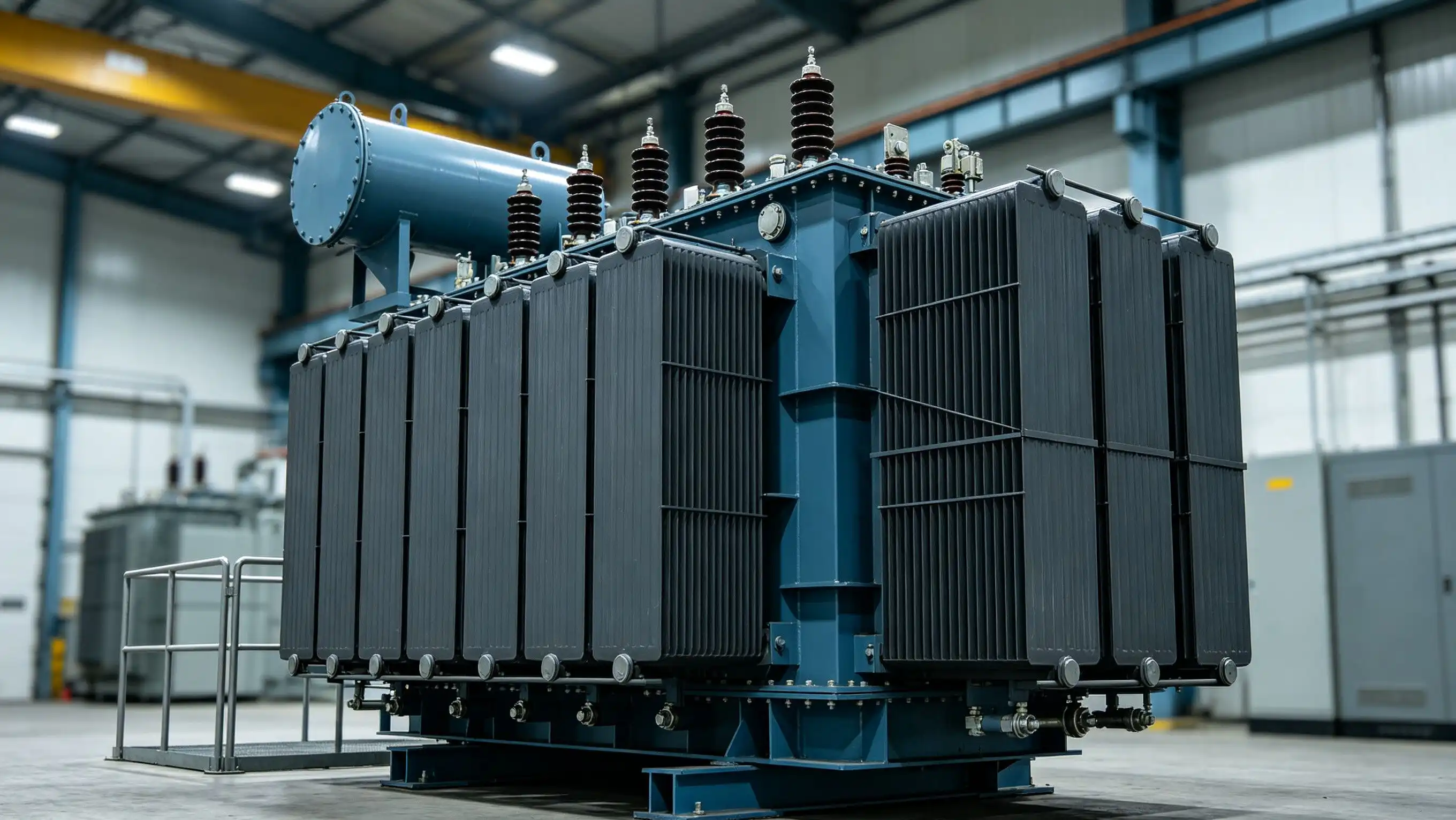
To match the specs of tools to the needs of operations, you need to do a thorough study of the technical, economic, and logistical aspects for a Power Transformer. When making procurement decisions, you have to weigh the immediate needs of the project against long-term performance expectations, regulatory compliance, and the supplier's abilities.
Grid security and transmission performance are the most important things for utility networks. National grid workers need ultrahigh voltage units that can keep working even when the weather changes. They often ask for advanced cooling systems and low levels of partial discharge. Regional distribution companies focus on small footprints for urban substations, putting an emphasis on dependability and low maintenance needs.
Renewable energy projects have their own set of problems. Wind farms need Power Transformers that can handle varying power sources and a lot of harmonic content. These transformers are often used in harsh offshore or remote locations that need weatherproof covers. Small, premade substations with built-in switchgear are helpful for solar setups because they cut down on installation time and costs for getting the site ready. Energy storage systems need to be able to respond quickly to charge-discharge cycles without damaging the insulation.
Heavy industrial applications generate severe loading profiles. Steel plants need electric furnace transformers withstanding frequent thermal cycling and high-order harmonics from arc instability. Chemical facilities require explosion-proof designs with enhanced protection ratings. Mining operations specify units tolerating vibration, dust ingress, and underground installation constraints while maintaining consistent voltage regulation for sensitive process equipment.
The ability to regulate voltage determines how stable the output is when the load changes. When more than one unit shares a bus, the levels of fault current and the ability to work together in parallel are affected by the impedance values. Vector group selection, like Dyn11 or YNyn0, sets the phase shift between windings, which is very important for stopping currents from flowing back and forth in parallel designs. It's important to make sure that these factors work well with system studies and security plans.
The price you pay up front is only a small part of what you'll spend on ownership. Energy efficiency has a direct effect on working costs. For example, a 100MVA unit running at 80% load and becoming 1% more efficient would save about $140,000 a year at $0.10/kWh. It doesn't matter how much demand there is; no-load losses happen 24/7. This makes low-loss cores financially appealing, even tho they cost more at first. When you look at the total cost over 30 years, you can see that higher economy models usually pay for themselves in five to seven years.
Warranty terms and service networks influence downtime risk. Having full coverage that includes parts, work, and safety for consequential damage lowers your financial risk. Repairs go faster when there is local service, especially for installations that are far away. Suppliers who offer condition tracking services and promises to keep extra parts in stock add value above and beyond just supplying tools.
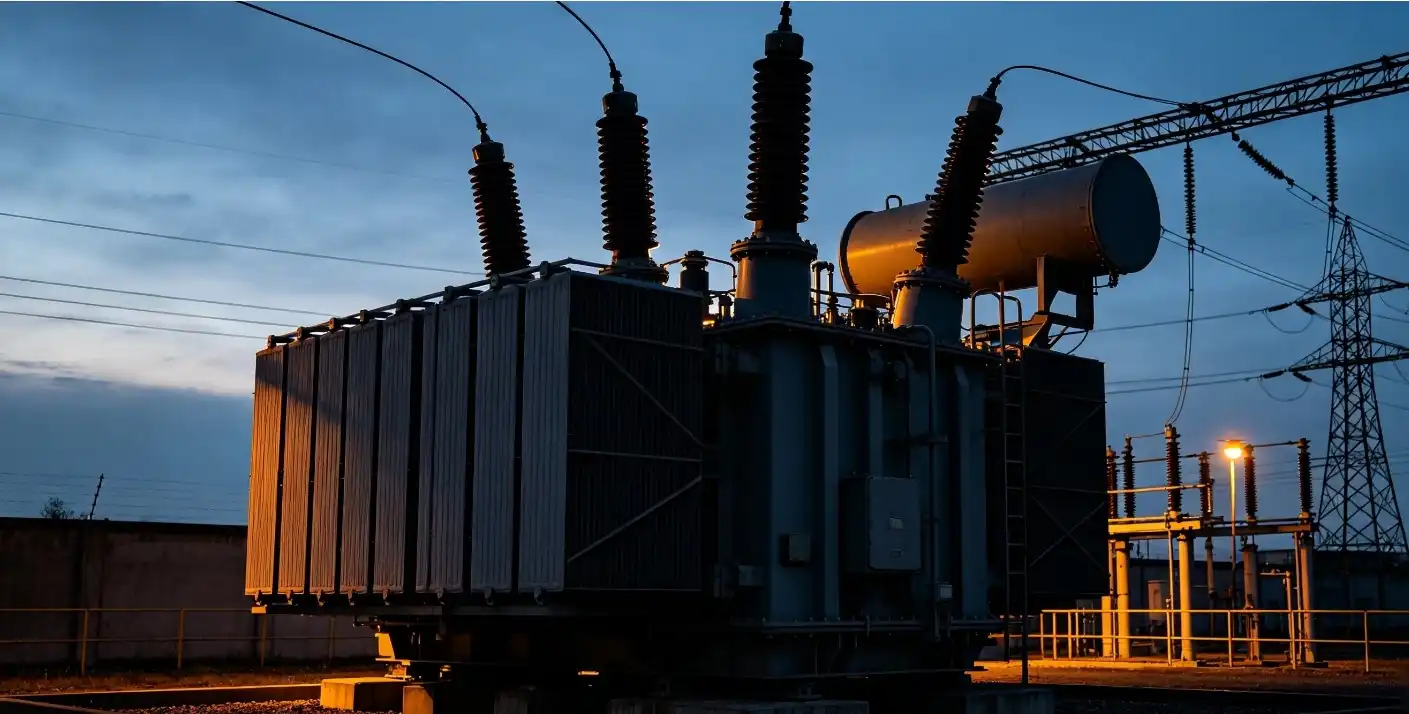
Planning strategically for purchases makes sure that technical specs, seller choices, and project timelines all work together so that equipment is easily installed and operations run smoothly for a long time.
Internationally recognized certifications show that verified manufacturers follow the rules, and for a Power Transformer, ISO 9001:2015 quality control systems make sure that the methods used in manufacturing are always the same. Adhering to IEC standards makes sure that testing and design protocols meet global standards. Regional approvals, like CE marking for European markets and UL lists for installations in North America, make it easier to buy things across borders and get them approved by regulators. Performance claims and the quality of the insulation are backed up by testing by independent, approved laboratories.
For big projects, delivery schedules need to be coordinated so that they match up with construction milestones. Lead times for high-voltage units are usually between 10 and 18 months, from placing the order to plant acceptance testing. Shipping can add another few weeks to this time. Bulk purchasing allows for bulk discounts and more efficient production, but it needs accurate demand forecasts and enough storage space. Framework deals with staged delivery terms keep project flexibility and inventory costs in check.
The right mechanical assembly, electrical links, and safety system integration are all made possible by professional installation services. The design of the foundation has to take into account how the weight will be distributed (big units weigh more than 200 tons) and how to stop vibrations. To get the dielectric strength that is needed, oil-filled transformers need to be carefully filled, vacuum processed, and have all moisture removed. For cable terminations to work, they need exact torque specs and corona guards to stop partial discharge.
Warranty coverage that protects against flaws in the manufacturing process and material failures gives you financial security during the first few months of use. Longer warranties or maintenance contracts give long-term service duties to specialized providers. This is especially helpful for businesses that don't have their own Power Transformer experts. Technical support hotlines and remote diagnostics speed up the troubleshooting process, which cuts down on downtime when something goes wrong with operations.
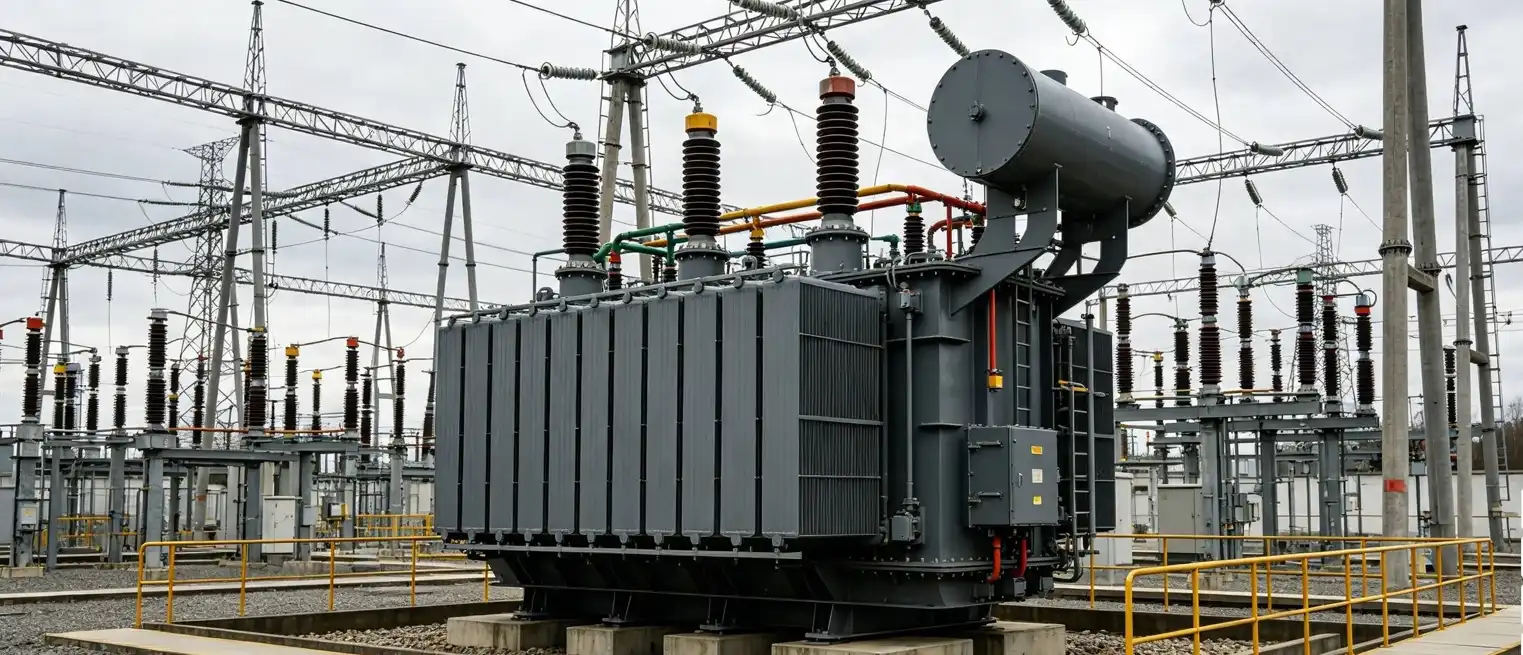
Optimization methods for improving the performance and life of Power Transformers require proactive management strategies that deal with common ways that performance drops and improved tracking methods.
Thermal management has a direct effect on how much weight an insulation can hold and how long it will last. Switching from natural to forced air cooling increases capacity without replacing core equipment, which means that buying more units won't have to be paid for right away. Thoroughly cleaning a radiator gets rid of the built-up dirt that makes heat transfer less effective. When you keep an eye on oil flow rates and temperature differences, you can find circulation issues before they become hot spots in the winding. Controlling the ambient temperature with shading structures or better airflow makes cooling work better in tough areas.
Scheduled inspection programs find problems before they affect operations. Visual inspections find problems like oil leaks, cracked bushings, and rust that need to be fixed right away. Thermographic surveys done during times of high load show that there are differences in connection heating and winding. Monitoring acoustic emissions finds partial release activity, which shows that the protection is breaking down. These non-invasive methods allow condition-based interventions that improve the timing and distribution of maintenance tasks.
Online monitoring systems keep an eye on important factors all the time and let workers know when something isn't right, and for a Power Transformer, temperature monitors give real-time thermal measurements at hot spots in the winding and in the oil. Monitoring the bushing's power factor can find insulation that is wearing down, which lets you change it before it gets too bad. Analysis of the motor current in a load tap switch finds patterns of mechanical wear. With these technologies, maintenance will no longer be based on a calendar, but on data, cutting costs and improving reliability.
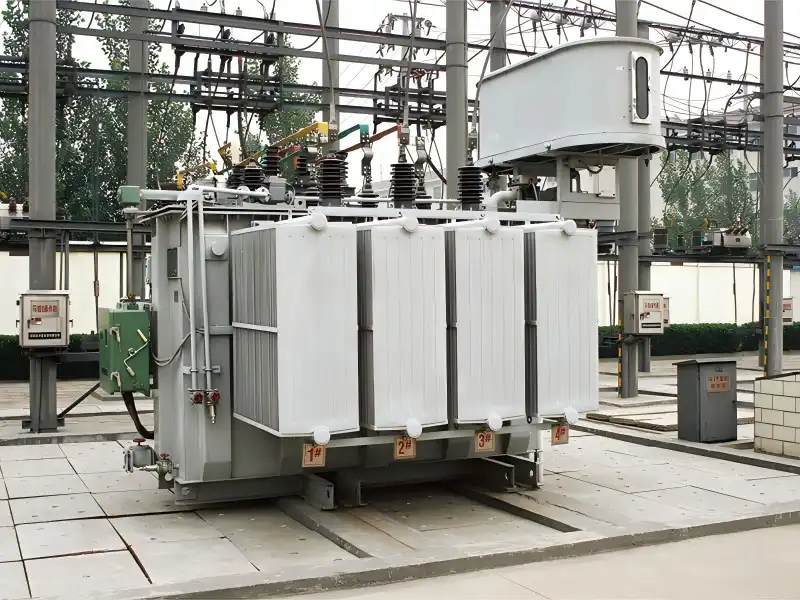
New developments in materials science, digital technology, and environmentally friendly design are changing what Power Transformers can do and how they work, opening up new ways to update infrastructure.
Amorphous metal cores cut no-load losses by 70% compared to regular silicon steel. This saves a lot of energy but costs more at first. High-temperature superconducting materials could make things a lot more efficient, but they are still in the early stages of being able to be used in real life. Biodegradable ester fluids can be used instead of mineral oil because they are safer in fires, better for the environment, and have better performance qualities that allow current units to be upgraded.
When sensors are connected to the internet, they turn passive equipment into smart grid assets. Predictive maintenance algorithms can find signs of failure weeks or months before they happen thanks to real-time data streams that feed into cloud analytics platforms. Machine learning models that look at past performance trends find the best loading methods. This makes components last longer and makes the best use of assets. Demand response programs and dynamic power control can work together with grid management tools.
Tougher efficiency standards require designs with less loss, which makes older units obsolete faster. Goals to lower carbon emissions encourage alternative programs that focus on tools that use less energy. Improvements in recycling and lifecycle assessment are being pushed by circular economy ideas into procurement specifications. When utilities and industry owners buy next-generation equipment, they put themselves in a better position to deal with changing regulations and help reach larger sustainability goals.
Finding the best Power Transformer means finding a balance between technical requirements, cost, and long-term strategy goals. When utility and industry buyers look at suppliers, they need to check their skills, make sure they follow certification rules, and offer help throughout the product's life. They also need to look at voltage needs, loading patterns, and environmental conditions. New digital tracking systems, advanced cooling technologies, and predictive maintenance strategies can help improve efficiency and make assets last longer. As grid modernization speeds up and rules on efficiency get stricter, buying tried-and-true technology from reputable companies with strong service networks is the best way to make sure that your system will work well and have low total costs of ownership over many years of service.
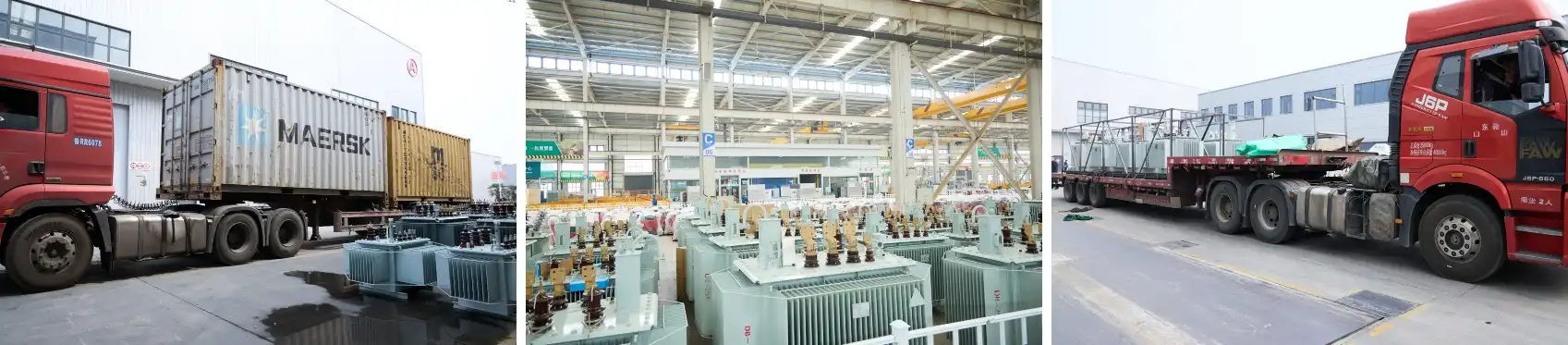
Energy economy is the main factor that affects the overall cost of a Power Transformer over its lifetime, since both no-load and load losses use a lot of electricity over 25-year or more times of use. A high-efficiency design that costs 15% more usually pays for itself in five to eight years by saving money on energy costs. Total ownership costs are also affected by the amount of maintenance needed, the frequency of failures, and the cost of downtime. For these reasons, reliability and serviceability are important factors to consider along with upfront price.
For high-power applications above 10MVA, oil-immersed units are better at cooling, take up less space, and cost less. They are best for outdoor installations where environmental containment measures can protect against oil spills. Dry-type transformers don't pose any fire or environmental risks, so they are best for indoor locations, urban substations, and facilities with strict safety requirements. However, they need bigger enclosures and controlled environments to keep their insulation performance, and they can only usually handle ratings below 10MVA.
Characteristic gas profiles found by dissolved gas research once a year can find early signs of flaws. Testing the oil's moisture content, acidity, and electrical strength on a regular basis helps decide whether to filter it or replace it. Thermographic surveys find hot spots that show issues with connections or windings. Checking the cooling system makes sure that the oil flows properly and that the radiators are clean. Bushing power factor tests shows that the insulation is wearing down, which lets you change it before it gets too bad. These precautions greatly lower the chances of catastrophic failure and increase the service life to 30 to 40 years.
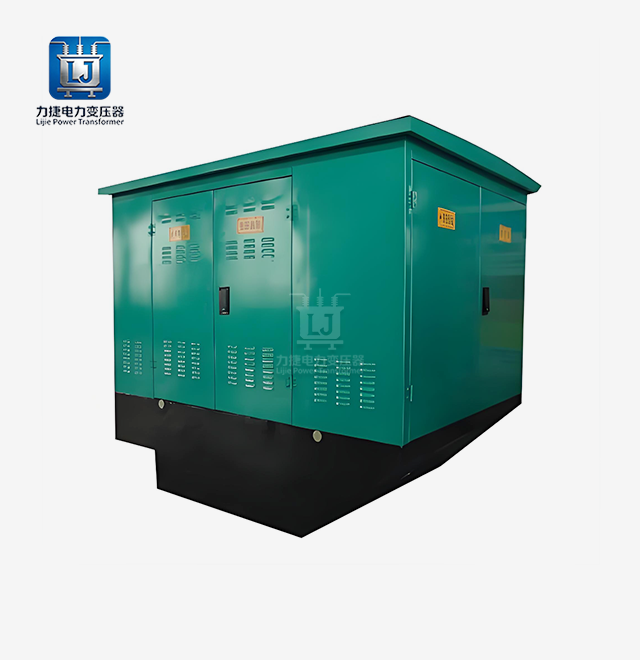
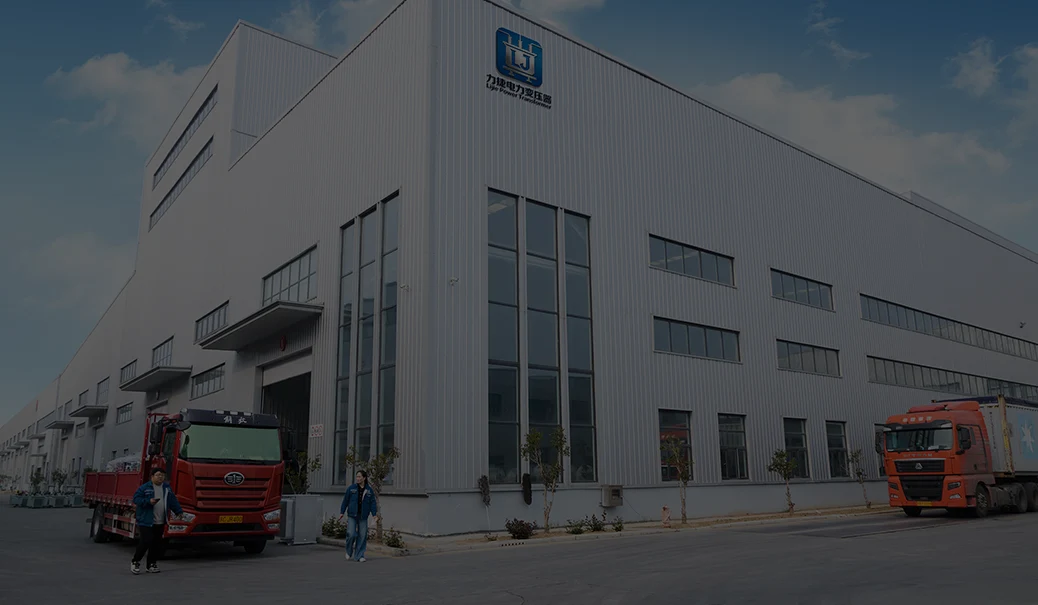
Lijie Electric Power Technology Group offers tried-and-true transformer solutions with full engineering support and top-notch manufacturing for everything from ultra-high-voltage transmission equipment to custom industrial designs. Our 500,000-square-meter factories in Xuzhou and Nantong use advanced testing methods approved by the National Transformer Quality Supervision and Inspection Center. This makes sure that every unit meets strict IEC, CE, and UL certification requirements. We offer customized specs for utility substations, green energy integration, and heavy industry uses. Our yearly production capacity is more than 5 billion RMB, and we have more than 160 doctoral and master's-level engineers working for us.
Our product line includes 500kV transmission transformers, 110kV and 220kV network equipment, full lines of oil-immersed and dry-type distribution units rated to 35kV, and special electric furnace, rectifier, and mine transformers designed for tough use. Our expert partnership is important to clients in Australia, Egypt, Kazakhstan, and Southeast Asia during the design development, production, and testing stages. We are a certified Power Transformer supplier with the "Specialized, Refined, and New Little Giant" enterprise designation. We give your critical infrastructure projects the dependability and service commitment they need.
Contact our technical team at lijieelectrical@gmail.com to discuss your specific voltage, capacity, and compliance requirements. Visit lijie-electrical.com to explore detailed product specifications and request customized quotations aligned with your project timeline and performance objectives.
1. International Electrotechnical Commission, "IEC 60076 Series: Power Transformers - General Requirements and Test Procedures," 2018 Edition.
2. IEEE Standards Association, "IEEE C57.12.00: Standard for General Requirements for Liquid-Immersed Distribution, Power, and Regulating Transformers," 2020.
3. Kulkarni, S.V. and Khaparde, S.A., "Transformer Engineering: Design, Technology, and Diagnostics," CRC Press, 2nd Edition, 2017.
4. Heathcote, Martin J., "J&P Transformer Book: A Practical Technology of the Power Transformer," 13th Edition, Butterworth-Heinemann, 2007.
5. Wang, Z.D., "Transformer Condition Monitoring and Asset Management Using Dissolved Gas Analysis and Oil Quality Assessment," CIGRE Technical Brochure 761, 2019.
6. United States Department of Energy, "Energy Conservation Standards for Distribution Transformers: Final Rule and Technical Support Document," Federal Register Volume 88, 2023.
YOU MAY LIKE


12%20type%2035kV%20distribution%20transformer.webp)


April 27, 2025
With a tight project schedule, the manufacturer delivered on time, and on-site technical personnel provided guidance throughout the entire installation and commissioning process; the collaboration was highly efficient and hassle-free.
July 2, 2025
During the preliminary phase, a selection plan was custom-tailored based on the actual site load requirements, resulting in a high degree of parameter compatibility. After-sales support responds within two hours, and ongoing technical support for operation and maintenance is comprehensive; we feel completely confident in a long-term partnership.
November 18, 2025
Deployed as a supporting component for a 35kV grid-connection project at a photovoltaic power station, the equipment operates for an average of 16 hours daily. It demonstrates excellent control over no-load losses, ensures smooth power generation and grid integration, and effectively reduces the station's overall energy consumption.
January 30, 2026
Under the continuous, high-load operating conditions of a factory production line, the equipment maintains stable electrical parameters and exhibits strong overload resistance, thereby guaranteeing an uninterrupted power supply for industrial production.
April 3, 2026
Integrated as a supporting component for a new energy photovoltaic grid-connection system, the manufacturer provided professional technical coordination and timely after-sales support, ensuring seamless adaptation to the specific electrical operating conditions required for grid integration.