April 27, 2025
With a tight project schedule, the manufacturer delivered on time, and on-site technical personnel provided guidance throughout the entire installation and commissioning process; the collaboration was highly efficient and hassle-free.
Jul 6, 2026
Procurement managers and electrical engineers often have trouble finding a reputable partner to offer high-performance distribution equipment because they have to balance quality, cost, and delivery times. The S13 type single-phase distribution transformer is a reliable and energy-efficient choice for current power networks. It has low no-load losses and works well with utility, industry, and green energy sources. When you buy from Lijie Electric Power Technology Group, you're getting high-tech S13 transformers that meet international standards and meet the needs of big infrastructure projects in the US and around the world.
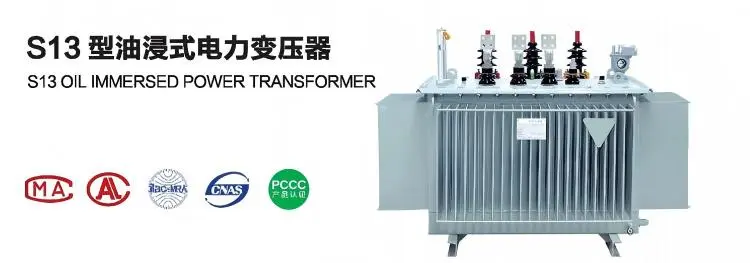
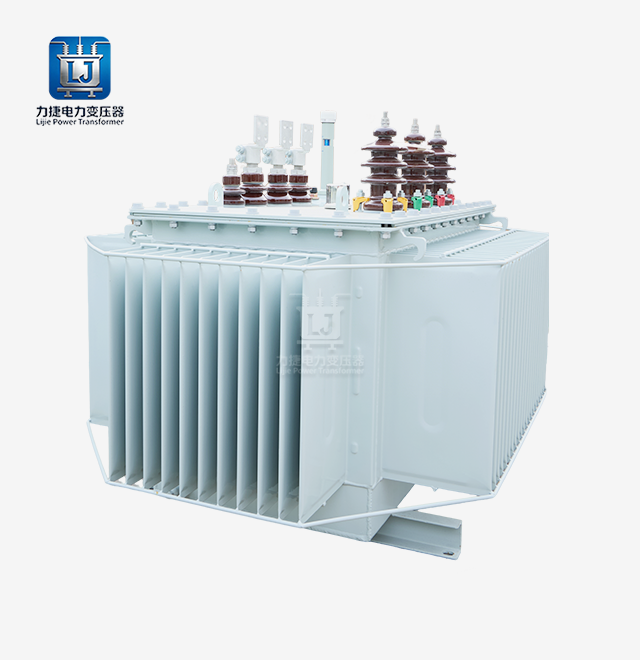
The S13 distribution transformer is a big step forward in the engineering of oil-immersed power equipment. Compared to past S11 models, this transformer has a wound iron core structure made of high-permeability cold-rolled grain-oriented silicon steel. It also has lower no-load loss by about 25–30%. The main idea behind the design makes the magnetic circuit as efficient as possible, which directly addresses operational cost concerns in low-load-density areas and remote branch lines, where energy waste has a big effect on the total cost of ownership.
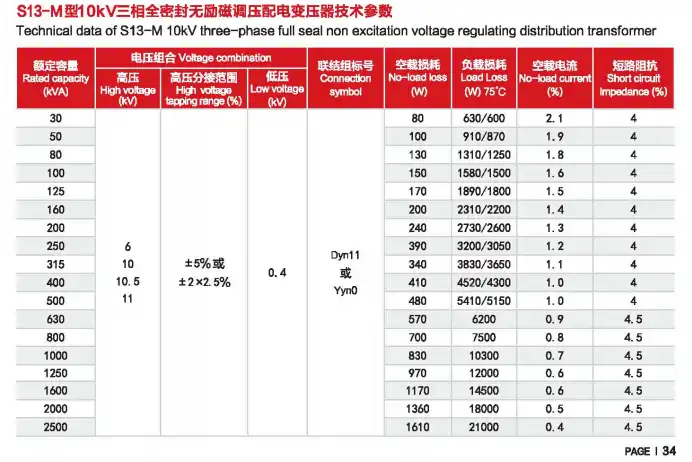
Knowing the equipment's key performance parameters helps procurement teams decide if it meets the needs of the project. The S13 series works with a range of voltages, from 6kV to 12kV for primary configurations, and has a capacity range from 30kVA to 3150kVA to meet the needs of a wide range of applications. Non-excitation voltage regulation with tap ranges of ±5% or ±2X2.5% lets the system adapt to changing grid conditions without having to pay a lot of money for custom engineering.
The designation Dyn11 for the connection group is especially useful for industrial uses. This setup provides great neutral grounding and harmonic resistance, which is very important for buildings that use variable frequency drives, rectifiers, and other nonlinear loads. Harmonic distortion is lower in balanced three-phase systems, which protects sensitive equipment and makes power quality metrics better.
The energy economy achieved by the S13 type single-phase distribution transformer directly leads to cost savings in places where power is distributed all the time. Lower no-load losses mean less energy use during light-load times. This happens a lot in home areas during the day, in business places at night, and in office buildings on the weekends. Over many years of operation, these savings add up significantly, which helps with calculating the project's return on investment.
Another important benefit is that it lowers noise. Because they usually don't make more than 45dB of noise, these transformers can be put in places near homes, hospitals, schools, and other places that don't like noise. This 20% noise reduction compared to previous national standards helps with community relations issues while also meeting city rules that are getting stricter about installing equipment in cities.
Dependability comes from using high-quality products and building in the right way. All-copper windings are very good at conducting electricity and are also very strong, so they don't bend when there is a short circuit. The completely sealed tank keeps the inside parts safe from getting wet, salt spray in coastal settings, and changes in air pressure at high-altitude mining operations. This strong construction meets the needs of utilities for equipment to work safely for 10 to 30 years with little chance of breaking down.
When upgrading existing infrastructure or planning new installations, project managers often compare the S13 type single-phase distribution transformer to older S11 models when they are looking at transformer options. The difference in effectiveness is most noticeable in certain working situations. Facilities that need a power source that is always on save a lot of money because they lose less power. The payback time is often less than five years, even though the equipment costs more at first.
The noise advantage is especially important for distribution applications in cities. People who live below an S11 transformer in a basement distribution room may have complaints, and the transformer will need to be expensively retrofitted with sound-attenuating enclosures. By specifying S13 tools at the start, these problems can be avoided, making the regulatory approval process easier and lowering the overall cost of the project.
Temporary power on building sites and faraway single-point loads with low consumption are two uses for S11 tools that are still cost-effective. The lower cost of buying S11 units makes them good for short-term deployments where savings over the lifecycle never show up. Knowing these differences helps buying experts choose the best tools for a wide range of projects.
Dry-type alternatives work well indoors, where fire safety rules don't allow oil-filled equipment or where environmental rules don't allow the risk of oil leakage. Manufacturing plants that need to keep things clean, data centers that need to stay clean, and tall buildings can all benefit from dry-type technology, even though it usually costs more and takes up more space.
In addition to stated prices, evaluating multiple potential factors is needed to find approved makers. How well sellers can meet regular delivery dates for big project orders depends on how much they can make. Facilities that cover 500,000 square meters and have their own production lines show that they have the infrastructure needed for a stable batch supply, which is what big infrastructure projects need.
Technical skills for the workforce show that you can come up with new ideas and keep standards high. Organizations that hire more than 160 engineers with advanced degrees know how to make designs fit specific voltage needs, environmental conditions, or limitations on integration. This level of technical detail is useful for projects that need answers that go beyond what's in the list.
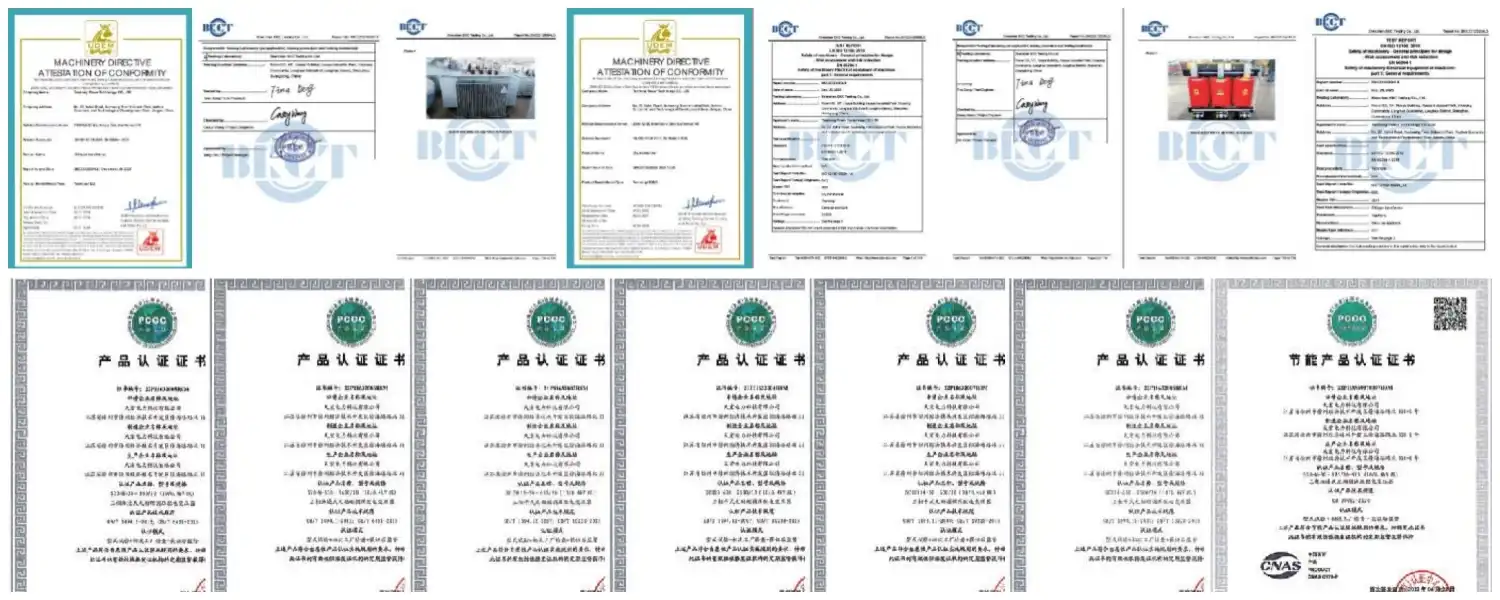
Certification portfolios make sure that international standards are being met, which is very important for buying things across borders. The ISO 9001:2015 quality management certification sets rules for the process, and the IEC, CE, and UL approvals show that the product has been tested against safety and performance standards that are known around the world. These licenses make it easier for EPC companies to get governmental approvals and lower the project risk exposure for those who work in more than one state.
Transformer prices for S13 type single-phase distribution transformers are based on their power values, which are usually given in kilowatt-hours (kVA) along with full scientific details. Instead of just looking at purchase prices, procurement teams should look at total lifetime costs. If you buy equipment with lower losses, you'll save more electricity over time, which can often pay for itself through lower operating costs.
Long-term cost predictability is affected by warranty terms and after-sales support in a big way. Comprehensive coverage that covers manufacturing flaws and quick expert help for installation questions and operating problems prevents costs that were not expected. Suppliers who offer tailored support through expert advice and field service show that their dedication goes beyond just doing business with you.
Lead times depend on how customized the product needs to be and when it needs to be made. Standard setup transformers usually ship within 6 to 8 weeks. However, custom designs with special voltage ratios or changes for different environments may take 10 to 14 weeks. Early on in the procurement process, project managers should let suppliers know about delivery needs. This is especially important when coordinating the arrival of equipment with construction milestones or planned outage windows.
International buyers care about how well an export logistics system works. Experienced suppliers handle the paperwork needed to clear customs, organize freight forwarding across both sea and land routes, and provide packaging that keeps equipment such as S13 type single-phase distribution transformers safe during transcontinental travel. This operational knowledge prevents delays and damage that can otherwise hurt project budgets and schedules.
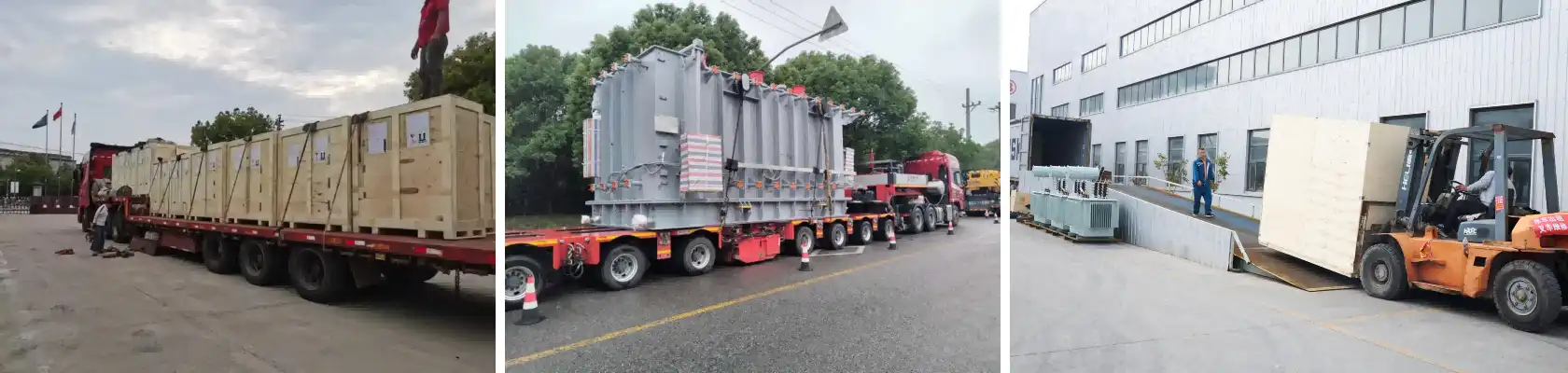
A successful deployment starts with carefully preparing the site and checking the equipment. Check that the specs on the label match the ones on the buy orders. They should also look at the outside to see if there are any signs of damage from shipping and make sure that all the accessories are there, such as bushings, oil level indicators, and terminal plugs. If problems are found before they are installed, they don't cause expensive delays or disagreements between contractors.
The foundation design has to take into account the weight of the equipment and make sure that the mounting is stable and won't move during earthquakes or vibrations. Installations on poles need structural calculations to make sure that the pole's capacity is greater than the transformer's mass, with the right safety factors taken into account. Pad-mounted setups need concrete supports that are level and have good drainage so that water doesn't pool around the base.
Because S13 transformers are sealed, they require less upkeep than other types, but they should still be checked on a regular basis. Every three months, the bushings should be visually checked for oil leaks, corrosion on the outside, and damage. Using sight gauges to check the oil level makes sure the seals are working right and finds possible problems before they cause damage inside the engine.
Thermal imaging scans of the S13 type single-phase distribution transformer find unusual temperature patterns that point to bad connections, internal problems, or problems with the cooling system. Annual thermographic inspections can spot problems early, so repairs can be done during planned maintenance windows instead of having to be done after an emergency. This predictive approach increases uptime while keeping costs down for maintenance.
Load tracking through SCADA integration keeps track of operating trends and shows situations where equipment is overloaded, which speeds up wear and tear and shortens its useful life. Data analytics find patterns in how things are used, which helps with planning capacity and deciding when to improve equipment. Modern monitoring technologies turn passive devices into information sources that help grid managers make the best decisions.
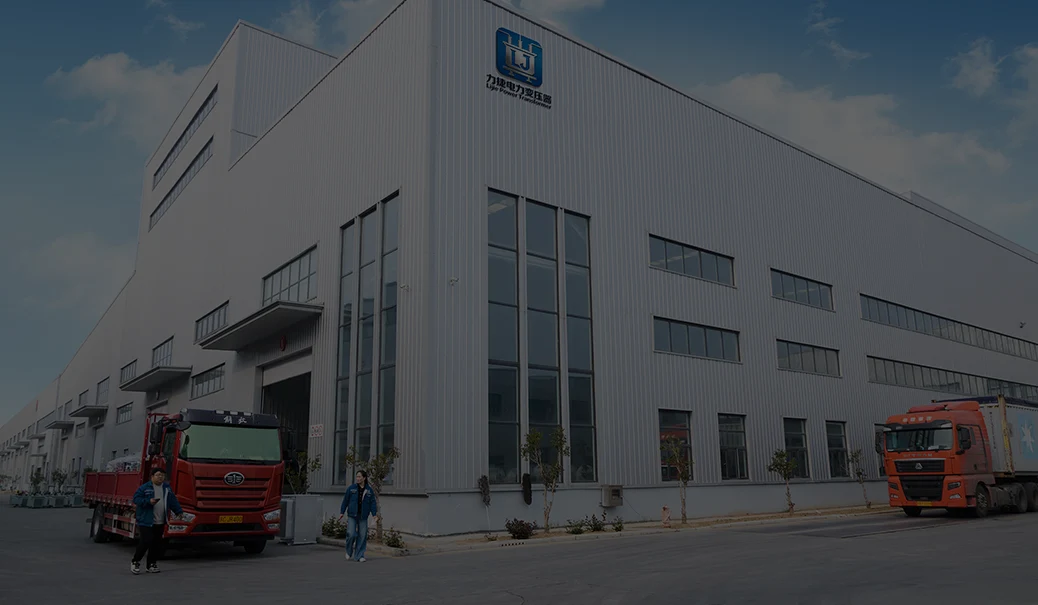
The Lijie Electric Power Technology Group has two main factories in Xuzhou and Nantong, China. Each one is 500,000 square meters and makes transformers, including the S13 type single-phase distribution transformer, which sells for more than 5 billion RMB a year. Over 2,000 people work for us, and more than 160 of them are engineers with graduate and master's degrees. They bring a lot of technical knowledge to the process of designing products and checking their quality. Because of our size and abilities, we can handle a lot of orders at once while still meeting the strict standards of consistency that are needed for infrastructure deployments across multiple sites.
Our quality management systems are certified by ISO 9001:2015 and have company measurement qualifications from the government of Jiangsu Province. At the National Transformer Quality Supervision and Inspection Center and the Wuhan High Voltage Research Institute, products go through a lot of tests to get official product model registration certificates. International licenses like CE, UL, and IEC compliance show that we are committed to global standards, which makes it easier for regulators to approve our products in a wide range of markets.
The fact that Chinese authorities have named us a "Specialized, Refined, and New 'Little Giant'" and a National High-Tech Enterprise shows that we are a leader in innovation. These awards show that the company is continuing to put money into research and development. This is helping to advance transformer technology, including the S13 type single-phase distribution transformer, by using new materials and better designs that cut down on losses and make the product work better than usual.
Each job has its own specific needs that require flexible tech solutions. Our technical teams work together with customers to come up with specifications and then suggest the best voltage settings, capacity choices, and environmental adjustments for each application. We customize our solutions to meet the needs of operational priorities and site limitations, whether we're setting up renewable energy installations, industrial facilities, or projects to bring electricity to rural areas.
After-sales support goes beyond the guarantee period and includes ongoing expert support and help with fixing problems. Customers can get help from engineers with installation, operational optimization, and planning for maintenance. This partnership approach creates long-lasting partnerships where supplier success is linked to customer performance. This creates value for both parties that can't be found in transactional procurement models.
Customers on six continents buy our products, including the S13 type single-phase distribution transformer. We send a lot of them to Australia, New Zealand, India, Madagascar, Vietnam, Malaysia, Indonesia, Kazakhstan, Tajikistan, Uzbekistan, Kyrgyzstan, Egypt, and Kenya. This global footprint shows that the company can work in a variety of regulatory environments, voltage standards, and climates. International EPC companies respect our ability to help with complicated projects from the planning stages to the final start-up.
Being the leader in your home market gives your business operational stability and guarantees that you can meet international orders. Unlike smaller makers whose output changes based on area demand, our long-term position as a supplier to Chinese utilities and industry users ensures stable supply and predictable prices. For multi-year framework agreements and phased infrastructure programs, this stability is very important.
When looking for reliable transformer suppliers, you need to look at more than just price. You also need to look at the suppliers' technical skills, manufacturing scale, quality systems, and service commitment. The S13 type single-phase distribution transformer has measured performance benefits, including lower noise and losses, and operation that doesn't need any upkeep. It is especially useful for utilities, industry facilities, and green energy projects. Lijie Electric supports global B2B customers successfully by combining advanced manufacturing infrastructure, a wealth of engineering knowledge, and a portfolio of international certifications. Because we care about quality, technical innovation, and building relationships with our customers, we are a reliable long-term provider for businesses that need steady performance across large-scale projects.
The S13 line reduces no-load loss by about 25–30% compared to S11 transformers. This is made possible by using high-permeability silicon steel in the core design. This directly leads to less energy use during low-load and quiet times, which saves money over the course of many decades of service. The biggest financial gains from these efficiency gains go to facilities that are always running or that have long periods of low load.
Standard configuration S13 transformers usually need 6 to 8 weeks from the time the order is confirmed until they are ready to be shipped. Custom specifications like non-standard capacities, voltage ratios that aren't standard, or special environmental protection may make delivery times 10 to 14 weeks longer. Coordination of production schedules helps with large orders, and phased delivery plans are made to meet the needs of project milestones. Early involvement in buying ensures that the right amount of production capability is allocated.
Full customization meets the needs of a wide range of applications. In different foreign markets, voltage rates change to fit different grid layouts and tools used. Environmental adaptations allow for operation in areas with high altitudes, extreme temperatures, salt spray from the coast, and seismic activity. Our tech teams work with customers to come up with the best specs that meet performance needs, cost limits, and delivery dates.
Lijie Electric Power Technology Group stands ready to support your transformer procurement needs with proven manufacturing excellence, international certifications, and comprehensive customer service. Our S13 single-phase distribution transformers deliver the energy efficiency, reliability, and lifecycle value that utility operators, industrial facilities, and EPC contractors demand. With 500,000 square meters of production capacity, rigorous quality systems, and engineering teams holding advanced technical degrees, we provide the scale and expertise major infrastructure projects require. Contact our team at lijieelectrical@gmail.com to discuss your specific requirements, request detailed technical specifications, or arrange factory capability assessments. We welcome the opportunity to demonstrate how our commitment to quality, innovation, and customer partnership creates lasting value for your organization.
1. IEEE Standards Association. (2019). IEEE Standard for General Requirements for Liquid-Immersed Distribution, Power, and Regulating Transformers. Institute of Electrical and Electronics Engineers.
2. International Electrotechnical Commission. (2018). IEC 60076: Power Transformers - Part 1: General Requirements. IEC Central Office, Geneva.
3. U.S. Department of Energy. (2020). Energy Conservation Standards for Distribution Transformers: Final Rule. Federal Register, Energy Efficiency and Renewable Energy Office.
4. National Electrical Manufacturers Association. (2017). NEMA Standards Publication TP 1-2002: Guide for Determining Energy Efficiency for Distribution Transformers. NEMA Technical Standards.
5. China Electrical Equipment Industrial Association. (2021). Technical Specifications for S13 Series Oil-Immersed Distribution Transformers. National Technical Committee on Transformers.
6. American Society for Testing and Materials. (2016). ASTM D3487: Standard Specification for Mineral Insulating Oil Used in Electrical Apparatus. ASTM International Standards Organization.
YOU MAY LIKE



H15%20type%20three-phase%20fully%20sealed%20distribution%20transformer.webp)
April 27, 2025
With a tight project schedule, the manufacturer delivered on time, and on-site technical personnel provided guidance throughout the entire installation and commissioning process; the collaboration was highly efficient and hassle-free.
July 2, 2025
During the preliminary phase, a selection plan was custom-tailored based on the actual site load requirements, resulting in a high degree of parameter compatibility. After-sales support responds within two hours, and ongoing technical support for operation and maintenance is comprehensive; we feel completely confident in a long-term partnership.
November 18, 2025
Deployed as a supporting component for a 35kV grid-connection project at a photovoltaic power station, the equipment operates for an average of 16 hours daily. It demonstrates excellent control over no-load losses, ensures smooth power generation and grid integration, and effectively reduces the station's overall energy consumption.
January 30, 2026
Under the continuous, high-load operating conditions of a factory production line, the equipment maintains stable electrical parameters and exhibits strong overload resistance, thereby guaranteeing an uninterrupted power supply for industrial production.
April 3, 2026
Integrated as a supporting component for a new energy photovoltaic grid-connection system, the manufacturer provided professional technical coordination and timely after-sales support, ensuring seamless adaptation to the specific electrical operating conditions required for grid integration.