April 27, 2025
With a tight project schedule, the manufacturer delivered on time, and on-site technical personnel provided guidance throughout the entire installation and commissioning process; the collaboration was highly efficient and hassle-free.
Jun 6, 2026
Purchasing managers and electrical engineers must decide whether to acquire dry-type or oil-immersed S11 transformers. Most industrial power distribution projects, construction projects, and utility installations benefit from the S11 type oil-immersed distribution transformer. Oil-immersed designs have greater heat management, a 20–30-year lifetime, and reduced lifecycle costs than dry-type choices. Its totally sealed corrugated tank prevents oil oxidation and moisture entry. This implies it doesn't need regular maintenance and performs well in heavy industries, green energy, and power utilities.

The S11 type oil-immersed distribution transformer represents an advancement in power distribution technology. It fixed defective S7 and S9 series devices. Cold-rolled grain-oriented silicon steel is joined utilizing multi-step lap joints in this machinery. This reduces no-load losses by 30% over prior versions. It can handle single-phase and three-phase installations and has 30kVA to 3150kVA power. Voltage is commonly 6kV–12kV. Non-excitation voltage regulation enables tap ranges of ±5% or ±2×2.5% to accommodate grid fluctuations without disrupting service.
The S11-M's fully sealed corrugated oil tank alters maintenance frequency and reliability. Transformers once employed oil conservators and breathing systems to admit air and moisture into insulating oil, speeding its decomposition. Corrugated tanks eliminate this problem by allowing their walls to expand and contract with temperature. This compensates for oil volume fluctuations without touching air outside the tank. This prevents moisture and air from entering, which damages insulation and electrical strength.
Winding assemblies use oxygen-free copper wires. High-voltage windings are multi-layered cylinders, whereas low-voltage ones are double-layered cylinders or spirals. Longitudinal oil lines in the winding pattern improve heat absorption and insulating strength. This allows the transformer to withstand long-term overloads without failing. Mechanical supports hold the core unit together, providing great short-circuit resistance and reducing vibration noise to below 45dB.
Oil-immersed transformers cool by natural convection. The tank's mineral oil absorbs heat from core losses and coil resistance. Hot oil rises to the top of the corrugated tank, heating the exterior. Air from outside passes via corrugated fins to discharge heat. Passive cooling consumes less energy and has fewer mechanical failure points because it doesn't need pumps or fans. The insulation class A grade, power frequency withstand voltage of AC-35kV, and impulse withstand voltage of L1-75kV ensure product performance in transmission and distribution networks.
In data centers and corporate buildings, dry-type transformers with air or resin shielding reduce fire risk. However, this benefit has significant downsides. Mineral oil conducts heat better than air-cooled systems; they work at greater temperatures and can't withstand as much stress. Resin-insulated transformers are sturdy but can fail under mechanical force. These units can't remedy slight insulation issues as oil-immersed units can by shifting the dielectric fluid.
The 1.5-fold heat conductivity of mineral oil makes oil-immersed units cooler than air. They handle stable loads better and decrease winding temperatures, extending insulation life. In tough outdoor environments, including coastal areas and industrial zones with significant particle pollution, the self-cooling system operates consistently and silently up to 40°C.
Dry-type transformers are ideal for interior applications due to shielding against oil fire safety concerns. However, modern oil-immersed models contain several safety features. The fully sealed corrugated tank design prevents oil leaks, while trouble detection and pressure-relief measures reduce catastrophic failure. US environmental rules are increasingly requiring recyclable or less-flammable ester fluids instead of mineral oil. This improves the environment without reducing efficiency.
Since they don't utilize oil, dry-type transformers are noisier and larger but pose no environmental problems. Ventilated dry-type units need fans to cool, making them louder than 55dB in sensitive areas. The larger quantities needed for heat disposal make installation more costly and limit their use in small substations or industrial locations. The S11 type oil-immersed distribution transformer is suitable for household power lines and integrated substations in cities with noise and space restrictions since units are compact and quiet.
The S11 transformer outperforms the S9 in energy efficiency. S11 units have 20–25% reduced no-load losses than S9 variants. Over several years, these units have saved a lot of energy. Superior winding designs and circuit materials have reduced load losses. With its minor efficiency gains, the S13 model is expensive and has significant payback times for cost-conscious industrial purchasers and utility operators. When procurement professionals compare the initial cost of an investment to its lifetime cost, S11 oil-immersed transformers are optimal. Advanced amorphous metal or S13 designs are pricey, but this technology makes outdated equipment more efficient without the premium cost. Field-installed reliability data reveal that S11 units normally have an MTBF of over 150,000 hours when operating within their stipulated settings. This improves maintenance budgets and reduces unnecessary downtime.
Choose the proper voltage and power levels before buying an S11 type oil-immersed distribution transformer. Power and transmission firms set medium-voltage distribution networks to 12kV main voltage. Industrial facilities with on-site generating or dedicated substations can employ 6kV setups. From 30kVA to 3150kVA, the capacity may power modest renewable energy installations to large manufacturing facilities that demand several megawatts of continuous power.
Project managers must calculate the overall connected load, predicted growth pathways, and various variables to avoid undersizing or oversizing. Undersized transformers operate near their temperature limitations, which accelerates insulation aging and failure. However, large units squander cash and function less effectively since they lose power when not in use. Electrical engineers should aim for nameplate capacities that maintain system operation between 60% and 80% load. This allows brief peaks and maximizes energy efficiency.
Transformer choice and lifespan depend on operation environment. Salty air accelerates corrosion in coastal sites; they need superior coatings and sealed tanks. The S11 corrugated tank shape and epoxy-based exterior finishes make it weather-proof, so it will last for decades. Deserts' extreme temperatures and wind-blown sand make things harder. Sand must be kept out of cooling pathways and insulating surfaces by strong sealing mechanisms.
Buying transformers in the US requires compliance with rules. All equipment must fulfill NEC standards. Some programs may need IEEE, ANSI, or IEC guidelines depending on the user. IEC 60076 accreditation means reputable producers' S11 series satisfies international quality and safety requirements. Product suitability in North America is confirmed by UL certification. Electrical safety, thermal performance, and environmental considerations are checked by buying teams while assessing vendors.
Energy efficiency metrics affect transformer operation costs over decades. S11 efficiency at full load ranges from 98.5% to 99.2%, depending on voltage class and capacity. These amounts may appear small, but adding up the 20–30-year work lifetimes saves a lot of energy. A 1000kVA transformer at 80% average load and 0.3% efficiency saves 21,000 kWh per year, saving money and reducing environmental impact.
The entire cost of ownership goes beyond the purchase price. It also covers construction, maintenance, energy losses, and disposal or recycling expenses. This extensive analysis reveals that oil-immersed S11 transformers are competitive. The sealed tank design eliminates the need to test and change oil often, a concern with previous transformer technology. Maintaining this unit is 60% easier than with a conservator. Standardized mounting configurations and connecting techniques simplify installation, and proven dependability reduces system repair costs.
The manufacturing world for the S11 type oil-immersed distribution transformer includes Asia, Europe, and North America. Each region has several well-known manufacturers with advantages in cost, quality, and professional assistance. Chinese manufacturers, especially those with new ISO 9001 and IEC-certified facilities, may provide inexpensive pricing without compromising quality if suppliers are properly vetted. Because they serve local and worldwide consumers, these factories may leverage economies of scale. Large orders at better pricing save international purchasers money.
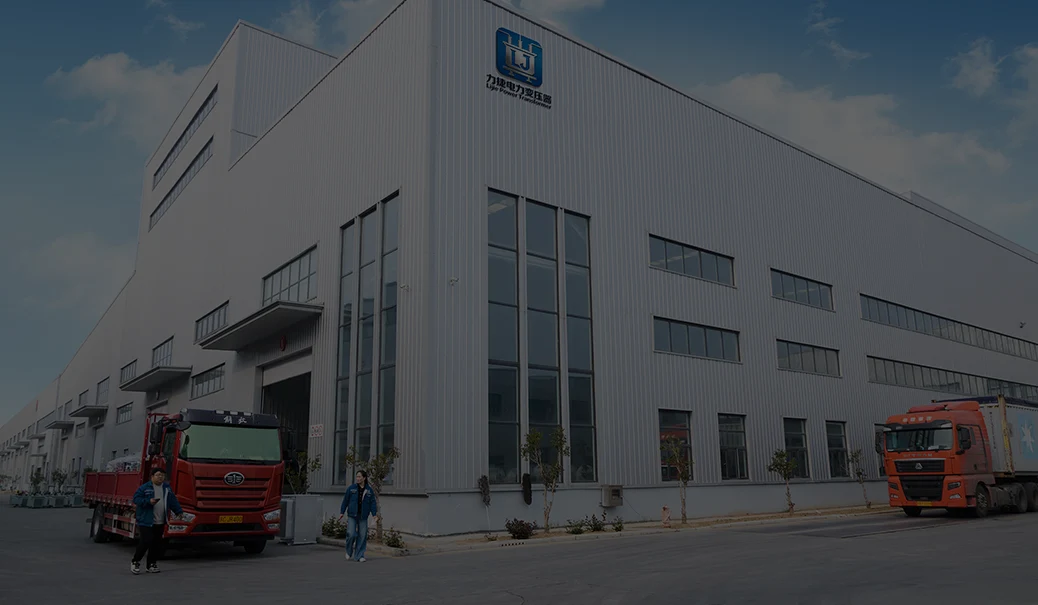
Lijie Electric Power Technology Group's two 500,000-square-meter facilities in Xuzhou and Nantong demonstrate this type of production. The company employs 160+ advanced-degree engineers who support standard products and application-specific solutions. Over 5 billion RMB in annual sales proves that the company can deliver dependable, huge transformers to large building projects and utility programs.
Buyers of transformers must carefully examine vendors in several areas to assure quality. ISO 9001:2015 manufacturing certifications ensure quality control and process management. Products with CE, UL, and IEC certifications satisfy foreign safety and performance criteria. Procurement teams should verify that suppliers have third-party testing with reputable institutes. So, they can ensure that routine, type, and special testing techniques fulfill regulations in all shipment locations.
Along with credentials, check the supplier's financial stability and output. Many-year transformer supply contracts require suppliers that can maintain quality and delivery schedules despite economic and raw material price variations. Manufacturing locations demonstrate production, quality control, and inventory management in ways that textual information cannot. Current reference installations and performance statistics from similar apps provide real-world assurance of service quality and dependability beyond technical specs.
Buying transformers from foreign nations involves preparation and coordination, especially for large power units that weigh several tons when transported. Long-term exporters may be better at handling customs paperwork, unique transportation demands, and international shipping laws than domestic manufacturers. Packaging standards must protect items from harm and moisture during long-distance sea or land transit. Crating must be sturdy, and desiccant systems must remain protective during delivery.
Warranty coverage can run 24–36 months from commissioning or 30 months from delivery, whichever comes first, depending on the vendor and agreement. Poor installation, operation above recommended limits, or environmental conditions outside the product's control don't cover damage under comprehensive warranties. Their coverage is limited to manufacturing defects, material failures, and work defects. After-sales support is very important when technical problems happen. Providers that respond quickly stock additional parts, give online diagnostic support, and send field service professionals.
Preventive maintenance methods extend the S11 type oil-immersed distribution transformer life and reduce the chance of severe failures that cause downtime and costly repairs. A monthly visual examination should record oil levels from sight gauges, examine the pressure release system, check tank surfaces for corrosion or other deterioration, and check temperature indications. Quarterly checks verify bushings, terminal connections, and grounding system continuity to maintain electrical safety requirements.
In annual comprehensive examinations, more invasive methods like dissolved gas analysis (DGA) of insulating oil samples are utilized to discover problems before they arise by looking for specific gas patterns. High acetylene, ethylene, or hydrogen levels indicate electrical or thermal stress situations that must be addressed before the insulation fails. Megohm meters measure insulation resistance to assess winding-ground dielectric stability. Falling resistance levels may indicate that the insulation requires refreshment or replacement due to age or moisture contamination.
Advanced tracking systems enable condition-based repair procedures that maximize resource consumption and prevent interruptions. Temperature monitors that continually measure top-oil and rotor hot-spot temperatures provide performance data and reveal unusual thermal patterns before they cause harm. Corona activity is tracked in insulation systems using partial discharge monitoring devices. This identifies degradation mechanisms that conventional testing misses. These solutions prolong equipment life and prevent breakdowns at critical areas with tight reliability requirements, justifying their cost.
The way you handle loads has a direct effect on how long a transformer lasts because it stops insulation materials from building up heat stress. Transformers age faster when run over their nameplate values because high temperatures tear down cellulose insulation and diminish oil dielectric strength. Conversely, continual light loading below 40% capacity wastes cash and may make damp areas harder to dry. The ideal method to load equipment is 60%–85% of its maximum capacity during typical operations. This lets you conserve thermal buffer for high-demand periods.
Oil handling while repairing older equipment must comply with environmental standards concerning petroleum products and PCB emissions. Modern S11 transformers employ PCB-free insulating fluids. However, appropriate storage and disposal prevent soil and groundwater contamination during sample or oil replenishment. Secondary containment systems under transformers capture fluids from leaks and spills. Installing these systems near vulnerable ecosystems or public water sources, where pollution concerns might have major legal and regulatory repercussions, is crucial. Workers must utilize the correct PPE, eliminate electrical dangers, and obey restricted space guidelines while entering tanks during maintenance to stay safe. Lockout/tagout de-energization prevents equipment from turning on accidentally during repairs. Grounding and discharging stored energy safeguards workers against residual voltage. All transformer maintenance should be done by licensed and trained electricians.
Choosing between dry-type and oil-immersed S11 transformers depends on the application, installation environment, and lifetime cost targets. Most power utilities, industries, and green energy applications choose the S11 type oil-immersed distribution transformer because it has higher thermal performance, lasts longer, and requires less maintenance. The fully sealed corrugated tank design eliminates oil leakage concerns while maintaining liquid cooling and insulation. Procurement professionals seeking dependable and cheap power distribution will find oil-immersed S11 technology suitable for difficult operating demands in many sectors and fields.
Oil-immersed designs employ natural airflow cooling to manage heat effectively. This allows them to carry more and last 25–30 years. Fully sealed corrugated tank prevents water and oil contamination. The dielectric performance remains unchanged without frequent maintenance. These units operate more quietly and are smaller than vented dry-type choices.
With proper installation and maintenance, S11 transformers always last over 25 years. Many installations last 30 years or more. Older transformer generations needed frequent oil changes and aged more quickly due to air pollution, but the sealed tank design and high-quality insulating materials extend service life.
Reputable manufacturers allow adjustments to voltage grades, capacity standards, connection configurations, and environmental protection measures. Custom designs generally preserve the fundamental S11 technology but change the size, cooling, and wiring to suit the purpose. Personalization might take 8–16 weeks longer than standard product release, depending on the parameters.
Lijie Electric manufactures high-quality S11 type oil-immersed distribution transformer units that fulfill demanding IEC, CE, and UL specifications for power distribution systems. Our technical team has designed transformers for decades and has ISO 9001:2015-approved testing and quality control capabilities. We offer quality products, fast technical assistance, and low-cost models for bulk purchases. We can help with regular distribution units or custom solutions for tough circumstances. Our worldwide supply chain ensures on-time delivery of North American projects, and our specialist after-sales service teams build long-term relationships with your organization. Discuss your demands with our specialists at lijieelectrical@gmail.com to learn why leading utilities, renewable energy producers, and industrial manufacturers prefer Lijie Electric as their preferred supplier.
1. Institute of Electrical and Electronics Engineers (2019). IEEE Standard C57.12.00: General Requirements for Liquid-Immersed Distribution, Power, and Regulating Transformers. IEEE Standards Association.
2. International Electrotechnical Commission (2018). IEC 60076-1: Power Transformers – Part 1: General Requirements. IEC Central Office, Geneva.
3. Zhang, W., & Liu, H. (2020). Performance Analysis and Energy Efficiency Comparison of S9, S11, and S13 Series Oil-Immersed Distribution Transformers. Journal of Electrical Engineering Technology, 15(4), 1673-1681.
4. National Electrical Manufacturers Association (2021). NEMA ST 20: Dry-Type Transformers for General Applications. NEMA Publications.
5. Thompson, R.J. (2017). Transformer Lifecycle Cost Analysis: Evaluating Total Ownership Economics in Utility Applications. Electric Power Research Institute, Technical Update Report.
6. Chen, M., & Anderson, K.L. (2022). Maintenance Strategies for Sealed Oil-Immersed Distribution Transformers in Harsh Environments. IEEE Transactions on Power Delivery, 37(2), 892-901.
YOU MAY LIKE

12%20type%2035kV%20distribution%20transformer.webp)

10%20type%20dry-type%20distribution%20transformer.webp)
April 27, 2025
With a tight project schedule, the manufacturer delivered on time, and on-site technical personnel provided guidance throughout the entire installation and commissioning process; the collaboration was highly efficient and hassle-free.
July 2, 2025
During the preliminary phase, a selection plan was custom-tailored based on the actual site load requirements, resulting in a high degree of parameter compatibility. After-sales support responds within two hours, and ongoing technical support for operation and maintenance is comprehensive; we feel completely confident in a long-term partnership.
November 18, 2025
Deployed as a supporting component for a 35kV grid-connection project at a photovoltaic power station, the equipment operates for an average of 16 hours daily. It demonstrates excellent control over no-load losses, ensures smooth power generation and grid integration, and effectively reduces the station's overall energy consumption.
January 30, 2026
Under the continuous, high-load operating conditions of a factory production line, the equipment maintains stable electrical parameters and exhibits strong overload resistance, thereby guaranteeing an uninterrupted power supply for industrial production.
April 3, 2026
Integrated as a supporting component for a new energy photovoltaic grid-connection system, the manufacturer provided professional technical coordination and timely after-sales support, ensuring seamless adaptation to the specific electrical operating conditions required for grid integration.