April 27, 2025
With a tight project schedule, the manufacturer delivered on time, and on-site technical personnel provided guidance throughout the entire installation and commissioning process; the collaboration was highly efficient and hassle-free.
May 6, 2026
People who need to buy transformers for large-scale grid projects or industrial uses often want to know what makes one unit more reliable and efficient than another. The answer is in the iron core, which is at the center of the generator. This important part, especially in iron core rod type distribution transformers, controls the flow of magnetic flux, cuts down on energy waste, and has a direct effect on both the operating lifetime and the lifespan cost. Knowing how it works is more than just academic information; it's a buying advantage that saves money and keeps things running smoothly for decades.
Power transformers transmit electromagnetic energy via the iron core. As a low-reluctance magnetic circuit, it efficiently transfers magnetic flux from the primary winding to the secondary winding. This procedure uses Faraday's law of electromagnetic induction: alternating current in the primary coil generates a changing magnetic field. This field is focused and guided by the iron core to generate secondary coil voltage.
Magnetic reluctance resembles circuit resistance. Magnetic flux spreads and evaporates as heat in the air due to its high resistance. In an Iron core rod type distribution transformer, adding grain-oriented silicon steel or amorphous metals to the iron core reduces resistance by almost 1,000 times compared to air gaps. A more efficient winding connection further reduces no-load losses due to this concentration effect. This is a major issue for utilities with thousands of distribution transformers throughout extensive networks.
Traditional laminated cores decrease eddy currents by stacking thin silicon steel sheets. Rotating eddy currents within conductive materials waste heat. Rod-shaped pole-mounted distribution units employ cylinder-shaped core parts for modest mechanical assembly and outdoor deployment. Rod-type cores are excellent for dispersed usage like rural grids, train electrification, and renewable energy integration, where space is restricted, and speedy deployment is crucial. Laminated types are most frequent in huge power transformers.
Differences in structure affect efficiency. In fixed placements, laminated cores have lower core losses but are tougher to produce. Rod-type designs sacrifice efficiency for durability, weatherproof housing, and easy maintenance. This is crucial when transformers operate on utility lines for 20–30 years without maintenance.
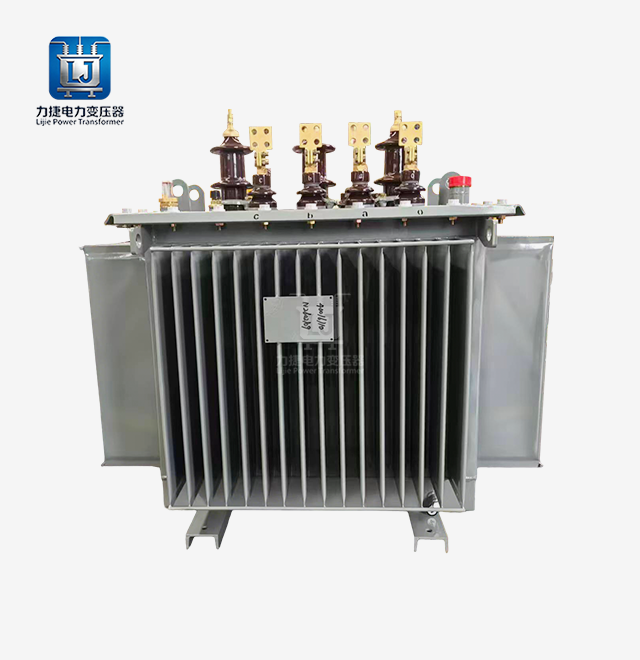
Pole-mounted transformers, which are also sometimes called "rod transformers," are special pieces of outdoor equipment that are submerged in oil and placed on power lines. The way they work is similar to mutual inductance: high-voltage electricity from distribution lines is stepped down to voltage levels that people can use by changing electromagnetic energy, which is done by the iron core's magnetic circuit.
Cores made of cold-rolled grain-oriented silicon steel or amorphous metal are used in modern units. Silicon steel has good saturation induction (around 1.9T) and has been shown to last, while amorphous alloys lower no-load losses by 70–80% compared to standard materials, but they are more expensive and need to be handled carefully during production because they are fragile. The rod design lets you put core sections vertically or horizontally inside cylinder-shaped tanks. This makes the magnetic path length optimal and allows for high-voltage and low-voltage windings to be wound concentrically around the core limbs.
Shell-type transformers have windings that are surrounded by core steel, and three-phase core-type designs use shared yoke sections. In contrast, the Iron core rod type distribution transformer uses a rod-shaped structure that aims for mechanical simplicity: fewer joints mean less time spent putting them together and a lower chance of flux leaking at connection points, which is good for batch production that supports large-scale grid upgrade projects.
When purchasing, teams look at pole-mounted units, teams should make sure that these factors are in line with IEC 60076 standards:
• Voltage levels: 8kV and 20kV main values, good for medium-voltage power lines.
• Capacity range: The 15kVA to 167kVA capacity range covers a wide range of distributed small-load uses, from residential groups to train signaling systems.
• Tap adjustment: non-excitation voltage regulation with ±2.5% steps, so workers in the field can fix drops in line voltage without turning off the unit.
• Insulation class: Power frequency withstand voltage of 35kV AC and impulse withstand voltage of 75kV are included in the insulation class. This makes sure that lightning strikes won't damage the equipment when it's outside.
• Cooling method: oil-immersed self-cooling (ONAN), which uses transformer oil's dual function as both an insulator and a heat transfer medium. It doesn't need any external pumps or fans, so it's easier to maintain.
These specs directly deal with the decision-making process behind buying an Iron core rod type distribution transformer: making sure it works with the current grid infrastructure, keeping costs down by using standard designs, and ensuring timely delivery through modular manufacturing methods.
The total cost of ownership, which goes far beyond the initial buying price, is based on performance measures. Over many decades of service, running costs are affected by how well energy is used, how loud it is, and how well heat is managed.
Even when there is no power demand, core losses, or "no-load losses," occur when the transformer is switched on. Distribution networks in rural locations where load fluctuates with the seasons or solar farms that aren't utilized at night accumulate these losses. High-grade silicon steel cores lose 0.9 to 1.2% of their capacity without load. Alternatively, amorphous alloys lose 0.3% to 0.4%. Copper losses, or load losses, depend on winding current. Adjust wire cross-sections and winding shapes to decrease resistive heating.
You must compare upfront expenditures against energy savings to pick the correct core material. While 30–40% more costly than silicon steel, amorphous cores pay for themselves in less than five years in continuous-duty operation. Procurement managers should use area energy prices, expected load factors, and utility demand charges to calculate product lifetime costs to make data-driven material decisions.
Magnetostriction—core laminations expanding and contracting in reaction to magnetic fields—causes transformer noise. Since pole-mounted devices operate near residences, noise reduction is crucial. Good silicon steel cores with the proper grain orientation and stress-relief heating maintain sound levels at one meter to 45 to 50 dB, as silent as a library.
Natural airflow cools covered oil tanks in the Iron core rod type distribution transformer. Hot oil from the core and windings warms the transformer oil, tank walls, and radiator fins. Thermal reserves are maintained by ambient temperature limits (typically 40°C) and altitude de-rating factors. Check procurement standards for temperature increase limits—usually 65°C for windings above ambient—to prevent insulation breakdown and oil oxidation.
Oil-immersed designs are superior because the sealed environment prevents core material oxidation, moisture, and dust. Oil samples are obtained for dielectric strength and dissolved gas analysis during maintenance. Bushings and tank soundness are visually checked, and thermographic scans are done while the machine is operating to discover hot areas that indicate winding or connection issues.
Well-maintained pole-mounted transformers may last 25–30 years. Medium-life oil reconditioning may increase their lifespan to 40 years. The iron core's stability lets it work well when manufactured properly, unlike mechanical parts that wear out. Companies that provide oil testing kits, simple access to replacement parts, and skilled repair worker training should be prioritized by buyers.
Managing supply chain risks and total project costs is key to making sure that the features of the transformer match the needs of the application.
Each deployment requires customized specifications. Rural power projects prioritize low-cost expenditures and modest footprints. The Iron core rod type distribution transformer enables pole-mounted installations that eliminate the need for substations, land, and other construction costs, saving months on project timelines. Integrated renewable energy sources like wind farms and solar panels with varying output benefit from amorphous cores' part-load efficiency, as these systems generally operate below capacity.
Mines, chemical facilities, and steel mills need substantial short-circuit resistance and fast fault response. Buyers should examine distribution unit impedance voltage levels (typically 4–6%) to ensure current-limiting during faults and mechanical strength by short-circuiting it according to IEC 60076-5 standards.
The environment influences enclosure materials and grades. Coastal installations require non-rusting tank paints and seals to block salty mist. Flights beyond 1,000 meters need de-rating or greater cooling due to decreased air density. In frigid climates, transformer oils must flow below -40°C.
Only 40–50% of ownership costs are unit prices. Energy losses over 20 years frequently cover the purchase price; efficiency is a wise financial decision. Buyers should get loss data, such as watts at no-load and load, and apply capital cost discount rates to calculate energy expenses.
Project-based procurement prioritizes delivery dates. Standardized designs—pre-engineered rates employing standard tank sizes and winding configurations—allow 6–8 weeks for shipping. Custom standards like voltages, tap ranges, and seismic strengthening increase manufacturing time by 12–16 weeks and cost by 15–25%. Place repeated orders to acquire better pricing via economies of scale. Framework arrangements with yearly volume guarantees give you priority manufacturing slots and steady costs.
Compliance with certification proves the quality of the Iron core rod type distribution transformer. ISO 9001 certification ensures consistent manufacturing processes, IEC 60076 type testing verifies performance claims, CE marking ensures product safety, and UL listing meets North American market requirements. These qualities reflect strong design, trackable materials, and high-quality control in manufacturing, not simply appearance.
Warranty terms indicate manufacturer confidence. The industry averages two years for parts and labor, while exceptional suppliers will cover essential active components for five. Technical hotlines staffed by engineers instead of contact centers, field service teams who can diagnose and solve issues on-site, and spare parts stockpiles for older models that can operate for decades after manufacturing end are just as critical.
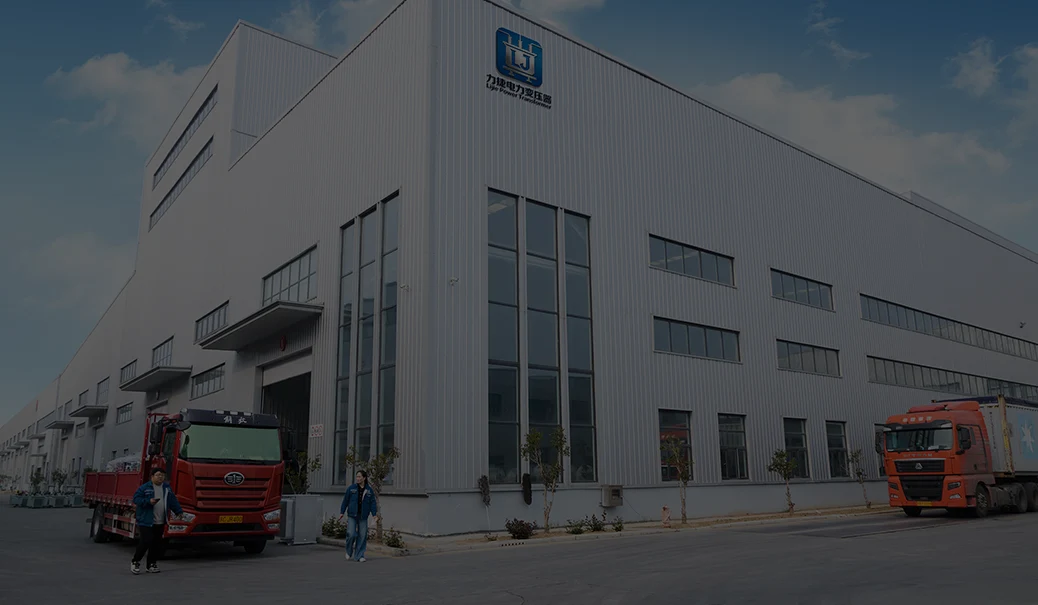
In factories, you learn stuff you can't elsewhere. Focus on key production areas. Laser-guided alignment and mechanized stacking tools demonstrate precision. See whether testing laboratories obey the laws using partial discharge detection tanks, temperature rise test rigs, and impulse generators. Check how much can be made—500,000-square-meter facilities with over 2,000 staff can sustain long-term project streams.
Knowing about potential benefits doesn't mean much if they aren't proven in the real world. By looking at how the iron core rod type distribution transformer is used in different businesses, we can see where they really add value.
• Urban Power Distribution: When cities replace old infrastructure, they put units on poles in private areas where underwater vaults would be too expensive. Small footprints and low noise levels (under 50 dB) comply with city noise regulations. Standardized grades make inventory management easier for utility teams that take care of thousands of units.
• Renewable Energy Systems: Distributed step-up transformers take power from inverter groups and send it to substations. Solar farms that cover hundreds of acres use these transformers. Rod-type units placed on steel structures next to solar panels cut down on wire runs and voltage drop, which makes the plant more efficient as a whole. Their low no-load losses are very important at night and when it's dark, when power production stops, but transformers stay on.
• Heavy Industry and Mining: Crushing equipment, transport systems, and processing plants spread out over large sites are powered by transformers placed on poles. The units are mechanically tough enough to handle vibrations from heavy machinery, and their oil-immersed design keeps dust out, which is a problem that dry-type options have in these settings.
In the southwestern United States, a company that develops green energy replaced old silicon steel pole-mounted transformers with amorphous core units in 50 solar substations with a total capacity of 200 MVA. Annual energy audits showed a 180 MWh drop in no-load losses, which equals $18,000 a year in savings at $0.10/kWh and a return period of 4.2 years, even though the initial costs were higher. In addition to making the project more profitable, the change cut its carbon footprint by 120 metric tons of CO₂ per year, which helps companies keep their green promises, which are being closely watched by investors and regulators.
In hilly areas, projects to electrify railways use pole-mounted transformers because they can be set up quickly. In eight months, one transit authority put in 300 units along 150 kilometers of track, which was 40% faster than options that used substations. The spread design made it easier to control voltage at faraway catenary sections. This cut energy use by 6% and increased schedule reliability by adding extra supply points.
It is becoming more and more efficient thanks to progress in material science. Nano-crystalline alloys, which are still in trial production, offer 90% less core losses than regular silicon steel while also fixing the brittle nature of amorphous materials. Using additive manufacturing may make it possible to create optimized core shapes that aren't possible with standard building methods. This could further cut down on weight and losses.
Digitalization changes how generator tracking is done. IoT-enabled devices measure the temperature of the oil, the amount of dissolved gas, and the activity of partial release. They send this information to cloud platforms that run algorithms for predictive maintenance. These systems find problems weeks before they become serious. This stops unplanned outages and increases the life of assets by using condition-based solutions instead of set upkeep plans.
Regulatory environments are requiring more and more economic standards. Inefficient old designs are being phased out by the U.S. Department of Energy's energy conservation standards and similar EU rules. This speeds up the market's move toward amorphous and nano-crystalline technologies. When buying things, procurement teams should think about how the rules will change in the future so that assets don't get left behind when performance standards get higher.
The iron core controls the performance of the transformer by moving magnetic flux between the windings. When buyers look at pole-mounted distribution transformers, they need to know more than just the nameplate ratings. They need to know how the core materials, structure shapes, and manufacturing quality affect the cost, dependability, and operating efficiency over the product's lifetime. The Iron core rod type distribution transformer, as a specialized rod-type design for distributed applications, offers flexible installation, a small footprint, and quick deployment, which solves long-standing problems in bringing electricity to rural areas, integrating green energy sources, and providing power to factories.
To choose the right tools, you have to weigh the technical specs against the needs of the application, the surroundings, and the total cost of ownership. Partnering with makers who can show they have a proven production capacity, all the necessary certifications, and strong after-sales support lowers supply chain risks and guarantees decades of reliable service. As grid modernization speeds up and rules on efficiency get stricter, choices made today that are based on good information will determine tomorrow's competitive edge.
When compared to air, iron cores lower magnetic resistance by over 1,000 times. This concentrates flux and lowers random losses. This design lets 98–99% of energy be transferred efficiently, while air-core transformers rarely go above 90% efficiency and need to be much bigger to handle the same amount of power. The efficiency gap directly leads to lower running costs over many decades of service.
For important sites, oil sampling and visual checks should be done once a year, and thermographic scans should be done every two to three years while the equipment is under load. Dissolved gas analysis finds problems inside a system before they become too big to fix. When properly kept, units consistently work for 25 to 30 years with oil reconditioning in the middle of their life. Transformers that aren't taken care of fail early because moisture gets into the insulation and breaks it down.
Reliable sources allow for a lot of customization, such as non-standard voltage ratios, special impedance values for fault current limiting, better seismic strengthening, tropical-grade insulation for places with a lot of humidity, and de-rating for sites above 1,000 meters. When compared to normal catalog goods, custom designs take 4–8 weeks longer to make because they need more detailed information about the application.
Lijie Electric Power Technology Group has been making high-quality transformers for over 20 years and serves demanding B2B customers all over the world. Our engineering teams have shipped more than 100,000 distribution transformers to utilities, industrial plants, and green energy projects in 20 countries. These transformers are made in 500,000 square meters of advanced production facilities in Xuzhou and Nantong. Our iron core rod type distribution transformers, which come with both silicon steel and amorphous core choices, meet IEC, CE, and UL certification standards and can be customized to meet your unique voltage, capacity, and environmental needs.
Whether you're improving rural power grids, adding green energy sources, or turning factories into power plants, our technical experts can help with application engineering from the initial design phase to completion and ongoing maintenance. You can talk about the details of your project, get certified test results, or set up workplace checks by emailing lijieelectrical@gmail.com to our procurement team. We offer clear pricing, guaranteed shipping times, and full after-sales help to make sure your transformer investment works well for decades. You can look at all of our products at lijie-electrical.com and get a unique quote right away.
1. International Electrotechnical Commission. (2018). Power Transformers - Part 1: General Requirements. IEC 60076-1 Standard, Geneva, Switzerland.
2. Kulkarni, S.V., & Khaparde, S.A. (2017). Transformer Engineering: Design, Technology, and Diagnostics (2nd ed.). CRC Press, Boca Raton, Florida.
3. Heathcote, M.J. (2015). The J&P Transformer Book: A Practical Technology of the Power Transformer (13th ed.). Newnes Publishers, Oxford, United Kingdom.
4. U.S. Department of Energy. (2020). Energy Conservation Standards for Distribution Transformers: Final Rule. Federal Register, Vol. 81, No. 96, Washington, D.C.
5. Godard, P., & Mirebeau, P. (2016). Amorphous Metal Distribution Transformers: Energy Efficiency and Environmental Performance. Schneider Electric White Paper, Grenoble, France.
6. IEEE Standards Association. (2019). IEEE Guide for Loading Mineral-Oil-Immersed Transformers and Step-Voltage Regulators. IEEE Std C57.91-2011 (R2019), New York, United States.
YOU MAY LIKE
18%20type%20epoxy%20resin%20cast%20transformer.webp)
H15%20Amorphous%20Alloy%20Distribution%20Transformer.webp)

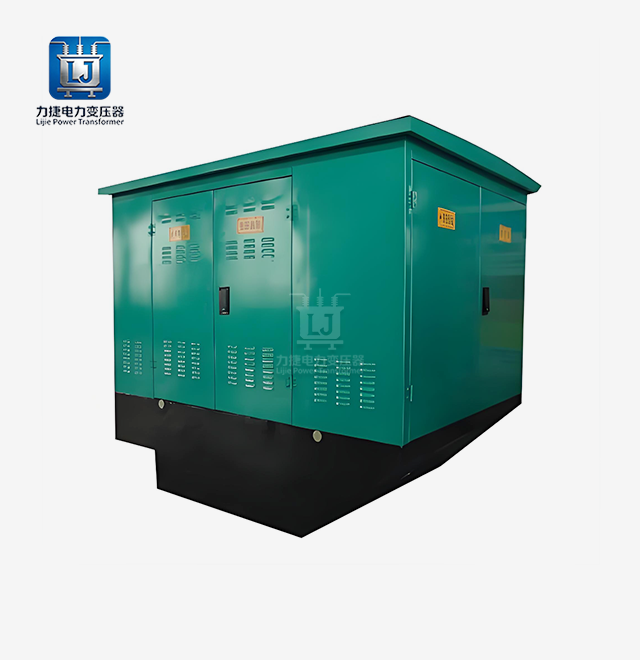
18%20type%20dry-type%20distribution%20transformer.webp)


April 27, 2025
With a tight project schedule, the manufacturer delivered on time, and on-site technical personnel provided guidance throughout the entire installation and commissioning process; the collaboration was highly efficient and hassle-free.
July 2, 2025
During the preliminary phase, a selection plan was custom-tailored based on the actual site load requirements, resulting in a high degree of parameter compatibility. After-sales support responds within two hours, and ongoing technical support for operation and maintenance is comprehensive; we feel completely confident in a long-term partnership.
November 18, 2025
Deployed as a supporting component for a 35kV grid-connection project at a photovoltaic power station, the equipment operates for an average of 16 hours daily. It demonstrates excellent control over no-load losses, ensures smooth power generation and grid integration, and effectively reduces the station's overall energy consumption.
January 30, 2026
Under the continuous, high-load operating conditions of a factory production line, the equipment maintains stable electrical parameters and exhibits strong overload resistance, thereby guaranteeing an uninterrupted power supply for industrial production.
April 3, 2026
Integrated as a supporting component for a new energy photovoltaic grid-connection system, the manufacturer provided professional technical coordination and timely after-sales support, ensuring seamless adaptation to the specific electrical operating conditions required for grid integration.