April 27, 2025
With a tight project schedule, the manufacturer delivered on time, and on-site technical personnel provided guidance throughout the entire installation and commissioning process; the collaboration was highly efficient and hassle-free.
May 7, 2026
Power needs to go from high-voltage transmission lines to homes, workplaces, and business buildings. Distribution transformers on utility poles across our towns are where the power changes hands. Three-phase overhead distribution transformer units are very important parts of electrical grids. They lower voltages from main distribution systems, which are usually between 8kV and 35kV, to safer secondary voltages like 400V or 220V that can power end-user equipment. These units are installed on poles and are designed to handle balanced three-phase loads. This makes them essential for industrial parks, green energy installations, rural electrification projects, and infrastructure growth in cities.
Understanding the technical basics, application scenarios, and procurement issues of these transformers is important for procurement managers, electrical engineers, and project managers who work in the manufacturing, utilities, and EPC contractor sectors. It has a direct effect on project timelines, lifecycle costs, and operational reliability. This guide gives you useful information based on industry standards like IEC 60076 and IEEE C57.12.20. It will help you make smart choices that meet the performance needs and price limits of your organization.
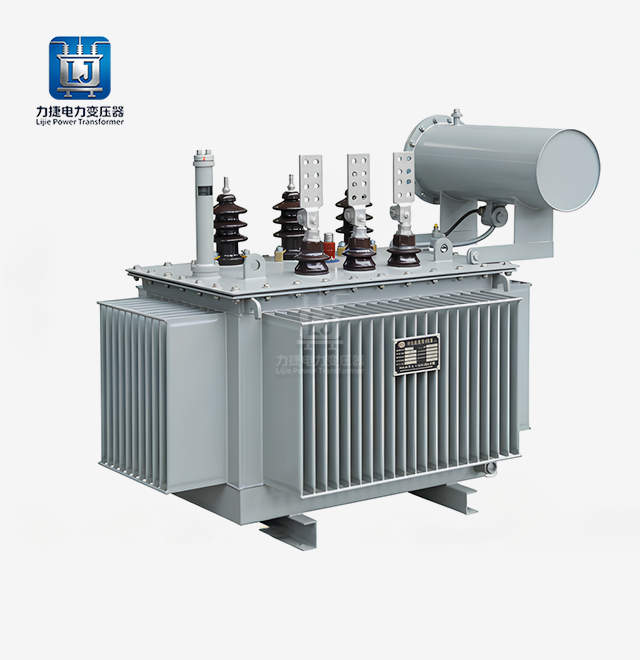
A three-phase overhead distribution transformer is an electrical device that is placed on a pole and changes high-voltage energy from power lines above into lower voltages that can be used in homes, businesses, and small factories. Unlike single-phase transformers, these units have three sets of primary and secondary windings inside a single oil-filled steel container. This makes it possible to change voltage efficiently while keeping phase balance, which is important for motor-driven loads and industrial equipment.
Electromagnetic induction is what makes the gadget work. When alternating current runs through the primary winding, it creates a magnetic flux in the core. This flux causes voltage to flow through the secondary winding. The voltage change ratio is based on the number of turns in the main and secondary windings. Three-phase setups can handle three alternating currents at the same time, each offset by 120 degrees. This gives more steady power and better efficiency than single-phase options.
The magnetic core is made of either cold-rolled grain-oriented silicon steel sheets or amorphous metal materials that are chosen for their high magnetic permeability and low core loss. Windings for both high and low voltage are usually made from high-purity copper or metal wires that are insulated with special paper and epoxy resin systems. The oil-filled tank does two things: it keeps live parts from touching each other electrically, and it gets rid of the heat that is generated during operation. Mineral oil or organic ester fluids naturally flow through curved tanks or radiator fins. This keeps the temperature even by using oil-immersed self-cooling (ONAN) techniques.
On the main side of standard pole-type distribution transformers, the voltage levels are 8kV and 20kV, and the non-excitation voltage regulation devices allow tap ranges of +1/-3±2.5% or +0/-4±2.5%. Capacity ranges from 15kVA to 167kVA, which is good for small-load uses that are spread out. These units can be set up as either single-phase or three-phase systems and work at 50Hz or 60Hz rates, based on the grid standards in the area. Power frequency withstand voltage of AC-35kV and impulse withstand voltage of L1-75kV are high enough to meet strict standards for insulation levels. This provides strong defense against lightning strikes and switching surges that are common in overhead systems.
Pole-mounted transformers are widely used because they offer a unique mix of practical and economic benefits. This is especially true in situations where ground-level setups are limited by space or environmental issues. A three-phase overhead distribution transformer works great in places where placement options are open and initial investment is low.
Placements with flexible placement choices and a cheap initial investment suit these transformers. Their modest size enables them to be mounted on a single or double pole; they don't require special land. This is great in congested cities and harsh rural settings. Installation costs are cheaper than pad-mounted or substation transformers since just pole support is required instead of massive concrete structures. The oil-immersed cooling system manages temperature even when the load fluctuates and may last over 20 years if properly maintained. Modern designs with low-loss silicon steel cores have no-load losses below 1% and load losses maintained low by better winding geometry, saving energy.
Rural energy projects employ pole-mounted transformers to supply distant mountain locations and low-load suburban neighborhoods. These devices are utilized along railway electrification tracks because maintenance men can easily reach them. Urban redevelopment zones employ overhead transformers to service corporate and mixed-use complexes without disrupting subterranean utilities. Solar farms and wind power facilities utilize these collecting point transformers to aggregate electricity before sending it to substations.
Despite their advantages, managers face recurring issues. Demand or temperatures over the design threshold (40°C) might cause overheating. Regular thermal imaging assessments reveal hotspots before insulation degradation escalates. Oil samples and dissolved gas studies must be done annually to detect early concerns since moisture lowers dielectric strength. Lightning or animal contact may produce short circuits that need upstream protection. Surge arresters and animal guards reduce defects. Routine maintenance plans should include visual inspections for oil leaks, bushing integrity checks, and tap changer functional tests to prolong asset life and reduce unplanned outages.
The best transformer design is chosen by looking at the placement site, the type of load, and the company's long-term goals. Knowing the differences between pole-mounted units and other types helps you make better decisions about what to buy, especially when selecting a three-phase overhead distribution transformer.
Ground-level pad-mounted transformers are casinged. They are ideal for subterranean power lines in communities and cities where safety and aesthetics are paramount. They need concrete stairs and unique fencing, which increases installation time and expense. When main lines are above ground, pole-mounted transformers leverage existing utility pole infrastructure, making deployment faster and accelerating grid development. Each kind of unit has distinct maintenance access. Technicians may operate on pad-mounted units at ground level but not overhead units without bucket trucks or climbing gear. The environment might also vary. Weather and animals harm transformers on poles, while floods and theft damage transformers on pads.
Standard overhead transformers include sturdy steel tanks and standard core materials for durability and weight. Lightweight designs employ aluminum alloys and flexible metal cores to reduce unit weight by 30–40%. This reduced weight makes mobility simpler and allows installation on lesser-duty poles in regions with weight-limited infrastructure. Lightweight units may cost extra due to their superior materials. Lower shipping costs and simpler handling might offset increased project expenses over time.
Siemens, ABB, and Schneider Electric are industry leaders because they innovate and install a lot of equipment. Buying groups should verify that suppliers have ISO 9001, IEC, CE, UL certifications, can manage large orders, are customizable, and have after-sales support. New manufacturers from China provide affordable costs and are achieving international quality requirements more often, as indicated by their IEC and CE certificates. Before signing a framework agreement, request factory surveys, reference project portfolios, and sample unit testing reports to assess a provider's expertise.
A good transformer purchase process combines technical needs with business needs, making sure that the units chosen work reliably while staying within the project's budget and schedule. Selecting the right three-phase overhead distribution transformer requires a balance of several factors.
Load ability calculations determine generator selection. Engineers must consider diversity variables, load growth projections, and peak demand in linked load patterns. Standards for tap range depend on voltage control. Voltage stability-conscious projects may need larger tap ranges or fewer adjustment steps. Efficiency objectives and total cost of ownership models should match. No-load and load loss limitations in tender documents ensure providers develop energy-efficient systems that minimize operational costs over 20–30 years. Impedance voltage rates impact short-circuit current calculations. Protective switches and circuit breakers upstream must operate together for selective fault isolation.
Suppliers should demonstrate their competence to batch-manufacture complex projects. ISO 9001 accreditation verifies quality control systems, and IEC 60076 compliance ensures global performance and safety requirements. CE marking helps authorities approve IEC-based projects in Europe and elsewhere. However, UL recognition is required for U.S. market entry. To verify performance, request dielectric, temperature increase, and loss testing from recognized laboratories.
When comparing pricing, go beyond unit expenses. You must also consider delivery, warranty, and lifetime expenses. Freight concerns arise when a project location is far away. Make sure the supplier has export logistics and documentation expertise to reduce customs clearance delays. Warranty periods range from 18 to 36 months, critical works may continue longer. How frequently oil is tested, how easily accessible spare parts are, and how long repairs take should be considered when estimating maintenance costs. Industrial downtime might cost more than equipment replacement. When analyzing suppliers, provider service network density and emergency support capabilities are crucial.
Working with recognized manufacturers with documented manufacturing procedures reduces supply chain risks. Visit a factory to learn how goods are made, how quality is monitored, and how personnel are skilled. While regional wholesalers have specialized supplies and quicker wait times, they may not be as customizable as direct makers. Online B2B platforms allow vendors to view the market, but they must pass several tests to prove their identity. Checking company licenses, export records, and customer references prevents fraud. Performance incentives and punishment conditions in multi-year framework agreements connect supplier interests with project success.
Good installation methods and continuing operating management have a direct effect on how reliable, safe, and efficient a three-phase overhead distribution transformer is over its entire service life.
The first stage in site preparation is checking the pole's construction to ensure it can support the transformer and tools. Local building codes require wind loads for pole-top installations. Guy wires or concrete bases may reinforce structures. Making electrical connections requires following the NEC or comparable regional standards. Terminal pin torque must be correct to avoid hotspots. Grounding systems need resistance below 10 ohms. Multiple ground rods or grids are frequently connected to the transformer's tank and neutral connections. Within 1 meter of the main bushings, install lightning arresters. Initial protection will be against short-term overvoltages. Safety code minimum distances from plants, buildings, and conductors must be met to maintain maintenance access and prevent flashovers.
ONAN leverages the oil's natural convection currents and tank-side sunshine to cool itself. Corrugated tank designs provide 40–60% greater surface area than flat walls, allowing heat to escape without fans. Thermal design is limited by ambient temperature, generally 40°C. Hotter installations may require downsizing or forced cooling. Operators can notice issues by monitoring oil temperature increase during peak loads and using temperature signals or thermal sensors to warn them of approaching limits. Care for plants near pole-mounted units prevents hot spots that erode insulation more quickly and increases airflow.
Resistance voltage figures determine how much fault current the transformer can withstand during short circuits. This information helps choose safety equipment like fuses, reclosers, and switches to rapidly isolate problems while dealing with higher-level devices. Transformer through-fault potential indicates how long and intense external faults may remain before damaging the transformer. This is normally a multiplier of the maximum current over seconds. Regular safety plan testing ensures that relay settings remain right as the system evolves, preventing extra trips or fault-clearing delays.
Moving taps during scheduled downtime to obtain the optimal voltage levels to end users saves energy when the voltage is too high and prevents equipment failure when the voltage is too low. Power factor correction capacitors, further down the line, reduce transformer reactive power. This reduces load losses and increases load growth. Eye inspections every three months for oil leaks and corrosion, oil samples every year for dissolved gas analysis and moisture content checks, and thermographic scans every three years to detect hotspots should be part of preventative maintenance. Cleaning and replacing bushings before dielectric strength diminishes helps prevent catastrophic failures. Maintaining extensive maintenance records enables you to see trends and determine which parts need replacement before they cease operating and cause downtime.
A three-phase overhead distribution transformer is a tried-and-true technology that meets important power supply needs in a wide range of settings, from bringing electricity to rural areas to industrial power systems. Their pole-mounted design gives you more options and lower costs when you can't place them on the ground because of limited room or rough terrain. Procurement teams can choose units that meet the needs of a particular project when they have a technical understanding of the core materials, cooling mechanisms, and voltage control capabilities. When comparing overhead transformers to pad-mounted options and looking at seller certifications, it's easy to find partners you can trust to meet your quality and shipping requirements. When you combine strict installation methods with proactive upkeep plans, you get the most out of your investment and operating lifespans. As the world's power grids become more modern, these transformers will continue to be important parts that make electricity distribution safe and efficient.
Add up all the equipment values to get the total connected load in kVA. Then, use a demand factor (usually between 0.7 and 0.9, based on load diversity) to find the peak load. Choose a transformer whose estimated capacity is 10–20% higher than its predicted peak. This will allow for future growth and keep it from being overloaded all the time, which shortens its life.
Manufacturers with a good reputation will cover material flaws and mistakes in the workmanship for 24 to 36 months. After the sale, there should be professional help for installation and commissioning, extra parts that can be ordered within set wait times, and the ability to do repairs in the field in case of an emergency. Check to see if the help network covers your working area before you finalize the purchase.
Visual checks should be done every three months to look for oil leaks and other damage. Every year, take oil samples and analyze the dissolved gases to find the first signs of problems. Every three years, you should plan full thermographic scans and bushing checks. For apps that need to be reliable, it may be worth testing them more often to find problems as they arise before they cause service breaks.
Lijie Electric Power Technology Group has been making transformers for more than 20 years and has state-of-the-art factories that cover 500,000 square meters in Xuzhou and Nantong, China. Our engineering team, which includes more than 160 people with graduate and master's degrees, creates pole-mounted distribution transformers that are perfect for your voltage levels, capacity needs, and weather conditions. We are a company that is ISO 9001:2015, CE, and UL approved, and the units we sell meet IEC 60076 and IEEE standards. This means they will work perfectly with your power infrastructure projects.
Our range of three-phase overhead distribution transformer units, which range from 15kVA to 167kVA, gives your operations the dependability and efficiency they need, whether you're growing industrial park capacity, connecting more rural areas to electricity, or setting up green energy systems. We know what's important in procurement: on-time delivery for big orders, cheap lifecycle costs, and quick expert help during the project's execution. Lijie Electric is a reliable provider of three-phase overhead distribution transformers to utilities, EPC contractors, and industrial sites all over North America. Their quality products and thorough service will help you succeed.
Contact our engineering team at lijieelectrical@gmail.com to talk about the details of your project and get a full technical plan. You can look through our full catalog of transformers at lijie-electrical.com and learn how our custom solutions can improve your power distribution systems so they last for decades.
1. IEEE Power & Energy Society. (2019). IEEE Standard General Requirements for Liquid-Immersed Distribution, Power, and Regulating Transformers. IEEE C57.12.00-2015 (Revision of IEEE C57.12.00-2010).
2. International Electrotechnical Commission. (2018). Power Transformers – Part 1: General. IEC 60076-1:2011+AMD1:2018.
3. Heathcote, M. J. (2017). The J&P Transformer Book: A Practical Technology of the Power Transformer (14th ed.). Butterworth-Heinemann.
4. Kulkarni, S. V., & Khaparde, S. A. (2020). Transformer Engineering: Design, Technology, and Diagnostics (2nd ed.). CRC Press.
5. U.S. Department of Energy. (2021). Determining Electric Motor Load and Efficiency: Application Guide for Distribution Transformers. DOE/GO-102021-5567.
6. National Electrical Manufacturers Association. (2016). Requirements for Overhead-Type Distribution Transformers. ANSI C57.12.20-2016.
YOU MAY LIKE


%20Dry-type%20Distributing%20Transformer.webp)



April 27, 2025
With a tight project schedule, the manufacturer delivered on time, and on-site technical personnel provided guidance throughout the entire installation and commissioning process; the collaboration was highly efficient and hassle-free.
July 2, 2025
During the preliminary phase, a selection plan was custom-tailored based on the actual site load requirements, resulting in a high degree of parameter compatibility. After-sales support responds within two hours, and ongoing technical support for operation and maintenance is comprehensive; we feel completely confident in a long-term partnership.
November 18, 2025
Deployed as a supporting component for a 35kV grid-connection project at a photovoltaic power station, the equipment operates for an average of 16 hours daily. It demonstrates excellent control over no-load losses, ensures smooth power generation and grid integration, and effectively reduces the station's overall energy consumption.
January 30, 2026
Under the continuous, high-load operating conditions of a factory production line, the equipment maintains stable electrical parameters and exhibits strong overload resistance, thereby guaranteeing an uninterrupted power supply for industrial production.
April 3, 2026
Integrated as a supporting component for a new energy photovoltaic grid-connection system, the manufacturer provided professional technical coordination and timely after-sales support, ensuring seamless adaptation to the specific electrical operating conditions required for grid integration.