April 27, 2025
With a tight project schedule, the manufacturer delivered on time, and on-site technical personnel provided guidance throughout the entire installation and commissioning process; the collaboration was highly efficient and hassle-free.
May 7, 2026
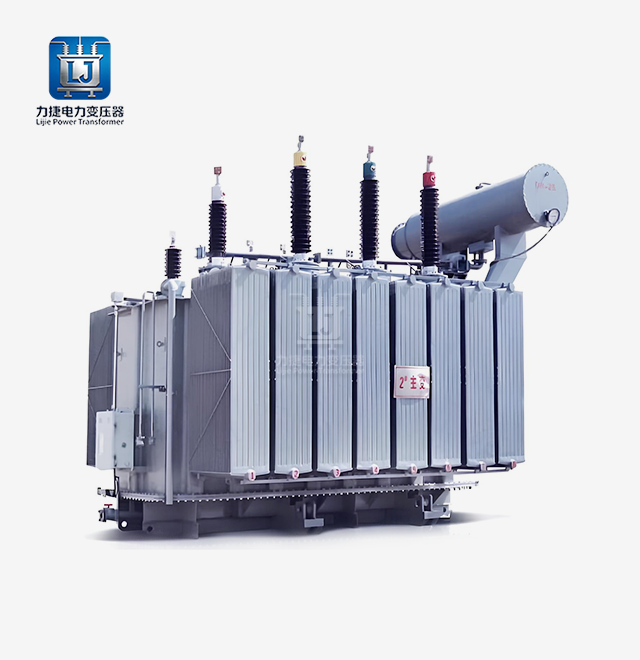
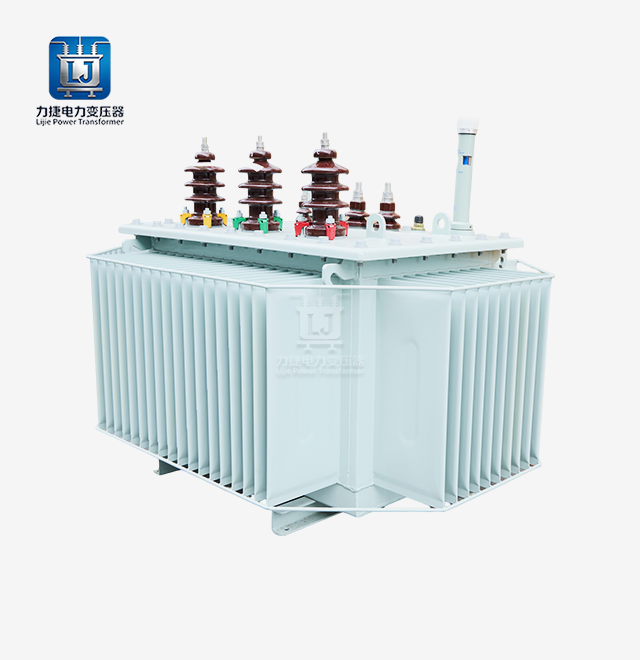
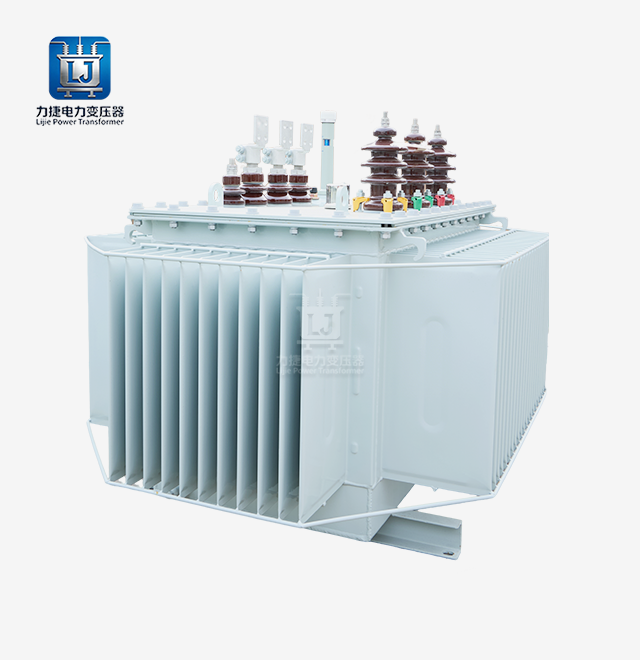
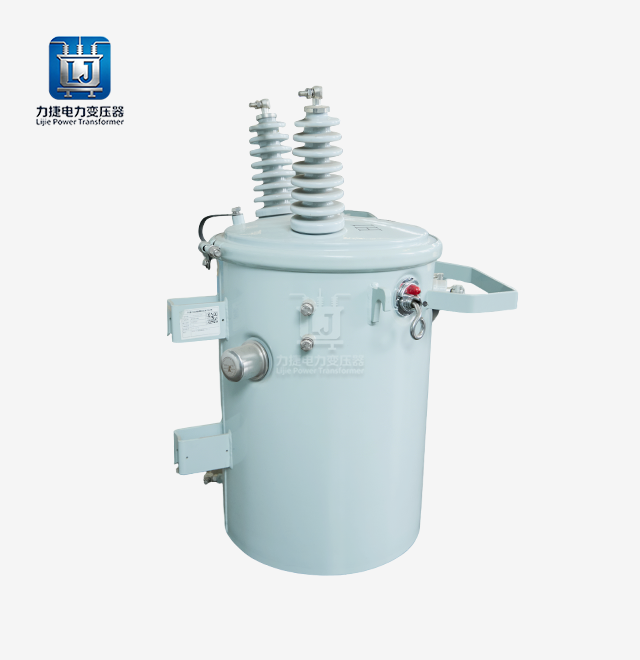
It is very important for utility companies and industrial project managers to choose the right transformer technology when they are planning power distribution networks for rural areas or load centers that are spread out. An Iron core rod type distribution transformer, also called a pole-mounted or pole-type transformer, is a special kind of outdoor oil-immersed distribution device made to change power in tough conditions in a safe and cost-effective way. These transformers use a high-permeability magnetic core structure and precision-wound coils to change high-voltage electricity from overhead power lines into low-voltage power that can be used by end users. They are perfect for places like farms, remote communities, and railway infrastructure, where space and budget limitations mean practical solutions are needed.
Transformers use electricity and magnetism. The primary winding around the iron core conducts alternating current. This changes the magnetic field, generating secondary winding voltage. The rod-type nomenclature originates from the vertical and cylindrical magnetic core portions. Better flow distribution reduces random losses. Core materials for current units are cold-rolled grain-oriented silicon steel sheets or sophisticated amorphous alloys. Strong silicon steel cores are magnetically stable. Amorphous alloy variants' no-load losses are 60–70% lower than regular designs, making them beneficial for power lines with lengthy low loads.
This magnetic circuit design works well because the materials and assembly were carefully selected. To prevent eddy currents, core laminations are precisely cut and stacked. A non-magnetic fastening holds them together to prevent magnetic interference. Insulation between the laminations lowers energy loss, and the structure's form evenly distributes the magnetic field throughout the operating cycle.
High- and low-voltage coils are concentrically around the core. The winding arrangement. High-voltage windings can handle 8kV to 20kV input voltages, while low-voltage windings can provide household and light commercial output. These windings use copper or aluminum wires insulated with specific compounds. The gap between layers is precisely calibrated to prevent impulse-related electrical breakdown.
Maintaining transformer insulation over many years affects its reliability. Oil-soaked paper insulates wires, pressboard barriers separate winding sections, and transformer oil fills the sealed tank to keep heat in and out. Oil-immersed designs have stronger dielectric strength than air-cooled ones, allowing for more compact construction without compromising safety.
Natural airflow is used to cool. During operation, transformer parts generate heat. Heat flows through the tank and is transported away by air as the oil moves. Corrugated tank walls or radiator fins enhance cooling surface area. Even at heavy load, this maintains safe operating temperatures. This oil-immersed self-cooling technology doesn't need electricity or mechanical components, making standalone systems more dependable.
Knowing structural differences helps purchasing teams pick tools. Traditional core-type transformers feature rectangular frames with windings around vertical core legs and horizontal yokes connecting the magnetic circuit. In shell-type forms, the core travels around the windings. Pole-mounted rod transformers are compact, core-type transformers that work well outdoors.
Rod-type units are vertical and compact, making them ideal for pole installation. Thus, ground-level fences are unnecessary. Weight is concentrated around the mounting bracket, making pole support simpler. Core-type transformers work well in larger ground-mounted systems. In contrast, shell-type designs are excellent for short-circuit force mechanical strength.
These transformers perform better in many areas. Energy savings, particularly in amorphous metal core types, are a major advantage. The Iron core rod type distribution transformer consumes less energy without additional weight, reducing no-load losses. Using the equipment for 20–30 years saves a lot of money. The system is more efficient since load losses are still lower than with prior systems.
The envelope is small enough to put directly atop utility lines, eliminating the need for transformer vaults or ground-level shelters. This space-saving characteristic is beneficial in mountainous terrain, densely populated cities, and other places where land is scarce. Mounting gear securely connects to conventional pole diameters, and the profile's smooth form lessens visual impact while satisfying clearance requirements.
The installation method requires fewer resources than a normal substation installation. Crews can position and connect transformers using standard utility equipment, decreasing construction time from weeks to days. With its completely sealed oil-filled tank, it can function in all weather without cover. This reduces civil engineering expenses and accelerates project completion.
Pole-mounted transformers perform best with distributed loads and low capacity. Rural power supply networks are important for serving rural communities, residential groups, and industrial facilities across broad regions. These applications have typical load profiles with 15kVA to 167kVA capacities. Three-phase units power light industrial activity, whereas single-phase units power residences.
Electricity for trains is another key use. Long route corridors need steady electricity for signal systems, station structures, and maintenance depots. Placing transformers directly on support structures simplifies infrastructure and maintains power service quality over long distances.
The distribution process ends with these transformers before consumer connections. They are employed in suburban and expanding residential complexes. Standardized designs make them easier to put up fast when space needs expand, and modular positioning permits phased construction plans that match capital investment with revenue.
Recent pole-mounted transformers offer various eco-friendly characteristics. Oil does not seep from the totally sealed tank, damaging neighboring land and water. Pressure release devices and nitrogen gas pillows enable temperature increase without seal damage. This keeps fluid within even whether faulty or normal.
Safety aspects protect persons and tools. Lightning arresters prevent atmospheric surges from reaching delicate internal parts, and their elevated mounting location protects them from ground-level hazards. Fused disconnects or built-in safety measures immediately eliminate defects, reducing damage and repair time. All outside surfaces are electrically clear, and warning signs fulfill local safety regulations.
Operating in a larger temperature range is feasible due to environmental adaptability. Rust-proof coatings protect the tank and its parts from water, sea spray, and factory pollution. Temperature ratings consider arctic and desert climates. To meet project objectives, cooling systems can keep rooms cool even when the outside temperature is 40°C or higher.
Regular inspection programs affect equipment lifespan and reliability, and for an Iron core rod type distribution transformer, oil leaks around valves and seals, corrosion on the tank or mounting frames, and automobile or vandal damage are visible during three-month visual examinations. Inspectors take dated images of their findings to demonstrate how things worsen before breaking.
Annual comprehensive checkups include diagnostic and visual assessments. An oil sample is essential for tank inspection without opening. Labs assess dielectric strength, moisture, dissolved gas, and acidity. Different defects may be indicated by higher gas levels. Hydrogen, acetylene, and carbon monoxide levels may indicate partial discharge, arcing, and cellulose breakdown, respectively. Predictive maintenance may prevent catastrophic failures by monitoring these parameters throughout several tests.
Infrared thermography may detect hot patches under strain that indicate faulty linkages, machine issues, or insufficient cooling. Ultrasonic tests detect partial discharge before insulator failure. These non-invasive approaches allow service checks without interruption. This lets you decide whether to maintain operating, speed up repair, or replace.
Insulation wear and lifespan depend on operation temperature. These transformers employ passive cooling without temperature sensors on smaller units. Sometimes infrared scans keep surface temperatures under safe limits during excessive load. Too much heat might indicate system overload, cooling system clogging, or internal issues.
Acoustic leaks reveal mechanical and electrical issues. During setup, baseline noise measurements create criteria for future comparisons. Increases of 10 to 15 dB might indicate poor core lamination, shifting windings, or tap switch issues (most pole-mounted systems employ fixed taps). Buzzing, cracking, or popping should be investigated immediately, even if the noise level varies.
Transformer oil quality affects insulation and cooling. Field inspections using sight gauges ensure oil levels are sufficient for soaking and temperature control, in addition to lab testing. The color of oil in sample valves indicates its quality. Dark or foggy oil requires filtering or replacement due to contamination or oxidation.
Proactive maintenance is cheaper than passive "run-to-failure" tactics. Plant-free areas surrounding pole-mounted devices keep air flowing and prevent animals from contacting powered sections. Secure fastening hardware prevents mechanical stress from damaging internal connections or ceramic bushings during earthquakes or high winds.
Air entering the engine accelerates insulation breakdown and poses fire dangers; keeping the appropriate quantity of oil is crucial. Technicians apply filtered, adequate oil as levels drop, avoiding water. Desiccant breathers must be changed often to keep humidity out of indoor environments.
Load management optimizes tool usage and lifespan. These transformers can sustain short-term overloads, but prolonged overloads accelerate insulation deterioration and increase failure risk. Smart metering and tracking systems let managers distribute loads across several units to avoid overloading them, which shortens equipment life. When load growth routinely approaches capacity limitations, it's cheaper to add transformers or upgrade to higher-rated types than to have them break down early and need emergency replacement.
Transformer operation depends on magnetic circuit design. The Iron core rod type distribution transformer uses a rod-style pole-mounted configuration in which windings are wrapped around vertical core legs, and the flux route is completed with horizontal yokes. This arrangement simplifies winding construction and improves cooling, particularly for distribution voltage classes. In contrast, shell-type transformers place the windings within the magnetic core, offering stronger mechanical support against short-circuit stress, which is beneficial for high-current applications such as furnaces and rectifier transformers.
Different designs and materials employ different efficiency metrics. Amorphous metal pole-mounted transformers offer 70–80% reduced no-load losses than silicon steel devices. This makes them ideal for long-term, light-load operation. Domain-refined silicon steel can balance efficiency and mechanical strength in larger core-type substation transformers with specific losses of 1.0 to 1.1 W/kg. To ensure reliability in tough industrial environments, shell-type units sacrifice efficiency for structural robustness.
Different systems handle sound differently. Magnetostriction, which affects core steel size, causes transformer hum. Distributed installation on rod-type pole-mounted devices reduces resonant building vibrations to 45–55 dB at rated load. In noisy areas, larger core-type transformers may require sound coverings to keep below 40 dB. Shell-type designs offer less magnetostrictive noise since the core is compressed, but they are often used in industries with lax noise regulations for high power.
The size of anything impacts its placement cost and requirements. Pole-mounted rod transformers weigh 200–800 kg, depending on size. Standard distribution poles, utility trucks, and lifting gear may be utilized for installation. No foundation, concrete, or structure required. This reduces civil expenses, which account for 30–50% of substation construction. The tiny size maximizes infrastructure utilization in busy utility regions by leaving ample space between objects.
Ground-mounted core-type distribution transformers that bear equivalent loads must be covered in prefabricated kiosks or concrete structures, which increases material and labor costs. Placement requires crane access and maintenance clearances around larger units. Industrial shell-type transformers require sturdy supports that can carry tens of tons and mechanisms to raise them above for maintenance or replacement.
Transport operations benefit from smaller pole units. Flatbed trucks may transport standard sizes without an oversize authorization. Depending on weight, transformer oil may be drained and carried separately, then refilled on-site. Larger underground transformers may need heavy-haul shipment, route studies, and utility design, making operations harder and costlier. Pole-mounted devices excel in isolated or challenging situations, making these qualities even more crucial.
To choose the right distribution transformer technology, you have to weigh the performance standards, the cost, and the needs of the business. The Iron core rod type distribution transformer is especially well-suited for applications such as rural electrification, railway infrastructure, and dispersed load connections, thanks to its compact structure, ease of installation, and reliable outdoor performance. Pole-mounted rod-type distribution transformers take up less space, are easier to install, and operate dependably in harsh environments. Modern core materials, especially amorphous metals, greatly reduce energy losses, delivering long-term cost savings that can justify slightly higher upfront prices. For a smooth procurement process, it is essential to define detailed specifications, carefully evaluate suppliers, and adopt strategic sourcing practices to ensure both cost efficiency and supply reliability. These transformers serve as the critical final link between distribution networks and end-user electrical systems, providing decades of dependable service when properly designed, installed, and maintained.
Core material has a big effect on both no-load and load losses, which have a direct effect on running costs over the lifespan. Traditional cold-rolled grain-oriented silicon steel has great magnetic qualities and specific core losses of about 1.1 to 1.3 W/kg, so it works reliably but not very efficiently. Because their atoms are not crystalline, amorphous metal cores lower no-load losses by 60–70%. This is because they have less hysteresis loss. Amorphous cores usually pay for themselves over their 25-year service life in energy savings, especially in low-load uses like country distribution networks, where they are used for long periods of time. In order to choose the best core material for their application, buyers should compare the efficiency specs to the real load profiles and the cost of energy in their area.
A tiered method to care strikes a balance between thoroughness and optimal use of resources. Visual checks every three months find clear problems like leaks, corrosion, and physical damage with little effort and time. As part of their yearly thorough exams, engineers take samples of the oil and use infrared thermography to look inside the engine and figure out what's wrong. Every three to five years, thorough tests that include dissolved gas analysis and ultrasonic partial discharge detection find problems before they break. This plan keeps reliability high while putting most of the diagnostic work on times that match normal rates of wear and tear. In addition to regular upkeep, emergency checks are done after bad weather, lightning strikes close by, or utility problems. This makes sure that damage caused by events is quickly found.
Pole-mounted transformers work best for situations with spread-out loads and low capacity needs (usually less than 167 kVA). They are easier to place and can be used more quickly. Pad-mounted transformers are used in higher-capacity (up to several MVA) applications that need to be able to be serviced from the ground up and have room for multiple circuit connections. Pad-mounted units are usually chosen by industrial sites with concentrated loads over 200 kVA because they are easier to reach, have wider capacity ranges, and can have metering and safety equipment built into the enclosure. Multiple pole-mounted transformers can be used in situations where loads are spread out over large sites. This lowers distribution losses by putting the transformers closer to where the power is used and makes building the infrastructure easier.
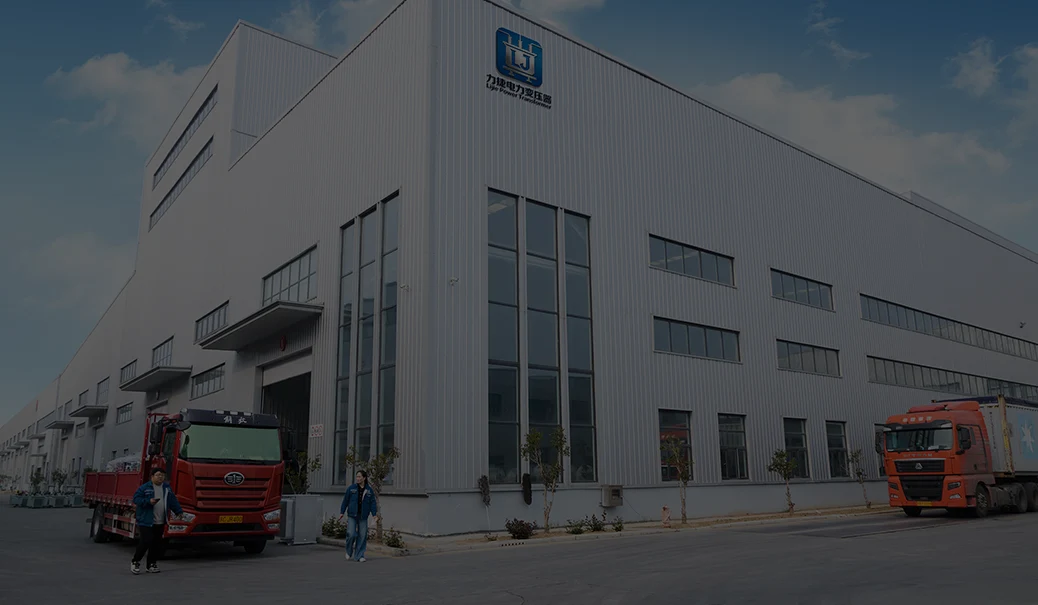
Lijie Electric Power Technology Group has been making high-quality transformers for more than 20 years and can help you with your power delivery tasks. As a qualified maker of Iron core rod type distribution transformer, we run 500,000 square meters of high-tech factories in Xuzhou and Nantong. We send ISO 9001:2015, CE, and UL-approved equipment to utilities, industrial operators, and EPC contractors on six continents. Our engineering team, which includes more than 160 specialists with doctoral and master's degrees, offers full technical support from developing specifications to commissioning and upkeep throughout the product's lifetime. Whether your project needs standard pole-mounted units or custom amorphous alloy transformers for best efficiency, we can deliver on time without sacrificing quality thanks to our proven batch production capacity. Get in touch with our technical experts at lijieelectrical@gmail.com to talk about your distribution transformer needs and find out how our combined design, manufacturing, and service skills can help you reach your goals for your power infrastructure.
1. Bean, R. L., Chackan, N., Moore, H. R., & Wentz, E. C. (1988). Transformers for the Electric Power Industry. New York: McGraw-Hill Education.
2. Heathcote, M. J. (2007). The J&P Transformer Book: A Practical Technology of the Power Transformer (13th ed.). Oxford: Newnes.
3. Kulkarni, S. V., & Khaparde, S. A. (2012). Transformer Engineering: Design, Technology, and Diagnostics (2nd ed.). Boca Raton: CRC Press.
4. Harlow, J. H. (Ed.). (2012). Electric Power Transformer Engineering (3rd ed.). Boca Raton: CRC Press.
5. IEEE Standards Association. (2011). IEEE C57.12.20-2011: IEEE Standard for Overhead-Type Distribution Transformers, 500 kVA and Smaller. New York: Institute of Electrical and Electronics Engineers.
6. Ryan, H. M. (Ed.). (2001). High Voltage Engineering and Testing (2nd ed.). London: Institution of Engineering and Technology.
YOU MAY LIKE
11%20Epoxy%20Resin%20Cast%20Dry-Type%20Transformer.webp)



April 27, 2025
With a tight project schedule, the manufacturer delivered on time, and on-site technical personnel provided guidance throughout the entire installation and commissioning process; the collaboration was highly efficient and hassle-free.
July 2, 2025
During the preliminary phase, a selection plan was custom-tailored based on the actual site load requirements, resulting in a high degree of parameter compatibility. After-sales support responds within two hours, and ongoing technical support for operation and maintenance is comprehensive; we feel completely confident in a long-term partnership.
November 18, 2025
Deployed as a supporting component for a 35kV grid-connection project at a photovoltaic power station, the equipment operates for an average of 16 hours daily. It demonstrates excellent control over no-load losses, ensures smooth power generation and grid integration, and effectively reduces the station's overall energy consumption.
January 30, 2026
Under the continuous, high-load operating conditions of a factory production line, the equipment maintains stable electrical parameters and exhibits strong overload resistance, thereby guaranteeing an uninterrupted power supply for industrial production.
April 3, 2026
Integrated as a supporting component for a new energy photovoltaic grid-connection system, the manufacturer provided professional technical coordination and timely after-sales support, ensuring seamless adaptation to the specific electrical operating conditions required for grid integration.