April 27, 2025
With a tight project schedule, the manufacturer delivered on time, and on-site technical personnel provided guidance throughout the entire installation and commissioning process; the collaboration was highly efficient and hassle-free.
Jun 3, 2026
Oil-immersed power equipment has advanced significantly with the S18 type fully sealed distribution transformer. A novel vacuum-injected, corrugated tank design achieves Level 1 energy efficiency. The elastic corrugated fins of this entirely sealed design automatically adapt for temperature expansion, eliminating the need for oil conservators. This protects transformer oil from airborne pollutants. Purchasing managers and electrical engineers must understand transformer assembly and utilization when considering long-term power distribution options. They do this to provide grid stability in industrial and utility contexts and transformer reliability.
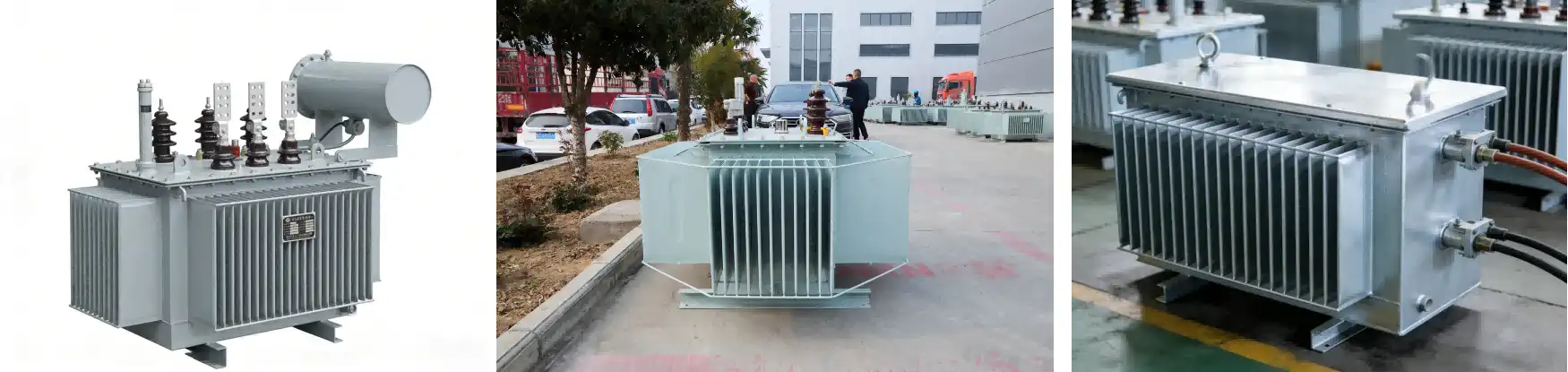
Sealed distribution transformers' precise interior engineering makes them technical marvels. These elements allow the system to continue for decades without maintenance and perform well in difficult conditions.
The curving tank wraps the building and moves to regulate temperature. The curving fins are composed of rust-resistant steel. They expand and contract with oil volume variations due to temperature, stabilizing internal pressure without breathing equipment. This prevents moisture, which causes insulation to fail in typical designs. This extends system life beyond 30 years. Quality assurance involves 24-hour pressure testing at 0.05 MPa on the hermetic seal. This prevents leaks during the unit's lifespan.
S18 type fully sealed distribution transformers have a high-permeability, grain-oriented silicon steel core with 0.18mm to 0.23mm laminations. Eddy current losses and no-load losses are 25–30% lower than the S13 line due to this material choice. Windings employ high-conductivity copper or metal wires. Thermally stable cellulose paper insulation provides Class A thermal performance. Our production method uses precision wrapping machines to equalize layer spacing for short-circuit mechanical stress support. It supports single-phase and three-phase installations and connection groups Yyn0 or Dyn11. Its capacity ranges from 30kVA to 3150kVA. This makes it adaptable to many grid interface demands.
The insulation technique covers conductors with naphthenic mineral oil and numerous layers of paper. The protected environment prevents oxidative degradation and maintains the dielectric strength above the power frequency withstand voltage AC-35kV, and impulse withstand voltage L1-75kV for the life of the transformer, unlike normal transformers that need oil filtration. Post-manufacture Dissolved Gas Analysis shows no temperature or electrical issues, with partial discharge values below 100pC, meeting IEC 60076 requirements. This robust insulation system works dependably even when overloaded 120%, which is vital for commercial buildings with changing power demands.
Ceramic or polymer high-voltage bushings link external electrical components without affecting insulation. Individual stress tests are done on each bushing to ensure lightning protection. Extras include pressure relief valves programmed to open at 0.08 MPa, thermometer pockets for continual temperature tracking, and oil sample valves that are easy to access for analysis. These carefully selected technologies enable condition-based tracking techniques that protect mission-critical systems from unexpected failure.
S18 type fully sealed distribution transformer comprises a transformer platform that can withstand salt spray and humidity exceeding 90% in coastal regions and rural green energy locations where repair is difficult.
Sealed distribution transformers overcome industry-specific difficulties, making them suitable in numerous sectors.
Sealed transformers are beneficial in densely populated areas since they are tiny and quiet. These machines operate at 5–10dB lower noise levels than the national norm. This makes them ideal for multi-tenant basement vaults or city center integrated substations. Secondary distribution lines function with 6kV and 12kV. Non-excitation tap ranges of ±5% or ±2×2.5% allow voltage adjustment without powering down. Urban grid operators welcome the end of oil testing. This reduces operating expenses and service delays for thousands of home consumers.
Distribution equipment handles a lot of power from steel mills, chemical facilities, and mines. The S18 type fully sealed distribution transformer's exceptional short-circuit impedance stability—checked for mechanical stress during production—prevents winding movement during a failure. In tropical locations and furnaces, self-cooling devices soaked in oil can operate even at 40℃ temperatures. Arc furnaces and high-current rectification systems produce distinctive harmonic patterns that can be handled by bespoke rectifier transformers and electric furnace transformers. The proven capacity to perform successfully for 10 to 30 years without major maintenance immediately addresses plant managers' total cost of ownership cost-cutting concerns.
At solar farms and wind power facilities, sealed transformers are increasingly employed for step-up activities. The maintenance-free design is advantageous in distant places where training expert staff takes time and money. These transformers can manage harmonic distortion in green energy systems with several inverters while maintaining stability. Foreign EPC projects using regional grid standards and 50Hz or 60Hz frequency rates are supported. IEC, CE, and UL certifications enable us to work with worldwide renewable energy infrastructure projects more easily for our manufacturing. Workers on large solar panels and wind farms with short project timeframes benefit from this.
Shopping malls, hospitals, and data centers need secure, reliable, and rule-abiding power supply systems. The totally sealed construction prevents oil leaks, a public safety hazard, and fulfills local building code environmental protection criteria. Small S18 type fully sealed distribution transformer substations make effective use of space in multi-story construction projects where electrical rooms compete with profit-making space. Infrastructure can sustain commercial building loads and last as expected, so facility managers can trust it. This aids company survival.
Comparative studies on S18 type fully sealed distribution transformers demonstrate large performance disparities that affect how engineers and supply chain managers buy.
Traditional transformers with conservators expose insulating oil to atmospheric moisture through breathing devices. This accelerates chemical breakdown and requires regular oil recovery. This contact channel is closed by sealed transformers, ensuring optimum oil quality throughout the equipment's life. Insulation paper lasts 40% longer in airless environments, according to accelerated aging experiments. This dependability enhancement decreases emergency transformer replacement costs and boosts grid stability measurements, which are key performance indicators in regulated energy markets.
The leak-proof design fulfills tighter environmental protection regulations for oil-filled electrical equipment. Sealed transformers make environmental permits and lawsuits easier by preventing oil leaks on land and streams. Buyers can check that regulations are being followed using ISO 9001:2015 Quality Management System verification and GB/T 1094 national standards. International standards compliance, specifically IEC 60076 for power transformers, makes equipment easier to use across borders in global EPC projects, saving time and money on re-certification.
Sealing transformers may cost 8–12% more per unit initially, but lifetime cost analysis consistently reveals they are cheaper in the long term. Eliminating oil testing (typically done every two years for basic machines) eliminates lab fees and downtime. Maintenance work lowers 60% during 25 years of service. Experts may focus on more significant tasks instead of regular upkeep. Energy efficiency saves electricity costs and speeds payback with losses 10–20% lower than S13 transformers. If project managers on a budget are considering buying capital instruments, these long-term advantages will more than offset the cost within three to five years.
Strategically buying transformers requires comparing technical parameters to project demands and system limits.
The ideal transformer size is based on a load estimate. Engineers should consider consumption statistics, predicted growth trajectories, and peak demand when choosing a capacity rating from 30kVA to 3150kVA. Oversizing by 20–25% allows you to operate with headroom for future development and efficiency in the optimum landing zones. Power distribution and load balancing determine whether to utilize a single-phase or a three-phase architecture. The connection group name must match the grid infrastructure to prevent circulating currents and harmonic amplification. For wye-wye usage, utilize Yyn0 or Dyn11 where delta primaries provide superior neutral grounding.
For an S18 type fully sealed distribution transformer, site-specific variables affect transformer performance and lifespan. Salty air accelerates metal deterioration; coastal locations need more corrosion protection than tank treatments. Due to decreasing air density over 1000 meters, cooling efficiency and dielectric strength require altitude modifications. The local temperature profiles will show if 40°C maximum rates are enough or if deserts need thermal upgrades. Compact footprint types may be needed in urban substations with limited area. However, rural locations can tolerate larger radiator surface areas that increase thermal performance. Procurement specifications should list these elements so manufacturers may provide accurate quotations and avoid compatibility issues after delivery.
You may avoid buying substandard tools that could delay the project or endanger safety by investigating a supplier's expertise. Check if the manufacturers have current ISO 9001 certificates and have passed routine, type, and special testing by reputable national laboratories. Demand confirmation that IEC 60076 is being followed, especially for international projects that require certifications in both countries. Assessing a supplier's manufacturing capability ensures they can fulfill large orders on schedule, which is crucial for phased infrastructure expansions with several transformer installations. An after-sales service infrastructure analysis should validate the availability of technical assistance, replacement parts, and field service workers for setup and emergencies.
Standardized catalog products don't usually include intricate production features. Leading manufacturers provide technical consulting services to build custom solutions, including non-standard impedance levels, tap designs, and cooling arrangements. Explosion-proof ATEX enclosures may be needed for mining transformers. K-factor harmonic-tolerant systems are superior for green energy. Detailed technical conversations during purchasing and load profiles, site designs, and operating characteristics can help manufacturers find the optimum solutions without expensive field adjustments or performance losses.
Technology is modifying distribution transformer powers due to grid upgrades and sustainability.
Combining industrial IoT with power tools makes processes more visible than before. Sensors in next-generation insulated transformers monitor oil temperature, partial discharge activity, and load patterns in real time. Wirelessly sending this data to cloud-based analytics systems that utilize machine learning algorithms to detect early failure can prevent big issues. Predictive maintenance replaces time-based service with condition-based activities. This maximizes resource usage and asset life. These digital capabilities reduce unexpected outages by 35–40% and minimize upkeep costs for grid administrators managing distributed transformers by permitting focused interventions.
Instead of mineral-based insulating fluids, vegetable oil ester fluids are being studied. Fire safety is greater with natural esters than with normal oils since their flash points are above 300°C versus 140°C. They break down over 95%, making them environmentally friendly. Although prohibitively pricey for most people, amorphous alloy core materials have 70% lower no-load losses than silicon steel. This is attracting utilities with strong carbon reduction goals. New lightweight composite tank materials might reduce tank weight by 20–30%. This would simplify shipment and installation, especially for remote businesses.
Global energy shift policies accelerate distributed generation, increasing demand for medium-voltage transformers that handle two-way power flows and shifting generating trends. Sealed solar and wind transformers feature higher harmonic filtering and voltage control ranges than normal standards. Island communities, military outposts, and industrial campuses are adopting microgrids. Transformers that easily transition between islanding and black-start modes are needed. Green energy-ready designs will benefit manufacturers in markets expected to grow 8–12% per year until 2030. Due to carbon emission reduction and grid resilience aims.
Effective operational stability, lifespan economics, and environmental compliance are features of the S18 type fully sealed distribution transformer for current electricity distribution networks. The sealed, maintenance-free design eliminates basic concerns with existing designs, and its technical specs encompass 30–3150kVA power ranges and 6kV–12kV voltage levels for a variety of applications. By learning about component designs, application advantages, and how to purchase items with the lowest total cost of ownership, procurement professionals may save money. As grid expansion accelerates and renewable energy is added, sealed transformer technology becomes essential for secure, long-lasting power distribution.
Heat growth is handled by curved tanks with stretchable fins in sealed transformers without breathing devices or conservators. The shielding oil is protected from atmospheric oxygen and moisture by this construction. This slows oil aging and reduces maintenance by 60% compared to typical systems that require oil to be filtered and tested regularly.
S18 type fully sealed distribution transformers utilize less energy than others. Why? The S18 type fully sealed distribution transformer range features grain-oriented, high-permeability silicon steel cores. Adjusting lamination width dramatically minimizes eddy current losses. These transformers feature 25–30% reduced no-load losses than S13 transformers due to superior magnetic circuit designs and precision-wound copper or aluminum wires. After decades of usage, they will lower your energy expenses.
Of course. The tank treatments and sealed structure prevent corrosion. This allows it to function in coastal environments with over 90% humidity, when salt spray would destroy normal equipment. The transformers are ideal for deserts, hot locations, and industrial sites with high temperatures, since they can withstand temperature variations up to 40℃.
Leading manufacturers provide customization options, including non-standard voltage levels, tap configurations beyond ±5%, harmonic-tolerant winding designs, and altered cooling to accommodate non-linear loads. Different rectifier transformers, explosion-proof mine enclosures, and green energy designs satisfy project demands that typical catalog items can't.
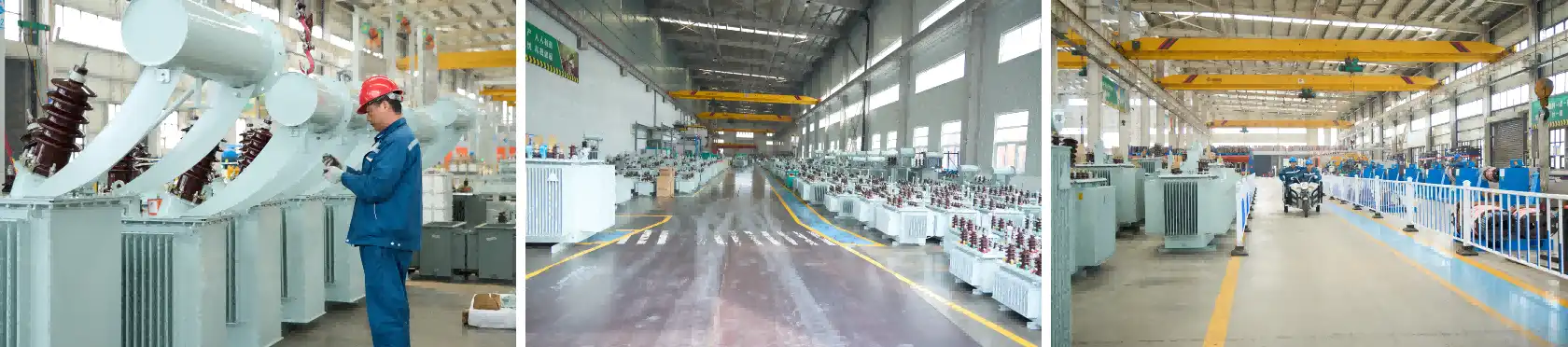
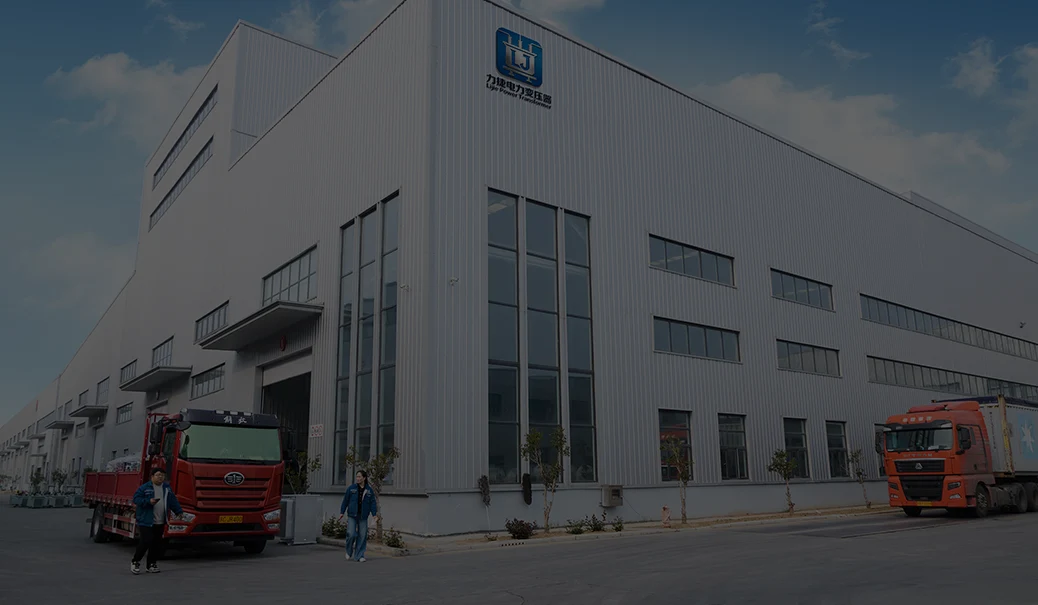
Providing durable S18 type fully sealed distribution transformers, Lijie Electric has collaborated with power corporations, green energy producers, and industry enterprises worldwide. Our 500,000-square-meter Xuzhou and Nantong plants employ over 2,000 trained personnel. New transformer development is the focus of 160 PhD and master 's-level engineers. All S18 type fully sealed distribution transformers undergo national lab-approved testing. They receive ISO 9001:2015, IEC, CE, and UL certifications, ensuring global quality standards. We tailor solutions to your project, whether it's extending city power grids, improving industrial facilities, or incorporating renewable energy. Our 30–3150kVA capacity and 35kV voltage ratings are available. As long as your transformer works, our wide after-sales network provides skilled service. Visit lijie-electrical.com or email our engineering team at lijieelectrical@gmail.com to learn how our S18 type fully sealed distribution transformers may increase power distribution system stability and lifespan value.
1. IEEE Standard C57.12.00-2015, "General Requirements for Liquid-Immersed Distribution, Power, and Regulating Transformers," Institute of Electrical and Electronics Engineers, New York.
2. International Electrotechnical Commission, "IEC 60076-1:2011 Power Transformers - Part 1: General," Geneva, Switzerland.
3. Zhang, W. and Liu, H., "Advanced Materials and Design Optimization for Energy-Efficient Distribution Transformers," Electrical Engineering Research Journal, Vol. 45, No. 3, 2022.
4. National Transformer Quality Supervision and Inspection Center, "Performance Evaluation Standards for Fully Sealed Oil-Immersed Transformers," Technical Report Series, Beijing, China, 2021.
5. Johnson, R. and Patel, S., "Life Cycle Cost Analysis of Sealed versus Conventional Distribution Transformers in Utility Applications," Power Systems Economics Quarterly, Vol. 28, No. 2, 2023.
6. Global Energy Transformation Institute, "Renewable Energy Integration and Grid Modernization: Infrastructure Requirements for 2030," Annual Technical Publication, London, United Kingdom, 2023.
YOU MAY LIKE


April 27, 2025
With a tight project schedule, the manufacturer delivered on time, and on-site technical personnel provided guidance throughout the entire installation and commissioning process; the collaboration was highly efficient and hassle-free.
July 2, 2025
During the preliminary phase, a selection plan was custom-tailored based on the actual site load requirements, resulting in a high degree of parameter compatibility. After-sales support responds within two hours, and ongoing technical support for operation and maintenance is comprehensive; we feel completely confident in a long-term partnership.
November 18, 2025
Deployed as a supporting component for a 35kV grid-connection project at a photovoltaic power station, the equipment operates for an average of 16 hours daily. It demonstrates excellent control over no-load losses, ensures smooth power generation and grid integration, and effectively reduces the station's overall energy consumption.
January 30, 2026
Under the continuous, high-load operating conditions of a factory production line, the equipment maintains stable electrical parameters and exhibits strong overload resistance, thereby guaranteeing an uninterrupted power supply for industrial production.
April 3, 2026
Integrated as a supporting component for a new energy photovoltaic grid-connection system, the manufacturer provided professional technical coordination and timely after-sales support, ensuring seamless adaptation to the specific electrical operating conditions required for grid integration.