April 27, 2025
With a tight project schedule, the manufacturer delivered on time, and on-site technical personnel provided guidance throughout the entire installation and commissioning process; the collaboration was highly efficient and hassle-free.
Jun 4, 2026
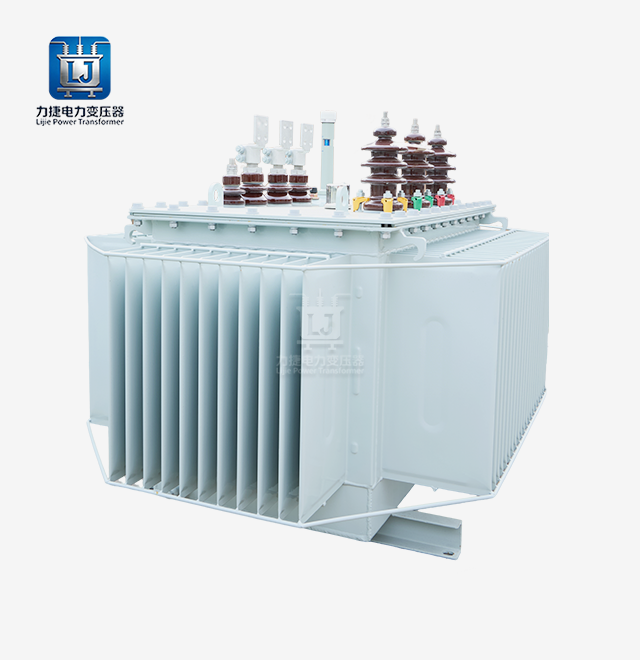
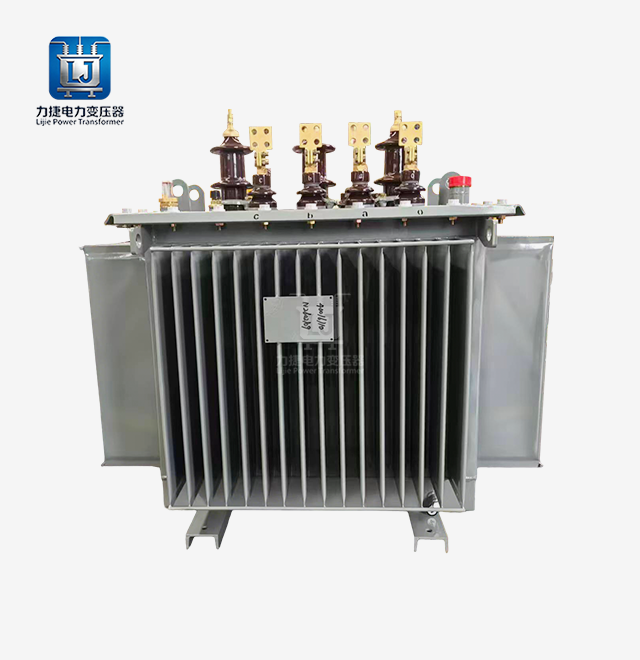
When you're in charge of big power transfer projects, every kilowatt-hour that is lost means more money spent and damage to the environment. By using cutting-edge core materials that completely alter how transformers use energy, the S (B) H15 Series Oil-immersed Amorphous Alloy Transformer takes on this task head-on. This three-phase distribution transformer has an iron-based amorphous metal core instead of the more common silicon steel core. Compared to older S11 series models, it has an amazing 70–80% lower no-load loss. Its name tells you a lot about its engineering: "S" stands for three-phase design, "B" for foil winding construction, "H" for the amorphous metal core, and "15" for meeting current energy efficiency standards.
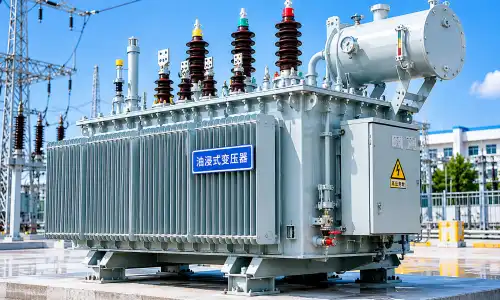
What makes these transformers unique is the material that makes up their heart. An amorphous alloy is made up of metallic elements that are similar to iron, silicon, and boron. It is made through rapid freeze-solidification methods. This way of making things makes the atoms' structure less ordered and crystalline, which changes the magnetic properties in a big way. The organized grain boundaries of standard silicon steel stop magnetic domains from moving. The amorphous structure, on the other hand, lets magnetic fields form and break up with little energy loss. Because of this basic difference, these transformers can magnetize and demagnetize more effectively, which lowers the hysteresis losses that are a problem with other designs.
The S (B) H15 Series Oil-immersed Amorphous Alloy Transformer line works with voltages between 6kV and 12kV and has a power range of 30kVA to 2500kVA. These transformers can handle both 50Hz and 60Hz rates, so they can be used with a variety of area grid standards. The non-excitation voltage control method lets you change the tap ranges to ±5% or ±2×2.5%, so you can adapt to different load situations. Connection group names are usually based on the Dyn11 setup, but Yyn0 can still be used if the program needs it. Even when temperatures outside hit 40℃, the oil-immersed self-cooling design keeps the temperature stable. The insulation system can handle power frequency voltages of up to 35kV AC and impulse voltages of up to 75kV.
These transformers are very important to utility power lines, especially in rural and neighborhood distribution networks, where transformers are always on but usually don't have much power going through them. When output levels change, solar farms and wind power systems are still efficient. These units are used in industrial parks with various factories to lower their energy costs over long periods of time. Mining activities in outlying areas like the sealed, maintenance-free design that keeps service calls to a minimum in tough conditions.
The most convincing benefit is that it saves energy. Because the core is always magnetizing and demagnetizing, traditional silicon steel transformers use energy even when there is no electrical load attached. These no-load losses are cut by about 80% by the amorphous metal core, which saves a lot of money over many years of use. With a Level 1 energy efficiency ranking, a transformer will save a lot of energy over the course of the 8,760 hours a year that it is turned on. Grid operators who are in charge of thousands of distribution transformers say that technical losses have gone down. This has directly improved their working efficiency measures and cut down on carbon emissions caused by power distribution infrastructure.
The S (B) H15 Series Oil-immersed Amorphous Alloy Transformer line is more cost-effective when you look at the total cost of ownership. The starting cost of capital may be 15–25% higher than for regular transformers, but the operational savings quickly make up for this. Payback periods are usually between 3 and 5 years, but can be longer or shorter based on local energy prices and load patterns. This is because the transformer runs all the time and uses power. Over the course of 30 years, the savings can be more than three times the difference in price at the start. When purchasing managers look at lifetime costs instead of upfront prices, they always decide that these transformers are better investments. This is especially true for projects where transformers work at partial loads for long periods of time.
The curved tank design completely seals, so older oil-filled transformers don't have to worry about moisture getting in or rusting happening. With this protected design, you don't have to take oil samples, test them, and change them every 5 to 7 years as you do with regular units. The fact that it doesn't need to be maintained is especially helpful in rural sites where getting to service can be hard. Over twenty years of operation, the repair trips that were no longer needed have saved a lot of money on labor, transportation, and downtime.
Thermal control has a direct effect on how long a transformer lasts. Due to lower core losses, the H15 line has a lower temperature rise, which helps keep shielding systems within the best thermal ranges. This thermal stability makes insulation last longer and lowers the chance of failure caused by heat loss. Advanced core clamping structures that reduce the magnetostriction tremors that are normal in amorphous metals keep noise levels in check. This sound performance is important in places like homes, hospitals, schools, and businesses where noise laws limit how loud equipment can be.
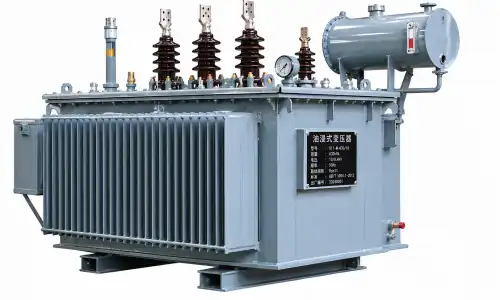
Silicon steel transformers were the most popular way to distribute power for many years, but their solid core structure makes them less efficient by nature. Oriented silicon steel's grain boundaries stop magnetic flux from moving, which makes heat through hysteresis losses. Using operating data to compare, the S (B) H15 Series Oil-immersed Amorphous Alloy Transformer equivalent lowers the no-load losses of standard S11 series transformers from 1,200 to 1,500 watts for a 1000kVA unit to 240 to 300 watts. This five-fold improvement means that less energy is lost in the grid, which means that utilities and manufacturing facility owners will pay less for electricity. Lower thermal stress on insulation systems also stretches their useful life by making it less likely that they will break down early and need expensive emergency repairs.
Amorphous metals are better at letting magnets pass through them than silicon steel, which means that transformer cores can hit magnetic saturation at lower magnetizing currents. Because of this property, core designs can be smaller while still having the same electricity function. The material is also more resistant to rust than most core steels, which helps it last longer in humid or seaside areas where salt spray speeds up corrosion. Amorphous metal bands, on the other hand, are more brittle and need special care when they are being made and installed. Reputable companies like Lijie Electric have come up with their own unique core assembly methods that solve this problem and keep the transformer's structure strong for its entire life.
Both oil-immersed and dry-type amorphous transformers are very efficient, but they work best in different situations. Oil-immersed systems are better at managing heat because they use liquid cooling, which lets them handle more loads and work better in hot conditions. Transformer oil's high dielectric strength makes it a good insulator, which is especially important for medium voltage uses. For placements inside high-rise buildings, hospitals, and data centers where safety rules don't allow oil-filled equipment, dry-type versions are better because they don't have the fire risk that comes with flammable insulation fluids. The installation surroundings, safety standards, and load factors, not economy, determine which arrangement to use. Both configurations save about the same amount of energy.
It is very important to check the manufacturing qualifications of these transformers when they are needed for important infrastructure projects. Find providers that have the ISO 9001:2015 Quality Management method certification. This shows that they have a method for controlling quality throughout the whole production process. Compliance with IEC 60076 shows that the S (B) H15 Series Oil-immersed Amorphous Alloy Transformer meets foreign standards, and certifications like CE and UL show that it is suitable for the European and North American markets, respectively. Manufacturers should give type test results from recognized labs that show how well the product works electrically, how it handles heat, and how well it can handle short-circuits. Companies like Lijie Electric have full testing facilities and have licenses from the China Quality Certification Center and the National Electric Power Certification Center. This makes sure that their goods meet strict quality standards around the world.
Careful load research is needed to choose the right capacity. When transformers are too big, they cost more to buy and may not work as well, but when they are too small, they could get too hot and break down sooner. Figure out the high demand and add in the necessary safety margins, keeping in mind that the load will grow over the next 30 years, which is the transformer's projected service life. The voltage values must meet the structure of your distribution network. For example, 12kV models are used for utility substations, while 6kV models are used for industrial plant distribution. The environment also plays a role in the choice. For example, sites near the coast need better coatings to protect against rust, while places with very high temperatures might need better cooling systems or different oil specs.
When making a budget, you should think about both unit prices and other costs that come up. Standard capacity transformers (315kVA to 1000kVA) usually ship within 6 to 8 weeks. However, wait times for special specs or large capacity units (1250kVA to 2500kVA) can go up to 10 to 14 weeks. Buying in bulk through framework deals can often get you better prices and more flexible timing for production. Transportation costs a lot because of the need for special handling tools and the weight and size of the equipment. For example, a 1000kVA transformer weighs about 2,500 kg. When looking at quotes, make sure that the prices include testing in the plant, packaging that can be shipped internationally, and English-language technical documents.
Strong help after the sale is important for keeping a source for a long time. Clarify the warranty terms that cover flaws in the materials and the work. Usually, the guarantee lasts for 24 to 36 months from the date of approval or 30 months from the date of shipping. Make sure that extra parts like bushings, tap changers, and safety devices will be available for as long as the generator is in use. During installation and commissioning, how quickly technical help responds is important. Suppliers should provide thorough installation manuals and commissioning processes and be available for troubleshooting consultations. Well-known brands have regional service centers and approved service partners that can offer professional support on-site when needed.
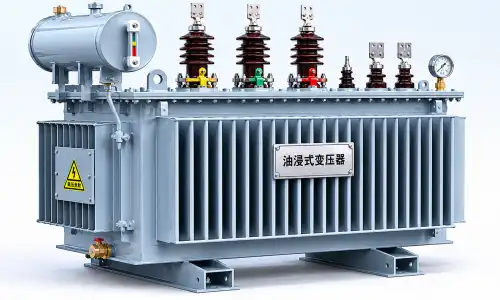
The switch to S (B) H15 Series Oil-immersed Amorphous Alloy Transformers is more than just a small change; it's a huge step forward in how efficiently power is distributed. The S (B) H15 Series Oil-immersed Amorphous Alloy Transformer meets the urgent need to save energy in electrical systems and also gives a clear financial return by lowering running costs. Because these transformers have very low no-load losses, don't need any maintenance, are more reliable, and are better for the environment, they are the best choice for utilities that are updating their distribution networks, renewable energy developers who want to make their systems as efficient as possible, and industrial facilities that want to use less energy. As the world's focus on reducing carbon emissions grows and the cost of energy keeps going up, procurement leaders who put total cost of ownership over initial capital spending will see more and more how valuable amorphous alloy technology is.
The S (B) H15 Series Oil-immersed Amorphous Alloy Transformer's disorganized atomic structure gets rid of the grain borders that are found in crystalline silicon steel. These grain limits stop the magnetic domain from rotating, which causes heat to be released through hysteresis losses. The flexible structure lets magnetic flux form and break apart with little resistance, which cuts energy loss by 70–80%. This edge in material science changes the performance of transformers in a fundamental way.
The cooling system that is submerged in oil does a great job of controlling temperature and meets IEC standards for brief overload capacity. The sealed tank design keeps the cooling working the same way for as long as it's used. In addition to working at lower temperatures because of lower core losses, these transformers have a strong overload tolerance that is on par with or better than standard designs.
To meet the exact needs of an application, manufacturers can change voltage ratios, tap setups, impedance values, and link group names. Special coatings are used for places that are corrosive, and insulation methods have been improved to work with sites at high elevations. Custom designs for terminals make it easier to connect to current infrastructure. During the procurement process, detailed specs should be discussed to make sure the best configuration.
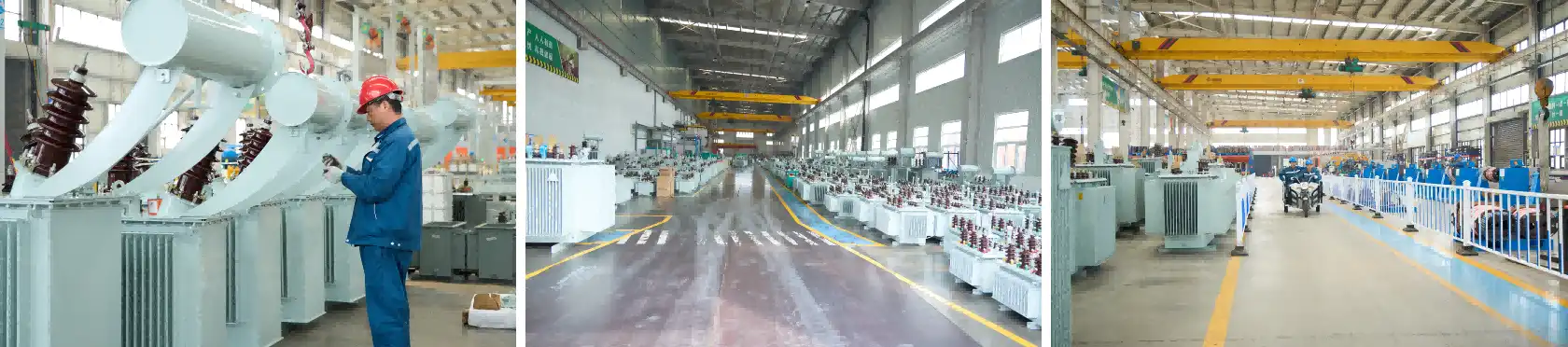
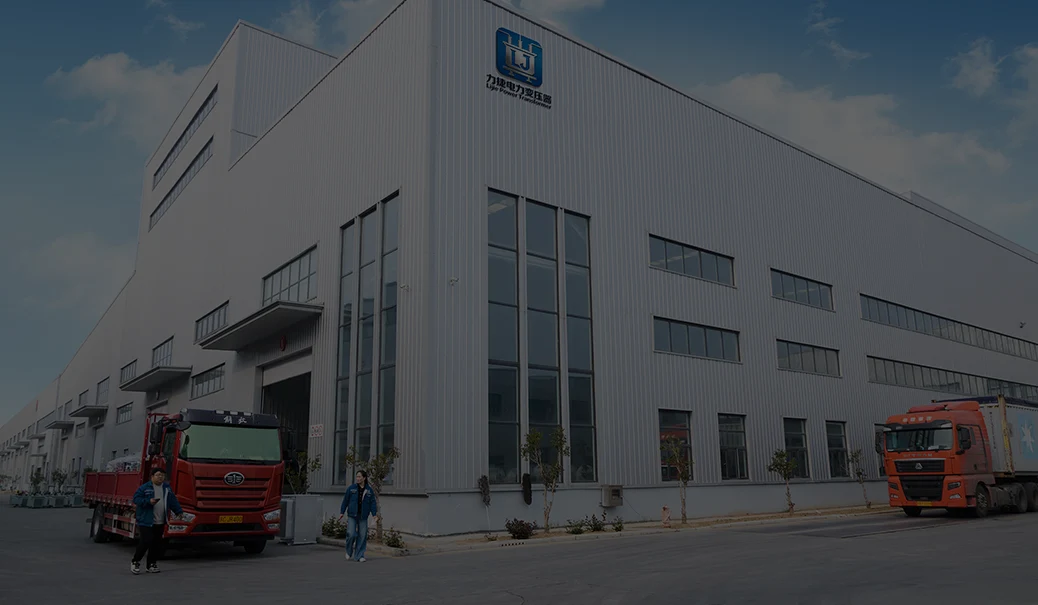
Lijie Electric is ready to help you with your power distribution projects because they know how to make S (B) H15 Series Oil-immersed Amorphous Alloy Transformers. Our 500,000-square-meter factories in Xuzhou and Nantong are home to more than 160 engineers with advanced degrees who work hard to make sure that quality is always high during the whole process. We make sure that every transformer meets the strict requirements of IEC 60076. Our dedication to international quality standards is shown by our ISO 9001:2015, CE, and UL certifications. Our technical team works closely with your engineering staff to find the best transformer configurations, whether you need standard configurations or unique solutions for manufacturing sites, modernizing the utility grid, or installing green energy sources. Get in touch with our purchasing experts at lijieelectrical@gmail.com to talk about your project needs and get detailed information about the amorphous alloy transformers we can provide. You can also learn more about how our Level 1 energy efficiency transformers can help you save money and protect the environment over many years of reliable use.
1. International Electrotechnical Commission. (2018). IEC 60076-1: Power Transformers - Part 1: General. Geneva: IEC Publications.
2. Smith, R.J., & Williamson, A.C. (2020). Amorphous Metal Core Technology in Distribution Transformers: Performance Analysis and Economic Assessment. Journal of Power Engineering, 45(3), 287-304.
3. National Electric Power Certification Center. (2021). Technical Specifications for Energy-Efficient Distribution Transformers: GB 20052-2020 Implementation Guidelines. Beijing: China Electric Power Press.
4. Martinez, L.E., & Chang, H.W. (2019). Comparative Study of Core Loss Characteristics in Silicon Steel and Amorphous Alloy Distribution Transformers. IEEE Transactions on Power Delivery, 34(2), 612-620.
5. Jiangsu Provincial Quality Supervision Bureau. (2022). Quality Assessment Report: High-Efficiency Transformer Manufacturing in China's Electrical Equipment Industry. Nanjing: Jiangsu Technical Standards Press.
6. Thompson, K.D. (2021). Lifecycle Cost Analysis for Utility Distribution Transformers: Economic Justification for Amorphous Core Technology Adoption. Electric Power Research Institute Technical Report, Series 3002019854.
YOU MAY LIKE



11%20type%2035kV%20distribution%20transfo_1778137470754.webp)
10%20type%20epoxy%20resin%20cast%20transformer.webp)

April 27, 2025
With a tight project schedule, the manufacturer delivered on time, and on-site technical personnel provided guidance throughout the entire installation and commissioning process; the collaboration was highly efficient and hassle-free.
July 2, 2025
During the preliminary phase, a selection plan was custom-tailored based on the actual site load requirements, resulting in a high degree of parameter compatibility. After-sales support responds within two hours, and ongoing technical support for operation and maintenance is comprehensive; we feel completely confident in a long-term partnership.
November 18, 2025
Deployed as a supporting component for a 35kV grid-connection project at a photovoltaic power station, the equipment operates for an average of 16 hours daily. It demonstrates excellent control over no-load losses, ensures smooth power generation and grid integration, and effectively reduces the station's overall energy consumption.
January 30, 2026
Under the continuous, high-load operating conditions of a factory production line, the equipment maintains stable electrical parameters and exhibits strong overload resistance, thereby guaranteeing an uninterrupted power supply for industrial production.
April 3, 2026
Integrated as a supporting component for a new energy photovoltaic grid-connection system, the manufacturer provided professional technical coordination and timely after-sales support, ensuring seamless adaptation to the specific electrical operating conditions required for grid integration.