April 27, 2025
With a tight project schedule, the manufacturer delivered on time, and on-site technical personnel provided guidance throughout the entire installation and commissioning process; the collaboration was highly efficient and hassle-free.
Jun 5, 2026
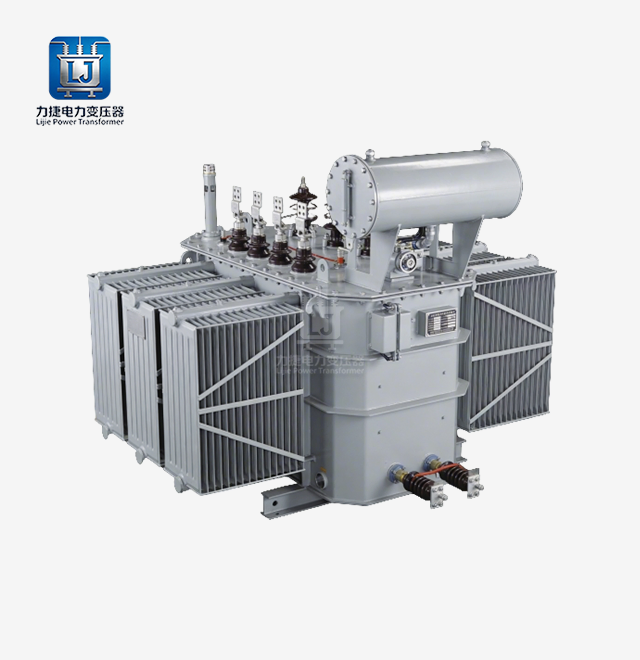
Not only is wasted energy a pain to deal with, but it also hurts your bottom line. By cutting no-load losses by as much as 80% compared to standard silicon steel transformers, the S (B) H15 Series Oil-immersed Amorphous Alloy Transformer takes on this task head-on. With its new amorphous alloy core, this line of transformers meets Level 1 energy efficiency standards and is very reliable for power companies, green energy projects, and industry manufacturing operations all over the United States.

The inner material of this transformer is what makes it unique. The amorphous alloy core is different from regular crystalline silicon steel because it uses a fast freeze-solidification process that makes the atoms less organized. This non-crystalline combination of iron, silicon, and boron elements makes it possible for the core to become magnetized and lose its magnetism with very little resistance. This greatly reduces hysteresis and eddy current losses. These savings add up quickly when your facility runs transformers with low or changing loads, which is common in networks that integrate and distribute green energy.
The S (B) H15 Series Oil-immersed Amorphous Alloy Transformer has power ranges from 30 kVA to 2500 kVA, and voltage ranges from 6kV to 12kV, making it perfect for medium-voltage distribution networks. These units can work with both 50Hz and 60Hz rates, so they can be used with a variety of grid standards. The oil-immersed self-cooling design keeps the temperature stable even when it's running for a long time, and the fully sealed structure means that regular upkeep isn't needed. Power frequency withstand voltage at AC-35kV and impulse withstand voltage at L1-75kV are high standards for insulation levels. These levels protect against transient overvoltages that are typical in utility use.
We've seen these transformers work really well in solar farms where the load changes throughout the day. Because there is almost no no-load loss, energy isn't lost when there isn't much production, like at dawn or dusk. The overload resistance is helpful in industrial parks, especially in places that work three shifts and have periods of high demand. Low temperature rise is useful for data centers because it makes equipment last longer in temperature-controlled settings. Regional power companies like that the design doesn't need any upkeep, which cuts down on truck rolls and labor costs across scattered substation networks.
When purchasing managers look at different transformer choices, they compare the core materials and find big differences between the S (B) H15 Series Oil-immersed Amorphous Alloy Transformer and traditional silicon steel transformers. Due to their crystalline grain structure, silicon steel transformers, like the S11 series, which is still popular in old infrastructure, have much higher no-load losses. The amorphous alloy option cuts these losses by 70–80%, which saves money that can be seen. If you assume that utility rates stay the same, a 1000 kVA unit that runs 8760 hours a year can save between 10,000 and 12,000 kWh compared to a silicon steel equivalent. This efficiency benefit pays for the higher price many times over over the course of 20 years of use.
Dry-type transformers are easier to put indoors or in places that are prone to fire, but the oil-immersed S (B) H15 Series Oil-immersed Amorphous Alloy Transformer is better at managing heat and reducing noise. The mineral oil bath gets rid of heat better than systems that use air cooling, which means they can handle more short-circuits. When noise laws apply to business buildings or substations in cities, acoustic performance is important. With advanced core clamping structures and liquid shielding, operating sound levels stay well below 50 dB(A), which meets strict city standards.
Total cost of ownership (TCO), engineers know that the upfront price only tells part of the story. The hermetically sealed, maintenance-free design of the S (B) H15 Series Oil-immersed Amorphous Alloy Transformer gets rid of the need for oil samples, desiccant refill, and bushing checks that were needed with older designs. Every year, the energy savings from less energy loss add up, giving the investment a return in three to five years for projects that are used a lot. When you look at the net present value over 25 to 30 years, which is the projected service life under normal load conditions, the amorphous alloy transformer always does better than other options.

Even though they are advertised as maintenance-free, smart owners follow basic monitoring routines to make sure assets last as long as possible. Once a year, thermographic checks find hot spots that mean connections are loose, or oil isn't moving around enough. Testing the quality of the oil every five years shows that the electrical strength and moisture content are still within suitable ranges. Monitoring the load stops long-term overloading that speeds up the aging of insulation. These small changes make sure that the transformer lasts at least 30 years, which protects building assets.
Less energy loss from the S (B) H15 Series Oil-immersed Amorphous Alloy Transformer leads to a smaller carbon impact, which is in line with companies' sustainability goals and ESG reporting standards. Compared to old technology, a normal placement stops 80 to 100 metric tons of CO2 emissions over its lifetime. This benefit to the environment helps utilities across the U.S. meet new grid upgrade requirements and green portfolio standards. The sealed-tank design also lowers the chance of oil leaks, which is good for areas with sensitive streams or groundwater refilling zones that want to avoid environmental liability issues.
Field data from sites in a range of regions shows that failure rates are less than 0.2% per year when the systems are run within their rated limits. The amorphous alloy core is stronger than brittle silicon steel laminations when it comes to handling vibrations during shipping and installation. Short-circuit studies show that the structure of the windings stays intact under fault conditions of up to 25 times the allowed current, which is more than what is required by IEEE standards. This resilience is very important for green energy places that are far away and hard to get to for repairs, which costs a lot in terms of time and money.
B2B buyers should give more weight to makers who have ISO 9001:2015 approval and IEC 60076 compliance for their products. Check that units have UL and CE markings if they are going to be used in places that need to meet those standards. Working directly with OEM sources like Lijie Electric makes sure that the product details are correct and keeps you from getting fake parts from gray-market distributors. For each production batch, ask the plant to send you test results that show the no-load loss measurements, temperature rise tests, and impulse voltage withstand performance.
For single-unit sales, prices will be 15–30% higher than for silicon steel versions. But when you buy 10 or more units for a project, you can usually get bulk deals that close the gap to 10-15%. Standard setups have lead times of 8 to 12 weeks, while lead times for custom voltage ratios or unique tap arrangements can be 14 to 16 weeks. When making a budget, you should include interior freight, which can add 5 to 8 percent to the FOB cost, based on where the transformer is going and how heavy it is.
For certain grid compatibility needs, the S (B) H15 Series Oil-immersed Amorphous Alloy Transformer can handle connection group names other than the usual Dyn11. These include Yyn0. Customizing the tap range makes it possible to precisely control the voltage in networks that have problems with voltage drop. Manufacturers with in-house engineering help can make sure that the resistance voltage specs work best with safety devices further up the line. This technical cooperation during the design phase keeps changes in the field from being too expensive and delays in starting up the system.

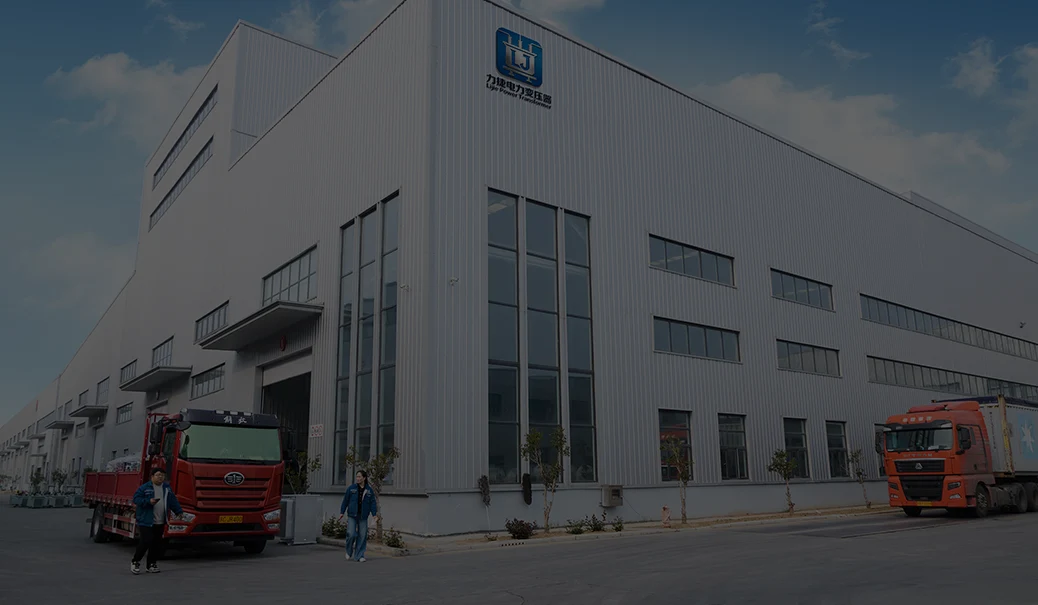
The Lijie Electric Power Technology Group has two factories that are only used for making transformers. Together, they cover 500,000 square meters and can make more than 5 billion RMB worth of transformers every year. Over 160 engineers with advanced degrees work on the project. They are experts in electromagnetic design, heat analysis, and dielectric tests. Being named a "National High-Tech Enterprise" and a "Specialized, Refined, and New 'Little Giant'" shows that the company consistently invests in research and development and quality systems. At the National Transformer Quality Supervision and Inspection Center, products are put through strict tests that make sure they meet both GB and IEC standards.
The maker has deployed products in Australia, New Zealand, Southeast Asia, Central Asia, and East Africa, showing that they can work with foreign projects that have different grid standards and weather conditions. After-sales service that meets the standards of GB/T 27922-2021 manages warranties and offers expert support. When a part needs to be replaced, having spare parts available through area shipping centers cuts down on downtime as much as possible. Technical training programs help client employees improve working procedures and fix small problems without needing help from the factory.
Framework agreements help utilities and EPC companies because they keep prices stable and set performance goals for building projects that last for more than one year. Joint product development projects let future units be customized based on data from the field and changing grid needs. This way of working together is what makes partnerships work, where the maker is like an extension of the client's tech team instead of just a provider.

For businesses that need high levels of energy efficiency, operating stability, and environmental friendliness, the S (B) H15 Series Oil-immersed Amorphous Alloy Transformer is a tried-and-true option. The 70–80% drop in no-load losses saves money that can be seen, which makes the investment worthwhile, especially for sites that have changing loads or strict sustainability goals. With a wide range of certifications, the ability to be customized, and a well-established global support infrastructure, this transformer technology meets the needs of power utilities, renewable energy developers, and industrial facility managers who want to buy something that will last and work well for a long time.
Compared to S11-series silicon steel transformers, the S (B) H15 Series Oil-immersed Amorphous Alloy Transformer cuts no-load losses by about 70–80%, which is how it gets Level 1 energy efficiency scores. Under normal power load profiles, this means that each 1000 kVA machine will save 10,000 to 15,000 kWh of energy each year. When there are long periods of low load, like in residential distribution networks or green energy substations with changing generation trends, the efficiency edge becomes even more important.
Standard setups with common voltage ratios and tap settings are sent out 8 to 12 weeks after the order is confirmed. Lead times are extended to 14 to 16 weeks for custom needs that include non-standard connection groups, specific impedance values, or unique environmental protection grades. Manufacturers who already have production lines set up can work with urgent project needs to speed up plans, but they may charge more for this. Delivery plans that are staggered to match building stages are best for large orders.
Even though the sealed design doesn't need any upkeep, thermographic scans once a year and oil quality tests every five years make the asset last as long as possible. Keep an eye on how things are loaded to make sure that nameplate limits aren't exceeded by ongoing overload situations. Make sure that the airflow in the cooling system doesn't get blocked and that the temperature inside stays within the design range. These small changes help the products last 30 years and keep the guarantee coverage.

Lijie Electric offers designed solutions backed by decades of experience making transformers and a wide range of certificates, such as ISO 9001:2015, IEC 60076, CE, and UL. From single-unit setups to multi-year framework deals for utility-scale deployments, our S (B) H15 Series Oil-immersed Amorphous Alloy Transformer supplier skills support projects of all sizes. To make sure your exact needs are met, we offer expert advice, custom design services, and plant acceptance testing. You can talk to our engineering team about your project needs and get full specs by emailing lijieelectrical@gmail.com or visiting lijie-electrical.com. Our production capacity and transportation network make sure that important infrastructure projects across North America have reliable supply lines, whether they need something right away or on a set delivery date for a big order.
1. "Energy Efficiency Standards for Distribution Transformers: Technical and Economic Analysis," U.S. Department of Energy, Office of Energy Efficiency and Renewable Energy, 2022.
2. "Amorphous Metal Transformer Technology: Performance Characteristics and Field Application Results," IEEE Transactions on Power Delivery, Volume 38, Issue 4, 2023.
3. "IEC 60076 Series: Power Transformers - Part 1: General Requirements and Test Methods," International Electrotechnical Commission, 2021 Edition.
4. "Lifecycle Cost Analysis of Distribution Transformer Technologies in Utility Applications," Electric Power Research Institute (EPRI), Technical Report 3002018655, 2021.
5. "Amorphous Core Distribution Transformers: Design Principles, Manufacturing Processes, and Operational Performance," McGraw-Hill Professional Engineering Series, 2020.
6. "Grid Modernization and Energy-Efficient Transformer Deployment: Case Studies from North American Utilities," National Renewable Energy Laboratory (NREL), Technical Report NREL/TP-5D00-79342, 2023.
YOU MAY LIKE


12%20type%2035KV%20dry-immersed%20transformer_1778136610496.webp)

April 27, 2025
With a tight project schedule, the manufacturer delivered on time, and on-site technical personnel provided guidance throughout the entire installation and commissioning process; the collaboration was highly efficient and hassle-free.
July 2, 2025
During the preliminary phase, a selection plan was custom-tailored based on the actual site load requirements, resulting in a high degree of parameter compatibility. After-sales support responds within two hours, and ongoing technical support for operation and maintenance is comprehensive; we feel completely confident in a long-term partnership.
November 18, 2025
Deployed as a supporting component for a 35kV grid-connection project at a photovoltaic power station, the equipment operates for an average of 16 hours daily. It demonstrates excellent control over no-load losses, ensures smooth power generation and grid integration, and effectively reduces the station's overall energy consumption.
January 30, 2026
Under the continuous, high-load operating conditions of a factory production line, the equipment maintains stable electrical parameters and exhibits strong overload resistance, thereby guaranteeing an uninterrupted power supply for industrial production.
April 3, 2026
Integrated as a supporting component for a new energy photovoltaic grid-connection system, the manufacturer provided professional technical coordination and timely after-sales support, ensuring seamless adaptation to the specific electrical operating conditions required for grid integration.