April 27, 2025
With a tight project schedule, the manufacturer delivered on time, and on-site technical personnel provided guidance throughout the entire installation and commissioning process; the collaboration was highly efficient and hassle-free.
Jun 7, 2026
The S22 type distribution transformer is a big step forward in industrial power distribution technology. It meets Level 1 energy efficiency requirements under GB 20052-2024, which is the best level of efficiency that is currently available. This advanced transformer is made to help purchasing managers, electrical engineers, project managers, and supply chain professionals in the heavy manufacturing, infrastructure, power utilities, and renewable energy industries deal with three major problems: rising lifecycle costs, demanding reliability over decades, and strict international certification standards. This detailed guide talks about how to buy them, how to maintain them, how to make them last longer, and how to think about sustainability when designing these transformers, which are important parts of modern industrial power networks. Knowing about these features gives leaders the power to keep operations running smoothly, follow rules, and save real energy in a wide range of demanding settings, from solar farms to steel mills.

The S22 type distribution transformer is a fully sealed, oil-immersed power distribution system that was made for high-reliability industry settings where downtime directly means lost income. In contrast to regular distribution transformers, this platform combines ultra-low-loss core materials with a curved tank design that gets rid of the need for oil conservers completely. The fully sealed design stops water from getting in and oil from going bad, which makes the operating life longer than 30 years under normal conditions. This design solves a major problem for industrial clients: it gets rid of the need for regular oil upkeep while keeping temperatures stable with stretchy corrugated fins that naturally adapt to oil's cycles of expanding and contracting.
The S22 type distribution transformer series has capacity values from 30kVA to 3,150kVA. It can work with both single-phase and three-phase designs that are compatible with 6kV and 12kV voltage classes. These transformers work at 50Hz or 60Hz frequencies and use non-excitation voltage control with tap ranges of ±5% or ±2×2.5%. This lets installers make exact voltage changes during installation to match the conditions of the grid. Connection group names Yyn0 and Dyn11 make it possible for a variety of industrial network designs to work. The oil-immersed self-cooling way gets rid of the need for forced air systems, which cuts down on extra power use and mechanical failure points. Insulation levels meet strict dielectric standards, with a power frequency withstand voltage rating of AC-35kV, and an impulse withstand voltage rating of L1-75kV. This makes sure that safety gaps are well above the levels of operational stress that are common in industrial settings.
Three changes to the structure of the S22 type distribution transformer base make it different from older models. The magnetic core is made of high-permeability cold-rolled grain-oriented silicon steel with stepped lap joints. This reduces magnetic flux leaks and hysteresis losses while also lowering noise to 50–55dB(A), which is important for installations near occupied buildings or residential areas. Windings made from oxygen-free copper wire have better electrical conductivity and can handle short-circuits much better, which is very important in industrial settings where motor starting transients and fault conditions are common. The fully sealed corrugated tank design gets rid of the need for desiccant breathers and oil level tracking systems. This makes upkeep easier and less complicated. These technical choices have real-world benefits, like 15-20% lower no-load losses compared to S13 peers, which directly leads to lower total cost of ownership over many decades of service.

When buying teams look at different types of distribution transformers, they often compare S22 type distribution transformers to the S11 and S13 series units that are still common in many industrial buildings. The S22 type distribution transformer platform achieves Level 1 energy economy by optimizing the core geometry and using modern silicon steel metallurgy. On the other hand, S11 transformers can only meet Level 3 standards as of now. This difference in efficiency shows up in real-world practical savings: a 1,000kVA S22 type distribution transformer unit running at 75% load for 8,000 hours a year can cut energy losses by about 4,800 kWh compared to a similar S11 model. The fully sealed design not only improves efficiency, but it also gets rid of the oil quality degradation paths that require regular oil processing in standard transformers with a conservator. This cuts lifetime maintenance costs by about 30–40% over a 25-year service period.
When buying S22 type distribution transformer technology for the first time, it's usually 18–25% more expensive than similar S11 or S13 models. Procurement managers have to explain this price increase by looking at the total cost of ownership. Payback times are usually between 4 and 7 years, but can be longer based on power rates and load profiles. This is because the system uses less energy, doesn't need oil maintenance, lasts longer, and is more reliable. The S22 type distribution transformer platform's compliance with IEC 60076 standards and availability of CE and UL certifications make foreign project approvals easier. This is a huge benefit for EPC companies that are in charge of infrastructure deployments in more than one country. Lifecycle cost modeling shows that just saving energy can cover the cost of installation within the first ten years of use. The next twenty or more years of service will bring about huge savings that have a direct effect on calculating the project's return on investment (ROI).
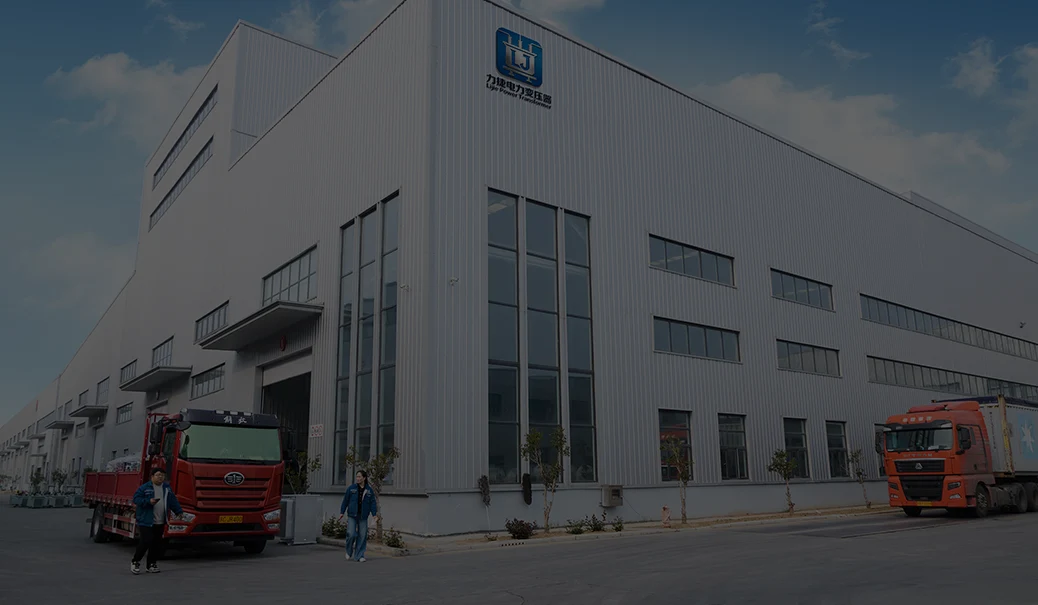
To find a good S22 type distribution transformer maker, you need to look at their production capacity, quality systems, approval portfolios, and infrastructure for after-sales service. Lijie Electric Power Technology Group runs two specialized factories that cover 500,000 square meters and can make enough each year to meet the needs of large-scale projects. Along with IEC, CE, and UL approvals, the company keeps ISO 9001:2015 certification. This makes sure that goods meet foreign standards that are needed by multinational utilities and industrial clients. The company has more than 160 engineers with advanced degrees, so it can offer expert advice that is needed for customization needs that are popular in industrial settings. Our history of exporting to Australia, Southeast Asia, Central Asia, and Africa shows that our supply chain is reliable, which is very important for EPC companies that have to manage tight delivery dates at many project sites.

Once industrial S22 type distribution transformers are installed correctly, they will work reliably for many years. For thermal management, the site needs to be prepared with a level concrete pad that can hold enough weight. The pad should be placed so that air can flow naturally around the curved tank surfaces. Before turning on the power, you should do a full 24-hour seal integrity test at 0.05MPa to make sure the tank is solid. Next, you should do dielectric testing, which includes checking for lightning impulse resistance and power-frequency AC voltage compliance according to IEC 60076 guidelines. To avoid thermal hotspots, the torque requirements for connecting the main and secondary terminals must be carefully thought out. Grounding connections that allow fault current paths must be given extra attention. When installing in harsh climates, ambient temperature becomes very important. The normal specification can handle temperatures up to 40°C outside, but custom setups can handle the harsher thermal conditions that are typical in installs in the Middle East or the tropics.
The fully sealed design makes maintenance a lot easier than with regular transformers, but smart inspection routines make sure that the S22 type distribution transformers last as long as possible and work reliably. Every year, thermographic scans look for emerging hotspots that show link degradation or winding problems before they happen. By taking samples of oil through special ports, dissolved gas analysis (DGA) can find early signs of problems like partial discharge or heat breakdown. This lets people know about problems before they get worse. Since there are no oil conservators, there is no need to change the desiccant or check the oil level. However, the curved tank surfaces should be visually checked on a regular basis to make sure they are working properly and to find any damage from the outside environment. Monitoring the temperature during times of high load confirms the thermal performance and cooling efficiency, ensuring operation within design limits that protect the insulation integrity over the three-decade design life of the transformer.
Even though they are built to last, industrial transformers sometimes have problems that need to be systematically diagnosed. Noise levels that aren't usual could mean that there are loose core laminations or winding vibrations, which means that the inside needs to be inspected during planned breaks. Temperature changes outside of normal ranges could mean that the cooling path is blocked, the device is overloaded, or there are problems inside the windings that can be found by measuring resistance and winding ratio. When there are sudden trips or safety activations, they need to be looked into right away. This includes testing the insulation resistance, checking the turns ratio, and doing a full DGA to find fault signs. The design of a curved tank usually keeps catastrophic breakdowns from happening by allowing internal pressure to rise. However, if the tank deforms in any way, it needs to be turned off right away and inspected by a professional. Building ties with makers that can provide field service support is essential during diagnostic situations. This means that choosing a seller is just as important as deciding what the product should be made of in the first place.
To get industrial S22 type distribution transformers, you need to work with providers who have a track record of manufacturing skills, quality systems, and project completion. When compared to distributor networks, direct maker ties are better when it comes to responsive customization, easy access to technical support, and a clear price. When looking at possible suppliers, make sure they have proof of their production capacity that is big enough for the project, certification portfolios that show they meet the needs of the target market, and reference projects that show they have experience in the right industry sectors. Framework agreements set pricing structures, supply schedules, and quality assurance protocols across multi-year projects. These are useful for situations where a lot of goods need to be bought at once, like when utilities are upgraded or an industrial park is built. International projects need providers who know how to handle export shipping, are familiar with the standards of the target country, and can provide field service or have formed local partnerships to guarantee fulfillment and help with commissioning.
The price of an S22 type distribution transformer depends on its capacity grade, voltage class, licensing needs, and customization options. Standard setups in the 500kVA to 1,000kVA range usually ship 8 to 12 weeks after the order is confirmed. However, custom designs or large capacity units may take 14 to 18 weeks to deliver because they need to follow different production and testing procedures. Price optimization is possible with volume commitments. For projects that need more than 20 units, framework price models can often be used, which lower unit costs by 8–15% compared to spot buying. Transportation costs a lot, especially for foreign shipments, where the cost of containerization, marine insurance, and customs paperwork can add 12 to 18% to FOB prices, based on the market where the goods are going. Payment structures usually go like this: 30% payment, 60% before shipment, and 10% retention released after successful launch. These terms should be taken into account by procurement managers when planning the project's cash flow and negotiating the contract.
Comprehensive insurance coverage is an important way to reduce the risk of investing in expensive tools that will last for many years. Standard S22 type distribution transformer guarantees usually cover 24 to 30 months from the date of starting or 36 months from the date of shipment, whichever comes first. They protect against problems with the way the transformer was made and with the materials used. For buyers who don't want to take risks, extended warranty plans that cover specific parts like tap changers or tracking systems give them more coverage choices. In addition to the guarantee terms, you should also look at the supplier's after-sales infrastructure, such as their expert hotline, field service, spare parts inventory, and training programs for client support teams. When it comes to reaction time and quality of support, manufacturers with established service networks in target markets are miles ahead of providers who need to send technicians across borders to fix routine problems. Documentation packages that include operation instructions, maintenance plans, and troubleshooting guides in the right languages make it easier for client operations teams to learn new things, which means they don't have to rely on outside help as much for everyday maintenance tasks.

The Level 1 energy efficiency rating of the S22 type distribution transformer platform directly supports business sustainability efforts and legal compliance standards that are becoming more and more important in industrial buying decisions. Less energy loss means a smaller carbon footprint. For example, a normal 1,000kVA unit that runs nonstop for 25 years stops between 60 and 80 metric tons of CO2 from being released into the air, which makes a big difference toward net-zero goals. The fully sealed design gets rid of oil oxidation paths that make acidic compounds that need to be thrown away. This lowers environmental risk and supports the idea of a circular economy. Following environmental rules, like the RoHS directives and REACH substance limits, makes it possible to use equipment in places with strict environmental standards. This is especially important for international companies that want to standardize equipment specs across their global operations.
New smart grid designs need S22-type distribution transformers that can work with complex tracking and control systems that improve network performance and allow for planned maintenance. Real-time tracking of oil temperature, pressure, and dissolved gas concentrations can be done with non-invasive sensors integrated into the platform. These sensors send data streams to SCADA systems and IoT platforms that collect information about the health of assets across distributed networks. This digital feature lets condition-based maintenance plans take the place of time-based check programs, which makes better use of maintenance resources and cuts down on actions that aren't needed. When utilities connect to demand response systems, they can see how full transformers are in real time. This lets them handle capacity more efficiently and avoid having to spend money on network growth. As factories set up energy management systems to get ISO 50001 certification, detailed information about how well transformers are working is needed to find ways to make things work better and make sure that energy-saving plans are working. This is what drives programs for ongoing growth.
With its Level 1 energy efficiency, fully protected operation that doesn't need any upkeep, and proven 30-plus year service life, the S22 type distribution transformer is a great value for industrial power systems. When procurement teams look at investments in distribution infrastructure, they get real benefits like lower lifetime costs, higher efficiency, and compliance with changing environmental rules. Improvements in core materials, winding construction, and tank design have solved some of the biggest problems in industrial power distribution, like reducing energy loss, getting rid of the need for regular upkeep, and making sure that the system works the same way after decades of use. Because the platform is flexible in terms of voltage classes, capacity ranges, and customization options, it can be used for a wide range of tasks, from integrating renewable energy to heavy industrial manufacturing. It also comes with a full set of certifications that meet international standards, which is important for completing projects around the world.
In what way does the S22 type distribution transformer line save Level 1 energy? Magnetic hysteresis and eddy current losses, which make up most of a distribution transformer's no-load energy use, are greatly reduced by the platform's improved core shape and ultra-low-loss cold-rolled grain-oriented silicon steel.
There is no need for regular upkeep. The springy corrugated fins naturally adapt to changes in oil volume as the temperature changes. This gets rid of the need for oil conservers, desiccant breathers, and processes for adding more oil, which are all part of traditional designs.
The design life is more than 30 years when used in the right way and under the right circumstances. The fully sealed design that keeps oil and oxygen from coming into contact greatly increases the insulation life compared to transformers with conservators that let water and oxygen in and cause the insulation to break down.
Yes, high-quality insulation materials and well-thought-out cooling duct design allow for short-term overloading according to IEC 60076-7 guidelines. This allows for normal changes in industry load levels without affecting service life as long as they are kept within certain temperature limits.
Of course. The design includes non-invasive sensors that measure the temperature, pressure, and dissolved gases in the oil. This allows for real-time health tracking and interaction with SCADA and IoT platforms, which supports predictive maintenance strategies and condition-based asset management.
Lijie Electric Power Technology Group has been making high-quality S22 type distribution transformers for over 20 years and takes that experience to industrial power distribution projects all over the world. Our S22 type distribution transformer line has Level 1 energy economy and fully sealed operation that doesn't need any upkeep. It also has ISO 9001, IEC, CE, and UL certifications that are needed for foreign project approvals. With 500,000 square meters of production space and engineering teams with advanced degrees, we can meet the needs of large building projects and industry factories by customizing our products and providing large quantities of them. Our full after-sales support system makes sure that you get help with setup, expert advice, and quick service for many years that your transformer is in use. Email our engineering team at lijieelectrical@gmail.com to talk about your particular needs for voltage class, capacity, and licensing. We offer detailed technical proposals, competitive pricing for large orders, and delivery schedules that work with your project's milestones. This way, you can be sure that your industrial power infrastructure is as reliable and efficient as it can be, thanks to a dependable S22-type distribution transformer supplier that cares about your long-term success.

1. International Electrotechnical Commission. (2011). Power transformers - Part 7: Loading guide for mineral-oil-immersed power transformers (IEC 60076-7). Geneva: IEC.
2. Institute of Electrical and Electronics Engineers. (2018). IEEE Standard for General Requirements for Liquid-Immersed Distribution, Power, and Regulating Transformers (IEEE C57.12.00-2015). New York: IEEE.
3. National Standardization Administration of China. (2024). Energy efficiency limits and energy efficiency grades for three-phase distribution transformers (GB 20052-2024). Beijing: Standards Press of China.
4. European Copper Institute. (2015). Transformers and the environment: Energy efficiency regulations in Europe. Brussels: ECI Publications.
5. U.S. Department of Energy. (2016). Energy Conservation Program: Energy Conservation Standards for Distribution Transformers. Federal Register, 81(90), 28858-28935.
6. Tenbohlen, S., Coenen, S., Djamali, M., Müller, A., Samimi, M. H., & Siegel, M. (2016). Diagnostic measurements for power transformers. Energies, 9(5), 347-378.
YOU MAY LIKE

11%20type%2035KV%20dry-immersed%20transformer_1778136495348.webp)


April 27, 2025
With a tight project schedule, the manufacturer delivered on time, and on-site technical personnel provided guidance throughout the entire installation and commissioning process; the collaboration was highly efficient and hassle-free.
July 2, 2025
During the preliminary phase, a selection plan was custom-tailored based on the actual site load requirements, resulting in a high degree of parameter compatibility. After-sales support responds within two hours, and ongoing technical support for operation and maintenance is comprehensive; we feel completely confident in a long-term partnership.
November 18, 2025
Deployed as a supporting component for a 35kV grid-connection project at a photovoltaic power station, the equipment operates for an average of 16 hours daily. It demonstrates excellent control over no-load losses, ensures smooth power generation and grid integration, and effectively reduces the station's overall energy consumption.
January 30, 2026
Under the continuous, high-load operating conditions of a factory production line, the equipment maintains stable electrical parameters and exhibits strong overload resistance, thereby guaranteeing an uninterrupted power supply for industrial production.
April 3, 2026
Integrated as a supporting component for a new energy photovoltaic grid-connection system, the manufacturer provided professional technical coordination and timely after-sales support, ensuring seamless adaptation to the specific electrical operating conditions required for grid integration.