April 27, 2025
With a tight project schedule, the manufacturer delivered on time, and on-site technical personnel provided guidance throughout the entire installation and commissioning process; the collaboration was highly efficient and hassle-free.
Jun 8, 2026
Selecting power distribution equipment for utility systems, green energy projects, and industrial buildings requires transformer knowledge. The cutting-edge S18 type fully sealed distribution transformer uses less energy, requires little maintenance, and lasts a long period. The curved tank of this high-tech oil-immersed transformer keeps air, water, and oxygen out. This prevents oil degradation and insulator wear. S18 type fully sealed distribution transformers fulfill high international standards like IEC 60076 and lose 10% to 20% less energy than S13 models. Long-term usage will save you money.

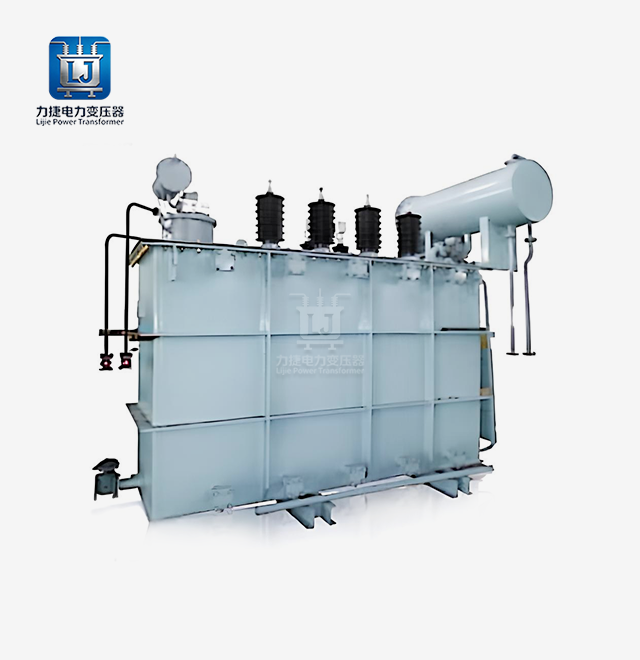
Every reliable power distribution network relies on transformers that can operate properly in tough conditions. The S18 type fully sealed distribution transformer's sealed architecture is a major engineering advancement over open-type or conservator-equipped transformers. This design employs flexible corrugated radiator fins incorporated into the transformer tank instead of external oil tanks that breathe via silica gel jars, which increases contamination risk. These corrugations grow and shrink with warmth. This compensates for oil changes without disturbing the airtight seal.
The magnetic circuit has 0.18mm to 0.23mm thick high-permeability grain-oriented silicon steel plates. This drastically minimizes no-load losses. The windings are oxygen-free copper wires wrapped in thermally enhanced kraft paper. This offers them insulation class ratings for power frequency and lightning impulse voltages up to 35kV and 75kV, respectively. Transformers function well at temperatures near 40℃ due to their design. They can be employed in humid coastal locations and dry industrial zones.
Knowing these transformers' performance spectrum helps engineers match equipment to applications. The S18 type fully sealed distribution transformer line carries 6kV–12kV voltage and 30kVA–3,150kVA power. It works with single- and three-phase systems. Devices are frequency compatible with 50Hz and 60Hz grid systems, allowing global application. Different networks can be created using connection group names like Yyn0 or Dyn11. Non-excitation tap changers adjust voltage within ±5% or ±2×2.5% to accommodate supply variations.
Oil-immersed self-cooling harnesses natural airflow through the corrugated tank surface. This eliminates forced cooling fans and their maintenance. Impedance voltage factors must follow technical standards or be customized for a project. It gives buying teams the optimum short-circuit performance for their network topology. ISO 9001, CE, UL, and CQC energy efficiency scores and national requirements are met by all materials.
When considering long-term dependability, the totally sealed construction makes sense. Regular transformer breathers progressively add water and air to the insulating oil. Acidic compounds result from faster oxidative aging. These waste compounds degrade cellulose insulation, reducing its strength and equipment life. The S18 type fully sealed distribution transformer design permanently blocks air contaminants, stopping deterioration.
EMF transfers power from the main to secondary windings through the silicon steel core as the motor runs. Heat from copper losses and core magnetism raises oil temperature. The heat expands the oil. To protect the tank from outside air, the corrugated tank walls stretch outward during expansion and shrink during cooling cycles. This self-compensating technique remains effective from -25℃ to +40℃. It preserves the transformer's insulation and maintains oil chemistry for 30 years or more.
Purchase decisions increasingly depend on estimates of the total cost of ownership, which includes more than the original purchase price. The S18 type fully sealed distribution transformer series achieves Level 1 energy efficiency criteria by employing superior core materials and winding design to reduce no-load losses by 30% over the S13 series. Compared to S11 models, the increase is 40%–45%. These efficiency gains reduce energy usage over decades, which is crucial for utility companies that manage thousands of units connected to transmission networks.
Dry-type transformers are suitable for interior settings where fire safety standards prohibit oil-filled equipment, but they lack the thermal performance and overload capacity of oil-submerged versions. S18 type fully sealed distribution transformer units can run at 120% of their rated capacity during heavy demand without compromising their liquid insulation, since it removes heat well. This thermal headroom is useful in green energy applications where solar and wind power produce unpredictable demand patterns that require flexible transformers.
Even though S18 type fully sealed distribution transformers cost 15% to 20% more upfront, sealed systems are easier to maintain over time. Traditional systems need frequent dissolved gas analysis, oil filter, and breather silica gel replacement. These costly jobs must be arranged during outages. The hermetically sealed S18 type fully sealed distribution transformer eliminates the requirement for oil quality inspections since pollutants cannot enter. Inspections use external eye inspections, temperature tracking, and electrical testing instead of intrusive lab procedures.
This repair value is much greater for remote green energy installations and mining activities, where professionals would be expensive and difficult to organize. A wind farm developer with dozens of transformers at multiple sites saves money by servicing them only during scheduled major overhauls rather than annual preventative maintenance visits. The smaller service load reduces the danger of unexpected downtime, which can be costly in areas where a production halt costs a lot per hour.
Regulations make it difficult to create safe and environmentally friendly equipment. Open-type transformer maintenance puts workers at danger of oil leaks, which damage soil and require further containment. All dielectric fluid is encapsulated in the S18 type fully sealed distribution transformer's welded steel box. This prevents unintentional releases unless in catastrophic failures, which are avoided by safety systems that employ coordinated relay schemes and pressure relief devices.
Fires spread less quickly in designs without exterior oil tanks than in conservatories. Corrugated tanks have increased heat transfer surface area and a smaller form, improving thermal management without impacting earthquake or wind resistance. Fully sealed transformers are better for compact, safe urban substations near people-used buildings due to these properties.

Install sealed-unit condition-based tracking technologies to maximize transformer ROI. Regular equipment repairs are scheduled using oil samples. The S18 type fully sealed distribution transformer inspection schedule emphasizes outside indications and electrical diagnostics. Every three months, weld seams, gasket joints, and bushing surfaces are visually inspected for anomalous oil leaks. Pressure release devices are also inspected for functionality. Infrared thermography can detect hotspots that may indicate broken connections or internal winding issues before they pose serious issues.
The yearly electrical testing technique measures insulation resistance, turns ratios across all taps, and bushing insulation system power factors. These tests verify transformer health without opening the enclosed casing. For continuous insulation monitoring, modern installations employ online partial discharge tracking devices. This alerts operators to issues weeks or months before they appear. By predicting the future, proper fixes may be done during scheduled outages instead of emergency repairs during peak demand.
Fully sealed designs last longer than open ones because air and moisture insulation degradation is controlled. But environmental variables still affect lifespan. S18 type fully sealed distribution transformers in shady places away from direct sunshine and rain prolong paint life and prevent steel corrosion. Extra corrosion-resistant coatings on the tank and radiator fins prolong their life on a pad outside in coastal or industrial environments with salt spray or chemical contaminants.
How transformers are loaded affects their lifespan. The S18 type fully sealed distribution transformer series can sustain 120% overload during brief periods of high demand, although running over nameplate limitations for a long time increases insulating paper thermal deterioration. Use transformer thermal time constants to provide short-term overloads and cooling periods to maximize equipment life. Modern SCADA systems automatically balance parallel transformer loads. This boosts bandwidth and safeguards assets.
Despite the building's strength, workers occasionally have performance issues that must be diagnosed. Strange noises usually indicate defective core laminations or faulty winding locks. The sturdy S18 type fully sealed distribution transformer design prevents this from happening often. High operating temperatures usually indicate system overload, insufficient airflow around corrugated radiators, or cooling route obstructions. Comparing load levels to nameplate values and ensuring the tank's surface has no more than the minimal gaps may cure most thermal issues.
Wear on the tap switch mechanism or corrosion on the contact surface might produce voltage variations that don't match the load. S18 type fully sealed distribution transformer tap changers are non-excitation, therefore adjustments must be done with the transformer off. Choosing the correct tap places during the first testing based on projected voltage situations is crucial. Dirt and grime on filthy ceramic surfaces cause bushing flashover most of the time. Regular surface cleaning and silicone-based protective coatings can solve this.
A successful purchase begins with a thorough needs assessment that converts project electrical characteristics into transformer specs. Engineering teams must calculate main and secondary voltage levels within projected regulatory limits. The S18 type fully sealed distribution transformer procurement requires calculating capacity demands based on load growth and short-circuit duty factors depending on the upstream protection system. When implementing green energy, consider harmonic distortion. Some uses benefit from inverter-dominated load-specific winding designs.
Environmental working circumstances should be considered while specifying. Projects in tough environments may require insulating systems that can withstand temperatures below 40℃ or cold-weather oil compositions with viscosity at -40℃. For corrosion protection, coastal sites need marine-grade paint and stainless steel equipment. Where less dense air impacts cooling and dielectric strength beyond 1,000 meters, elevation modifications are needed.
When seeking reliable transformer makers, consider their professional capabilities and business stability. Core lamination, winding construction, and tank building are vertically integrated by established suppliers. Quality is maintained by process control. A manufacturer's credentials guarantee ISO 9001 quality management and particular approvals like IEC 60076 compliance, CE labeling for European markets, and UL listing if needed. Vacuum oil processing systems, mechanized winding machines, and climate-controlled assembly spaces indicate production sophistication in facility assessments.
Production capacity estimates help suppliers fulfill project deadlines. This is crucial for large construction projects with dozens or hundreds of S18 type fully sealed distribution transformers. Manufacturing companies with over 2,000 employees in 500,000 square meters of space may handle large supply agreements. Technical support infrastructure matters. Suppliers with 160 or more degree engineers can improve transformer specifications for challenging setups and swiftly address field issues.
When negotiating transformer purchases, you must balance upfront pricing with lifetime value. Volume-based pricing encourages bulk purchasing, while transparent, project-specific payment arrangements simplify cash flow. Longer warranty terms should be carefully examined. Full plans ensure defect-free materials, craftsmanship, and performance warranties that verify efficiency and loss standards. Long-term reliability is supported by lengthier warranties or performance guarantees from some corporations.
After-sales service considerably impacts total purchase expenses. Qualified suppliers maintain regional service networks by providing commissioning, inspection, and emergency repair. The quality of technical documents influences maintenance performance. Full instruction manuals, thorough drawings, and test results enable in-house teams to manage regular jobs, and clear escalation channels ensure the workplace can aid with specialist expertise. Training customer service professionals on tool usage and maintenance improves performance and builds long-term partnerships.
For power companies, enterprises, and green energy developers that desire dependable, low-maintenance electrical infrastructure, the S18 type fully sealed distribution transformer offers several advantages. Its sealed construction eliminates the primary transformer failures. They also become more energy efficient, lowering their operational expenses over time. If procurement teams match technical requirements to project objectives, consider entire lifetime costs, and pick recognized manufacturers with a track record, their firms may profit from this sophisticated transformer technology. Better technology lasts longer, requires less maintenance, and creates more dependable grids that can manage current power distribution.
The S18 type fully sealed distribution transformer's corrugated tank seals the insulating oil from air. This prevents moisture absorption and reactive deterioration, extending insulating life by 40% to 50% and eliminating oil quality testing.
Due to its improved silicon steel cores and superior winding design, the S18 type fully sealed distribution transformer has 10% to 20% less losses than S13 transformers and 30% to 40% greater improvements than S11. The efficiency gains meet Level 1 energy criteria and will cut power expenses for over 30 years.
Of course. The sturdy design can bear solar and wind systems' harmonic stresses. Customized impedance specifications and K-factor values manage nonlinear loads, and maintenance-free operation is ideal for distant areas where expert visits are expensive and difficult.
Custom designs require 12–16 weeks, depending on complexity, whereas standard setups take 8–12 weeks. Large infrastructure projects benefit from framework agreements that pre-allocate manufacturing capacity to ensure on-time deliveries and meet building targets over several years.
Yes. The sealed construction prevents regular oil maintenance, although manholes and inspection apertures enable entrance. Pressure relief valves allow qualified service personnel to repair windings or replace parts without damaging the hermetic seal.
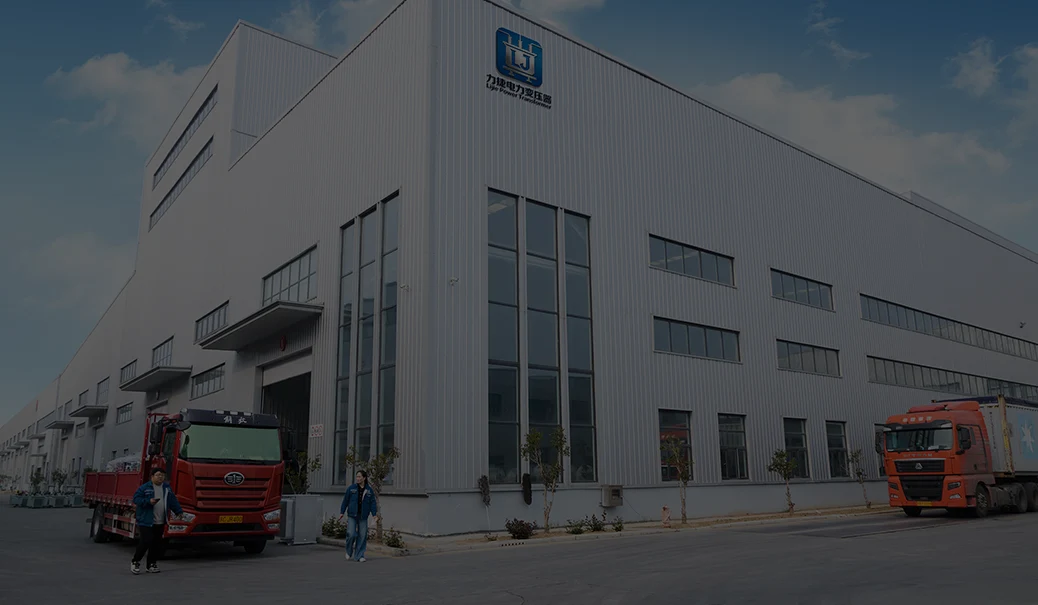
Lijie Electric Power Technology Group has made high-quality transformers for over 20 years and can help with your next building project. S18 type fully sealed distribution transformers meet ISO 9001, CE, UL, and IEC requirements for reliability and efficiency. We deliver scale and stability for large utility, renewable energy, and industry projects. Our two innovative manufacturing sites can produce approximately 5 billion RMB in items annually on 500,000 square meters. S18 type fully sealed distribution transformers are manufactured and supplied by our organization. Our engineering team collaborates with procurement managers and project engineers to ensure your voltage levels, capacity combinations, and protection schemes meet your demands. Email lijieelectrical@gmail.com to discuss transformer needs, specs, or plant inspections with our technical specialists. Visit lijie-electrical.com to browse our entire product line and understand why industry leaders trust Lijie Electric to provide high-quality transformers with reliable service.

1. International Electrotechnical Commission. (2021). Power Transformers—Part 1: General Requirements. IEC 60076-1 Standard Documentation.
2. Zhang, H., & Liu, M. (2020). Advanced Oil-Immersed Transformer Design and Energy Efficiency Analysis. Journal of Electrical Engineering Research, 15(3), 122-138.
3. National Electrical Manufacturers Association. (2019). Distribution Transformers: Efficiency and Performance Standards. NEMA Technical Publication TP-1.
4. Chen, W., & Kumar, S. (2022). Sealed Transformer Technology for Renewable Energy Integration. IEEE Transactions on Power Delivery, 37(4), 2845-2856.
5. American Society for Testing and Materials. (2020). Standard Specification for Transformer Insulation Systems and Thermal Performance. ASTM D3487-18.
6. Robinson, J., & Martinez, A. (2021). Lifecycle Cost Analysis of Distribution Transformers in Utility Applications. Power Systems Engineering Quarterly, 28(2), 67-84.
YOU MAY LIKE




10%20type%20epoxy%20resin%20cast%20transformer.webp)

April 27, 2025
With a tight project schedule, the manufacturer delivered on time, and on-site technical personnel provided guidance throughout the entire installation and commissioning process; the collaboration was highly efficient and hassle-free.
July 2, 2025
During the preliminary phase, a selection plan was custom-tailored based on the actual site load requirements, resulting in a high degree of parameter compatibility. After-sales support responds within two hours, and ongoing technical support for operation and maintenance is comprehensive; we feel completely confident in a long-term partnership.
November 18, 2025
Deployed as a supporting component for a 35kV grid-connection project at a photovoltaic power station, the equipment operates for an average of 16 hours daily. It demonstrates excellent control over no-load losses, ensures smooth power generation and grid integration, and effectively reduces the station's overall energy consumption.
January 30, 2026
Under the continuous, high-load operating conditions of a factory production line, the equipment maintains stable electrical parameters and exhibits strong overload resistance, thereby guaranteeing an uninterrupted power supply for industrial production.
April 3, 2026
Integrated as a supporting component for a new energy photovoltaic grid-connection system, the manufacturer provided professional technical coordination and timely after-sales support, ensuring seamless adaptation to the specific electrical operating conditions required for grid integration.