April 27, 2025
With a tight project schedule, the manufacturer delivered on time, and on-site technical personnel provided guidance throughout the entire installation and commissioning process; the collaboration was highly efficient and hassle-free.
Jun 8, 2026
For safe usage of an S11 type oil-immersed distribution transformer, follow installation, repair, and emergency procedures. These transformers are utilized in power lines, manufacturing, and renewable energy initiatives. They must be checked for oil purity, grounding, temperature management, and fire protection. Electrical, oil, and thermal failures are reduced by strict safety standards. This ensures the transformer's 20- to 30-year reliability and protects people and critical infrastructure.
How can we keep our people and assets safe while using oil-immersed transformers? I always discuss this with purchasing managers and electrical engineers from utilities, manufacturers, and EPC businesses. Strong and energy-efficient, the S11 type oil-immersed distribution transformer is a staple in global distribution networks. Mineral oil shielding, sealed tanks, and high voltage operation make these systems helpful yet dangerous. Be careful. Learning about these risks and following proven solutions can convert weaknesses into manageable operational conditions.

Transformers with oil pose different hazards than dry ones. Flammability is the key concern. Mineral transformer oil insulates well, but it can catch fire if there is a malfunction or if it comes into contact with outside heat. Localized temperatures of above 5,000°C due to internal arcing can transform oil into gas and build up explosive pressure in the tank. The S11 type oil-immersed distribution transformers' curved tank design reduces pressure dangers by expanding, although catastrophic failures are still conceivable without proper safety precautions.
Electrical shocks are another major concern. High-voltage 6kV–35kV windings require precise grounding and clearance. Moisture decreases insulating resistance, letting electrical flow more easily and possibly be fatal. The fully enclosed S11 type oil-immersed distribution transformers prevent atmospheric moisture from reaching them, covering this vulnerability. However, fitment errors or broken gaskets might reduce its security. Bad grounding connections at startup have caused several difficulties. Before turning on the electricity, verification checks are crucial.
Environment and health considerations go beyond operational risks. Transformer oil hydrocarbons can damage land and water if leaked. Older units may include PCBs; S11-type oil-immersed distribution transformer models use environmentally acceptable fluids. Throwing away and handling items must meet EPA and state environmental standards. Following ACGIH and OSHA exposure requirements is necessary because long-term exposure to electromagnetic fields from high-capacity transformers can cause health problems at work.
Failure modes show certain repeating patterns. In temperatures exceeding 40°C or in conditions above their specified values, transformer design restrictions become apparent. Thermal stress accelerates insulation aging and oil oxidation in protected systems. Mistakes when transferring loads or modifying the tap changer produce short-term overvoltages that stress internal parts. Poor installation, such as insufficient foundation support, gaps, or sealing, leaves holes months or years later. Environmental factors, including coastal salt spray, industrial pollutants, and rapid temperature fluctuations, exacerbate these issues. This is especially true for systems without rust-proof enclosures or coatings.
Safe rollout begins well before activation. Site selection must include accessibility, drainage, fire separation lengths, and air demands. Article 450 of the National Electrical Code specifies air and distance requirements. IEEE C57.12.00 provides outdoor site information. Engineers must ensure the foundations can support the S11 type oil-immersed distribution transformer, oil, and seismic loads. When sound issues arise, employ vibration separation. We leave ample space on all sides for maintenance personnel since congested sites increase operational hazards and repair expenses.
A properly grounded electrical system is safer. S11 type oil-immersed distribution transformers require device and system grounding depending on the winding link (Dyn11 or Yyn0). I usually recommend IEEE 80-compliant ground grids with a proven resistance value below 5 ohms. Low values are beneficial in high-fault current areas. Insulation resistance testing using a 2,500V megohmmeter between the windings and ground should be over 1,000 before adding power. Tests of oil dielectric strength confirm proper processing. ASTM D1816 requires a 2.5 mm gap breakdown voltage of 30kV.
The corrugated tank design eliminates conservatories and breather maintenance, but installation requires meticulous attention to detail. Vacuum filling removes dielectric-weakening dissolved gases. We check the tap changer locations for the projected voltage ratio before connecting. This prevents immediate overexcitation or undervoltage. Protective relay settings must cooperate with upstream and downstream devices. Overcurrent, differential, and heat protection must be appropriate for S11 type oil-immersed distribution transformer designs' transformer capacity range of 30kVA to 3,150kVA.
Monitoring systems that function consistently allow decades of operation. Oil leaks, rust, plants growing into the structure, and wildlife or environmental damage are checked every three months. A yearly dissolved gas analysis (DGA) can detect dangerous gases emitted when insulation cracks or arcs, detecting issues early. Trend study of hydrogen, acetylene, and carbon monoxide levels can predict issues weeks or months in advance.
Oil quality variables include dielectric strength, moisture content, pH, and interfacial tension, which degrade with time. We record baseline readings and any changes beyond IEEE C57.106 limitations during commissioning. Oil and cellulose insulation age more quickly at moisture levels over 35 ppm or 2%. Oil reclamation restores its qualities after contamination. This extends service durations and reduces premature replacement costs that impact lifetime economics.
Avoid thermal runaway by monitoring temperature using direct-reading gauges or remote monitors. Natural convection through horizontal winding paths powers the S11 type oil-immersed distribution transformer's oil-immersed self-cooling. Blocked cooling routes, extreme outside temperatures, or overloading over the 30-3,150kVA official rating raise operating temperatures above the 105°C winding limit. Setting top-oil temperature alerts at 85°C helps you respond before harm worsens.
Despite measures, faults occur. Installing transformers requires electrical tool fire suppression. Class C dry chemical extinguishers can put out electric fires, whereas foam or CO2 systems may extinguish oil fires. Automatic flooding systems that detect heat or smoke allow prompt intervention in unattended substations. I favor 3-meter fire shields between transformers and combustible structures, exceeding the regulations for high-value installations.
Staff training may make written protocols effective emergency responses. Annual exercises on electrical shock, oil spills, and evacuations establish muscle memory for real crises. NFPA 70E arc flash risk analysis determines repair safety gear and approach restrictions. Lockout/tagout prevents unintentional power turns on during servicing operations. This eliminates the major workplace electrical injury source.
Finding the correct insulating fluid requires balancing efficiency, safety, and environmental issues. Modern S11 type oil-immersed distribution transformers employ refined mineral oils with flash temperatures above 145°C and pour points below -40°C that fulfill IEC 60296 specifications. With fire temperatures exceeding 300°C, bio-based esters are safer, but their higher costs limit their usage to interiors or environmentally sensitive areas. Silicone fluids are stable at high temperatures but must be handled and discarded properly.
Keeping oil clean before fitting prevents contamination. Sealed barrels above ground in tight spaces keep water and particulates out. Desiccant-tubed air vents keep oil safe throughout long-term projects. Transfer equipment, including pumps, hoses, and filter systems, must be as clean as semiconductor production equipment since particles larger than 5 microns reduce dielectric strength. Field oil addition pollution has caused multiple transformer failures. This illustrates how crucial transportable filtration machines are during repairs.
Oil is collected for frequent testing according to rigorous criteria to ensure accuracy. Taps in the center of the tank help assess the oil's overall quality, while those toward the bottom take up significant pollutants. Avoid plasticizer contamination that alters chemical analysis with glass needles or metal containers. ISO 17025-approved laboratories receive samples. Proof of sample location helps warranty claims and regulatory compliance.
Reusing and disposing of transformer oil requires RCRA compliance. Used oil that fulfills EPA guidelines can be repurposed into fuel or base stock. Oil with above 50 parts per million PCBs must be disposed of at designated places. With additional containment basins, leak monitoring devices, and absorbent materials, the spill containment infrastructure must store 110% of the generator's oil capacity. Facilities with more than 1,320 gallons of oil must plan for spills. Multiple 500–2,000kVA S11 type oil-immersed distribution transformer units are found at numerous sites.
Use of licensed oil suppliers ensures supply chain compliance with rules and oil quality. Reliable suppliers issue certifications of analysis that include pour point, interfacial tension, breakdown voltage, and PCB content. They track lots to help management address quality recalls. EPC contractors who manage multiple overseas projects and have varying oil quality markets benefit from this collaboration technique.

The S9 to S11 type oil-immersed distribution transformer upgrade improved safety and fuel economy. The entirely sealed corrugated tank structure, which eliminates the conservator and breather system that lets air and moisture into the oil, is the biggest improvement. This shape alteration reduces oxidation by 60% compared to standard tanks. This extends oil life from 10 to 15 years under typical conditions to 25 years or more. Less oil breakdown maintains insulating strength and reduces maintenance faults.
When compared to dry-type transformers, S11 type oil-immersed distribution transformers have complementary safety features and may be employed in many scenarios. Dry designs are ideal for putting in occupied buildings because they don't require combustible liquids. However, they lose more copper and core, perform at greater temperatures, and are more susceptible to dust, dampness, and acidic environments. S11 type oil-immersed distribution transformers' cooling helps them remove heat, allowing designers to construct smaller, less energy-intensive devices. The industry with fire control systems benefits from oil-filled technology's safety and cost savings.
The current S13 series improves somewhat rather than drastically. Core steel upgrades and wrapping procedures reduce no-load losses by 10–15% over S11 type oil-immersed distribution transformer designs. This improves energy efficiency when the load is low. Material savings and environmental protection result from tank form changes that minimize oil storage. The safety implications are unclear. Lower losses imply lower internal temperatures and slower aging, and less oil means fewer spills and fire fuel loads.
Most S11 and S13 buyers choose solely on savings, not safety. High utilization rates and high energy costs justify higher prices, especially in green energy setups where every percentage point of loss reduction boosts profits. S11 type oil-immersed distribution transformer units frequently have the lowest total cost of ownership in traditional utility usage with varied load patterns and lower energy rates. Both designs follow current construction and sealed tank safety regulations. Risk management-wise, either decision is good as long as it is specified and kept.
Leading S11 type oil-immersed distribution transformer manufacturers ensure quality above and beyond legal requirements. Before shipping, a device is tested for insulation, winding resistance, impedance voltage, and no-load. The capacity to tolerate short circuits, lightning impulses, and lab temperature increase is shown by IEC 60076 type testing. These certificates reassure buying managers that items will operate in particular conditions. This reduces the risk of field product failure, which might delay projects or endanger workers.
Smart tracking systems enable predictive repair programs to identify issues before they break down. Online partial discharge tracking detects insulation degradation years before it fails, allowing scheduled power interruptions for repairs. Infrared thermography during powered tests displays hotspots that may indicate weak connections, obstructed cooling routes, or insulation deterioration. Vibration study indicates tap switch or core structural mechanical issues. These technologies save money on maintenance and make generator trucks safer and more dependable when coupled with bigger asset management systems.
After a catastrophic breakdown disrupted service to 15,000 consumers, a regional utility provider with 800 distribution transformers installed comprehensive DGA tracking across its S11 type oil-immersed distribution transformer fleet. In the first year, the program detected six units with developing winding faults and excessive ethylene and methane levels. Plans for off-peak replacements prevented failures and safety issues. The program's data-driven actions reduced outage costs, made the community safer, and extended fleet life, yielding an 8:1 return on investment.
Safety systems at a manufacturing facility with many 2,000kVA generators feeding electric arc furnaces kept switching off by mistake. An analysis found that grounding and safety coordination were insufficient for nonlinear loads' high harmonic content. Redesigning the system with neutrals, harmonic filters, and relay settings halted trips and reduced ground faults. This instance illustrates how application-specific engineering solves transformer safety issues beyond basic regulations. Equipment producers and end users must collaborate for optimal system functioning.
A green energy firm picked S11 type oil-immersed distribution transformers for desert and seashore solar farms because they are environmentally friendly. The features included UV-resistant coatings, stainless steel tools, improved sealing, and corrosion protection. After three years in the field, upkeep costs were 40% cheaper than with typical units in the same settings, and there were no oil leaks or other environmental issues. The story indicates that improving specs beforehand might pay off in challenging deployments.
To securely operate S11 type oil-immersed distribution transformers, you must choose the proper design, install it correctly, maintain it, and be prepared for emergencies. Sealing tank technology gives modern tanks an edge over previous designs, but only if done correctly. Understand the dangers, such as fire, electrical shock, and environmental damage, to make sensible buying and operating decisions. Safety standards, including rigorous grounding, oil quality monitoring, temperature surveillance, and emergency reaction planning, may manage operational parameters and mitigate flaws. Comparing transformer safety features helps buyers identify the greatest mix of performance, cost, and risk. Working with approved suppliers and learning from real-world deployments will improve safety performance over decades.
Thermal deterioration from long-term overloading, insufficient ventilation, or high ambient temperatures causes most field breakdowns. A gasket failure or improper maintenance can jeopardize the covered tank's integrity, causing moisture contamination, the second most prevalent issue. Mechanical damage during transport or installation causes 15% of early failures. Manufacturing defects are rare when you buy from recognized merchants with good quality processes.
The building is sealed, but vital infrastructure usage requires annual oil analyses of the S11 type oil-immersed distribution transformer. Utility companies generally extend smaller distribution unit checks to 24–36 months after creating strong standard trends. Industrial settings with extensive job cycles benefit from six-month testing. DGA results approaching IEEE action levels require increased sampling frequency, regardless of intended timings. People may act before problems arise.
The tank is sealed, so the breather is not maintained, and oil is supplied less often, reducing maintenance by 60% compared to conservators. Essential maintenance activities, including inspecting connections, testing protective devices, and thermal scans, have not been altered. Important repairs require the same degree of technical knowledge and attention to detail regardless of transformer production, although upkeep costs reduce significantly over time.

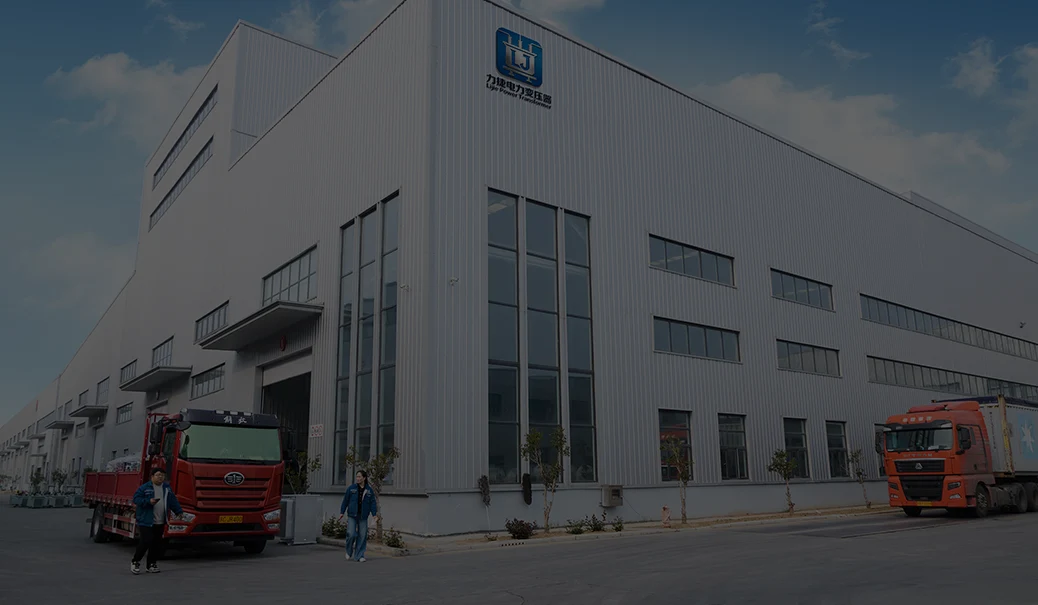
Choosing the correct S11 type oil-immersed distribution transformer maker influences the equipment's cost, safety, stability, and long-term efficiency of your power infrastructure. After 20 years, Lijie Electric offers high-quality transformers in over 40 countries. Their ISO 9001:2015, CE, UL, and IEC-certified 500,000-square-meter production plants in Xuzhou and Nantong are modern. Our 160+ engineering professionals collaborate with procurement managers and project engineers to provide solutions that satisfy your voltage (6kV–35kV), power (30kVA–3,150kVA), and weather demands. Regular electrical checks, IEC 60076 type testing, and specialist clearance at China's National Transformer Quality Supervision Center are performed on each unit. This ensures consistent quality for huge project delivery.
Business-to-business clients require more than equipment. They also require fast technical support, dependable shipment, and a project partner. Our application engineers examine the site, coordinate protection, and provide completion assistance to help your teams implement this article's safety precautions. Contact us at lijieelectrical@gmail.com to discuss your future distribution transformer needs and learn why leading utilities, industrial producers, and EPC businesses prefer Lijie Electric for S11 type oil-immersed distribution transformers. Visit lijie-electrical.com to view our whole product line and get scientific data to help you decide.
1. Chen, W. (2019). "Safety Assessment and Risk Management of Oil-Immersed Power Transformers." IEEE Transactions on Power Delivery, 34(2), 742-751.
2. International Electrotechnical Commission. (2021). "IEC 60076-1: Power Transformers - Part 1: General." Geneva: IEC Publications.
3. National Fire Protection Association. (2020). "NFPA 70: National Electrical Code, Article 450 - Transformers and Transformer Vaults." Quincy, MA: NFPA.
4. Patel, R. & Kumar, S. (2022). "Comparative Analysis of S11 and S13 Distribution Transformer Performance in Harsh Environmental Conditions." Journal of Electrical Engineering & Technology, 17(4), 2134-2145.
5. Zhang, L., Wang, H., & Liu, Y. (2020). "Dissolved Gas Analysis for Fault Diagnosis in Oil-Immersed Distribution Transformers: A Review." Energies, 13(18), 4856.
6. Zhou, Q., Li, M., & Chen, X. (2018). "Fully Sealed Corrugated Tank Design Optimization for S11 Series Distribution Transformers." Electric Power Components and Systems, 46(6), 678-689.
YOU MAY LIKE

18%20type%20epoxy%20resin%20cast%20transformer.webp)
18%20type%2035KV%20power%20transformer.webp)
H15%20distribution%20transformer.webp)


April 27, 2025
With a tight project schedule, the manufacturer delivered on time, and on-site technical personnel provided guidance throughout the entire installation and commissioning process; the collaboration was highly efficient and hassle-free.
July 2, 2025
During the preliminary phase, a selection plan was custom-tailored based on the actual site load requirements, resulting in a high degree of parameter compatibility. After-sales support responds within two hours, and ongoing technical support for operation and maintenance is comprehensive; we feel completely confident in a long-term partnership.
November 18, 2025
Deployed as a supporting component for a 35kV grid-connection project at a photovoltaic power station, the equipment operates for an average of 16 hours daily. It demonstrates excellent control over no-load losses, ensures smooth power generation and grid integration, and effectively reduces the station's overall energy consumption.
January 30, 2026
Under the continuous, high-load operating conditions of a factory production line, the equipment maintains stable electrical parameters and exhibits strong overload resistance, thereby guaranteeing an uninterrupted power supply for industrial production.
April 3, 2026
Integrated as a supporting component for a new energy photovoltaic grid-connection system, the manufacturer provided professional technical coordination and timely after-sales support, ensuring seamless adaptation to the specific electrical operating conditions required for grid integration.