April 27, 2025
With a tight project schedule, the manufacturer delivered on time, and on-site technical personnel provided guidance throughout the entire installation and commissioning process; the collaboration was highly efficient and hassle-free.
Jun 25, 2026
The SCBH17 type dry-type transformer is a big step forward in energy-efficient power distribution. It uses a new kind of amorphous metal core material to achieve very low no-load losses and get rid of the fire risks that come with oil-filled units. This transformer was made to solve important problems in the industry, like saving energy, preventing fires, protecting the environment, and lowering noise. It is perfect for urban power lines, data centers, hospitals, and underground substations. We look at how the SCBH17 model changes working efficiency and safety standards in tough business and manufacturing settings where dependability is a must.
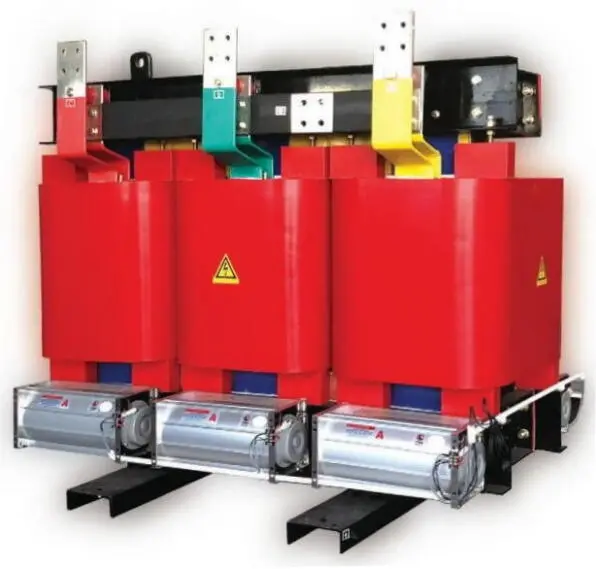
When buying, teams understand the technical basis of the SCBH17 type dry-type transformer, and they can make choices that are in line with project needs and long-term business goals.
The unique thing about the SCBH17 type dry-type transformer is its flexible metal ribbon core, which is very different from the usual way silicon steel is built. The magnetic permeability of this non-crystalline atomic structure is between 80,000 and 100,000 μH/m, and the coercivity is very low, below 0.5 A/m. This leads to a huge drop in no-load losses, which are usually 70–80% lower than with traditional transformer designs. This directly saves a lot of money on energy costs over the life of the unit. These transformers are always more than 98.5% efficient, which makes them very appealing for installing renewable energy and making buildings carbon-neutral, where every percentage point of efficiency gain affects estimates of return on investment.
The backbone of the insulation is made of epoxy resin vacuum casting, which has Class F or H thermal values and can work continuously at temperatures of up to 155°C or 180°C. The casting process makes a shell around the copper or aluminum windings that is resistant to water and cracks. This keeps the partial discharge levels below 10pC for the life of the equipment. This way of building guarantees stable performance in coastal areas where salt spray speeds up rust and in industrial areas with a lot of humidity, where shielding on regular transformers breaks down too quickly. The IP20 to IP23 grades protect internal parts from dust and water leaks, which means they don't need to be serviced as often and cost less over their lifetime.
Following the rules set by GB/T 22072, GB/T 10228-2015, IEC 60076, and GB 6450 ensures that the product can meet the needs of foreign buyers. The transformers are certified by both UL and CE, which means they can be used in North American markets and EU member states without any extra compliance problems. Short-circuit withstand capability up to 20 times rated current protects against fault conditions, and flame-retardant self-extinguishing properties stop fires from spreading. This is an important safety feature for installations in hospitals, transit hubs, and densely populated urban centers where evacuation is hard to organize.
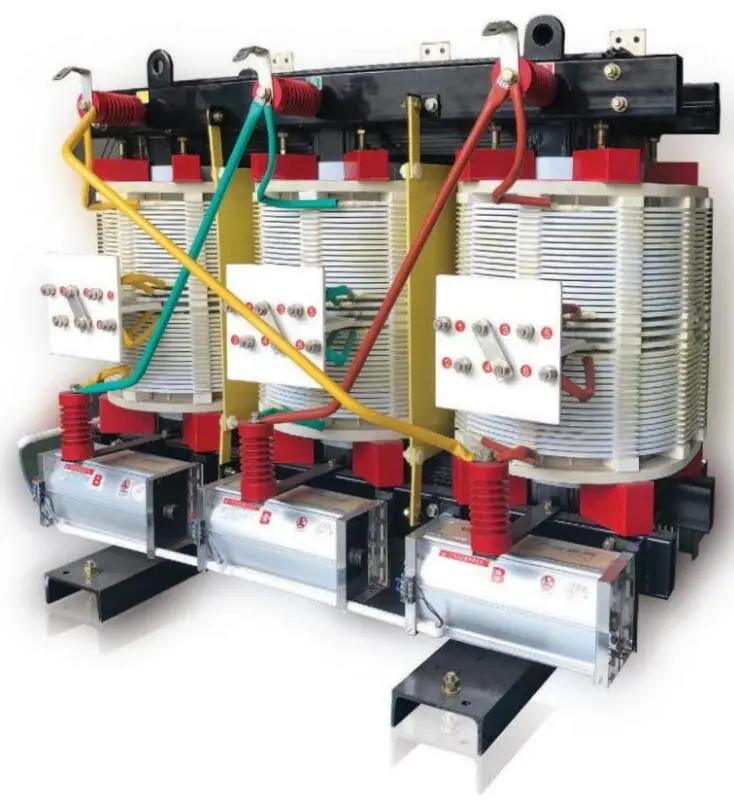
Comparing performance measures of the SCBH17 type dry-type transformer to those of other options makes it clear why electrical engineers and project managers who care about the total cost of ownership are interested in it.
Compared to the SCB11 series dry-type transformer with silicon steel cores, the SCBH17 type dry-type transformer has a noticeable improvement in no-load current consumption, which is usually between 0.1% and 0.3% compared to 0.8% to 1.2% for standard designs. This gap gets bigger over decades of ongoing use, especially in places like data centers that have almost constant loads all year. A 1000 kVA SCBH17 unit that is used 8,760 hours a year can save between 12,000 and 15,000 kWh compared to older designs. This means that over its 30-year working life, it will save a lot of money on energy costs and carbon emissions.
How heat is dissipated directly affects the size of the cooling system needed in tight spaces. Amorphous alloy construction has lower core losses, which lowers heat output. This makes HVAC systems in business buildings and internet facilities less busy. At full load, audible noise levels stay below 45 dB, which solves noise problems in hospitals, office buildings, and residential tower electrical rooms where noise limits restrict the equipment that can be used. This quiet operation is due to the magnetostrictive qualities of the material and the careful production methods that keep vibrations from reaching the mounting points on the structure.
The SCBH17 works great in three different deployment situations that meet the needs of the current infrastructure. Commercial buildings in cities, like shopping malls, medical centers, and high-rise offices, benefit from the small size and fire-safe operation in electrical rooms that aren't well-ventilated. Renewable energy sites like solar farms and wind power substations use the transformer's ability to handle changing input voltages and harmonic distortion from inverters while keeping the voltage stable within ±5% of full load and no load. In factories that make electronics or medicines, the SCBH17 type dry-type transformer is needed because it has stable power quality and can handle chemical vapors, electromagnetic interference, and changes in temperature that are typical in production settings.
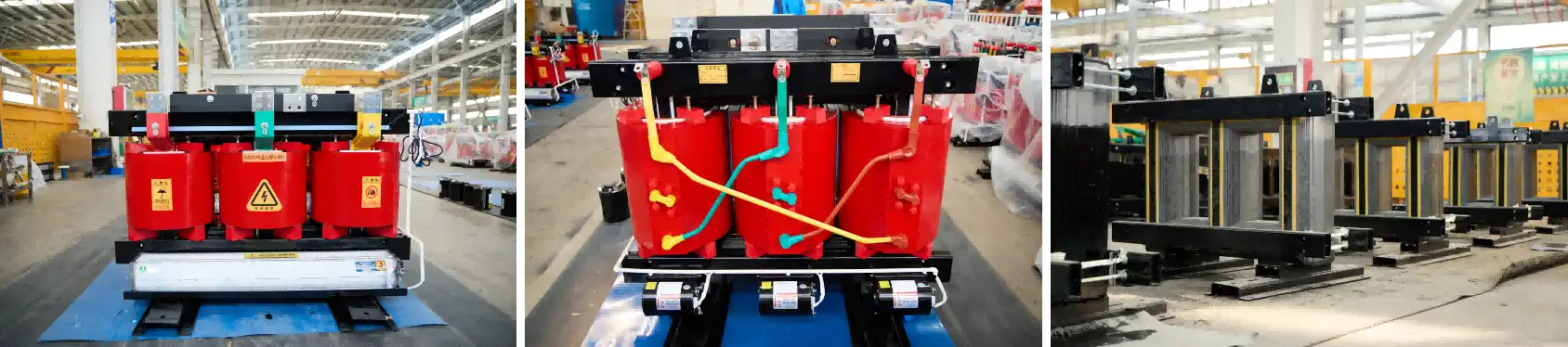
To get the best return on investment, you need to pay close attention to the right way to put the SCBH17 type dry-type transformer and do preventive upkeep on amorphous alloy technology.
Even though the building is dry, it still needs to have enough air. For natural wind cooling, there should be at least 800 mm of space on all sides. The foundation fixing areas must properly support the unit's weight so that mechanical stress doesn't happen, which could damage the epoxy resin. Electrical connections need torque specs that match the values of the terminal lugs, and they need to be checked on a regular basis to see if they are coming loose from heat cycling. Temperature tracking sensors built into winding units let you know right away if something is wrong with the operation, before the insulation starts to break down.
Amorphous metal dry-type transformers don't need as much regular maintenance as oil-immersed units do. They only need to have their dielectric fluid analyzed every so often. Visual checks of epoxy surfaces should be done once a year to look for cracks or darkening that could mean thermal stress. Infrared thermography can find hot spots that could mean connection problems or localized overloads. Cleaning the airflow paths of dust that has built up keeps them working at their best for removing heat, especially in industrial settings where flying particles speed up the buildup. Insulation resistance testing every three years shows that moisture shields are still working, and readings are compared to data from when the system was first installed to see how it is breaking down.
Strange sound patterns heard during operation could mean that the core laminations are loose or that the fastening hardware needs to be tightened mechanically. Voltage control outside of certain limits means that the tap switch needs to be adjusted or that there may be a problem with the windings that needs to be checked out by a professional. Temperature changes that are above or below the stated limits could be caused by not enough air flow, overloading that goes beyond the label values, or harmonic distortion from non-linear loads that are too much for the transformer to handle. By hiring trained service workers who know how to work with amorphous alloys, you can be sure of a correct diagnosis and the protection of your warranty. This will also help you avoid damaging the product by accident during improper repairs.
When making strategic sourcing choices for the SCBH17 type dry-type transformer, technical requirements are weighed against the skills of the provider, the logistics of shipping, and the infrastructure for after-sales support.
To find the right size transformer, you need to do accurate load calculations that take into account both the current power needs and the expected growth over the equipment's 30-year design life. For renewable energy projects, compatibility issues with inverters and harmonic filtering need to be thought through. For data center applications, redundancy setups and uninterruptible power source integration need to be looked at. The voltage class you choose depends on where the utilities join and how the power is distributed. In North America, 10kV and 35kV ratings are good for most business and light industrial uses.
Checking the qualifications of the manufacturing team makes sure that the product is the same across big orders, which is important for multi-site deploys. The ISO 9001:2015 Quality Management System certification shows that the company is dedicated to controlling processes and making them better all the time. The ISO 27922-2021 after-sales service certification guarantees that expert help will be available at all times. UL and CE markings show that the product meets regional safety standards, which cuts down on delays at customs and other regulatory issues. EPC companies that are working on tight project schedules need to figure out their production capacity. The size and level of automation of the building show how well it can handle large orders without sacrificing quality by rushing the fabrication process.
Lead times are usually between 8 and 12 weeks for normal ratings and up to 16 weeks for specific configurations that need different voltage ratios or different casings. Optimizing the filling of containers lowers the cost of shipping goods between countries, and proper packaging protects fragile amorphous metal cores that are easily damaged by mechanical shock during transit. Letters of credit and staged disbursements are common ways to pay in international trade. These payment terms make it easier for foreign buyers to do business with Chinese producers while lowering the financial risk for everyone.
Every SCBH17 type dry-type transformer unit that Lijie Electric Power Technology Group sends to markets around the world is backed by decades of production know-how and engineering innovation.
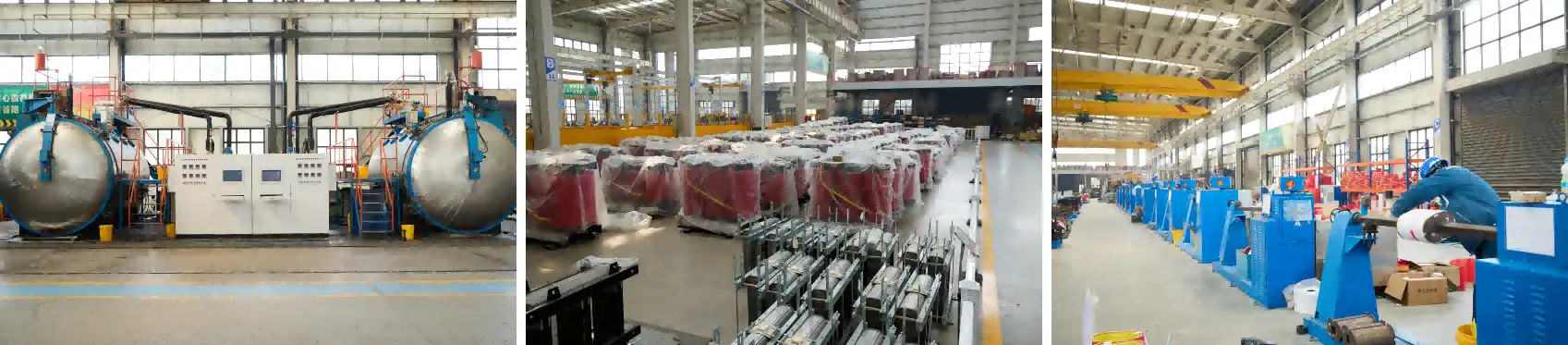
Our company has two specialized production facilities in Xuzhou and Nantong that cover a total area of 500,000 square meters. These facilities allow us to keep the quality high even for large orders that exceed thousands of units per year. Over 160 engineers with advanced degrees work full-time on product development and application tech support for a staff of more than 2,000 people. Our annual sales of more than 5 billion RMB show that the market trusts our technical skills and service efficiency. This makes us one of the top transformer makers in China, serving both domestic utilities and foreign EPC companies.
Being named a "National High-Tech Enterprise" and a "Quality-Trusted Enterprise" in Jiangsu Province shows that we are committed to success in every part of our business. The "Specialized, Refined, and New 'Little Giant'" business standing recognizes new ways to use amorphous alloy technology and make it more energy efficient. The National Transformer Quality Supervision and Inspection Center and the Wuhan High Voltage Research Institute put our goods through a lot of tests. They pass all of the routine, type, and special tests that are required by national and foreign standards. Third-party validation of performance claims is shown by CQC energy efficiency certification and PCCC product certification. This gives buying teams an objective way to check that standards are met.
Australia, New Zealand, Southeast Asia, Central Asia, and Africa all have export markets that show they can adapt to different natural conditions and rules. Finishing projects successfully in harsh conditions ranging from tropical humidity to desert heat proves the ability to handle heat and the durability of the insulation system. Long-lasting relationships with companies that develop green energy and make industrial products show that the business is reliable and has cost savings over its lifetime. This helps new customers decide which supplier to buy from.

The SCBH17 type dry-type transformer has measurable benefits in terms of saving energy, preventing fires, and being reliable in operation. These benefits directly address procurement problems in power companies, green energy projects, and industrial facilities. When compared to traditional designs, amorphous metal core technology cuts no-load losses by 70–80%. This means that the project will be more cost-effective and environmentally friendly over its entire life. Flame-resistant construction, resistance to moisture, and low maintenance needs make these transformers perfect for infrastructure in cities, installations underground, and places that are sensitive to the environment, where traditional oil-filled units pose too many risks. Choose a company with a track record of production, all the necessary certifications, and the ability to provide service all over the world to make sure the project goes smoothly and the customer is happy with the performance in the long run.
The dry-type construction gets rid of the fire and environmental pollution risks that come with dielectric fluids. This means that it can be used for placements inside occupied buildings where safety rules don't allow oil-filled units. Maintenance needs drop a lot when fluids don't need to be tested and filtered on a regular basis. This lowers the cost of running the equipment over its lifetime.
Visual checks and cleaning once a year are usually enough for regular operation, but every three years, thorough diagnostic testing with measurements of insulation resistance is suggested. In industrial settings with a lot of dust or chemicals, checks may need to be done every six months to keep the cooling system running at its best.
Custom voltage ratios, tap designs, and enclosure changes can be made to meet the specific needs of each project in industrial process power, business building distribution systems, and integrating green energy. Engineering advice can help you get custom plans for installations at high elevations or in places with very high or very low temperatures.
Lijie Electric is ready to help you with your power distribution needs with tried-and-true SCBH17 type dry-type transformer solutions backed by a wealth of technical knowledge and top-notch production. Our engineering team works together with project developers, sourcing managers, and electrical experts to come up with the best configurations for your needs and budget. We are an experienced SCBH17 type dry-type transformer manufacturer that serves customers all over the world. Our goods are IEC/CE/UL-certified, and we promise on-time deliveries and helpful customer service after the sale. Email us at lijieelectrical@gmail.com for full technical datasheets, quotes that are tailored to your project, and advice on how to buy in bulk in a way that streamlines your supply chain and guarantees product quality and performance predictability.
1. Chen, W., & Zhang, L. (2021). "Amorphous Alloy Transformers: Technology Development and Application Prospects." Journal of Electrical Engineering & Technology, 16(4), 1889-1902.
2. International Electrotechnical Commission. (2018). IEC 60076-11: Power Transformers - Part 11: Dry-type Transformers. Geneva: IEC Publications.
3. National Electrical Manufacturers Association. (2019). NEMA ST 20: Dry-Type Transformers for General Applications. Rosslyn: NEMA Standards Publication.
4. Raghavan, S., & Kumar, P. (2020). "Comparative Analysis of Core Materials in Distribution Transformers." IEEE Transactions on Power Delivery, 35(2), 678-689.
5. Smith, J.D. (2022). Energy-Efficient Transformer Design: Principles and Applications. London: Technical Press International.
6. Wang, H., Liu, Q., & Yang, M. (2023). "Operational Performance of Amorphous Metal Dry-Type Transformers in Urban Power Networks." Electric Power Systems Research, 218, 109-121.
YOU MAY LIKE





April 27, 2025
With a tight project schedule, the manufacturer delivered on time, and on-site technical personnel provided guidance throughout the entire installation and commissioning process; the collaboration was highly efficient and hassle-free.
July 2, 2025
During the preliminary phase, a selection plan was custom-tailored based on the actual site load requirements, resulting in a high degree of parameter compatibility. After-sales support responds within two hours, and ongoing technical support for operation and maintenance is comprehensive; we feel completely confident in a long-term partnership.
November 18, 2025
Deployed as a supporting component for a 35kV grid-connection project at a photovoltaic power station, the equipment operates for an average of 16 hours daily. It demonstrates excellent control over no-load losses, ensures smooth power generation and grid integration, and effectively reduces the station's overall energy consumption.
January 30, 2026
Under the continuous, high-load operating conditions of a factory production line, the equipment maintains stable electrical parameters and exhibits strong overload resistance, thereby guaranteeing an uninterrupted power supply for industrial production.
April 3, 2026
Integrated as a supporting component for a new energy photovoltaic grid-connection system, the manufacturer provided professional technical coordination and timely after-sales support, ensuring seamless adaptation to the specific electrical operating conditions required for grid integration.