April 27, 2025
With a tight project schedule, the manufacturer delivered on time, and on-site technical personnel provided guidance throughout the entire installation and commissioning process; the collaboration was highly efficient and hassle-free.
Jun 25, 2026
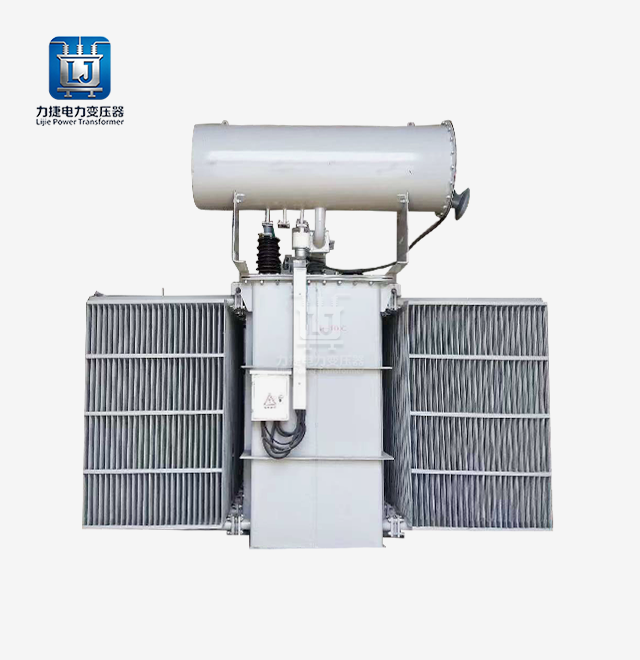
S22 type distribution transformers are specifically engineered to support heavy loads effectively. These fully sealed oil-immersed units leverage oxygen-free copper windings, optimized core geometry, and advanced thermal management through corrugated tank design to handle demanding power requirements ranging from 30kVA to 3150kVA. With Level 1 energy efficiency certification under GB 20052-2024 and a designed operational lifespan exceeding 30 years, the S22 series delivers consistent voltage stability, minimal losses, and robust short-circuit withstand capability even during sustained peak loading conditions in industrial, utility, and renewable energy applications.
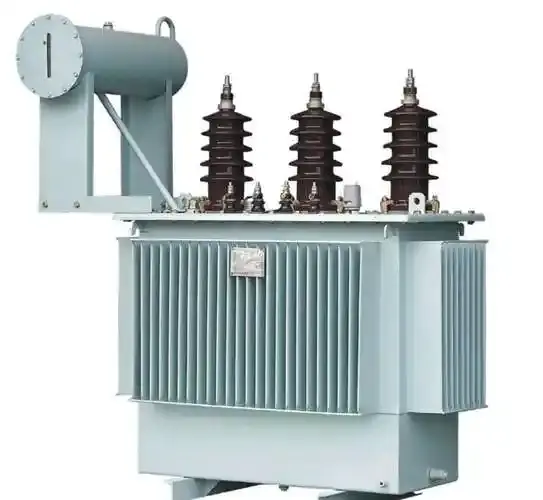
Load capacity is one of the most important things that buying managers look at when they buy power distribution tools. With its very low losses and high operating reliability, the S22 type distribution transformer series is a big step forward in fully sealed transformer technology. It can handle the tough needs of current infrastructure projects.
At the center of each S22 type distribution transformer unit is a core made of high-permeability silicon steel sheets that are grouped in stepped joint patterns. This design cuts down on magnetic hysteresis and eddy current losses, which means the device runs cooler and more efficiently when it's under constant load. Careful layering of the core cuts down on energy waste, which is why these transformers can keep working well even in places like steel mills, chemical plants, and mines where heavy-duty cycles happen all the time.
The fully sealed curved oil tank gets rid of the need for regular oil coolers. This new design uses stretchy corrugated fins to let temperature expansion and contraction happen naturally. This keeps oil and air from coming into contact with each other and makes the insulation last longer than in most transformer configurations.
The S22 type distribution transformer series comes in both 6kV and 12kV voltage classes and has power ranges from 30kVA to 3150kVA. It can be set up in either a single-phase or three-phase setup. The non-excitation voltage control system has tap ranges of ±5% or ±2×2.5%, which lets the voltage be precisely changed during installation to fit the grid conditions. This adaptability is very helpful for big projects that need batch supplies and must have uniform performance across many units.
These transformers work with both 50Hz and 60Hz frequency standards, so they don't cause any problems with power systems in other countries. The connection group names (Yyno or Dyn11) can handle different winding configurations, which makes them useful for integrating green energy, building industrial units, and deploying smart grids in cities.
When there is a lot of weight on something, it gets very hot, and controlling the temperature rise is very important to keep it from breaking too soon. The S22 type distribution transformer's oil-immersed self-cooling system uses the natural convection qualities of transformer oil to move hot oil through the corrugated sides of the tank, where air can easily remove the heat. Measurements of temperature rise during tests that followed the rules set by IEC 60076-7 show that these units can keep safe working temperatures even when they are overloaded for short periods of time.
Power frequency voltages of up to 35kV AC and impulse voltages of up to 75kV can't hurt the insulation system. It protects well against lightning strikes and switching surges that are typical in outdoor setups. This insulation integrity stays the same over the transformer's more than 30-year working life, which cuts down on repair needs and overall lifecycle costs.
Sound levels must be kept very low in industrial and urban areas. The S22 type distribution transformer line makes noises that are about the same level as an office, at 50 to 55 dB(A). The low sound level is due to the stepped joint design of the core, which lowers magnetostriction noises, and the structural dampening qualities of the tank. This balance between power capacity and noise level is appreciated by procurement teams that are choosing equipment for places with a lot of people living in them or for LEED-certified business buildings.
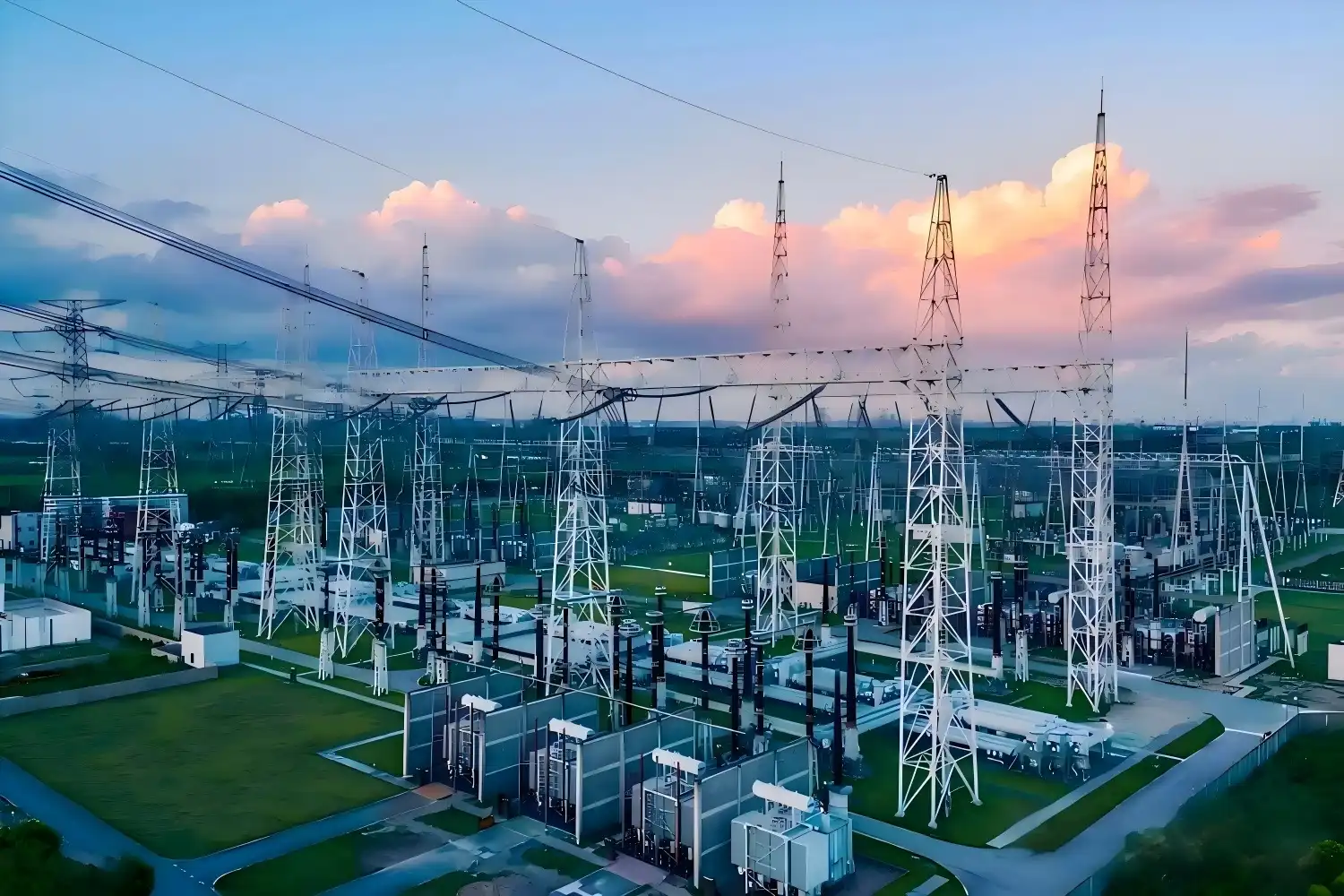
Data from real-world deployments and lab tests strongly support the S22 type distribution transformers' heavy load powers. When engineers and sourcing specialists know how these transformers work when they are under a lot of stress, they can make decisions that are in line with project deadlines and reliability standards.
Keeping the voltage output fixed when demand changes is what sets reliable transformers apart from problematic ones. The S22 type distribution transformer's resistance voltage characteristics match the technical requirements laid out in standardized parameter tables. This means that the voltage drop under load can be predicted. When these transformers are used in green energy systems, where solar irradiance and wind speed cause power changes quickly, they do a great job of regulating voltage. This keeps equipment from breaking down downstream and keeps power quality high for sensitive industrial processes.
Field setups in solar farms in a range of climates have shown that voltage stays stable within ±2% during peak production times, when inverters push the most current through the distribution networks. This performance comes from the oxygen-free copper windings' low electrical resistance and high heat conductivity, which keep impedance ratios stable and reduce frictional losses.
The curved tank design does two things: it lets oil expand without breathers or conservators, and it makes the most of the tank's surface area to get rid of heat. The natural oil circulation pattern causes predictable temperature gradients when the system is running continuously at full capacity. The hottest oil rises to the top of the tank, where corrugations cool it. This passive method gets rid of pump problems and makes operations simpler.
According to industry standards, testing for temperature rise shows that the S22 type distribution transformer keeps winding temperatures within Class A insulation thermal limits even at 120% of its rated load, which happens during short demand peaks. This short-term overload capability, which has been proven through thorough factory testing, gives operators more options when setting up new equipment, when yearly demand spikes, or when they need to back up in an emergency.
When a short circuit happens, it puts a lot of mechanical force on the generator windings. The oxygen-free copper wires in the S22 type distribution transformer have higher tensile strength than regular copper grades, so they don't bend when fault current spikes happen. During structural verification testing, electromagnetic forces that are similar to those experienced during grid disturbances are used to model the worst-case fault conditions.
After tests, checks always show that there is no winding movement or core damage, which proves that the design is mechanically strong. This means that insurance rates will be lower, and project managers who are in charge of installing important infrastructure will be less at risk of losing a lot of money if something goes wrong.
When checking for noise emissions with the engine running at full speed, sound pressure levels are measured at normal distances and compared to international standards. The S22 type distribution transformer series always gets results at the lower end of the 50-55 dB(A) range, which is on par with high-end low-noise designs made by global companies. This audio performance stays the same across the load curve, with only a small rise during temporary overloads. This is a feature that is especially useful in substations in cities and industrial parks where people live nearby.
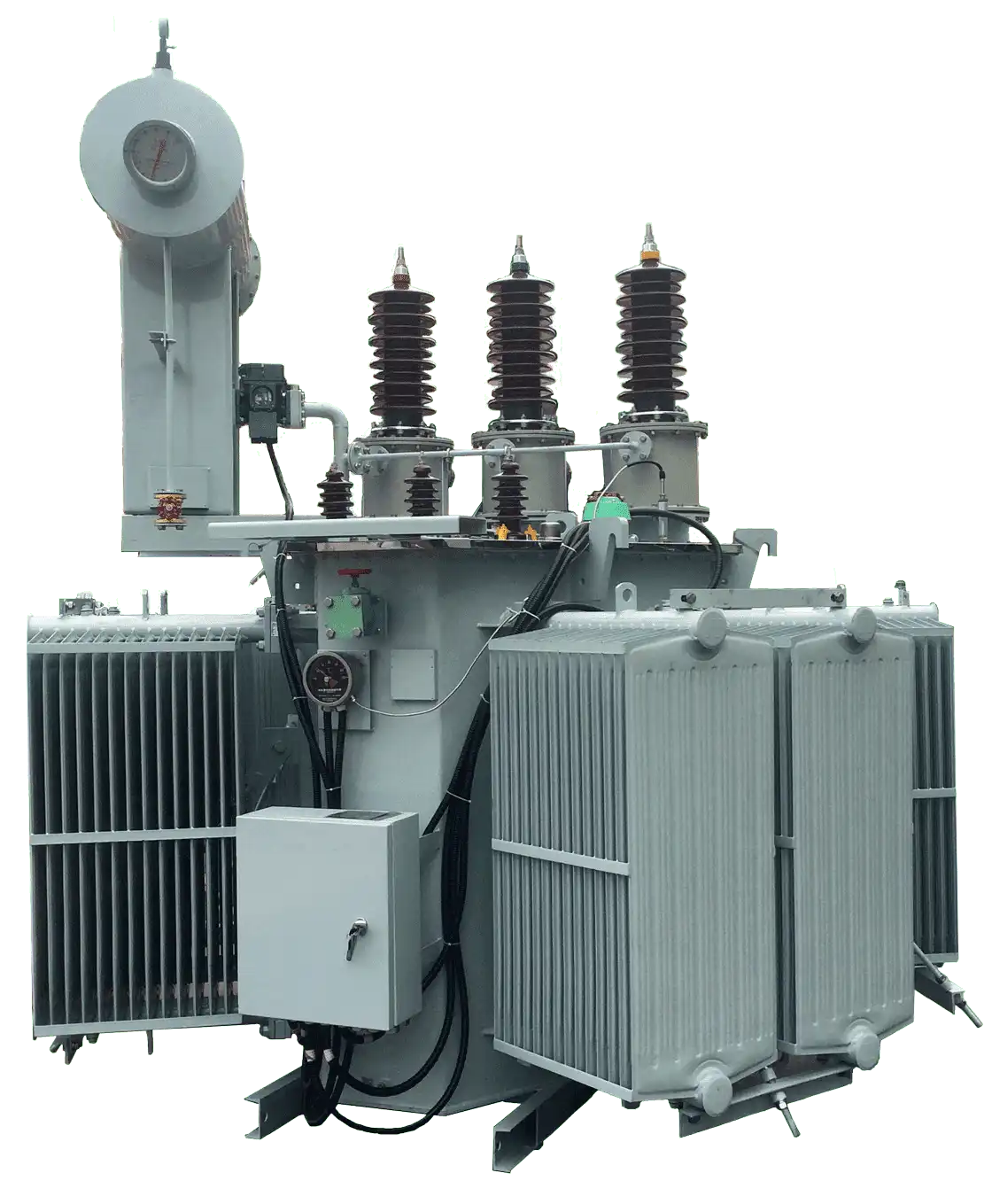
To choose the best transformer type, you need to know how the performance of different technologies compares. This article compares the S22 type distribution transformers to other popular types of distribution transformers, focusing on features that are important for heavy-load situations.
The S11 and S13 models are older oil-immersed transformers that are still widely used. These types work well and are stable, but their no-load and load loss numbers are 20–30% better than the S22 type distribution transformer's. This inefficiency gap adds up to big energy costs over 30 years of use, which is especially important for utility companies that are in charge of thousands of distribution transformers.
The S22 type distribution transformer's Level 1 energy economy grade under GB 20052-2024 standards makes it the standard for reducing the amount of energy used over its entire life. Total cost of ownership calculations show that the S22 type distribution transformer's higher original investment is usually recouped within three to five years through lower energy bills. This makes it a good choice for long-term infrastructure projects.
Since dry-type transformers don't use shielding oil, they are better for indoor setups and places that need to be safe from fire. However, they usually have higher initial prices and can't handle as much overloading as oil-immersed designs. The S22 type distribution transformer's fully sealed design protects the environment by stopping oil leaks while keeping the benefits of oil-immersed technology, such as its high heating capacity and ability to handle overloads.
Studies of the environmental effects of current transformer oils used in S22 type distribution transformer units show that they are biodegradable and have low levels of toxins, so they meet strict environmental rules without lowering performance. The longer lifespan (more than 30 years) further lowers the environmental effect by lowering the number of replacements needed and the manufacturing processes that cause them.
Traditional oil-immersed transformers with conservators need to have the oil quality checked on a regular basis, moisture controlled with desiccant breathers, and oil filtered every so often. Because the S22 type distribution transformer is sealed, these maintenance jobs are not needed because the oil never comes into contact with airborne moisture or contaminants. This lower upkeep cost is especially helpful in remote sites where getting to services is hard or costs a lot.
Routine inspection routines include eye checks from the outside, tracking of temperature with available non-invasive devices, and regular infrared thermography to find hot spots that don't seem normal. These easier upkeep rules keep up the level of dependability that utility companies and industrial facilities expect while lowering operating costs.
The initial costs of buying S22 type distribution transformers are about 15 to 20 percent higher than those of buying S13 types. This is because Level 1 efficiency requires more advanced materials and more precise making. Lifecycle cost modeling, on the other hand, shows strong value arguments. Less energy loss saves thousands of dollars a year per unit, and longer operating lifespan and low upkeep needs lower the costs of replacement and service.
When buying in bulk for big jobs, you can usually get graduated pricing systems that make your prices even more competitive. The S22 type distribution transformer's mix of efficiency, dependability, and low upkeep always ranks highly in total cost of ownership estimates for multi-unit installations, which are popular in industrial parks, renewable energy farms, and utility grid expansions.
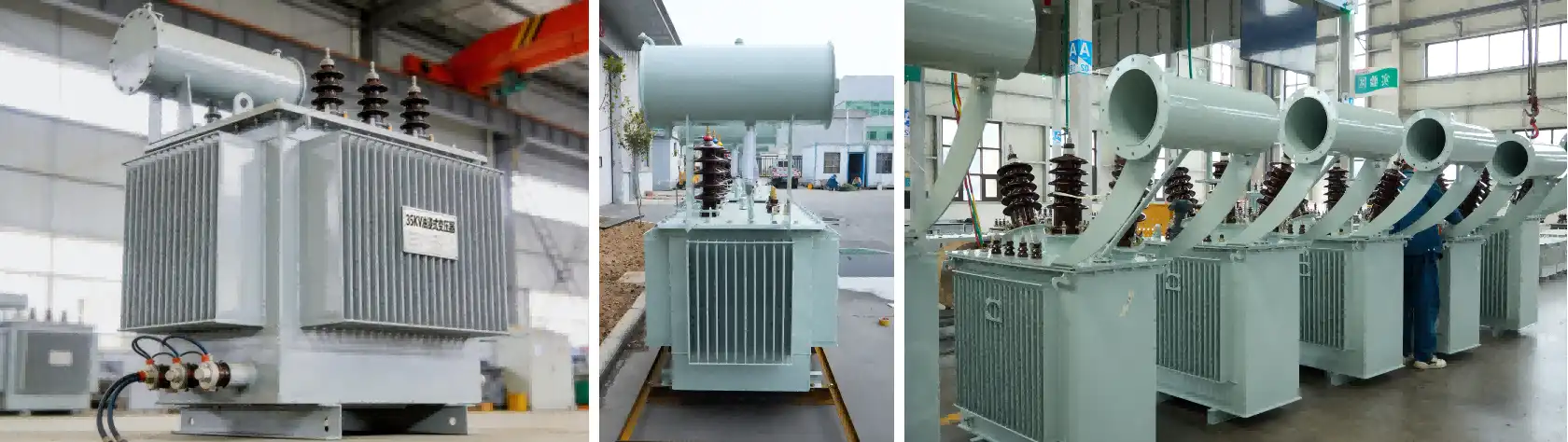
Maximizing the performance of an S22 type distribution transformer starts with installing it correctly and continues with following the set upkeep procedures. Project managers and maintenance teams can get the most out of their investment if they understand these operational features.
The foundation design has to take into account how heavy the transformer is when it's fully loaded and offer stable support to stop uneven settling. For heat to escape from outdoor placements, there must be enough space between units and any obstacles, as stated in the manufacturer's instructions. Electrical links use connection group names like Yyno or Dyn11, and the right amount of torque is applied to terminal bolts to stop hotspots from forming.
Pay extra attention to grounding systems because good grounding keeps electronics safe during lightning hits and faults. The S22 type distribution transformer has an impulse withstand voltage value of 75kV, which is due to its strong insulation design. However, proper grounding is still needed to fully utilize this safety feature. Before turning on the power, commissioning tests check the voltage, measure the insulator resistance, and confirm the turns ratio.
Visual checks of the corrugated tank are done every three months to look for damage, signs of oil leaks, and the state of the external connections. Infrared thermography, which should be done once a year or every six months during high load times, finds hot spots that need attention before they break. Optional temperature sensors allow for constant tracking, and alarm levels can be set to warn operators before conditions get too dangerous.
The protected design keeps the oil's quality from dropping due to pollution in the air, but dissolved gas analysis (DGA) done on a regular basis lets you know when problems are starting to form inside the tank. Many operators test key installations with DGA every three to five years. They use the data to guess how long the equipment will last and plan replacements for planned downtime instead of emergencies.
An unusual rise in temperature during operation could mean that the system is overloaded, not getting enough airflow, or internal problems are starting to form. Thermal photography finds the exact location of hot spots, which helps with diagnosis. If you hear clicking, buzzing, or humming sounds that aren't standard for magnetostriction, they could mean that the core laminations are loose, the windings are moving, or there are problems with the tap changer that need to be looked into.
Problems with voltage control show up as an unsteady output voltage or too much voltage drop when the load is applied. Checking the tap settings makes sure they are set up correctly for the system, and measuring the resistance finds damage to the windings or problems with the link. These problems aren't as common with the S22 type distribution transformer because of its strong winding construction, but organized fixing methods make it easy to fix problems quickly when they do happen.
When fixing, safety procedures stress de-energization, proper lockout/tagout processes, and voltage checks before people approach equipment. It is important to follow the 35kV power frequency withstand voltage grade because capacitive coupling can store energy that can last even after the link is broken.
It is important for strategic buying choices to take into account technical requirements, the skills of the supplier, and lifecycle support services for S22 type distribution transformers. Understanding how the market works and how to evaluate suppliers helps buying teams get the best deal.
Before choosing a maker, make sure they have ISO 9001:2015 certification and follow the IEC rules for designing and testing transformers. For products to be sold in other countries, they need to be CE-certified for the European Union and UL-listed for installs in North America. These certificates give third parties proof that the ways products are made and designed meet quality standards around the world.
A production capacity estimate ensures that suppliers can supply a lot of items on time for the project. Manufacturers who have more than one production facility whose total annual capacity is higher than what the project needs lower the risk of not meeting the delivery deadline. When you visit a production plant, you can see how advanced the equipment is, how the quality is controlled, and how well the expert staff can handle the many customization requests that come up in heavy-duty uses.
The price per unit depends on the capacity grade, the voltage class, and any unique specifications that are needed. Standard catalog specs usually have better prices than designs that are highly modified. However, application-specific needs may make customization costs worth it by improving performance or making installation easier. Gradual discounts are applied when you buy a lot of something, and the savings get bigger as you buy tens or hundreds of items.
Purchasing teams in charge of multi-phase projects discuss outline deals that set prices, delivery dates, and terms for technical help for the whole project. These deals lock in good prices and give you the freedom to change the shipping schedule to fit the progress of the building. Payment terms usually include a down payment, payments in stages based on manufacturing goals, and the final payment after the product has been successfully commissioned.
Standard guarantee terms cover flaws in the way the product was made and material problems under normal use for 12 to 36 months. In return for premium payments, extended warranty choices cover you for longer periods of time. This shifts the long-term risk to the makers. The terms of the warranty spell out how long it will take to answer questions about technical help and provide on-site service for covered failures. For important applications, you can get faster service.
After-sales service includes expert advice, help with setup, training for operators, and the availability of spare parts. Companies that have local service networks or partnerships with regional service providers can respond faster than companies that need to send techs to every service call. By looking at the service infrastructure when choosing a provider, you can avoid problems when you need help after the work is complete.
Standard S22 type distribution transformer specs are good for most distribution transformer uses, but sometimes specific needs mean that they need to be changed. For instance, non-standard frequency values for power systems that are separated, higher levels of insulation for installations at high elevations, or changed tap ranges to match unusual grid voltage conditions are some examples. When this happens, manufacturers with strong engineering teams give technical ideas and cost estimates for review.
When talking about customization, it helps to have a lot of information about the application, like the predicted load patterns, high temperatures, altitude, seismic needs, and any harmonics that are in the system. With this knowledge, engineers can decide if standard designs meet the goals or if changes need to be made. Customization prices depend on how complicated the change is. For example, changing the range of taps doesn't cost much more than that, but redesigning the whole thing requires a lot of engineering work, which is represented in the price.
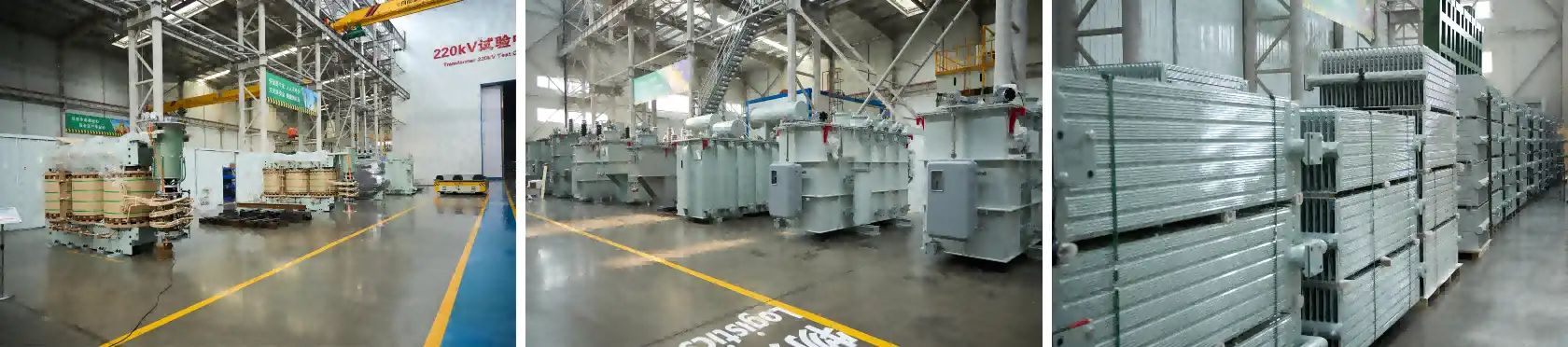
The S22 type distribution transformer is very good at handling big loads thanks to its advanced engineering, high-quality materials, and unique sealed design. These transformers have a power range of 30kVA to 3150kVA, are certified as Level 1 energy efficient, and can be used for more than 30 years. They provide stable voltage, low losses, and good thermal management even when they are under constant high loads. When it comes to cooling, the fully sealed rectangular tank is easier to maintain and works better. Comparing it to S11, S13, and dry-type alternatives shows strong lifetime cost benefits, even though the original investment is a little higher. Value is maximized in utility, industrial, green energy, and infrastructure uses that need reliable heavy-load power distribution through proper installation, regular maintenance, and strategic purchases from certified makers.
In both single-phase and three-phase designs, the S22 type distribution transformer series has capacity choices from 30kVA to 3150kVA. The maximum sustained load is the same as the rated capacity. The short-term overload capability goes up to 120% of the rated load for short amounts of time, as required by IEC 60076-7. The length of time an overload lasts varies depending on the temperature and the load that was there before the overload. However, the strong winding design and effective cooling system can handle short-term demand spikes that are typical in industrial and utility settings.
The sealed design makes upkeep much less often needed than with standard transformers. Visual checks every three months find signs of physical damage or oil leaks. Infrared thermography is done once a year during high load times to find hot spots that are starting to form. Every three to five years, dissolved gas research helps find problems early in sites that are very important. This easier maintenance plan keeps up the high standards of dependability needed by heavy-duty applications while cutting down on running costs.
Of course. For outdoor placements in tough industrial settings, the S22 type distribution transformer series is specially designed. Its fully sealed curved design keeps out water and dirt, and its oil-immersed design makes it very good at handling high temperatures up to 40℃. The strong construction can handle the dust, high temperatures, and weather that are common in places like steel mills, chemical plants, and mines. Impulse withstand voltage ratings of 75kV protect against lightning hits that happen a lot in open outdoor areas.
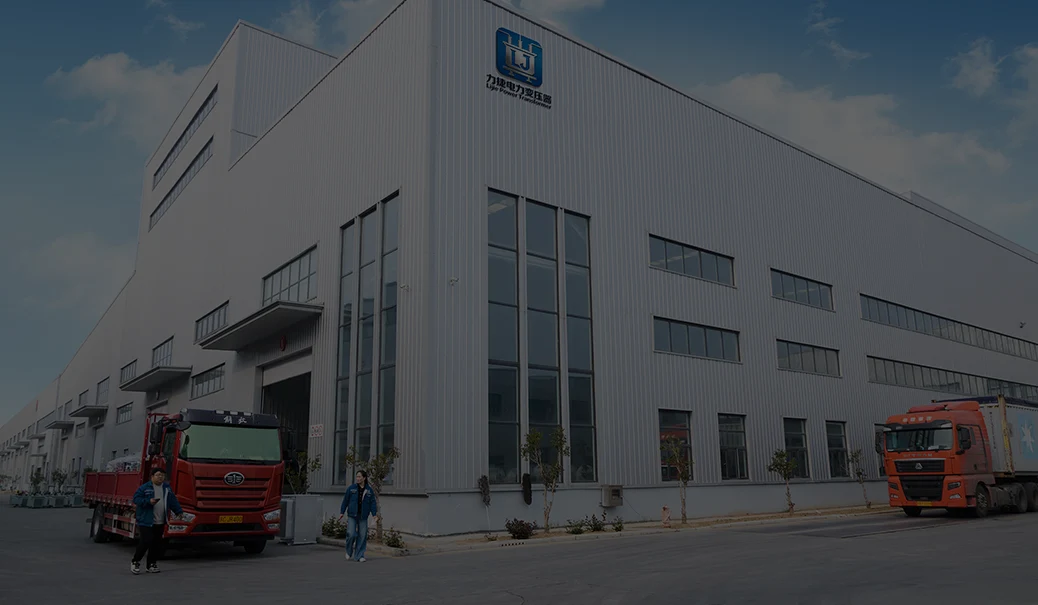
Lijie Electric Power Technology Group has been making high-quality transformers for more than 20 years and can help you with your heavy-load power distribution tasks. Our team of more than 160 engineering professionals works in two state-of-the-art factories that cover 500,000 square meters in China to provide S22 type distribution transformer options that meet the strictest requirements. Our ISO 9001:2015, CE, UL, and IEC certifications make sure that our products meet international quality standards. Also, our 5 billion RMB annual production capacity ensures that we can reliably meet the needs of large-scale buyers. We invite you to talk to our technical experts about your specific needs, whether you are a procurement manager looking for transformers for integrating renewable energy, an electrical engineer planning equipment for industrial complexes, or an EPC contractor needing certified transformers for international projects. Visit lijie-electrical.com or email us at lijieelectrical@gmail.com to learn more about how our manufacturing services can help your project succeed by offering competitive prices, the ability to make changes, and full technical support during installation and commissioning.
1. International Electrotechnical Commission (2011). "IEC 60076-7: Power Transformers – Part 7: Loading Guide for Oil-Immersed Power Transformers." Geneva: IEC Standards Publications.
2. National Standardization Administration of China (2024). "GB 20052-2024: Energy Efficiency Standards for Distribution Transformers." Beijing: Standards Press of China.
3. Institute of Electrical and Electronics Engineers (2019). "IEEE C57.12.00: Standard for General Requirements for Liquid-Immersed Distribution, Power, and Regulating Transformers." New York: IEEE Standards Association.
4. Heathcote, M.J. (2007). "The J&P Transformer Book: A Practical Technology of the Power Transformer." Oxford: Newnes Publishing, 13th Edition.
5. Kulkarni, S.V. & Khaparde, S.A. (2017). "Transformer Engineering: Design, Technology, and Diagnostics." Boca Raton: CRC Press, 2nd Edition.
6. Harlow, J.H. (2012). "Electric Power Transformer Engineering." Boca Raton: CRC Press, 3rd Edition.
YOU MAY LIKE
H15%20distribution%20transformer.webp)


11%20Epoxy%20Resin%20Cast%20Dry-Type%20Transformer.webp)
H15%20Amorphous%20Alloy%20Distribution%20Transformer.webp)
April 27, 2025
With a tight project schedule, the manufacturer delivered on time, and on-site technical personnel provided guidance throughout the entire installation and commissioning process; the collaboration was highly efficient and hassle-free.
July 2, 2025
During the preliminary phase, a selection plan was custom-tailored based on the actual site load requirements, resulting in a high degree of parameter compatibility. After-sales support responds within two hours, and ongoing technical support for operation and maintenance is comprehensive; we feel completely confident in a long-term partnership.
November 18, 2025
Deployed as a supporting component for a 35kV grid-connection project at a photovoltaic power station, the equipment operates for an average of 16 hours daily. It demonstrates excellent control over no-load losses, ensures smooth power generation and grid integration, and effectively reduces the station's overall energy consumption.
January 30, 2026
Under the continuous, high-load operating conditions of a factory production line, the equipment maintains stable electrical parameters and exhibits strong overload resistance, thereby guaranteeing an uninterrupted power supply for industrial production.
April 3, 2026
Integrated as a supporting component for a new energy photovoltaic grid-connection system, the manufacturer provided professional technical coordination and timely after-sales support, ensuring seamless adaptation to the specific electrical operating conditions required for grid integration.