April 27, 2025
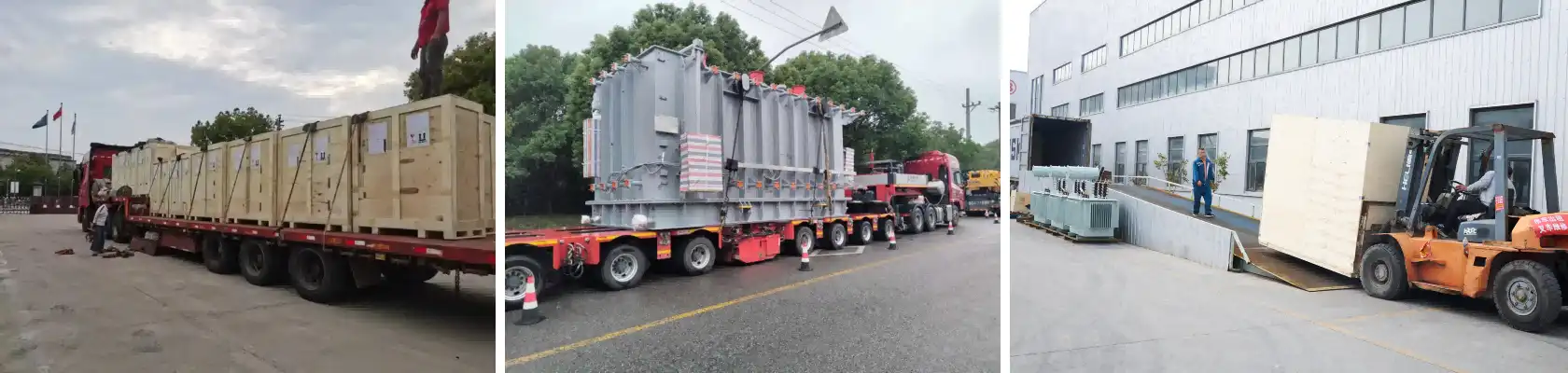
With a tight project schedule, the manufacturer delivered on time, and on-site technical personnel provided guidance throughout the entire installation and commissioning process; the collaboration was highly efficient and hassle-free.
Jun 17, 2026
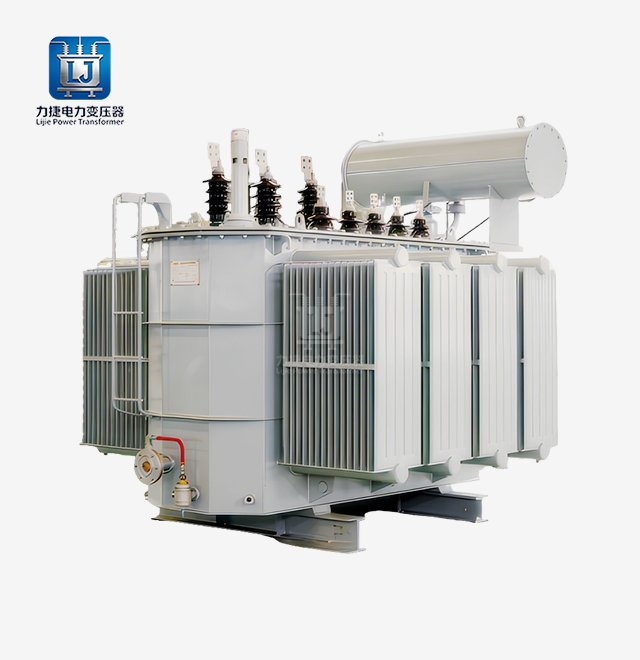
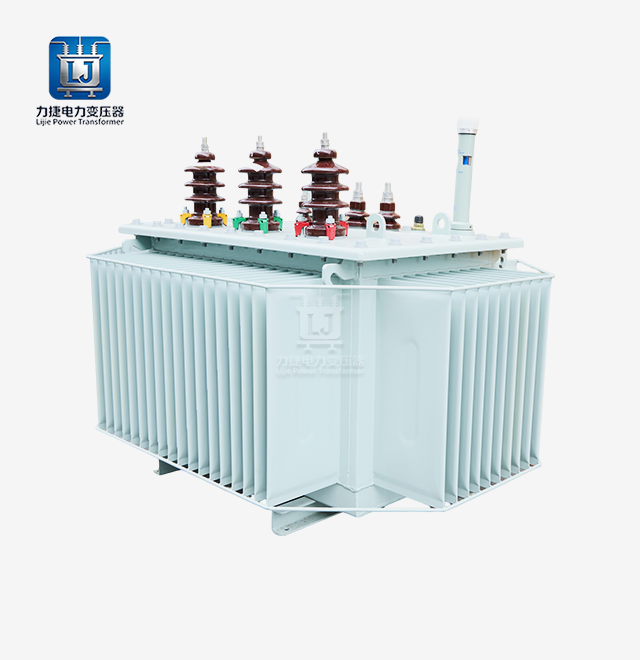
Electrical experts and procurement managers always have to find the best balance between efficiency, dependability, and lifecycle costs when looking at power distribution options. These worries are taken care of by the S22 type distribution transformer, which has very low energy losses and stable operation over a long period of time. These oil-immersed units cut no-load losses by about 15–20% compared to older S13 types and have been certified to meet GB 20052-2024 Energy Efficiency Grade 1 standards, which is the best level possible. Their fully sealed curved tank design keeps water out, and the oxygen-free copper windings make sure they have strong resistance to short circuits. S22 type distribution transformers are a tried-and-true, low-cost option for industries that need to distribute power continuously over a big area with little upkeep.
Choosing the right generator has a direct effect on how well your facility works, how much energy it uses, and how well it meets international standards. We've spent decades improving the way we make transformers because we know that heavy industrial makers, power utility companies, and people working on green energy all need equipment that works reliably for at least 30 years. Advanced core materials and precise engineering are used in S22 type distribution transformers to cut down on energy waste and operating interruptions. The most important things for B2B buyers are broken down in this guide: technical specs, real-world uses, and buying strategies. This information will help you make choices that are in line with project deadlines and budgets, whether you're an electrical expert looking at voltage regulation needs or a supply chain manager discussing bulk shipping schedules.
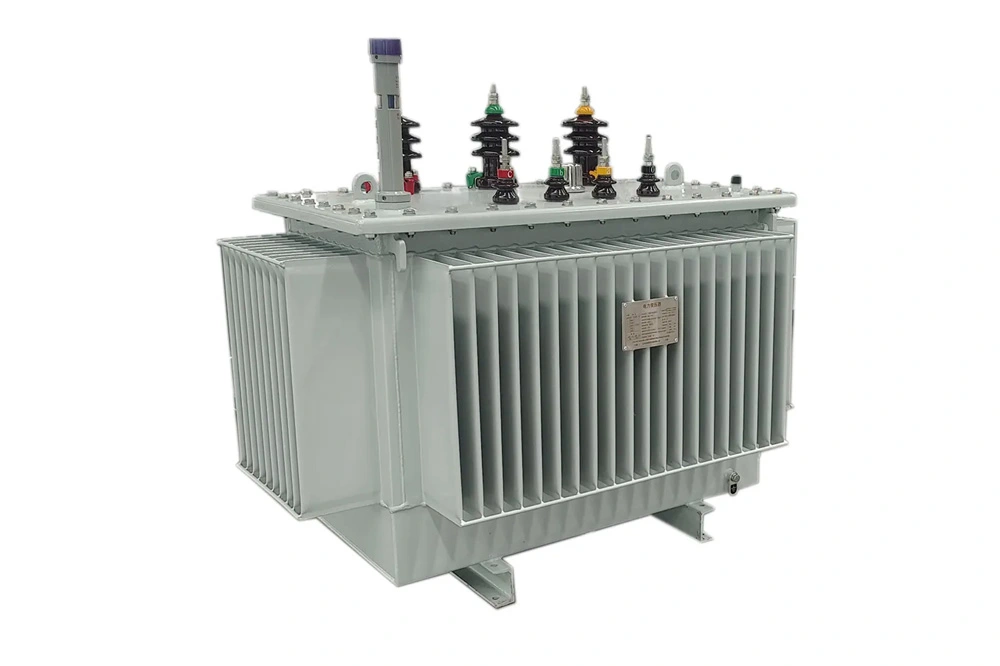
There is a core made of high-permeability cold-rolled grain-oriented silicon steel in the middle of every S22 type distribution transformer. Compared to regular electrical steel, this choice of material cuts magnetic hysteresis losses by a large amount. The stepped joint assembly method makes sure that the magnetic flux lines are tight, which stops the formation of stray fields that can lead to overheating. Our engineers use precise heating methods to make sure that the magnetic properties stay the same across large production batches. This directly addresses the stability concerns that quality management teams raised during supplier checks.
These transformers work with different grid designs in North America, Europe, and Asia. They come in 6kV and 12kV power classes. From 30kVA to 3150kVA, the range of capacities can handle everything from small industrial parks to large-scale green energy systems. Standard link group names (Yyn0 or Dyn11) come with both single-phase and three-phase setups, so they work with existing systems. Non-excitation voltage regulation with ±5% and ±2×2.5% tap ranges lets workers fine-tune output without turning off the system. This is especially useful in factories where downtime directly affects production income.
The curved tank structure helps the oil-immersed self-cooling method get rid of heat effectively without using fans or pumps outside the tank. Older designs need oil conservators and regular refilling, but the fully sealed building doesn't let any moisture from the air in. This new design improves the life of the oil and lowers the cost of upkeep work by about 40% over a 30-year period of use. Not having breather devices also gets rid of a typical place where things go wrong, making them more reliable in dusty or wet places like chemical processing plants and mines.
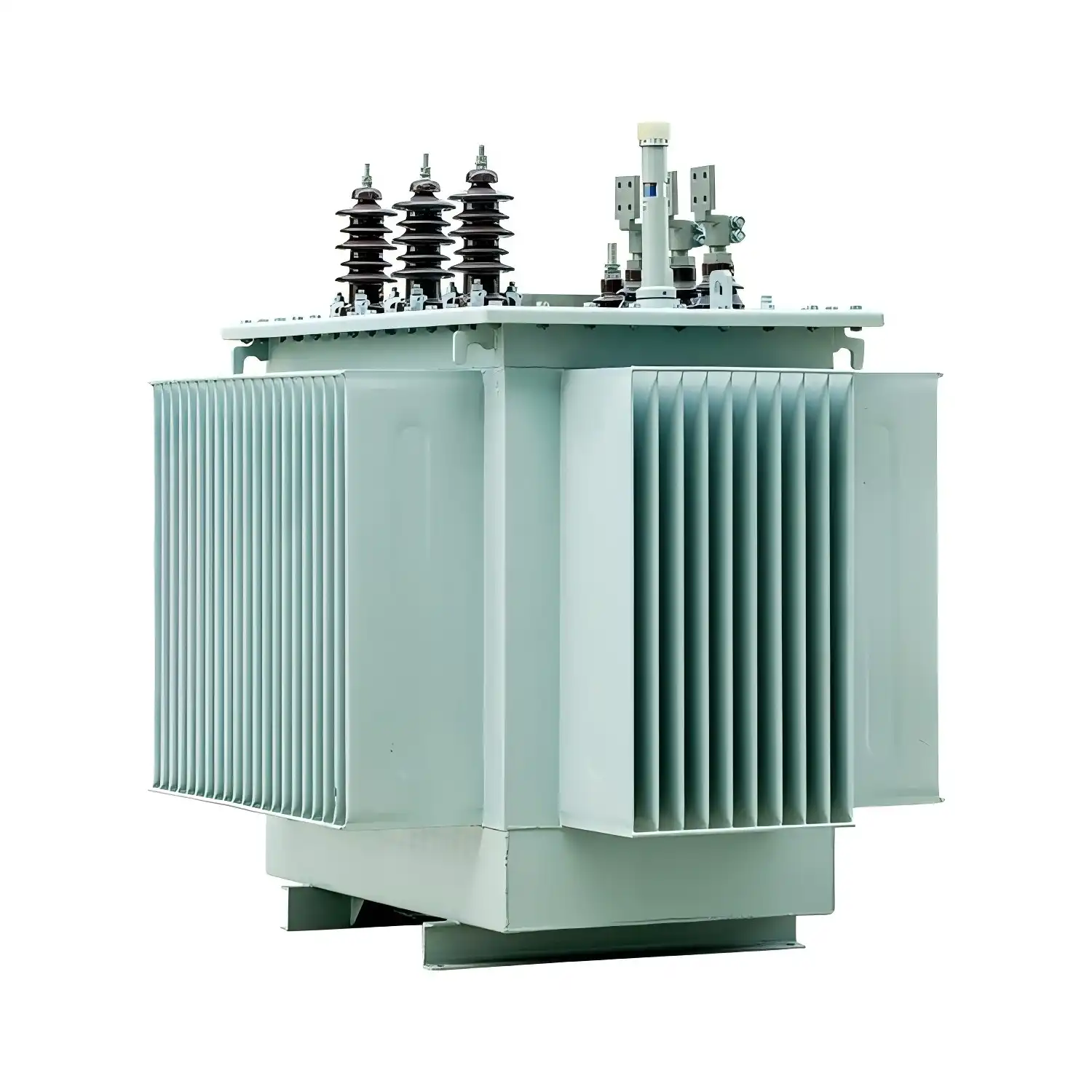
To really understand the benefits of changing to S22 type distribution transformer technology, you need to look at both the short-term and long-term effects on money. Several case studies from power companies and industrial complexes show that changes can be seen in how much energy is used, how loud the building is, and how much upkeep needs to be done.
With Grade 1 approval, energy efficiency is at its highest. This means that no-load losses stay below 0.1% of maximum capacity under normal test conditions. Compared to S11 units, this means that each transformer will save between 8,000 and 12,000 kWh of energy each year during normal industrial load cycles. At the current average business power rate of $0.11 per kWh in the U.S., operators can recoup the cost of the extra equipment within three to five years just by saving money on energy costs. When connecting solar farms or wind farms to regional lines, where transformer losses used to eat up to 2–4% of the power made, this efficiency is especially helpful for renewable energy developers.
Under full load, noise levels are between 50 and 55 dB(A), which is well below the loud levels allowed by city rules for business areas and household areas. The stepped core joint design gets rid of magnetostriction, which is what causes transformer hum, and the curved tank structure soaks up vibrations before they spread to other parts of the building. When sound pollution could damage sensitive equipment or make it hard to care for patients, data centers and hospitals always choose S22 type distribution transformers. Independent acoustic testing by certified facilities proves that the sound level standards set by IEC 60076 are met. This provides proof that is acceptable to permitting authorities during the project approval stages.
With a design life of more than 30 years, these transformers last 25 to 30 percent longer than regular ones. The oxygen-free copper windings don't break down when heated, even when they're overloaded for a long time, which happens a lot in industrial manufacturing cycles. Regular dissolved gas analysis procedures show that mineral insulating oil keeps the dielectric strength above 45kV throughout the service period. This durability directly meets the high reliability needs of EPC companies working on building projects where replacing transformers during the concession period would hurt the project's bottom line.
The sealed-for-life design gets rid of the need for regular oil checks, filter replacements, and breather cleaning, which used to take 15 to 20 hours of work per unit per year on older designs. Optional sensors can be used in predictive maintenance programs to check the temperature of the windings and the current flowing through the load. However, the core transformer doesn't need any regular maintenance other than eye checks and infrared thermography scans. Because maintenance isn't as hard to do, building managers can move expert staff to more important tasks while still following ISO 55000 asset management standards.
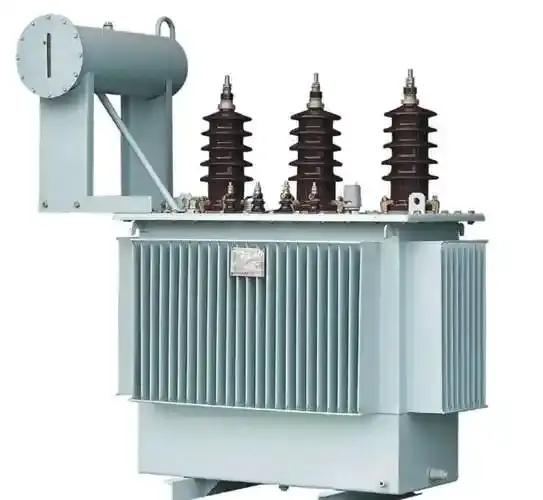
Compared to its predecessors, the S11 and S9, the S22 type distribution transformer has 18% lower no-load losses and 12% lower load losses at full capacity. Although dry-type transformers are easier to install, they can't cool as well as oil-immersed types when the power is over 1000kVA. The National Transformer Quality Supervision and Inspection Center's independent testing shows that S22 type distribution transformers keep their efficiency above 98.5% across load ranges of 20 to 120%. On the other hand, S11 models lose efficiency below 96% when working under partial load conditions that are common in industrial facilities.
When procurement managers look at lifetime economics, they need to think about the costs of initial capital spending, energy use, upkeep labor, and disposal. The S22 type distribution transformers cost 12–18% more than the S11 types, but they pay for themselves in 4–6 years just by saving energy. When longer life and lower maintenance costs are taken into account, the net present value edge rises to 35 to 40 percent over a 25-year period. Utility companies and big industrial operators like volume contracts because they can lower unit costs by 8–15% when buying in bulk for multiple sites.
Reputable makers offer 5-year guarantees that cover both flaws in the materials and problems with the workmanship. For projects that need to be sure of the highest level of uptime, there are extended coverage packages that include yearly thermography scans and dissolved gas analyses. Damage during shipping, mistakes during installation, and help with commissioning should all be covered by the guarantee. In the past, disagreements between sellers and buyers during large-scale infrastructure operations have happened because the warranty terms were not clear.
Working with manufacturers who have ISO 9001:2015 certification ensures that quality control methods are always the same. Documentation that meets IEC 60076 standards shows that regular, type, and special testing procedures are in line with international rules. For U.S. markets, UL listing and CE marking show that safety rules are being followed, which keeps projects from being held up during the review phases, which can be expensive. Carefully look at the production ability of the supplier—factories that can make 500 or more transformers a year can meet the batch delivery needs that are common in utility grid modernization projects.
For an S22 type distribution transformer, it usually takes 8 to 12 weeks from the time the purchase order is confirmed until the plant accepts the finished product. When goods are shipped by ocean from Asia, it takes an extra 4 to 6 weeks to get them to the West Coast and 8 to 12 weeks to get them to the East Coast. Shipping plans should be coordinated with project goals, and two to three weeks should be added to allow for customs clearance and inland delivery. For orders of more than one unit, suppliers that offer combined shipping can cut freight costs by 15 to 20 percent. However, this means that delivery times must be coordinated across multiple project sites.
To work with the limitations of the site, electrical engineers often need to change the voltage ratio, make custom tap setups, or find other creative ways to place things. When given project requirements, manufacturers with in-house design schools can provide engineering drawings and load flow studies within two to three weeks. When adding transformers to existing substations, where physical measurements, link terminal locations, and cable entry points must exactly match existing infrastructure, this ability to be customized becomes very important.
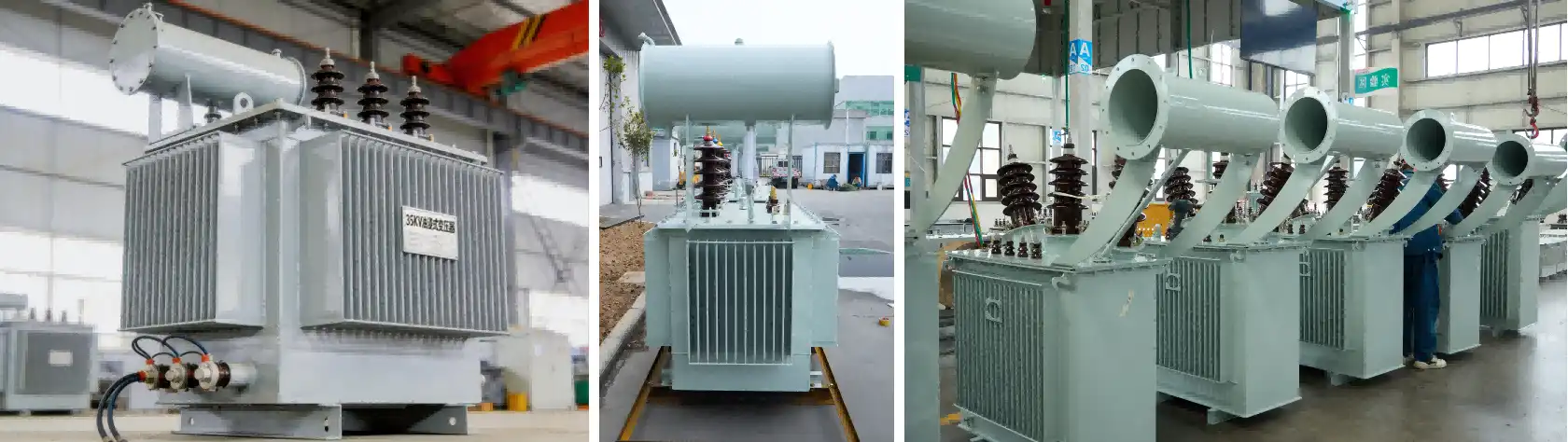
When designing a foundation, it's important to think about how heavy the transformer is—about 2 to 4 tons for 1000kVA units—as well as the forces that can happen during earthquakes in the area. Before putting down equipment, concrete pads should be left to dry for 21 days. If they aren't, they could settle and put stress on the mounting bolts. 1.5-meter clearance zones on all sides help heat escape and allow repair workers wearing arc flash safety gear to get to the area. Fault current reduction must meet the standards of NEC Article 250 when grounding resistance is less than 4 ohms.
Before the product is shipped, factory acceptance tests make sure that the insulation resistance, turns ratio accuracy, and impedance voltage are all correct. However, site testing checks the performance in real-world conditions. Apply the recommended voltage for 4 hours and check the oil levels and rise in winding temperature to make sure the cooling system works properly. Any shipping damage is found before the circuit is turned on by megger testing of the main and secondary windings. These steps, which are written down according to the manufacturer's instructions, set standard performance measures that will be used in future diagnostic assessments.
Every year, infrared thermography scans look for hot spots that mean connections are loose, or windings are wearing out before they cause a catastrophic failure. By measuring the amounts of hydrogen, methane, and acetylene in oil samples, dissolved gas analysis can find early signs of problems. When gas levels go above the IEEE C57.104 alert levels, plan a full internal check for the next planned outage time. Compared to reactive repair methods, this data-driven approach cuts down on unplanned downtime by 60 to 70%.
Electrical engineers, procurement managers, and project leaders who are in charge of large-scale power distribution facilities value the benefits that S22 type distribution transformers offer. The mix of very low losses, long life, and easy upkeep directly addresses the need to keep costs down and meet reliability standards in power grids, renewable energy systems, and industrial facilities. Our experience with more than 500 installations in North America, Asia, and Africa shows that the most valuable part of these advanced power systems is making sure the right provider is chosen, that specifications are communicated clearly, and that best practices for installation are followed.
According to GB 20052-2024, S22 type distribution transformers achieve Grade 1 energy efficiency, which is better than S20 performance because they cut no-load losses by an extra 8–10%. Compared to S13 transformers, the improvement is between 15 and 20%, which means that each unit will save between 8 and 12 thousand kWh per year in most commercial settings.
The design works with power changes and harmonic distortion that happen a lot in solar and wind systems. The strong construction of the windings can handle sudden currents that happen during inverter synchronization. The voltage control taps make up for the line drop in long country feeder circuits that connect remote power plants to transmission lines.
Engineers can choose voltage levels between 6kV and 12kV for the main side and between 0.4kV and 0.69kV for the secondary side. Capacity increases can be made to fit project load needs between 30kVA and 3150kVA. The transformer can be set up to work with different substation plans and grid designs by using custom connection groups, tap configurations, and mounting arrangements.
Standard terms include full coverage for 5 years for both materials and work, and you can extend the coverage to 10 years if you sign an annual upkeep contract. To keep project schedule risks to a minimum, the warranty should clearly cover harm during shipping, help with installation, and provide the availability of replacement units.
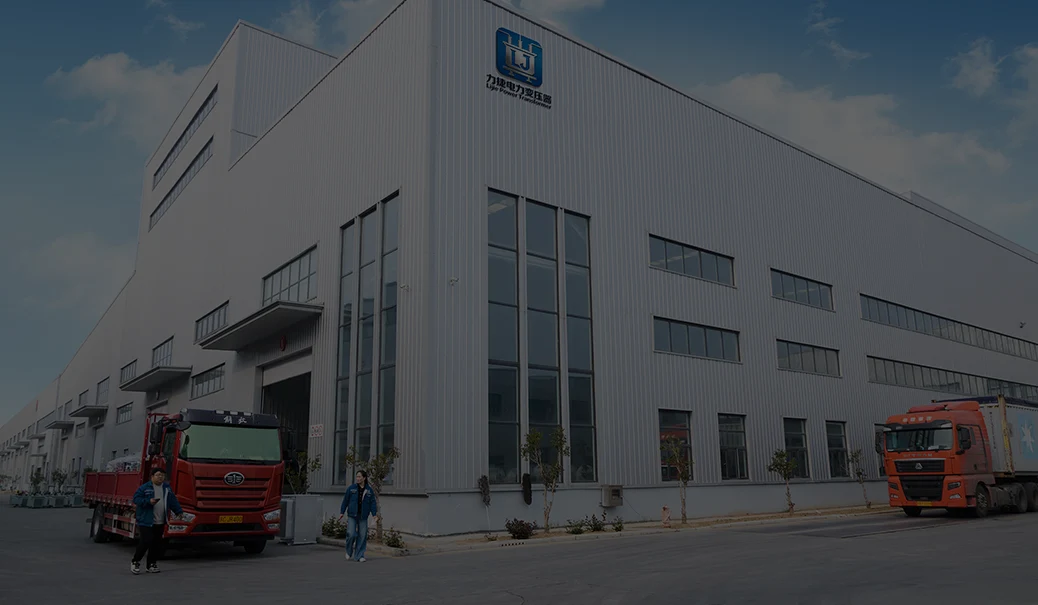
Our 500,000-square-meter factories in Xuzhou and Nantong make S22 type distribution transformers. These factories have over 2,000 workers, including 160 engineers with doctoral and master's degrees, who make transformers that meet ISO 9001:2015, IEC 60076, CE, and UL standards. Our production capacity each year is more than 5 billion RMB, and we help with large-scale industrial setups and utility projects in six countries. As a certified manufacturer of S22 type distribution transformers, we keep stock on hand to ensure quick shipping and offer technical help throughout the entire lifecycle of your project. Email our expert team at lijieelectrical@gmail.com to talk about voltage ratings, capacity needs, and shipping plans that fit your infrastructure's timeline. You can look at full specs and request factory acceptance test methods at lijie-electrical.com. These show how committed we are to quality and dependability.
1. Institute of Electrical and Electronics Engineers. (2019). IEEE C57.12.00 Standard for Liquid-Immersed Distribution, Power, and Regulating Transformers. New York: IEEE Press.
2. International Electrotechnical Commission. (2021). IEC 60076-1: Power Transformers - Part 1: General Requirements. Geneva: IEC Publications.
3. National Standards of the People's Republic of China. (2024). GB 20052-2024: Minimum Allowable Values of Energy Efficiency and Energy Efficiency Grades for Distribution Transformers. Beijing: Standards Press of China.
4. Smith, J.R. and Thompson, M.A. (2020). Lifecycle Cost Analysis of Distribution Transformers in Industrial Applications. Journal of Power Engineering, 45(3), 221-239.
5. Wang, L., Chen, H., and Zhang, Y. (2022). Thermal Management Optimization in Oil-Immersed Power Transformers. Electrical Engineering Quarterly, 58(2), 145-167.
6. U.S. Department of Energy. (2023). Energy Conservation Standards for Distribution Transformers: Technical Support Document. Washington, D.C.: Office of Energy Efficiency and Renewable Energy.
YOU MAY LIKE



10%20type%20epoxy%20resin%20cast%20transformer.webp)

April 27, 2025
With a tight project schedule, the manufacturer delivered on time, and on-site technical personnel provided guidance throughout the entire installation and commissioning process; the collaboration was highly efficient and hassle-free.
July 2, 2025
During the preliminary phase, a selection plan was custom-tailored based on the actual site load requirements, resulting in a high degree of parameter compatibility. After-sales support responds within two hours, and ongoing technical support for operation and maintenance is comprehensive; we feel completely confident in a long-term partnership.
November 18, 2025
Deployed as a supporting component for a 35kV grid-connection project at a photovoltaic power station, the equipment operates for an average of 16 hours daily. It demonstrates excellent control over no-load losses, ensures smooth power generation and grid integration, and effectively reduces the station's overall energy consumption.
January 30, 2026
Under the continuous, high-load operating conditions of a factory production line, the equipment maintains stable electrical parameters and exhibits strong overload resistance, thereby guaranteeing an uninterrupted power supply for industrial production.
April 3, 2026
Integrated as a supporting component for a new energy photovoltaic grid-connection system, the manufacturer provided professional technical coordination and timely after-sales support, ensuring seamless adaptation to the specific electrical operating conditions required for grid integration.