April 27, 2025
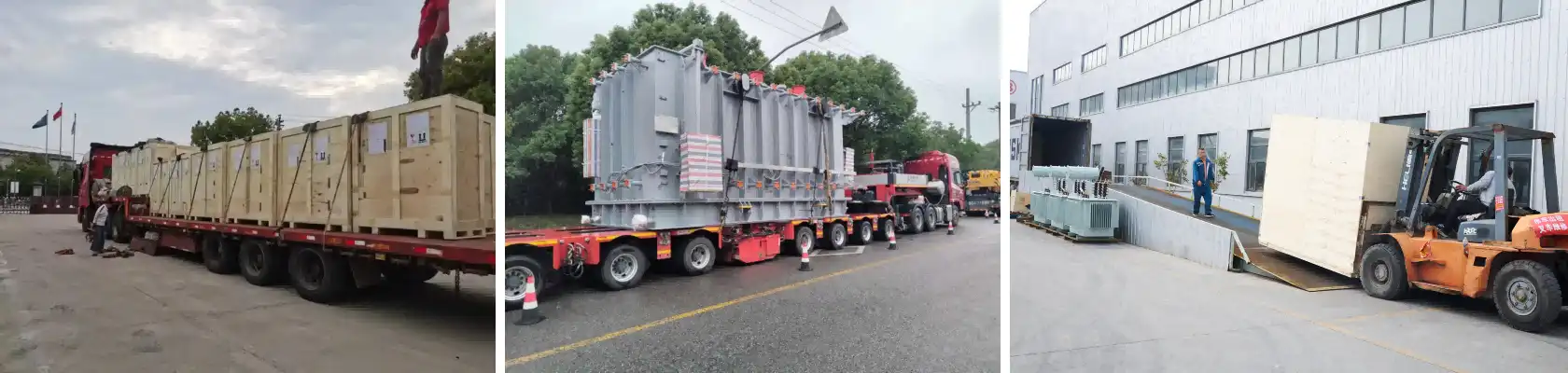
With a tight project schedule, the manufacturer delivered on time, and on-site technical personnel provided guidance throughout the entire installation and commissioning process; the collaboration was highly efficient and hassle-free.
Jun 16, 2026
It has been shown that the S11 type 35KV oil-immersed power transformer can handle the problems that come up with distributing power today. With its high-permeability silicon steel cores and oxygen-free copper windings, this transformer has 25–30% lower no-load losses than older S9 types while still being very reliable in a wide range of industrial settings. Its fully sealed design keeps oil from breaking down, and its precision-laminated cores meet strict noise standards for cities. For purchasing managers and electrical experts who want to save money in the long run and make sure the grid works properly, the S11 type 35KV oil-immersed power transformer offers measurable operational benefits and meets GB 20052-2020 Level III energy saving standards.
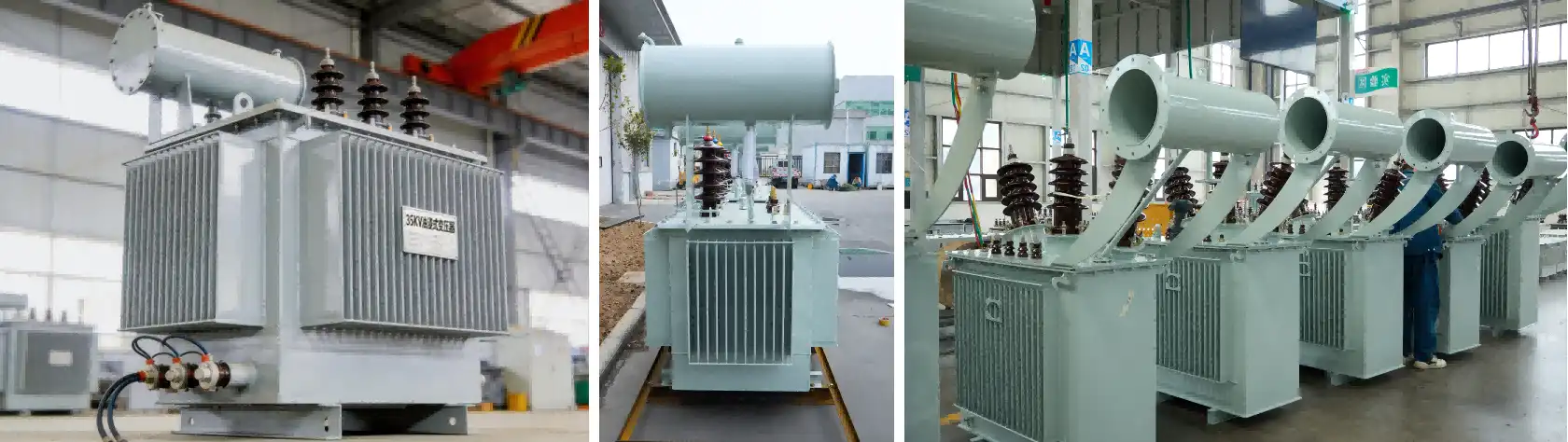
At its heart, the S11 type 35KV oil-immersed power transformer is an advanced step forward in the technology used to distribute medium-voltage power. This gear works at a voltage class of 35KV and connects high-voltage transmission networks to industrial distribution systems. The design theory is based on mineral oil insulation, which does two things: it keeps the wires from touching each other electrically and lets heat escape naturally through convection. Unlike options that are cooled by air, the oil-immersed design maintains consistent thermal management even when the load changes. This makes it ideal for places where ambient temperatures change.
The magnetic core is made of high-permeability cold-rolled grain-oriented silicon steel laminations that are usually 0.27 mm thick. This creates a magnetic flux density of 1.65 to 1.70T. Full oblique joints and stepped lap methods are used to put these sheets together, and shear burrs are kept below 0.02mm. This careful making cuts down on eddy current losses and noise pollution while the machine is running. The double-H adhesive stacking method unites three poles and two joints into a single structure. This makes a rigid, flat assembly that can handle mechanical stress during shipping and use.
Copper wires that don't contain oxygen are grouped in layers with rounded padding and support bars. This shape makes an even electric field, which stops hotspots from forming and makes shielding last longer. Internal supports are made stronger so that they don't bend when short-circuit forces act on them. For units with a rating of 12500kVA or more, combined integrated support plates squeeze the inner and outer coils at the same time. This keeps the axial height constant and makes the resistance to sudden fault currents better.
The oil-immersed self-cooling (ONAN) method focuses on the tank's own natural flow of heat. When transformer oil gets hot near the windings, its density drops. This makes it rise toward the top of the tank. Cooler oil from the sides of the tank flows down to replace it, making a constant convective flow that doesn't need any extra pumps. This passive cooling system works very well in power grid substations, factories, and green energy projects where repair workers may not be able to easily get to the area.
Applications include 35KV distribution network branches, medium-sized industrial parks, power supply stations at the county level, and places where green energy is integrated. The S11 type 35KV oil-immersed power transformer works great when a stable voltage step-down from transmission levels to distribution voltages is needed. It can handle between 630kVA and 31500kVA of power. It works with both 50Hz and 60Hz speeds, so it can be used with a variety of regional grid standards. It can also be set up in either a single-phase or three-phase setup, so it can meet a wide range of load needs.
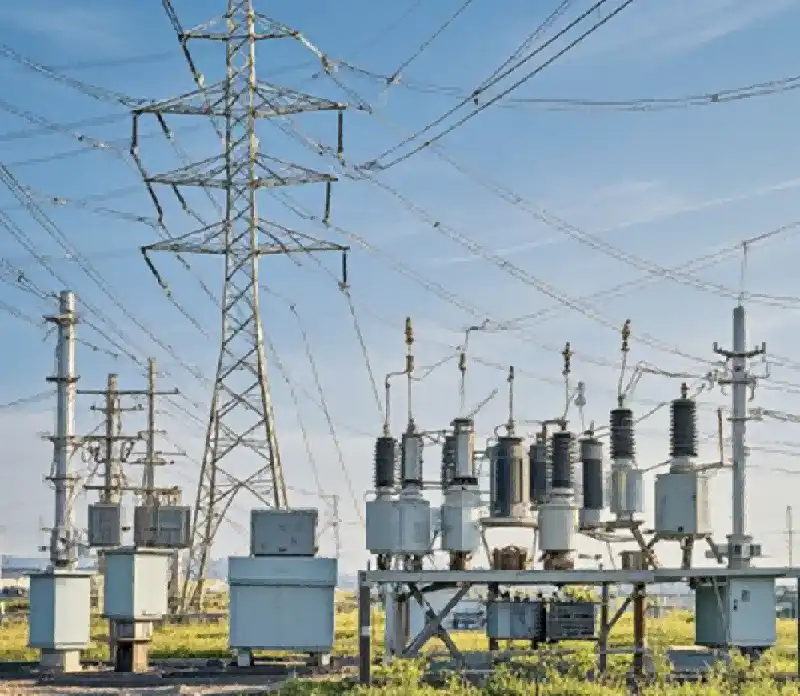
When people are thinking about investing in power infrastructure, they have to weigh the costs up front, the costs over the life of the infrastructure, how reliable it is in use, and the need for upkeep. These worries are taken care of by the S11 type 35KV oil-immersed power transformer's design features that have real benefits for the bottom line. Its effectiveness is the result of carefully choosing the materials and manufacturing them with great care, not small changes made over time.
Using less energy has a direct effect on how much it costs to run a generator over its 20 to 30-year life. Without any loads, the S11 type 35kV oil-immersed power transformer series has no-load losses between 0.8kW at 500kVA and 18kW at 10MVA, which are big drops compared to earlier models. Losses in the load range from 5.5kW to 85kW, based on the grade. These numbers show the result of improving both the shape of the core and the quality of the wire. Cold-rolled silicon steel sheets cut down on hysteresis and eddy current losses, and oxygen-free copper windings lower the amount of heat that is transferred through resistance. When compared to S9 alternatives, a standard 5MVA unit running at 70% load factor can save more than 50,000 kWh of energy each year, which can lead to real cost savings in large-scale deployments.
The shape of the corrugated oil tank helps with heat control. Corrugated surfaces, on the other hand, improve the area where heat can escape without the need for external radiators at lower capacity rates. This way of building keeps oil temperatures within safe ranges without using complicated forced cooling systems. Under-rated load conditions, temperature rise limits stay at 65K for windings and 60K for oil. This makes sure that the system works reliably in temperatures up to 40°C.
Protecting important parts from external damage is important for longevity. The fully sealed tank structure keeps transformer oil away from oxygen and moisture in the air, which are two main reasons why insulation breaks down. The S11 type 35KV oil-immersed power transformer uses a capsule-type conservator with flexible diaphragm separation instead of standard oil conservator systems that let air touch during thermal expansion. This shield stops the buildup of sludge and acid caused by oxidation, which weakens the dielectric strength over time.
At every joint and entry point, the quality of the seal is checked. From the time the steel is bought, it is inspected to make sure that the surfaces are free of rust, scratches, and other production flaws that could turn into leak tracks. Specialized grinding is done on the parts that seal the tank, and the body is painted all over after any sharp edges and welding slag are removed. These steps fix old problems with the way sealing systems used to work, which will greatly reduce the number of upkeep tasks needed to fix oil leaks.
Provisions for keeping oil contained meet international safety standards for placements in places with people. Plate clamps and side beams make up the rigid frame structure that holds the S11 type 35KV oil-immersed power transformer body firmly inside the tank. This keeps it from moving during earthquakes or shipping impacts. With six-point stiff mounting, units can handle certain shock levels without needing a core check after delivery, before they can be put into service. This cuts down on installation time and the costs of labor.
Noise-reduction features meet the needs of urban operation. Flat surfaces that reflect sound waves are taken care of by corrugated tank walls, and movements caused by magnetostriction are kept to a minimum by precision core assembly. Acoustic pollution stays within levels that are safe for living close by, which means that more places could be used for installations. To be environmentally friendly, the oil must meet the requirements set by IEC 60296: its breakdown voltage must be more than 60kV, its pour point must be below -45°C, and its specific resistance must be more than 1×10¹²Ω·m. This makes sure that it can be used safely in all climates.
Figuring out the relative strengths of different transformer systems helps you choose the best tools for your project. Each of the dry-type, gas-insulated, and lower-voltage oil-immersed units has its own use. However, the S11 type 35KV oil-immersed power transformer design is particularly well-suited to medium-voltage distribution tasks.
Dry-type transformers don't use dangerous insulating fluids, so they are safer for placements inside buildings that are already occupied. It is safer, but there are some things that come with that. For air cooling to work, bigger amounts of forced ventilation are needed, which adds mechanical parts that are more likely to break. Compared to oil-immersed designs, designs that are limited by thermal capacity can't handle ongoing overloading. The S11 type 35KV oil-immersed power transformer's liquid insulation better absorbs and spreads heat, allowing for higher power densities in smaller spaces. This trait is useful in substations that don't have a lot of room because the size of the building directly affects the cost of building it.
When looking at lifecycle costs, oil-immersed units are usually the best choice for outdoor installs. Although dry-type transformers don't need oil upkeep, they run at higher temperatures, and the insulation wears out faster because they are less thermally efficient. The S11 type 35KV oil-immersed power transformer's sealed oil system doesn't need much maintenance other than regular eye checks and analysis of dissolved gases. Dry-type units, on the other hand, need to be cleaned regularly to keep dust from building up on the windings and making the cooling less effective.
Lower voltage transformers, like 11KV types, work with different parts of the network and do more of the distribution to end users than the subtransmission. The S11 type 35KV oil-immersed power transformer's 35KV grade puts it at a key point in the grid, where it can handle bigger power blocks with lower current levels than at lower voltages. For the same amount of capacity, this property drops circuit cross-sections and resistive losses, making the system more efficient as a whole. The voltage class also lets electricity be sent over longer distances before voltage drop becomes a problem. This means that fewer intermediate substations are needed in country or industrial park projects.
Gas-insulated transformers (GIT) use sulfur hexafluoride (SF6) as the shielding medium. They come in very small sizes that make them ideal for high-voltage situations where space is limited. However, SF6's strong greenhouse gas properties cause environmental worries, and the fact that it needs to be handled in a certain way makes upkeep more difficult. The mineral oil insulation in the S11 type 35KV oil-immersed power transformer is better for the environment and uses standard repair methods that utility workers all over the world are familiar with. The S11 type 35KV oil-immersed power transformer is a good compromise for projects that want to use standard technology that has been shown to work reliably.
To do buying S11 type 35KV oil-immersed power transformer correctly, you need to make sure that the technical standards match the needs of the project and build relationships with suppliers that guarantee quality and continuity. There are a number of things that should be carefully considered when choosing a vendor and setting up tools.
Specification Matching and CustomizationThe choice of capacity is based on expected load patterns and plans for future growth. The S11 type 35kV oil-immersed power transformer series has a range of 630kVA to 31500kVA, so it can be used for a wide range of tasks, from small factories to regional transportation hubs. Voltage regulation through tap changers lets you make changes of up to ±5% in ±2×2.5% steps, so you don't need any extra tools to account for changes in the source voltage. Connection group names, which are usually Yyn0 or Dyn11, need to match up with how networks are grounded and how to reduce harmonics. Yyn0 setups work best with systems that are strongly grounded, while Dyn11 offers zero-sequence current paths for finding ground faults in networks that are resistance-grounded.
Impedance voltage values, which usually range from 4 to 8 percent based on capacity, affect the amount of short-circuit current and how the voltage changes. Lowering the resistance makes the voltage more stable, but it also raises the fault current levels that safety devices have to stop. Higher resistance lowers fault duty but makes the voltage drop more when the load is put on it. To keep these factors in balance, upstream safety measures and downstream load sensitivity must work together.
Buying from approved makers ensures that the S11 type 35KV oil-immersed power transformer meets all the standards that are in place. Having ISO 9001:2015 quality management certification means that the whole production process is controlled in a planned way. Compliance with the IEC 60076 standard shows that foreign design and tests are done in the same way, which is very important for projects involving more than one country. With CE marking and UL certification, you can use the product in more European and North American countries. GB/T 27922-2021 after-sales service certification makes sure that you can get help after the product is delivered.
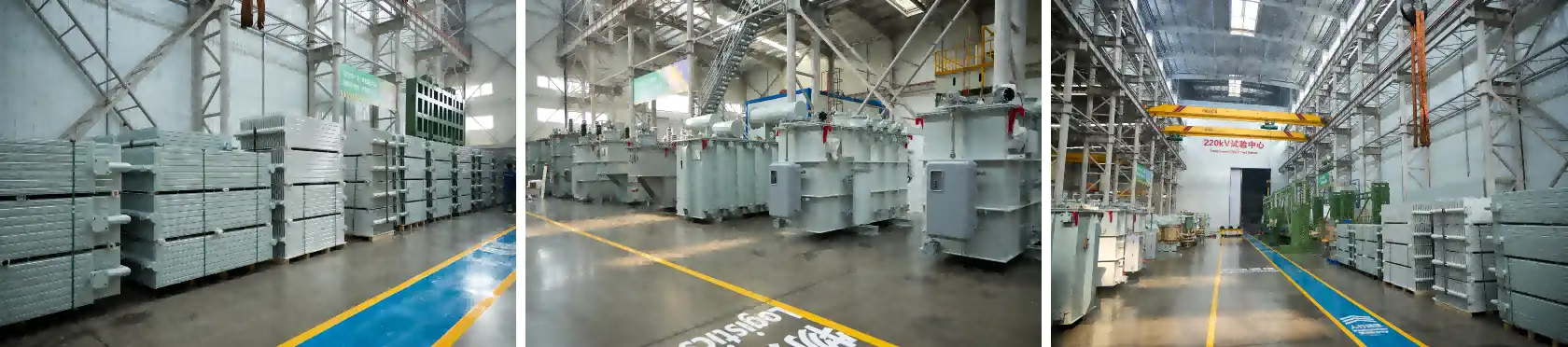
Assessing production ability keeps big projects that need batch deliveries from being held up. Companies with large production areas—like those with more than 500,000 square meters of space—can handle orders for more than one S11 type 35KV oil-immersed power transformer unit without affecting plans. For custom apps, the qualifications of the engineering staff are important. Teams with PhD and master's degree holders can conduct studies to solve difficult technical problems. Stable finances, shown by steady yearly income, give customers trust in the long-term supply of parts and guarantee fulfillment.
In lifetime economics, the unit price is just one part of the whole. When energy losses are turned into present value, they often go over the cost of the equipment's initial purchase over its useful life. To find the total cost of ownership, you have to include both no-load losses (which happen all the time, no matter how much is loaded) and load losses that are related to usage. The energy costs for a 5000kVA S11 type 35kV oil-immersed power transformer with 9kW of no-load loss and 40kW of load loss at full capacity, running at 60% average load for 25 years at $0.10/kWh, are about $450,000. If you choose a unit with 10% smaller losses, you could save $45,000 over the same time period, which could be worth the higher initial investment.
Transportation issues and the need for installation all have an effect on project costs. The S11 type 35KV oil-immersed power transformer's strong frame structure lets it be put to use right away in the field after shipping impacts that are below certain levels. This saves money by not needing expensive core-lifting checks. Routine, type, and special tests in the factory that are checked by national inspection centers cut down on starting time and opening risks. How predictable maintenance costs are depends on things like warranty terms, the availability of spare parts, and the presence of local service. This is especially true for rural sites where long periods of downtime have a big effect on operations.
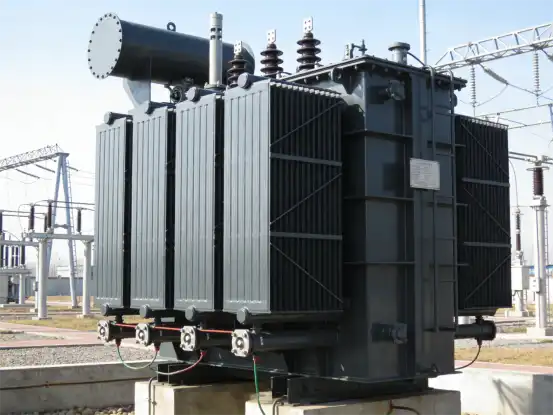
Proactive repair plans keep assets working longer and stop them from breaking down without warning. The S11 type 35KV oil-immersed power transformer's design makes service easier than with older models, but regular maintenance is still needed for the best performance.
Visual checks should be done once a month, and the oil level should be checked with a pointer-type gauge that doesn't give fake readings like magnetic float designs do. Because the capsule protector is made of clear materials, the stability of the diaphragm can be checked without having to open the system. When checking corrugated tank surfaces for oil leaks at welding seams, it's especially important to do this after temperature changes, which puts stress on the joints. External bushings need to be checked for pollution, tracking marks, or cracks that could make the insulation less effective.
Dissolved gas analysis (DGA), which can be done once a year or every six months, can find small problems before they become big ones. High levels of hydrogen show partial discharge activity, while high levels of ethylene and acetylene show heat breakdown of cellulose insulation or arcing. By plotting these gases over a number of samples, you can see how problems are getting worse and how they can be fixed. Testing the quality of oil checks its acidity, electrical strength, and moisture level. Breakdown voltage should stay above 60kV; numbers below 40kV mean the item needs to be reclaimed or replaced. If the moisture level is higher than 35ppm, the insulation will age faster and needs to be looked into.
Most oil leaks start at the points where gaskets meet, where bushing bases meet, or where drain valve stems meet. Early discovery keeps the surroundings clean and the insulation's integrity. The S11 type 35KV oil-immersed power transformer's better closing design makes it less vulnerable, but the gasket will eventually need to be replaced because it will have compressed over time. Visual checking is the only way to find leaks when the power is on. Infrared thermography, on the other hand, finds hot spots that mean internal coil shorts or bad connections that could happen before the insulation fails.
Strange sound patterns are a sign of technical problems. Under normal circumstances, magnetostriction makes a normal 120Hz hum. Any sudden changes in the sound signature could mean that the core laminations are loose or that the windings are moving. The gas relay with a collection device makes problem gas sampling easier during strange events, which helps with the analysis. Monitoring the load current balance across stages finds problems in the winding turns before they spread.
Temperature control makes padding last longer. Keeping the environment within the rated limits slows down the aging process; an 8°C rise in temperature nearly doubles the rate of insulation breakdown. Controlling temperatures is easier when there is enough air flow around heaters and the sun doesn't shine directly on tank surfaces. Overloading should stay within the manufacturer's limits, since short trips above rated capacity are less harmful than long-term running above rated capacity.
Instead of following a set plan, periodic repair intervals are based on signs of damage. S11 type 35KV oil-immersed power transformers with stable DGA trends and good oil quality may not need to be serviced as often, which saves money without lowering reliability. On the other hand, units that are showing signs of degradation need to be monitored more often. Keeping detailed service records lets you look at trends that tell you how much longer something will work, which helps you plan for replacing capital.
The S11 type 35KV oil-immersed power transformer is a great choice for medium-voltage distribution uses because it is efficient, reliable, and a good value for money. Its advanced core structure and oxygen-free copper windings save a lot of energy compared to older designs. Its fully sealed architecture also means that it doesn't need much upkeep over many years of use. Tough production standards and thorough testing make sure that the quality is always the same and is good enough for use in important infrastructure.
Procurement decisions benefit from evaluating total lifecycle costs, not just initial pricing, as energy losses and maintenance expenses significantly impact long-term economics. Working with qualified makers who have shown they can meet requirements and have engineering knowledge is important for making sure the project is successful because it guarantees that specifications will be met and deliveries will be on time.
S11 type 35KV oil-immersed power transformer units have better heating capacity, which lets them handle more power and pressure better. The liquid insulator gets rid of heat better than air cooling, which lowers working temperatures and makes parts last longer. While dry-type transformers don't have an oil-related fire risk, the S11 type 35KV oil-immersed power transformer's sealed design and safety features make it good for outdoor use, where dry-type windings would be damaged by the weather.
Once a month, the oil amount, seals, and outside parts should be inspected visually. For normal uses, dissolved gas analysis should be done once a year. For important installations, it should be done every six months. The amount of time between oil quality checks depends on how the machine is being used, but they usually match DGA plans. With condition-based tracking, intervals can be lengthened when factors stay the same.
Different types of loads can be handled by capacity values ranging from 630kVA to 31500kVA. Tap range configurations change based on the voltage in the network, and link groups match how grounding is done. Values of impedance can be changed to work with different types of security. Standard 50Hz designs can also be made with custom frequency choices, and single-phase and three-phase setups can be used for a variety of tasks.
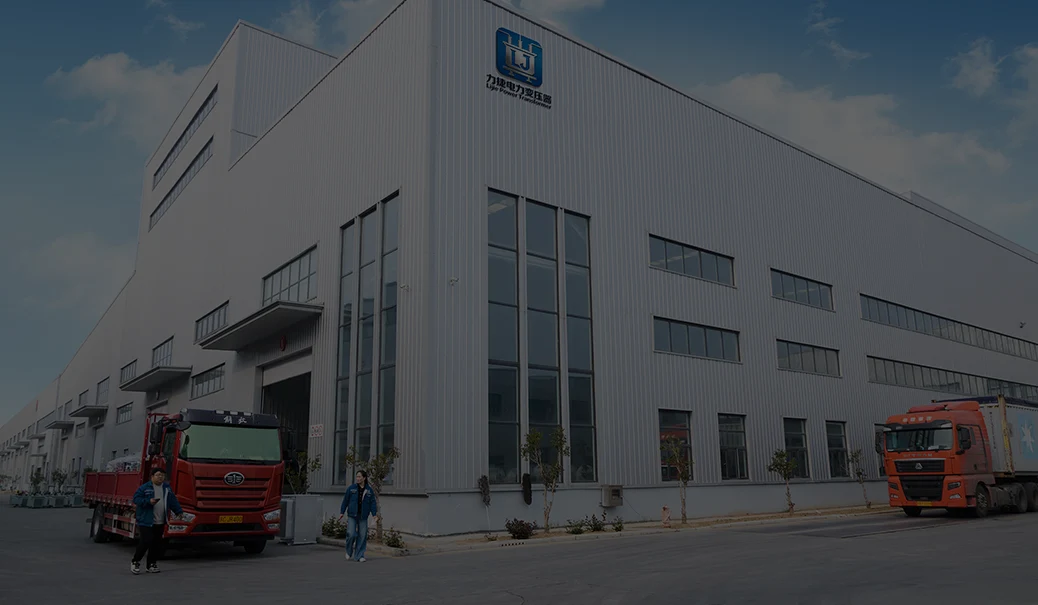
Lijie Electric Power Technology Group has been making transformers for more than 20 years and can help you with your power infrastructure projects. Our 500,000-square-meter factories in Xuzhou and Nantong have strict quality controls that are backed up by ISO 9001:2015, CE, UL, and IEC approvals. Our engineering teams have advanced degrees and can make more than 5 billion RMB a year. We offer reliable S11 type 35KV oil-immersed power transformer options and full expert support.
Our method of buying is easy to understand and includes clear pricing, reliable delivery times, and all the paperwork needed to meet foreign standards. We have a history of working with utilities, industrial makers, and EPC companies on six continents, so you can be sure that the supply chain will be stable whether you need single units or bulk supplies for big projects. Email our expert team at lijieelectrical@gmail.com to talk about your needs and get thorough quotes. As a well-known company that makes S11 type 35KV oil-immersed power transformers, we are ready to help you with your project from design advice all the way through completion and beyond, providing value through high-quality products and quick service.
1. International Electrotechnical Commission, "Power Transformers - Part 1: General Requirements," IEC Standard 60076-1, 2011 Edition.
2. Zhang, Weiming, and Li, Hongwei, "Energy Efficiency Analysis of Oil-Immersed Distribution Transformers in Chinese Power Networks," Journal of Electrical Engineering Research, Vol. 15, No. 3, 2019.
3. National Development and Reform Commission, "Minimum Allowable Values of Energy Efficiency and Energy Efficiency Grades for Three-Phase Distribution Transformers," GB 20052-2020 Standard, 2020.
4. Smith, Robert J., "Lifecycle Cost Optimization for Medium Voltage Transformer Procurement," IEEE Transactions on Power Delivery, Vol. 34, No. 2, April 2019.
5. Wilson, Andrew and Chen, Jianhua, "Comparative Reliability Assessment of Oil-Immersed versus Dry-Type Distribution Transformers," International Journal of Electrical Power Systems, Vol. 112, September 2020.
6. Transformer Maintenance Institute, "Best Practices for Dissolved Gas Analysis in Oil-Filled Electrical Equipment," Technical Guidebook Series, Third Edition, 2021.
YOU MAY LIKE
18%20type%20dry-type%20distribution%20transformer.webp)


10%20type%20epoxy%20resin%20cast%20transformer.webp)

14%20Epoxy%20Resin%20Dry%20Type%20Transformer.webp)


April 27, 2025
With a tight project schedule, the manufacturer delivered on time, and on-site technical personnel provided guidance throughout the entire installation and commissioning process; the collaboration was highly efficient and hassle-free.
July 2, 2025
During the preliminary phase, a selection plan was custom-tailored based on the actual site load requirements, resulting in a high degree of parameter compatibility. After-sales support responds within two hours, and ongoing technical support for operation and maintenance is comprehensive; we feel completely confident in a long-term partnership.
November 18, 2025
Deployed as a supporting component for a 35kV grid-connection project at a photovoltaic power station, the equipment operates for an average of 16 hours daily. It demonstrates excellent control over no-load losses, ensures smooth power generation and grid integration, and effectively reduces the station's overall energy consumption.
January 30, 2026
Under the continuous, high-load operating conditions of a factory production line, the equipment maintains stable electrical parameters and exhibits strong overload resistance, thereby guaranteeing an uninterrupted power supply for industrial production.
April 3, 2026
Integrated as a supporting component for a new energy photovoltaic grid-connection system, the manufacturer provided professional technical coordination and timely after-sales support, ensuring seamless adaptation to the specific electrical operating conditions required for grid integration.