April 27, 2025
With a tight project schedule, the manufacturer delivered on time, and on-site technical personnel provided guidance throughout the entire installation and commissioning process; the collaboration was highly efficient and hassle-free.
Jun 15, 2026
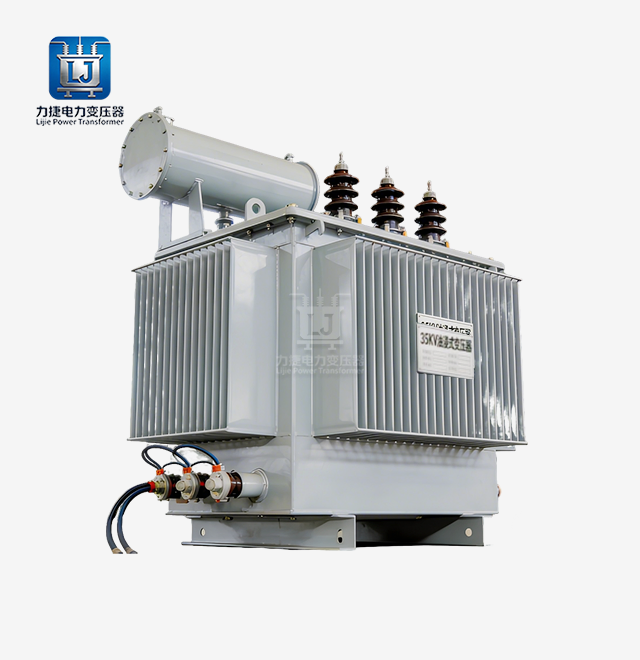
Power companies and industrial sites can see clear operating benefits from the S11 type 35KV oil-immersed power transformer. GB 20052-2020 Level III energy efficiency standards are met by this equipment, which has 25–30% lower no-load losses than the earlier S9 generation. The tightly sealed oil tank keeps out airborne contaminants, which extends the equipment's useful life to 30 years or more under normal load circumstances. Precision-laminated silicon steel cores keep working noise below 60dB, which is good for sites in cities that need to meet environmental standards. In North America, these transformers provide stable medium-voltage power distribution to utility grids, industrial parks, and projects that integrate green energy. They don't need much upkeep.
Power distribution infrastructure needs equipment that is both expensive up front and effective for decades. The S11 type 35KV oil-immersed power transformer solves this problem with tried-and-true technology that lowers the total cost of ownership while keeping the grid stable. When purchasing managers look at medium-voltage solutions, they are always under pressure to meet stricter efficiency rules, make sure that the solutions work reliably at scale, and keep costs down over the course of their life. This piece looks at why S11 type 35KV oil-immersed power transformers are now standard tools for heavy industry, utilities, and people who are developing green energy. We'll talk about the technical details, business perks, and buying factors that have a direct effect on the time and cost of your project.
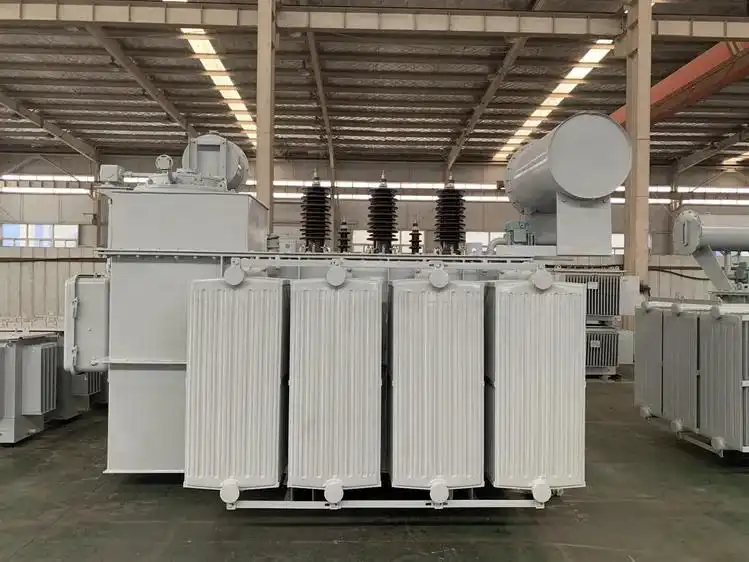
The S11 name is the eleventh version of the Chinese oil-immersed transformer standards. It takes into account 40 years of field performance data and improvements in manufacturing. These units work at a main voltage of 35kV and have capacity values that range from 630kVA to 31,500kVA, making them suitable for use in distribution and light industrial transmission. Tap ranges of ±5% and ±2×2.5% let you change the voltage without stopping the load. This is useful for dealing with grid fluctuations that happen in country networks and industrial facilities. Single-phase and three-phase setups can be used to meet a variety of installation needs, and frequency compatibility between 50Hz and 60Hz makes global application possible.
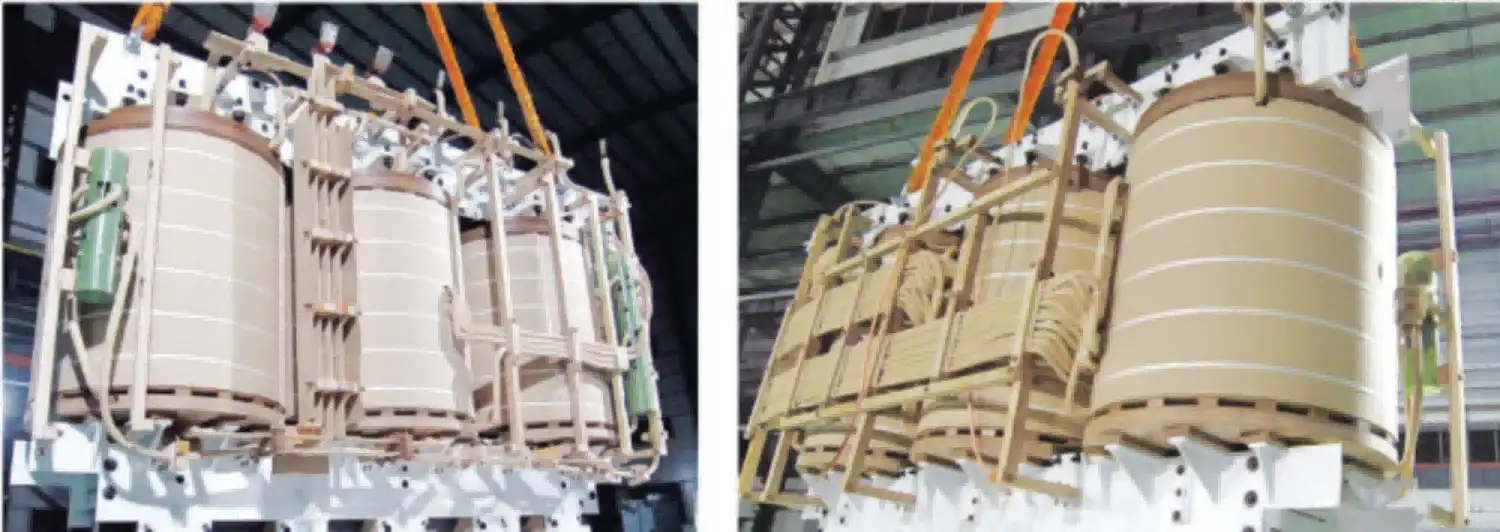
High-permeability cold-rolled silicon steel is used to make the magnetic core. It is stacked using full-angle joints and stepped lap methods, which lowers the loss of eddy current. Precision die-cutting is used in the production process to keep shear burrs below 0.02 mm. This gets rid of stress clusters that speed up core degradation. This seemingly small element has a direct effect on no-load losses, which are the costs of using power when it's not being used. These costs add up over a 25-year service life. When you use double-H adhesive bonding, you get a unified three-column, two-joint unit that stays physically stable even when the temperature changes and the truck moves.
Copper wires that don't contain oxygen reduce resistive losses and provide the mechanical strength needed to survive short-circuit forces greater than 20 times the maximum current. Rounded pad corners and support bars spread the electric field evenly, which stops corona discharge that damages insulation systems. Transformers with a rating of more than 12,500kVA have built-in support plates that pressurize both the inner and outer coils at the same time. This keeps the axial height constant and stops the windings from moving when there is a problem. Different uses may need different grounding methods and harmonic mitigation techniques, which is why connection group designations Yyn0 or Dyn11 are used.
The natural movement of oil effectively gets rid of heat without the need for extra tools. The hot oil rises through winding passageways, passes heat to the rough tank walls, and then falls back to the bottom of the tank, cooler. This ONAN (Oil Natural Air Natural) cooling method works quietly and doesn't need any outside power, so it can be used in remote areas. The completely covered tank keeps the dielectric oil from coming into contact with oxygen and moisture in the air. This keeps acid from forming, which would damage the insulation. Capsule-type oil coolers can handle changes in temperature while keeping the protective gas blankets in place.
The engineering changes built into S11 type 35KV oil-immersed power transformers lead to measurable efficiency gains that lead directly to cost savings and higher dependability. When buying, teams know about these benefits, and they can compare deals based on lifecycle value instead of just the purchase price.
Because the core materials and building methods for S11 type 35KV oil-immersed power transformers are better than those for S9, their no-load losses are 30% lower. When charged $0.10/kWh, a 1,000kVA machine that uses 1.2kW when not in use costs about $1,050 a year. This amount adds up over decades of continued use. Because the improved winding design reduces copper losses, working temperatures drop even more. This makes the insulation last longer. These improvements in efficiency help businesses' efforts to be more environmentally friendly and lower demand charges in places where energy is priced by the kilowatt-hour.
Transformer oil breaks down in the air by oxidizing and absorbing water, which makes acids that damage cellulose insulation. Because sealed tanks don't have this way for oil to break down, the time between service checks can be extended from 5 years to 10 to 12 years. Pointer-type oil level signs get rid of false readings that are caused by changes in temperature, and gas relay systems with collection tanks let you do diagnostic sampling without having to shut down the system. These features lower the cost of care work and make assets more available in places that are hard to get to or far away.
The rigid six-point fixing system keeps the transformer core assembly firmly in place inside the tank. This keeps it from moving while it's being moved by truck or installed. Units that have been transported with impacts below certain levels can be tested directly on-site, without having to be inspected inside. This saves money because core lifting processes don't need expensive tools or trained workers. This design thought is useful for building infrastructure in developing areas where there isn't a lot of expert help available. The construction of the corrugated tank is naturally strong and also lowers noise from operations by dampening sound waves.
Noise levels below 60dB at rated load are achieved by corrugated tank walls, which scatter sound waves instead of reflecting them in a coherent way. This is about the same volume as a regular discussion. This sound performance meets safety standards for the workplace and city zoning rules without the need for extra soundproofing. The lower amount is due to the shape of the tank and the precise methods used to put the cores together, which reduce magnetostriction, which is the physical shaking of silicon steel caused by alternating magnetic flux. This natural noise control is helpful for projects that are near living areas or sensitive sites.
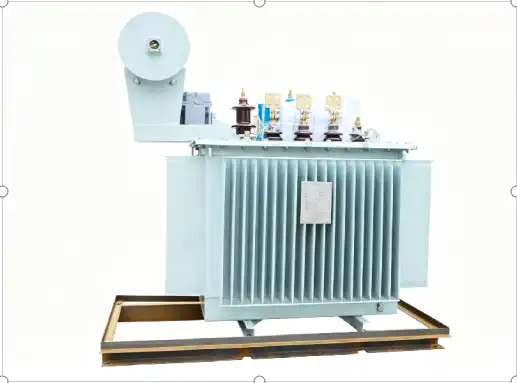
Mineral oil can cause fires, but dry-type transformers don't have that problem. This means they can be used indoors in occupied buildings. But this safety benefit comes with higher prices at first, more losses, and a lower ability to handle overloads. Most of the time, S11 type 35KV oil-immersed power transformers cost 40–50% less than similar dry-type rates and use 15-20% less energy. Because oil has a higher heating value, it can be temporarily overloaded during times of high demand without speeding up the aging process. In the US, environmental laws allow installing oil-immersed transformers outside as long as the right control systems are used. This makes them useful for utility substations and industrial switchyards.
For values above 2,500kVA, air-cooled transformers need to be ventilated by fans, which uses extra power and creates mechanical failure points. In S11 type 35KV oil-immersed power transformers, the passive oil circulation technology works forever without any upkeep being done. Because oil has an insulating strength about three times that of air, it makes it possible to make shapes that are smaller, which saves money on materials and shipping. Fans don't make noise when natural convection cooling is used, which is important for sites near homes or places with strict noise laws.
When making a purchase choice, technical specs must be taken into account, along with the ability to manufacture and the infrastructure for after-sales support. Certification in ISO 9001:2015 means that quality management systems are well-established, and compliance with IEC 60076 means that international design standards are met. UL and CE approvals show that safety performance has been checked by a third party for the North American and European markets. It is important to look closely at a supplier's production capacity. Manufacturers whose yearly output is less than 500 units may not have the economies of scale they need to offer reasonable prices on big projects. Established warranty terms that cover flaws and failures in the field protect your money against tools breaking down too soon.
Lifecycle management keeps transformers working well and stops them from going out without warning, which can stop a facility from running. Capital investments are kept safe by an organized repair program that follows the manufacturer's instructions and industry standards.
Visual checks are done every three months to make sure the oil level stays stable, the bushings are clean, and there are no exterior leaks. Every year, oil samples are taken to check the dielectric strength, moisture content, and dissolved gas amounts, all of which are important signs of how badly the oil is breaking down inside. Before a catastrophic failure happens, thermographic scans find hotspots that show winding flaws or bad connections. Taking these precautions will save you a lot of money compared to fixing or replacing broken tools right away. Recording inspection data sets up performance trends that help with deciding when to remove equipment.
The S11 type 35KV oil-immersed power transformer is evaluated using megohm meters to test insulation resistance, which checks the dielectric stability of the windings to ground and between the windings. Dissolved gas analysis finds early problems by looking for specific hydrocarbon fingerprints. For example, a high ethylene content means the system is overheating, and a high acetylene content means the system is arcing. Power factor testing tracks the losses in an insulation system, which get worse as the cellulose breaks down. These monitoring methods allow condition-based maintenance strategies that choose the best number of inspections based on how healthy the equipment really is, instead of picking random times.
Most oil leaks happen at the points where two gaskets meet, where seals are broken by incorrect pressure or gasket material degradation. When compared to older designs, S11 type 35KV oil-immersed power transformers have a much lower rate of leaks because they use specialized seal processing and surface preparation. When pressure suddenly rises, gas switches are often set off. This is usually a sign of internal arcing or winding insulation failure, which needs to be stopped right away and diagnosed by a professional. Gradual loss of load capacity could mean that the windings are breaking down or that the cooling system is clogged. This can be fixed by reusing the oil or cleaning the inside of the machine during planned breaks.
Load profile analysis figures out the needed capacity rating, leaving enough room for future growth and emergency operations. When utilities plan their infrastructure for the next 20 years, they usually set the transformers to 80% of their highest expected load so that they can grow without having to be replaced too soon. Units rated at 120% of steady-state needs can handle startup surges without the overload safety going off, which is helpful for industrial sites with loads that change a lot. Altitude, differences in ambient temperature, and earthquakes are some of the environmental factors that mean specifications need to be changed. Manufacturers can make these changes through custom design tweaks.
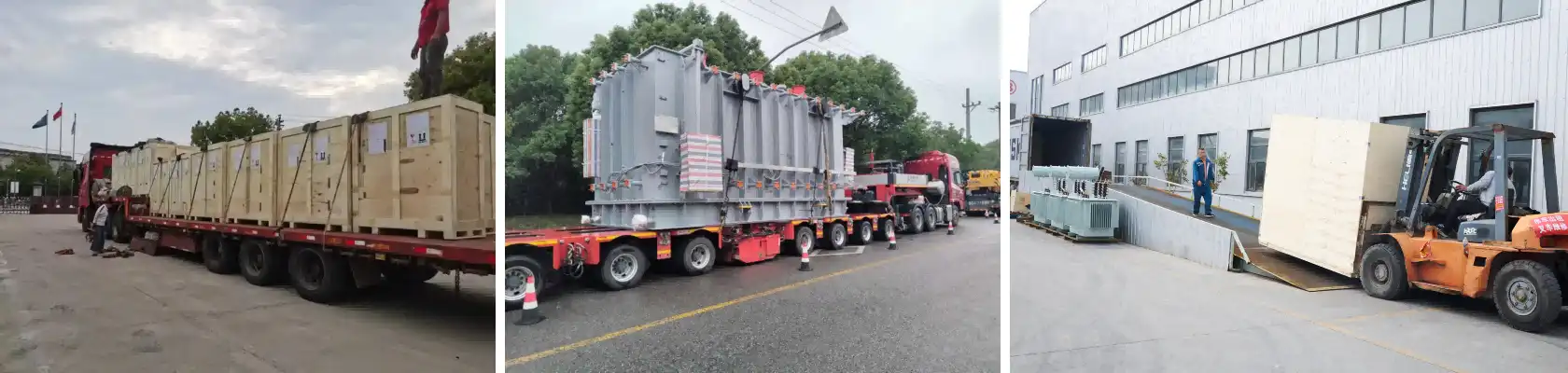
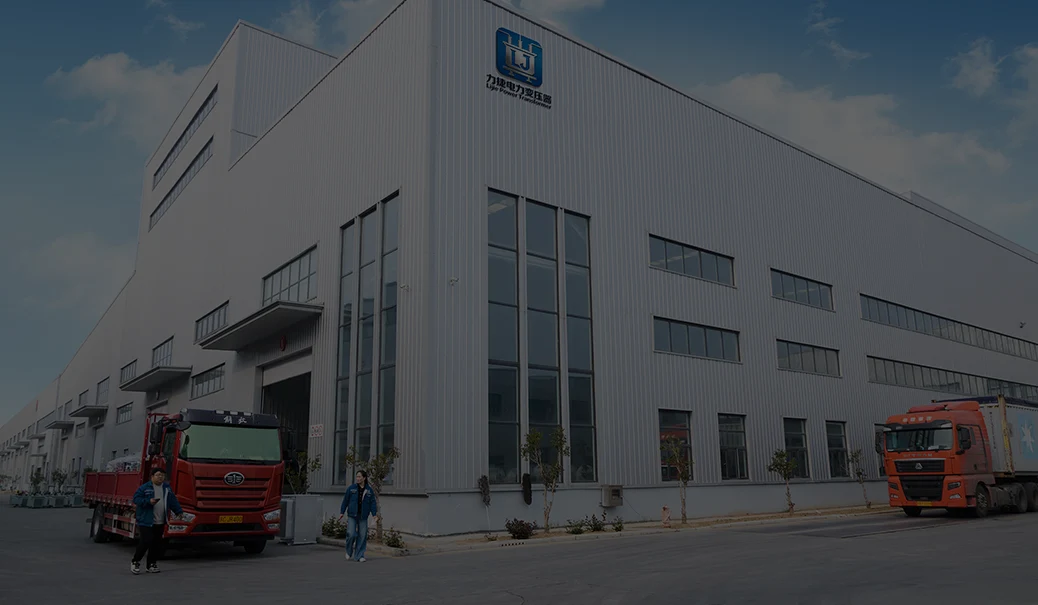
Manufacturing companies that have passed national laboratory tests show that they have good engineering skills and quality control systems. The National Transformer Quality Supervision and Inspection Center puts Lijie Electric's goods through a lot of tests to make sure they live up to their performance promises. With a production capacity of more than 2,000 units per year and a specialized engineering team, technical help is available for the entire life of the equipment. References from similar projects in your industry can tell you a lot about how well someone delivers and how quickly they are after the sale that paper qualifications can't.
When you buy in bulk, you can negotiate prices that lower the cost per unit by 10 to 15 percent compared to when you only buy one. Framework deals that cover more than one part of a project make sure that prices are stable and that manufacturing slots are available during times of high demand. The delivery terms should include information about how to package the goods for long-distance shipping, how to test them for quality, and when fitting help is available. Clear warranty terms that cover both production flaws and breakdowns in the field protect against unexpected repair costs during the early service period, which is very important.
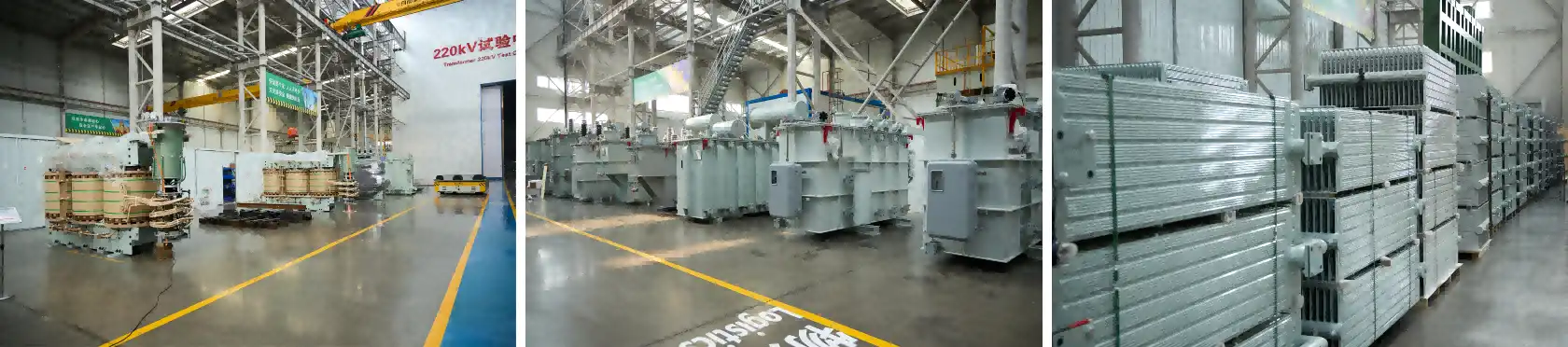
S11 type 35KV oil-immersed power transformers are well-established technologies that work reliably in utility networks, factories, and green energy systems. The mix of lower losses, longer repair intervals, and strong building meets the buying objectives of total cost management, efficiency, and dependability. A successful project depends on choosing the right suppliers based on their ability to manufacture, their ability to meet approval requirements, and their service infrastructure. Following established guidelines for regular repair keeps operational performance high for the many decades that these assets are usually used.
When used in utility uses, S11 type 35KV oil-immersed power transformers that are well taken care of usually last between 30 and 35 years. 25 to 30 years is a typical lifespan for industrial setups with higher load factors or harsh weather conditions. Regular oil checks and quick fixes for small problems stop things from aging faster. Load history has a big effect on longevity; units that are always run below 80% of their rated capacity have longer service lives than units that are always pushed to full capacity.
The energy economy of oil-immersed units is better; they cost less to buy, and they can handle overloading better. For indoor installs, dry-type transformers are better for fire safety and don't cause environmental problems like oil storage does. For cost reasons, oil-immersed technology is usually preferred in utilities and outdoor industry settings. However, fire rules often require dry-type designs for installations inside buildings.
For S11 type 35KV oil-immersed power transformers that are in normal service, the minimum amount of upkeep that needs to be done is an annual oil sample. Visual inspections every three months check the outside state and find problems early on. Every 5 to 7 years or after big system changes, full testing is done, which includes measuring insulation resistance and power factor. Critical setups may have more frequent tracking based on how important the load is and how much backup space is available.
ISO 9001:2015, IEC, UL, and CE standards back up the high-quality S11 type 35KV oil-immersed power transformers that Lijie Electric Power Technology Group makes. With production sites that cover 500,000 square meters and more than 160 engineers, we make sure that the equipment we sell meets the strictest utility and industry standards. We are a well-known S11 type 35KV oil-immersed power transformer supplier that has completed projects in North America, Southeast Asia, and Africa. We know the difficulties that EPC contractors and site managers face when they need to buy things. Email our team at lijieelectrical@gmail.com to get full technical specs, competitive project quotes, and delivery schedules. Find out how our unique transformer solutions and full guarantee support can help protect the investments you've made in your infrastructure. You can look at all of our products at lijie-electrical.com.
1. IEEE Standard C57.12.00-2015: IEEE Standard for General Requirements for Liquid-Immersed Distribution, Power, and Regulating Transformers.
2. International Electrotechnical Commission. IEC 60076-1:2011: Power Transformers - Part 1: General.
3. National Institute of Standards and Technology. Energy Efficiency Standards for Distribution Transformers: Technical Support Document. U.S. Department of Energy, 2016.
4. Zhang, L., and Wang, Y. Comparative Analysis of Energy Losses in S9 and S11 Series Oil-Immersed Distribution Transformers. Journal of Electrical Engineering Technology, 2019.
5. American National Standards Institute. ANSI C57.12.20-2011: Overhead-Type Distribution Transformers, 500 kVA and Smaller.
6. Heathcote, M.J. The J&P Transformer Book: A Practical Technology of the Power Transformer. 13th Edition, Newnes Publishing, 2007.
YOU MAY LIKE
12%20Series%20Dry%20Type%20Transformer.webp)

11%20type%2035kV%20distribution%20transfo_1778137470754.webp)

April 27, 2025
With a tight project schedule, the manufacturer delivered on time, and on-site technical personnel provided guidance throughout the entire installation and commissioning process; the collaboration was highly efficient and hassle-free.
July 2, 2025
During the preliminary phase, a selection plan was custom-tailored based on the actual site load requirements, resulting in a high degree of parameter compatibility. After-sales support responds within two hours, and ongoing technical support for operation and maintenance is comprehensive; we feel completely confident in a long-term partnership.
November 18, 2025
Deployed as a supporting component for a 35kV grid-connection project at a photovoltaic power station, the equipment operates for an average of 16 hours daily. It demonstrates excellent control over no-load losses, ensures smooth power generation and grid integration, and effectively reduces the station's overall energy consumption.
January 30, 2026
Under the continuous, high-load operating conditions of a factory production line, the equipment maintains stable electrical parameters and exhibits strong overload resistance, thereby guaranteeing an uninterrupted power supply for industrial production.
April 3, 2026
Integrated as a supporting component for a new energy photovoltaic grid-connection system, the manufacturer provided professional technical coordination and timely after-sales support, ensuring seamless adaptation to the specific electrical operating conditions required for grid integration.