April 27, 2025
With a tight project schedule, the manufacturer delivered on time, and on-site technical personnel provided guidance throughout the entire installation and commissioning process; the collaboration was highly efficient and hassle-free.
Jun 15, 2026
Its innovative core material makes the S(B)H15 Series Oil-immersed Amorphous Alloy Transformer very good at lowering energy loss. The amorphous alloy has an asymmetrical collection of atoms that reduces hysteresis and eddy current losses by about 70–80% compared to standard silicon steel cores with crystalline structures. When you combine this core technology with improved oil-immersed cooling and sealed structure, you get very low no-load losses while keeping the temperature very stable. The result is a transformer that works well even when it's not being used for a long time. This makes it perfect for power companies, green energy projects, and factories that want to cut their costs and carbon footprints in a meaningful way.
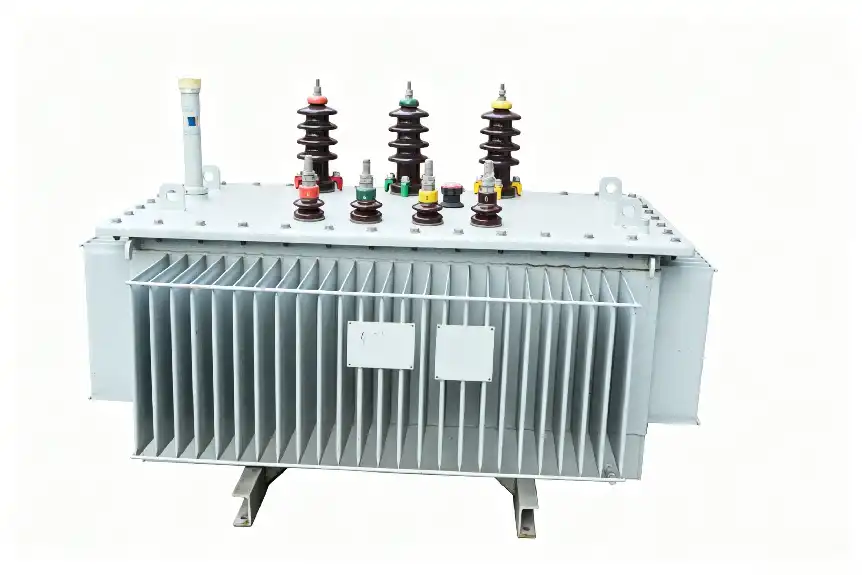
Transformers have successfully powered our power lines for decades, but electrical engineers and procurement managers are still having trouble with how inefficient they are. Many ways exist for energy to be lost in traditional transformer designs. These losses add up to big running costs over the course of 20 to 30 years.
In regular transformers, silicon steel cores cause two different kinds of losses. When magnetic regions inside the solid structure don't move when the alternating current cycles, this is called hysteresis loss. Eddy current loss is caused by currents that flow through the electrical core material. No matter what the load is, these electromagnetic events always turn electrical energy into waste heat. Though silicon steel's crystalline chemical structure is stable and reliable, it naturally limits how well it can be magnetized and demagnetized. Grid managers who are in charge of thousands of distribution transformers find that these "no-load" losses use a lot of energy even when customers aren't using much. This is a big problem in rural areas and during off-peak hours.
Copper losses in generator windings go up as the load on them goes up. Heat production speeds up as current passes through circuit resistance. Traditional transformer designs often have trouble controlling heat, especially when the outdoor temperature is high or when there is a steady overload. When working temperatures are high, insulation systems break down more quickly, which means they need to be maintained more often. Quality management teams that keep an eye on transformer lines know that when temperatures rise, there are more problems with reliability and sudden breakdowns.
Acoustic noise and vibration are two more ways that energy can be lost. Core laminations physically grow and shrink because of magnetostriction. This makes a hum that can be heard and mechanical stress. These losses may not seem like much when compared to electromagnetic inefficiencies, but they add up to make the system less efficient as a whole and can make it hard to comply with rules in noise-sensitive sites near hospitals or homes.
Modern power distribution needs solutions that are both reliable and environmentally friendly. This is especially true now that carbon reduction and green energy requirements are changing the way things are bought. The S(B)H15 Series Oil-immersed Amorphous Alloy Transformer line solves these problems by creating new materials in a basic way instead of making small changes to the design.
Amorphous metal is a big step forward in the study of magnetic materials. The ribbon material has an atomic structure that is not crystalline. It is made using fast solidification methods that freeze molten metal at cooling rates of more than one million degrees per second. This jumbled collection of iron, silicon, and boron atoms gets rid of the grain boundaries that are in silicon steel. The magnetic regions in amorphous metal can change directions with a lot less energy, which immediately leads to a lot less core loss. The name S(B)H15 means a three-phase configuration that uses this advanced core material. Its performance meets Level 1 energy saving standards under GB 20052 and goes beyond IEC 60076 requirements.
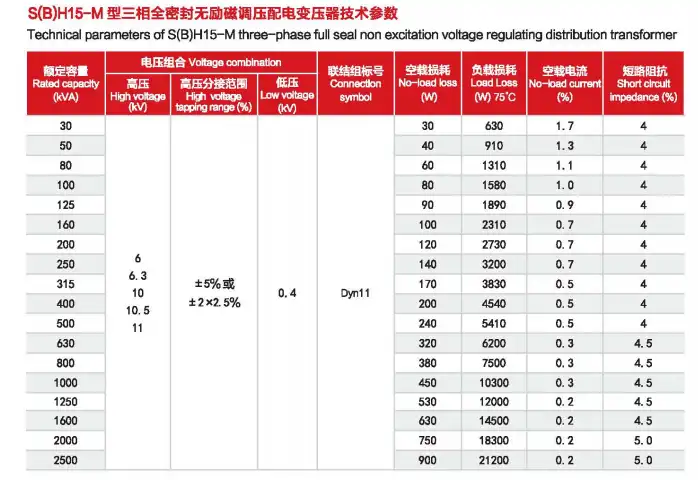
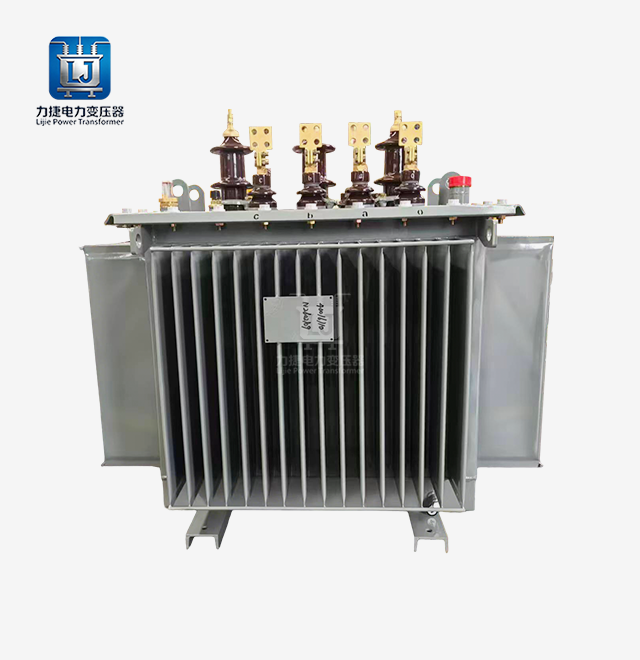
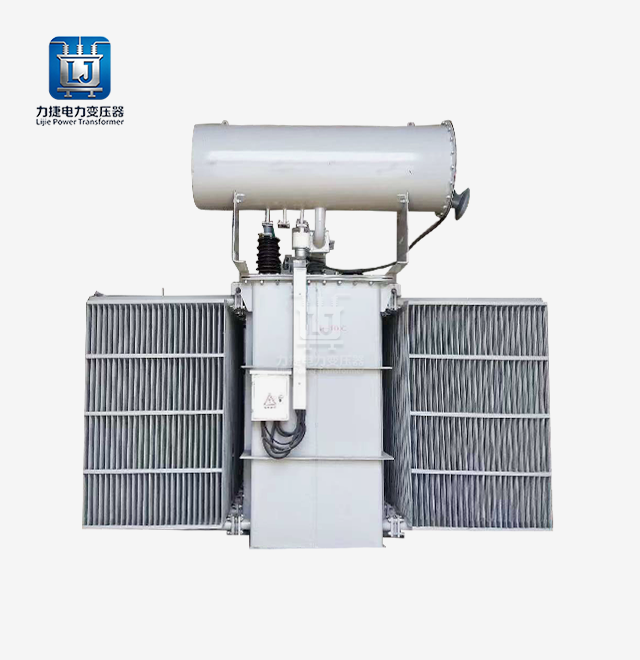
In addition to soundproofing, the fully sealed oil-immersed design has other benefits. Mineral oil moves around naturally through convection, moving heat from the core and windings to the curved tank walls, where it is released into the air. This passive cooling system doesn't need any outside fans or pumps, so there are no places where the system could break down. The airtight seal stops moisture and rust from getting in, so the transformer's dielectric strength stays the same over its entire life. With voltage levels of 6kV and 12kV and capacity ranges from 30kVA to 2500kVA, these transformers can be used for a wide range of distribution tasks, from powering single business buildings to feeding an entire industrial park.
The S(B)H15 Series Oil-immersed Amorphous Alloy Transformers that Lijie Electric makes are fully certified by CE and UL, which means they are compatible with both North American electrical rules and foreign project requirements. The Dyn11 link group name gives standard vector relationships for three-phase systems. Tap values of ±5% or ±2×2.5% can be changed to change the voltage without turning off the power. Impedance voltage levels can be found in standard lists, or they can be changed to meet the needs of fault current coordination. These certificates are very important for EPC contractors who are in charge of handling multi-national infrastructure projects where regulatory compliance paperwork impacts deadlines and contractual responsibilities.
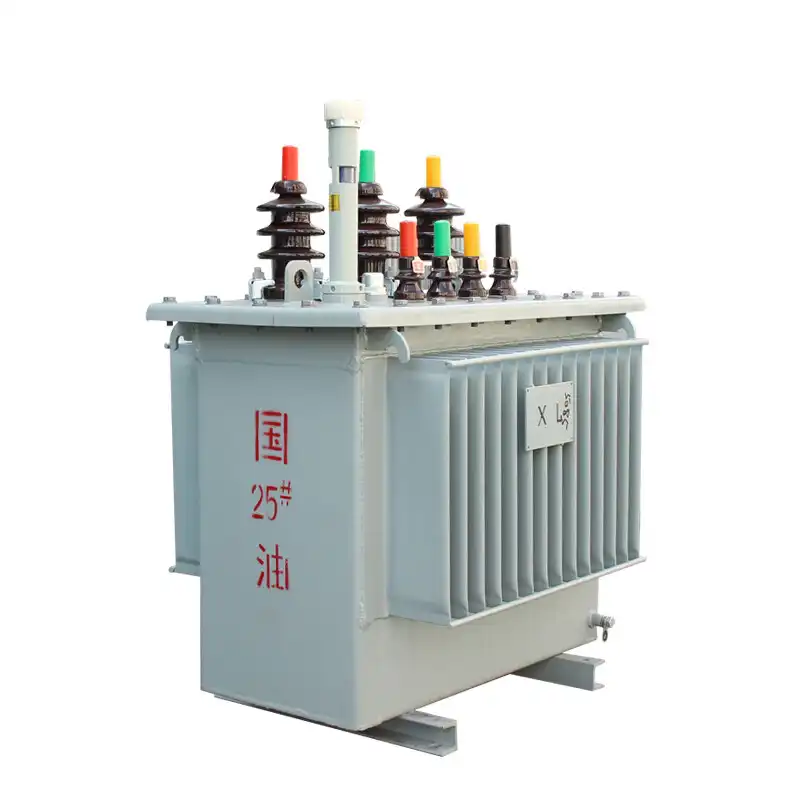
It's easier for buying teams to explain the investment and set realistic performance goals when they know exactly how amorphous alloy technology achieves its amazing efficiency gains.
It takes a lot less energy to magnetize amorphous metal than it does to magnetize silicon steel, which has a columnar grain structure. Magnetic domains turn to line up with the alternating field during each AC cycle. In solid materials, domain walls have to get past problems at the grain boundaries, which releases energy as heat. These problems are pretty much gone with amorphous alloy. Lab tests show that good amorphous ribbon has core loss densities lower than 0.3 watts per kilogram at normal working flux densities. This is in contrast to standard grain-oriented silicon steel, which has core loss densities of 1.0 to 1.3 watts per kilogram. If you think about a 1000kVA generator that runs nonstop for a year, this difference saves about 6,000 to 8,000 kWh of energy each year.
Eddy current paths are greatly limited by the thin ribbon shape of amorphous cores, which are only 20 to 30 micrometers thick compared to silicon steel laminations that are 0.2 to 0.35 mm thick. These moving currents can only move through areas with less conductivity, which naturally limits how big they can get. The amorphous metal composition's higher electrical resistivity makes swirl formation even less likely. These factors work together to cut down on eddy current losses to almost nothing, even at higher working frequencies. This means that S(B)H15 Series Oil-immersed Amorphous Alloy Transformers can be used in both 50Hz and 60Hz grid use without losing any performance.
The oil-immersed self-cooling system keeps the working temperature low all the time. The measured temperature rise above air stays well below the 65°C maximum that is usually set by standards for distribution transformers. Under-rated load, it often reaches 45–50°C. Copper resistance goes down straight when the windings are cooler, which lowers I²R losses when the circuit is loaded. Because of this heat benefit, insulation systems last longer because kraft paper and oil age much more slowly when the temperature drops. Reliability engineers like this because it means longer periods of time between repair needs and later costs for replacing things that have reached the end of their useful life.
Because they are magnetic, amorphous metal cores have higher magnetostriction than silicon steel. However, the S(B)H15 Series Oil-immersed Amorphous Alloy Transformer is made using modern methods that include special clamping structures and damping materials that stop mechanical shocks before they reach the tank structure. Acoustic tests usually show sound pressure levels below 50 dB at a distance of one meter. This is about the same level of quietness as an office and well within the acceptable range for installations in private areas. This low noise profile also shows that there isn't much energy loss through mechanical paths. This proves that electrical energy stays in the electromagnetic domain and doesn't change into unwanted vibration.
Specifications for energy economy don't mean much unless they lead to real, practical, and financial benefits. When purchasing managers look at buying transformers, they need to know how changes in core technology affect their bottom line and long-term goals.
A normal 1000kVA S(B)H15 Series Oil-immersed Amorphous Alloy Transformer needs about 1,200 watts of power when it's not loaded, while a similar S11 series silicon steel unit needs 4,500 to 5,500 watts. Assuming constant use at $0.10/kWh energy rates, each transformer would save more than $3,700 a year. For companies that are in charge of hundreds or thousands of distribution transformers, this means that they don't have to buy as much energy, which saves them millions of dollars. The perks are the same for industrial sites with more than one substation. The low no-load loss feature is especially useful in situations where the load changes, like in business buildings where usage drops a lot at night and on the weekends, but transformers stay on to keep backup services running.
Amorphous metal transformers cost about 15–30% more than regular silicon steel units, but they pay for themselves in energy savings in 3–6 years, based on how much electricity costs in your area and how you use your electricity. Over the course of 25 years, the total amount of energy saved is much higher than the difference in cost at the start. When negotiating long-term framework deals, supply chain managers shouldn't just look at the buy price; they should also look at lifecycle costing methods. When you buy in bulk for big building projects, you can often get better prices that make your ROI numbers even better.
The fully sealed design means that the oil doesn't need to be sampled, filtered, and refilled as often as it is needed in breathing-type transformers. Less frequent inspections and fewer extra parts needed mean that quality assurance teams can do their jobs better. Through improved coil tension and clamping, the strong design can withstand short-circuit mechanical forces, meeting fault current withstand standards without damage. This means that the system is more available, which is very important for industrial processes where unplanned breaks can hurt production very badly. Equipment that works consistently in difficult conditions with little maintenance is highly valued in mining activities, steel mills, and chemical plants.
More and more, corporate environmental efforts affect what companies buy. If you use an S(B)H15 Series Oil-immersed Amorphous Alloy Transformer instead of a regular one, it stops about 3–4 metric tons of CO2 from being released each year, given that the fuel mixes used for grid production are normal. Developers of renewable energy sources that want to combine wind farms and solar farms need transformers that support their low-carbon goals. The S(B)H15 Series Oil-immersed Amorphous Alloy Transformer line helps utilities meet renewable portfolio standards and meets LEED certification rules for green building projects. Environmental compliance officers like to see proof that certain equipment choices led to measured drops in emissions.
Informed buying means knowing not only how well something works, but also how well it works compared to other options that are already on the market. Direct comparisons that meet the rating standards of electrical engineers and project managers are helpful.
Testing two things next to each other in the same settings shows how much better amorphous metal technology is. The no-load loss of an S11-M-1000/10 silicon steel transformer is usually 2,400W, while the no-load loss of an identical SBH15-1000/10 is about 480W, which is 80% less. Both methods use copper or aluminum windings, which have similar resistance properties, so load losses are about the same. Because S(B)H15 Series Oil-immersed Amorphous Alloy Transformer units have a huge advantage over other units when there is no load loss, they have cheaper total running costs even when the load factor is low. Amorphous alloys are most efficient when they are used at 20 to 40 percent of their maximum capacity, which is exactly what happens when grid transformers serve household areas.
Buying teams that are watching their budgets may be hesitant to make a purchase because of the higher initial cost without first doing a full lifecycle analysis. A full review must take into account the cost of buying the equipment, the cost of installing it, how much energy it uses over its lifetime, the cost of repairs, and the costs of getting rid of or reusing it. When looking at reasonable 20–30 year time frames, financial models always show that S(B)H15 Series Oil-immersed Amorphous Alloy Transformers have higher net present value. Even if you think that power prices will go up very slowly, sensitivity analysis shows that the efficiency benefit is greater than the starting premium. Teams in charge of buying things should ask suppliers for full lifetime cost comparisons, which should include assumptions about load profiles, power rates, and discount rates for financial modeling.
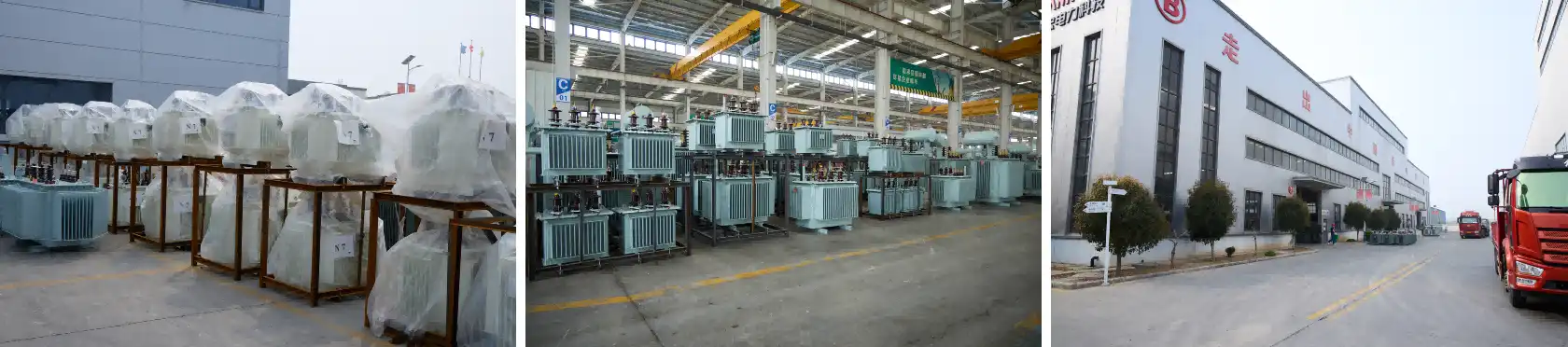
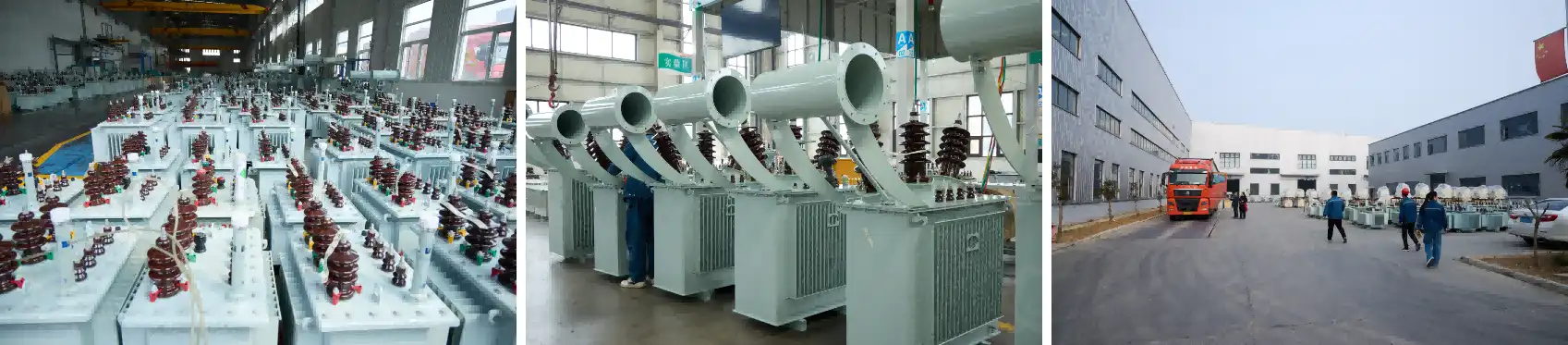
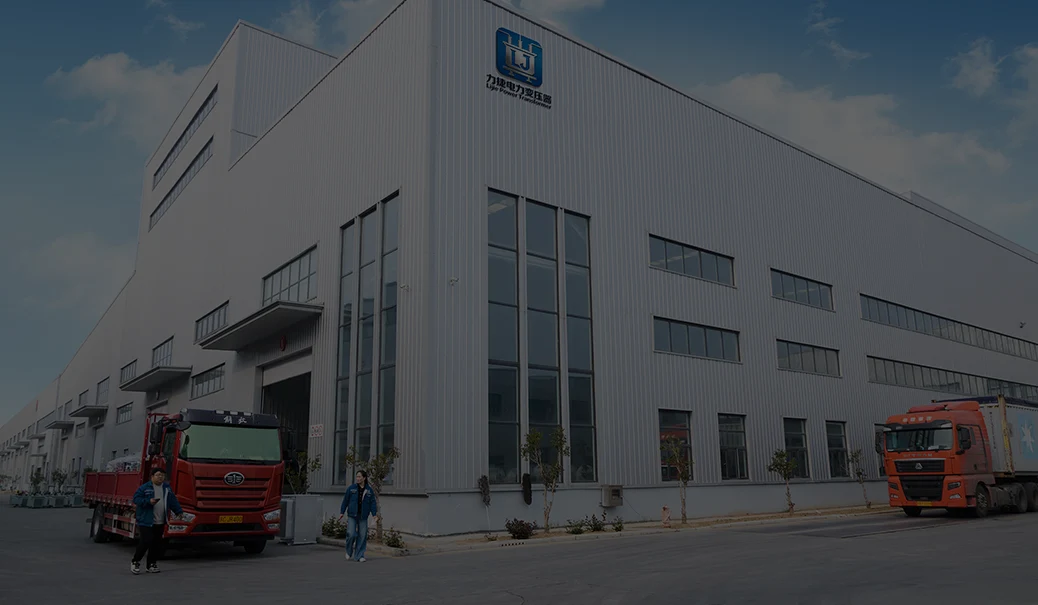
For large-scale infrastructure rollout, suppliers need to be able to do more than just meet product requirements. Lijie Electric has two factories that together cover 500,000 square meters. These factories can make enough products to meet the needs of both Chinese consumers and customers from other countries. Over 160 people on our engineering team have advanced degrees and can give expert advice for custom projects. Standard lead times for catalog rates are between 6 and 10 weeks, but faster production is possible for projects that need to be done quickly. Routine dielectric tests, induced voltage tests, temperature rise verification, and shock withstand approval are all part of full factory testing. All packages come with test reports, which are good paperwork for starting up the project. Standard guarantee coverage lasts for 24 months from the date of approval or 30 months from the date of shipment, whichever comes first. There are options for longer service agreements.
One of the best and most cost-effective ways to cut down on grid losses and operating costs in modern power distribution systems is to make transformers more efficient. The S(B)H15 Series Oil-immersed Amorphous Alloy Transformer uses tried-and-true technology to cut down on no-load losses by using fundamentally new materials instead of small changes to the design. The lifetime economics clearly favor the use of amorphous alloys for procurement managers who have to balance capital budgets with routine efficiency goals. Electrical engineers get reliable tools that meet strict international standards and help companies meet their environmental goals. As the world's need for energy keeps growing and rules to cut carbon emissions get stricter, selecting high-efficiency distribution transformers goes from being a nice-to-have to an important part of the buying process. The mature technology, large-scale production, and field performance data that are now available get rid of the doubts that may have slowed down choices to adopt.
The S(B)H15 Series Oil-immersed Amorphous Alloy Transformer ribbon core has an atomic structure that isn't organized well, so it can become magnetized and demagnetized with little energy loss. This makes it 70–80% more efficient than silicon steel designs at no load. This edge in efficiency lasts forever, saving money even when there isn't much demand, which is when regular transformers lose energy.
The design life span is more than 25 years if the S(B)H15 Series Oil-immersed Amorphous Alloy Transformer is installed correctly and used within the stated limits. The sealed oil-immersed design keeps outside contaminants from getting into the internal parts, and lower working temperatures slow the aging of the insulation. Field placements show that they work reliably in tough situations like coastal humidity, extreme temperature changes, and pollution from factories.
Lijie Electric has a lot of technical help tools and engineering experts that can be consulted regarding the S(B)H15 Series Oil-immersed Amorphous Alloy Transformer. Industry-standard specs make it possible for foreign supply chains to work with standard substitute parts like bushings, tap changers, and tools. Our distribution network spans several countries, and we have service partners in each area to help with repair needs.
When investing in electrical infrastructure, you need partners who can provide both new technologies and reliable manufacturing. Lijie Electric has been making transformers for more than 20 years and has modern factories that are approved to ISO 9001:2015, IEC, CE, and UL standards. We can supply S(B)H15 Series Oil-immersed Amorphous Alloy Transformers for jobs ranging from installing a single unit to setting up long-term contracts for utilities and industrial buildings. There are engineering teams ready to help with choosing the right voltage class, figuring out the resistance requirements, and meeting the unique needs for tough applications. Ask for full technical datasheets, certified test results, and lifecycle cost analysis models that are made to fit the needs of your business. Visit lijie-electrical.com or email our foreign sales team at lijieelectrical@gmail.com to talk about how our amorphous alloy transformer options can help you meet your sustainability goals and cut down on your energy costs. For qualified jobs, volume procurement price is available, and shipping services support installation plans around the world.
1. IEEE Standard C57.12.00-2015, "IEEE Standard for General Requirements for Liquid-Immersed Distribution, Power, and Regulating Transformers," Institute of Electrical and Electronics Engineers, New York, 2015.
2. International Electrotechnical Commission, "IEC 60076-1:2011 Power Transformers - Part 1: General," Geneva, Switzerland, 2011.
3. National Electric Manufacturers Association, "NEMA TP 1-2002: Guide for Determining Energy Efficiency for Distribution Transformers," Rosslyn, Virginia, 2002.
4. Fish, G.E., "Soft Magnetic Materials for Power Applications," Proceedings of the IEEE, Vol. 78, No. 6, pp. 947-972, June 1990.
5. Hasegawa, R., "Applications of Amorphous Magnetic Alloys in Electronic Devices," Journal of Non-Crystalline Solids, Vol. 287, Issues 1-3, pp. 405-412, 2001.
6. Barnes, P.R., et al., "The Feasibility of Replacing or Upgrading Utility Distribution Transformers During Routine Maintenance," Oak Ridge National Laboratory Technical Report ORNL-6804, Oak Ridge, Tennessee, 1994.
YOU MAY LIKE




12%20type%20epoxy%20resin%20cast%20transformer.webp)

April 27, 2025
With a tight project schedule, the manufacturer delivered on time, and on-site technical personnel provided guidance throughout the entire installation and commissioning process; the collaboration was highly efficient and hassle-free.
July 2, 2025
During the preliminary phase, a selection plan was custom-tailored based on the actual site load requirements, resulting in a high degree of parameter compatibility. After-sales support responds within two hours, and ongoing technical support for operation and maintenance is comprehensive; we feel completely confident in a long-term partnership.
November 18, 2025
Deployed as a supporting component for a 35kV grid-connection project at a photovoltaic power station, the equipment operates for an average of 16 hours daily. It demonstrates excellent control over no-load losses, ensures smooth power generation and grid integration, and effectively reduces the station's overall energy consumption.
January 30, 2026
Under the continuous, high-load operating conditions of a factory production line, the equipment maintains stable electrical parameters and exhibits strong overload resistance, thereby guaranteeing an uninterrupted power supply for industrial production.
April 3, 2026
Integrated as a supporting component for a new energy photovoltaic grid-connection system, the manufacturer provided professional technical coordination and timely after-sales support, ensuring seamless adaptation to the specific electrical operating conditions required for grid integration.