April 27, 2025
With a tight project schedule, the manufacturer delivered on time, and on-site technical personnel provided guidance throughout the entire installation and commissioning process; the collaboration was highly efficient and hassle-free.
Jun 15, 2026
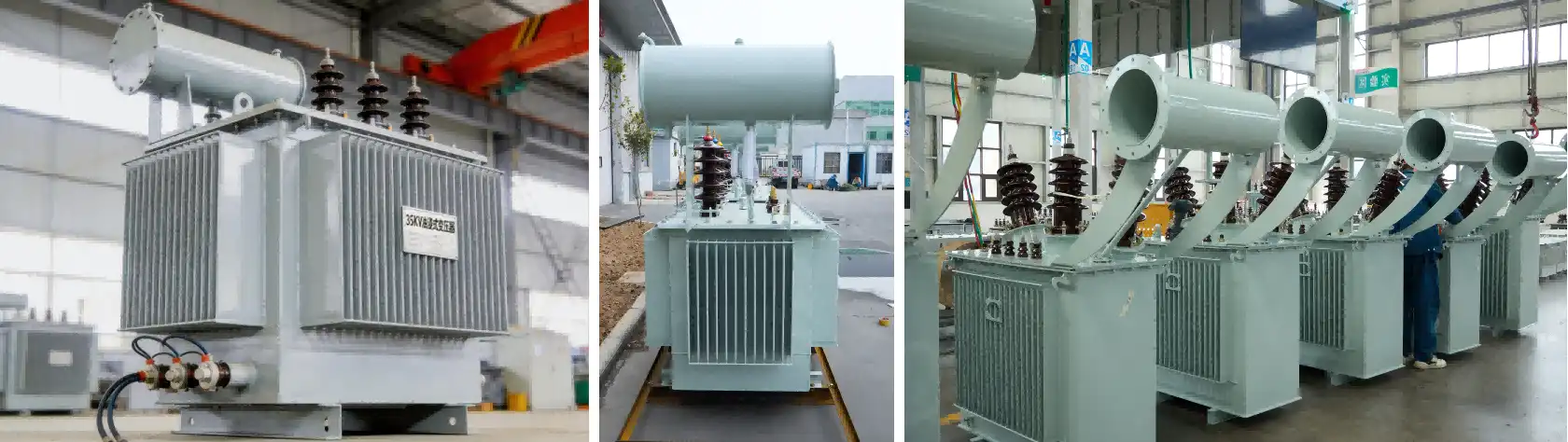
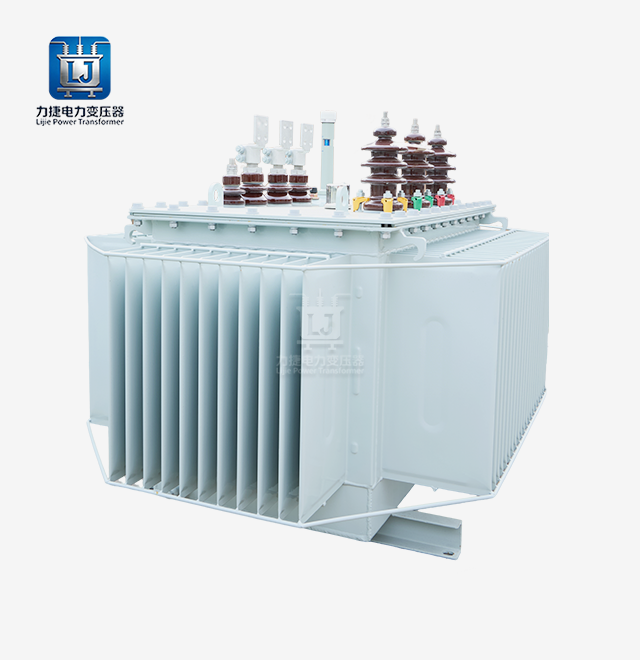
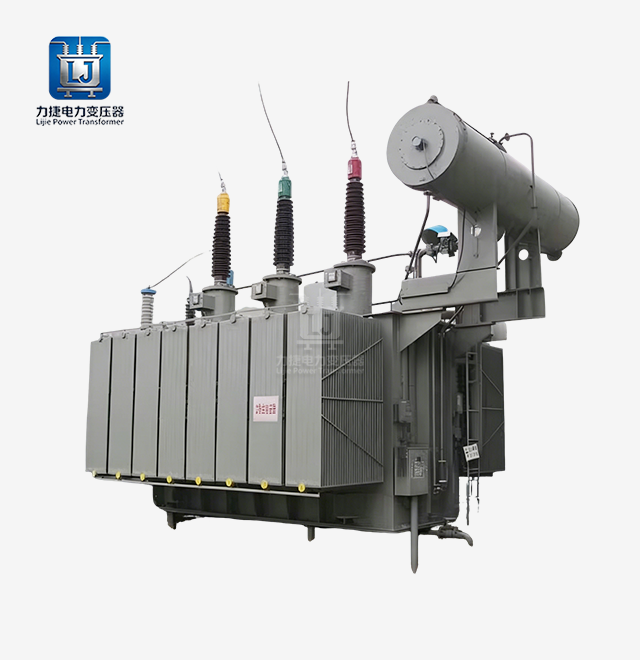
The S22 type distribution transformer is an important part of power distribution for situations that need to use very little energy and be reliable for a long time. This high-tech oil-immersed transformer can work with voltages between 6kV and 12kV and has a power range of 30kVA to 3150kVA. It supports grid modernization efforts and meets the immediate need to cut down on working losses in the electricity infrastructure. This transformer, which has Energy Efficiency Grade 1 certification under GB 20052-2024 standards, reduces no-load losses by about 15 to 20 percent compared to older models. This makes it perfect for utility companies, industrial facilities, renewable energy installations, and infrastructure developers who want to provide power in a way that is good for the environment.
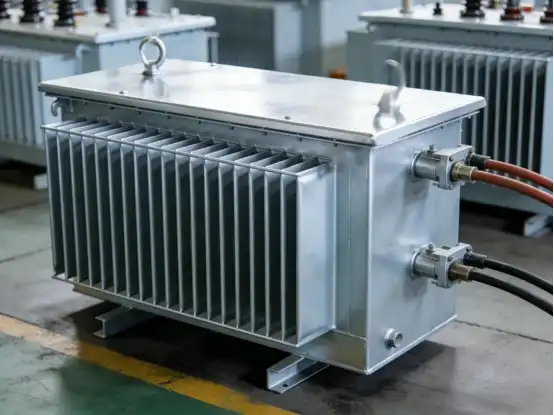
Built around high-permeability cold-rolled grain-oriented silicon steel cores that greatly lower magnetic hysteresis losses, the S22 type distribution transformer is a big step forward in distribution technology. The fully sealed corrugated oil tank design gets rid of the need for standard conservators. This keeps the unit's internal parts safe from moisture and rust for as long as it works. When purchasing managers and electrical engineers choose equipment for harsh or remote areas, they worry about how reliable it will be. This building method directly answers those worries.
Its oxygen-free copper windings make it more conductive and better at preventing short circuits, which is very important for installations in industrial settings where quick changes in load happen all the time. The noise level of the generator is limited to 50–55dB(A), which is well below the normal background noise of factories. This makes it easy to install in places where sound control is important.
The S22 type distribution transformer can work with both 50Hz and 60Hz rates, so it can adapt to different power levels in different countries. The non-excitation voltage regulation system has tap ranges of ±5% or ±2×2.5%, which lets technicians change the output voltage during planned repair windows. This makes sure that the system works at its best under different load situations without the need for special switching tools to be in use.
The transformer can be used with either a single-phase or three-phase link and has either a Yyn0 or a Dyn11 connection group. It can also be used with different types of distribution networks. Power frequency voltages of up to 35kV AC and impulsive voltages of up to 75kV can't hurt the insulation system. It has large safety gaps that protect against transient overvoltages that happen a lot in places where lightning strikes often.
The change in lifetime economics is clear when you compare the S22 type distribution transformer to its predecessors, the S11 or the S13. The lower core losses lead to measurable drops in monthly energy costs. This is especially important for large-scale operations where many units are always running. The corrugated tank design naturally suits the thermal expansion of transformer oil through elastic deformation. This gets rid of the upkeep load that comes with oil conservation systems that need to be checked and refilled on a regular basis.
Each unit is tested according to IEC 60076 standards and certified through ISO 9001:2015 quality control systems to make sure quality goes beyond production. This strict validation process makes sure that all production batches are the same, which is very important for EPC contractors who are in charge of building projects that need to be completed at different sites but need the same performance qualities.
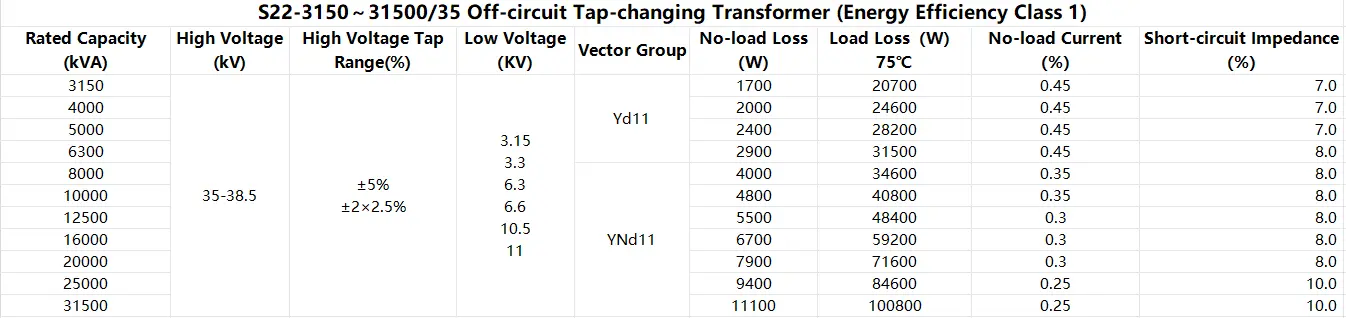
The S22 type distribution transformer's Energy Efficiency Grade 1 grade puts it at the top of current transformer technology. It reduces loss more than S20 types while keeping the cost of purchase low. S11 transformers have been reliable for decades, but over their normal 30-year working lifespans, they waste a lot of energy because they lose more power when there is no load on them. Most of the time, figuring out the present value of these losses shows that high-efficiency units like the S22 type distribution transformer pay for themselves in 5 to 7 years just by saving energy.
The S13 models were better than the S11 models, but the S22 type distribution transformer models are even more efficient thanks to their improved core materials and better winding patterns. The resistance voltage exactly matches the technical parameters, so the voltage drop is kept to a minimum even when the load is high. It also keeps its defensive properties when there is a fault. This balance is very important in industrial settings where starting motor currents or running an electric heater put a lot of sudden demands on the system.
The fully sealed design can handle temperatures outside up to 40°C without losing performance. However, if you ask for it to be customized, you can use it in harsher conditions as well. The oil-immersed self-cooling way gets rid of the need for extra cooling systems. This cuts down on possible failure points and makes installation easier in places where maintenance access is still limited.
The S22 type distribution transformer is better than dry-type options because it can handle more overflow and remove heat more efficiently, making it ideal for uses where the daily load changes a lot. The design's ≥30-year lifespan is longer than many competing products, so it doesn't need to be replaced as often, saving money on downtime costs that mess up production plans.
When procurement managers look at different transformer choices, they should compare the unit price to the total cost of ownership, which includes things like energy use, upkeep needs, and replacement times. The S22 type distribution transformer has the lowest total cost of ownership for medium-voltage distribution uses because it has low losses, low upkeep needs, and a long service life. It meets international standards and has certifications like CE and UL, which makes it easier to buy things across borders for global projects. This makes legal paperwork easier to fill out and cuts down on approval times.
Transformers that can handle demanding electrical settings with regular load cycling and rare fault conditions are needed in steel mills, chemical plants, and mines. The S22 type distribution transformer's strong ability to survive short-circuits, and its ability to control heat, make it perfect for these uses. From 30kVA to 3150kVA in size, it can handle everything from backup systems to main power lines that serve production lines.
Manufacturers using lean production methods can benefit from the transformer's high efficiency because it directly improves operating measures by using less energy. Due to its low noise level, it can be installed closer to production areas without the need for large acoustic barriers. This makes building plans more efficient and cuts down on wire runs.
There is more and more pressure on national grid owners and regional utilities to cut down on distribution costs while keeping equipment that is getting old reliable. During planned update cycles, replacing S11 or earlier transformers with S22 type distribution transformer units cuts down on loss right away without having to redesign the whole system. Because it works with current 6kV and 12kV distribution voltages, retrofit projects are easier to do. This way, utilities can improve efficiency gradually instead of having to pay a lot for expensive changes all at once.
Transmission and distribution workers like the self-compensating design of the curved tank because it gets rid of the need to check the oil level and cuts down on the number of regular inspections that need to be done. This is especially helpful for substations that are far away and require technicians to drive a long way, which costs a lot of money and takes a lot of time.
For solar farms and wind power plants to connect to the grid, they need transformers that raise the voltage from the generators while keeping the efficiency high, even when the output changes. When green output goes below capacity, the S22 type distribution transformer's low no-load losses come in handy, keeping parasitic consumption to a minimum when energy production drops. Different inverter topologies and collection system structures are common in utility-scale green projects, and being able to change how connections are set up makes them work.
Integrators of energy storage systems like the transformer's stable voltage control and low harmonic distortion, which work well with storage devices based on power electronics. The sealed design keeps the surroundings from getting dirty in places like coastal wind farms or desert solar sites, where airborne particles would speed up the breakdown of breathing-type transformers.
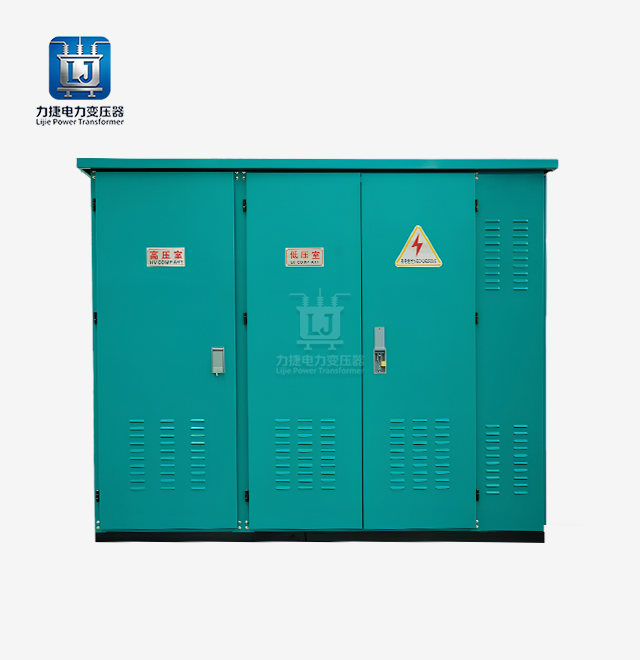
For multi-tenant buildings, real estate owners and industrial park managers need stable, cost-effective electrical distribution. The S22 type distribution transformer meets the needs for a small substation in developments with many buildings by offering centralized delivery and individual renter meters. Because of its size and weight, the transformer can be installed in prefabricated structures or vault-type substations that are popular in urban building projects.
Standard distribution equipment often goes down without warning because of problems caused by moisture. A sealed building makes commercial complexes with data centers or other important operations more reliable. The longer 30-year lifespan fits with the time frame of business real estate investments, so there are no replacement costs in the middle of ownership, which can make budgeting harder.
In order to find approved manufacturers, more than just basic product specs need to be checked. ISO 9001 approval shows that quality management is done in a planned way, and IEC compliance shows that design and testing standards that are known around the world are followed. Suppliers should show proof of regular, special, and specialized tests done by recognized labs, which will back up performance claims with proof from a third party.
Framework deals with makers who can do batch production are the best way to make sure that large-scale deployments have consistent delivery dates and locked-in prices for projects that last more than one year. When projects need tens or hundreds of units of the S22 type distribution transformer to be supplied quickly, it's important to look at the production ability. Site trips to factories show how they make things, how they check the quality of their products, and how they keep track of their stock, all of which affect how reliable their deliveries are.
When you buy a lot of transformers, they can be shipped together, which saves money on shipping costs per unit, but needs to be carefully coordinated with building plans. Units with a rating of 2500kVA or less usually come oil-filled and ready to be installed right away. Larger transformers, on the other hand, may ship with less oil or radiators that are packaged separately to meet weight limits for shipping. By knowing these technical details, you can avoid problems with site readiness that cause delays in turning on the power.
Lead times for normal configurations are usually between 8 and 12 weeks, but for custom designs, they could be as long as 14 to 16 weeks, based on how long it takes to get the materials and test them. When making project timelines, procurement managers should include the time it takes for foreign shipping, customs clearance, and the last mile of delivery. Keeping a backup stock of important parts lowers the risk of downtime in situations where redundancy is important.
A full warranty for the S22 type distribution transformer should cover both manufacturing defects and guaranteed performance. It should include clear terms outlining repair coverage, replacement responsibilities, and response times. Professional installation support from manufacturer experts ensures proper handling, termination, and initial commissioning methods are followed, helping extend the equipment’s service life.
Maintenance support deals include regular inspections, oil analysis programs, and thermal imaging scans that find problems before they break down. Suppliers who offer these programs show that they are committed to building long-term partnerships that meet the needs of infrastructure operators for effective device lifecycle management.
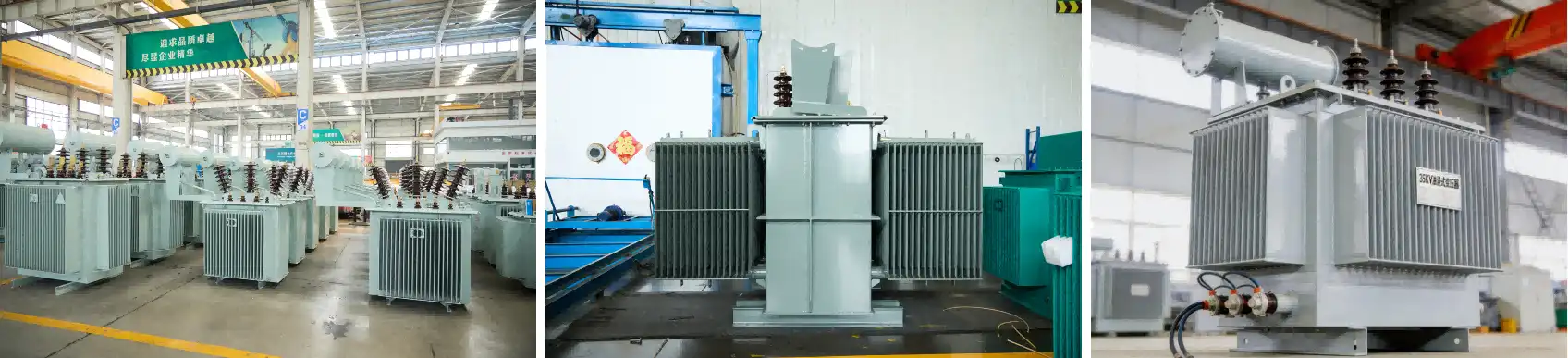
The sealed design of the S22 type distribution transformer reduces the need for upkeep, but outward problems can be found and fixed visually on a regular basis. Every three months, you should check for oil leaks around the gaskets, look at the corrugated tank for any strange deformations, and make sure the bushings are still in place. Every year, infrared thermography shows hot spots that mean links are loose, or there are problems inside the machine that need to be looked into.
Because the construction is sealed, oil samples and analyses are usually not needed. However, utilities with strict preventive maintenance programs may test the oil on a regular basis to set a standard. Keeping an eye on noise levels during regular visits can help find core lamination that is becoming loose or windings that are moving, which could be signs of problems that are about to happen.
Voltage problems are usually caused by wrong tap settings instead of problems with the transformer itself. This is why it is important to keep track of the initial setup during startup. When loads grow beyond what was expected at the time of design, making sure that the places of the taps fit the current needs fixes many voltage problems without having to change the equipment.
Overheating beyond the normal rise in temperature usually means that the transformer is overloaded, there isn't enough air flow around it, or the cooling systems in other equipment aren't working properly. If you compare the real load to the nameplate values and the temperature rise specs, you can tell if the heating you saw is within acceptable limits. Putting in temperature-measuring equipment lets you keep track of things all the time and spot bad trends early.
Insulation slowly breaks down over many years of use, and this process is sped up by constant overloading or contamination. Testing the insulation's resistance on a regular basis creates trend data that tells you how much longer it will last, so you can replace it before it breaks down unexpectedly and stops operations. The sealed design of the S22 type distribution transformer makes the insulation last a lot longer than designs that breathe and are open to moisture in the air.
Maintaining transformers within their maximum capacity helps keep the insulation intact and extends the life of the equipment. When the load increases and more capacity is needed, adding more transformers in parallel distribution is a more cost-effective solution than filling them all the time, which speeds up their aging. Keeping enough space around units allows heat to escape properly, which keeps internal parts from breaking down too quickly.
Controlling plant growth that blocks airflow, fixing drainage problems that cause water to build up near equipment foundations, and keeping units safe from mechanical damage during nearby building activities are all parts of environmental management around transformer installations. These simple steps often tell us if transformers last the full 30 years they were made to or if they need to be retired early.
The S22 type distribution transformer has very low losses, doesn't need much upkeep, and lasts a long time. This makes it a great choice for power utilities, factories, manufacturing sites, green energy projects, and infrastructure developments. Its Energy Efficiency Grade 1 certification means that it will save you money on operating costs over many years of use, and its fully sealed construction makes it more reliable in harsh conditions. By reading through these technical details, application needs, and buying factors, you can make smart choices that maximize both the initial investment and the long-term value.
The S22 type distribution transformer is Energy Efficiency Grade 1 because it uses new core materials that cut no-load losses by 15 to 20 percent compared to S11 versions. The totally sealed corrugated tank gets rid of the need for oil conservers that S11 units have. This cuts down on upkeep while making the tank more resistant to moisture. These changes lead to lower lifetime costs, even if the price at first is higher.
Standard configurations usually take 8–12 weeks from the time the order is confirmed until it is delivered. Custom configurations, on the other hand, can take up to 14–16 weeks. Orders for a lot of items often benefit from delivery dates that are spread out to meet building milestones. This cuts down on the need for storage on-site and protects equipment guarantees that start when the goods are delivered instead of when they are installed.
The S22 type distribution transformer works great with green energy sources because it has low no-load losses that keep energy use to a minimum when production is low. Stable voltage regulation works with solar inverters and wind turbines that produce varying amounts of electricity, and flexible setups allow for a wide range of collection system designs. A lot of utility-scale wind and solar projects call for S22-type distribution transformer units to be used as grid interface substations.
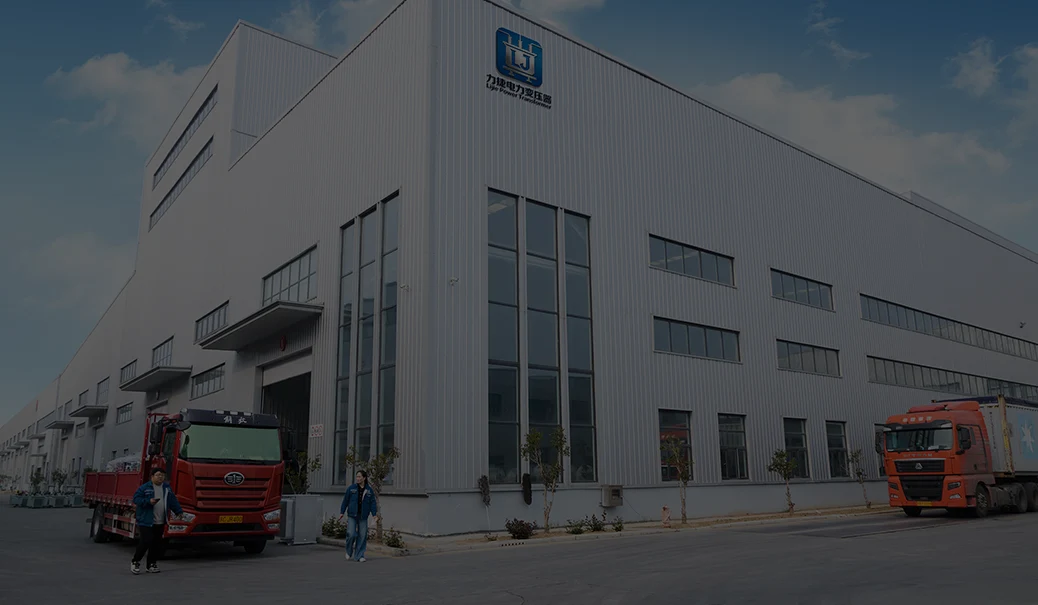
The Lijie Electric Power Technology Group is ready to help you with your distribution infrastructure projects by providing approved S22 type distribution transformer solutions that are built to last and work very well. Our factories are spread out over 500,000 square meters and have two production bases in Xuzhou and Nantong. They are equipped with high-tech testing tools that make sure they meet IEC, CE, and UL standards. Our product line has a wide range of capacities (30kVA to 3150kVA) and voltage ratings (6kV and 12kV), so it can be used in a wide range of settings, from factories to utility grid installations. As an ISO 9001:2015-certified producer and a recognized National High-Tech Enterprise, we offer dependable bulk supply and full expert support for the entire duration of your equipment. You can email our engineering team at lijieelectrical@gmail.com with your requirements, to ask for full technical paperwork, or to set up a factory visit to see our quality systems and production capacity as your reliable provider of S22 type distribution transformers.
1. Institute of Electrical and Electronics Engineers. (2019). IEEE Standard for Mineral-Oil-Immersed Distribution Transformers. IEEE C57.12.34-2019.
2. International Electrotechnical Commission. (2011). Power Transformers – Part 1: General Requirements. IEC 60076-1:2011.
3. National Electrical Manufacturers Association. (2020). Energy Efficiency Standards for Distribution Transformers. NEMA TP 1-2020.
4. Zhang, H., & Liu, S. (2022). Advanced Core Materials for Ultra-Low Loss Distribution Transformers. Journal of Electrical Engineering Technology, 17(4), 1823-1835.
5. Department of Energy. (2023). Transformer Energy Efficiency Regulations and Testing Protocols. U.S. DOE Technical Report DOE/EE-2145.
6. Wang, M., Chen, X., & Kumar, R. (2021). Lifecycle Cost Analysis of High-Efficiency Distribution Transformers in Grid Applications. International Journal of Power Systems Engineering, 29(3), 412-428.
YOU MAY LIKE




April 27, 2025
With a tight project schedule, the manufacturer delivered on time, and on-site technical personnel provided guidance throughout the entire installation and commissioning process; the collaboration was highly efficient and hassle-free.
July 2, 2025
During the preliminary phase, a selection plan was custom-tailored based on the actual site load requirements, resulting in a high degree of parameter compatibility. After-sales support responds within two hours, and ongoing technical support for operation and maintenance is comprehensive; we feel completely confident in a long-term partnership.
November 18, 2025
Deployed as a supporting component for a 35kV grid-connection project at a photovoltaic power station, the equipment operates for an average of 16 hours daily. It demonstrates excellent control over no-load losses, ensures smooth power generation and grid integration, and effectively reduces the station's overall energy consumption.
January 30, 2026
Under the continuous, high-load operating conditions of a factory production line, the equipment maintains stable electrical parameters and exhibits strong overload resistance, thereby guaranteeing an uninterrupted power supply for industrial production.
April 3, 2026
Integrated as a supporting component for a new energy photovoltaic grid-connection system, the manufacturer provided professional technical coordination and timely after-sales support, ensuring seamless adaptation to the specific electrical operating conditions required for grid integration.