April 27, 2025
With a tight project schedule, the manufacturer delivered on time, and on-site technical personnel provided guidance throughout the entire installation and commissioning process; the collaboration was highly efficient and hassle-free.
Jun 12, 2026
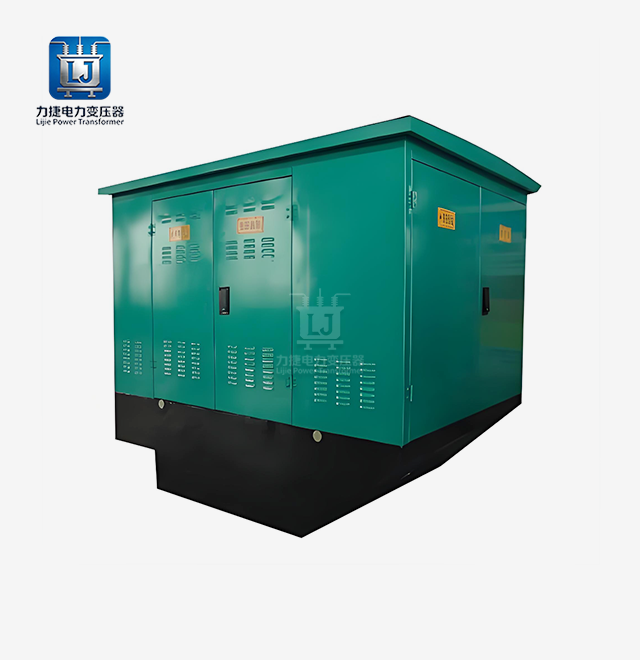
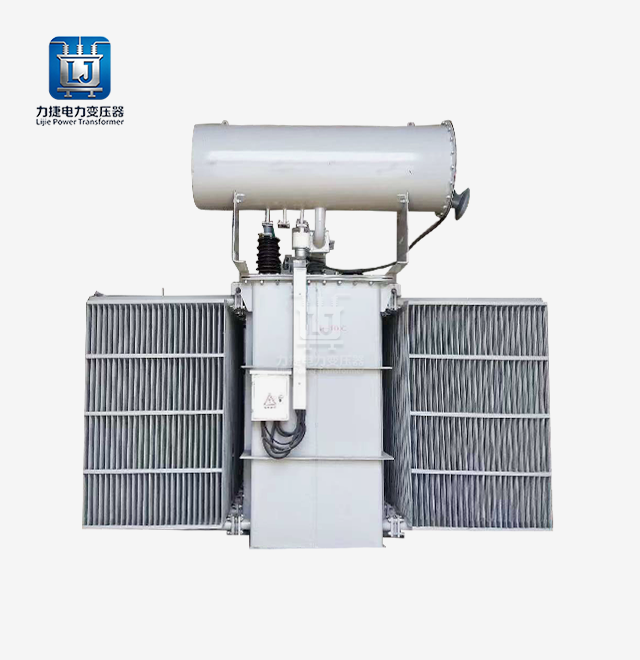
This high-tech, energy-efficient alternative is for 6kV–35kV current power distribution networks. An S13 type oil-immersed distribution transformer is what it is known as. A sealed curved oil tank holds grain-oriented silicon steel cores with excellent permeability and oxygen-free copper windings in this liquid-dielectric transformer. The S13 series features 25–30% lower no-load losses and much lower operating noise than the S11 series. It is ideal for utilities, industrial facilities, and renewable energy projects that need dependable, cost-effective, and environmentally friendly power distribution.

We've made transformers for over 20 years and know that picking the proper materials is the first step to efficiency. The S13 type oil-immersed distribution transformer line can handle single-phase or three-phase electricity at 50Hz or 60Hz and has a capacity of 30 to 3,150 kVA. These devices regulate non-excitation voltage with tap ranges of ±5% or ±2×2.5%. Workers can modify voltage ratios during normal maintenance without impacting system stability. Yyn0 arrangements are viable for some grid purposes; Dyn11 link group names are commonly used.
This equipment stands out for its insulation. AC-35kV power frequency and L1-75kV impulse withstand voltages are possible. This effectively blocks lightning strikes and switching surges that occur in exposed outdoor areas. The corrugated tank design allows oil to expand naturally throughout heat cycles and eliminates conservator systems, which add water and other pollutants to transformer oil.
High-quality mineral oil's inherent convection currents benefit oil-immersed self-cooling (ONAN). Working windings generate heat. Heat rises through curved fins to cool oil below. This circulates heat without machinery. This passive cooling technology reduces failure areas and extends operating life beyond 30 years under typical conditions. Our transformer oil is a superior insulator to 28kV/2.5mm due to its dielectric strength. Even during peak loads, wound temperatures remain safe due to heat transmission.
Fully sealed designs prevent oil from oxidizing by minimizing air contact. Older transformers needed new oil periodically since water and air broke down the oil. Our S13 design maintains oil quality throughout its lifespan, reducing maintenance costs and environmental impacts. Procurement managers who calculate the total cost of ownership for decades-long building projects will benefit from this new notion.
The S13 model delivers visible differences to operation expenses when comparing fewer-energy transformers. Low no-load losses fulfill Level 2 energy efficiency standards. It saves medium-capacity systems thousands of dollars annually. Up to 70% less no-load current reduces reactive power demand and improves the distribution network power factor. For utilities with hundreds of distribution transformers, replacing S9 and S11 units with S13 units can significantly reduce system losses.
Noise pollution is another consideration, especially for city substations near residences. S13 sound pressure is 3–5 dB lower than national norms due to better core lamination and vibration-dampening tank design. Average noise has down 20% over prior generations. They can be deployed in noise-sensitive regions without acoustic barriers. Low noise and small dimensions make these transformers ideal for roofs and vaults, where space and noise restrictions make alternative equipment options difficult.

Industrial purchasers often ask if upgrading from S11 to S13 type oil-immersed distribution transformers is worth it. Our lifetime cost research shows that the S13 series pays for itself in 5–7 years by conserving energy. Better silicon steel cores reduce eddy current losses, and better winding shape reduces stray losses that previous designs couldn't handle. A 1,000 kVA unit may save about 8,000 kWh of energy per year by running at 75% of its load, lowering power bills and carbon impact.
Short-circuit withstand power and efficiency are improved in the S13. Faults can cause mechanical forces 10 times the normal working stress. High-tensile copper wires and reinforced winding bracing protect the transformer from grid shocks that would harm previous designs. Important industrial operations require reliability since unexpected downtime costs a lot each hour. The S13 protects against production halts.
Choosing between dry-type and oil-immersed transformers depends on climate and operation. Oil-immersed units like the S13 operate well outdoors and in moist areas where dry insulation would fail. Modern transformer oils can extinguish flames exceeding 140°C. This reduces fire risk and improves thermal performance over air-cooled versions. Industrial, mining, and utility distribution substations use oil-immersed technology, which is most robust and can withstand high temperatures.
Dry-type transformers operate well inside, where fire safety is rigorous and airflow is limited. Because they can't tolerate as much overload and have larger starting losses, they're not cost-effective for continuous heavy-duty operation. Procurement managers should consider ambient conditions, load profiles, and repair access while choosing transformers. Our engineers do in-depth lifecycle evaluations to compare both options based on project criteria. This helps clients pick the optimal operating solution.
You must follow transformer monitoring regulations to maintain them reliably. Dissolved Gas Analysis (DGA) detects gases that catch fire under electrical or thermal stress to detect early problems. We recommend annual DGA testing for critical locations, with sample times dependent on load severity and experience. Oil testing tracks air moisture to prevent insulation breakdown, and infrared thermography detects hot areas that indicate faulty connections or windings before they pose severe issues.
The sealed tanks of S13 transformers make them easier to service than previous conservators. Every year, operators should test the pressure release device and bushing seals for oil leakage. The S13 requires no maintenance, unlike previous models that required oil level checks every three months. This reduces labor expenses and improves machine reliability. In regular electrical testing, insulation resistance and turns ratio are assessed to ensure winding integrity. These non-invasive checks can detect issues early without turning off instruments or stopping service.
Our factories strictly follow ASTM and IEC 60076 quality control methodologies. To verify efficiency, every S13 type oil-immersed distribution transformer undergoes no-load loss testing. Dielectric strength is confirmed by applied voltage testing. By detecting partial discharge, we can keep corona activity below 100pC, preventing shielding breakdown. Load loss testing ensures the product functions at its stated temperature, while pressure leak tests subject sealed tanks to 0.05 MPa of pressure for eight hours to ensure they never leak again.
These approval stages ensure procurement managers obtain the same goods for large orders. EPC businesses working on major utility-scale projects with dozens of transformers use batch-to-batch performance uniformity to finish on schedule and forecast grid behavior. Our test results provide detailed evidence for warranty claims and legal compliance. This addresses risk-averse B2B buyers' quality assurance demands.
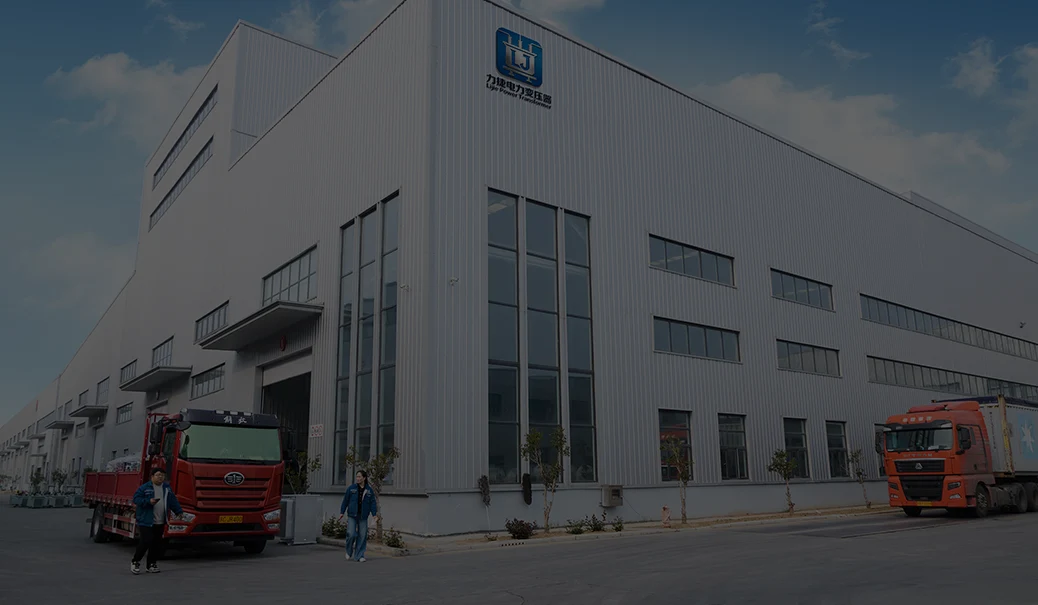
Choose a transformer provider based on production expertise, certifications, and delivery reliability. Lijie Electric is ISO 9001:2015 certified and possesses IEC, CE, and UL certifications. This demonstrates they follow international standards for cross-border initiatives. Our two plants, which total 500,000 square meters, can produce over 10,000 units a year, stabilizing supply lines for large infrastructure projects.
Buyers should verify that suppliers have testing labs for routine, special, and type tests. We offer environmental test rooms that simulate tough working conditions, high-voltage impulse generators, and partial discharge detection systems for every S13 type oil-immersed distribution transformer. This vertical integration eliminates third-party testing, reducing wait times and ensuring manufacturing quality. We stockpile silicon steel, copper, and other raw materials to avoid supply chain issues that delayed rivals during recent market instability.
For most distribution jobs, S13 models perform well, but engineers must be adaptable to unique applications. We tailor impedance, coil, and bushing combinations to each grid. Many renewable energy systems require transformers that can manage harmonic-rich loads from inverter-based generation. We need derating formulae and greater neutral grounding. Our engineering team provides technical models and finite element analysis to customers throughout the design to verify specific specs before manufacturing.
Order complexity and urgency determine lead times. Standard store products ship in 6–8 weeks, while engineered-to-order units require 10–14 weeks for design confirmation and rigorous testing. We provide critical-path tools faster for procurement managers who coordinate building schedules, but planning ahead is still most cost-effective. Knowing how packed the facility is, our salespeople make fair delivery guarantees. This prevents us from overestimating, like some providers.

To promote sustainability, transformer manufacturers employ recyclable ester fluids instead of mineral oils. The S13 type oil-immersed distribution transformer series utilizes standard transformer oil, but we're developing ester-fluid variants that are safer in fires and better for projects near streams or protected environments. These novel dielectrics fulfill government infrastructure criteria and deliver heat performance and extended life that consumers anticipate.
Smart tracking systems are another innovation. IoT-enabled sensors constantly report oil temperature, moisture, and loading to centralized management systems. Predictive analytics optimizes asset utilization and service gaps by predicting maintenance needs. Thousands of distribution transformers give utilities a clearer fleet health picture than ever before. This allows data-driven choices, reducing power outages and strengthening the system. To ensure our S13 transformers function with new smart grid designs, we're adding these characteristics to our product plan.
Due to green energy and infrastructural upgrades, transformer demand is rising worldwide. Solar farms and wind farms use step-up transformers to convert source voltages to transmission levels. However, energy storage systems must switch electricity both ways. Special impedance and heat characteristics on our S13 platform allow it to tolerate fluctuating load patterns that normal utility service cannot.
New regulations need improved efficiency; outdated designs that don't satisfy basic performance limitations are being phased out. U.S. Energy Department and other projects worldwide provide new markets for millions of outdated transformers. Manufacturers who invest in novel materials and design optimization, like our S13 development program, gain a competitive edge when clients choose lifetime economics above initial purchase price. Quality vendors with dependable goods and professional assistance gain from this market transformation.
Power businesses, enterprises, and green energy initiatives benefit from the S13 type oil-immersed distribution transformer. It's quieter, more efficient, and maintenance-free. Lifecycle costs, operational dependability, and environmental compliance are solved by its totally sealed design, enhanced core materials, and optimized cooling systems. Procurement managers should consider the total cost of ownership, supplier manufacturing expertise, and expert assistance when comparing transformers. The S13 is a proven technology that combines decades of mechanical advancement and materials research. This offers a robust foundation for distribution networks that service anything from city substations to remote mining activities.
Oil-immersed S13 transformers handle heat overload and weather better than dry-type transformers. The liquid insulator enables them to manage greater power and heat, making them ideal for large industrial loads and outdoor substations. Dry-type transformers can be used indoors where fire laws don't allow them, but they're less efficient and last less than properly maintained oil-immersed ones.
Fully sealed construction eliminates oil changes and moisture checks. Regular dissolved gas analyses and annual eye exams are the key maintenance chores for the S13 type oil-immersed distribution transformer. The S13 requires no maintenance, unlike previous models that needed quarterly checks. This reduces labor expenses and improves machine reliability over 30 years.
Of course. S13 units may be customized for solar farms and wind farms that demand resistance and harmonic tolerance. With its robust short-circuit withstand, it can manage inverter-based loads and adjust its voltage settings for diverse production and grid connectivity conditions.
Lijie Electric has built electricity infrastructure in six countries and has done so successfully. Our energy-efficient S13 type oil-immersed distribution transformers are quality-controlled. ISO 9001, IEC, CE, and UL certifications support it. Our technical team can provide customized solutions for modernizing distribution networks or creating green energy systems. We provide buying managers with reliability and high-quality service by making over 10,000 units each year and having 160 engineers on staff. Visit lijie-electrical.com or email our sales staff at lijieelectrical@gmail.com to discuss your transformer needs. S13 type oil-immersed distribution transformers for sale are affordable, and our rapid shipment and comprehensive guarantee will keep your project on schedule.

1. International Electrotechnical Commission. "IEC 60076: Power Transformers - Part 1: General Requirements." Geneva: IEC Publications, 2018.
2. Zhang, W., and Liu, H. "Energy Efficiency Improvements in Oil-Immersed Distribution Transformers: A Comparative Analysis of S11 and S13 Series." Journal of Electrical Engineering Technology, vol. 15, no. 3, 2020, pp. 1247-1256.
3. National Electric Power Certification Center. "Technical Specifications for 10kV Oil-Immersed Distribution Transformers." Beijing: China Electric Power Press, 2019.
4. American Society for Testing and Materials. "ASTM D3612: Standard Test Method for Analysis of Gases Dissolved in Electrical Insulating Oil by Gas Chromatography." West Conshohocken: ASTM International, 2017.
5. Kumar, R., and Patel, S. "Lifecycle Cost Analysis of Distribution Transformers in Utility Applications." IEEE Transactions on Power Delivery, vol. 34, no. 2, 2019, pp. 687-695.
6. Jiangsu Province Quality Supervision Bureau. "Energy Efficiency Standards and Testing Protocols for Power Transformers." Nanjing: Jiangsu Technical Standards Publishing, 2021.
YOU MAY LIKE




April 27, 2025
With a tight project schedule, the manufacturer delivered on time, and on-site technical personnel provided guidance throughout the entire installation and commissioning process; the collaboration was highly efficient and hassle-free.
July 2, 2025
During the preliminary phase, a selection plan was custom-tailored based on the actual site load requirements, resulting in a high degree of parameter compatibility. After-sales support responds within two hours, and ongoing technical support for operation and maintenance is comprehensive; we feel completely confident in a long-term partnership.
November 18, 2025
Deployed as a supporting component for a 35kV grid-connection project at a photovoltaic power station, the equipment operates for an average of 16 hours daily. It demonstrates excellent control over no-load losses, ensures smooth power generation and grid integration, and effectively reduces the station's overall energy consumption.
January 30, 2026
Under the continuous, high-load operating conditions of a factory production line, the equipment maintains stable electrical parameters and exhibits strong overload resistance, thereby guaranteeing an uninterrupted power supply for industrial production.
April 3, 2026
Integrated as a supporting component for a new energy photovoltaic grid-connection system, the manufacturer provided professional technical coordination and timely after-sales support, ensuring seamless adaptation to the specific electrical operating conditions required for grid integration.