April 27, 2025
With a tight project schedule, the manufacturer delivered on time, and on-site technical personnel provided guidance throughout the entire installation and commissioning process; the collaboration was highly efficient and hassle-free.
Jun 13, 2026
The S20 type 35KV oil-immersed power transformer is an important part of current electricity distribution systems. It is designed to provide excellent voltage control, thermal stability, and long-term performance. Advanced transformers like this one are very important for connecting high-voltage power lines to medium-voltage distribution networks. They help power companies, renewable energy sites, factories, and big building projects. Its fully sealed design and optimized electromagnetic architecture solve the main problems that procurement managers and electrical engineers face: making sure that the product works reliably for decades while keeping costs low and meeting strict international standards.

The carefully designed core construction of this transformer is what makes it so reliable. The magnetic circuit is made of high-permeability cold-rolled grain-oriented silicon steel. This cuts down on eddy current losses by a huge amount and makes the energy conversion process more efficient. The design of the winding uses high-quality copper wires that are protected with thermally improved kraft paper. This makes the design able to work continuously at high temperatures. This mix makes sure that the unit works well across its capacity range of 630 to 31,500 kVA, and it can work in both single-phase and three-phase setups to meet the needs of different grids.
This transformer is different from dry-type ones because its cooling system is bathed in oil. Mineral insulation oil is useful in two ways: it dissipates electricity and moves heat around. Naturally occurring convection currents in the oil move heat from the windings to the tank walls. Depending on the capacity, the curved or flat tank structures then release the heat into the environment. This system keeps working properly even when the load changes because it cools itself.
Our production process strictly follows GB/T 1094 national standards and IEC 60076 international standards. This makes sure that our products can work with power systems around the world. The National Transformer Quality Supervision and Inspection Center puts each unit through a series of strict tests, such as regular, type, and special tests. The CE and UL approvals show that the product meets the safety standards in Europe and North America, which makes it easier to work on foreign projects. The transformer meets or beats the standards set by GB/T 6451-2008 for oil-immersed power transformers, earning a Level 1 energy efficiency grade.
This transformer works best in medium-voltage networks because its maximum voltage is 35KV. Voltage can be changed by ±2±2.5% with no-load tap switches. This lets people in the field fix drops in the line voltage without turning off the unit. Both Asian and North American grid standards can be met by operating rates of 50Hz and 60Hz. The best link group, Dyn11, stops the flow of third-harmonics while keeping neutral grounding compatibility. Yd11 can also be used instead. For 1,000 kVA units, noise emissions stay below 60dB(A), which meets the standards for sites near residential areas in cities.

To make an S20 type 35KV oil-immersed power transformer last throughout its 30-year outdoor operating life, regular preventative maintenance is essential. The moisture content (which must stay below 10 ppm), acidity (which must be less than 0.01 mgKOH/g), and dielectric breakdown voltage (which must be more than 70kV per IEC 60296) are all checked and recorded every three months. These factors indicate the condition of the insulation system in the S20 type 35KV oil-immersed power transformer and can help predict potential failures before power outages occur. Annual thermographic inspections identify hotspots at bushing connections or on the tank surface, which may indicate loose hardware or issues with internal oil circulation and heat dissipation within the S20 type 35KV oil-immersed power transformer.
The fully sealed tank structure gets rid of the need for standard conservatories, keeping out the airborne moisture that wears down insulation over time. External areas with C4/C5 grade anti-corrosion coatings can resist salt spray from the coast and industrial pollutants, keeping the structure's integrity in harsh conditions. During planned breaks, gasket checks make sure the seals are working properly and find small leaks before they lower the oil volume or let in contaminants.
Overheating usually happens because there isn't enough air flow around the tank, there is too much harmonic loading, or the internal wire deforms because of short-circuit stresses. The temperature rise above the atmospheric temperature should not be more than the rated values; long-term increase calls for lowering the load and inspecting the inside. Most oil leaks happen at welded seams, bushing bases, or valve systems. These are easy to spot with regular eye checks. Strange sound waves that are different from normal magnetostriction hum could mean that the core laminations are loose or there is partial discharge activity that needs to be looked into right away.
When installing an S20 type 35KV oil-immersed power transformer, the foundation load ability must meet the weight requirements of the unit, which can range from a few tons for 630 kVA models to more than 40 tons for 31,500 kVA configurations. Proper connection of the tank and neutral bushing is essential to prevent dangerous touch potentials during fault conditions. In addition, sufficient clearances must be maintained around the S20 type 35KV oil-immersed power transformer to allow safe servicing access and effective heat dissipation. This is particularly important for larger flat-tank designs equipped with cooling fans to enhance ventilation and thermal performance.
Understanding generational changes makes value propositions clearer when looking at transformer choices. The S11 model has been proven to be stable, but it has 25–30% higher no-load losses than the S20 design. This difference in efficiency leads to real cost differences over many decades of service—an older 10,000 kVA unit that runs constantly uses thousands more kilowatt-hours each year. They are made possible by the S20's improved steel grades and optimized core shape, which doesn't lower its tensile strength.
There are smaller differences between the S20 type 35KV oil-immersed power transformer and the middle S13 models. The S13 had less oil loss than the S11, but it still used standard closing methods that needed oil to be recovered every so often. The hermetically sealed design of the S20 gets rid of this need for upkeep, which lowers running costs and increases the time between major overhauls. Field testing has shown that the S20's maintenance-free time is actually twice as long as the S11's, proving that the claim that it will last 50% longer for outdoor setups is true.
Dry-type transformers are better for places inside that need to be safe from fire because they don't use flammable materials, which can cause problems with the environment. However, their limited ability to handle heat limits their capacity rates and makes it harder for them to handle overloads. Oil-immersed units can handle short-term overloads better because the oil's thermal mass absorbs heat spikes. Because transformer oil is a good dielectric, it also lets windings be arranged more compactly, which means that the total size is smaller for the same power rating. Lifecycle cost studies always show that oil-immersed technology is better for outdoor substations and heavy industry uses, where it is possible to lower the risk of fire.
Power utility distribution networks put a high value on dependability and low losses. This makes the S20 a perfect backbone part for 35KV substations that serve loads in both cities and rural areas. Renewable energy projects, like wind farms and solar setups, need transformers that can handle sudden changes in load and harmonic distortion from inverter systems. The S20's strong construction can handle these stresses well. Heavy industrial sites like steel mills and chemical plants need units that can handle through-fault currents. This is guaranteed by the short-circuit withstand capability of up to 25 times the maximum current. The flexible capacity range is helpful for infrastructure developers who are building industrial parks because it lets them buy things in a standard way while still being able to handle different load levels.

To find medium-voltage transformers, you have to carefully evaluate each seller. Third-party audits of quality control systems (ISO 9001:2015) and product certifications (IEC, CE, UL) by certified producers show that they follow the rules. Verifying a supplier's production ability makes sure they can meet project deadlines. Facilities with dedicated 35KV transformer production lines have shorter wait times than those that make a lot of different kinds of products. References from similar projects back up promises of speed and response after the sale.
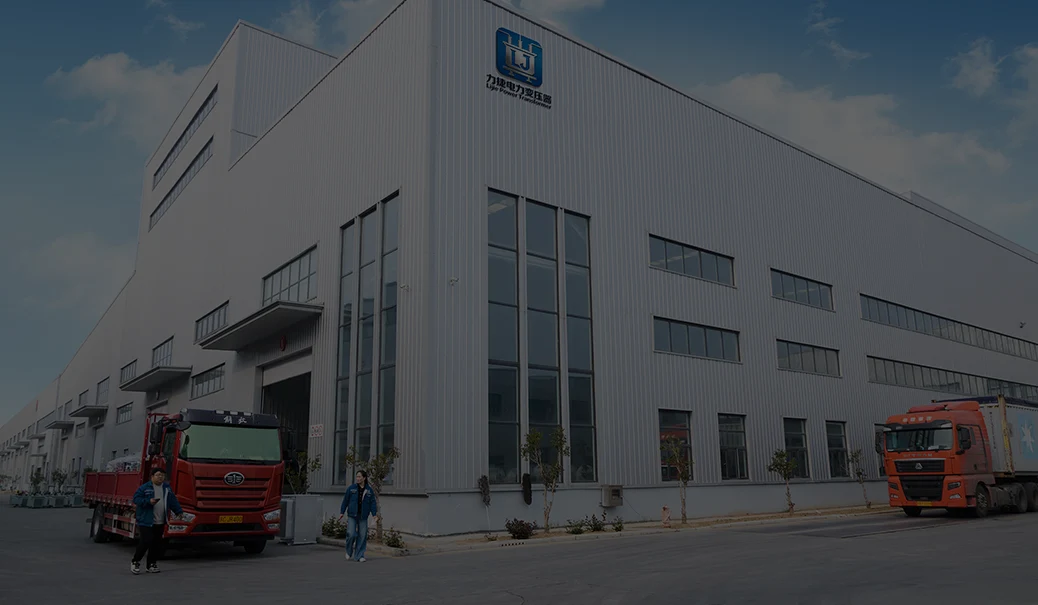
Lijie Electric Power Technology Group is a trustworthy producer. Its 500,000-square-meter production footprint includes facilities in Xuzhou and Nantong that house advanced manufacturing equipment and hire more than 160 engineers with doctoral and master's degrees. Production amounts of more than 5 billion RMB per year show the scale needed for big framework deals. Being named a "Quality-Trusted Enterprise" in Jiangsu Province and a national "High-Tech Enterprise" shows that the company is dedicated to continuous improvement. Our thorough testing abilities, which have been confirmed by the National Transformer Quality Supervision and Inspection Center, mean we don't need to rely on outside labs, which speeds up delivery times.
There are many uses for standard catalog specs, but for complicated tasks, custom solutions are often needed. Changing the impedance voltage makes it easier for the fault current to work with safety devices further upstream. Different link groups can work with different grounding methods or harmonic mitigation techniques. For sites in the equatorial regions, tropical environmental rates raise the maximum working temperature above 40°C. From the design process to commissioning, our engineering team works with clients to make sure that the new system fits in perfectly with the current infrastructure.
S20 type 35KV oil-immersed power transformer procurement typically means getting a lot of transformers, which means organizing production plans, quality checks, and the logistics of shipping them across foreign borders. Production lead times for basic S20 configurations range from 8 to 12 weeks, but they can be longer or shorter depending on the volume and level of customization. Shipping containers to North American ports adds 4 to 6 weeks to the travel time. Full support for export paperwork makes customs clearance go more quickly. We keep a strategic collection of popular ratings to help with fast deliveries for projects that need them right away.
Environmental responsibility is having a bigger effect on generator specs. Standard units use mineral oil, but natural ester-based dielectric fluids are better because they are biodegradable and have higher fire points (above 300°C compared to 135°C for mineral oil). These fluids make it possible to put things in places that are bad for the environment or near things that can catch fire without having to buy expensive fire control systems. As customer needs and government rules change, our product plan includes more natural ester fluid choices.
The S20 type 35KV oil-immersed power transformer delivers material economy gains that continue to reduce environmental impact. Advanced core designs use less steel while maintaining the same level of performance, lowering both raw material consumption and the resources required for end-of-life recycling. In addition, modular construction principles allow individual components to be replaced instead of discarding the entire unit, extending service life beyond the typical 30-year expectancy. These sustainability improvements align with corporate environmental objectives while preserving technical performance and long-term economic value.
Real-time tracking and predictive analytics are being used more and more in modern power networks to improve performance and stop problems before they happen. Transformers that are connected to the internet and have temperature sensors, partial discharge detectors, and oil quality monitors send constant streams of data to central control systems. Cloud-based analytics systems find patterns of wear and tear, which prompt repair work before major problems happen. This method of condition-based maintenance cuts down on unplanned outages and makes service schedules work best based on the real state of the equipment instead of random time intervals.
Standardized sensor ports and transmission standards make the S20 platform easy to use for retrofitting intelligent monitoring. Compatibility with Modbus, DNP3, and IEC 61850 makes sure that it can work with a variety of SCADA systems and utility control setups. As efforts to update the power grid speed up, buying monitoring-ready transformers saves capital spending from becoming obsolete too soon.
Transmission and delivery networks around the world are moving toward designs that are more spread and rely on renewable energy. Because of this change, transformers need to be able to handle power flowing in both directions, change loads quickly, and being able to handle more than one overload. The S20's strong thermal design can handle changing patterns of wind and sun output better than older units that were made for steady baseload use. Harmonic filter devices make units work in converter-heavy grids with a lot of distortion, but they keep the insulation life long even when the waves aren't sinusoidal.

The S20 type 35KV oil-immersed power transformer is a great deal because it combines tried-and-true technology with new features. Its sealed construction, low-loss features, and strong design meet important buying goals like stability over many decades of use, low lifetime costs, and compliance with international standards. This transformer has the performance and longevity needed for today's difficult electrical infrastructure projects, whether they are powering heavy industrial loads, supporting utility distribution networks, or incorporating green energy sources. Buying good medium-voltage tools from well-known brands helps keep project costs safe and guarantees top-notch operation.
The S20 has about 10% less no-load losses and 5% less load losses than the S11 series, which means it meets the strict Phase 2 energy saving standards. These changes save a lot of money over the life of the transformer, especially in apps that use it continuously.
With a completely sealed tank and C4/C5 anti-corrosion coatings, the design life is more than 30 years for outdoor placements, even in places with a lot of humidity or near the coast. This living potential is maximized by having the oil checked regularly and following the care instructions.
The machine is intended to work at its rated capacity, but it can handle short-term overloads according to IEC 60076-7 standards. Long-term overloading speeds up insulation aging and should be avoided. To fix chronic overload problems, capacity upgrades or load shifting are needed.
With careful core stacking and noise-dampening materials, the transformer's noise levels stay between 45 and 55 dB(A), which is well below the standards for cities and makes it a good choice for installations near homes.
With high-performance S20 type 35KV oil-immersed power transformer options, Lijie Electric is ready to help you with your power infrastructure projects. Our wide range of services, from research and development to production and help after the sale, ensures that you get equipment that is perfect for your needs. We bring proven knowledge to every job because we make more than 5 billion RMB a year and have installations in six countries. Our engineering team works closely with customers to solve technical problems, make sure that requirements are met, and make sure that solutions are delivered on time and up to high-quality standards. Email us at lijieelectrical@gmail.com to talk about your project needs, get full technical specs, or set up a tour of our building. Find out why the world's biggest power companies, EPC contractors, and industry owners choose Lijie Electric as their transformer provider of choice.

1. International Electrotechnical Commission. (2011). Power transformers – Part 1: General (IEC 60076-1:2011). Geneva: IEC.
2. Zhang, M., & Liu, H. (2019). Modern Power Transformer Design and Testing Methods. Beijing: China Electric Power Press.
3. IEEE Standards Association. (2016). IEEE Standard for General Requirements for Liquid-Immersed Distribution, Power, and Regulating Transformers (C57.12.00-2015). New York: IEEE.
4. Kumar, S., & Patel, R. (2020). Energy efficiency improvements in oil-immersed distribution transformers. International Journal of Electrical Power & Energy Systems, 118, 105-118.
5. National Standardization Administration of China. (2015). Technical parameters and requirements for oil-immersed power transformers (GB/T 6451-2015). Beijing: Standards Press of China.
6. Heathcote, M. J. (2017). The J&P Transformer Book: A Practical Technology of the Power Transformer (13th ed.). Oxford: Newnes.
YOU MAY LIKE
18%20type%20dry-type%20distribution%20transformer.webp)
18%20type%20epoxy%20resin%20cast%20transformer.webp)

18%20type%2035KV%20power%20transformer.webp)


April 27, 2025
With a tight project schedule, the manufacturer delivered on time, and on-site technical personnel provided guidance throughout the entire installation and commissioning process; the collaboration was highly efficient and hassle-free.
July 2, 2025
During the preliminary phase, a selection plan was custom-tailored based on the actual site load requirements, resulting in a high degree of parameter compatibility. After-sales support responds within two hours, and ongoing technical support for operation and maintenance is comprehensive; we feel completely confident in a long-term partnership.
November 18, 2025
Deployed as a supporting component for a 35kV grid-connection project at a photovoltaic power station, the equipment operates for an average of 16 hours daily. It demonstrates excellent control over no-load losses, ensures smooth power generation and grid integration, and effectively reduces the station's overall energy consumption.
January 30, 2026
Under the continuous, high-load operating conditions of a factory production line, the equipment maintains stable electrical parameters and exhibits strong overload resistance, thereby guaranteeing an uninterrupted power supply for industrial production.
April 3, 2026
Integrated as a supporting component for a new energy photovoltaic grid-connection system, the manufacturer provided professional technical coordination and timely after-sales support, ensuring seamless adaptation to the specific electrical operating conditions required for grid integration.