April 27, 2025
With a tight project schedule, the manufacturer delivered on time, and on-site technical personnel provided guidance throughout the entire installation and commissioning process; the collaboration was highly efficient and hassle-free.
Jun 13, 2026
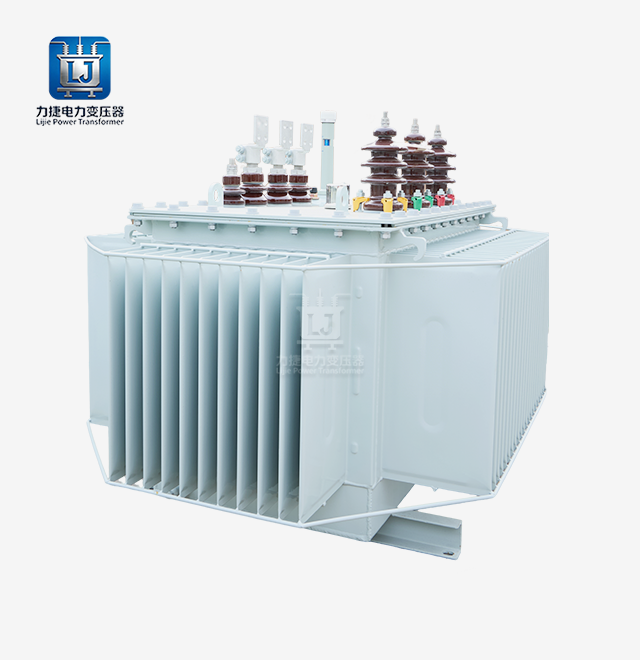
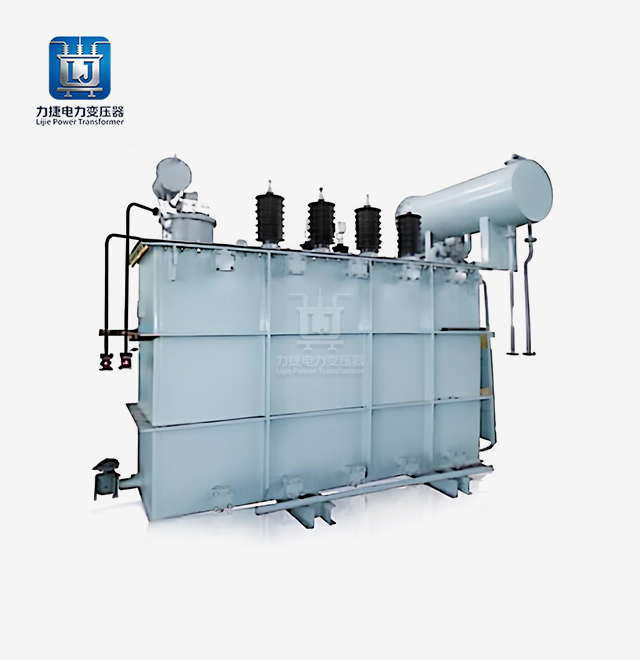
The S11 type 35KV oil-immersed power transformer is an important part of medium-voltage electrical infrastructure. It steps down the voltage from 35KV to a level that can be used in power lines, renewable energy sites, and factories. This transformer is made to work with capacities ranging from 630 kVA to 31,500 kVA. This makes it useful for a wide range of situations, such as county-level power supply systems, small to medium-sized industrial parks, and manufacturing sites that need to change voltages reliably. Its oil-immersed design offers better protection and cooling, so it can keep working in harsh conditions.

When it comes to S11 type 35KV oil-immersed power transformers, the S11 series is a tried-and-true generation that strikes a good mix between scientific maturity and energy economy. The maximum voltage of these units is 35KV, and they meet GB 20052-2020 Level III energy saving standards. Compared to older transformer types, they have noticeably lower operating costs.
Deep inside every S11 transformer is a core made of cold-rolled silicon steel sheets that are very permeable. Full oblique joints and stepped lap methods are used in the production process. These cut down on magnetic flux leakage and no-load losses by about 25–30% compared to older S9 models. During core manufacturing, shear burrs are kept to less than 0.02 mm. This makes sure that the layers are tightly bonded and that there aren't many eddy current losses.
Copper wires that don't contain oxygen are used in the windings because they have low resistance and high mechanical strength. This choice of material has a direct effect on load losses and makes the transformer better able to handle short-circuit pressures. The shape of the winding includes rounded pads and support bars that create a regular electric field distribution that keeps insulation from heating up in certain areas and makes it last longer.
The oil tank can be made with either a curved design or a heater design with fins. Corrugated tanks do two things: they increase the surface area that can get rid of heat, and they also lessen acoustic waves, which lowers the noise level to 45 to 50 dB. The fully sealed tank design keeps air and moisture from getting into the mineral oil. This slows down the oil's breakdown and almost completely eliminates the need for upkeep tasks related to oil replacement.
No-load tap switches with a usual range of ±5% and ±2×2.5% are built into S11 transformers. This lets the field be adjusted to account for changes in the voltage in the supply network. These tap points give workers options during commissioning and let them keep the secondary voltage fixed even if the primary feed changes. The transformers come in both single-phase and three-phase versions, and their link groups are labeled Yyn0 or Dyn11, based on the needs of the system.
These units are made to work continuously in temperatures up to 40°C, and they use oil-immersed self-cooling (ONAN) as their main way of controlling temperature. The lubricating oil moves through the tank and radiators by natural convection. This moves heat from the core and winding losses to the air around the system without the need for pumps or fans.

When buying, teams look at different types of distribution transformers, and they often compare oil-immersed units to dry-type choices. The S11 type 35KV oil-immersed power transformer design has a lot of great benefits that meet the needs of utility companies, building managers, and people who are developing green energy.
When you combine new materials and building methods, you get real gains in a lot of different performance areas. Here are some of the best things about this design:
A lot of S11 transformers are used by power companies in the 35KV distribution network parts that serve communities in the suburbs and the country. The power range of 630 kVA to 31,500 kVA fits the load profiles of county-level substations and township distribution networks, which need reliable technology rather than ideas that haven't been tried before.
Industrial factories that make things, like steel mills, chemical plants, and mines, use these transformers to lower the power from the grid for their own distribution systems. The oxygen-free copper windings and strengthened frame structure make it possible for the circuit to survive short-circuits, which is important in places where motors start up and off often and loads change.
Installations of renewable energy are another growing area of use. To link to collection systems and utility connecting points, solar farms and wind power plants need transformers. The S11 can work with both 50Hz and 60Hz rates, which means it can be used with a variety of regional grid standards. This means it can help with foreign EPC projects in Southeast Asia, Africa, and North America.
Infrastructure builders who are building industrial parks and business areas choose S11 transformers because they work reliably and are easy to install. The units are checked at the workshop and can be turned on soon after delivery. This speeds up project timelines and lowers carrying costs for developers who are working on tight deadlines.

Systematic upkeep must be followed in order for the 30-year work life of the S11 type 35KV oil-immersed power transformer to be reached. Compared to past transformer generations, the sealed tank design means that maintenance needs to be done less often. However, regular checks are still needed to find problems early on before they become major problems.
To do condition-based maintenance on oil-immersed transformers, oil samples must be taken once a year. Using dissolved gas analysis (DGA), which finds small gases made by electrical arcing or the heat breakdown of insulation materials, can help find problems inside systems early on. Breakdown voltage testing makes sure that the oil's dielectric strength stays above the minimum of 60 kV required by IEC 60296, which guarantees that the insulation will stay in good shape.
Keeping an eye on the temperature during operation finds strange patterns of heat that could mean that the cooling system is blocked or that there are hot spots in the winding. When infrared thermography is done during load peaks, it shows that link resistance rises before they cause parts to fail. Seal integrity checks look at the state of the gaskets and the joints in the tanks. Every five years, 24-hour pressure tests at 0.05 MPa are done to make sure the airtight performance stays the same.
Most oil leaks are caused by worn-out gaskets or metal cracks at the seams of tanks. The S11's better sealing design fixes these problems by controlling the materials used and preparing the sealing surfaces in a special way. However, damage during installation or rust from the outside can still make leak prevention less effective. To fix the problem, the affected area must be drained, the surface must be prepared, and the seal must be replaced using materials that are safe for mineral transformer oil.
Several things can lead to overheating: radiator fins that are blocked and stop airflow, internal short circuits that make load losses worse, or poor oil circulation from sludge buildup. Some diagnostic methods are thermal imaging to find hot spots, winding resistance readings to find turn-to-turn flaws, and oil viscosity testing to check for thermal aging. Fixes include cleaning the radiator, reusing all the oil, or, in the worst cases, replacing the windings.
Insulation loss is shown by test results that show lower breakdown voltage and higher power factor. The most common cause is moisture getting in, even though the building is sealed. This usually happens during upkeep or when a seal fails. If damage is found early enough, oil filter and vacuum drying can bring back the insulation's qualities, saving you the cost of major repairs.
In order to choose the right S11 type 35KV oil-immersed power transformers, the specs must match the needs of the application. To get through this process, procurement workers look at technology compatibility, the supplier's skills, and the total cost of ownership.
Before choosing a transformer's capacity, the load must be analyzed, taking into account both current demand and growth that is expected over the next ten years. Engineers figure out the perceived power needs, which include reactive adjustment needs, and then use diversity factors that are right for the application. In industrial settings, safety margins of 1.25 times are common to account for motor inrush currents. In utility settings, safety margins of 1.5 times may be used to keep capacity during emergency operations.
Ratings for efficiency have a direct effect on how much it costs to run the generator over its entire life. At the current industrial power rates in the US, every kilowatt cut in no-load losses saves around $700 a year in energy costs. If you run a 5,000 kVA transformer nonstop, the difference between normal and high-efficiency cores can save you $50,000 in energy costs over the life of the transformer. This is often enough to explain the higher price at first.
Specifications for impedance voltage affect the amount of fault current and how well system safety works together. Based on their capacity, standard impedance values for S11 transformers run from 4% to 8%. Higher values limit fault currents downstream but make voltage control more difficult. During the creation of specifications, procurement teams must make sure that the impedance matches up with current safety devices and conductor grades.
Evaluation of suppliers includes more than just product specs. It also includes quality systems for manufacturing and infrastructure for assistance after delivery. ISO 9001:2015 approval is a basic guarantee of process control, and IEC 60076 type test results show that the product meets international performance standards. UL and CE marks show that a product is suitable for the North American and European markets, respectively. This makes the government approval process easier.
Production ability is very important for big projects that need a lot of units delivered at different times. Companies with more than 2,000 workers and 500,000 square meters of production space show that they have the size to support large infrastructure projects without causing problems in the supply chain. Buyers can see proof of performance before the shipment by using factory acceptance testing, which includes shock testing and temperature rise verification.
Offering technical help is what sets strategic partners apart from commodity providers. As part of our full range of services, we help with site assessments, verifying base designs, supervising commissioning, and teaching operators. Most warranties cover materials and workmanship for five years, but some makers offer longer warranties for important uses. The ability to get spare parts and help in an emergency should be looked at, especially for sites that are far away and where component lead times affect the length of a delay.
Environmental laws, digital tracking tools, and changing needs for energy infrastructure are all forcing the S11 type 35KV oil-immersed power transformer business to keep changing. When buying, workers understand these trends, and they can choose equipment that meets new standards instead of old ways of doing things.
The discovery of biodegradable insulation fluids is a major step forward. Mineral oil is still the normal dielectric medium for S11 transformers, but natural ester fluids made from vegetable oils are safer in fires and don't harm the environment. These other options have higher flash points—more than 300°C compared to 145°C for mineral oil—which makes them safer for use in sensitive setups. Biodegradability gets rid of worries about dirt pollution during end-of-life disposal, which meets the needs of regulations in environmentally protected areas.
Amorphous metal cores offer a new level of efficiency, but their high cost means they can only be used in certain situations right now. Compared to regular silicon steel, these materials cut no-load losses by an extra 60–70%, which could lower lifetime energy use by 10–15 %. As the cost of making amorphous metal goes down as production scales up, it becomes economically possible for more medium-voltage distribution transformers to use it.
More and more, online condition tracking tools are being built into transformer installations, especially in utility and important infrastructure settings. Sensors keep an eye on things like the amount of oil dissolved in gas, the amount of moisture, the activity of partial discharge, and the temperatures of the windings all the time. Machine learning algorithms are used by advanced analytics platforms to find trends that don't make sense. This lets support workers fix problems before they happen.
The ability to watch from afar cuts down on the need for site visits and speeds up the problem-finding process. Cloud-based systems collect data from many transformer installations, which lets workers compare performance and find units that need repair. These systems usually cut down on unexpected outages by 30 to 40 percent and increase the useful life of assets by coordinating when to do repairs.
Regulatory changes are still affecting transformer standards, especially when it comes to how much energy they use and how they affect the environment. China uses the GB 20052-2020 standard as a guide, while foreign markets use the IEC 60076 series standards and area efficiency rules. To make sure that equipment stays legal throughout its useful life, procurement teams must keep an eye on the standards that apply in the areas where they work.

The S11 type 35KV oil-immersed power transformer is a tried-and-true, low-cost option for medium-voltage distribution needs in places like utility networks, factories, and green energy sites. Advanced core materials and twisting construction make its design more energy efficient, and the sealed tank architecture means that it doesn't need as much upkeep. These transformers meet the main buying goals of performance, lifetime cost, and operational stability. They have power choices from 630 kVA to 31,500 kVA and have been shown to be reliable in a wide range of working conditions. As the industry moves toward digital tracking and products that are better for the environment, the S11 platform keeps changing to meet new needs while keeping the core strengths that have made it a market leader.
S11 transformers can handle both 50Hz and 60Hz frequencies, so they can be used with a range of regional grid standards that are popular in green energy projects around the world. Their potential range, from 630 kVA to 31,500 kVA, is enough to meet the needs of most solar farms and wind power plants. The sealed tank design works well in open settings that are subject to changes in temperature and environmental toxins that are common at renewable energy sites.
The suggested starting point for evaluating health is to do a dissolved gas analysis and a breakdown voltage test once a year. Facilities that use transformers under constant high loads or in tough conditions might benefit from testing them every six months. New installations should be tested for the first time six months after they are turned on so that standard oil chemistry values can be set. This will allow correct trend analysis during later tests.
You can change the impedance values, the tap ranges, the winding setups for settings with a lot of harmonics, and the seismic bracing for areas with a high risk of earthquakes. Manufacturers who have full engineering skills can change cooling systems, tank coats, and tools to fit specific application needs while still adhering to core design standards and certifications.
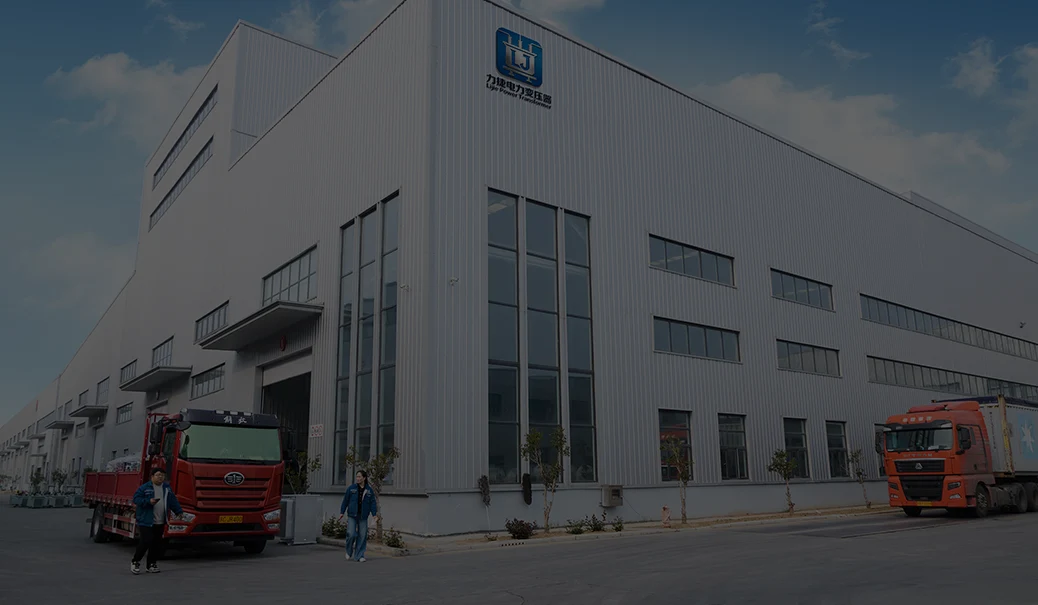
Lijie Electric has been making S11 type 35KV oil-immersed power transformers for more than 20 years and can help you with your power transfer projects. Our ISO 9001:2015, IEC 60076, CE, and UL-certified transformers are made using tried-and-true design principles and up-to-date production quality methods. With factories that cover 500,000 square meters and sales that top 5 billion RMB a year, we have the production ability and technical depth to handle projects of any size. Our 160-person research team, which includes people with graduate and master's degrees, can help you customize our products to meet your unique voltage, capacity, and environmental needs. Our factory-direct sales plan gives you the best prices without sacrificing quality, whether you need units for green energy installations, industrial facilities, or utility distribution networks. Get in touch with our team at lijieelectrical@gmail.com to talk about your transformer needs and get detailed technical offers backed by full testing documents and delivery guarantees.

1. International Electrotechnical Commission. "Power Transformers – Part 1: General." IEC 60076-1:2011 Standard Series, 2011.
2. Zhang, Weiming, and Liu Hongyan. "Energy Efficiency Analysis of Oil-Immersed Distribution Transformers in Medium Voltage Networks." Electric Power Systems Research, vol. 145, 2020, pp. 78-89.
3. National Standardization Administration of China. "Energy Efficiency Limit Values and Energy Efficiency Grades for Three-Phase Distribution Transformers." GB 20052-2020, 2020.
4. Heathcote, Martin J. "The J & P Transformer Book: A Practical Technology of the Power Transformer." 13th edition, Newnes, 2007.
5. Kulkarni, S.V., and S.A. Khaparde. "Transformer Engineering: Design, Technology, and Diagnostics." 2nd edition, CRC Press, 2013.
6. Wang, Mengjie, et al. "Condition Assessment Technologies for Power Transformers: A Comprehensive Review." IEEE Transactions on Power Delivery, vol. 36, no. 4, 2021, pp. 2460-2473.
YOU MAY LIKE
11%20Epoxy%20Resin%20Cast%20Dry-Type%20Transformer.webp)
12%20type%20epoxy%20resin%20cast%20transformer.webp)



April 27, 2025
With a tight project schedule, the manufacturer delivered on time, and on-site technical personnel provided guidance throughout the entire installation and commissioning process; the collaboration was highly efficient and hassle-free.
July 2, 2025
During the preliminary phase, a selection plan was custom-tailored based on the actual site load requirements, resulting in a high degree of parameter compatibility. After-sales support responds within two hours, and ongoing technical support for operation and maintenance is comprehensive; we feel completely confident in a long-term partnership.
November 18, 2025
Deployed as a supporting component for a 35kV grid-connection project at a photovoltaic power station, the equipment operates for an average of 16 hours daily. It demonstrates excellent control over no-load losses, ensures smooth power generation and grid integration, and effectively reduces the station's overall energy consumption.
January 30, 2026
Under the continuous, high-load operating conditions of a factory production line, the equipment maintains stable electrical parameters and exhibits strong overload resistance, thereby guaranteeing an uninterrupted power supply for industrial production.
April 3, 2026
Integrated as a supporting component for a new energy photovoltaic grid-connection system, the manufacturer provided professional technical coordination and timely after-sales support, ensuring seamless adaptation to the specific electrical operating conditions required for grid integration.