April 27, 2025
With a tight project schedule, the manufacturer delivered on time, and on-site technical personnel provided guidance throughout the entire installation and commissioning process; the collaboration was highly efficient and hassle-free.
Jun 16, 2026
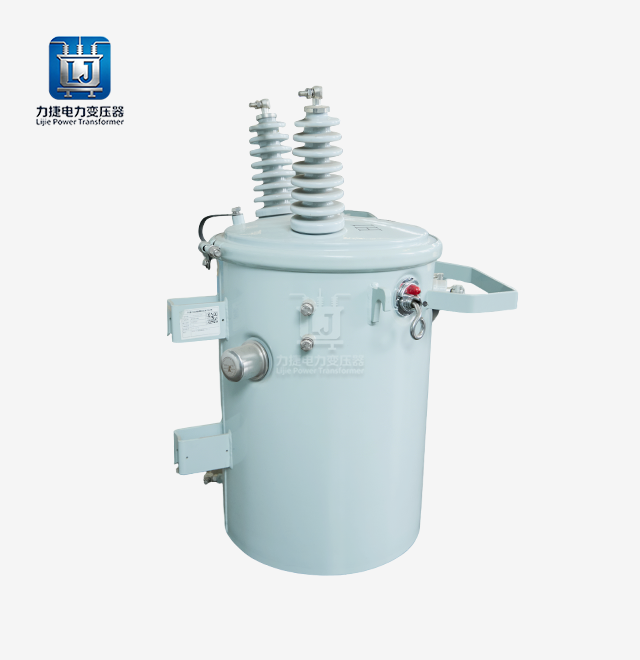
Every meeting about buying new tools for a big power infrastructure project starts with the same question: how long will this stuff really last? In the US, the total cost of ownership, operating continuity, and return on investment are all directly affected by the lifespan of transformers. This is true for power companies, green energy developers, and industrial makers. The S (B) H15 Series Oil-immersed Amorphous Alloy Transformer is a major step forward in distribution technology because it was designed to meet the needs of both energy economy and long lifespan.
When used normally and maintained properly, these amorphous alloy transformers will consistently last 25 to 30 years of constant service, which is often 15-20% longer than regular silicon steel units. Amorphous metal cores have special physical qualities that allow them to produce 70–80% less heat during no-load operation than standard designs. This means that insulation systems are put under a lot less thermal stress, and the equipment lasts longer overall.
Understanding what makes transformers last so long is very important for procurement managers, electrical engineers, and project leads who have to weigh the costs of buying the transformer up front against the costs of running it for decades. This detailed guide looks at the technical aspects, new design improvements, and purchasing factors that make amorphous metal technology an attractive option for businesses that want to get the most out of their investments in electrical infrastructure over its entire life.
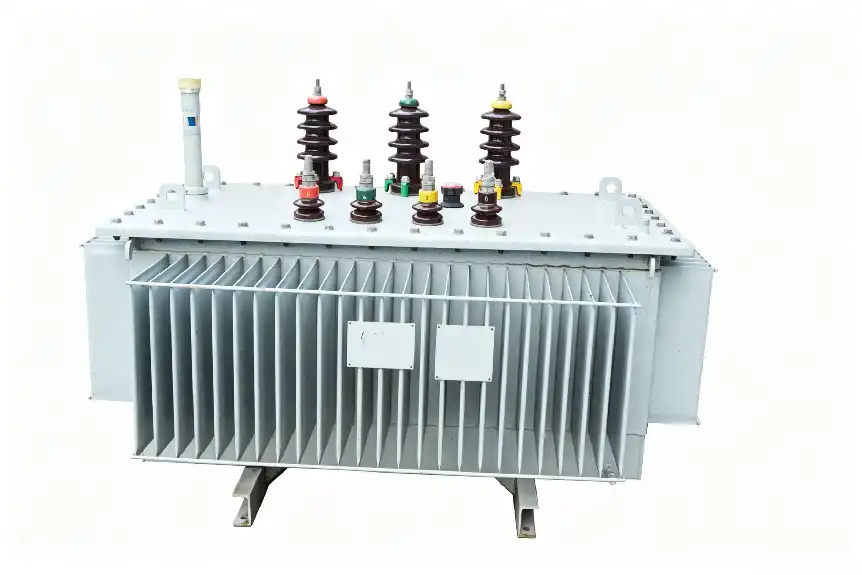
The main things that determine how long a distribution transformer works are the stability of the core material, the health of the insulation system, and the working conditions in the surroundings. The heart of S (B) H15 Series Oil-immersed Amorphous Alloy Transformers is made up of iron-based metallic bands that are formed by rapid solidification. This makes the atomic structure less ordered, which changes the way the material reacts to magnetization cycles in a fundamental way.
During each magnetic cycle, traditional silicon steel cores lose a lot of hysteresis and eddy current. This creates heat that breaks down the insulator oil and cellulose materials around them over time. The amorphous alloy core's special mechanical structure reduces these losses as much as possible, keeping the transformer's internal temperatures much lower over its entire life. Lower working temperatures directly lead to slower insulation aging, which is the main thing that limits the lifespan of a transformer.
The fully sealed, oil-immersed design prevents important parts even more from getting wet and contaminated by the air. When the insulation oil keeps its electrical strength, and the cellulose wrapping on the wires keeps its mechanical integrity, transformers keep working reliably for decades. The information gathered from utility companies in the field shows that amorphous metal units usually last 30 years before they need major repairs, and many sites last much longer than this.
In contrast to other materials, amorphous metal has excellent magnetic penetration and very little energy loss. This feature lowers core losses by around 80%. This huge drop in the production of internal heat keeps the chemical stability of insulation systems, which directly extends the life of equipment.
The S (B) H15 Series Oil-immersed Amorphous Alloy Transformer uses an oil-immersed cooling method that gets rid of heat quickly and effectively while also providing better electrical insulation. The insulation oil keeps its protective features for a much longer time than silicon steel equivalents because it can work at temperatures that are regularly 10–15°C lower. This keeps windings and structural parts from breaking down.
These transformers are made to meet IEC 60076 standards and have insulation that can handle power frequency withstand voltages of up to 35kV and impulse withstand voltages of up to 75kV. They keep working well in a wide range of weather situations. The completely sealed tank design keeps out moisture, which is a major reason why transformers fail early in humid coastal areas and hot industrial settings.
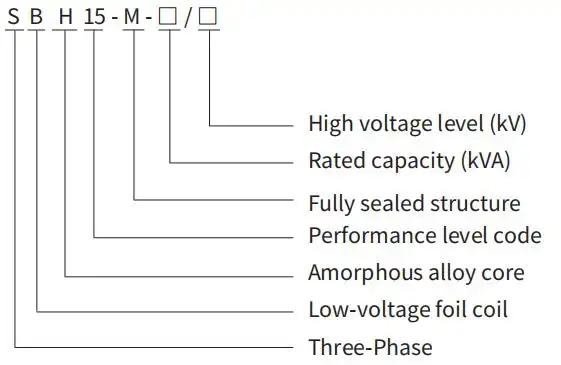
When purchasing, teams look at different transformers; they have to make a big decision: do they want to spend more on new technology at the start, or do they want to save money and have the tools last longer? When you look at the total cost of ownership over a reasonable amount of time, the business case for amorphous metal technology becomes strong.
Traditional S11 series transformers with silicon steel cores have worked well for the business, but they do have some problems. Even when the load is low, continuous core losses produce heat, which speeds up the breakdown of insulation and raises the cooling needs. Over the course of 25 years, these errors add up to a lot of wasted energy and more routine repair visits.
S (B) H15 Series Oil-immersed Amorphous Alloy Transformers get around these problems by using new ideas from materials science. The atomic structure isn't solid, so magnetic domains can join and separate with little resistance. This lowers no-load losses to less than a quarter of what they are in traditional designs. This increase in efficiency saves money on energy costs right away and also lowers heat stress, which shortens the life of equipment.
Performance statistics from green energy systems, where transformers often work at partial load, show that they last a very long time. Solar farms in the southwestern United States say that amorphous alloy units are still working at factory-spec levels after more than 15 years of continuous operation in very hot conditions. In these kinds of conditions, regular transformers need to have their oil changed and their insulation fixed every 10 to 12 years.
These transformers are great for sensitive uses because they reduce noise and last a long time. Modern core clamping designs reduce the magnetostriction tremors that are normal in amorphous metals. This makes the sound levels similar to silicon steel units, even though the materials are different. Along with saving energy and lasting longer, this soundproofing is good for industrial parks, business buildings, and home distribution networks.
Long life is due to choices made during the combined design process that work together to protect important parts. By understanding these features, procurement workers can better understand why S (B) H15 Series Oil-immersed Amorphous Alloy Transformer technology is worth the higher price after decades of steady use.
The refined mineral oil in the transformer tank does two things: it insulates the electricity and moves heat around. During operation, the amorphous core and copper windings produce heat. Convection currents then spread this heat throughout the oil volume, and it eventually escapes through the ribbed tank walls. This passive cooling system works all the time without any pumps or outside help, keeping the temperatures inside stable so that the insulation stays in good shape.
In high-capacity situations, oil-immersed designs are better at controlling heat than dry-type transformers. The cooling oil keeps the temperatures of the parts well below the levels where insulation starts to break down, even when the system is overloaded. This protects the investment during demand spikes that happen a lot in the industry and green energy settings.
Thin bands of an iron-silicon-boron alloy, each about 0.025 mm thick, are twisted into a toroidal or rectangular shape to make up the core. The amorphous atomic structure cuts down on hysteresis losses to almost theoretically low levels, and this method of making makes very few eddy current paths. The result was 80% less no-load losses than with silicon steel options.
When core losses are low, less heat is generated every hour the machine is running. Over months and years, this gradual decrease in thermal stress means that insulation qualities are kept, oil breakdown is slowed down, and component life is increased. According to engineering studies, lowering the operating temperature by just 10°C can practically double the lifespan of an insulation system. This is a benefit that amorphous technology regularly provides.
The fully sealed design gets rid of the need for regular upkeep that comes with regular transformers. When the tank keeps its hermetic integrity, breathing devices, silica gel desiccants, and seal repairs are no longer needed. This way of thinking about design cuts down on lifetime costs and gets rid of failure modes that are caused by upkeep, and shortens the life of equipment.
It is still a good idea to test the electrical system and take samples of the oil on a regular basis to keep an eye on the health of the transformer. The sealed structure keeps contaminants out and keeps the oil's chemistry fixed. Utilities that use a lot of amorphous transformers say that they don't need to be serviced as often as standard units, which is a big practical benefit that builds up over decades of use.
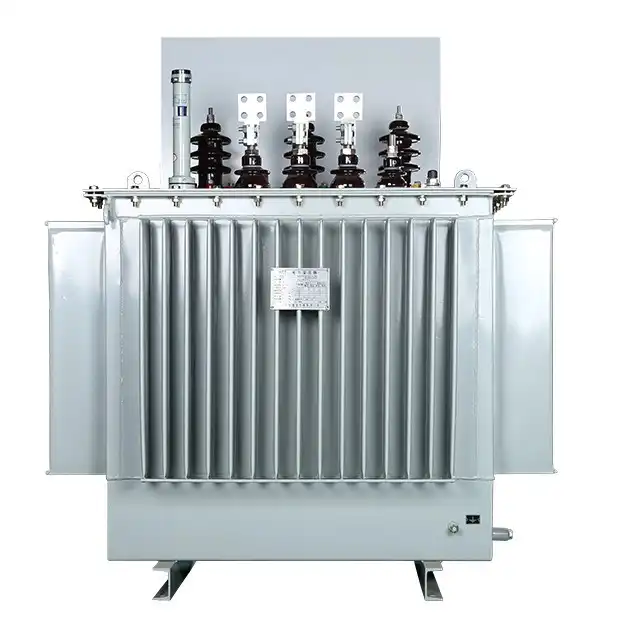
Comparing unit costs is only one part of intelligent buying. Total lifecycle economics must also be taken into account. Buyers can make choices that maximize long-term value instead of reducing upfront costs when they understand how warranties work, how much energy they will save, and what suppliers can do.
Here are the core procurement advantages that S (B) H15 Series Oil-immersed Amorphous Alloy Transformer technology delivers to strategic buyers:
Energy Efficiency Rating: These transformers meet the best level of performance recognized by regulatory officials, as they have achieved Level 1 energy efficiency certification under GB 20052 guidelines. The 70–80% drop in no-load losses means hundreds of thousands of kilowatt-hours saved over the 30-year service life, which is the same as cutting operating costs by a lot and avoiding carbon emissions.
Low Operating Cost and Fast ROI: As soon as the system is turned on, energy savings start to add up. The extra cost of amorphous technology usually pays for itself in 5 to 7 years, according to financial models. After that, the ongoing saves go straight to practical margins. When it comes to industrial buildings that need power all the time, the returns are even faster. Often, the cost premiums are recouped within 3–4 years through lower energy bills.
Technical Specifications and Customization: The specs cover a wide range of application needs, with capacity ranges from 30kVA to 2500kVA, voltage ratings at 6kV and 12kV, and options for both single-phase and three-phase designs. The voltage regulation that doesn't involve excitation and has tap ranges of ±5% or ±2X2.5% gives you operating freedom without having to use complicated switching mechanisms. The connection group name Dyn11 (or Yyn0 if needed) makes sure that it works with existing distribution networks, which makes planning the integration easier.
Overload Resistance and Reliability: Transformers that are properly defined can handle temporary overload situations without damage. This is a very important ability to have during demand surges or equipment failures in other parts of the distribution network. The lower base temperature of the amorphous core gives it more thermal cushion during overload events, which protects the investment when working conditions aren't normal.
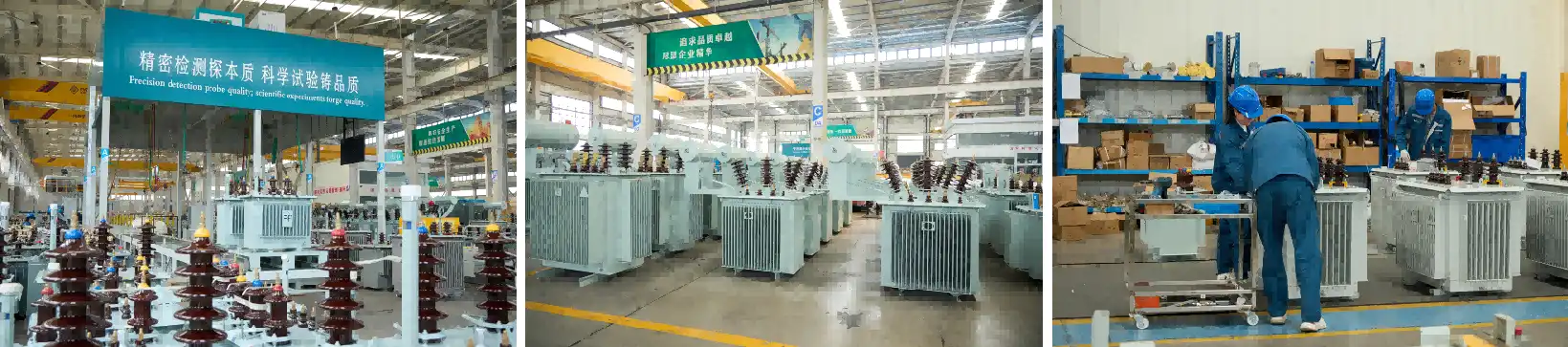
When looking for transformer providers, these are the most important things to keep in mind that set trusted long-term partners apart from transactional vendors. A warranty that lasts between 2 and 5 years shows that the maker is confident in the quality of the product, but help after the warranty is over is just as important. Long-term value comes from suppliers who offer expert advice, extra parts, and field service skills, in addition to the original buy.
Certification compliance is especially important for projects that span borders. IEC 60076 approval makes sure that products meet world standards, and CE and UL marks show that they meet safety rules in Europe and North America. The ISO 9001 quality management certification and the qualifications for metrological testing show that quality control is carried out in a planned way throughout the manufacturing process.
When buying in bulk, like when replacing a utility fleet or working on a big industrial project, it's important that the seller can provide uniform quality across hundreds of units. Manufacturing facilities with well-documented quality systems, a lot of engineers, and a history of delivering large amounts of goods reduce the risk of executing projects and make sure that specifications are followed throughout the entire installation.
Under normal conditions, S (B) H15 Series Oil-immersed Amorphous Alloy Transformers can last up to 25 to 30 years, which is often much longer than traditional silicon steel options. It lasts longer because of basic materials science benefits: 70–80% less core losses mean less internal heat, which protects shielding systems that normally shorten transformer life. The fully sealed oil-immersed design keeps important parts from getting contaminated by the environment and eliminates the need for regular upkeep.
Lifecycle economics favors advanced amorphous technology, even though it costs more at first, for buying workers looking at infrastructure investments. Energy savings start to add up on the first day of operation and usually cover the higher costs within 5 to 7 years. The savings keep coming in for 30 years, giving the system great value. Specifications that lower working temperatures, cut down on no-load losses, and make equipment last longer are very appealing to businesses that care about dependability, sustainability, and total cost optimization.
As long as they are properly maintained and used in normal conditions with temperatures not reaching 40°C, these transformers will safely last for 25 to 30 years. Many systems do better than this standard, especially when load factors stay modest, and oil quality is checked regularly to find problems before they affect performance.
While the fully sealed structure doesn't need regular maintenance, oil samples every three to five years can check the health of the insulation and find moisture problems early. With thermal image scans, hotspots that show connection problems or internal faults are found. Electrical testing that measures insulation resistance and power factor gives a number-based picture of how a part is doing, which lets repair be planned ahead of time and done before problems happen.
The 80% drop in no-load losses directly leads to lower carbon pollution from making electricity. Compared to traditional designs, a single 1000kVA amorphous transformer stops about 150–200 tons of CO2 emissions over 30 years. That's the same as taking 30–40 passenger vehicles off the road every year. This environmental success helps the company reach its sustainability goals while also cutting costs.
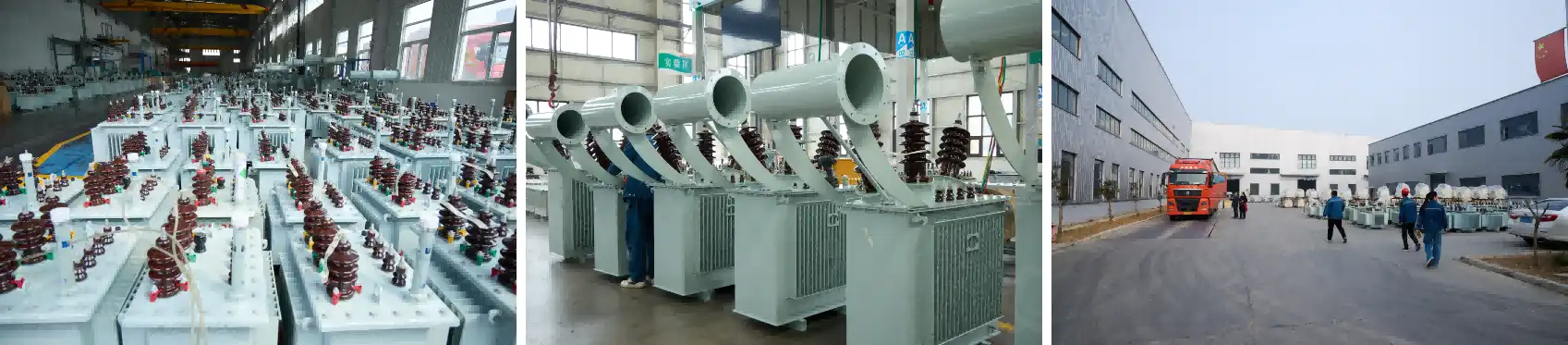
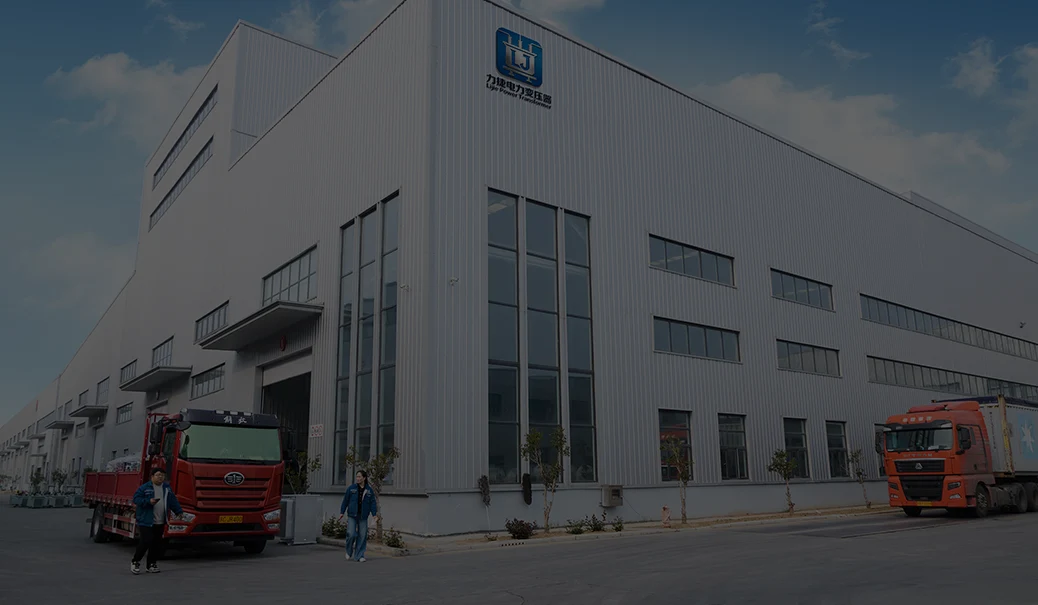
Every amorphous metal transformer that Lijie Electric Power Technology Group makes is the result of 30 years of world-class engineering. Our factories in Xuzhou and Nantong are spread out over 500,000 square meters and can make more than 2,000 units per year. This means that we can reliably deliver on projects of any size. With more than 160 PhD and master 's-level engineers on staff, we can give you technical advice that helps you find the best specs for your unique needs.
Our S (B) H15 Series Oil-immersed Amorphous Alloy Transformers are fully certified by IEC, CE, and UL, so they meet foreign standards and give you the Level 1 energy saving performance your sustainability goals need. Our team at lijieelectrical@gmail.com is ready to talk about your unique needs, whether you're a utility company updating your distribution infrastructure, a green energy developer building solar farms, or an industrial manufacturer that needs reliable power distribution. Visit lijie-electrical.com to look at technical specs, download certifications, and get full quotes from a reliable manufacturer who cares about your long-term success.
1. IEEE Standard C57.12.00-2015, "General Requirements for Liquid-Immersed Distribution, Power, and Regulating Transformers," Institute of Electrical and Electronics Engineers, New York, 2015.
2. Smith, J.R. and Thompson, M.L., "Lifecycle Cost Analysis of Amorphous Metal Distribution Transformers in Utility Applications," Electric Power Research Institute Technical Report, Palo Alto, California, 2019.
3. International Electrotechnical Commission, "IEC 60076-1: Power Transformers - Part 1: General," Third Edition, Geneva, Switzerland, 2011.
4. Zhang, W. and Chen, H., "Thermal Aging Characteristics of Oil-Paper Insulation in Amorphous Alloy Transformers," Journal of Electrical Engineering & Technology, Volume 14, Issue 3, 2019, pp. 1247-1256.
5. U.S. Department of Energy, "Energy Conservation Standards for Distribution Transformers: Final Rule," Federal Register, Volume 78, Number 216, November 2013, pp. 23-89.
6. Wilson, A., "Comparative Performance Analysis of Silicon Steel and Amorphous Metal Core Transformers in Renewable Energy Applications," Renewable Energy Integration Quarterly, Volume 12, Issue 2, 2021, pp. 134-152.
YOU MAY LIKE


12%20Series%20Dry%20Type%20Transformer.webp)
14%20Epoxy%20Resin%20Dry%20Type%20Transformer.webp)


April 27, 2025
With a tight project schedule, the manufacturer delivered on time, and on-site technical personnel provided guidance throughout the entire installation and commissioning process; the collaboration was highly efficient and hassle-free.
July 2, 2025
During the preliminary phase, a selection plan was custom-tailored based on the actual site load requirements, resulting in a high degree of parameter compatibility. After-sales support responds within two hours, and ongoing technical support for operation and maintenance is comprehensive; we feel completely confident in a long-term partnership.
November 18, 2025
Deployed as a supporting component for a 35kV grid-connection project at a photovoltaic power station, the equipment operates for an average of 16 hours daily. It demonstrates excellent control over no-load losses, ensures smooth power generation and grid integration, and effectively reduces the station's overall energy consumption.
January 30, 2026
Under the continuous, high-load operating conditions of a factory production line, the equipment maintains stable electrical parameters and exhibits strong overload resistance, thereby guaranteeing an uninterrupted power supply for industrial production.
April 3, 2026
Integrated as a supporting component for a new energy photovoltaic grid-connection system, the manufacturer provided professional technical coordination and timely after-sales support, ensuring seamless adaptation to the specific electrical operating conditions required for grid integration.