April 27, 2025
With a tight project schedule, the manufacturer delivered on time, and on-site technical personnel provided guidance throughout the entire installation and commissioning process; the collaboration was highly efficient and hassle-free.
Jun 17, 2026
A big step forward in medium-voltage power transfer technology is the S18 type 35KV oil-immersed power transformer. As electrical grids around the world are updated to meet rising energy needs and environmental goals, purchasing managers and electrical engineers are under more and more pressure to choose equipment that balances cost, dependability, and efficiency. This new breed of distribution transformers takes these problems head-on and solves them by using less energy and lasting as long as oil-immersed designs have in the past. If a business is looking for transformers for use in power grids, factories, or renewable energy installations, they need to know what the S18 type 35KV oil-immersed power transformer can do and how it can be used. This will help them make smart buying decisions that meet both operational needs and government regulations. This guide tells procurement professionals, project managers, and design engineers everything they need to know about this Tier 1 energy-saving transformer's technical architecture, performance benefits, and real-world uses.
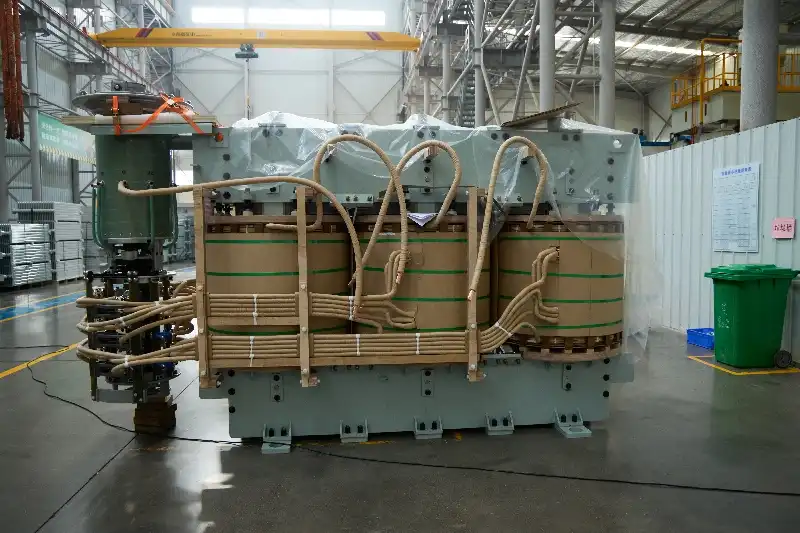
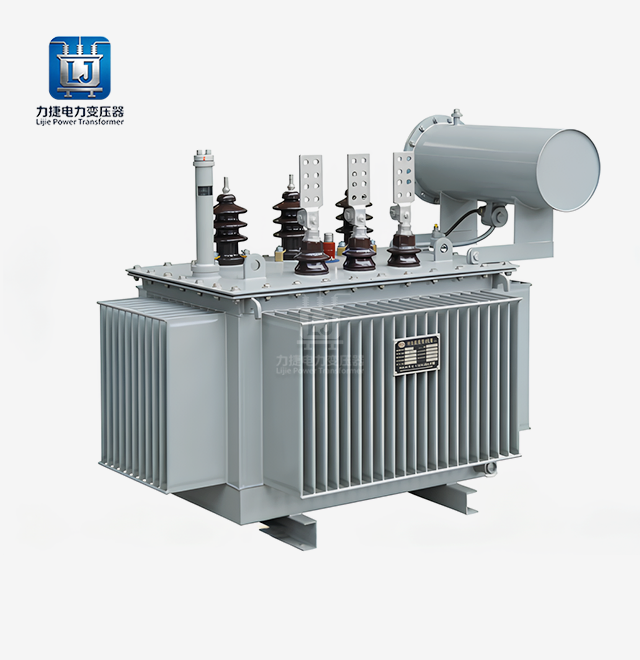
According to GB 20052-2020 guidelines, the S18 type 35KV oil-immersed power transformer is a first-tier energy-saving product. This makes it one of the most advanced medium-voltage distribution transformers on the market today. This transformer's core is made up of advanced cold-rolled grain-oriented silicon steel laminations and precision-engineered copper or aluminum windings. Together, they make a magnetic circuit that is designed to lose as little energy as possible when converting power. The "35kV" number tells you what kind of main voltage it has, which means it can be used for sub-transmission and large-scale distribution networks that connect high-voltage transmission lines to neighborhood power delivery systems.
Step-lap joint technology is used in the core building of the transformer. This cuts down on magnetic flux leaks and no-load losses by over 20% compared to older S13 series models. This way of designing cuts down on the stimulation power needed to keep the magnetic field going by a large amount. This directly leads to lower operating costs for 24 hours a day, seven days a week. The design of the windings has the best wire sizes and insulation spacing to lower eddy current losses while keeping a strong ability to withstand short circuits. The oil moving through the tightly sealed corrugated tank does two things: it protects high-voltage parts from each other electrically and quickly gets rid of heat through natural airflow. This self-cooling system, called ONAN (Oil Natural Air Natural), gets rid of the need for extra cooling equipment in most situations. This makes upkeep easier and the system more reliable overall.
Following foreign standards ensures that the product can work with a wide range of project requirements and legal settings. The S18 type 35KV oil-immersed power transformer meets both the IEC 60076 series standards for power transformers and the ANSI/IEEE standards that are often used in North American projects. It has been proven by recognized labs that the testing methods meet or beat industry standards for dielectric strength, temperature rise, and impulse resistance. Multi-standard compliance lowers the requirements for qualification and speeds up the project approval process for buyers who are in charge of EPC contracts or cross-border buying. The curved tank design meets IP54 protection ratings, which means that when it is installed outside, dust and water can't get into the internal parts.
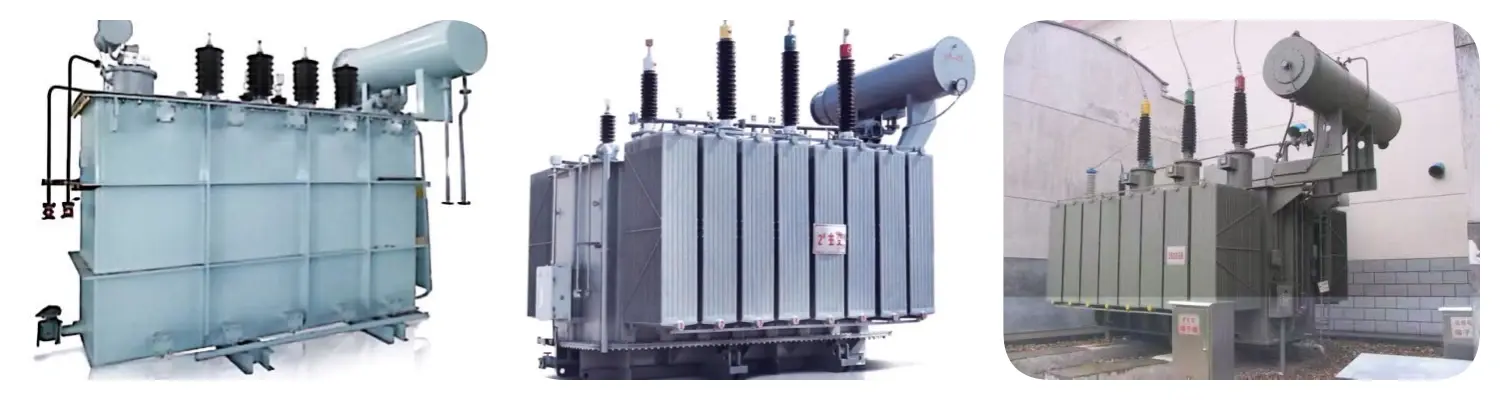
When buying teams look at transformer options, they have to compare multiple performance factors with expected total ownership costs. The S18 type 35KV oil-immersed power transformer has strong benefits in terms of efficiency, longevity, and operating freedom that directly address problems that often come up in big power infrastructure projects.
Compared to older transformer generations, the advanced silicon steel core and optimized winding design cut no-load loss by more than 20% and improved load loss by 10-15%. This efficiency gain saves tens of thousands of kilowatt-hours a year for a standard 5MVA machine that runs all the time. Over a 25-year service life, the net energy savings can more than cover the initial capital investment. This is especially true in places with high power costs or rules that punish network losses. These features of efficiency are perfect for achieving decarbonization goals. They help utilities and business owners lower Scope 2 pollution and meet stricter environmental reporting needs.
The fully sealed corrugated tank design is a big step up in terms of stability compared to traditional conservator-style transformers. This design keeps the insulating oil from coming into contact with air, which stops moisture from getting in and oxidation from happening. These are two main things that cause insulation to break down too quickly. The structure of the curved walls allows the oil volume to expand by deforming elastically. This keeps the internal pressure balanced even when the temperature changes, so there's no need for breathing devices or silica gel upkeep. Under normal working conditions, this configuration makes the service last longer than 25 years with a lot less upkeep. The time between dissolved gas analyses can be increased, and regular oil filtering is no longer needed. This lowers the total cost of ownership and increases the availability of assets for mission-critical uses.
The S18 type 35KV oil-immersed power transformer can handle the mechanical stresses that come from short-circuits without any damage to its structure, thanks to its strong coil supports and better insulation systems. The design of the winding uses pre-compression methods to keep the wire stable during fault currents. This stops insulation leaks that could cause catastrophic failures. This fault tolerance is especially useful in industrial settings where load profiles are hard to handle because of things like welding, starting motors often, or changing links for green energy sources. The better thermal class of insulation materials makes sure that the system stays stable even when it's overloaded for a long time. This extra safety factor is what risk-averse procurement managers look for when they buy things to use for a long time.
Precision core stacking using adhesive bonding methods lowers vibrations caused by magnetostriction. This keeps operating noise levels between 45 and 55 dB(A), which is well below the levels that cause complaints in cities or noise-sensitive industrial areas. Smart tracking packages that are available can be easily connected to SCADA systems and give real-time information on diagnostic factors, load current, oil temperature, and more through Modbus TCP/IP or IEC 61850 protocols. This digital readiness helps with planned upkeep and makes the grid more visible, which is in line with the ways that utilities and industry operators are managing their assets in the future.
The S18 type 35KV oil-immersed power transformer platform is flexible enough to work in a wide range of power transfer situations, each with its own performance needs and environmental difficulties. When buying teams know about these application types, they can better match transformer specifications to project needs.
Due to their old core materials and poor thermal designs, legacy S11 and S13 transformers that work in regional grids often cause a large amount of network losses. When utilities replace these units with S18 type 35KV oil-immersed power transformers as part of grid upgrade projects, they can immediately cut down on losses. This is especially true at high-use substations that serve busy load centers. When these kinds of upgrades are made to multiple substations, they speed up progress toward the country's dual carbon goals, make voltage control better, and cut down on the need for expensive transmission capacity increases. Because the design is of a small size, it is often possible to replace it directly without making any changes to the civil work. This cuts down on project timelines and service delays.
To protect sensitive equipment and keep production running smoothly, chemical processing plants, auto factories, and electronics production farms need power supplies that don't go out and have tight voltage limits. Because it is very reliable and has low loss, the S18 type 35KV oil-immersed power transformer is perfect for these kinds of setups, where downtime can cost thousands of dollars per minute. Because it is protected, it can't be harmed by toxic gases or particles in industrial atmospheres. This means that it can last longer between services and is less likely to break down unexpectedly. Customization choices let you choose the voltage ratios, impedance values, and tap combinations that are needed for certain industrial processes.
Centralized solar farms and wind power plants with 50MW to 100MW of capacity need step-down transformers that can handle changing output patterns and harmonic currents that are made by inverter-based generation. The S18 type 35KV oil-immersed power transformer works well in these changing load situations because it can handle high temperatures and low excitation current. It stays efficient over the wide working range that is common in renewable systems. The hermetically sealed design can handle the changing temperatures and humidity that are common in remote areas. The low noise level also keeps the environmental effect to a minimum in farming or ecologically sensitive areas. The transformer works with smart grid transmission methods, which makes coordinated control plans that get the most out of renewable energy easier to set up.
Free trade zones, central business districts, and high-rise apartment buildings in cities that are growing quickly need power infrastructure that is both reliable and doesn't leave a big impact on the environment. In these places, limited space makes small equipment designs more desirable, and noise laws require quiet operation. The sealed design of the S18 type 35KV oil-immersed power transformer removes the risk of oil leaks that could damage expensive property. Its low noise level also makes it possible to place it in basement vaults or ground-level shelters close to buildings that are being used. The higher energy efficiency lowers the need for cooling in indoor setups and the costs of running the business for property developers and facility managers who want to get green building approvals.
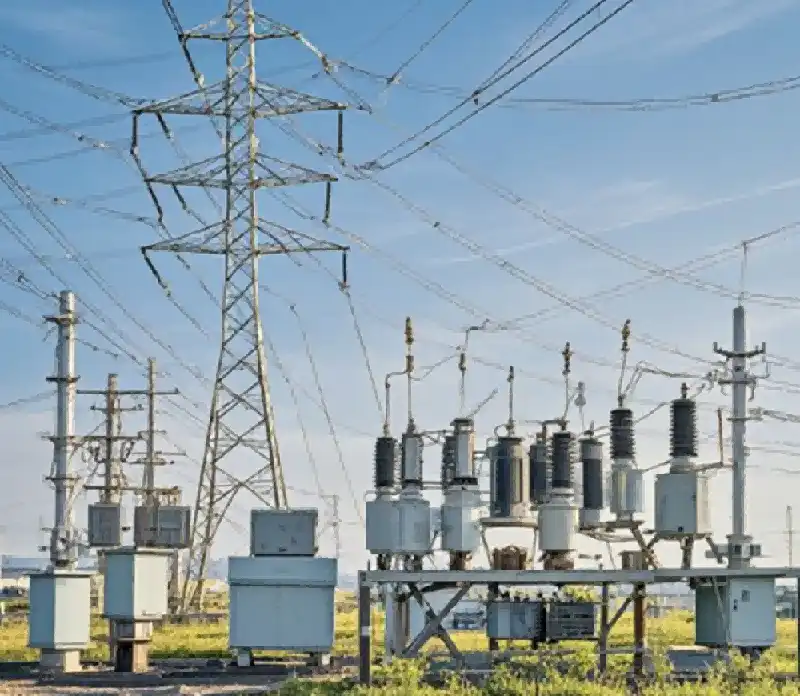
Even though they are well-made and have advanced design, S18 type 35KV oil-immersed power transformers need careful lifecycle management to work as well as they can. Knowing how things usually break down and following proactive repair procedures can help protect investments and stop unplanned outages.
The sealed tank design greatly slows down the aging process of the oil, but long-term exposure to electrical and thermal pressures wears down antioxidants and makes acidic chemicals that damage cellulose insulation. Setting up a plan for dissolved gas analysis based on the load profile and working environment lets you find flaws like overheating connections or partial discharge activity early on. The design of the tank includes sampling holes that make it easier to get the oil out without depressurizing the system. This lowers the risk of contamination during repair work. By looking at how key gas ratios change over time, you can see patterns of degradation that help you decide when to step in and fix things before the insulation strength drops below safe levels.
Continuous operation close to rated capacity speeds up the aging of insulation through thermal stress, especially during times of high demand or extreme temperatures in the environment. Installing fiber-optic temperature monitors or thermal imaging systems lets operators see hotspot temperatures in windings in real time, so they can start load-shedding procedures before damage happens. Project managers can better plan repair windows and capacity increases when they know the transformer's thermal time constant, which is the amount of time it takes to hit steady-state temperature after the load changes. By leaving enough space around radiators and tank surfaces, you can make sure that air can flow freely and naturally cool the engine.
If the base is built correctly, it won't settle or tilt, which could damage the bushing seals or cause oil to pool in certain areas of the tank. To protect both the S18 type 35KV oil-immersed power transformer and the equipment it's attached to, grounding systems must provide low-impedance paths for fault currents and lightning surges to escape. Adding extra protective coats to the outside of things in seaside or industrial areas makes them more resistant to corrosion than normal factory finishes. Keeping the unit straight and guarding the bushings from mechanical impact during travel and storage keeps the internal alignment in good shape and stops seal damage that could affect the hermetic integrity needed for long-term performance.
To choose the best transformer specs, you need to carefully look at the technical needs, the working conditions, and the cost factors. Purchasing teams can find their way around the complicated markets for current power tools with the help of a structured decision framework, including the S18 type 35KV oil-immersed power transformer.
Accurately predicting the load is the first step in choosing the right size transformer. Overestimating capacity loses money and makes things less efficient when they're not being used, while underestimating capacity increases the chance of failure early and limits the ability to grow in the future. Capacity selection and impedance specification are based on a thorough study of the linked load's features, such as motor starting currents, harmonic content from power electronics, and load diversity factors. Different types of tap changers are based on the voltage control needs of the application. Off-load tap changers work well for stable loads, while on-load tap changers are better for situations where the voltage changes a lot. A building's cooling design and the need for structure strengthening are affected by things like its altitude, the temperature range around it, and the risk of earthquakes.
The S18 type 35KV oil-immersed power transformer is the most efficient one right now, but when decisions are made about buying, they have to weigh the starting cost against practical savings and risk reduction. The financial benefit of more energy-efficient choices can be measured with detailed lifetime cost modeling that takes into account energy prices, discount rates, and projected maintenance costs. When you compare S18 performance to that of S13 or dry-type options, you can see that there are trade-offs. For example, dry-type transformers don't have a fire risk, but they usually have higher losses and less excess capacity. Older oil-immersed designs are cheaper up front, but they use more energy over time, so they cost more overall. By looking at different load profile scenarios and energy price trends through sensitivity analysis, strong answers that work well in a wide range of future conditions can be found.
Buying transformers is more than just specifying the equipment. It also involves making sure the seller is reliable, getting professional help, and making sure the service network is available. Checking the manufacturer's certifications, like ISO 9001 quality control systems and product-specific type test results, makes sure that the products are made consistently and that the designs are correct. Finding out about production capacity and lead time commitments helps make sure that delivery dates are in line with project goals. Also, knowing about customization options makes sure that unique needs can be met without having to pay too much extra. When it comes to faraway sites or uses where downtime costs a lot, warranty terms, spare parts availability, and how quickly field service can respond become very important.
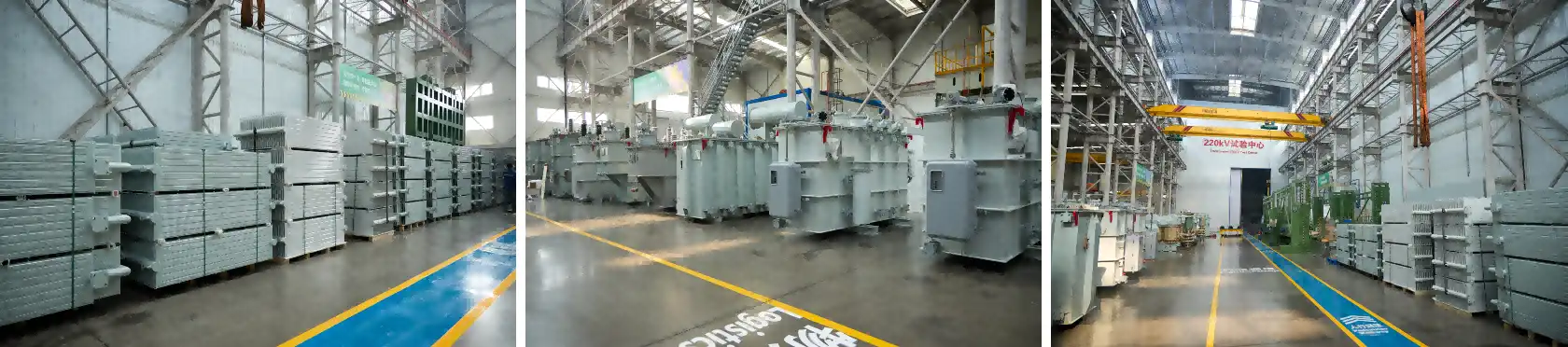
To get around in the global transformer market, you need to know about the strengths and weaknesses of different regions' production, approval, and new technology trends. Buyers who are well-informed use this information to negotiate good terms and find reliable supply partnerships for the S18 type 35KV oil-immersed power transformer.
Established makers with decades of experience usually offer tried-and-true designs backed by large databases of field installations. This makes the performance of their products less unclear than that of younger companies that are just entering the market. But creative suppliers who spend money on new materials and digital integration tools may be able to give their companies a competitive edge in terms of efficiency and smart grid compatibility. Logistics prices and wait times are affected by where the goods are manufactured. Local suppliers can usually respond faster to pressing orders or warranty problems, while foreign manufacturers may have a wider range of products and offer economies of scale for large purchases.
Portfolios of certifications show how committed a seller is to quality and market access. In addition to basic product testing, look for proof that the company is involved in industry working groups, helps create standards, and has third-party checks of its manufacturing processes. Customer references from similar projects can tell you a lot about how well shipping works, how quickly technical help responds, and how reliable a company is in the long run, which marketing materials can't. Asking for specific case studies that show setups in similar situations helps to back up what suppliers say and find problems that might come up during implementation.
Pricing tactics are very different depending on the level of the seller and the amount of goods bought. Large frame deals that cover multiple projects often get you bulk savings and first pick of production slots. On the other hand, buying one unit at a time will cost you more. Understanding the factors that affect costs, like raw material prices, labor rates, and how to divide up overhead, makes talks more productive and helps tell the difference between realistic quotes that show real competition and ones that aren't, which could lead to quality cuts or future disputes. Making payment terms, performance guarantees, and liquidated damages clauses clearer saves project budgets and encourages delivery on time and to specification.
The S18 type 35KV oil-immersed power transformer has a great mix of ultra-high efficiency, long service life, and operating flexibility that solves the most important problems power infrastructure planners are having right now. Its Tier 1 energy economy cuts costs and damage to the environment by a huge amount, and its hermetically sealed design means it will work reliably for decades with little upkeep. If procurement managers are looking at options for updating the power grid, providing power to factories, integrating green energy, or building up cities, the S18 platform has tried-and-true technology backed by strict compliance with standards and field performance data. It is important to pay close attention to application-specific needs, lifetime economic analysis, and source qualification to make sure that the best specification is made and that the system works well for a long time. This saves capital investments and helps the organization reach its energy goals.
When used normally, with proper installation and regular checks, the S18 type 35KV oil-immersed power transformer design has a service life of more than 25 years. The tightly sealed perforated tank keeps oil from breaking down when it comes in contact with oxygen and moisture in the air. This makes the insulation last a lot longer than in regular conservator-style transformers. The actual lifespan relies on the load profile, the environment, and how well maintenance procedures are followed. However, the sealed design makes maintenance much easier, which is what usually limits the time between services for transformers.
Customization options allow for different voltage setups, impedance values, and link arrangements that are needed for specific industrial processes or grid designs. Manufacturers usually offer a range of tap designs, different wrapping materials, and different cooling arrangements so that they can meet the needs of any project. When you talk about detailed needs early on in the procurement process, tech teams can make sure that the features you want are possible and give you accurate quotes without affecting delivery dates.
There are a lot of pros and cons to both oil-immersed and dry styles. For high-power outdoor setups, oil-immersed transformers like the S18 are usually the best choice because they cool more efficiently, make less noise, and can handle overloading better. Dry-type units don't pose a fire risk or a threat to the environment, so they can be installed indoors in active buildings or places that are sensitive to the environment. Comparisons of efficiency show that oil-immersed designs are better for larger sizes, but new dry-type technology has closed this gap. The best technology is chosen by looking at the total cost of ownership, installation environment, load characteristics, and legal limitations.
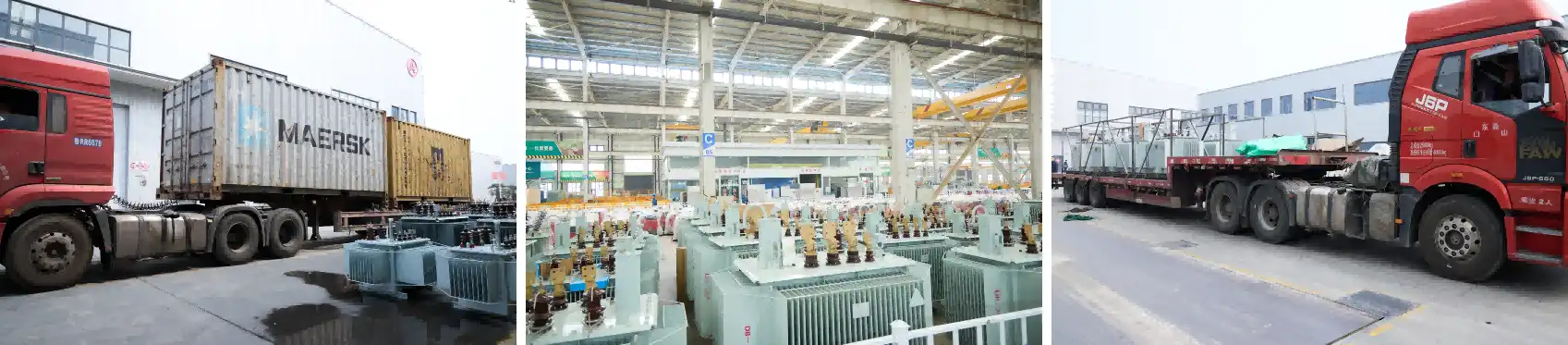
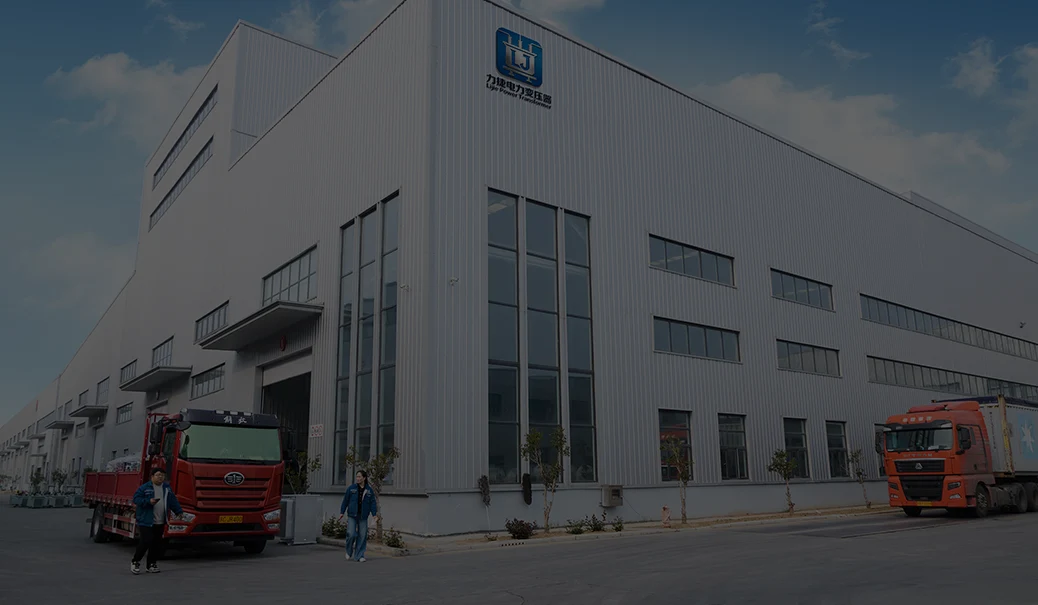
Every transformer project that Lijie Electric Power Technology Group works on is backed by decades of experience in both research and production. Our two factories, which together cover 500,000 square meters, use high-tech automatic core assembly lines and precise wrapping equipment to make sure that the quality of all of our large orders is always the same. With more than 160 engineers with advanced degrees, we offer full technical help from developing the initial specifications to completion and ongoing service. Our S18 type 35KV oil-immersed power transformer for sale shows how dedicated we are to saving energy and making sure our products work reliably. It has ISO 9001, IEC, CE, and UL certifications that meet the strictest standards for foreign projects. Whether you're planning to improve your distribution network, make an industrial facility bigger, or add green energy, our experienced team can help you come up with custom solutions that balance performance, cost, and delivery certainty. You can email our expert engineers at lijieelectrical@gmail.com to get detailed technical datasheets, recommendations based on your specific needs, and competitive quotes that show why major utilities and industrial operators around the world choose Lijie Electric as their transformer supplier and manufacturer of choice.
1. International Electrotechnical Commission. "Power Transformers - Part 1: General Requirements." IEC 60076-1:2011, Geneva, Switzerland.
2. Chen, W. and Liu, H. "Energy Efficiency Evaluation of Oil-Immersed Distribution Transformers Based on GB 20052-2020 Standards." Journal of Electrical Engineering Technology, Vol. 18, No. 4, 2022, pp. 1823-1835.
3. Zhang, Y., Wang, J., and Li, S. "Lifetime Assessment of Oil-Immersed Power Transformers Under Variable Loading Conditions." IEEE Transactions on Power Delivery, Vol. 36, No. 2, 2021, pp. 945-954.
4. National Institute of Standards and Technology. "Guidelines for Smart Grid Interoperability of Power Transformers." NIST Special Publication 1108R3, U.S. Department of Commerce, 2020.
5. Thompson, R. "Medium Voltage Transformer Selection for Industrial Applications: A Lifecycle Cost Perspective." Proceedings of the IEEE Industry Applications Society Annual Meeting, Detroit, Michigan, 2022, pp. 412-419.
6. International Council on Large Electric Systems. "Transformer Reliability Survey: Analysis of Failures in Service." CIGRE Working Group A2.37 Technical Brochure 642, Paris, France, 2019.
YOU MAY LIKE


H15%20type%20three-phase%20fully%20sealed%20distribution%20transformer.webp)


April 27, 2025
With a tight project schedule, the manufacturer delivered on time, and on-site technical personnel provided guidance throughout the entire installation and commissioning process; the collaboration was highly efficient and hassle-free.
July 2, 2025
During the preliminary phase, a selection plan was custom-tailored based on the actual site load requirements, resulting in a high degree of parameter compatibility. After-sales support responds within two hours, and ongoing technical support for operation and maintenance is comprehensive; we feel completely confident in a long-term partnership.
November 18, 2025
Deployed as a supporting component for a 35kV grid-connection project at a photovoltaic power station, the equipment operates for an average of 16 hours daily. It demonstrates excellent control over no-load losses, ensures smooth power generation and grid integration, and effectively reduces the station's overall energy consumption.
January 30, 2026
Under the continuous, high-load operating conditions of a factory production line, the equipment maintains stable electrical parameters and exhibits strong overload resistance, thereby guaranteeing an uninterrupted power supply for industrial production.
April 3, 2026
Integrated as a supporting component for a new energy photovoltaic grid-connection system, the manufacturer provided professional technical coordination and timely after-sales support, ensuring seamless adaptation to the specific electrical operating conditions required for grid integration.