April 27, 2025
With a tight project schedule, the manufacturer delivered on time, and on-site technical personnel provided guidance throughout the entire installation and commissioning process; the collaboration was highly efficient and hassle-free.
Jun 17, 2026
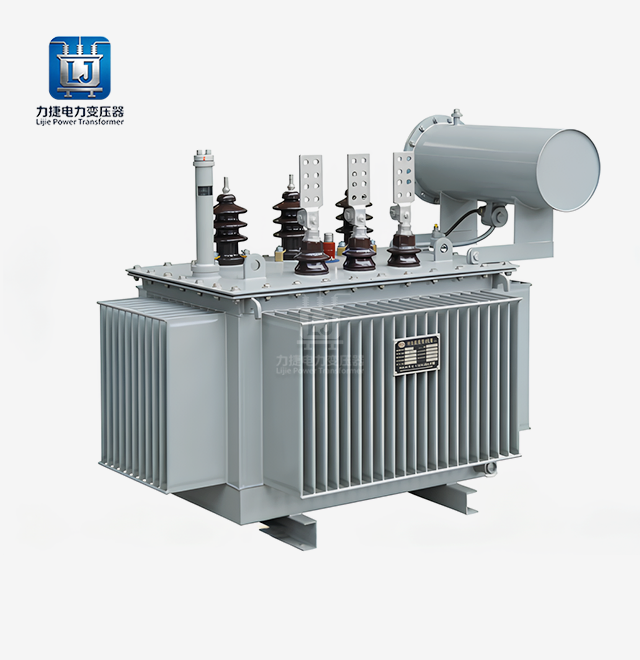
Electrical engineers and procurement managers are looking at more and more S22 type distribution transformers as power distribution equipment for utility grids, renewable energy installations, and industrial facilities. These transformers are the next generation and meet Level 1 energy efficiency standards set by GB 20052-2024. This fully sealed, oil-immersed transformer fixes some of the biggest problems with today's infrastructure, like high no-load losses, heavy upkeep needs, and rising lifetime costs. This equipment has very low losses and works reliably across voltage levels from 6kV to 12kV because it uses high-permeability silicon steel cores and curved tank designs. This makes it the best choice for updating power grids and setting up industrial power distribution networks.
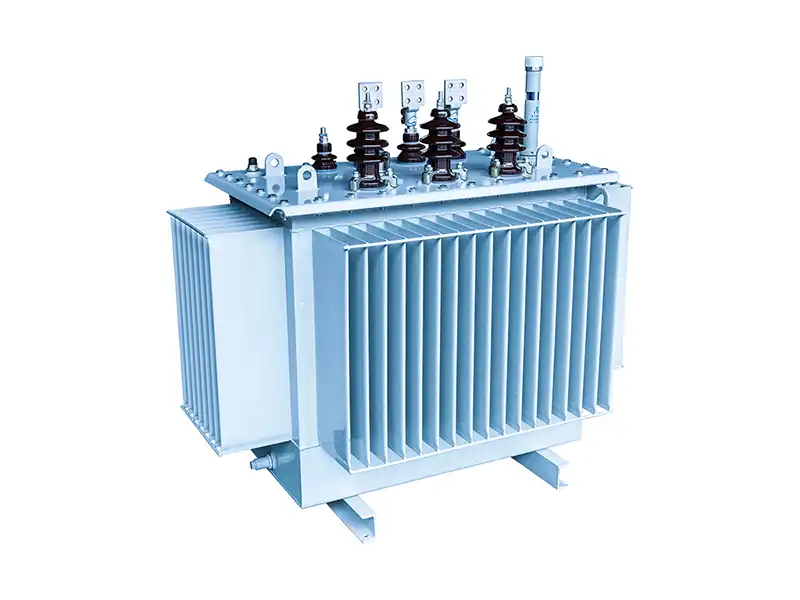
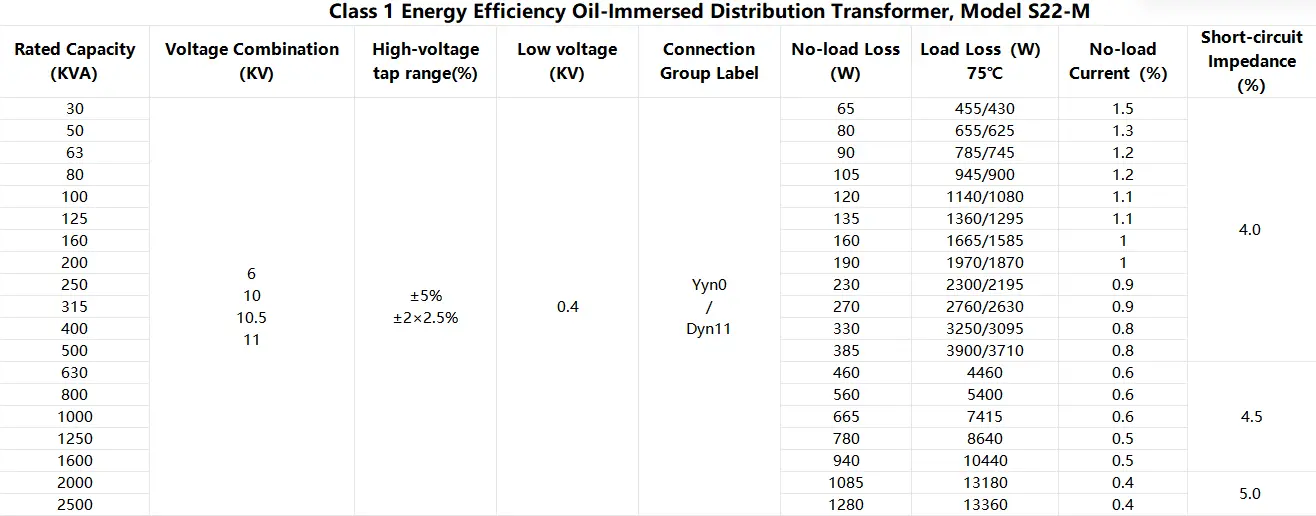
This platform for transformers has capacity values ranging from 30kVA to 3,150kVA. It can work with both single-phase and three-phase setups at speeds of 50Hz or 60Hz. Voltage adjustment is done by non-excitation tap switches that can be set to ranges of ±5% or ±2×2.5%. This lets the voltage be fine-tuned without using energized switching. Connection group names can be Yyn0 or Dyn11, which gives you choices for different distribution systems. Power frequency tests at 35kV AC and shock tests at 75kV can't damage the insulator system, so it works well in situations where the voltage changes quickly. Operating conditions allow outdoor setups in temperatures up to 40°C, but harsher regions can be supported if requested during purchase.
The basic idea behind it is electromagnetic induction inside a layered core made of high-permeability cold-rolled grain-oriented silicon steel. Compared to S13-generation transformers, stepped joint designs cut down on magnetic flux leaks and hysteresis losses by 15–20%. Copper wire that doesn't contain oxygen is used for both the primary and secondary windings. This makes the conductivity and short-circuit resistance better. The totally sealed corrugated tank doesn't need any oil conservators because the elastic corrugations naturally absorb heat expansion. This stops moisture from getting in and oxidation from happening, both of which break down insulation oil over time. This sealed design makes the system last longer than 30 years and gets rid of the need for regular oil topping and desiccant breather upkeep.
Acoustic pollution is still a big problem for industrial parks and substations in cities. The S22 type distribution transformer has noise levels between 50 and 55 dB(A), which is usually 3 to 5 dB below national standards. This is because the core locking and vibration-damping designs have been improved. The oil-immersed self-cooling method uses natural airflow inside the curved tank to get rid of heat quickly and effectively, without the need for fans or pumps outside the tank. With this passive cooling method, there are fewer places where things can break, and the costs of running the business stay the same, even when the system is constantly being loaded. When procurement teams compare oil-immersed and dry-type options, the sealed oil design offers better overload capacity and temperature performance in dusty or outdoor settings where dry-type units would need to be cleaned and derated more often.
For the S22 type distribution transformer, to start getting the site ready, a level concrete base is built to hold the weight of the transformer plus any dynamic loads that might happen during a fault. Check that the safety zones follow the NFPA 70E arc flash limits and the rules for electricity in your area. Before placing, check the corrugated tank for damage from shipping and make sure the data on the nameplate meets the requirements for purchase. To make sure the fault current goes away, connect the grounding leads to the tank and the neutral contact using cables that meet IEEE 80 standards. Install low- and high-voltage bushings using torque-controlled bolts according to the manufacturer's instructions. For medium-voltage connections, this is usually 40–50 Nm. Heat-shrink or cold-applied stress cones that are rated for the transformer's insulation class must be used for cable terminations. Make a pre-energization list of things to do, like checking the position of the tap changer and making sure it matches the system's voltage needs.
The S22 type distribution transformer uses non-excitation tap changing, but choosing the right taps during setup makes sure that the voltage is delivered optimally across all load cycles. Look at the estimates for line voltage drop to find taps that keep the service voltage within a ±5% range when demand is high. Coordinate transformer tap settings with plant controllers to avoid overvoltage in low-load, high-generation situations for green energy uses, like solar farms with variable inverter loading. Thermal management is part of load optimization. The transformer's self-cooling system continuously handles its stated capacity, but IEC 60076-7 standards allow short-term overloads of up to 30% as long as the ambient temperature stays below the design limits. Monitoring systems can keep an eye on the rise in temperature of the top oil to keep the insulation from breaking down during short-term overloads.
The sealed tank design greatly decreases the amount of upkeep needed compared to transformers with breathers. Visual inspection and infrared thermography should be used during annual exams to check the integrity of the corrugation and find hotspots that show internal flaws or bad connections. Every three years, oil samples are taken to check for dissolved gas analysis (DGA) markers. The levels of hydrogen, ethylene, and acetylene show if there are any early signs of winding flaws or burning. The oxygen-free copper windings and protected surroundings keep oxidation to a minimum, but DGA trends show faults early on. Common problems are fixed by routine troubleshooting: strange noises can be caused by magnetostriction or loose core laminations, and localized warming can be caused by high-resistance connections at bushings or tap changer contacts. Having access to original extra parts like bushings, gaskets, and tap changer devices makes it possible to fix things quickly. After installation, professional support services, such as factory-authorized testing and activation, make sure that the system meets IEC and ANSI standards.
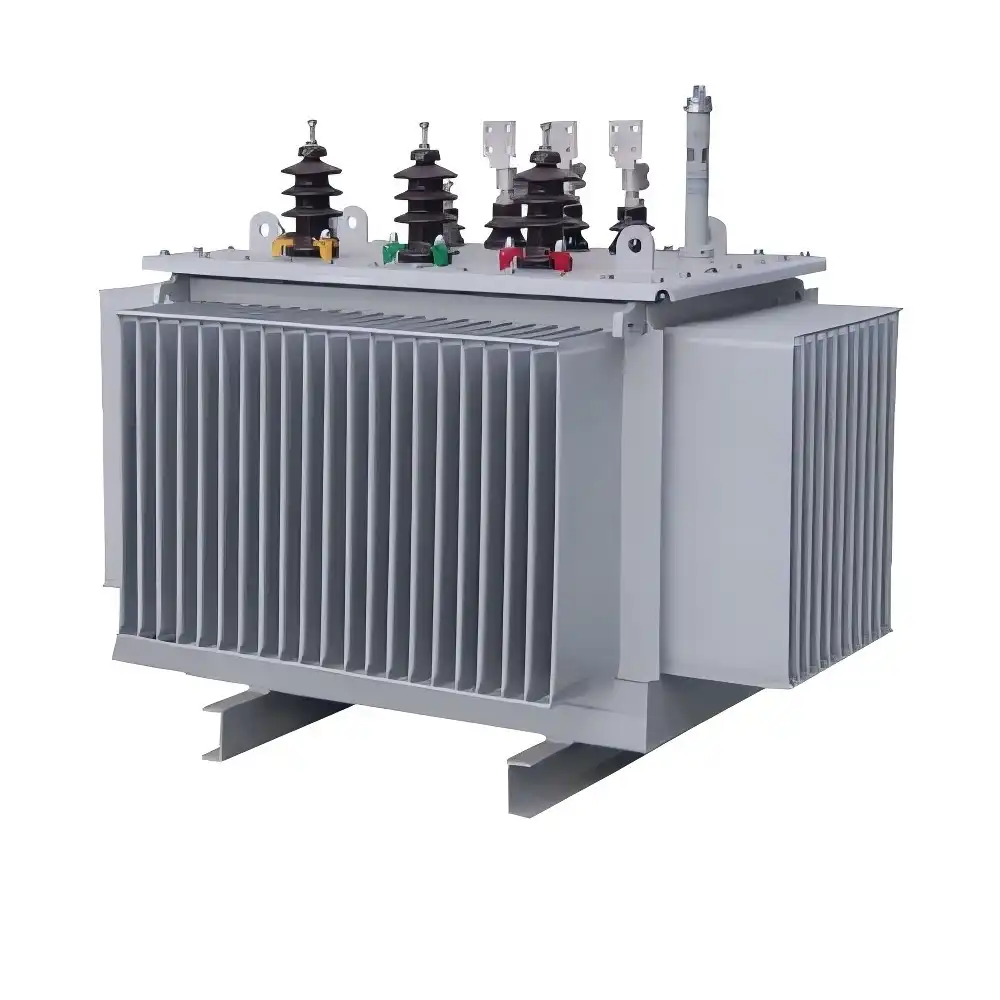
Material science and structure engineering improvements set the S22 type distribution transformer generation apart from the S11 and S13 generations that came before it. The S11 transformers use regular silicon steel, which has higher core losses. The S22, on the other hand, uses improved grain-oriented laminations that cut no-load losses by about 20%. The S13 used amorphous metal cores in some versions, which led to low losses but higher material costs and lower tensile strength. The S22 strikes a good mix between cost and performance. It uses advanced silicon steel to achieve Level 1 energy efficiency while still having strong short-circuit withstand capabilities. This is important for industrial settings that have to deal with motor starting transients and fault currents. The corrugated tank design takes the place of the popular S11 and S13 conservatory systems. This gets rid of the silica gel breathers and oil level signs that often break.
For the S22 type distribution transformer, the quality of the insulation system and how well it manages heat are important for operational efficiency over 20–30-year service lives. The sealed oil climate of the S22 stops moisture absorption and acid production, which are the main ways that regular transformers break down. Energy loss research shows strong benefits in terms of lifetime costs: no-load losses, which happen all the time regardless of loading, use a lot of energy over many years. An S22 transformer with a 1,000kVA rating loses about 1,200W when it's not in use, while similar S13 units lose 1,600W. At industrial energy rates of about $0.10/kWh, this 400W cut saves $3,500 a year per unit. These savings add up over the transformer's lifetime and cover its higher starting capital costs within 3–5 years.
No one approach works in every situation. Because the S22 is sealed, it can't be serviced in the field. For internal repairs, it needs to be sent back to the plant, but traditional transformers with a conservator give access to the windings from the site. This trade-off helps setups that put long-term dependability over field repairability. The less upkeep that needs to be done is good for procurement teams that are in charge of faraway substations or other important infrastructure. On the other hand, operations that can do a lot of repairs themselves might prefer serviceable designs. The prices are set to represent the high-tech materials and precise manufacturing used. Expect S22 prices to be 10–15% higher than S13 prices, but this will be balanced out by the savings in energy and upkeep costs. Utility decarbonization rules and standards for integrating green energy are driving market trends toward greater adoption, where lifetime costs and carbon footprint are more important than first-cost factors.
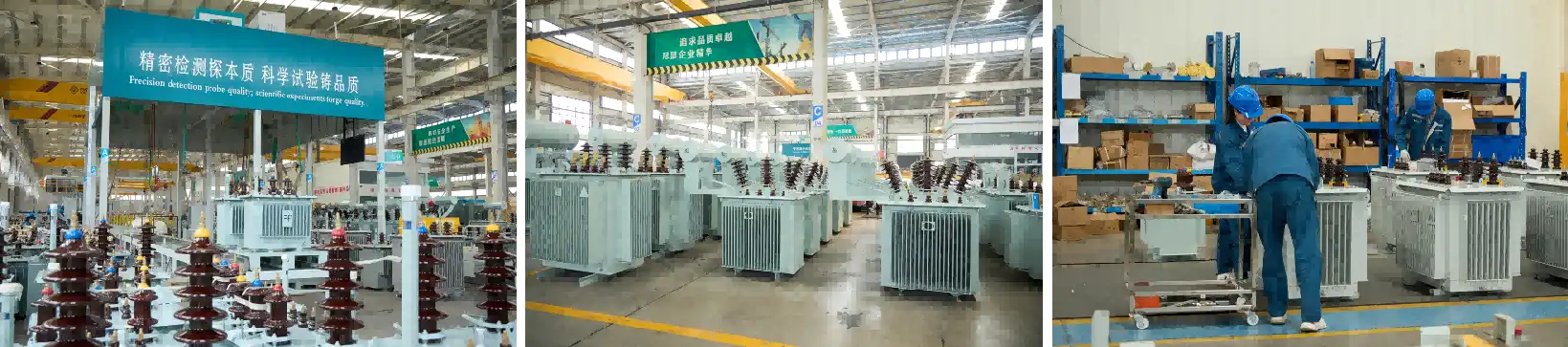
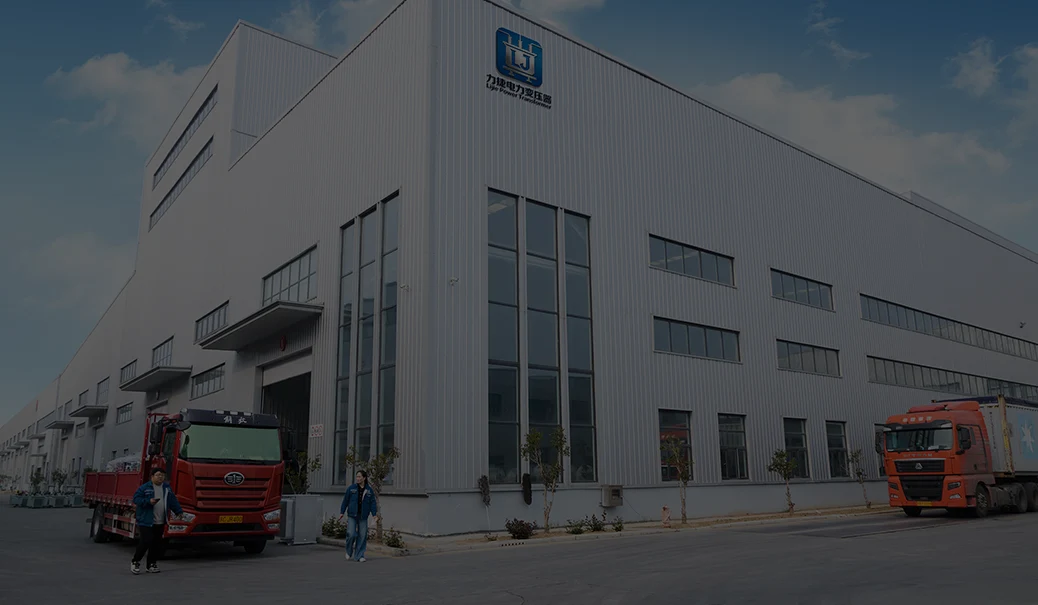
Buying S22 type distribution transformers from approved makers lowers the quality risks that come with power distribution equipment. To get into foreign markets, reliable providers show that they have ISO 9001:2015 quality management certification, IEC 60076 type test results, and UL/CE marks. Lijie Electric Power Technology Group is a good example of this standard. They have 500,000-square-meter factories in Xuzhou and Nantong with more than 160 engineers with advanced degrees working there. Over 5 billion RMB in annual sales and being named a National High-Tech Enterprise and a "Specialized, Refined, and New 'Little Giant'" show that the company has grown and reached a high level of technical development. Third-party validation boosts buyer trust. The National Transformer Quality Supervision and Inspection Center and the Wuhan High Voltage Research Institute do regular, type, and special tests and issue product model registration papers that prove compliance.
S22 type distribution transformer for Large infrastructure projects, like expanding utility grids, building industrial parks, and installing green energy sources, need stable performance from batch to batch and consistent delivery plans. For normal ratings, the minimum order quantity is usually 10 units, but this can change if you have unique needs. Lead times for standard items are 8–12 weeks, while they are 16–20 weeks for engineered-to-order items that have special voltage classes, impedance values, or environmental defenses. You can change the tap ranges, link groups, and extras like temperature monitors, pressure release devices, and the way the cable boxes are set up. When discussing framework agreements, procurement managers should be clear about delivery goals, payment terms that are tied to manufacturing stages, and penalties for missing deadlines.
Policies that cover a wide range of warranties protect investments in buying. Coverage usually lasts 24 to 36 months after the product is delivered and covers problems with the parts or the way it was assembled. Manufacturers' faith in sealed tank designs is shown by guarantees that cover core and coil assemblies for 10 years or more. Technical hotlines, on-site setup help, and training programs for operator and maintenance staff are all parts of after-sales support. Logistics issues include FOB/CIF prices, making the best use of containers for exports, and working with freight forwarders who know how to handle electrical equipment. Harm insurance and inspection rules at the final port of call protect against harm during transport. Lifecycle support includes having access to extra parts, such as bushings that can be used 10,000 times, gaskets that need to be replaced every 5 years, and tap changer devices that come with parts inventory guarantees.
Operational errors show up as expected signs. Infrared scans often show that overheating is caused by high-resistance connections at bushing ends or tap changer contacts. Most of the time, this can be fixed by raising the torque to the required level or removing hardware that has become oxidized. Too much noise above the allowed levels could mean that the core laminations are not tight enough. Vibration analysis finds the resonant frequencies that need to be adjusted to improve structural dampers. Oil leaks are rare in sealed corrugated tanks; they usually happen where the bushing seal meets the tank. Weepage can be stopped by replacing the gaskets and retorquing the tank. Megohm testing shows that moisture is getting in when the insulation resistance drops.
Predictive tracking is key to reducing the number of unexpected outages. Annual thermography during peak loads finds hotspots that are starting to form before they fail. DGA baselines are set by sampling oil every three years, and trend research shows that gas production rates are rising. Acoustic emission sensors, which are being used more and more in smart grids, constantly watch for partial discharge activity, which is an early sign of insulation breakdown. Inspections of corrugated tanks show that the elastic fins are flexible; stiffness means that there are problems with the internal pressure that need to be looked into. Every five years, bushing power factor testing checks how much capacitance has decreased in high-voltage insulation. These proactive steps make the operating life longer than the 30-year design threshold.
As part of efforts to update infrastructure, digital tracking systems are being added to more and more old transformers. The S22 type distribution transformer platform can handle non-invasive sensor installations, such as clamp-on current transducers for tracking load, fiber-optic temperature probes placed through bushing tubes, and oil-quality sensors that measure real-time dielectric breakdown voltage. Integration with IoT platforms and SCADA systems makes predictive maintenance algorithms and remote diagnostics possible. Because it works with smart grid technologies like automatic voltage control working with distributed power, demand response signals, and grid resilience applications, the S22 will be able to meet changing utility needs for many years to come. One way to upgrade is to get electrical on-load tap switches instead of mechanical ones. Professional completion services make sure that the system is fully integrated, conduct studies on relay coordination, and test the system according to IEEE C57 standards.
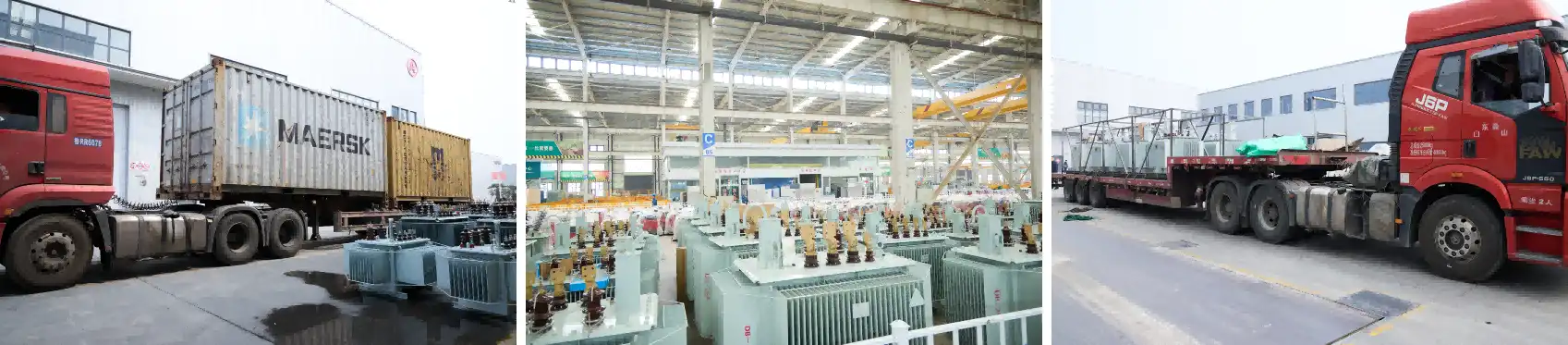
The S22 type distribution transformer solves three major problems that power companies, renewable energy developers, and industry users face: the need to save energy, the need to keep costs low over time, and the need to be reliable. Its protected, maintenance-free design, Level 1 efficiency rating, and 30-year working lifespan make it a good investment for both the economy and the environment. Partnering with qualified makers that offer proven quality systems, customization options, and full support throughout the lifecycle of equipment is key to successful procurement. When engineers and supply chain teams know about technical specs, best practices for installation, and upkeep plans, they can make decisions that are in line with project needs and long-term operational goals.
Under approved working conditions, with regular upkeep and the right way of installing it, the design life of the S22 type distribution transformer is more than 30 years. The fully sealed corrugated tank keeps oil and air from coming into contact with each other, which keeps moisture and acidity from breaking down the insulation. Many units in utility service last 40 years or more thanks to regular oil tests and temperature checks.
Level 1 grade under GB 20052-2024 is the best level of efficiency. Compared to older S13 models, it cuts no-load losses by 15–20%. At $0.10/kWh rates, a 1,000kVA unit saves about $3,500 a year in energy costs. It pays for itself in 3–5 years and cuts carbon emissions at the same time.
The system works with changing loads and harmonic content that is common in solar inverters and wind turbine engines. Grid-tied renewable systems are supported by strong short-circuit strength and voltage control through tap adjustment. When built with sealed materials, they work reliably outside without harming the environment.
Different manufacturers offer different voltage rates, impedance values, tap ranges, and link groups (Yyn0/Dyn11). Monitoring the temperature, pressure relief valves, and different wire box layouts are examples of extra equipment. Lead times for unique requirements range from 16 to 20 weeks, based on how complicated the engineering is.
Lijie Electric Power Technology Group is ready to help you with your power distribution needs because they know how to make ultra-high-efficiency S22 type distribution transformers. Our two factories, which together cover 500,000 square meters, make transformers that meet ISO 9001, IEC 60076, CE, and UL standards. They are also recognized as National High-Tech Enterprises and can produce more than 5 billion RMB worth of products every year. Our engineering team can help you with unique solutions that are delivered in 8–12 weeks for normal ratings and come with full guarantee coverage. This is true whether you're upgrading utility infrastructure, incorporating green energy, or powering industrial operations. We want procurement managers, electrical experts, and project leads to talk with us about technical details, the benefits of ordering in bulk, and lifecycle support that fits your project's schedule. Contact our team at lijieelectrical@gmail.com or visit lijie-electrical.com to get cheap quotes that meet your needs and to get full specifications.
1. Institute of Electrical and Electronics Engineers, "IEEE Standard for General Requirements for Liquid-Immersed Distribution, Power, and Regulating Transformers," IEEE C57.12.00-2015, New York, 2015.
2. International Electrotechnical Commission, "Power Transformers – Part 1: General," IEC 60076-1:2011, Geneva, Switzerland, 2011.
3. National Standards of the People's Republic of China, "Minimum Allowable Values of Energy Efficiency and Energy Efficiency Grades for Three-Phase Distribution Transformers," GB 20052-2024, Beijing, 2024.
4. American National Standards Institute, "Standard Requirements for Liquid-Immersed Distribution, Power, and Regulating Transformers," ANSI C57.12.00-2020, Washington, D.C., 2020.
5. Heathcote, M.J., "The J & P Transformer Book: A Practical Technology of the Power Transformer," 13th Edition, Newnes Publishing, Oxford, 2007.
6. Kulkarni, S.V. and Khaparde, S.A., "Transformer Engineering: Design, Technology, and Diagnostics," 2nd Edition, CRC Press, Boca Raton, 2013.
YOU MAY LIKE


12%20type%2035KV%20dry-immersed%20transformer_1778136610496.webp)


April 27, 2025
With a tight project schedule, the manufacturer delivered on time, and on-site technical personnel provided guidance throughout the entire installation and commissioning process; the collaboration was highly efficient and hassle-free.
July 2, 2025
During the preliminary phase, a selection plan was custom-tailored based on the actual site load requirements, resulting in a high degree of parameter compatibility. After-sales support responds within two hours, and ongoing technical support for operation and maintenance is comprehensive; we feel completely confident in a long-term partnership.
November 18, 2025
Deployed as a supporting component for a 35kV grid-connection project at a photovoltaic power station, the equipment operates for an average of 16 hours daily. It demonstrates excellent control over no-load losses, ensures smooth power generation and grid integration, and effectively reduces the station's overall energy consumption.
January 30, 2026
Under the continuous, high-load operating conditions of a factory production line, the equipment maintains stable electrical parameters and exhibits strong overload resistance, thereby guaranteeing an uninterrupted power supply for industrial production.
April 3, 2026
Integrated as a supporting component for a new energy photovoltaic grid-connection system, the manufacturer provided professional technical coordination and timely after-sales support, ensuring seamless adaptation to the specific electrical operating conditions required for grid integration.