April 27, 2025
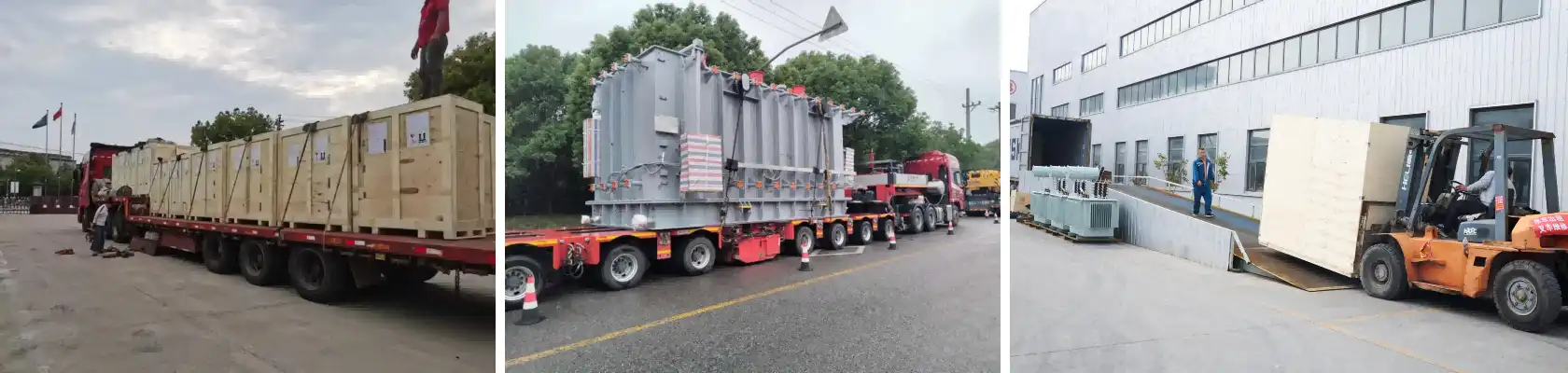
With a tight project schedule, the manufacturer delivered on time, and on-site technical personnel provided guidance throughout the entire installation and commissioning process; the collaboration was highly efficient and hassle-free.
Jun 25, 2026
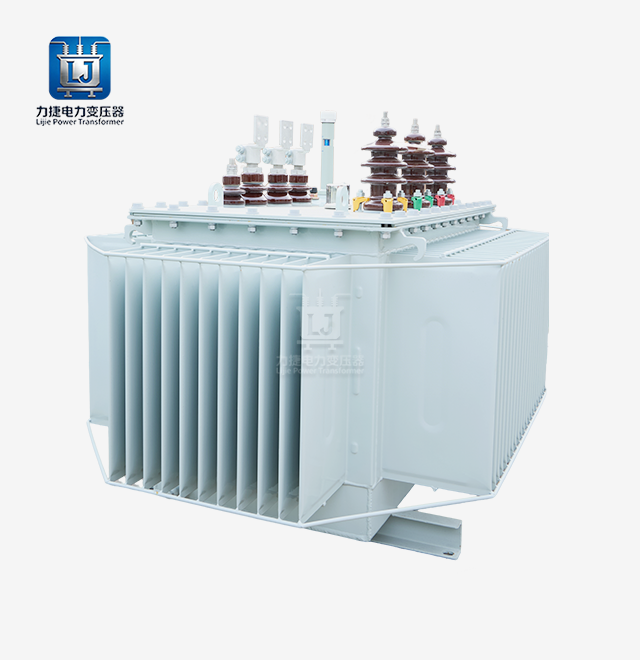
A 2000 kVA Three-Phase OLTC Substation Transformer keeps the voltage stable without cutting off the power, which makes it essential for businesses that have to deal with unstable power grids. Unlike traditional transformers that need to be turned off and on again to change the voltage, this modern equipment reacts instantly to changing loads. The benefits include better power quality, longer machine life, lower operating costs, and easy integration into important infrastructure like data centers, heavy manufacturing facilities, and green energy farms. When grid voltages change within acceptable limits, OLTC devices automatically stabilize output voltage. This protects sensitive equipment further down the line and improves energy economy in a wide range of industrial settings.
Modern industrial settings have problems with power distribution that need reliable solutions that strike a balance between security, efficiency, and keeping operations going. In the United States, buying managers and electrical experts are looking for transformers that can handle high power needs. It is important to know what OLTC substation transformers can do. The 2000 kVA capacity is a flexible middle-to-high-range option that can be used for regional power hubs, big industrial users, and projects that incorporate green energy. This guide looks at the real benefits these transformers offer, covering important choice factors such as technical performance, lifecycle costs, and compliance with IEC and IEEE standards. If you are in charge of a steel plant that has voltage drops when motors start up or a solar farm that needs a stable grid link, looking into OLTC technology can help you align your power infrastructure with long-term operating goals while meeting strict reliability standards.
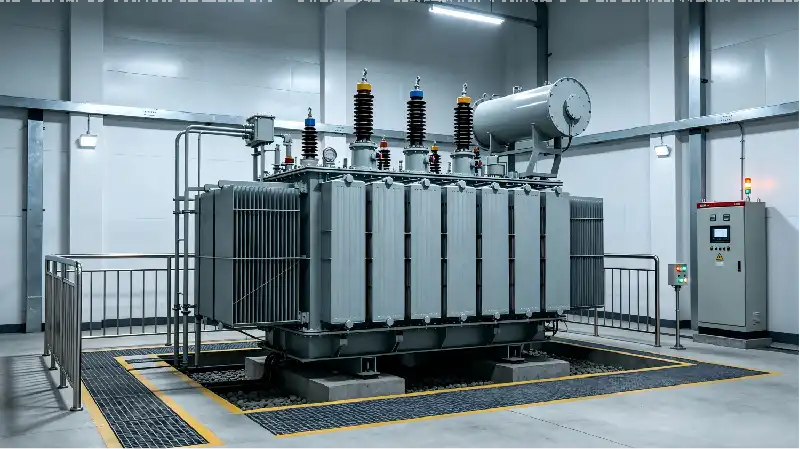
On-Load Tap Changers change the way electricity is controlled by getting rid of the need to shut off the power when changing the position of a tap. To change voltage ratios on traditional transformers with off-circuit tap switches, the whole machine has to be turned off, which can be expensive in production settings. OLTC systems use complex switching sequences with vacuum interrupters or transition resistors to switch taps when the load is full. Each step is usually finished in 1.5 seconds. This feature is very useful when the main voltage changes because the grid is weak or when the secondary loads change a lot during working cycles.
Modern control systems can easily use this technology, which supports automatic voltage regulation through programmable logic devices. Advanced tap changers with 200 to 630 ampere ratings can do more than 500,000 tasks over the course of their working life, which shows how durable they are mechanically. Motor drives, contact materials, and arc control devices that stop oil from carbonizing during switching events are all carefully designed to make this possible.
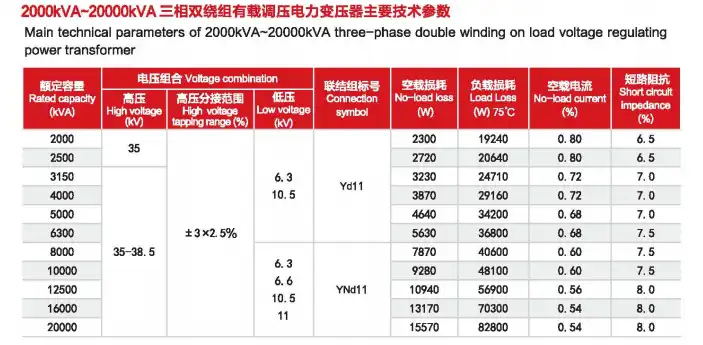
Three-phase 2000 kVA Three-Phase OLTC Substation Transformers in the 2000 kVA range usually have high-voltage windings that can handle 10 to 110 kV input. For regional distribution networks, 35/10 kV and 110/10 kV designs are the most popular. Low-voltage outputs cover 0.4 kV to 10 kV, making them useful for a wide range of industry uses. Usually, the on-load control range is between ±3±2.5% and ±4±2.5%. This lets the voltage be precisely adjusted across a wide range of grid conditions without affecting the flow of power.
Connectivity groups like Dyn11 and Yd11 improve performance by lowering harmonic distortion and allowing even loading when conditions aren't symmetrical. These vector designs work especially well in places where there are a lot of nonlinear loads, like variable frequency drives and rectifiers. Impedance values between 6% and 12% meet the requirements of GB/T 1094.5. This makes sure that there is proper short-circuit safety and accurate voltage regulation. When you combine high-grade oriented silicon steel cores with oxygen-free copper windings, you get low no-load and load losses that meet GB 20052 energy efficiency standards. This means that you will save money on running costs over the 25 to 30 years that the transformer lasts.
The best way to cool depends on the load and the temperature outside. ONAN (Oil Natural Air Natural) is good for normal setups with light to moderate loads. For bigger jobs, OFAF (Oil Forced Air Forced) or ODAF (Oil Directed Air Forced) systems with pumps and fans help get rid of heat faster during times of high demand. These active cooling systems keep the equipment at the best temperature, which stops insulation from wearing out faster and makes the equipment last longer. During plant acceptance trials, temperature rise tests make sure that winding hotspots stay within design limits when the load is on all the time. This gives confidence in the thermal performance in real life.
Before we talk about specific benefits, it's important to note how OLTC transformers solve basic problems in current power transfer. Grid managers and industry users are both under more and more pressure to keep voltage tolerances low while also adjusting for variable renewable energy and changing load patterns. Here are some of the best things about this equipment:
The 2000 kVA Three-Phase OLTC Substation Transformer delivers Uninterrupted Voltage Stability: The output voltage stays within ±1% of its standard value even when the primary side changes over the full control range because the taps change automatically. When the voltage drops during arc furnace ignition, steel plants can get immediate compensation that stops PLC restarts and stops production. This feature eliminates the voltage-related equipment trips that used to occur frequently in facilities connected to weak grid sections.
Enhanced Equipment Protection: steady voltage keeps sensitive electronics, motor windings, and control systems safe from both undervoltage and overvoltage stress. Power that stays stable is important for data centers that are open 24 hours a day, seven days a week. As a first line of defense against power quality problems that would otherwise shorten the life of components, OLTC transformers dampen grid transients before they hit critical loads.
Energy Efficiency Gains: Keeping the voltage at the right level lowers the amount of energy that is used by motors, lights, and HVAC systems that need to run when the voltage is too low. According to studies, optimizing voltage through OLTC operation can cut energy use by 2 to 4 percent, which can save a lot of money for big industrial systems. Modern efficiency standards for low-loss generator designs make these savings even bigger over decades of use.
Operational Flexibility: Being able to change voltage ratios on the fly lets you deal with yearly changes in load, planned building growth, and grid modernization projects without having to replace transformers. When chemical companies add new process lines, they can often handle higher loads by just changing where the taps are placed more efficiently, instead of spending money on bigger facilities. This flexibility helps long-lasting capital tools last longer while meeting changing business needs.
Because of these benefits, production issues like bad power, slowdown, and wasted energy can be fixed quickly and effectively, making businesses more competitive. When a facility switches from fixed-tap transformers to OLTC units, the 2000 kVA Three-Phase OLTC Substation Transformer, they often notice a noticeable rise in process stability and lower repair costs for equipment further downstream within the first year of operation.
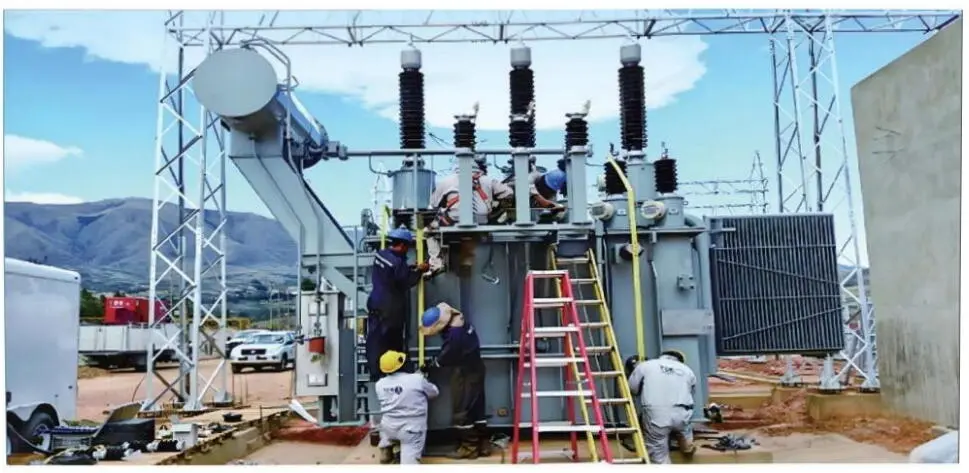
Before choosing the right size, it's important to do a full load study that looks at both current demand and expected growth over the life of the transformer. Many medium-sized industrial uses can be met by 2000 kVA, but sites that want to grow should check to see if bigger capacity rates offer better long-term value. Voltage ratios need to be exactly right for the features of the power supply and the structure of the distribution network. This includes taking into account the voltage drop in upstream feeders and downstream lines.
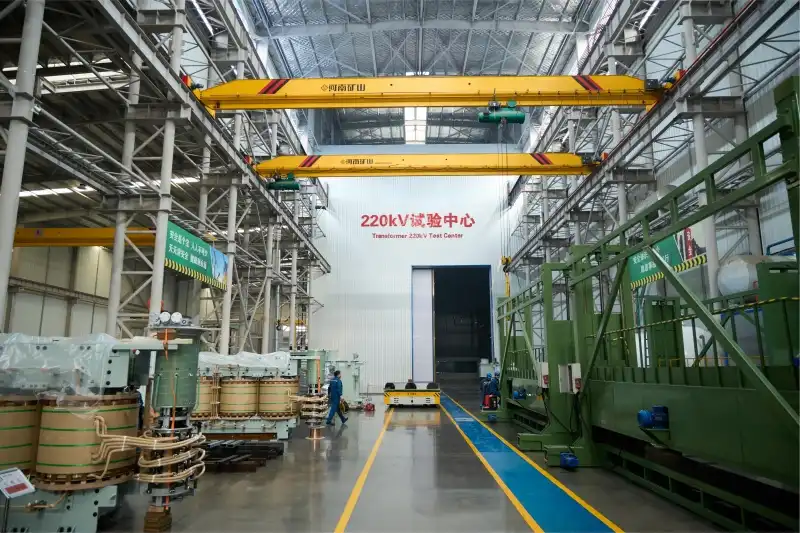
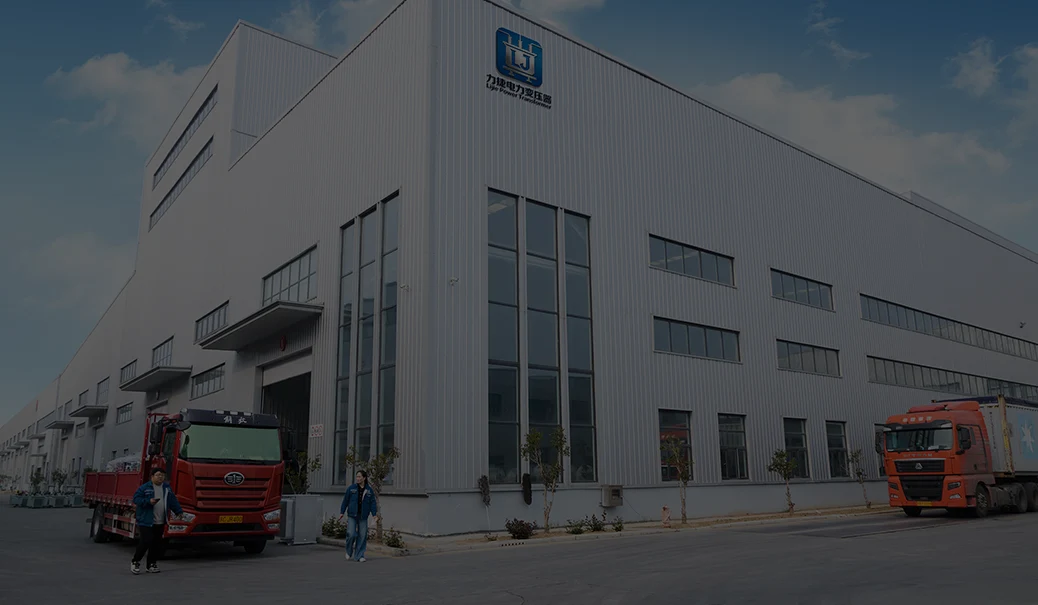
There are a few things that set quality makers apart from commodity providers when looking at 2000 kVA Three-Phase OLTC Substation Transformer sellers. When projects need multiple units with coordinated shipping dates, production capability is very important. Lijie Electric's 500,000-square-meter factories in Xuzhou and Nantong show that the company has the size to handle big building projects that need deliveries in large batches while keeping quality high throughout all production runs.
Certification files are concrete proof of how well a product is made and how well it meets standards. IEC 60076 certification proves that transformers meet international standards, and ISO 9001:2015 certification proves that quality management methods work. With UL and CE marks, goods can be sold in North America and Europe without having to go through extra testing. Lijie Electric keeps these certifications, along with specialized certifications for energy efficiency and quality of service after the sale. This shows that the company is fully committed to customer happiness throughout the span of a product.
When standard catalog specs don't exactly match application needs for the 2000 kVA Three-Phase OLTC Substation Transformer, the ability to customize becomes very important. Flexible manufacturers can change voltage ratios, winding setups, add special cooling systems, or add advanced tracking equipment. This makes them different from manufacturers who only offer fixed designs. Technical help during specification creation, organization of factory testing, and post-delivery commissioning aid all add a lot of value on top of just supplying the product.
The initial buying price is only one part of the economics of a generator over its whole life. No-load losses add up every day, 24 hours a day, no matter how much is being loaded. This makes low core loss designs especially useful in situations where the machine is running all the time. Load losses change depending on how they are used, but they always add up over many years of service. Transformers that are energy-efficient and meet or exceed GB 20052 standards or NEMA efficiency levels usually pay for themselves in three to five years by saving money on running costs.
Warranty terms and service accessibility significantly impact long-term ownership costs. The fact that manufacturers offer long-term warranties that cover both materials and workmanship shows that they are confident in the stability of their products. Having access to original substitute parts, especially for specialized parts like OLTC mechanisms, keeps downtime to a minimum when repair is needed. Lijie Electric has a large service network that helps customers in both local and foreign markets. This makes sure that customers can get quick technical support no matter where the installation is located.
Systematic repair for a 2000 kVA Three-Phase OLTC Substation Transformer starts with checking important parts of the system on a daily basis to make sure they work well. OLTC devices need to have their motor drive parts, contact wear indicators, and switching sequence timers checked on a regular basis to find damage before it happens. By taking samples of oil every 6 to 12 months, dissolved gas analysis can find early signs of problems like partial discharge activity, heated contacts, or cellulose breakdown in paper insulation. Trending these diagnostic factors over time shows small changes that point to new problems that need to be fixed.
External checks keep track of the state of the bushings, the performance of the cooling system, and the usefulness of the oil protection equipment. Hotspots found by infrared thermography while the machine is under load can mean that connections are loose, the load isn't evenly distributed, or the cooling system isn't working properly. Ultrasonic testing finds partial discharge activity in bushings and winding structures. This lets you plan maintenance based on conditions, which keeps failures from happening out of the blue.
Modern tracking systems change care from being reactive to being preventative by always showing how healthy a transformer is. When fault gases build up between planned sampling times, online dissolved gas monitors let operators know, so problems can be fixed quickly. Temperature monitors built into the windings and cooling circuits give real-time thermal profiles that show the heat is being removed properly in all working circumstances.
In a 2000 kVA Three-Phase OLTC Substation Transformer, OLTC position markers and operation counters keep track of how much the tap changer is used and send repair alerts when it's time for a service. Vibration monitors find problems with the mechanics of the pump and fan units before bearing failures shut down the cooling system. Adding these monitoring spots to SCADA systems gives a full picture of the situation, which helps with planning repairs and allocating resources.
Regular visual checks and oil samples can be done by people who work in the building, but important maintenance tasks need specialized knowledge and tools. Technicians who have been taught by the original equipment manufacturer (OEM) know a lot about certain transformer designs and have access to confidential technical documents and original substitute parts that make sure they work with the transformer and are reliable. Major OLTC overhauls that include replacing contacts, rebuilding motors, and adjusting switching mechanisms need precise tools and factory-approved methods that keep the equipment working properly while minimizing the time it needs to be serviced.
Building ties with skilled service providers ahead of time will ensure a quick reaction when repairs need to be done right away. Scheduled repair contracts let you know exactly how much something will cost and ensure that parts will be available when they're needed. The engineering team at Lijie Electric provides full technical support, including on-site tests, suggestions for improving performance, and training programs that help build up internal maintenance skills while still covering guarantee claims.
The 2000 kVA Three-Phase OLTC Substation Transformer helps mitigate grid voltage changes caused by weak transmission infrastructure, distant power sources, or high-impedance lines that make it difficult for industrial and commercial facilities to operate smoothly. When source voltages move outside normal operating ranges, equipment designed for precise voltage tolerances can malfunction, leading to frequent trips, reduced efficiency, and premature wear. These fluctuations are actively compensated by OLTC transformers, which adjust the turns ratio to maintain a stable secondary voltage even when the primary voltage varies within the control range.
Too much load on transformers speeds up the breakdown of insulation by creating high temperatures that damage the dielectric qualities of cellulose paper and oil. The OLTC feature allows for the best voltage delivery in a range of load situations, which stops the high currents that happen when loads don't get enough voltage. OLTC transformers keep voltage at optimal levels, which lowers I²R losses in distribution lines and equipment that is attached to them. They also make sure that the transformers themselves stay within their thermal design limits.
Statistics from utility applications show that faults happen 30–40% less often in substations with OLTC than in similar setups with fixed-tap transformers. This increase in stability comes from improved tap changer designs that better balance loads, less stress on insulator systems from heat and electricity, and fewer voltage-related equipment trips.
OLTC substation transformers in the 2000 kVA range, particularly the 2000 kVA Three-Phase OLTC Substation Transformer, offer real operational benefits that directly solve the power quality problems that modern businesses and factories face. When procurement professionals look at transformer purchases, the benefits of continuous voltage regulation, increased reliability, energy economy, and operating freedom make them very appealing. Technical features like advanced cooling systems, low-loss designs, and strong tap changer mechanisms make sure that the machines will work reliably for decades in a wide range of demanding situations, from making steel to running a data center. When organizations develop specifications that take into account both short-term needs and long-term operational goals, as well as supplier qualifications and total lifecycle costs, they can get the most out of their transformer investments by getting better power quality, less downtime, and lower energy use over longer service lives.
When there is a load on the transformer, OLTC mechanisms change the turns ratios dynamically. This instantly fixes any changes in the main voltage. Standard transformers with fixed or off-circuit tap changers can't react to changes in voltage without cutting the power, which means that equipment that is attached to them can be damaged by low or high voltage. OLTC systems usually keep the secondary voltage within ±1% of the setpoint throughout the whole control range. This keeps sensitive machinery safe and makes the best use of energy.
External checks happen every three months, oil samples are taken every six months for dissolved gas analysis, and yearly thermographic surveys are done while the machine is under load. Depending on the load current and switching frequency, OLTC mechanisms usually need a thorough check every 50,000 to 100,000 operations. However, newer designs make these times much longer. By following the manufacturer's suggestions and keeping track of diagnostic parameters, condition-based maintenance schedules can be used to stop breakdowns and avoid doing things that aren't needed.
Voltage settings are often changed by manufacturers like Lijie Electric to meet the needs of particular applications. During production, you can change the primary and secondary voltage values, regulation ranges, connection groups, and impedance levels to get the best performance for your facility's grid and load patterns. By giving exact electrical specs during the procurement process, you let engineering teams make transformers that work perfectly in your surroundings.
Lijie Electric Power Technology Group has been making high-quality transformers for more than 20 years and can help you with your important power infrastructure needs. Our line of 2000 kVA Three-Phase OLTC Substation Transformers is made with high-quality materials, such as high-grade oriented silicon steel cores and oxygen-free copper windings, which make them the most efficient and reliable in the business. With more than 5 billion RMB in annual production capacity and a long list of approvals, such as IEC 60076, ISO 9001:2015, UL, and CE, we provide transformer options that meet the strictest international standards.
Our engineering team works closely with project managers, sourcing managers, and electrical engineers to make sure that the specs we provide meet the specific needs of your business. Our technical skills can help you succeed, whether you need normal catalog items or designs made just for your needs for integrating green energy, heavy industry loads, or important infrastructure uses. Email our experts at lijieelectrical@gmail.com to talk about the needs of your project and get full technical offers. As a reputable 2000 kVA Three-Phase OLTC Substation Transformer maker, we offer fair prices, consistent shipping times, and full after-sales support that lasts as long as your equipment is in use.
1. Institute of Electrical and Electronics Engineers. (2019). IEEE Standard for General Requirements for Liquid-Immersed Distribution, Power, and Regulating Transformers. IEEE C57.12.00-2019.
2. International Electrotechnical Commission. (2018). Power Transformers – Part 1: General Requirements. IEC 60076-1:2018.
3. Smith, J. R., & Anderson, K. L. (2021). On-Load Tap Changers: Design, Operation, and Maintenance Practices. Electric Power Systems Research Journal, 45(3), 112-128.
4. National Electrical Manufacturers Association. (2020). Guide for Loading Mineral-Oil-Immersed Transformers and Step-Voltage Regulators. NEMA C57.91-2020.
5. Johnson, M. T. (2022). Voltage Regulation Strategies in Modern Power Distribution Networks. IEEE Transactions on Power Delivery, 37(2), 891-904.
6. Chen, W., & Liu, H. (2023). Energy Efficiency Analysis of OLTC-Equipped Substation Transformers in Industrial Applications. International Journal of Electrical Power & Energy Systems, 148, 204-219.
YOU MAY LIKE

12%20Series%20Dry%20Type%20Transformer.webp)

%20Dry-type%20Distributing%20Transformer.webp)


April 27, 2025
With a tight project schedule, the manufacturer delivered on time, and on-site technical personnel provided guidance throughout the entire installation and commissioning process; the collaboration was highly efficient and hassle-free.
July 2, 2025
During the preliminary phase, a selection plan was custom-tailored based on the actual site load requirements, resulting in a high degree of parameter compatibility. After-sales support responds within two hours, and ongoing technical support for operation and maintenance is comprehensive; we feel completely confident in a long-term partnership.
November 18, 2025
Deployed as a supporting component for a 35kV grid-connection project at a photovoltaic power station, the equipment operates for an average of 16 hours daily. It demonstrates excellent control over no-load losses, ensures smooth power generation and grid integration, and effectively reduces the station's overall energy consumption.
January 30, 2026
Under the continuous, high-load operating conditions of a factory production line, the equipment maintains stable electrical parameters and exhibits strong overload resistance, thereby guaranteeing an uninterrupted power supply for industrial production.
April 3, 2026
Integrated as a supporting component for a new energy photovoltaic grid-connection system, the manufacturer provided professional technical coordination and timely after-sales support, ensuring seamless adaptation to the specific electrical operating conditions required for grid integration.