April 27, 2025
With a tight project schedule, the manufacturer delivered on time, and on-site technical personnel provided guidance throughout the entire installation and commissioning process; the collaboration was highly efficient and hassle-free.
Jun 26, 2026
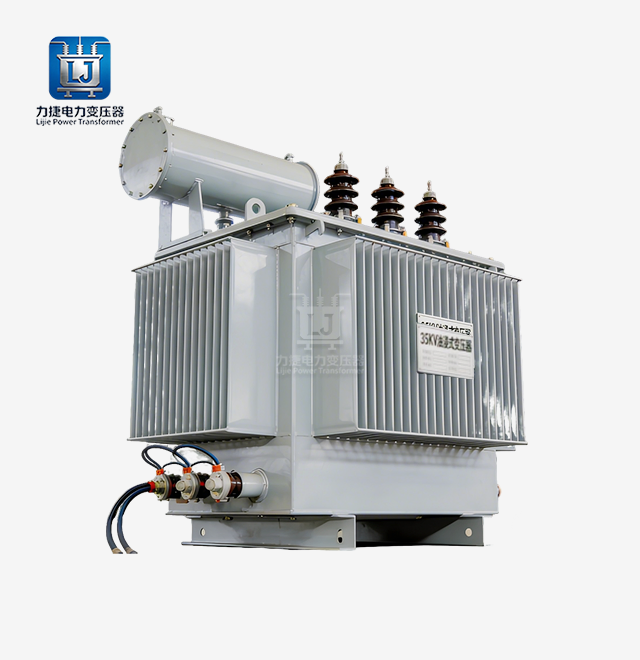
Electrical experts and procurement managers always check to see if high-capacity transformers really work efficiently when they're looking at power distribution equipment for factories, utility grids, or renewable energy installations. Without a doubt, the answer is yes. Modern 2000 kVA Three-Phase OLTC Substation Transformers that work at this capacity level have efficiency rates higher than 98.5%. This is because they have aligned silicon steel cores, oxygen-free copper windings, and dynamic voltage control features that keep energy losses to a minimum when the load changes. These transformers keep secondary voltage outputs stable without interrupting service. This directly solves practical problems that steel mills, data centers, and renewable energy integrators have to deal with when grid conditions aren't reliable.
Businesses that run large-scale systems have to make very important decisions about which generator technology to use. This guide looks at how well 2000 kVA Three-Phase OLTC Substation Transformers work in tough utility and industry settings. We focus on capacity ranges between 2000 and 20000 kVA and try to solve the problems that procurement professionals face when they have to balance practical stability, lifecycle costs, and energy saving standards.
If you know how these devices control voltage under constant load without stopping the flow of power, you can make smart buying choices. We used performance measures that are in line with IEC 60076 and IEEE C57.12.00 standards throughout this study. These were based on real-life deployment cases in the heavy manufacturing, green energy, and power utilities sectors. The information here includes technical specs and operational data that electrical engineers, project managers, and supply chain workers who have to choose tools for medium-voltage use will find useful.
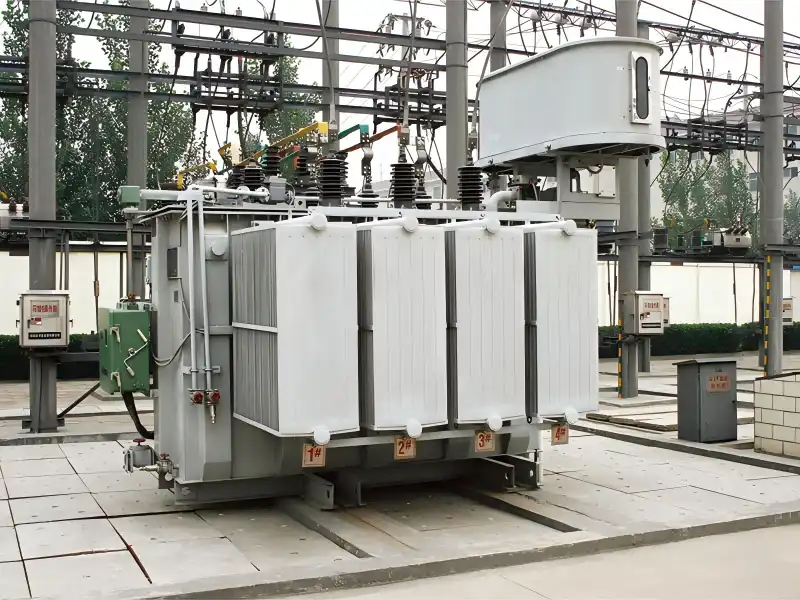
The main difference between on-load tap-changing transformers and fixed-tap changing transformers is how they control power. In traditional units, the power has to be turned off before the tap can be adjusted, which interrupts service and causes operational downtime. 2000 kVA Three-Phase OLTC Substation Transformers use vacuum interrupters or high-speed transition resistors that change tap positions every 1.5 seconds. This keeps the power flowing while adjusting for changes in the primary voltage that can be anywhere from ±3×2.5% to ±4×2.5%.
Having this constant control feature is very important in places where voltage changes often. During times of high demand, voltage drops often happen on regional power grids that serve both commercial and household loads. High-starting-torque motors in factories cause big drops in power that make sensitive control systems less stable. By changing the turns ratios automatically in real time, these transformers keep the secondary voltage levels stable between 0.4kV and 10kV. This keeps equipment from breaking down and increases the life of the equipment further downstream.
How well these units change electrical energy depends on a number of scientific factors. Magnetic hysteresis and eddy currents in layered steel sheets cause core losses in transformers. High-grade oriented silicon steel lowers these losses to levels that meet GB 20052 energy efficiency standards. This lowers no-load losses that keep adding up, no matter what the load is.
The way a cooling system is set up has a direct effect on how well it handles heat and stays efficient when it's busy. Units with a rating of 2000 kVA usually use ONAN (Oil Natural Air Natural) cooling, while units with higher capacities use OFAF (Oil Forced Air Forced) or ODAF (Oil Directed Air Forced) to get rid of the heat they make while they're running. Proper cooling keeps the temperatures of the windings within safe limits. This keeps the insulation from wearing down and makes sure that the design efficiency lasts for the 25–30 years that the equipment is in use.
The Dyn11 or Yd11 connection group setup can stop harmonic distortion caused by non-linear loads, which are common in modern buildings that use variable frequency drives and electronic power sources. This vector group design lets the neutral conductor be loaded with 100% uneven current while reducing third harmonic currents that would otherwise make losses worse and cause systems to overheat in delta-connected systems.
Without disciplined repair procedures, operational efficiency goes down. Analyzing the dissolved gases in transformer oil can help find small temperature or electrical problems before they get worse and cause major failures. When moisture gets into insulation systems, it lowers the dielectric strength and speeds up the aging process. Oil testing and filtering should be done every 12 to 24 months to keep the insulation and cooling qualities.
The OLTC system itself needs inspections to happen at regular times based on the number of operations, not on the date. Even though modern tap changers are rated for 500,000 operations, they still need to be checked after 50,000 to 100,000 switching cycles, especially to see how the contact resistance and arcing chamber are doing. It is more cost-effective to replace a vacuum interrupter before it breaks than to fix it after it has already broken. This is because the integrity of the interrupter directly affects the switching speed and energy loss during tap changes.
Industrial facilities that work with materials or parts can't handle power changes of more than ±2% without affecting the quality of their products. To keep limits measured in micrometers, automated welding systems, precision machining equipment, and lines that make semiconductors need stable power sources. 2000 kVA Three-Phase OLTC Substation Transformers fix grid instability by changing tap positions automatically. They can react to changes in voltage within seconds because they work with automatic voltage regulators and can be integrated with SCADA systems using Modbus or IEC 61850 protocols.
This benefit is clearly shown by data centers that house mission-critical apps. Most of the time, 208V±3% is the voltage range that server gear and storage devices work in. Even short trips outside of this range cause safe shutdowns that stop service and cost thousands of dollars per minute in lost income and time spent synchronizing data. These transformers keep the secondary voltage stable even if the primary voltage changes. This eliminates the risk of downtime and lowers the need for expensive UPS systems that are big enough to handle voltage control as well as backup length.
When businesses run industrially, the energy they use is a high ongoing cost. A transformer that works at 75% load all the time for 8,760 hours a year uses the same amount of energy as its load losses plus its no-load losses. When compared to normal designs, units made to meet GB 20052 efficiency standards have no-load losses that are about 30% lower. This means that over the equipment's service life, the costs will go down.
When the winding design and wire purity are better, load losses go down in a straight line. When compared to regular copper alloys, oxygen-free copper wires have lower resistance losses. This is especially important because load losses change with the square of the load current. This design advantage saves the most money when there is a lot of industry action, and transformers are working close to their rated capacity. A factory that works three shifts and always has a lot of work to do pays for high-efficiency transformers within four to six years just by saving money on power bills.
Temperature makes the aging of electrical tools happen much faster. The empirical "8-degree rule" says that insulation loses half of its life for every 8°C above its recommended amount. OLTC transformers with forced cooling systems keep their working temperatures lower during times of high load. This directly extends the life of the insulation system and delays expensive projects to replace or fix it.
Thermal cycle, in which windings and core structures repeatedly expand and contract due to changes in load, causes mechanical stress that can weaken insulation barriers and loosen gripping structures. These transformers have less severe thermal cycles than fixed-tap options because they keep the voltage output more stable and lower the size of the load current swings that need to be made up for unstable voltage. This mechanical steadiness makes it possible for longer periods of time between major maintenance tasks and lowers the chance that sudden failures will mess up production plans or grid operations.
When you take a fixed-tap generator out of service, it needs to be adjusted by hand, which takes a few hours of planned downtime and planning with the operations team. Unplanned shutdowns cause problems with the quality of the products, damage to the equipment, and big drops in income for factories that use ongoing processes. This practical limitation is completely removed when 2000 kVA Three-Phase OLTC Substation Transformers change voltage ratios while the load is on.
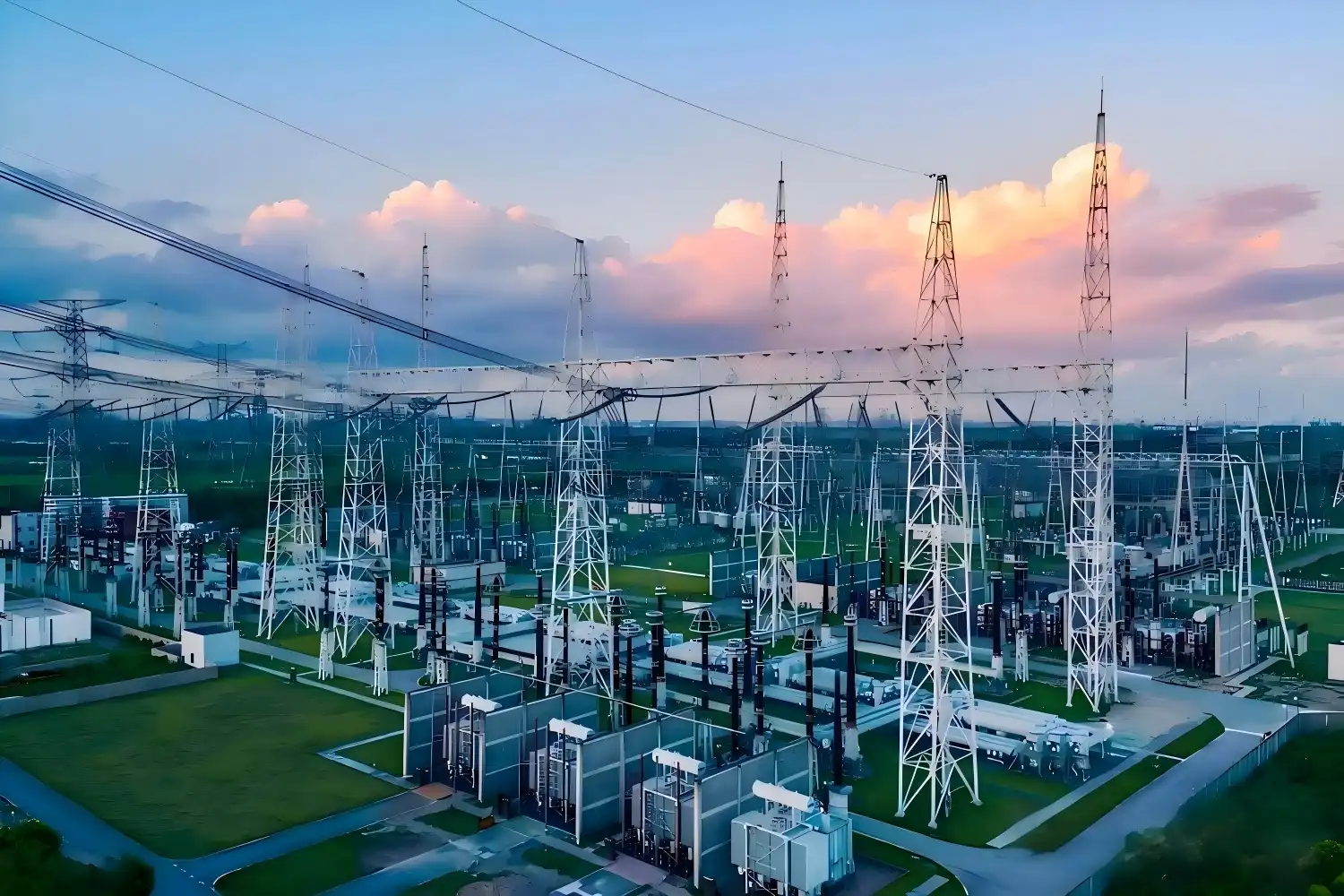
This benefit is especially clear in apps that use renewable energy. The output of solar farms and wind systems changes all the time depending on the weather. When it's cloudy in the morning, a 100 MW solar plant might only produce 10% of its rating capacity. But as soon as the clouds clear, it will produce 90% of its rated capacity. This fast rise in production causes the voltage to rise at the point of common coupling, which could go over the limits for utility connections. When OLTC transformers step up from collection voltage to transmission levels (usually 35kV or 110kV), they automatically change the tap settings to keep voltage levels compliant during these production swings.
Global companies like Siemens, ABB, Schneider Electric, and Eaton built strong names over many years of improving their tech and collecting data on how well their products worked in the field. These businesses put a lot of money into research to find solutions to new problems in the grid, like how to include green energy and make smart grids work with each other. Their product lines usually come with a lot of different voltage ratios, resistance values, and ways to add extra equipment.
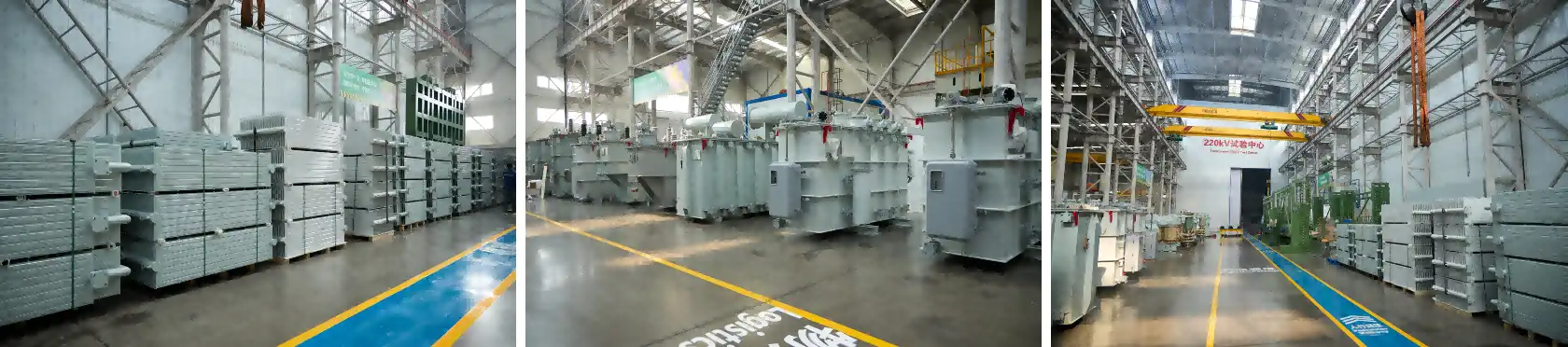
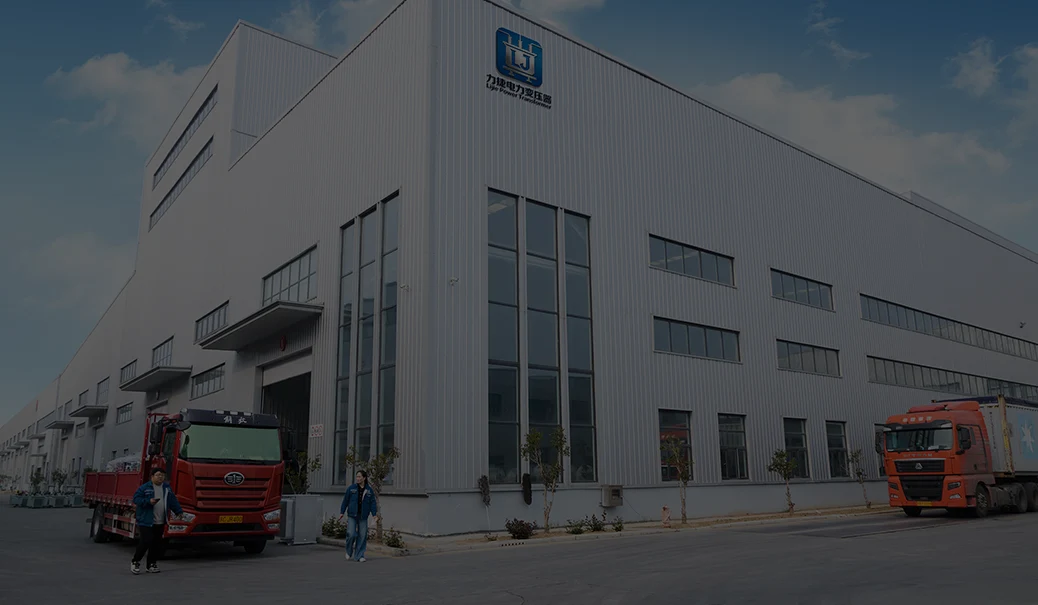
But companies like Lijie Electric show that technical excellence and manufacturing prowess are not just found in Western names. Lijie Electric has two main production facilities that cover 500,000 square meters and employ more than 2,000 people, including more than 160 engineers with advanced degrees. Their production ability and technical sophistication are on par with those of well-known global competitors. The company has been certified to meet international quality standards with ISO 9001:2015, IEC 60076, and CE/UL approvals. They have also successfully deployed projects in Australia, Southeast Asia, Central Asia, and Africa, showing that they can be trusted in a variety of working settings.
Natural cooling methods (ONAN) are enough for sites that have enough air flow and don't get too much use. These systems work with just convective oil circulation and radiator heat dissipation, so they don't need any extra tools to work and don't need much upkeep. Unfortunately, ONAN cooling can only be used for smaller power levels and in places where the weather stays moderate all year.
Forced air cooling (ONAF) uses fans that are controlled by a timer and turn on when there is a lot of work to be done. This makes it 25–40% better at getting rid of heat than natural airflow. This improvement to cooling makes it possible for tanks to be smaller and hold more weight at once while taking up the same amount of space. OFAF and ODAF systems have cooling fans and oil pumps that move insulation fluid through the windings at higher flow rates. This lowers the temperature of the hot spots and makes it possible to load even more. To choose the right cooling methods, you need to look at the load profiles, ambient conditions, and room limitations that are unique to each installation.
The process of buying something starts with accurately describing the load. Electrical experts have to figure out the 2000 kVA Three-Phase OLTC Substation Transformer constant load needs, its peak demand, and how much load it is expected to grow over its lifetime. If you choose a transformer with a rating of 2000 kVA when the real continuous loading is 2400 kVA, it will overheat, age faster, and break down before it should. On the other hand, going too big by 100% or more wastes money on capital and makes operations less efficient, since transformers work best when they are near 70–80% of their rated capacity.
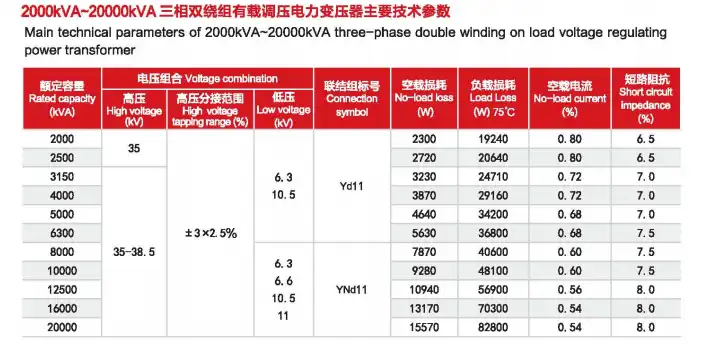
The choice of voltage ratio relies on how the main distribution system is set up and what the secondary usage needs are. 35/10 kV is a common setup for regional grid substations, and 110/10 kV is a common configuration for cable interconnection points. When it comes to low-voltage choices, they usually fall between 0.4 kV for direct industrial loads and 10 kV for medium-voltage distribution networks. Short-circuit resistance values between 6 and 12% change fault current levels and how well protection works together. This parameter needs to be carefully studied to make sure it works with current switchgear grades and protection relay settings.
The purchase price is only one part of the total cost over the life of the item. During the transformer's 25–30-year working life, energy leaks cost a lot of money to run. When running all the time under heavy load, a unit that is 1% more efficient than a basic design saves a lot of money on energy costs every year. When you add up these yearly savings over the life of the equipment, the higher price for more energy-efficient designs is often worth it, especially in places where power costs a lot.
Maintenance costs change a lot from one maker to the next, depending on how reliable the parts are and how accessible the service network is. OLTC devices made by reputable companies can work more than 500,000 times before they need major repairs. On the other hand, less-than-stellar designs may need repairs after 100,000 uses. The cost of unexpected downtime is directly affected by how easy it is to get replacement parts, repair technicians, and expert help. Not only should procurement teams look at the guarantee terms, but they should also look at how many installations the seller has in their area and how long it has been since a similar product failed on average.
Equipment that meets area standards must be approved for international projects. IEC 60076 is the internationally accepted standard for designing and testing transformers, but some areas need extra certifications. European devices need to have a CE mark that shows they are safe and compatible with electromagnetic fields. In North America, projects often need UL or CSA approval, which covers a range of different building and insulation standards. When international development banks fund projects, they usually expect strict environmental and social control standards to be met. These standards go beyond simple technical requirements.
Certification of a quality management system gives you peace of mind about the stability and traceability of your business. ISO 9001:2015 certification makes sure that providers keep written records of how they control design, monitor output, and take corrective action. For big projects with dozens or hundreds of identical units, this process discipline makes sure that the 50th transformer works exactly the same as the prototype that was tried during plant acceptance trials. This cuts down on delays in starting and warranty claims that happen because of differences in how the units were made.
Schedules for regular inspections are the basis of reliability-centered maintenance. Visual checks every three months find oil leaks, strange noises or vibrations, and damage to joints or radiators before they get worse. Electrical testing once a year checks the accuracy of the turns ratio, power factor, and insulation resistance to find signs of wear and tear that could mean new problems are starting to appear. Every 12 to 24 months, dissolved gas research shows the first signs of problems through specific gas generation patterns. For example, acetylene levels show arcing, ethylene levels show overheating, and hydrogen levels may be caused by partial discharge activity.
The number of operations rather than the date determines how often a 2000 kVA Three-Phase OLTC Substation Transformer device needs to be inspected. Modern tap switches have counters that keep track of switching activities and set off repair alerts when certain levels are reached. During inspections, the OLTC compartment's oil state, contact resistance, spring tension, and locking functioning are all checked. Contact surfaces that have pits or erosion need to be resurfaced or replaced before they break down during future tap changes. Vacuum bottles in vacuum-type tap changes eventually break down due to diffusion and arcing exposure, so they need to be replaced based on what the maker says and how long they've been used.
Condition-based maintenance strategies that make the most of inspection times and cut down on needless invasive treatments are made possible by advanced diagnostic tools. By comparing impedance characteristics across a wide frequency range to baseline readings, frequency response analysis can find windings that have changed shape mechanically. Partially discharge monitoring finds problems with the insulation and contamination that cause high-frequency electrical noise that can be picked up by special monitors. Thermographic imaging during operation shows hot spots that could mean bad connections, not enough cooling, or localized overloading that needs to be looked into.
Systematic debugging cuts down on downtime when problems happen despite attempts to keep them from happening. When a generator shows high amounts of dissolved gas, it needs to be checked out right away to find out how bad the fault is and where it is. If gas patterns show that the paper insulation is breaking down, the plant may be able to keep running with less load until its planned shutdown. But if patterns show that there is active arcing, the plant must be turned off right away and thoroughly inspected inside. If an OLTC fails during operation, like when the motor stops, there is a strange noise, or you can't make changes to the taps, you need to isolate the problem and check the tap position by hand before you try to fix the motor circuits, position markers, or control logic electrically.
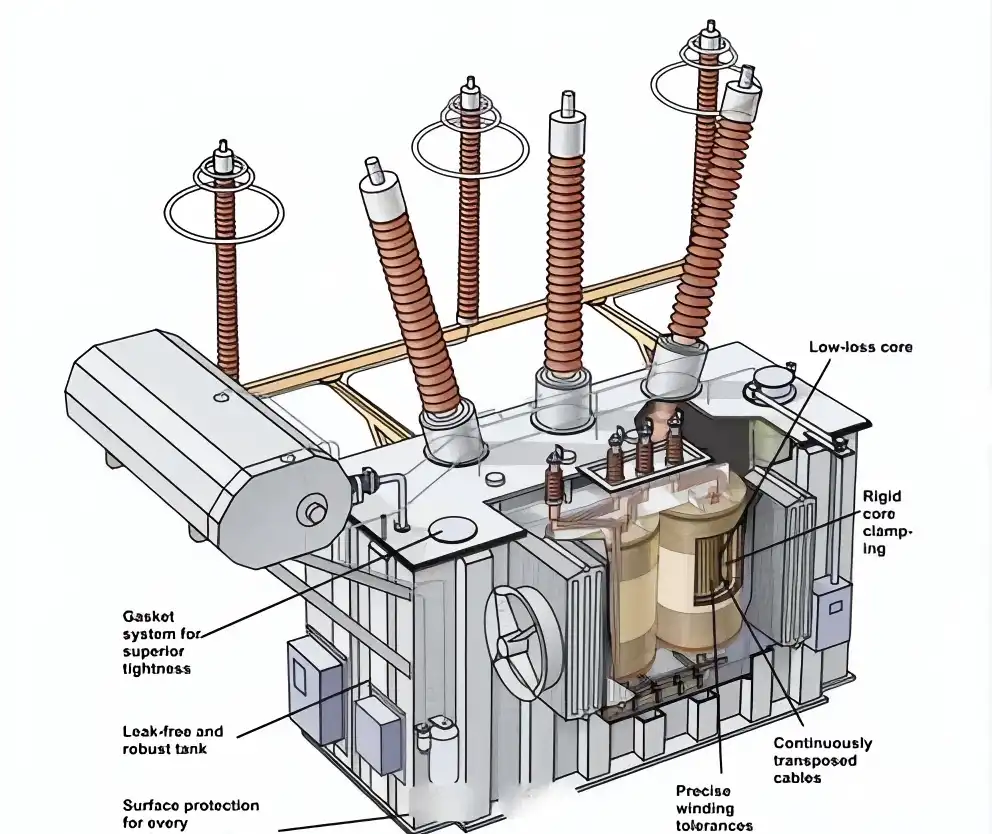
2000 kVA Three-Phase OLTC Substation Transformers with capacities between 2000 and 20000 kVA offer real improvements in efficiency and operational benefits that make them worth using in demanding utility, industrial, and green energy systems. Their ability to keep the secondary voltage fixed without stopping service solves some of the most important problems that come up when the grid is unstable or when the load changes. To get the best performance, you need to carefully match the specifications to the needs of the application, choose dependable providers with a track record of producing high-quality products, and follow strict upkeep procedures that keep the design working well for decades. When purchasing managers weigh the needs for technical performance against the overall cost over the product's lifetime, these units prove to be very valuable in situations where stable power and constant operation are very important.
By changing tap places while the load is on, 2000 kVA Three-Phase OLTC Substation Transformer technology keeps voltage levels at their best all the time, without stopping service. This feature cuts down on the losses that happen when equipment is used outside of its recommended voltage ranges, and it gets rid of the costs of downtime that come with manual tap adjustment processes that need to be turned off.
Modern tap switches that are rated for more than 500,000 operations need to be inspected carefully every 50,000 to 100,000 switching cycles, but this can change based on the load current and the surroundings. Units that work in controlled substations with stable load patterns may go over 100,000 processes without a service call, but sites that have a lot of fast switching due to heavy load need shorter intervals.
Of course. Automatic voltage regulation that accounts for changes in production is very helpful for solar and wind systems. As the weather changes, the transformer changes the placement of the taps to keep the grid interconnection voltage limits. This makes sure that the most energy is delivered and that fines for voltage violations don't happen.
ONAN cooling works best in places with modest loads and good air flow, while ONAF cooling increases capacity by forcing air through the system. Higher grades and heavy loads work better with OFAF or ODAF systems that have oil fans built in to get rid of as much heat as possible. When suggesting cooling specs, your electrical engineer should look at the room's temperature, how much it's being used, and how much space there is.
Lijie Electric has been making transformers for more than 20 years and can help you with your infrastructure projects by mixing modern engineering with full quality assurance. We are a well-known company that sells 2000 kVA Three-Phase OLTC Substation Transformers. The capacities we offer range from 2000 to 20,000 kVA, and the voltage ranges from 10 to 110kV for the main rating and from 0.4 to 10kV for the secondary rating. Our factories are certified by ISO 9001:2015, IEC, CE, and UL, which means that every unit meets international safety and performance standards.
Our engineering team works directly with procurement managers and electrical engineers to make sure that the standards are perfect for your needs, whether they are for a regional grid substation, an industrial facility, or a green energy installation. In order to meet the tight delivery times needed for big EPC projects, we keep a large inventory on hand and offer expert support services such as installation advice, commissioning assistance, and full warranty coverage. Email our team at lijieelectrical@gmail.com to talk about your substation transformer needs and get full specs that are made just for your project.
1. International Electrotechnical Commission. (2018). Power Transformers – Part 1: General Requirements. IEC 60076-1 Standard.
2. IEEE Power and Energy Society. (2015). IEEE Standard General Requirements for Liquid-Immersed Distribution, Power, and Regulating Transformers. IEEE C57.12.00.
3. Harlow, J.H. (2012). Electric Power Transformer Engineering, Third Edition. CRC Press, Boca Raton.
4. McNutt, W.J., & Patel, M.R. (2004). Transformer Maintenance Practices and Diagnostic Techniques for Extending Service Life. IEEE Transactions on Power Delivery, 19(2), 876-885.
5. Standardization Administration of China. (2020). Three-Phase Distribution Transformers – Energy Efficiency and Technical Requirements. GB 20052-2020.
6. Martin, D., Lelekakis, N., & Guo, W. (2017). Advanced Insulation Materials for Power Transformers: Thermal and Dielectric Characteristics. IEEE Electrical Insulation Magazine, 33(4), 22-30.
YOU MAY LIKE
H15%20type%20three-phase%20fully%20sealed%20distribution%20transformer.webp)

18%20type%2035KV%20power%20transformer.webp)

April 27, 2025
With a tight project schedule, the manufacturer delivered on time, and on-site technical personnel provided guidance throughout the entire installation and commissioning process; the collaboration was highly efficient and hassle-free.
July 2, 2025
During the preliminary phase, a selection plan was custom-tailored based on the actual site load requirements, resulting in a high degree of parameter compatibility. After-sales support responds within two hours, and ongoing technical support for operation and maintenance is comprehensive; we feel completely confident in a long-term partnership.
November 18, 2025
Deployed as a supporting component for a 35kV grid-connection project at a photovoltaic power station, the equipment operates for an average of 16 hours daily. It demonstrates excellent control over no-load losses, ensures smooth power generation and grid integration, and effectively reduces the station's overall energy consumption.
January 30, 2026
Under the continuous, high-load operating conditions of a factory production line, the equipment maintains stable electrical parameters and exhibits strong overload resistance, thereby guaranteeing an uninterrupted power supply for industrial production.
April 3, 2026
Integrated as a supporting component for a new energy photovoltaic grid-connection system, the manufacturer provided professional technical coordination and timely after-sales support, ensuring seamless adaptation to the specific electrical operating conditions required for grid integration.