April 27, 2025
With a tight project schedule, the manufacturer delivered on time, and on-site technical personnel provided guidance throughout the entire installation and commissioning process; the collaboration was highly efficient and hassle-free.
Jun 26, 2026
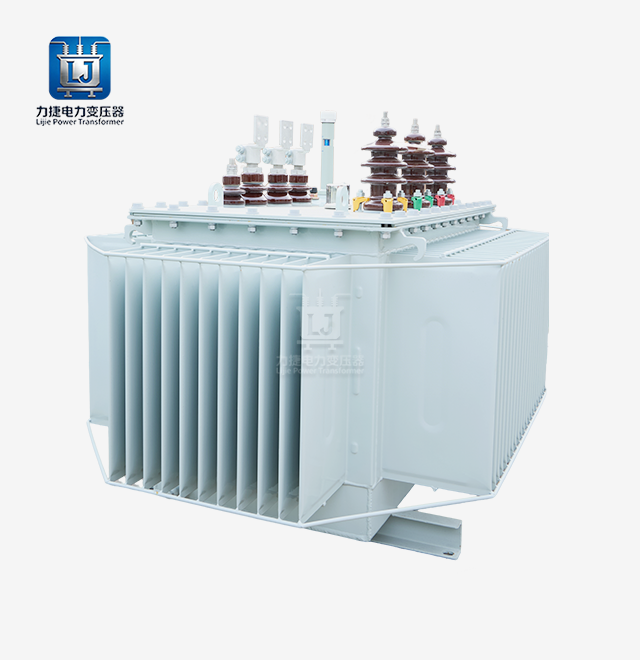
Amorphous iron core rod type distribution transformers have a non-crystalline atomic structure that greatly reduces magnetic hysteresis and eddy current phenomena. This makes them better at lowering no-load losses. When compared to regular silicon steel transformers, these pole-mounted units have no-load loss decreases of 70–80% thanks to their Fe-Si-B amorphous alloy strips that are about 0.025 mm thick. This technology solves the problem of wasted energy in distribution grids, especially in networks with changing or seasonal loads where transformers work below their rated capacity for long periods of time. This makes them valuable for utilities that want to lower their total cost of ownership and carbon footprint.
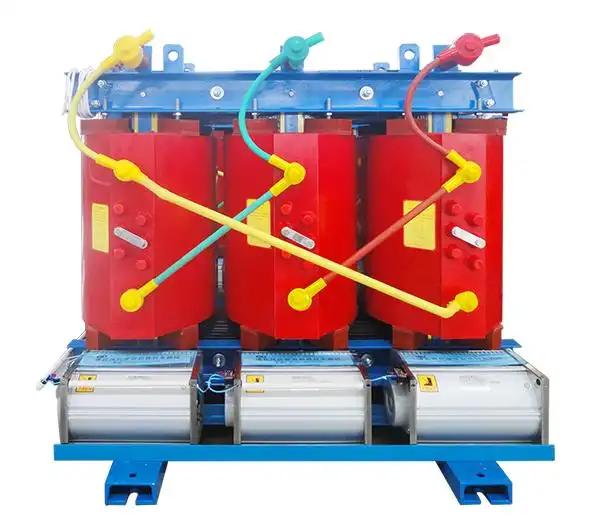
The main idea behind these transformers is the way they are built and the materials they are made of. Amorphous metal doesn't have a solid lattice structure like traditional grain-oriented silicon steel does. This structure of atoms makes it much easier to change the core's magnetism during each alternating current cycle, which saves a lot of energy.
The amorphous alloy core is made up of metallic ribbons that solidify quickly. These ribbons are made using a special cooling process that stops atomic crystallization. This way of making things makes materials that are very magnetically permeable and have very low coercivity. This directly leads to less iron losses, which is the energy that is lost by keeping the magnetic field going even when there is no load connected to the secondary coil.
Amorphous cores reach about 1.56 Tesla and resistivity close to 130 µΩ·cm, while silicon steel cores usually show saturation induction around 1.7 Tesla. This electrical resistance lowers the amount of eddy currents that flow through the core laminations. The trade-off is that the material is brittle and needs to be handled carefully during production and installation. However, current rod-type building methods use clamping and damping systems to successfully handle these material properties.
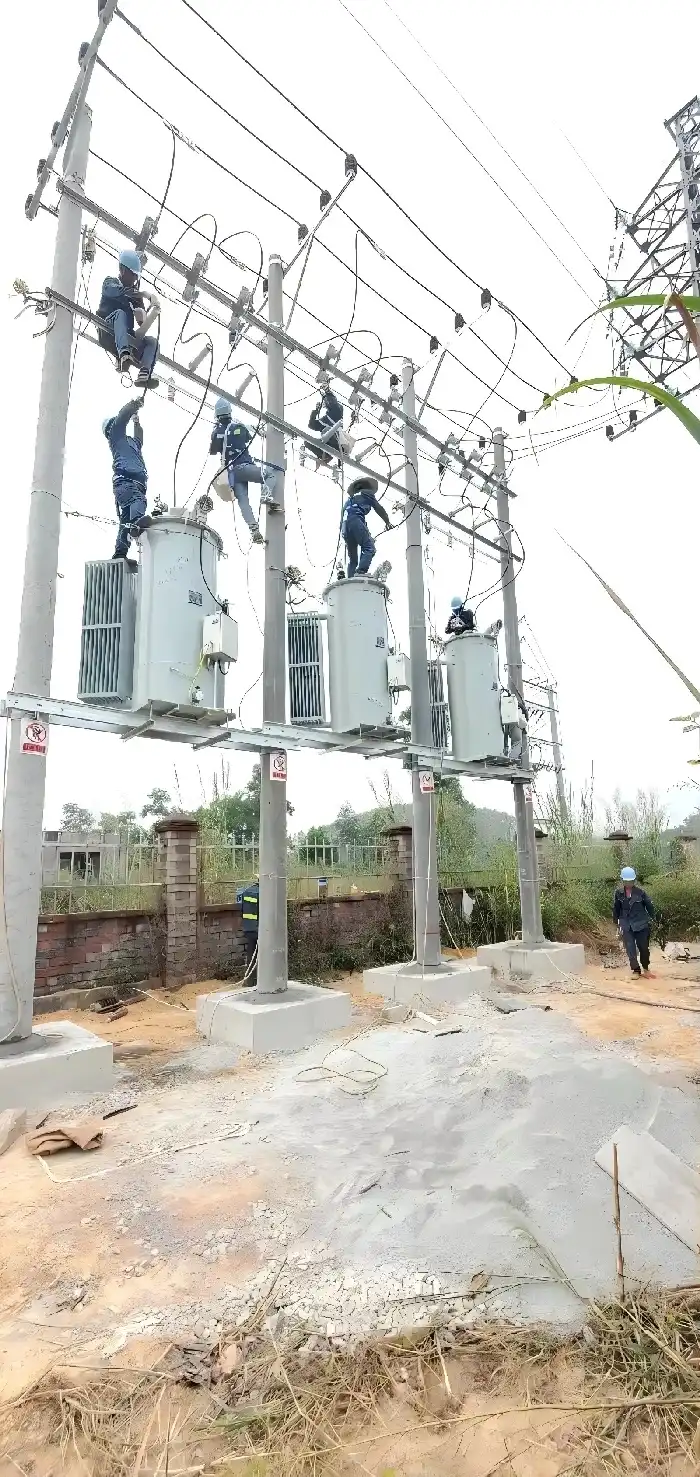
Amorphous iron core rod type distribution transformers can be mounted directly on utility lines, so there is no need for substations at ground level. This setup works well for bringing electricity to rural areas, setting up temporary power systems, and integrating spread production. Because of how they are made, they can be set up quickly—often within hours. This makes them perfect for emergency repair jobs or changes in seasonal load.
Installation flexibility allows for use in rural mountain areas, residential projects in the suburbs, and railway lines where centralized substations aren't possible because of a lack of room or load profiles that are spread out. The small size lowers the cost of civil engineering while putting the transformation equipment closer to where it will be used. This cuts down on low-voltage distribution losses and makes it easier to control the voltage at customer connection points.
Technical aspects and lifespan costs must be examined to determine success. Purchasing managers must understand how these instruments' greater initial investment costs convert into corporate savings.
Standard silicon steel core transformers at full capacity have outstanding load efficiency, but they lose power when there is no load 24/7, regardless of demand. In distribution networks with 30–50% load factors, continual iron losses waste a lot of energy. Waste is what the Amorphous iron core rod type distribution transformer technology addresses.
Test findings from multiple utility locations showed that amorphous units reduced no-load losses by 25% compared to silicon steel counterparts. Flexible 50 kVA transformers lose 40 to 60 watts while idle, whereas standard ones lose 150 to 200. This change may save over 30,000 kWh per transformer unit over 30 years.
Copper coil resistance is the most essential issue; load losses are the same across technologies. The biggest difference is a product's lifetime energy usage. How load is distributed reduces amorphous core loss by 15–25%. These adjustments help the corporation meet its environmental objectives while cutting expenses.
Initial capital expenses for amorphous core transformers are 20–40% more than silicon steel choices. They demand unique materials that are difficult to create. This upfront fee scares budget-focused purchasing teams, but lifetime cost analysis indicates solid economics.
The total cost of ownership includes the cost of purchasing the equipment, installing it, energy during its useful life, and maintenance. At current commercial energy costs of $0.10 to $0.15 per kWh in many U.S. markets, no-load loss saves pay for themselves in three to five years. After this, saving energy will only assist the economy for 25 years or more.
Amorphous technology also appeals to maintenance profiles. Beyond oil samples and eye checks, the sturdy core structure requires little maintenance. When specified properly for the environment, dependability ratings are comparable to or better than those of typical transformers. Due to magnetostriction, some utilities report greater acoustic noise, but recent versions incorporate acoustic dampening measures that maintain sound levels in the 45–55 dB range, which is tolerable in homes.
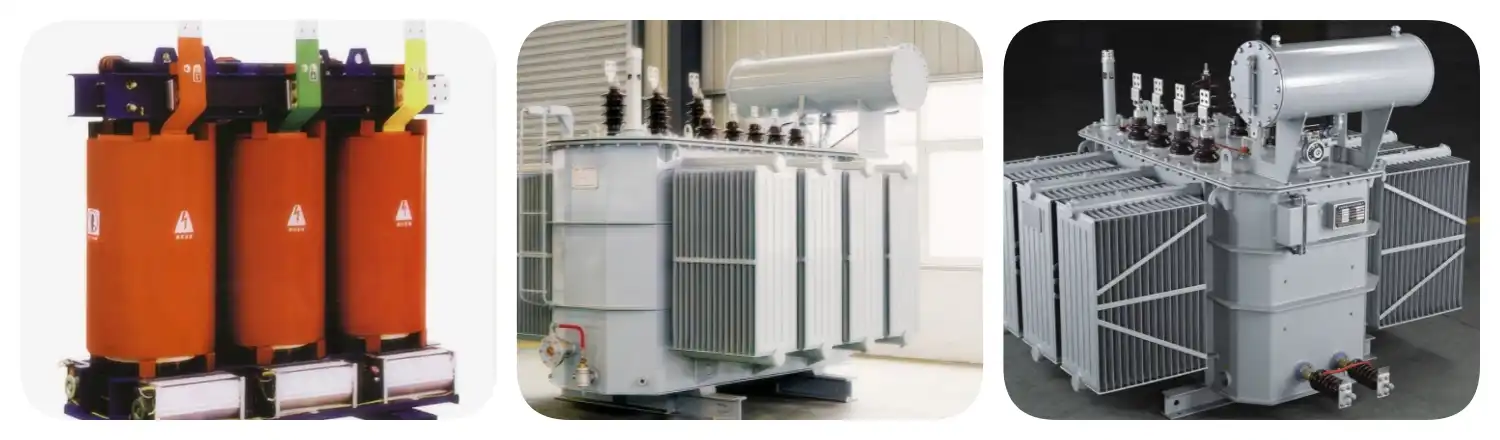
In addition to improved efficiency, these transformers offer practical benefits that solve a number of problems that arise in managing modern distribution systems.
Daily peaks during business hours, seasonal fluctuations in heating or cooling loads, and area-specific load levels lead distribution networks to have fluctuating loads. High-demand transformers operate below capacity for a long period. In these periods, load losses decrease linearly while iron losses remain constant.
Operational factors explain why no-load loss reduction is unequal. This waste might be a competitive advantage using the amorphous iron core rod type distribution transformer technology. Network managers who manage thousands of distribution transformers over wide service regions may reduce loss by megawatts by regularly employing flexible units, particularly in underutilized circuits.
Environmentalism strengthens the business case. Reducing network losses reduces productivity, fuel usage, and carbon emissions. Amorphous transformers enable utilities to reach their ambitious decarbonization targets without requiring energy customers to adjust their energy consumption or set up complex demand response systems.
Amorphous cores control voltage better when the load varies due to their magnetic properties. Tighter voltage management at customer connection points reduces unnecessary equipment excursions, extends appliance life, and improves power quality.
Rod-type setups near load centers improve voltage profiles further by lowering the transformation point-end user resistance. This proximity reduces conductor losses and increases fault current input, aiding safety device coordination. Mix aids grid modernization objectives linked to integrating scattered energy resources. Maintaining voltage is difficult when electricity flows in both directions from community wind projects or rooftop solar panels.
System designers prefer amorphous rod transformers' network-growth flexibility. When load patterns change, units may be relocated quickly and easily, avoiding trapped assets in permanent substation installations. This adaptability reduces long-term capital demands and maintains service efficiency throughout infrastructure upgrades.
The real benefits go beyond energy performance and include low costs for installation and ease of use. These are the main benefits that this set-up of tools offers:
These operational features go well with the benefits of energy economy, making a complete value offer. When procurement teams look at different generator technologies, they should think about these practical issues along with the technical specs. They should remember that the total cost of the project is higher than just the price of the equipment.
Because of the combined effect, Amorphous iron core rod type distribution transformers are especially good for certain placement situations. Programs that bring electricity to rural places that didn't have it before are good for both the economy and technology. Using solar or wind power in renewable energy projects makes the most of the benefits of efficiency and flexibility. Rehabilitating infrastructure and removing old assets can bring network performance up to date while keeping capital costs low by making installation easier.
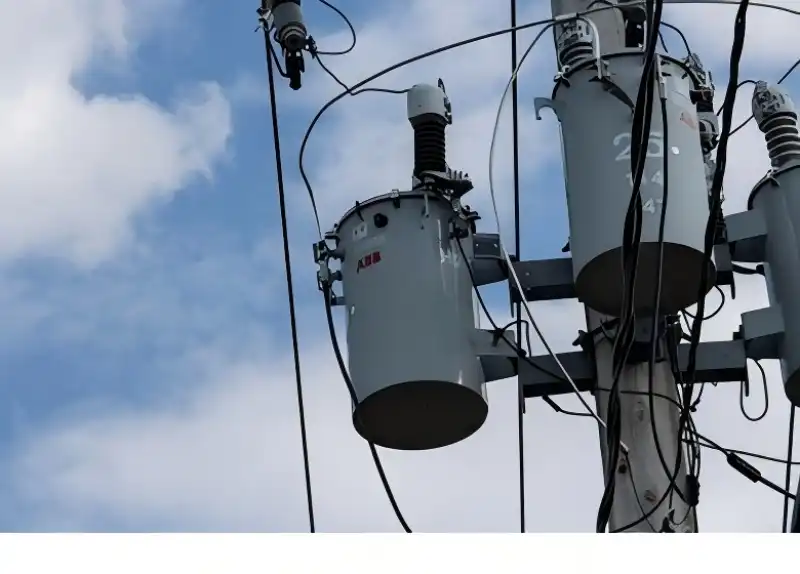
To do a good job of buying, you need to match technical specs to application needs and compare the supplier's skills to the project's delivery goals.
Selecting a distribution transformer begins with fundamental power settings. Voltage class determines the main and secondary windings. Main systems with 12.47kV, 13.8kV, or 24.9kV voltages in the US drop down to 120/240V or 208/120V secondary services. Power requirements depend on load count. Amorphous iron core rod type distribution transformers typically have a range of 15 kVA for single-family houses and 167 kVA for light industrial or multi-family buildings.
Environmental working conditions affect design standards. Material and covering selection must consider maximum ambient temperatures, altitude, and poisonous atmospheres. Special units can withstand temperatures beyond 40°C, while standard units can't. Insulation systems must withstand power frequency voltages (35kV AC) and lightning impulse voltages (75kV) for surge prevention.
When voltage drops significantly or precise secondary voltage control is required, voltage management is crucial. Non-excitation tap changers may alter the field during installation to accommodate main voltage fluctuations using adjustment values like +1/-3x2.5% or +0/-4x2.5%. Adjusting these mechanical tap positions requires turning off the transformer. Starting with the appropriate setup is crucial.
Procurement professionals must evaluate sellers beyond product specifications. Suppliers' capacity to create things determines whether they can meet long-term framework agreements that involve a regular supply of standard units. Manufacturing facilities should have ISO 9001:2015 quality management system certifications and critical safety and environmental management requirements.
Multinational enterprises dealing with Amorphous iron core rod type distribution transformers must comply with international licensing laws. Transformer design, testing, and performance proofing worldwide follow IEC 60076 standards. They may require UL or CE certification depending on installation. Compliance documents are needed by national grid corporations and local utilities when evaluating bids. This implies pre-certified items are crucial for project qualification.
Performance claims validated at the supplier's facility or by an accredited third-party lab are reliable. Routine testing ensures each unit fulfills criteria, while type testing ensures the design works for the tested conditions. You may request specific testing for temperature increase, short circuit resistance, and sound disturbance. Test findings should be traceable to standards.
For utilities that manage remote locations, warranty terms and after-sales assistance are crucial. Manufacturers with regional expertise, spare parts, and field service reduce operating risk. If you purchase a lot, you may get a longer warranty than 24–36 months. Clear warranty exclusions, particularly for shipment or fitting damage, prevent complaints.
Stock designs perform well for many applications, although unique engineering may be required. Buying teams should evaluate whether suppliers can accommodate non-standard needs. This might contain unusual power combinations, safety measures, or tracking system connections. Enterprises with engineering staff may better accommodate customization requirements than assembly-only enterprises.
Project and lead time plans must coincide. Unique orders may take 16–20 weeks to deliver, while standard stock products take 8–12 weeks. Major orders or restricted factory capacity might extend these timetables; projects with solid energization deadlines should include suppliers early. To ensure economically feasible smaller deployments, minimum order quantities should be made known during initial conversations.
Given the transformer's weight and bulk, transportation should be considered. Rod-type units are superior since their modest size makes it simpler for trucks to reach pole positions via service roads. Check what sort of specialist lifting equipment is required so field crews may securely install it without additional tools.

Amorphous iron core rod type distribution transformers offer measurable benefits that solve important utility issues related to network efficiency, operating flexibility, and cost-effectiveness over the course of their lifetime. The technology's huge drop in no-load loss, which has been proven by many deployments in the field, directly leads to measured energy savings and lower carbon emissions. Together with the easier construction requirements and operational benefits that come with pole-mounted designs, these transformers are valuable tools for updating distribution systems.
When people in charge of procurement look at different transformer technologies, they should do a full total cost of ownership study that includes things like energy savings, installation costs, and maintenance issues. The payback time for amorphous technology spending is usually three to five years. However, the equipment lasts for thirty years or more, so the returns are very good. As utilities are under more and more pressure to cut down on network losses while keeping capital costs low, amorphous core transformers offer tried-and-true solutions that have been tested in real-world situations across a wide range of uses.
When compared to regular silicon steel transformers, Amorphous iron core rod type distribution transformer technology cuts no-load losses by 70–80%. The amount of energy saved depends on the load factor, which is the share of the time that the transformer works at full capacity. Overall loss reductions of 15 to 25 percent are possible with distribution transformers that have load factors of 30 to 40 percent. This means that each unit will save 15,000 to 30,000 kWh over its 30-year life. Applications with lower average loads save the most energy because no-load losses make up most of the total energy used.
Amorphous rod transformers work with normal power networks without any problems. The electrical specs, such as voltage levels, impedance properties, and how the safety devices work together, are the same as those on standard units. The physical placement uses standard utility mounting tools and poles that are already in place. The main thing to think about is making sure that the pole's structural ability can hold the weight of the equipment, which is usually in line with current pad-mounted generator standards. These transformers can be used as straight replacements when utilities update their equipment, so the whole system doesn't have to be changed.
Reputable makers offer 24-36 month guarantees that cover problems with the materials or the work under normal conditions of use. To avoid covering disagreements, warranty terms should clearly cover things like transport, installation, and use. After-sales assistance should include technical advice for questions about how to use the product, the ability to fix problems in the field, and the availability of spare parts for routine upkeep. Manufacturers with a strong footprint in the U.S. usually provide better customer service than companies that only do business abroad. Before choosing a supplier, get recommendations from past customers and check the help system.
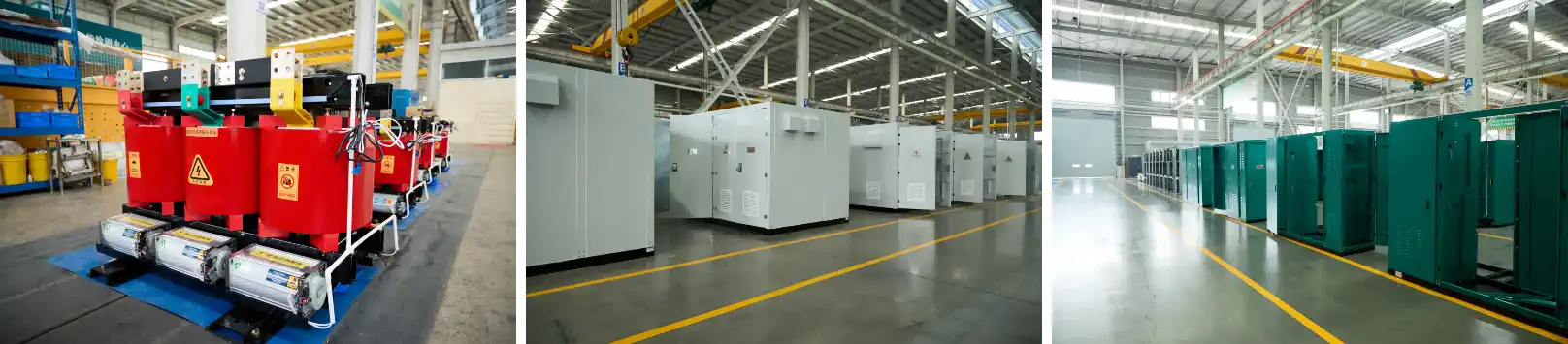
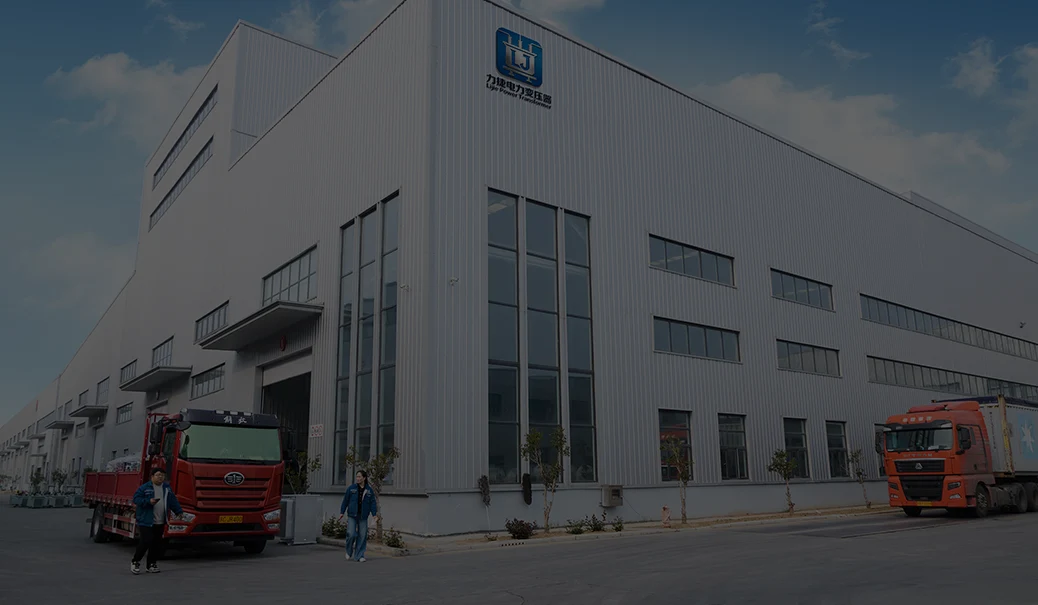
Lijie Electric Technology Group has been making transformers for more than 20 years and can help workers find reliable, high-efficiency distribution equipment. We are a certified maker of Amorphous iron core rod type distribution transformers, and we keep all of our IEC, CE, and UL certifications to meet the needs of foreign projects. Our 500,000-square-meter factories in Xuzhou and Nantong can make more than 5 billion RMB a year, which guarantees a steady supply for big framework agreements and delivery promises that last for years.
We are experts at making customized transformer solutions that meet the specific needs of each application. These can be anything from normal catalog goods to unique designs needed for integrating green energy, industrial processes, or tough environmental conditions. Our engineering team can help you choose the best tools for your distribution network based on your operational goals and network specs. Contact our foreign sales team at lijieelectrical@gmail.com to talk about your unique project needs or to get full technical documentation. They can help you learn how amorphous core technology can improve the efficiency of your distribution network.
1. IEEE Power and Energy Society. (2019). IEEE Standard for Energy-Efficient Distribution Transformers: Performance and Testing Requirements. Institute of Electrical and Electronics Engineers Technical Publications.
2. National Electrical Manufacturers Association. (2020). NEMA TP 1-2020: Guide for Determining Energy Efficiency of Distribution Transformers. NEMA Standards Publication.
3. U.S. Department of Energy, Office of Energy Efficiency and Renewable Energy. (2021). Amorphous Core Distribution Transformers: Technology Assessment and Market Analysis. DOE Technical Report Series.
4. International Electrotechnical Commission. (2018). IEC 60076-11: Power Transformers - Part 11: Dry-Type Transformers. IEC Standards Database.
5. Electric Power Research Institute. (2022). Distribution Transformer Efficiency and Loss Evaluation: Comparative Study of Core Technologies. EPRI Research Report.
6. Zhang, L., Wang, H., and Chen, J. (2021). Amorphous Alloy Transformers in Modern Power Distribution Networks: Performance Optimization and Economic Analysis. Journal of Electrical Engineering and Technology, Vol. 16, Issue 4.
YOU MAY LIKE


13%20type%20epoxy%20resin%20cast%20transformer.webp)


April 27, 2025
With a tight project schedule, the manufacturer delivered on time, and on-site technical personnel provided guidance throughout the entire installation and commissioning process; the collaboration was highly efficient and hassle-free.
July 2, 2025
During the preliminary phase, a selection plan was custom-tailored based on the actual site load requirements, resulting in a high degree of parameter compatibility. After-sales support responds within two hours, and ongoing technical support for operation and maintenance is comprehensive; we feel completely confident in a long-term partnership.
November 18, 2025
Deployed as a supporting component for a 35kV grid-connection project at a photovoltaic power station, the equipment operates for an average of 16 hours daily. It demonstrates excellent control over no-load losses, ensures smooth power generation and grid integration, and effectively reduces the station's overall energy consumption.
January 30, 2026
Under the continuous, high-load operating conditions of a factory production line, the equipment maintains stable electrical parameters and exhibits strong overload resistance, thereby guaranteeing an uninterrupted power supply for industrial production.
April 3, 2026
Integrated as a supporting component for a new energy photovoltaic grid-connection system, the manufacturer provided professional technical coordination and timely after-sales support, ensuring seamless adaptation to the specific electrical operating conditions required for grid integration.