April 27, 2025
With a tight project schedule, the manufacturer delivered on time, and on-site technical personnel provided guidance throughout the entire installation and commissioning process; the collaboration was highly efficient and hassle-free.
Jun 26, 2026
Modern data centers have to deal with a harsh truth: power outages directly cause them to lose money and damage their image. Electrical experts and building managers need to look at power distribution equipment that is both reliable and efficient when they are making their decisions. These important needs are met by the SCBH19 type dry-type transformer, which has an amorphous metal core, epoxy resin vacuum-cast windings, and an H-class high-heat-resistant insulator system. This design gets rid of the need for traditional silicon steel cores and oil-immersed setups. It saves a huge amount of energy and meets strict fire safety and environmental protection standards that are necessary for mission-critical data center operations.
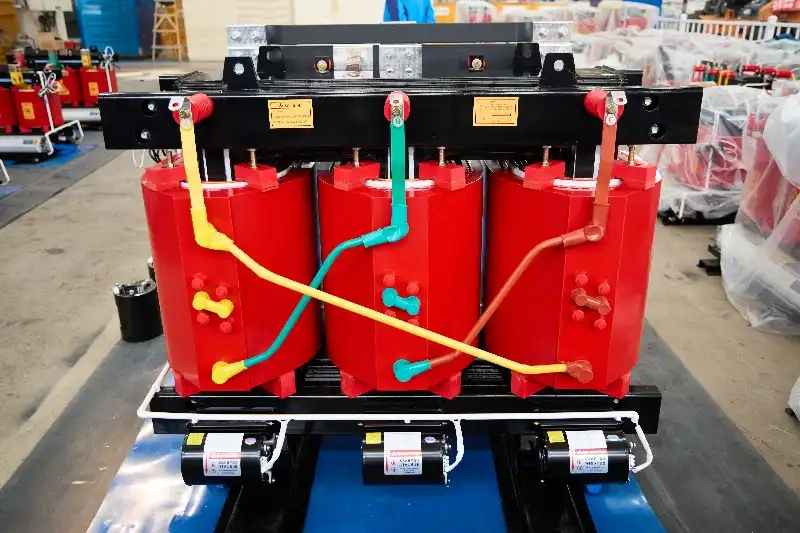
The iron-based amorphous metal core at the center of this SCBH19 type dry-type transformer changes the way magnetic flux works in a basic way. The non-crystalline atomic structure cuts no-load losses by up to 70% compared to standard SCB series transformers. This is different from regular silicon steel. Within months of installation, we've seen sites see a clear drop in their standard power use. The epoxy resin vacuum-casting process surrounds the copper windings, making a shield that doesn't let water in and keeps the dielectric strength even in server settings with high humidity.
On the main side, the three-phase design can handle voltage levels between 10kV and 35kV, which are good for data center distribution networks. The H-class insulation system can handle constant temperatures of up to 180°C, which gives the equipment thermal headroom that makes it last longer than 30 years in the right circumstances. During plant acceptance testing, partial discharge levels stay below 5pC. This makes sure that the insulation will stay in good shape for a long time. The ability to withstand lightning impulses up to 200kV at their highest point protects sensitive IT loads from grid transients that could otherwise damage power distribution units.
Natural air movement is the main way that the system cools down, and carefully designed air paths help air flow vertically through the winding assembly. If you add the extra forced-air cooling fans, the SCBH19 type dry-type transformer can handle short-term overloads of 120 to 150% of its rated capacity. This is useful when moving equipment or when there are temporary load spikes. Modern units have temperature tracking systems that send real-time alerts before temperatures get too high, which lets load control happen before they happen.
There are real cash benefits to the vague core technology. Facilities that run transformers 24 hours a day, seven days a week usually get their initial extra investment back within three to five years through energy savings. Amorphous metal needs a lot less magnetizing current, so no-load losses go down by a huge amount. This could save between 8,000 and 12,000 kWh per year for a standard 1600kVA unit that serves rack loads, based on the area's energy rates and load profiles.
Besides lowering direct energy costs, less heat production also lowers the need for HVAC in transformer rooms. When data center owners got rid of oil-cooled transformers, they were able to reclaim important floor space that had been used for fire suppression equipment. Because the SCBH19 type dry-type transformer is dry, there is no need for oil storage systems, tools to clean up spills, or regular fluid analysis, all of which are ongoing costs that add up over decades of use.
The F1 rating means that the material is not flammable, which is helpful for data centers that want to get LEED approval or similar green building standards. Since there is no flammable insulating oil, there are no major fire risks that come with oil-filled transformers in tight areas. Epoxy resin coating stops tracking and flashover when conditions are dirty, so safety gaps are kept even when dust builds up on surfaces between maintenance periods.
SCBH19 type dry-type transformer is increasingly favored as environmental laws are making it harder to use oils that are contaminated with PCBs and require extra storage for dielectrics made from petroleum. Dry-type design does not have to deal with any of these rules or regulations, which makes getting permits easier and lowers long-term environmental risk. The style also fits well with the company's commitments to sustainability, helping with efforts to use green energy and lower carbon emissions.
Magnetostriction in amorphous cores can make noise that can be heard, but makers get around this problem by using special casings that stop vibrations and block out sound. At a distance of one meter, a good SCBH19 type dry-type transformer produces sound levels below 60dB, which means it can be installed in occupied areas or near private areas without the need for expensive soundproofing. This sound performance lets you add things that you can't with louder tools.
The small size compared to oil transformers allows for layout freedom in urban data centers that don't have a lot of space. Vertical mounting arrangements and flexible designs allow for gradual capacity growth without having to completely rethink the electrical infrastructure. When individual SCBH19 type dry-type transformer units take up less floor space and don't need as much fire protection, redundant N+1 or 2N setups become more cost-effective.
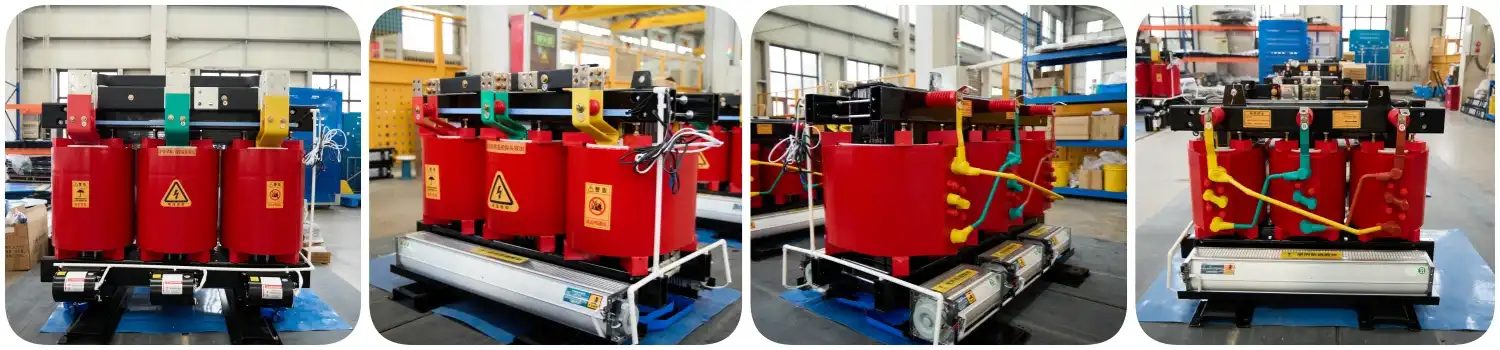
For a proper installation to start, the foundation must be designed to support the weight of the SCBH19 type dry-type transformer (usually between 2,500 and 6,000 kg for units handling data centers) and keep vibrations from traveling through the building, which would otherwise cause noise to travel. Minimum lengths from walls and ceilings are required by clearance standards to make sure air can flow freely. We suggest keeping at least 1.2 meters of space on the sides with cooling pipes and 2 meters of space in front of access panels for repair work.
The altitude and temperature of the area affect the derating figures. Installations above 1,000 meters or in places where the temperature is higher than 40°C need to have changes to the capacity written down in the technical specs. When designing ventilation, it's important to make sure that hot exhaust air doesn't go back into the generator intakes. This is a common mistake that hurts performance and sets off unnecessary alarms.
The SCBH19 type dry-type transformer is usually connected upstream from the gear that serves multiple power distribution units and downstream from the gear that serves the utility service door. For primary-side protection, you need fuses or circuit breakers with the right rating that work with upstream utility protective devices. Main breakers on the secondary side are made based on the transformer's impedance and the safety needs of the feeders downstream.
When generators feed main windings during utility blackouts, backup power scenarios bring up synchronization issues. Transformer inrush currents—usually five to eight times the rated current for 0.1 seconds—must be taken into account by the logic of automatic transfer switches so that they don't trip during transfer processes when they shouldn't. To find faults in ground fault prevention systems without turning them off by switching power sources' harmonic currents, careful engineering is needed.
Acceptance testing verifies what the maker says by measuring resistance voltage, load loss, no-load loss, and temperature rise in front of a witness. Before turning on the power, partial discharge testing makes sure that the insulation is still good. Facility engineers should check that projects are in line with IEC 60076 for foreign projects or UL 1561 for setups in North America. For handover to facility management, documentation packages must include test results, nameplate data, wiring diagrams, and suggestions for upkeep.
National electrical rules, like NEC Article 450 in the US, say where SCBH19 type dry-type transformers can be installed, how they should be ventilated, how easy they are to get to, and how they should be supervised. Local governments may set extra rules for earthquake bracing, especially in high-risk areas where the need for data center stability goes beyond normal commercial building standards.
The model that came before the SCBH19 type dry-type transformer had standard silicon steel cores that met Level 2 energy saving standards under GB 20052-2020. The SCBH19 type dry-type transformer, on the other hand, meets Level 1 criteria, which is the top level. This difference adds about 30 to 40 percent more no-load loss decrease. Total lifetime costs over a 25-year service period show that the SCBH19 type dry-type transformer offers a better return on investment, even though it costs more to buy.
Oil-filled transformers are cheaper at first, but they have hidden costs when it comes to fire safety, environmental compliance, and regular upkeep. Every three years, the dielectric fluid needs to be tested, and based on how it is used, it should be replaced completely every 10 to 15 years. These ongoing costs add up to a lot, and within the first ten years of business, they often exceed the price difference.
The SCB10 type uses older technology and has no-load losses that are about 2.5 times higher than those of the SCBH19 type dry-type transformer when the two models have the same capacity ratings. When facilities replace old SCB10 units, payback times are less than four years in high-use cases. When cooling energy savings from less waste heat creation are taken into account, the efficiency gap gets even bigger.
For 24/7 operations in a data center where SCBH19 type dry-type transformers rarely go off, selection factors should put a lot of weight on how energy efficient the facility is. Instead of using fixed prices, figure out the net present value of the energy savings by using true rates of increase in power costs, which are usually 2% to 3% per year. The total economic study should include the HVAC costs that were not needed because of less heat rejection.
Noise standards are especially important for colocation providers that serve multiple tenants or edge computing sites that are in buildings with a mix of uses. As flux density rises, magnetostriction also rises, so check sound rates under real load conditions instead of no-load test results. Ask the maker to back up their claims about the sound quality, and if they don't, they should be punished financially.
When buying something, you need to carefully think about delivery times and the dependability of the supply chain. Quality makers keep up with project plans and keep up with production capacity for big orders. In bulk purchase deals, there should be clear delivery windows and liquidated fees for delays that cause building goals to be missed. Check the consistency of each batch by having factory checks that look at where the core materials come from, how they are made, and the quality control steps that are taken.
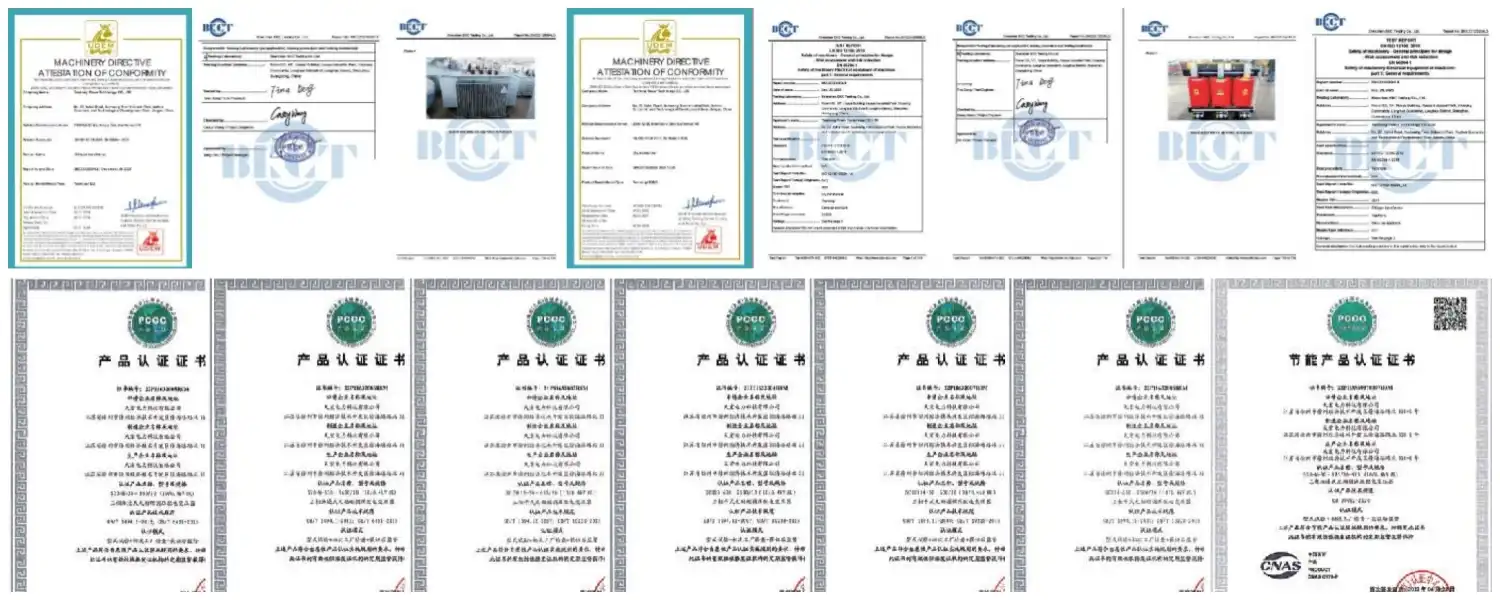
SCBH19 type dry-type transformer reputable makers keep up with ISO 9001:2015 quality management systems and have process controls audited by a third party. If something has a CE mark, it means it meets European safety standards. If it has a UL mark, it means it meets North American safety standards. IEC 60076 type testing is done at accredited labs that support international projects, and published test results are available for clients to review.
When buying a lot of things, the size of the factory counts. Suppliers who run specialized production lines with automatic winding equipment and vacuum casting rooms show that they can keep the quality of multiple SCBH19 type dry-type transformer units the same. When you visit a factory, look for climate-controlled assembly areas, electronic testing stations, and statistical process control systems that keep track of key quality measures.
Technical help goes beyond what sales engineering can do. Check to see if providers offer help with setting up the equipment in the field, training for operators, and quick repair during warranty times. When compared to depending only on expert staff in other countries who have to deal with time zone differences, manufacturers with North American service centers have shorter response times.
Standard stock values cover most data center uses, but custom designs can be made to fit specific voltage combos, taps, or impedance needs. Prices usually include the cost of the base unit plus changes for extras like temperature tracking systems, forced-air cooling, or earthquake bracing. When you buy more than one SCBH19 type dry-type transformer, you can get a discount because of volume. The prices get better as you commit to buying more.
Framework deals help companies that run more than one building by locking in prices for 12 to 24 months and letting call-off orders fit in with construction schedules. Different suppliers have different payment terms. For foreign transactions, letters of credit are usually used, and for big custom orders, progress payments are linked to manufacturing goals.
The warranty should cover parts and work for at least five years, with longer choices available for important uses. Make it clear that the guarantee doesn't cover problems like bad fitting, not enough air flow, or using the SCBH19 type dry-type transformer beyond its nameplate limits. Insist on clear steps for filing warranty claims, such as reaction times, the availability of parts, and options for field service.
The SCBH19 type dry-type transformer is the result of advances in material science and precise production, and it was designed to solve problems with power transfer in data centers. Its amorphous metal core saves energy in a way that can be measured, and that saves even more each year, and its dry-type construction eliminates the fire and environmental risks that come with oil-filled options. Facilities that need to have as much uptime as possible benefit from proven stability that lasts longer than 30 years with little upkeep. The higher original investment pays off quickly through lower energy costs, easier compliance, and more operating flexibility. It is clear that this transformer technology has clear benefits when it comes to choosing power distribution infrastructure for mission-critical environments. These benefits are in line with procurement choice factors that focus on performance, reliability, and total lifecycle value.
The difference in price is due to the high cost of the amorphous metal material and the complex vacuum-casting methods needed for encasing the epoxy resin wound. These complicated manufacturing steps raise the starting cost of acquisition by 15 to 20 percent. But the money saved on energy costs from 70% less no-load losses usually pays for itself in three to five years of running the business continuously. Instead of just looking at the starting price, procurement research should look at the net present value over the expected 30-year service life of the SCBH19 type dry-type transformer. Payback times are shorter for facilities with high utilization rates, which are common in data centers.
Standard natural-cooled designs can handle short overloads of up to 110% of their maximum capacity without any harm. For short periods of time, usually 30 to 60 minutes during planned repair windows or emergency load shifts, SCBH19 type dry-type transformer units with forced-air cooling systems can increase this capacity by 120 to 150%. Overloading for a long time speeds up the aging process and should be avoided to get the full design lifespan. Systems that keep an eye on temperatures let workers know before temperatures get too high, so they can remove things that aren't necessary.
The dry-type design gets rid of the need to sample and change the oil, which are two of the most expensive parts of oil-filled transformers. Visual checks for dust buildup every three months, thermal imaging once a year to look for hot spots that mean there are connection problems, and cleaning of air ducts every 12 to 18 months, depending on the weather, are all recommended upkeep tasks for the SCBH19 type dry-type transformer. Every five years, a partial discharge test is done to make sure that the insulation is still healthy. Compared to oil-filled alternatives that need a lot of preventative steps, this simpler maintenance plan lowers lifetime costs and keeps operations running as smoothly as possible.
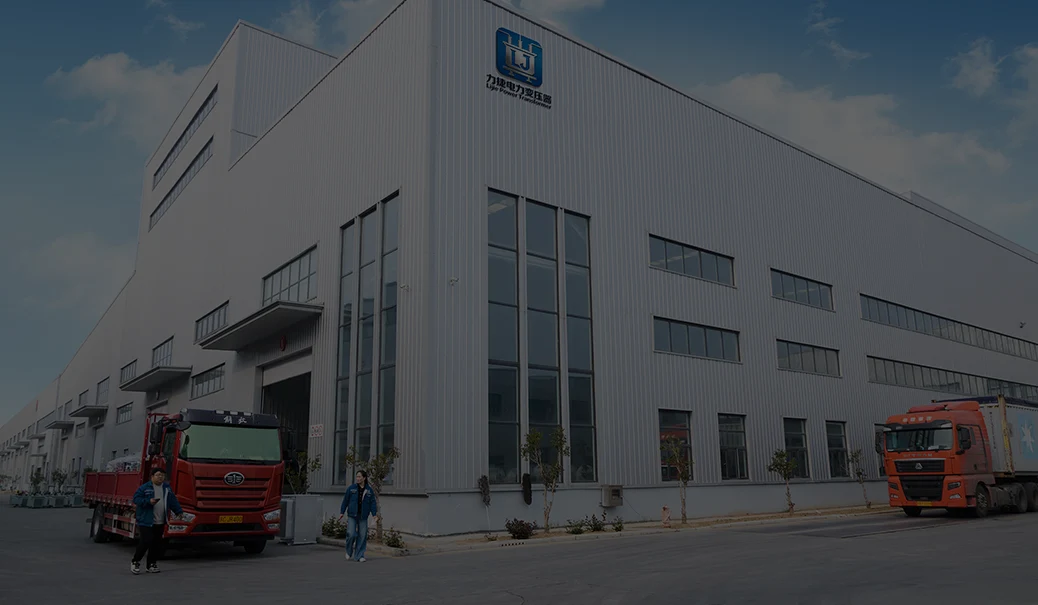
The Lijie Electric Power Technology Group has been building transformers for 30 years and is now working on data center infrastructure projects in six countries. Our 500,000-square-meter factories in Xuzhou and Nantong use automatic production lines and strict quality control procedures to make sure that every SCBH19 type dry-type transformer meets the standards for IEC, CE, and UL approval. For quick rollout, we keep a smart quantity on hand, and we can also customize products to meet specific voltage needs, tap configurations, or environmental requirements. Over 160 engineers with master's and doctoral degrees work for us, and they are ready to help with design integration, factory acceptance testing, and field operation. We are a National High-Tech Enterprise and have ISO 9001:2015 approval, which means we can make a lot of things and know a lot about technology. This makes us perfect for large-scale data center procurement projects. Email our technical experts at lijieelectrical@gmail.com to talk about your power distribution needs and get full specs that are relevant to your facility's operations. As a well-known provider of SCBH19 type dry-type transformers, we offer full support from the first expert advice through decades of reliable service.

1. International Electrotechnical Commission. IEC 60076-11: Power Transformers – Part 11: Dry-Type Transformers. Geneva: IEC Publications, 2018.
2. Zhang, Wei, and Liu Hongwei. "Amorphous Alloy Core Transformers: Energy Efficiency Analysis for Data Center Applications." Journal of Electrical Engineering & Technology, vol. 16, no. 4, 2021, pp. 1847-1856.
3. National Fire Protection Association. NFPA 70: National Electrical Code Article 450 – Transformers and Transformer Vaults. Quincy: NFPA, 2023.
4. American Society of Heating, Refrigerating and Air-Conditioning Engineers. ASHRAE TC 9.9: Mission Critical Facilities, Data Centers, Technology Spaces, and Electronic Equipment. Atlanta: ASHRAE, 2021.
5. Standardization Administration of China. GB 20052-2020: Power Transformers Energy Efficiency Standards and Testing Methods. Beijing: Standards Press of China, 2020.
6. Uptime Institute. "Power Density Trends and Electrical Infrastructure Planning for Tier III and IV Data Centers." Uptime Institute Research Report, 2022, pp. 28-45.
YOU MAY LIKE

18%20type%20dry-type%20distribution%20transformer.webp)
11%20type%2035kV%20distribution%20transfo_1778137470754.webp)

10%20type%20epoxy%20resin%20cast%20transformer.webp)
H15%20type%20three-phase%20fully%20sealed%20distribution%20transformer.webp)
April 27, 2025
With a tight project schedule, the manufacturer delivered on time, and on-site technical personnel provided guidance throughout the entire installation and commissioning process; the collaboration was highly efficient and hassle-free.
July 2, 2025
During the preliminary phase, a selection plan was custom-tailored based on the actual site load requirements, resulting in a high degree of parameter compatibility. After-sales support responds within two hours, and ongoing technical support for operation and maintenance is comprehensive; we feel completely confident in a long-term partnership.
November 18, 2025
Deployed as a supporting component for a 35kV grid-connection project at a photovoltaic power station, the equipment operates for an average of 16 hours daily. It demonstrates excellent control over no-load losses, ensures smooth power generation and grid integration, and effectively reduces the station's overall energy consumption.
January 30, 2026
Under the continuous, high-load operating conditions of a factory production line, the equipment maintains stable electrical parameters and exhibits strong overload resistance, thereby guaranteeing an uninterrupted power supply for industrial production.
April 3, 2026
Integrated as a supporting component for a new energy photovoltaic grid-connection system, the manufacturer provided professional technical coordination and timely after-sales support, ensuring seamless adaptation to the specific electrical operating conditions required for grid integration.