April 27, 2025
With a tight project schedule, the manufacturer delivered on time, and on-site technical personnel provided guidance throughout the entire installation and commissioning process; the collaboration was highly efficient and hassle-free.
Jun 23, 2026
The S20 type three-phase power transformer is a new type of oil-immersed distribution equipment that is made to meet changing standards for energy saving while still providing reliable service in industrial and business power networks. As purchasing managers, electrical engineers, and project leaders look at investments in transformers, they need to know what kind of upkeep is needed to figure out the lifetime costs and make sure the business keeps running. Regular repair not only makes equipment last longer, but it also keeps it from breaking down when you least expect it, which can throw off production plans and raise costs. This guide talks about the specific upkeep needs of the S20 transformer and is written for professionals who are in charge of choosing, buying, and handling power distribution assets in tough settings.
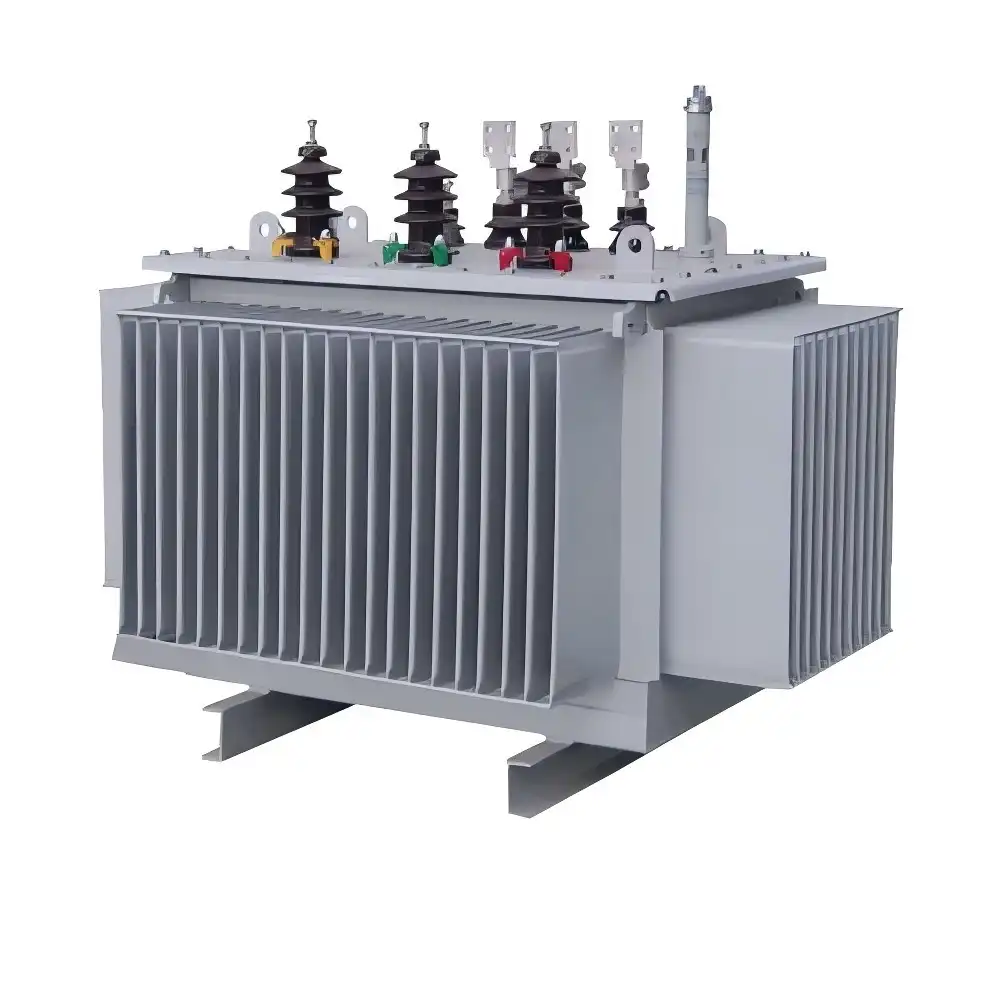
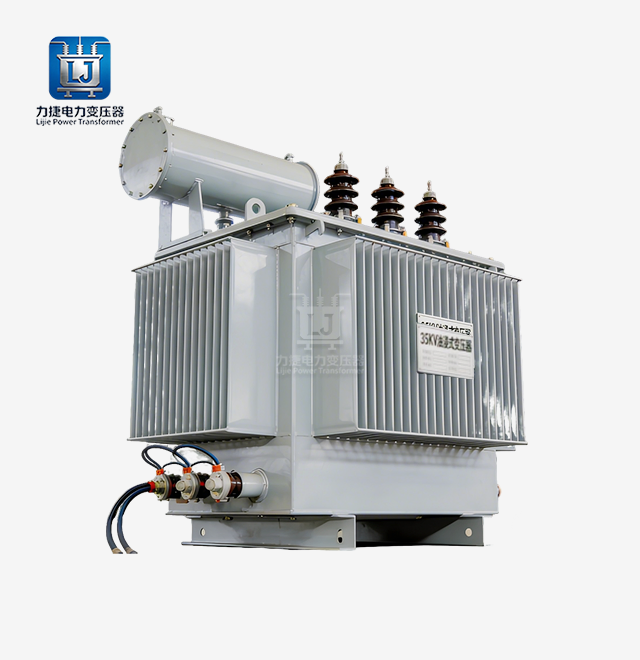
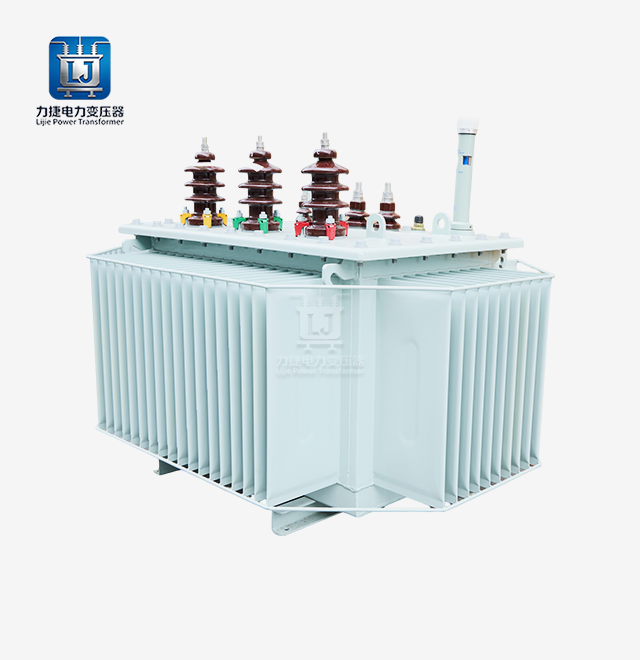
To properly maintain the S20 transformer, you must first fully understand how it works and how it was designed. This transformer uses a fully sealed corrugated oil tank structure along with non-excitation voltage control. This gets rid of the need for a standard oil conservator and keeps the shielding oil from coming into contact with the air. This arrangement greatly lowers rust and moisture entry, which are two main reasons why insulation wears out in regular units.
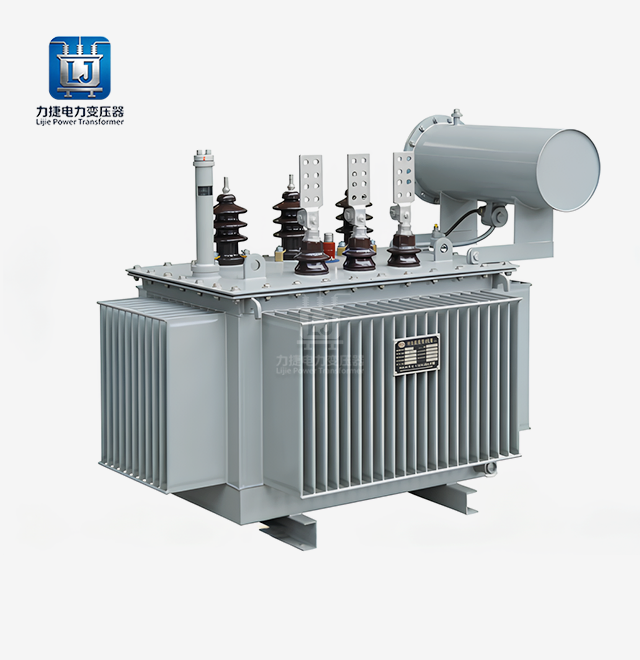
The S20 model can work with voltages between 6kV and 12kV and has a capacity range of 30kVA to 3150kVA. This makes it useful for a wide range of situations, such as in industrial plants, green energy projects, and urban distribution networks. Its oil-immersed self-cooling system uses natural airflow and doesn't need any forced cooling equipment. This makes servicing easier than with forced-air or water-cooled systems. The transformer's shielding system can handle power frequency voltages of AC-35kV and impulse voltages of L1-75kV. This shows that the dielectric strength is very strong and needs to be carefully monitored over many years of use.
It is very important to understand how the non-excitation voltage control works. Tap changes can only be made when the transformer is turned off, which means that organized power outages are needed to get the best voltage. The tap range of ±5% or ±2X2.5% gives workers a lot of options for fixing voltage problems, but they have to make these changes during repair windows. The corrugated tank form lets oil expand thermally without coming into contact with air from the outside. This means that oil doesn't need to be treated as often, but there are strict rules for tank integrity. These technical factors affect maintenance routines, which helps the procurement and engineering teams match maintenance work with practical needs to make sure all applications run reliably.
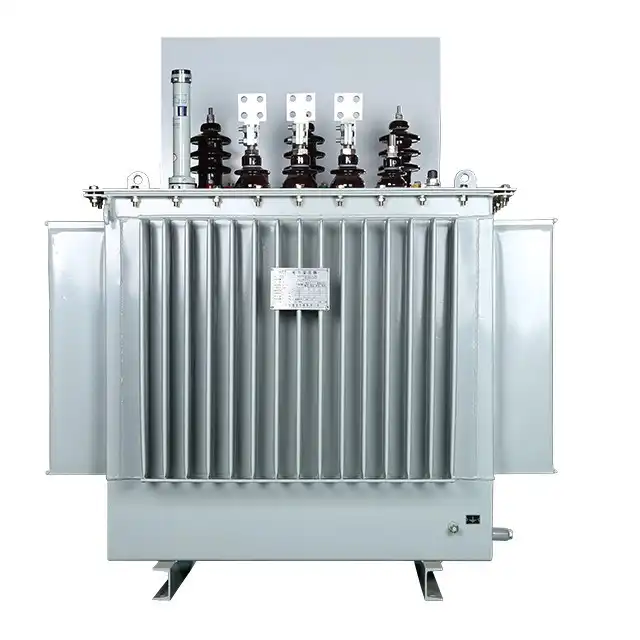
Regular checkups, system readings, and careful component checks are key to keeping S20 type three-phase power transformers in good shape. To get the most out of the resources that are available, the maintenance program should combine preventative tasks with condition-based tracking.
Visual checks that are done on a regular basis find early danger signs before they become fatal. When inspectors look at the corrugated tank, they should pay special attention to the weld gaps and bushing surfaces for signs of deformation, rust, or oil seepage. The corrugation pattern on the tank should stay the same and not bulge or soften too much, as this could be a sign of problems with the internal pressure or structural wear. It is important to check the ceramic surfaces of bushings for cracks, chips, or tracking marks that could weaken the insulator. Connection connections need to be checked for discoloration, rust, or looseness, because bad contact creates too much heat and speeds up the breakdown of parts.
Testing for insulation resistance checks the dielectric strength between the windings and between the windings and the ground. The results are compared to standard values and maker specifications. When there are big changes, it means that the insulation is breaking down, which needs to be looked into right away. Measurements of winding resistance prove the integrity of the conductor and find turn-to-turn flaws or connection problems. These tests should be done once a year at a controlled temperature, and the data should be adjusted to account for changes in temperature to make sure that the trending is correct. Insulation's power factor test checks for wetness and signs of wear and tear, letting you know about problems early on, before they become too big to fix.
The sealed design keeps oil from getting out, but it is still important to take samples of the oil on a regular basis. Dissolved gas analysis finds early problems by looking at the unique gas patterns that are created by electrical or temperature stress. Testing the oil's electrical strength makes sure that the insulation works well, and checking the moisture content finds problems with the seal's stability. Through oil level viewing ports, you should keep an eye on the corrugated tank's cycles of expanding and contracting. Any patterns that don't seem normal could mean that the seal is broken. Temperature tracking shows that the heat is being properly removed; under normal working conditions, the oil top temperature rises no more than −55K, and the winding temperature rises no more than ≤65K. Putting these basic tasks on regular plans makes sure that transformers work safely and keep the power at the right level for as long as they are used.
Finding and fixing common problems cuts down on downtime and stops failures from spreading. Because S20 type three-phase power transformers are sealed, they don't have many of the problems that come with oil-based systems, but they do require some extra troubleshooting work.
S20 type three-phase power transformer: Even though it is sealed, gaskets sometimes fail at hinges or tank seams. Most of the time, oil dripping shows up as dark spots near connecting points. Small leaks may stop on their own, but leaks that get worse over time need to be fixed during routine maintenance. Because the curved tank is flexible, even a small amount of oil loss doesn't instantly hurt performance. However, fixing leaks stops water from getting in and keeps the pressure level.
Unusual temperature spikes can be a sign of a number of problems. When overloaded beyond its stated capacity, the S20 produces too much heat, but its high short-term overload capacity gives you a safety cushion. Not enough air flow around the transformer makes it harder for heat to escape, which is especially bad when the temperature outside gets close to the 40℃ design limit. Connections that don't work well or gaps in the flow of current can cause internal hot spots. Using thermal imaging during operation to find temperature differences that point out problem areas lets you fix them more precisely.
Voltage changes that are too big or too small can be caused by bad tap settings, an unstable grid, or problems inside the power plant. Since switching taps requires turning off the power, making sure the taps are in the right place during repair windows keeps voltage problems from lasting too long. Since the transformer is more than 99% efficient between 30% and 70% of its load, performance loss is usually a sign of problems rather than normal operation. Smart tracking technologies and tools for watching conditions are becoming more and more important for finding problems early on. Case studies from different industries show that using modern diagnostics along with regular checks makes transformers more reliable, cuts down on emergency fixes, and supports long-term operating stability by using proactive maintenance methods instead of reactive ones.
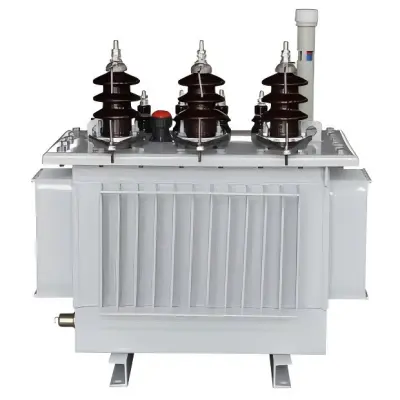
Different maintenance methods are used for the S20 type three-phase power transformer and other popular kinds of transformers, which affects the total cost of ownership and how operations are planned.
The S20 has 15-20% less no-load losses than S13 transformers and 8–12% less losses than S18 types. This is because it uses better core materials and a better magnetic circuit design. These efficiency gains mean less heat stress, which could mean that temperature-sensitive parts don't need to be serviced as often. The fully sealed design gets rid of the need for breathing equipment and silica gel upkeep that comes with conservator-equipped units, which cuts down on regular maintenance tasks. But the S20 is more efficient because it is made with higher-quality materials and better tolerances. This makes installation and testing even more important for long-term performance.
The oil-immersed S20 needs to have its oil quality checked more often than dry-type transformers, but it has better surge capacity and heat performance. Dry-type units don't need to be maintained with oil, but they run at higher temperatures and can't handle short-term overloads as well. Unlike forced-air dry-type transformers, the S20's self-cooling system works quietly and doesn't need any fan upkeep. These differences affect both buying choices and plans for maintenance. They help companies save money and get the most out of their transformers by choosing models that match their operational goals and maintenance skills. When lifetime energy costs are taken into account in the buying process, the S20's Level 2 energy efficiency rate (some models achieve Level 1) makes it a better choice than other options.
Adopting a thorough care plan with clear inspection and service times keeps the S20 type three-phase power transformer working well while keeping costs low. A structured method strikes a mix between following the rules, what the manufacturer suggests, and operating experience.
Visual checks every three months catch problems before they get worse, without having to turn off the power or do other tests. During these walkthroughs, the outside conditions are checked, normal working temperatures and sounds are confirmed, and oil leaks or changes in the surroundings that could affect the installation are looked for. A full service once a year includes checking the electrical system, taking samples of the oil, making sure all the connections are tight, and going over all the paperwork. The yearly stop gives the tap position to be changed if it's necessary to improve the voltage. Condition-based monitoring goes along with planned activities. For example, temperature tracking, partial discharge detection, and oil gas analysis can be done continuously or on a regular basis. When signs go above certain levels, maintenance is triggered instead of just waiting for the next calendar date.
Successful repair plans use both the skills and knowledge of people inside and outside the company. Regular visual checks and keeping an eye on the temperature are things that the building maintenance team can do. However, for specialized electrical tests and oil analysis, you will need to get tools and training from an authorized service partner. Getting in touch with certified providers makes sure you can get real replacement parts, follow methods allowed by the maker, and keep your warranty valid. Service agreements can include emergency reaction plans that lower the risk of downtime when problems happen that were not predicted, even when precautions have been taken.
With today's monitoring tools, upkeep is no longer reactive, but proactive. Online partial discharge tracking finds insulation degradation years before it fails, so planned actions can be taken during planned breaks instead of having to be fixed quickly. Oil condition monitors continuously check for moisture and gas, spotting right away any seal integrity loss or early signs of a problem. Integration with asset management systems brings together information about past maintenance, test results, and performance trends. This helps people make data-driven decisions about whether to fix or replace something, and it makes it easier to plan purchases for big transformer groups. These technologies cut down on sudden breakdowns, increase the useful life of assets, and lower upkeep costs by focusing on fixing problems based on the real state of the equipment.
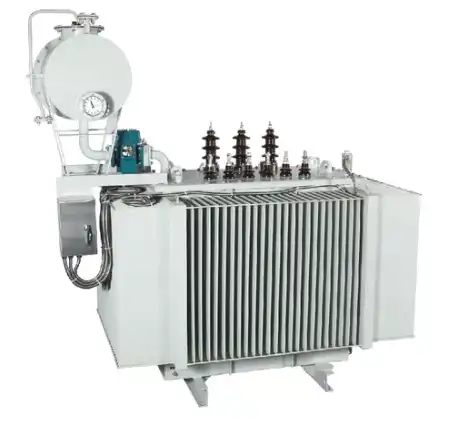
The S20 type three-phase transformer's maintenance requirements balance the benefits of its sealed construction with systematic monitoring and periodic servicing. A good maintenance program starts with eye checks every three months, full tests once a year, and condition-based tracking. The sealed design cuts down on oil-related upkeep, but it requires extra care to make sure the seals are intact, and the electrical performance is checked. Knowing these needs helps you figure out the correct lifecycle costs and make buying choices that are in line with operational goals. With regular upkeep, the S20 type three-phase power transformer will last as long as its designers intended—twenty to thirty years—while still providing reliable energy savings in a wide range of industrial, business, and utility settings.
Since the sealed design keeps out contamination, checking the oil once a year is enough for most setups. Applications with a lot of dependencies or places that are rough might need to be tested every six months. The most important tests are dissolved gas analysis, dielectric strength, and moisture content. The results are plotted over time to see how the material is breaking down.
Standard electrical safety gear and infrared thermometers are all that are needed for visual checks, temperature tracking, and basic connection checks. For electrical testing, you need insulation resistance testers, coil resistance meters, and power factor test sets, all of which can usually be bought from service companies. Cost and knowledge are best used when in-house skills are balanced with outsourced services.
Sounds that don't make sense, obvious oil leaks, temperature rises that last longer than expected, or voltage output changes that are outside the range of tap adjustments are all things that need to be looked into right away. Unexpected actions by security devices or damage that can be seen on the outside parts need to be turned off right away and checked by a professional before they can be put back into service.
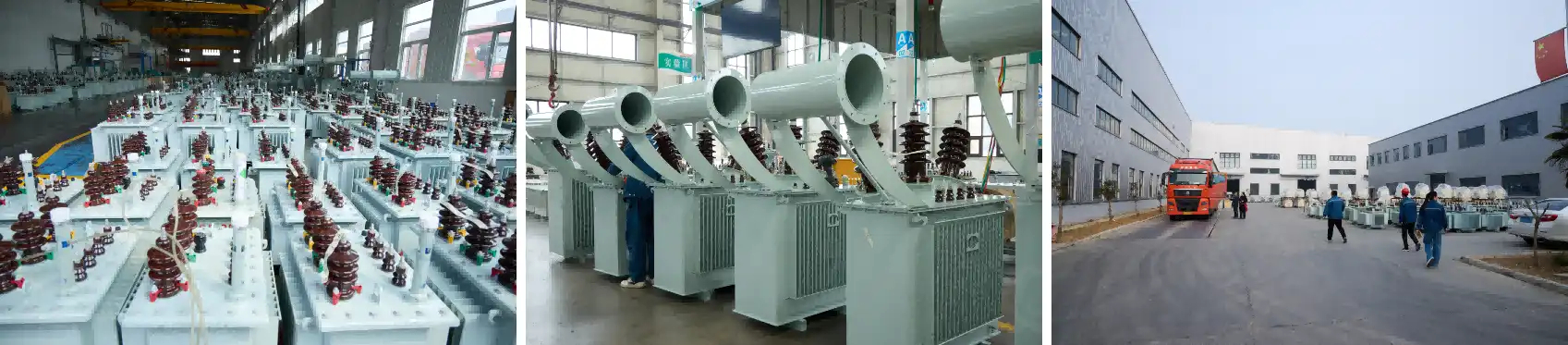
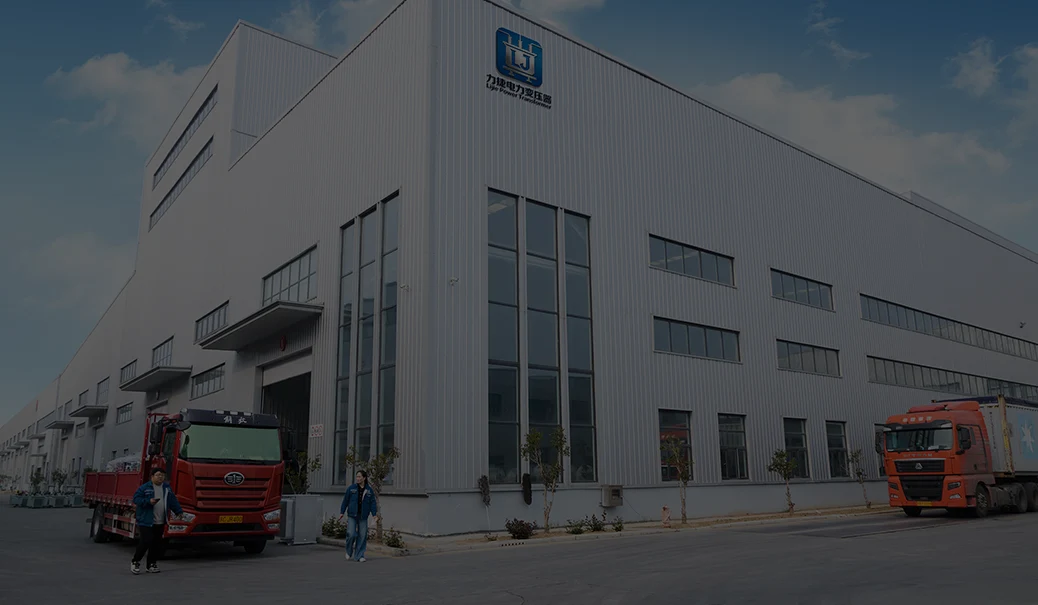
We are a reliable company that makes S20 type three-phase power transformers. Our 500,000-square-meter factories in Xuzhou and Nantong combine advanced research and development with proven manufacturing excellence. Our S20 transformers are energy efficient up to Level 2, and some types are even more efficient than Level 1. They have 15-20% lower no-load losses than S13 units and meet the strict standards for IEC, CE, and UL certification that are needed for international projects. With more than 160 engineers with advanced degrees and yearly sales reaching 5 billion RMB, we offer full technical support from specification to commissioning and planning for lifetime maintenance. Our certified quality control systems and track record of working with power utilities, renewable energy developers, and manufacturing facilities around the world mean that we can reliably serve projects that need both high technical performance and delivery confidence. Email our team at lijieelectrical@gmail.com to talk about your transformer needs, get full technical specs, or set up a visit to the workshop. We can help you reach your goals for power distribution by providing you with engineering knowledge, fair pricing, and the kind of quick service that long-term partnerships require. This will help you get the most out of your assets while keeping your total ownership costs low throughout the life of your transformer.
1. IEEE Standards Association (2019). IEEE Guide for Maintenance Methods on Energized Power Lines, IEEE Std 516-2019.
2. International Electrotechnical Commission (2020). Power Transformers – Part 1: General Requirements, IEC 60076-1:2020.
3. National Electric Manufacturers Association (2018). Guide for Loading Mineral-Oil-Immersed Transformers and Step-Voltage Regulators, ANSI/IEEE C57.91-2018.
4. Zhang, Wei & Liu, Hongwei (2021). Energy Efficiency Standards and Testing Methods for Power Transformers, China Electric Power Press.
5. American Society for Testing and Materials (2020). Standard Test Method for Dielectric Breakdown Voltage of Insulating Oils, ASTM D1816-20.
6. Working Group A2.37 (2019). Transformer Reliability Survey: Interim Report, CIGRE Technical Brochure 774, International Council on Large Electric Systems.
YOU MAY LIKE
18%20type%20epoxy%20resin%20cast%20transformer.webp)


April 27, 2025
With a tight project schedule, the manufacturer delivered on time, and on-site technical personnel provided guidance throughout the entire installation and commissioning process; the collaboration was highly efficient and hassle-free.
July 2, 2025
During the preliminary phase, a selection plan was custom-tailored based on the actual site load requirements, resulting in a high degree of parameter compatibility. After-sales support responds within two hours, and ongoing technical support for operation and maintenance is comprehensive; we feel completely confident in a long-term partnership.
November 18, 2025
Deployed as a supporting component for a 35kV grid-connection project at a photovoltaic power station, the equipment operates for an average of 16 hours daily. It demonstrates excellent control over no-load losses, ensures smooth power generation and grid integration, and effectively reduces the station's overall energy consumption.
January 30, 2026
Under the continuous, high-load operating conditions of a factory production line, the equipment maintains stable electrical parameters and exhibits strong overload resistance, thereby guaranteeing an uninterrupted power supply for industrial production.
April 3, 2026
Integrated as a supporting component for a new energy photovoltaic grid-connection system, the manufacturer provided professional technical coordination and timely after-sales support, ensuring seamless adaptation to the specific electrical operating conditions required for grid integration.