April 27, 2025
With a tight project schedule, the manufacturer delivered on time, and on-site technical personnel provided guidance throughout the entire installation and commissioning process; the collaboration was highly efficient and hassle-free.
Jun 24, 2026
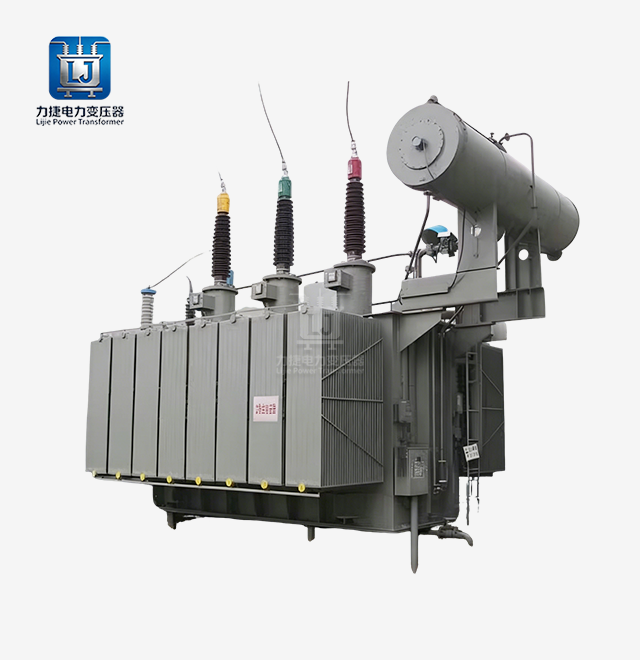
If you pick a 2000 kVA Three-Phase OLTC Substation Transformer, you'll get stable voltage control without having to worry about power outages. This transformer can change the voltage in real time while it's under load, so the output stays stable even if the grid changes. It works very well in places that need very good power quality, like factories that make things, places that use green energy, and cities that distribute power. This transformer is the best choice for current substations because it has features like ±4×2.5% on-load regulation, Dyn11 vector configuration, and compliance with foreign standards like IEC and GB. These features cut down on downtime, improve energy economy, and extend the life of equipment.
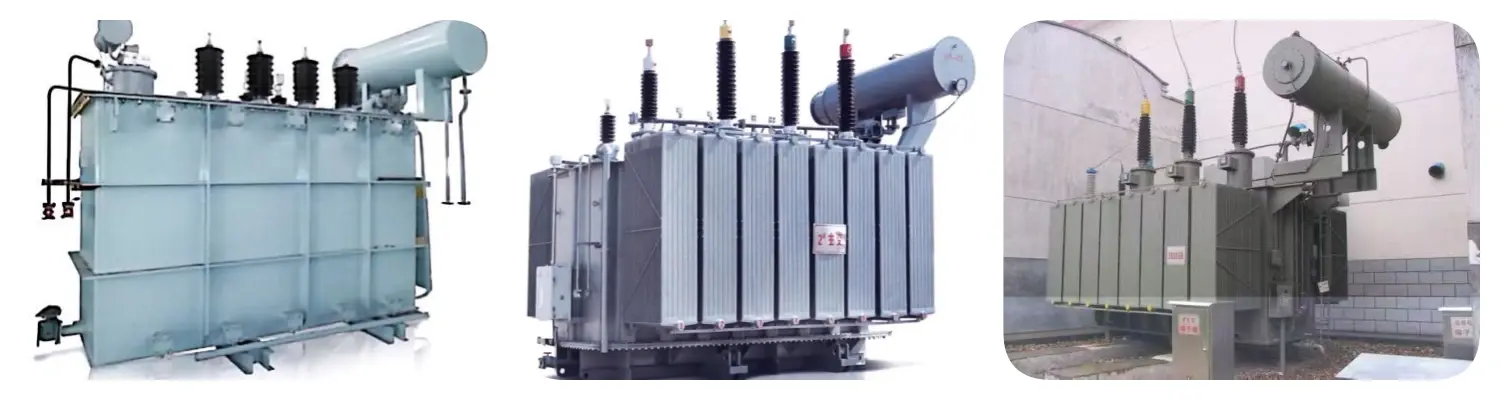
Keeping voltage levels stable is not a choice in today's demanding power grid; it's a must. Power distribution systems are under more pressure than ever because of the rise of renewable energy, changing industry loads, and the merging of smart grids. To deal with these problems, a 2000 kVA Three-Phase OLTC Substation Transformer that has an on-load tap changer (OLTC) technology is used. Instead of having to shut down standard transformers to change the voltage, OLTC-enabled units let workers change the voltage on the fly, which keeps the power flowing and makes the grid more stable.
We know how hard it is for procurement managers, electrical engineers, and project leads to choose tools that will work well and last a long time. This guide talks about why OLTC transformers are becoming so important to modern power networks. It looks at their technical features, operational benefits, and strategic benefits for medium- to large-sized businesses in the utility, industry, and green energy sectors.
High-grade aligned silicon steel cores and high-purity oxygen-free copper windings make up the centers of this transformer. These materials increase thermal conductivity and reduce eddy current losses, which means they use energy more efficiently. The OLTC device lets the transformer change voltage taps even when it's fully loaded, which changes the turns ratio without stopping power delivery. This is done with vacuum interrupters or resistance transition systems that make tap changes in 1.5 seconds or less per step, which stops arcing and oil degradation.
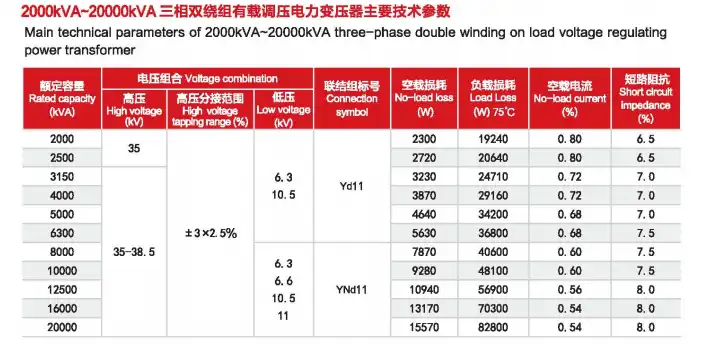
On the high voltage side, the system usually works with voltages between 10kV and 110kV. On the low voltage side, it usually works with voltages between 0.4kV and 10kV. 35/10kV and 110/10kV versions are common and work well for regional distribution hubs and big industrial users. The OLTC range of ±3×2.5% or ±4×2.5% gives you the freedom to fix voltage changes that happen when the load changes or when the grid becomes unstable.
The 2000 kVA Three-Phase OLTC Substation Transformer offers options for a capacity range from 2000 kVA to 20000 kVA, and standard and unique solutions are available to meet the needs of each project. The link group setup, which is usually Yd11 or Dyn11, is best for handling neutral current and canceling out harmonics. This design choice is especially important for modern buildings with nonlinear electrical loads that cause harmonic distortion.
Different cooling methods are used depending on the capacity needs. ONAN (Oil Natural Air Natural) systems are used for smaller units, while OFAF (Oil Forced Air Forced) or ODAF (Oil Directed Air Forced) systems are used for larger units. The resistance level is between 6% and 12%, which is in line with GB/T 1094.5 norms. This makes sure that there are no short circuits and that the load is shared when the circuits work together. Loss levels meet GB 20052 standards for energy economy, which means that over the transformer's lifetime, operating costs will go down by a lot.
The 2000 kVA Three-Phase OLTC Substation Transformer is designed for applications where maintaining voltage stability under varying load conditions is critical. When changes need to be made to traditional off-load tap changers, the system has to be shut down. This causes problems with operations and could lead to lost income. OLTC technology gets rid of this problem completely. When the grid voltage changes because of changing loads or variable renewable energy sources, the OLTC changes the position of the tap automatically to keep the secondary voltage stable. This feature is especially useful when the grid is weak, and power drops could hurt sensitive equipment or cause production to stop.
In chemical and steel plants, sudden drops in voltage caused by high-starting-torque motors can restart programmable logic controls and stop whole production lines. These short-term changes are quickly fixed by an OLTC-equipped transformer, which protects both the electrical grid and the manufacturing process. The stability that comes from this makes tools last longer, saves money on upkeep, and stops expensive downtime.
OLTC transformers do more than just keep the voltage stable; they also help with load management techniques. During off-peak hours, workers can change the settings for the taps to cut down on losses. During high demand, they can raise the output voltage to support heavier loads. Because of this freedom, energy is saved in a measured way. Studies show that OLTC management that is done right can cut yearly energy losses by 2–5% compared to fixed-ratio transformers. This can save a lot of money in large-scale operations.
The on-load tap changer device is made to last. It can handle at least 500,000 actions with 200A to 630A of current. Modern vacuum-type OLTC systems need even less upkeep because they don't have the oil pollution problems that older resistive designs did. This level of dependability lowers lifetime costs and raises return on investment.
Think about different ways that green energy could be used. Solar and wind farms have changes in production that depend on the weather. These changes cause power swings that can make the grid less stable. Before putting power into the 35kV or 110kV transmission network, these changes are smoothed out by a 2000 kVA Three-Phase OLTC Substation Transformer at the point of contact. Because of this, OLTC transformers are needed in centralized photovoltaic and wind systems with more than 100MW of power.
Power supply needs to be very stable in urban core places like central business districts, data centers, and subway systems. Data centers that handle banking activities or cloud services can't handle voltage changes for even a short time. Real-time management from OLTC transformers makes sure that these important facilities keep running all the time, which is good for business stability and following the rules.
A careful load study is the first step in choosing the right transformer. Engineers have to look at things like the highest demand, load fluctuation, power factor, and harmonic content. Industrial facilities with variable-frequency drives or arc furnaces produce a lot of harmonics, so they need transformers that can effectively reduce these harmonics. The Dyn11 vector group configuration successfully blocks third harmonics, which makes it ideal for these tough uses.
Environmental factors have a big effect on design decisions for the 2000 kVA Three-Phase OLTC Substation Transformer. Temperature, altitude, humidity, and earthquakes can all affect how well and how long a transformer works. In areas where temperatures fluctuate significantly, enhanced cooling systems or specialized insulating materials may be required. To prevent corrosion damage in coastal environments, anti-rust coatings and properly protected tanks are essential.
For global projects, following the rules for international approval is a must. Having ISO 9001 quality control approval ensures that the way things are made is always the same. The IEC 60076 and IEEE C57.12.00 standards control how transformers are made, tested, and how well they work. CE and UL approvals prove that a product is safe and allow it to be sold in foreign markets. These licenses are often required before a project can start that is funded by a foreign development bank.
Energy-saving rules are having a bigger effect on buying choices for the 2000 kVA Three-Phase OLTC Substation Transformer. Many places offer incentives for transformers that meet GB 20052 standards or other foreign standards that are similar. The insulation level, which can reach up to 110kV class, gives the product high stability and a longer useful life, which lowers the number of times it needs to be replaced and the money needed for that.
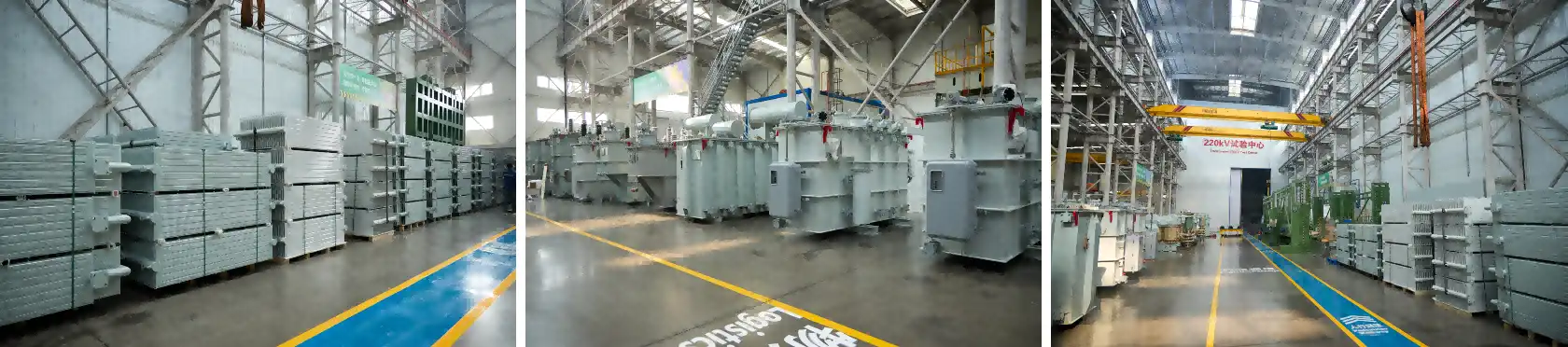
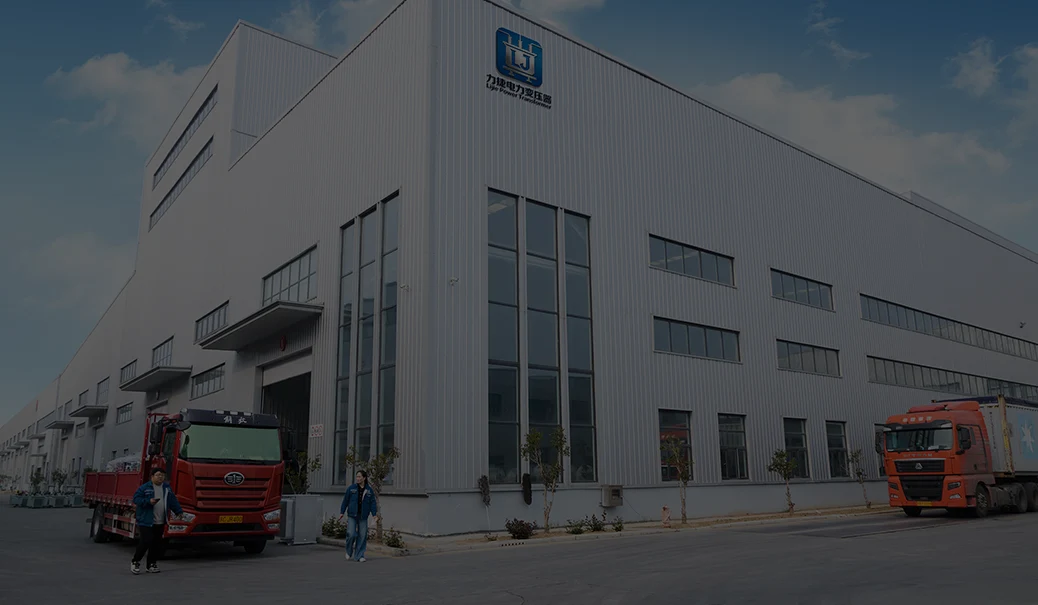
Beyond product specs, the success of a project depends on the qualifications of the supplier. Check the supplier's manufacturing capacity—can they regularly supply large amounts? Production sites that are bigger than 500,000 square meters and can accommodate 2000 or more workers show that they have a lot of production capacity. Technical knowledge is just as important. Suppliers that hire over 160 engineers with graduate and master's degrees show that they are committed to quality and new ideas.
Service skills greatly increase the value of a product. Operational risks are kept to a minimum with OEM-approved repair contracts, expert training programs, and quick after-sales support. Global operations make sure that deliveries get to faraway project sites on time, and the ability to adapt to different needs means that solutions can be made to fit specific situations. Long-term framework deals with stable prices that protect against changes in the market and make sure that projects with multiple phases can keep getting supplies.
Regular eye checks for oil leaks, corrosion, and physical harm are the first step in preventive maintenance. Dissolved Gas Analysis (DGA) is a way to check the quality of oil and find small problems before they get worse. High amounts of hydrogen, acetylene, or ethylene are signs of electrical or temperature stress that need to be looked into right away. Infrared thermography is used to check the temperature and find hot spots that could mean that connections are loose or the insulation is breaking down.
Special care needs to be taken with the OLTC device. Transition resistance measurement checks the integrity of the contact, and mechanical operation counters keep track of usage against the stated 500,000 operation lifetime. Depending on the load current, manufacturers usually say that the OLTC diverter switch should be checked every 50,000 to 100,000 actions. This proactive method stops catastrophic breakdowns that could shut down important systems.
Some mechanical problems that can happen with tap switches are worn contacts, worn springs, and problems with the motor drive. Strange noises during tap changes, delayed switches, or failure to finish patterns are all signs of mechanical problems that need professional help. When there is an electrical problem, it shows up as an odd partial discharge level, a drop in insulation resistance, or measures of winding resistance that aren't consistent. Early detection through constant tracking systems lets problems be fixed before they cause service interruptions.
Professional upkeep by trained workers who know how to work with the 2000 kVA Three-Phase OLTC Substation Transformer is necessary. Generic service providers might not have the right tools or experience to handle complex OLTC systems. OEM-authorized service plans provide access to original parts, manufacturer-trained technicians, and advanced diagnostic tools. These agreements often include guaranteed emergency response, which helps reduce downtime when unexpected issues occur. Overall, professional maintenance is a valuable investment that extends asset life and reduces the total cost of ownership.
Global pledges to sustainability are causing more money than ever to be spent on updating the power grid. Governments and companies put a high priority on reducing carbon emissions, using green energy sources, and saving energy. These goals are directly helped by OLTC transformers, which improve voltage levels, lower transmission losses, and support variable green production. The International Energy Agency thinks that the need for transformers will grow by 5 to 7 percent each year until 2030, and that OLTC-equipped units will get a bigger share of the market.
Mandates for renewable energy speed up this trend. As the capacity of wind and solar power grows, grid operators need more advanced tools to control voltage. The 2000 kVA Three-Phase OLTC Substation Transformer plays a critical role in this process by supporting dynamic voltage regulation and improving grid stability. Three-phase OLTC substations are important for keeping the grid stable, which allows more green energy to be integrated without reducing reliability. The goal of clean energy development and transformer technology aligns well, creating a strong market environment for smart procurement strategies.
Monitoring and controlling transformers is changing a lot because of digital change. Intelligent electronic devices (IEDs) that handle Modbus and IEC 61850 communication standards are built into modern units. Through SCADA integration, these systems allow for remote tracking, planned repair, and automatic voltage optimization. Real-time data analytics find ways to save money and tell you when a part will break days or weeks before it happens.
The next big step forward in OLTC technology is vacuum and electrical tap changes. Vacuum interrupters get rid of worries about oil pollution and cut down on servicing needs. Solid-state electronic tap changers offer faster switching speeds and an endless number of operation cycles, but they are too expensive for most people to buy right now. As the prices go down, these technologies will become normal in high-reliability settings where repair workers can't get to them easily or where the costs of downtime are too high to bear.
When making purchases, people are paying more attention to the total cost of ownership than to the initial purchase price. Over the course of 30 years, a transformer that costs 15% more to buy but loses 30% less energy will earn more money. Lifecycle economics is affected by things like depreciation schedules, finance terms, and the form of servicing contracts. Smart buyers use net present value analysis, which includes energy costs, maintenance costs, and measures for dependability, to help them make choices.
Changes in grid codes also affect how companies buy things. Utilities are always changing the rules for connectivity, which includes standards for better fault ride-through, harmonic limits, and reactive power support. Transformers that are built with enough room for future changes in regulations keep them from becoming obsolete too soon. Having active R&D projects with manufacturers protects the long-term value of investments by making sure that customers can still get goods that meet new standards.
Picking the right power transformer is a big strategic choice that will have effects for decades. 2000 kVA Three-Phase OLTC Substation Transformers with three phases and a rating of 2000 kVA or more offer the most stable voltage, operational freedom, and energy economy of any type. Because they can change voltage while the load is on them without stopping, they are essential in modern power systems with variable renewable generation, changing industry loads, and strict standards for power quality. The technical requirements cover a wide range of needs, including those of utility companies, industry facilities, and people who are developing green energy. They include ±4×2.5% tap regulation, Dyn11 vector groups, and compliance with international standards. As grid modernization speeds up and the energy economy becomes more important, transformers with OLTC will become the standard for stable, low-cost power distribution infrastructure.
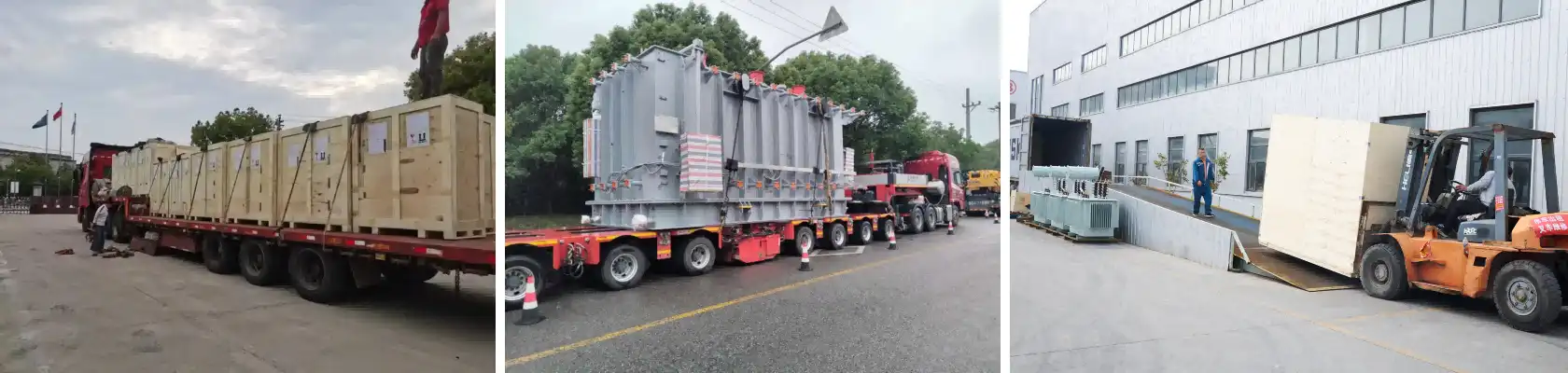
Standard setups usually take 12 to 16 weeks from the time the order is confirmed until it is delivered. Customized specs like different power levels, special cooling systems, or higher earthquake ratings may make lead times 20 to 24 weeks longer. By allocating output capacity ahead of time, the framework deals with chosen suppliers can shorten these lead times.
Transformers with OLTC usually cost 20 to 30 percent more than fixed-ratio units that do the same job. Lifecycle analysis, on the other hand, always shows a positive return on investment within 5 to 7 years. This is because it cuts down on energy losses, gets rid of the need for physical tap changes, and makes tools last longer. This extra cost is easily explained for projects that put stability and power quality first.
Of course. OLTC transformers work great in green energy situations where the amount of power generated changes with the weather. Real-time power control takes into account changes in wind speed and sun irradiance to keep the grid stable. A lot of big solar and wind farms use several OLTC units as their main grid-connecting transformers.
Lijie Electric Power Technology Group brings more than 20 years of top-notch engineering to the world market for transformers. Our 500,000-square-meter factories in Xuzhou and Nantong make substation transformers that meet the strictest requirements. These transformers are certified by ISO 9001, CE, UL, and IEC. We sell more than 5 billion RMB worth of OLTC transformers every year and have a team of 160+ engineers with advanced degrees. These transformers are made to last 30 years or more. Our 2000 kVA Three-Phase OLTC Substation Transformer units have ±4×2.5% on-load regulation, Dyn11 vector groups, and meet GB/T 1094.5 standards. They are perfect for power lines, factories, and green energy projects. Email our expert team at lijieelectrical@gmail.com to talk about the needs of your project and get a full quote. You can look at our full line of products at lijie-electrical.com and learn why top procurement managers choose Lijie Electric as their transformer provider of choice.
1. International Electrotechnical Commission, "Power Transformers – Part 5: Ability to Withstand Short Circuit," IEC 60076-5:2006+AMD1:2016.
2. Institute of Electrical and Electronics Engineers, "IEEE Standard for General Requirements for Liquid-Immersed Distribution, Power, and Regulating Transformers," IEEE C57.12.00-2015.
3. National Electric Power Certification Center, "Technical Specifications for On-Load Tap Changers in Power Transformers," GB/T 1094.5-2008.
4. International Energy Agency, "Energy Efficiency in Electric Systems: Technology and Policy Opportunities," IEA Publications, 2022.
5. Electric Power Research Institute, "Transformer Life Extension and Modernization Strategies," EPRI Technical Update, 2021.
6. American National Standards Institute, "Requirements for Liquid-Immersed Distribution, Power, and Regulating Transformers," ANSI C57.12.00-2020.
YOU MAY LIKE
11%20type%2035KV%20dry-immersed%20transformer_1778136495348.webp)


18%20type%20dry-type%20distribution%20transformer.webp)


April 27, 2025
With a tight project schedule, the manufacturer delivered on time, and on-site technical personnel provided guidance throughout the entire installation and commissioning process; the collaboration was highly efficient and hassle-free.
July 2, 2025
During the preliminary phase, a selection plan was custom-tailored based on the actual site load requirements, resulting in a high degree of parameter compatibility. After-sales support responds within two hours, and ongoing technical support for operation and maintenance is comprehensive; we feel completely confident in a long-term partnership.
November 18, 2025
Deployed as a supporting component for a 35kV grid-connection project at a photovoltaic power station, the equipment operates for an average of 16 hours daily. It demonstrates excellent control over no-load losses, ensures smooth power generation and grid integration, and effectively reduces the station's overall energy consumption.
January 30, 2026
Under the continuous, high-load operating conditions of a factory production line, the equipment maintains stable electrical parameters and exhibits strong overload resistance, thereby guaranteeing an uninterrupted power supply for industrial production.
April 3, 2026
Integrated as a supporting component for a new energy photovoltaic grid-connection system, the manufacturer provided professional technical coordination and timely after-sales support, ensuring seamless adaptation to the specific electrical operating conditions required for grid integration.