April 27, 2025
With a tight project schedule, the manufacturer delivered on time, and on-site technical personnel provided guidance throughout the entire installation and commissioning process; the collaboration was highly efficient and hassle-free.
Jun 23, 2026
The SCZB10 type power transformer is different from the SCB10 and SC10 series when looking at dry-type transformer options for important power distribution environments. This is mostly because it can change the on-load tap. All three models use epoxy resin cast insulation technology, but the SCZB10 has automatic voltage regulation under load that lets the voltage be changed without interrupting the power source. Voltage fluctuations are a problem that often happens in industry manufacturing, green energy installations, and urban infrastructure projects that need reliable power. This feature fixes those problems.
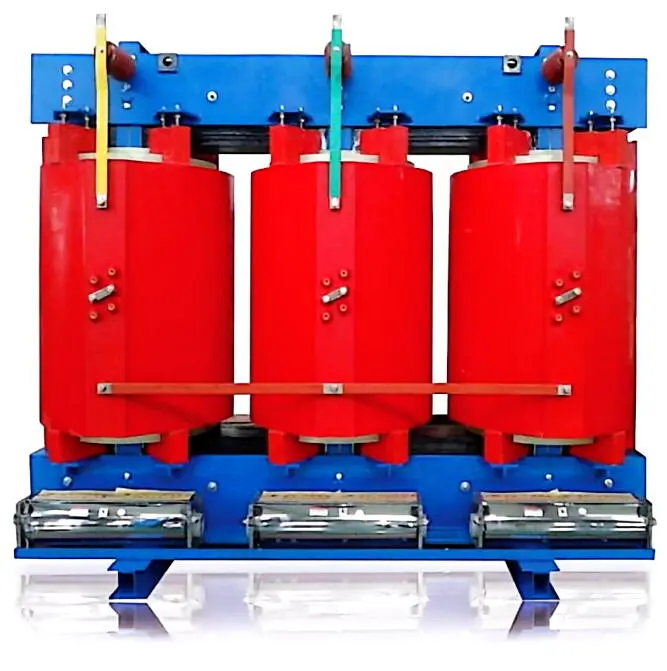
Knowing the main differences between these three groups of transformers helps purchasing managers and electrical engineers make smart choices that meet business needs and stay within budget.
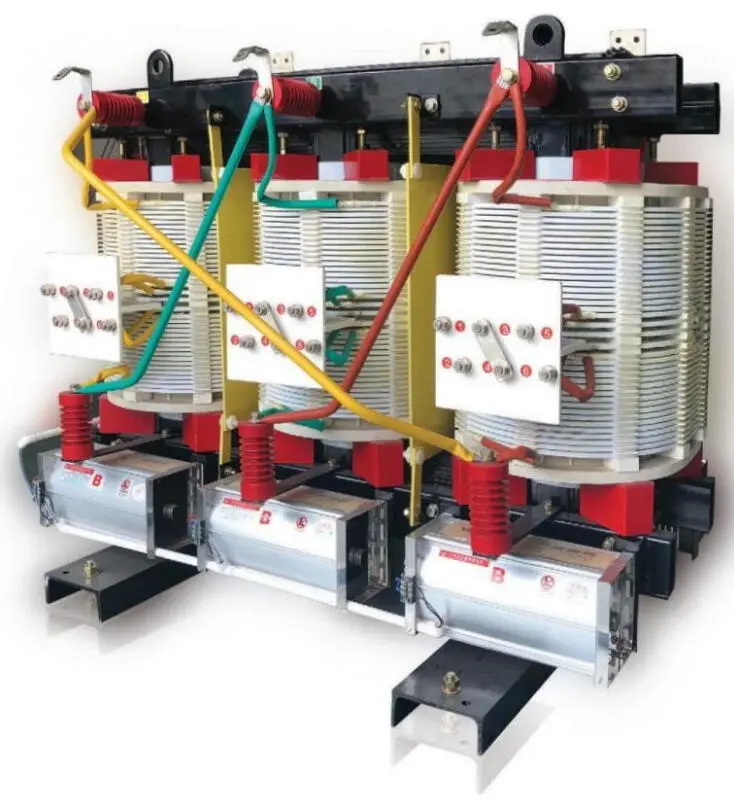
The model naming method is based on the rules in GB/T 10228. 'S' stands for three-phase design, 'C' for epoxy resin cast dry-type construction, 'Z' for on-load tap-changing capability, 'B' for foil winding technology, and '10' for the loss performance class. The SCZB10 line has all of these features, but the SCB10 doesn't have the on-load tap changer and is made with wire coils instead of foil.
All three models meet the Class 10 loss standards set out in GB/T 10228-2015, which means they all work efficiently with a range of loads. The voltage control range of the SCZB10 is 10kV±4±2.5%, which lets it be changed in real time while it's powered on. This isn't possible with the SCB10 and SC10 types, which need to be turned off before the tap can be changed. This difference is very important in situations where downtime directly leads to lost production or service interruptions.
In the SCZB10 type power transformer, all three types of epoxy resin cast insulation offer built-in advantages, such as resistance to moisture, self-extinguishing properties in case of fire, and reduced fire risk compared with oil-immersed alternatives. The insulation class is typically F to H, allowing it to withstand normal operating temperatures while maintaining good thermal stability. These transformers are designed with protection ratings of IP20 or IP23, which help prevent dust and water ingress into internal components.
The SCZB10 works great in situations that need both environmental resistance and operating freedom. Its strong construction can handle the rough conditions that you'll find in mines, industrial parks along the coast, and green energy sites at high elevations. The SCZB10 and SCB10 types have better mechanical strength during short-circuit events because they use foil winding instead of wire winding, which is what SC10 units do.
Different voltage levels and power outputs are available in this line of transformers, making them useful in a range of industrial settings. Primary voltage values that are often seen are 6kV, 10kV, and 35kV. For low-voltage distribution, secondary voltages are usually set at 0.4kV. Capacity runs from 100kVA to several thousand kVA, so they can be used in a wide range of settings, from small factories to large power distribution networks.
When it comes to capacity, short-circuit resistance values range from 4% for units rated 100kVA to 630kVA to 6% for units rated 800kVA and up. This standard has a direct effect on system coordination and fault current limits. When choosing transformer specs for different grid setups, engineers who are making safety plans need to take these impedance features into account.
When buying a transformer, long-term value is based on how much energy it uses and how reliably it works. The changes between these three series have a big effect on the total cost of ownership over the course of their 20–30 year useful lives.
For the SCZB10 type power transformer, overall transformer efficiency is based on both no-load losses and load losses. Using cold-rolled grain-oriented silicon steel sheets in an improved magnetic circuit design cuts down on core losses across all three lines. In normal use, when the recommended load is between 50 and 75%, these transformers are more than 98% efficient, which means they use less energy and produce less heat.
It usually adds 0.2-0.4% more losses to total losses compared to SCB10 units because of the switching contacts and mechanical parts in the SCZB10's on-load tap changer. But this small increase isn't important when you think about how much better things are when power levels stay at their best during grid changes. Proper voltage control keeps downstream equipment from breaking, lowers the amount of reactive power used, and makes linked loads last longer.
Under short-circuit stress, the differences in load loss between foil-wound (SCZB10, SCB10) and wire-wound (SC10) types become clear. Foil winding design increases mechanical strength, which lowers the chance that the winding will bend when there is a fault. This structural edge means that it will need less maintenance and break down less often over longer work times.
In industrial and green energy uses, keeping the output voltage stable even when the input voltage changes is a key performance measure. The SCZB10's on-load tap changer changes voltage ratios automatically across nine places (±4±2.5%) to account for changes in the power grid without stopping the power supply. This function is very helpful in places where the power changes a lot or when demand is high.
SCZB10 type power transformer, when the power is turned off, SCB10 and SC10 transformers require manual adjustment at the taps. This makes SCB10 and SC10 units less responsive to changes in the grid. As a result, facilities using these models need to schedule maintenance windows for voltage adjustments, which can potentially delay production timelines. The operational stability provided by SCZB10 units helps offset their higher initial cost in scenarios where downtime is more expensive than the equipment premium.
When compared to oil-immersed options, dry-type transformer technology naturally requires less upkeep. Since there is no insulating oil, there are no chances of leaks, contamination, or the need for regular oil tests. When compared to other dry-type models, the SCZB10 is more complicated mechanically because it has tap-changing systems that need to be checked for contact wear and switching operation integrity on a regular basis.
As part of the SCZB10 units' annual inspections, the thermal imaging of the tap changer contacts, the checking of the motor drive's operation, and the partial discharge tests to find insulation damage should all be done. The SCB10 and SC10 types need less upkeep and only need to be inspected visually, their temperatures checked, and their ventilation systems maintained. When making a choice, you should think about the trade-off between working flexibility and repair frequency. This can be done by looking at how many staffing and building maintenance resources are available.
To find the right balance between the initial investment and the costs over the product's lifetime, you need to look at the buying price, the costs of running the product, and the value of reducing risk.
The market prices of each type are based on how technically advanced it is. Most of the time, SC10 transformers are the most affordable choice. On the other hand, SCB10 units cost 15 to 25 percent more because they are made with copper windings. Because the on-load tap changer and control systems are built in, SCZB10 type power transformer systems require a 35–50% higher original investment.
To find the total cost of ownership, you have to add up the savings on energy use, the costs of repairs, and the value of not having to deal with downtime. Over a 25-year working life, the SCZB10's better voltage regulation cuts down on wasted energy and machine breakdowns, which could make up for its higher purchase price. Facilities that deal with frequent changes in voltage or that support important processes get measured benefits from better power quality and uninterrupted operations.
Compared with Standard SCB10 and SC10 types, the SCZB10 type power transformer usually has longer lead times because the production process is well established and spare parts are easy to source. Due to the additional tap changer assembly and testing requirements, SCZB10-type power transformer units require more production time, which adds approximately two to four weeks to the shipping schedule. For large projects requiring a significant number of transformers, it is advisable to plan procurement in advance and establish agreements with manufacturers capable of consistent large-batch production.
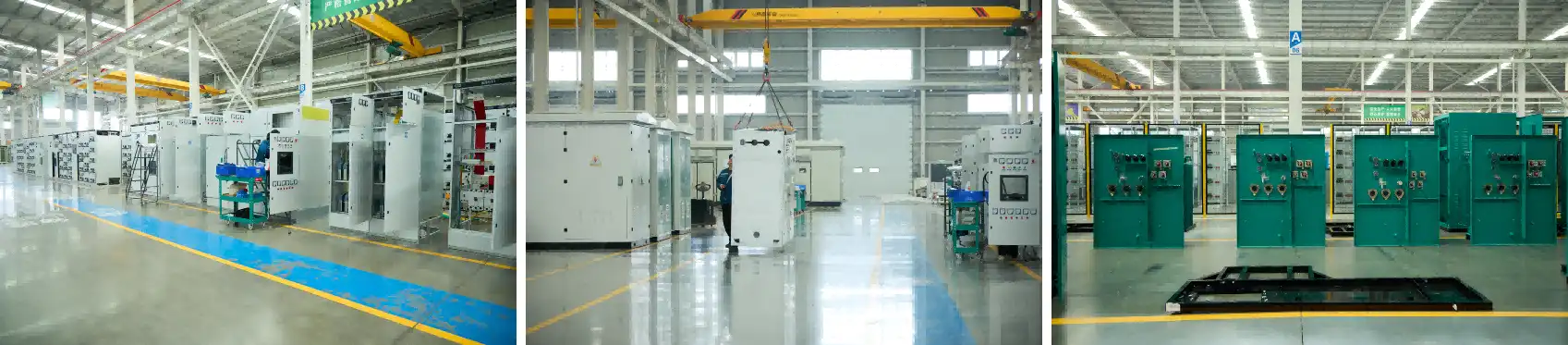
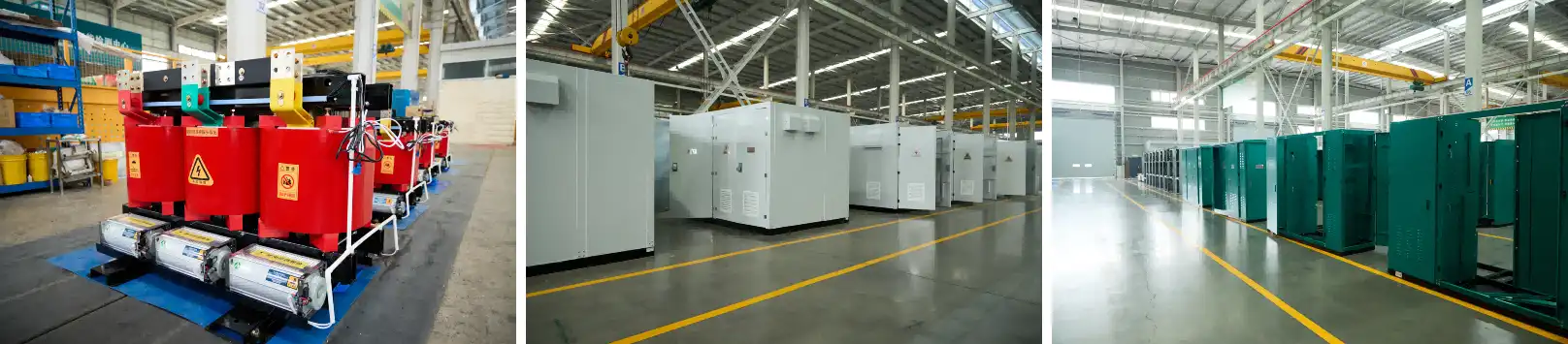
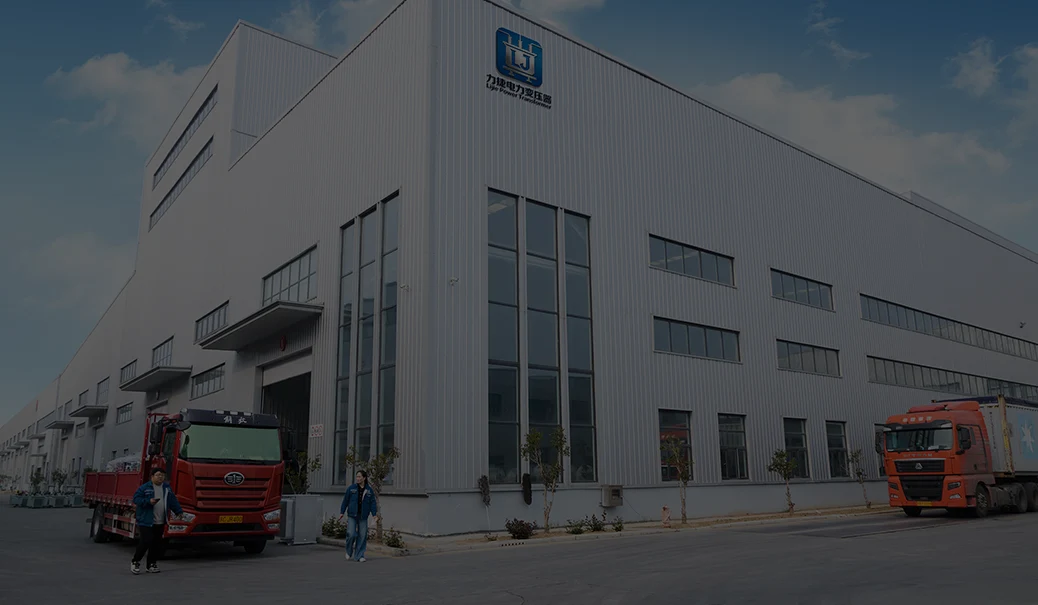
Lijie Electric has two factories that cover 500,000 square meters and can produce a lot of goods. This means that they can reliably meet delivery dates for large orders. During blueprint development, our engineering team works with clients to make sure that generator designs are in line with project timelines and installation needs. When you buy a lot of something, you can get better prices and be given priority during times of high demand.
Full warranty terms protect purchase investments against flaws in the manufacturing process and failures before they occur. Standard coverage lasts between 18 and 36 months, but for important uses, you can get longer service. The warranty should make it clear who is responsible for transportation, installation, inspection, commissioning support, and making sure there are extra parts on hand.
Technical help that is quick to respond is valuable even after the warranty time is over. Suppliers that offer online diagnostics, on-site repair help, and quick parts delivery lower the risk of downtime. With over 160 engineering workers with advanced technical credentials, Lijie Electric's large service network responds quickly to technical questions. Our dedication to quality assurance throughout the lifecycle of our products is shown by our ISO 9001:2015 approval and compliance with IEC international standards.
To choose the right transformer series for your purpose, you need to carefully consider the technical needs, operational limitations, and budget limits.
The SCZB10's on-load control features are very helpful for applications that have to deal with frequent changes in the grid power. Changes in the generation source cause voltage fluctuations in renewable energy systems. To keep the distribution voltage fixed, automatic control is needed. In the same way, deploying SCZB10 helps manufacturing sites in areas with poor grid systems run more efficiently.
If the grid voltage is stable and the load patterns are known, the SCB10 or SC10 types may be enough. The lower level of complexity means lower costs for purchase and easier upkeep procedures. Electrical engineers should look at past voltage data and predictions for future load growth to decide if the costs of on-load control are worth it.
The fire safety of all three types is better than that of oil-immersed options, and they all meet strict requirements for installation inside business buildings, hospitals, and schools. The self-extinguishing epoxy resin protection stops the flame from spreading, and the lack of flammable liquids removes the risk of an explosion.
The SCZB10 type power transformer, because it doesn't catch fire easily, is perfect for high-rise buildings, underground installations, and places that store sensitive materials. Building rules are increasingly requiring more dry-type transformers in occupied buildings, which is pushing people toward these technologies despite higher initial costs. Following CE, UL, and IEC approval requirements ensures that the products are compliant and can be legally used in many international markets.
Facilities that are far away or don't have a lot of support staff may prefer SCB10 or SC10 types because they are simpler and need less upkeep. Not having any tools for changing taps means that there are no mechanical problems, which makes fixing easier. On the other hand, companies that run full electricity repair programs can use SCZB10's features while keeping track of the inspection requirements that come with them.
Applications that are part of critical infrastructure, such as data centers, hospitals, and process manufacturing facilities, prioritize operational continuity over ease of maintenance. The SCZB10 type power transformer helps maintain voltage stability even during power interruptions, reducing the risk of costly shutdowns and protecting sensitive equipment from voltage fluctuations. In high-reliability environments, these risk-reduction benefits often outweigh maintenance considerations.
When manufacturers let engineers work together on developing specifications, they can make solutions that work best in certain situations. Custom voltage ratios, special housing grades, and built-in tracking systems all make transformers work better in certain situations. Lijie Electric's research and development (R&D) department can make custom designs that meet specific needs while still meeting international standards.
Long-term relationships with suppliers let you keep improving products based on feedback from operations. Framework agreements set uniform standards for quality, set prices in a way that is easy to understand, and give importance to technical support. Our history of working on big building projects in several countries shows that we can handle large-scale, complicated procurement needs with on-time delivery and high-quality work.
To keep operations running at their best and extend their useful lives, you need proactive repair plans and operating best practices that are specifically designed for SCZB10.
For the SCZB10 type power transformer, visual checks should be performed every three months to ensure that the cage remains in good condition, the cooling fan is operating properly, and there are no abnormal signs of overheating, such as discoloration or unusual odors. Thermal imaging can be used to detect temperature rises, allowing hotspots at terminations and tap switch contacts to be identified before failures occur. In addition, ambient temperature monitors help verify that the cooling system continues to function effectively under high-load conditions.
As part of yearly thorough checks, partial discharge testing is used to find signs of insulation breakdown. Insulation systems are good if PD values are less than 10pC at 1.44 times the rated voltage. If this limit is crossed, there should be a thorough review and possible corrective action. Lightning impulse testing during launching confirms the ability to handle transient overvoltage, but it doesn't need to be done regularly unless damage is feared.
The main mechanical part that needs regular maintenance is the on-load tap switch. Manufacturers usually say that touch inspections should be done every 50,000 to 100,000 processes, but this depends on the type of load. Monitoring contact wear stops the decline that changes the accuracy of voltage control and raises the risk of resistance heating.
Motor drive systems that control the position of the tap need to be oiled according to the manufacturer's instructions. Building up dust and dirt makes machines less effective, so they need to be cleaned during regular upkeep. To make sure the control is accurate, position indication systems should be compared to the real tap settings. Lijie Electric offers specific repair records and training to help OLTC managers do their jobs better.
Maintaining the air temperature within certain ranges helps protect the insulation and extends the service life of the generator. Adequate airflow prevents temperatures from rising too rapidly, especially during prolonged periods of heavy load. To ensure stable performance, forced air cooling systems require regular maintenance, including filter cleaning and lubrication of fan bearings in the SCZB10 type power transformer.
Thermal stress on coil insulation can be reduced by managing loads so that overload situations don't last for long periods of time. Transformers can handle short-term overloads, but running above their nameplate limits for a long time speeds up their aging. Monitoring the power quality finds harmonic distortion from non-linear loads that raises the temperature above and beyond the basic frequency losses. These effects can be lessened by adding harmonic filters or moving to transformers with higher harmonic ratings.
The choice between the SCZB10, SCB10, and SC10 transformer models depends on how well the technical features match the needs of the application and the budget. The SCZB10 type power transformer offers unique voltage regulation freedom through changing the on-load tap. This makes the higher investment worthwhile in places that need stable power quality and operating continuity. The SCB10 types have strong foil windings that don't require a lot of work to change the taps, making them good for stable grid use. SC10 transformers are a cheap option when wire wrapping is enough to meet basic operating needs. When making a purchase choice, it's important to think about how much the transformer will cost over its entire life, how stable the voltage needs to be, how safe it needs to be in case of fire, and how much it will cost to maintain.
On-load tap changers let you change the voltage ratio even though the transformer is still on and sending power to the load. This feature stops service delays while voltage adjustments are being made, so linked equipment always gets power. To change an off-circuit tap, you have to turn off the power to the transformer, unhook the loads, reposition the tap connections by hand, and then turn the power back on. This takes a long time and stops operations.
When flat copper strips are used in foil winding, they provide better mechanical strength during short-circuit electromagnetic forces. This way of building lowers the chance that the windings will bend and raises the reliability of the system when there is a fault. There are round conductors used in wire wrapping, which work well enough for most tasks but aren't as strong mechanically as foil technology.
When it comes to moisture protection, epoxy resin cast insulation is better than other types of insulation. But long-term exposure to very high humidity or situations that cause condensation may slowly lower efficiency. IP23-rated enclosures provide better security against the environment for sites that are located in harsh environments. Proper ventilation and regular checks keep things running at their best in a variety of weather circumstances.
As a reliable producer with a track record of success in a wide range of complicated industrial settings, Lijie Electric is ready to help you with your transformer buying needs. Our SCZB10 type power transformer solutions use cutting-edge on-load stabilization technology and strict quality controls, backed by ISO 9001:2015 approval and full IEC compliance. With the ability to produce enough transformers every year to meet the needs of large-scale projects and the technical knowledge of more than 160 skilled professionals, we provide reliable transformers that meet strict performance standards. You can email our technical team at lijieelectrical@gmail.com to talk about your unique needs, get full specs, or set up plant qualification assessments. We offer customized transformer solutions, low prices for bulk purchases, and quick after-sales help to make sure your equipment works as reliably and efficiently as possible.
1. IEEE Standard C57.12.01-2020, "IEEE Standard for General Requirements for Dry-Type Distribution and Power Transformers"
2. GB/T 10228-2015, "Dry-Type Power Transformers" - National Standard of the People's Republic of China
3. International Electrotechnical Commission, IEC 60076-11:2018, "Power Transformers - Part 11: Dry-Type Transformers"
4. Kulkarni, S.V. and Khaparde, S.A., "Transformer Engineering: Design, Technology, and Diagnostics," Second Edition, CRC Press
5. Heathcote, M.J., "The J&P Transformer Book: A Practical Technology of the Power Transformer," Thirteenth Edition, Newnes Publishing
6. Zhang, W. and Liu, Y., "Comparative Analysis of Loss Characteristics in Cast Resin Dry-Type Transformers," Journal of Electrical Engineering & Technology, Vol. 15, No. 3
YOU MAY LIKE
11%20type%2035kV%20distribution%20transfo_1778137470754.webp)
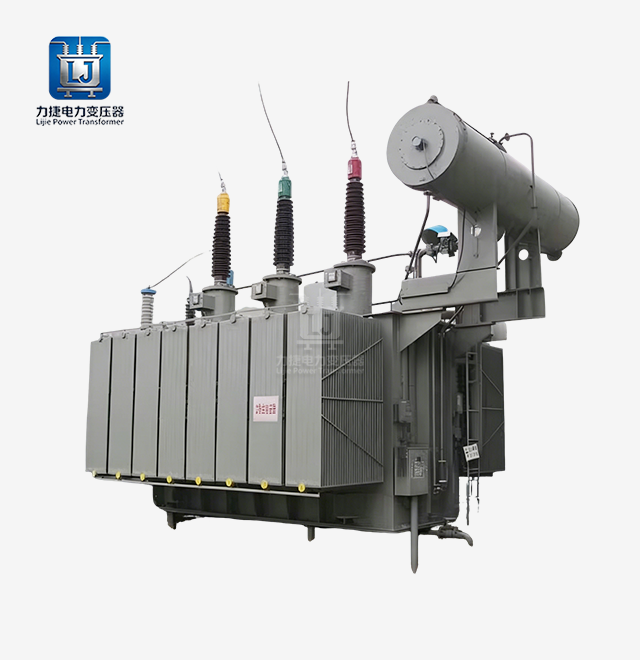
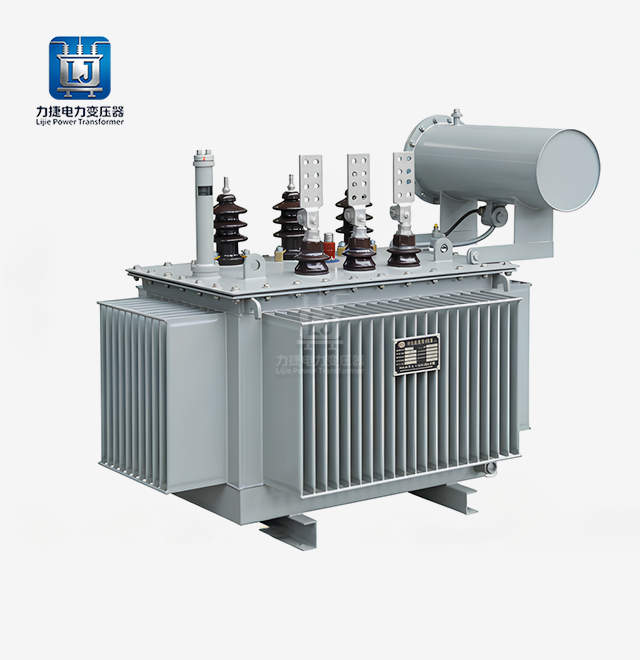


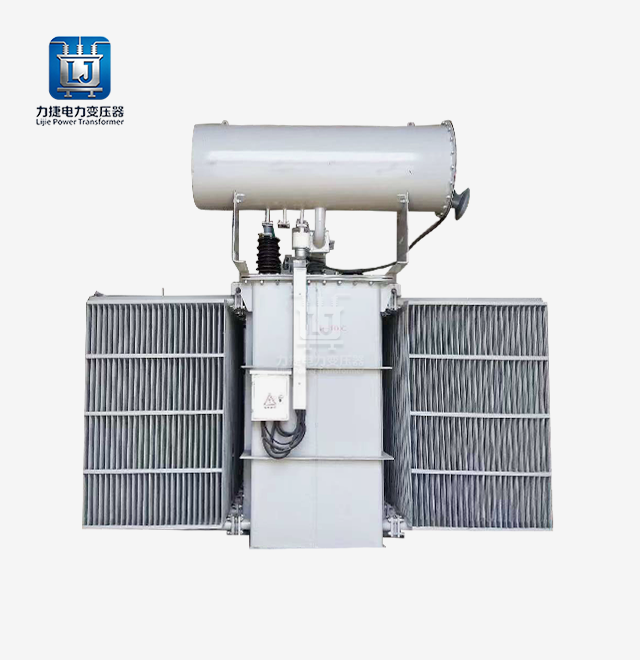
%20Dry-type%20Distributing%20Transformer.webp)
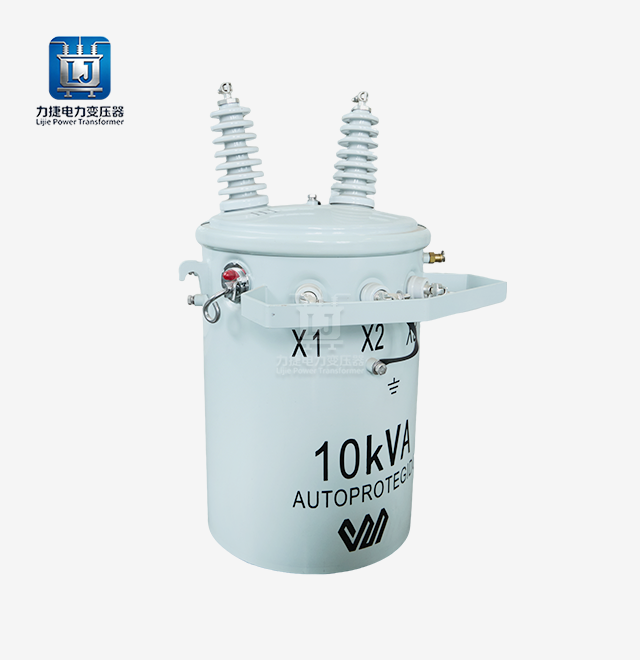
April 27, 2025
With a tight project schedule, the manufacturer delivered on time, and on-site technical personnel provided guidance throughout the entire installation and commissioning process; the collaboration was highly efficient and hassle-free.
July 2, 2025
During the preliminary phase, a selection plan was custom-tailored based on the actual site load requirements, resulting in a high degree of parameter compatibility. After-sales support responds within two hours, and ongoing technical support for operation and maintenance is comprehensive; we feel completely confident in a long-term partnership.
November 18, 2025
Deployed as a supporting component for a 35kV grid-connection project at a photovoltaic power station, the equipment operates for an average of 16 hours daily. It demonstrates excellent control over no-load losses, ensures smooth power generation and grid integration, and effectively reduces the station's overall energy consumption.
January 30, 2026
Under the continuous, high-load operating conditions of a factory production line, the equipment maintains stable electrical parameters and exhibits strong overload resistance, thereby guaranteeing an uninterrupted power supply for industrial production.
April 3, 2026
Integrated as a supporting component for a new energy photovoltaic grid-connection system, the manufacturer provided professional technical coordination and timely after-sales support, ensuring seamless adaptation to the specific electrical operating conditions required for grid integration.