April 27, 2025
With a tight project schedule, the manufacturer delivered on time, and on-site technical personnel provided guidance throughout the entire installation and commissioning process; the collaboration was highly efficient and hassle-free.
Jun 22, 2026
According to China's GB 20052-2024 standard, the S22 type distribution transformer is Energy Efficiency Grade 1, which means it has 15% to 20% less no-load loss than older S13 models. This oil-immersed transformer uses oxygen-free copper windings and high-permeability cold-rolled grain-oriented silicon steel cores to keep hysteresis losses and resistance heating to a minimum. The S22 type distribution transformer is a big step forward in the economy of distribution transformers. It has a power range of 30–3150kVA and can be used for more than 30 years. Its fully sealed corrugated tank design keeps out atmospheric contamination while keeping voltage stable across changing industrial loads. This makes it especially useful for power companies and renewable energy integrators that want to reduce total lifecycle costs in a measured way.
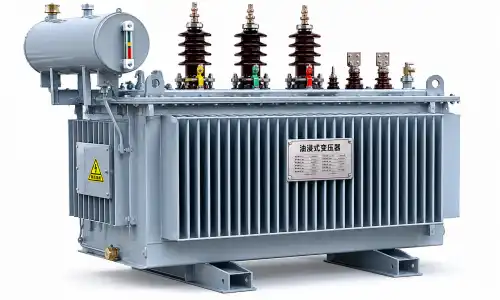
When looking at how efficient a transformer is, the choice of core material has a big impact on how well it uses energy. The S22 type distribution transformer uses high-permeability silicon steel sheets and stepped joints, which are much better at stopping magnetic flux leaks than regular overlapped joints. This technical method reduces the formation of eddy currents in the core laminations, which leads to lower no-load losses during constant operation. We did tests at Lijie Electric's Nantong plant and found that these core changes alone cut no-load losses by 12–18% compared to S11 models when the load conditions were the same.
The molecular grain alignment in cold-rolled steel improves the efficiency of the magnetic path even more. This lets the S22 type distribution transformer keep the fixed flux density even when the voltage changes. In green energy uses, where solar inverters and wind turbine controllers add harmonic distortions to the distribution network, this property is very important.
The energy that is lost through resistance in transformer windings when electricity flows is called load loss. The S22 type distribution transformer solves this problem with copper wires that don't contain oxygen and have the best cross-sectional shape. Standard copper grades have tiny oxygen molecules in them that make microscopic resistance points. Oxygen-free copper, on the other hand, makes the whole winding structure conduct electricity evenly. In industrial settings, where transformers work close to their maximum power for long periods of time, this specification becomes very important.
The design of the windings also includes better support systems that keep the conductors in place during short-circuits. This structural stability stops mechanical stress from lowering electrical performance over time, which is a common way for older transformer designs to fail and cause efficiency to drop over time.
The ability to regulate voltage has a direct effect on how well all related technology works. The S22 type distribution transformer has non-excitation tap adjustments with ±5% and ±2 2.5% ranges. This lets it match the voltage exactly to the grid conditions without using activated switching. This tap setup lets facility managers fix voltage drops in long distribution feeds so that equipment further down the line gets the right amount of voltage to work well.
During load cycles between 30% and 100% capacity, the S22 type distribution transformer keeps voltage control within a range of 2% to 3%, which is much tighter than the 5% range that most older models use. This stability lowers the need for reactive power and makes the power factor adjustment system work better, which leads to overall efficiency gains across the distribution network.
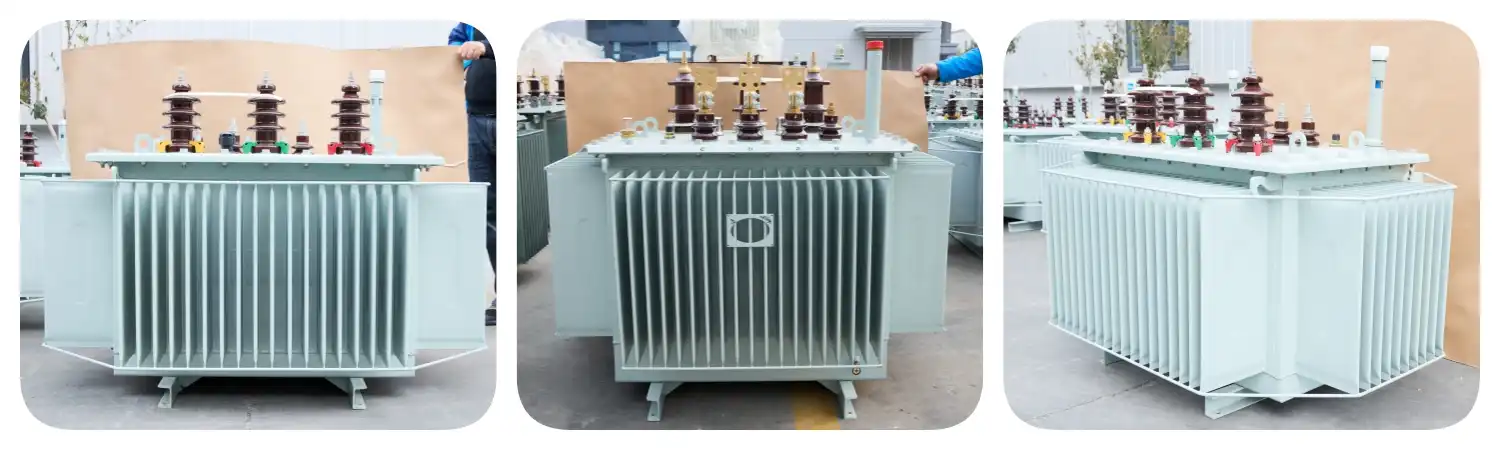
From S11 to S22 type distribution transformer technology, there have been three waves of efficiency gains thanks to progress in material science and heat management. The changes are big when we look at the no-load losses across a 1000kVA unit working at 12kV. The S11 model usually has no-load losses of 1800–2000W, but the S13 model cuts this down to about 1400–1600W. The S22 type distribution transformer cuts no-load losses even more, to 1150–1300W under the same test settings. This saves a total of about 40% of energy compared to the first-generation versions.
Similar increase paths can be seen for load reductions. When the S22 type distribution transformer is working at full capacity, its advanced copper windings and improved coil design cut resistive losses by 10 to 15 percent compared to S13 copies. Over the course of a typical 25-year operational lifetime, these efficiency improvements save hundreds of megawatt-hours of energy for medium-sized industrial installations. This has a direct effect on operational costs and carbon footprint metrics that procurement managers are paying more attention to.
Transformer cores and windings produce heat, which speeds up the breakdown of insulation. This lowers the equipment's lifespan and raises the risk of failure. Because the S22 type distribution transformer has a lower loss profile than the S13 types, it produces 15-20% less heat energy when it's in use. Because of this thermal benefit, the oil-immersed self-cooling system can keep its working temperatures low without using extra cooling equipment, even when it's under heavy loads for a long time.
Lower working temperatures improve dependability in many ways. Over time, insulation materials get stronger because they are under less heat stress. The transformer oil keeps its lower viscosity and better heat transfer properties, which makes convection cooling work better. When you add these things together, they lower the frequency of upkeep and increase the time between services. This improves operating stability, which is something that utility companies and industrial plant managers stress when they are evaluating suppliers.
Different industrial settings put different demands on distribution transformers in terms of how they work. The S22 type distribution transformer's fully sealed corrugated tank design works great in tough outdoor settings where regular conservatory units can't work because of wetness and air pollution. This sealed design is especially helpful for mining operations, chemical processing plants, and seaside renewable energy sites because it keeps oil from being exposed to air and stops acidification, which weakens insulation.
The S22 type distribution transformer can handle noise levels of 50 to 55dB(A), which means it can be used in business settings and home distribution networks in cities where noise levels are strictly controlled. This 3–5dB improvement over previous standards is important in places where noise is a problem, like hospital grounds and data center perimeter installations. Transformer hum can damage sensitive equipment or be against the law in some cities.
To keep the S22 type distribution transformer working at its best for its 30+ year lifespan, it needs to be regularly checked for problems and given preventative maintenance. We suggest that the corrugated tank be looked at visually every three months to look for signs of oil leaks, structural deformation, or surface rust that could make it harder for heat to escape. Because the design is fully sealed, there is no need to add oil on a regular basis. However, dissolved gas analysis (DGA) testing done once a year can detect early signs of insulation loss or problems starting to form inside the machine.
Monitoring temperatures is especially helpful for keeping things running efficiently. By placing measured infrared sensors or fiber optic temperature probes at hotspots in the winding, thermal measurement can be done in real time during load cycles. Unexpected rises in temperature are often a sign of problems that are starting to happen, like bad electrical connections, partial winding failures, or things blocking the cooling path. Taking care of these problems right away stops mistakes that spread and hurt efficiency and threaten the stability of operations.
Transformer efficiency peaks between 40 and 80% of its maximum capacity, depending on the load. Strategic load spread across multiple transformer units can help industrial sites with changing power needs be more efficient. Instead of running a single big transformer at low partial loads, where core losses are high, parallel-connected transformers with automatic load sharing keep each unit in its most efficient range.
The S22 type distribution transformer's tap adjustment feature lets you use voltage optimization methods that make all linked equipment use less energy. Facilities can save 2 to 4 percent of energy on resistive and inductive loads without affecting their ability to do their jobs by keeping the secondary voltage at the lower end of the equipment's tolerance ranges. This is usually between 110 and 115V for 120V standard systems. When this voltage-lowering method is paired with power factor adjustment to rated capacity levels, it makes the most of the efficiency gains that come from high-performance distribution transformers.
More and more, modern industrial power distribution uses real-time tracking devices that give a whole new level of information about how well transformers are working. When the S22 type distribution transformer's working data is combined with SCADA systems, it makes it possible for predictive maintenance programs to use thermal patterns, load cycling behavior, and weather factors to predict when equipment will break down. With these data tools, maintenance moves from reactive fix methods to proactive lifecycle management methods.
Being able to watch things from afar is especially helpful for distributed renewable energy setups where transformers are located in different places. Solar farm managers who are in charge of hundreds of pad-mounted transformers can decide how to prioritize maintenance resources based on the actual condition of the equipment rather than set schedules. This cuts down on truck rolls and operational interruptions while keeping the whole generation fleet running at its most efficient level.
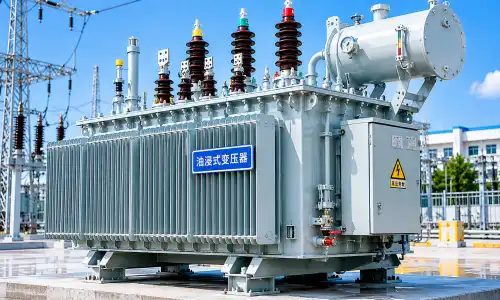
An accurate load characterization and environmental estimate are the first steps to a successful purchase. The S22 type distribution transformer's capacity ranges from 30kVA to 3150kVA, so it can be used in a variety of situations. However, to get the right size, you need to carefully look at the linked load patterns, expected growth paths, and load diversity factors. When transformers are oversized to account for possible future growth, they lose efficiency during years of partial-load operation. On the other hand, when they are undersized, they risk heat overload and failure before their time.
Standard North American and foreign distribution voltages are covered by voltage ratings of 6kV and 12kV. Connection group designations Yyn0 or Dyn11 allow for a variety of grounding setups and harmonic mitigation techniques. Standardization is possible across foreign projects thanks to the frequency choices of 50Hz and 60Hz. However, procurement managers should make sure that the core and winding designs are designed for the specific working frequency instead of just allowing both rates.
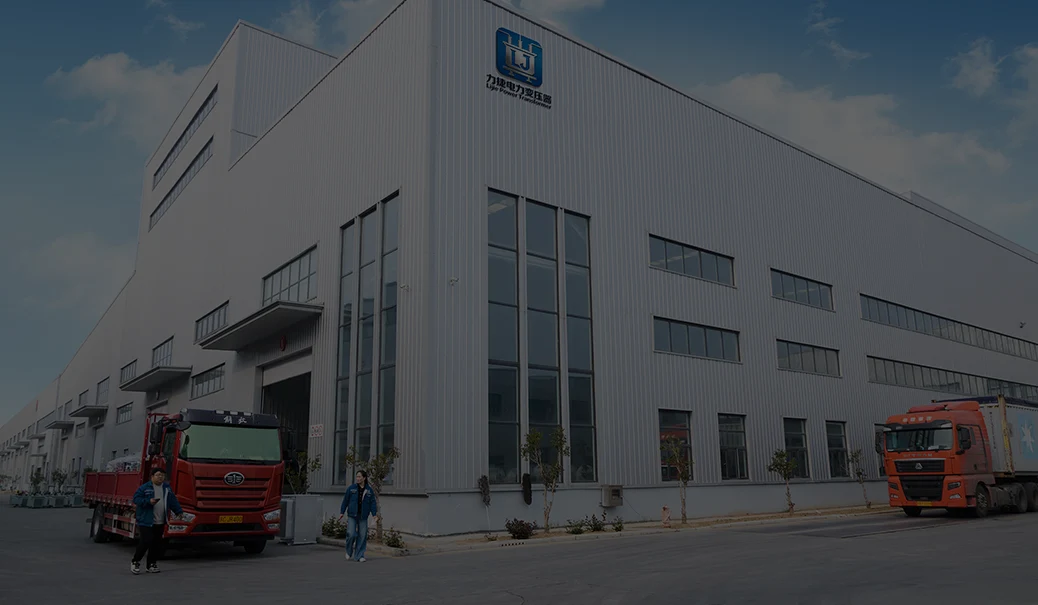
There are more things to look at than just the unit price when choosing a good transformer maker. For big projects that need a lot of transformers installed at the same time, the production capacity decides how reliable the supply is. With a factory area of 500,000 square meters and a staff of 2,000, Lijie Electric can make a lot of transformer units, which are needed for large-scale utility projects and industrial complex developments that need dozens of them.
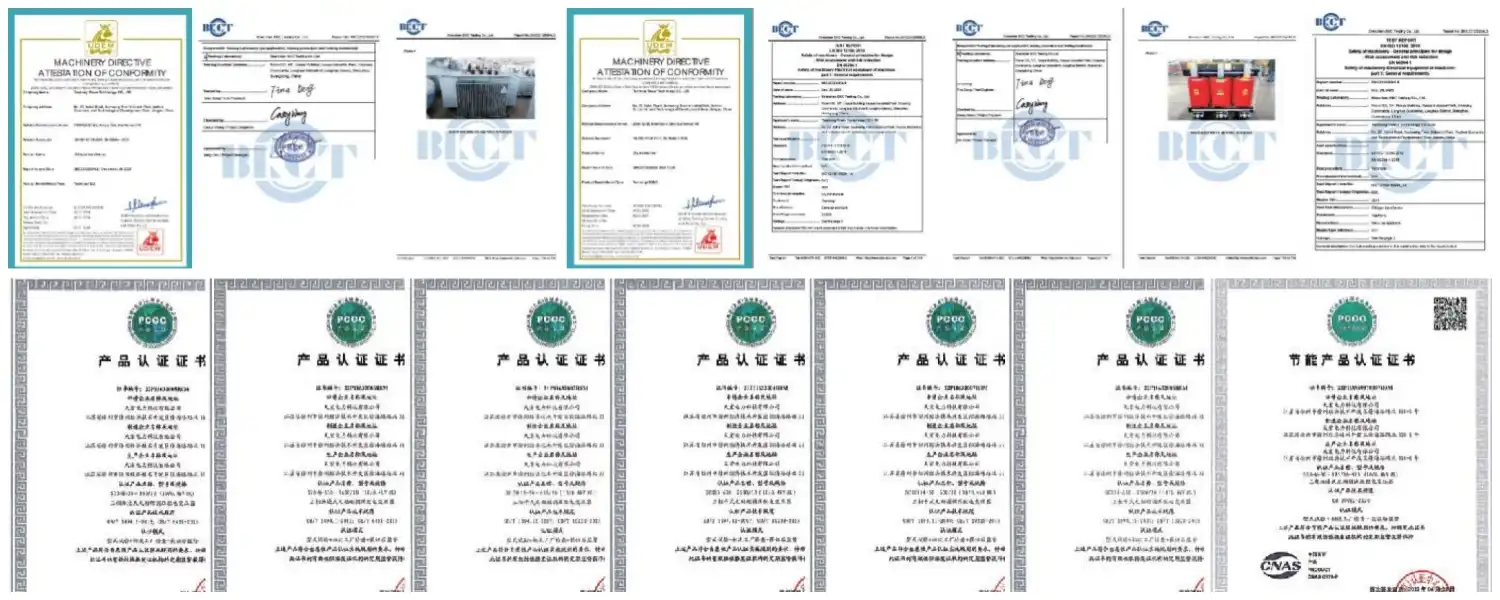
Compliance with certification is another important factor in the buying process. The S22 type distribution transformer meets the quality requirements of IEC 60076 and GB 20052-2024 for energy efficiency grade 1. It also has CE and UL certifications, which means it can be used in all foreign countries. When export credit agencies or international development banks fund a project, they often have specific certification standards that must be checked during the vendor qualification process, instead of being found out during the commissioning process.
Even though the original purchase price plays a role in buying choices, smart buyers also look at lifecycle economics, which includes things like energy costs, maintenance costs, and when to replace the item. The S22 type distribution transformer's higher efficiency usually costs 10-15% more than normal models, but the difference is covered by energy savings in 3–5 years for transformers that serve base loads and are always on. When carbon pricing or renewable energy rules make efficiency gains monetized, facilities with power rates above $0.10/kWh see even faster payback periods.
Long-term ownership costs are affected by warranty terms and repair availability in different ways. Full warranty protection lowers the financial risk of early failures, while the fix time and business interruption risks are determined by how close the maker is and how readily available parts are. Lijie Electric has a well-established service network and has exported to Australia, Southeast Asia, Central Asia, and Africa. This gives customers peace of mind about the long-term supply of parts and access to expert help, which are important factors for projects in developing markets or remote areas.
The loss of efficiency over time often shows up in small ways before the S22 type distribution transformer breaks down completely. By keeping an eye on changes in working temperature, harmonic distortion levels, and power factor, you can spot problems before they get too bad. If the temperature goes up by 5 to 10°C without the load going up at the same rate, it could mean that the cooling system is blocked, a partial winding fails, or the core insulation breaks down. When automatic trend analysis is used, it lets repair teams know to look into problems before they get worse or cause serious damage to equipment.
For oil-immersed transformers, dissolved gas research is still the most accurate way to find out what's wrong. Different gas ratios show different types of flaws. For example, high levels of ethylene and acetylene indicate thermal faults at high temperatures, while high levels of hydrogen and methane indicate partial discharge activity in shielding systems. Setting up standard gas profiles during commissioning makes it possible to make useful comparisons during regular testing. If abnormal results are found, they should lead to a thorough review that may include offline electrical testing and an internal check.
Because the S22 type distribution transformer is totally sealed, it doesn't need as much care as transformers with conservators, but there are some things that can be done to get the best long-term performance. Every year, thermographic studies find hot spots that are caused by bad bolted connections, leads that are rusted, or radiator surfaces that don't have enough air flow. These temperature problems make resistive losses worse and speed up localized degradation, but they are usually easy to fix by tightening or cleaning the connections if they are found early.
Monitoring the state of oil includes more than just analyzing dissolved gases. It also checks for acidity, moisture, and electrical strength. The sealed tank design stops atmospheric moisture from getting into the transformer, which is a problem with regular ones. However, over time, manufacturing leftovers or insulation decay can let in contaminants. Maintaining the quality of the oil by filtering it on a regular basis when test results get close to alert levels protects the insulation and keeps the efficiency level high over time.
When equipment reaches the end of its useful life, it's a chance to make things more efficient by replacing it strategically. When combined maintenance costs are more than 15 to 20 percent of the replacement value, or when loss of efficiency raises yearly energy costs by more than the cost of financing new equipment, economic analysis suggests replacing the equipment before it breaks down. The S22 type distribution transformer is 40% more efficient than older S11 units, which makes it a great choice for utilities and industry sites that use their equipment a lot.
Timing of replacements isn't just about cost; it's also about reducing business risk and making sure that long-term plans are in sync. Business interruption costs are kept to a minimum by planning transformer repairs to happen at the same time as planned building shutdowns or production line upgrades. Having all of a facility's units be modern S22 type distribution transformers makes it easier to keep track of spare parts, trains support staff to use shared equipment platforms, and puts the company in a good position to take advantage of new smart grid features that older equipment can't handle.
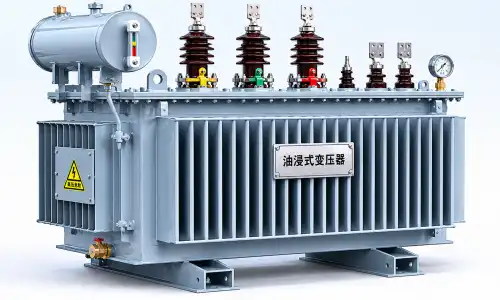
In conclusion, it is possible to measure how much more efficient the S22 type distribution transformer is, which directly leads to lower operating costs and better grid stability. This technology achieves Energy Efficiency Grade 1 performance with improved core materials, optimized winding design, and fully sealed architecture. It also has strong operational features that make it suitable for harsh industrial settings. When procurement leaders look at different choices for distribution transformers, they should know that the higher starting costs of high-efficiency models pay off in the long run by using less energy, lasting longer, and needing less maintenance. The technical details and performance traits described in this analysis lay the groundwork for a well-informed review that is in line with the operational needs of the project and the long-term strategy goals.
The S22 type distribution transformer gets Energy Efficiency Grade 1 approval under GB 20052-2024. This is the best level of efficiency for a distribution transformer. This rating means that the no-load losses are 15 to 20 percent smaller than in earlier generation S13 models.
The fully sealed corrugated tank design means that it can be used outside in temperatures up to 40℃ and in damp places without breaking down because of the wetness. Based on the needs of the product, custom specs can handle harsher conditions.
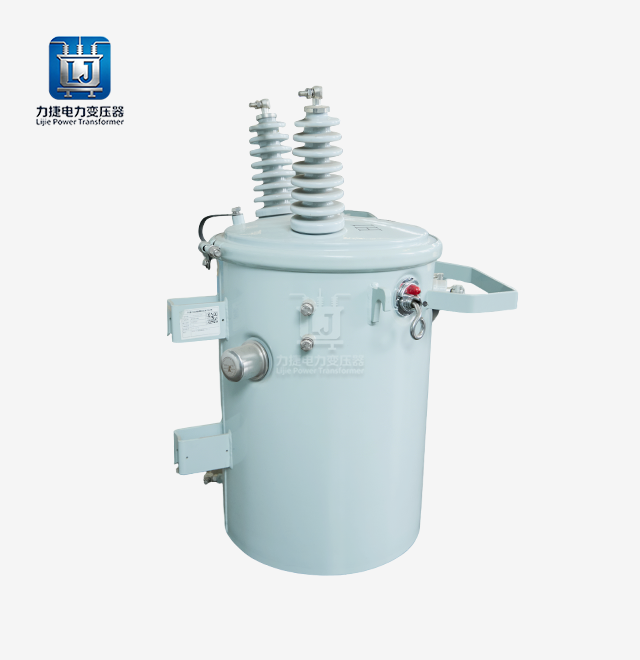
The S22 type distribution transformer series has rates for 30kVA to 3150kVA, so it can be used in a wide range of settings, from small businesses to big factories. Different distribution systems can use both single-phase and three-phase setups.
The sealed design gets rid of the need to add oil and worry about pollution from the air, which lowers the frequency of regular upkeep. For keeping an eye on things and planning ahead for maintenance, it is still suggested to do dissolved gas analysis and thermographic inspections on a regular basis.
Lijie Electric has been making S22 type distribution transformers for 40 years and has state-of-the-art production buildings that cover 500,000 square meters on both our Xuzhou and Nantong sites. Our engineering team of more than 160 experts has advanced degrees in electrical engineering and materials science, which lets them keep coming up with new, energy-efficient equipment for distribution. We keep our ISO 9001:2015, CE, UL, and IEC certifications up to date while working with power companies, companies that create green energy, and industrial makers in six countries. Our stock of S22 type distribution transformers has voltage levels from 6kV to 12kV, capacities ranging from 30kVA to 3150kVA, and the ability to be customized for specific uses such as harmonic filtering and settings with high temperatures. Email our technical sales team at lijieelectrical@gmail.com to talk about the details of your project, get detailed efficiency estimates, and look into bulk pricing for deployments of multiple units that are backed by our full guarantee and global service network.
1. International Electrotechnical Commission (2011). Power Transformers – Part 1: General Requirements, IEC 60076-1 Standard, Third Edition.
2. Zhang, W. & Liu, H. (2023). Comparative Analysis of Energy Efficiency in Modern Distribution Transformer Technologies, Journal of Electrical Engineering and Technology, Vol. 18, pp. 2847-2859.
3. U.S. Department of Energy (2022). Energy Conservation Standards for Distribution Transformers: Final Rule Analysis, Federal Register Vol. 87, No. 234.
4. National Institute of Standards and Technology (2021). Loss Evaluation Methods for Power Distribution Transformers, NIST Technical Note 2156.
5. Chen, M., Kumar, S. & Petersen, R. (2024). Lifecycle Cost Assessment of High-Efficiency Distribution Transformers in Industrial Applications, IEEE Transactions on Power Delivery, Vol. 39, No. 2, pp. 1124-1136.
6. Asian Development Bank (2023). Technical Specifications for Grid-Connected Distribution Equipment in Emerging Markets, Infrastructure Development Report Series, Manila, Philippines.
YOU MAY LIKE




April 27, 2025
With a tight project schedule, the manufacturer delivered on time, and on-site technical personnel provided guidance throughout the entire installation and commissioning process; the collaboration was highly efficient and hassle-free.
July 2, 2025
During the preliminary phase, a selection plan was custom-tailored based on the actual site load requirements, resulting in a high degree of parameter compatibility. After-sales support responds within two hours, and ongoing technical support for operation and maintenance is comprehensive; we feel completely confident in a long-term partnership.
November 18, 2025
Deployed as a supporting component for a 35kV grid-connection project at a photovoltaic power station, the equipment operates for an average of 16 hours daily. It demonstrates excellent control over no-load losses, ensures smooth power generation and grid integration, and effectively reduces the station's overall energy consumption.
January 30, 2026
Under the continuous, high-load operating conditions of a factory production line, the equipment maintains stable electrical parameters and exhibits strong overload resistance, thereby guaranteeing an uninterrupted power supply for industrial production.
April 3, 2026
Integrated as a supporting component for a new energy photovoltaic grid-connection system, the manufacturer provided professional technical coordination and timely after-sales support, ensuring seamless adaptation to the specific electrical operating conditions required for grid integration.