April 27, 2025
With a tight project schedule, the manufacturer delivered on time, and on-site technical personnel provided guidance throughout the entire installation and commissioning process; the collaboration was highly efficient and hassle-free.
Jun 21, 2026
When searching for an S13 type oil-immersed distribution transformer supplier in China, procurement managers and electrical engineers encounter a market rich with options yet demanding careful navigation. The S13 series represents a critical evolution in power distribution technology, delivering exceptional energy efficiency and operational reliability. Selecting the right manufacturing partner determines not just immediate project success but also influences total lifecycle costs, maintenance burdens, and system uptime for decades. This guide walks you through technical fundamentals, supplier evaluation criteria, and strategic considerations to streamline your procurement process and secure a partnership that genuinely supports your operational goals.
Global B2B buyers—whether managing utility infrastructure, renewable energy installations, or industrial power systems—require suppliers who demonstrate technical competence, manufacturing consistency, and responsive service. We address these concerns directly, offering insights grounded in industry standards and real-world application experience to help you make informed, confident decisions.
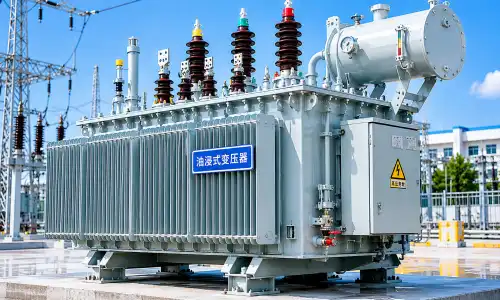
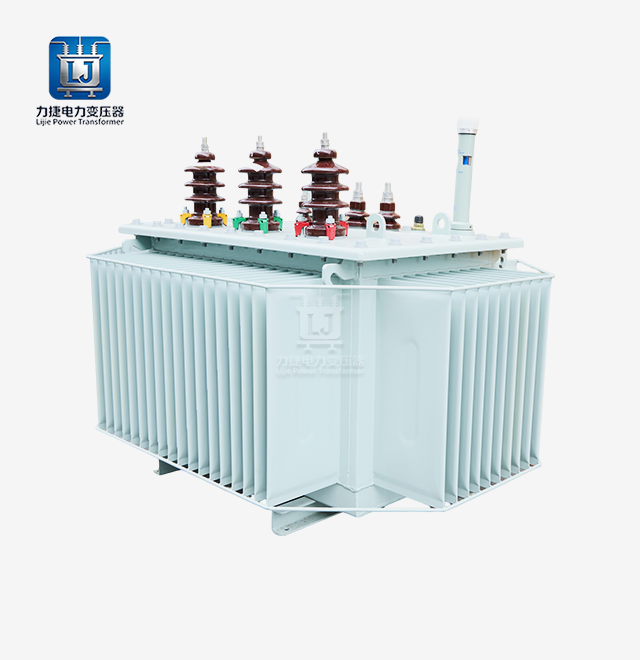
The S13 type oil-immersed distribution transformer is designed to meet the high standards for grid efficiency of today, while still keeping the long-lasting and heat-efficient qualities that liquid-dielectric designs are noted for. These units can handle voltages from 6kV to 35kV and have power choices from 30kVA to 3150kVA. This means they can be used in a wide range of settings, from small substations in neighborhoods to large industrial plants.
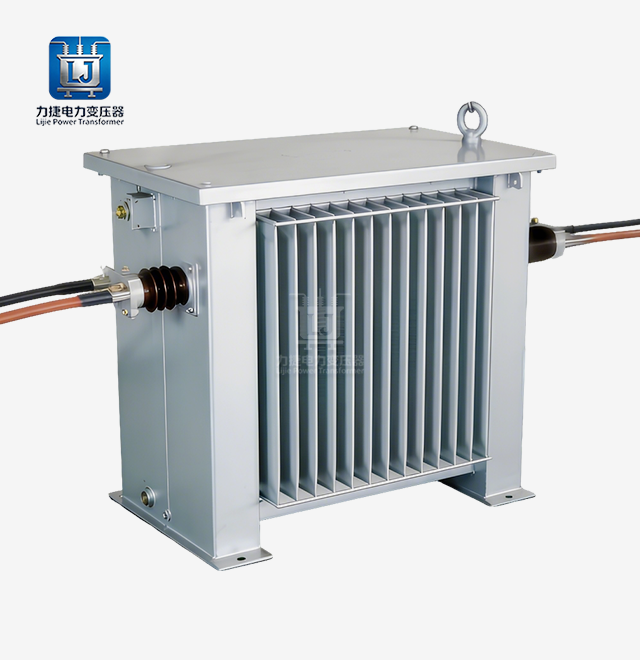
In the middle of every S13 transformer is a magnetic core made of cold-rolled, grain-oriented silicon steel that is very permeable. This choice of material lowers magnetic resistance and eddy current losses in a direct way. The windings use oxygen-free copper wires that are wrapped in high-quality insulator paper. This makes sure that the electricity flows well and that the circuit can handle short-circuits. The whole thing is inside a fully sealed, curved oil tank that keeps out air and moisture, so the oil doesn't oxidize and the transformer works for a long time.
An oil-immersed self-cooling (ONAN) method is used for cooling. The oil in a transformer naturally moves through the core and windings, collecting heat that is then released through the tank's ribbed walls. This passive cooling system doesn't need any external pumps or fans, which makes upkeep easier and makes the system more reliable in hard or remote places.
Knowing the important specs helps match the product's skills with the needs of the job. The S13 model works at normal speeds of either 50Hz or 60Hz, which is compatible with all electrical standards around the world. Voltage control is done by changing the non-excitation tap, which lets you make adjustments of ±5% or ±2×2.5% to account for changes in voltage without stopping service. Connection groups can be set up in either a Yyn0 or a Dyn11 way. The Dyn11 way is more popular because it can handle uneven loads and stop third-harmonic currents.
Insulation levels pass strict testing procedures and can handle AC power frequency voltages of up to 35kV and surge voltages of up to 75kV. With these values, the equipment will still work safely even if lightning hits or there are switching surges. Outside, where temperatures can reach 40°C, the transformers work regularly. However, there are ways to make them work in harsher conditions when projects require it.
Compared to the S11 models that came before it, the S13 line gets up to a 70% drop in no-load current and 25–30% drop in no-load losses. Because of these changes, the transformer will use less electricity over its estimated 30-year life. For utilities and industry users, this increase in efficiency cuts costs by a large amount. It also helps companies meet their sustainability goals and follow the rules about energy efficiency.
To choose between transformer models, you need to know how to weigh performance trade-offs and which types are best for your needs. The S13 type oil-immersed distribution transformer line fills a unique need by combining cutting-edge economy with tried-and-true oil-immersed technology.
The S11 series worked well for many years, but the S13 series is a clear step forward. The S13 uses less energy just by being turned on, even when it's not serving loads. This is called "no-load loss reduction." This is very important for transformers that work all the time in distribution networks. Load rates also go down, which makes things more efficient during times of high demand. Noise levels drop by about 3 to 5 decibels below national standards. This eases worries in urban home settings where noise pollution hurts community acceptance.
Instead of oil, dry-type transformers use solid insulation materials, so there is no risk of fire from flammable liquids. They work well indoors, where fire rules don't allow oil-filled tools. But systems that are immersed in oil, like the S13, have better thermal performance and can handle more pressure. The oil is great at both cooling and insulating, which lets small forms work for large uses. Different types of maintenance are also needed. For example, dry-type units need to be cleaned and tested for insulation protection on a regular basis, while the fully sealed S13 design keeps out contamination and usually doesn't need any maintenance for a long time.
The S13's strong heat management and short-circuit strength make it a good choice for industrial buildings with heavy, changing loads. Renewable energy projects, like solar farms and wind turbines, like how the voltage can be controlled and how reliable it is in rural areas where upkeep is hard to get to. Urban distribution networks value low noise and a small footprint, which makes installation possible in underground bunkers or residential areas with limited space.
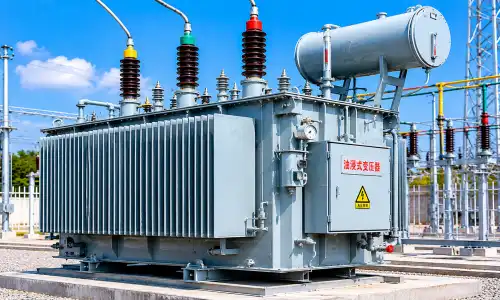
The choice of supplier affects the quality of the product, the dependability of delivery, and the long-term assistance. We list review factors that will protect your investment and make sure the S13 type oil-immersed distribution transformer project is carried out successfully.
Manufacturers with a good reputation have ISO 9001:2015 quality management approval, which shows that they have systematic rules over their processes. For foreign markets, meeting IEC 60076 standards shows that the transformer meets international standards. UL certification lets you enter the North American market, and CE certification lets you enter the European market. Along with certificates, you should check to see if the seller has approved testing labs that can do routine, type, and special tests that meet national standards. Objective performance confirmation comes from outside testing by groups like the National Transformer Quality Supervision and Inspection Center.
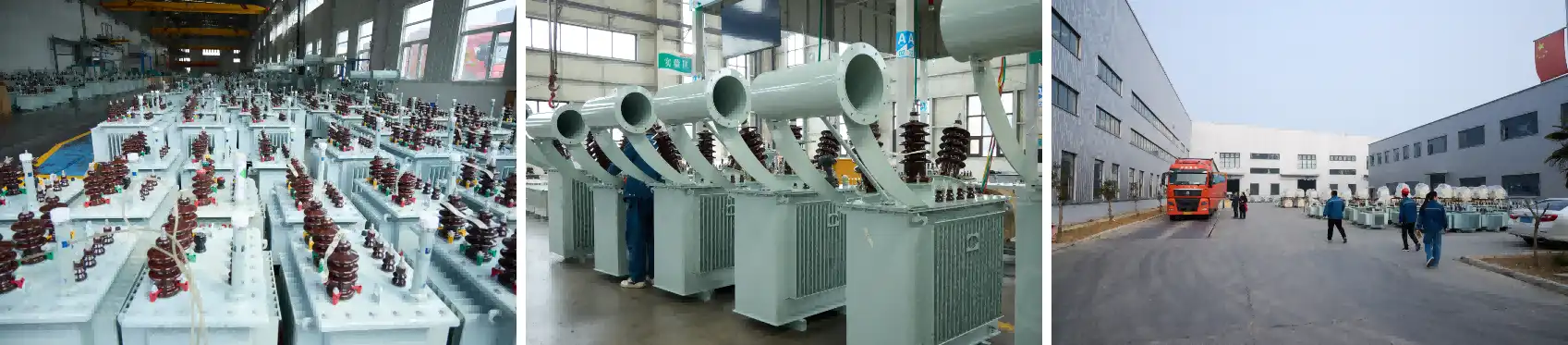
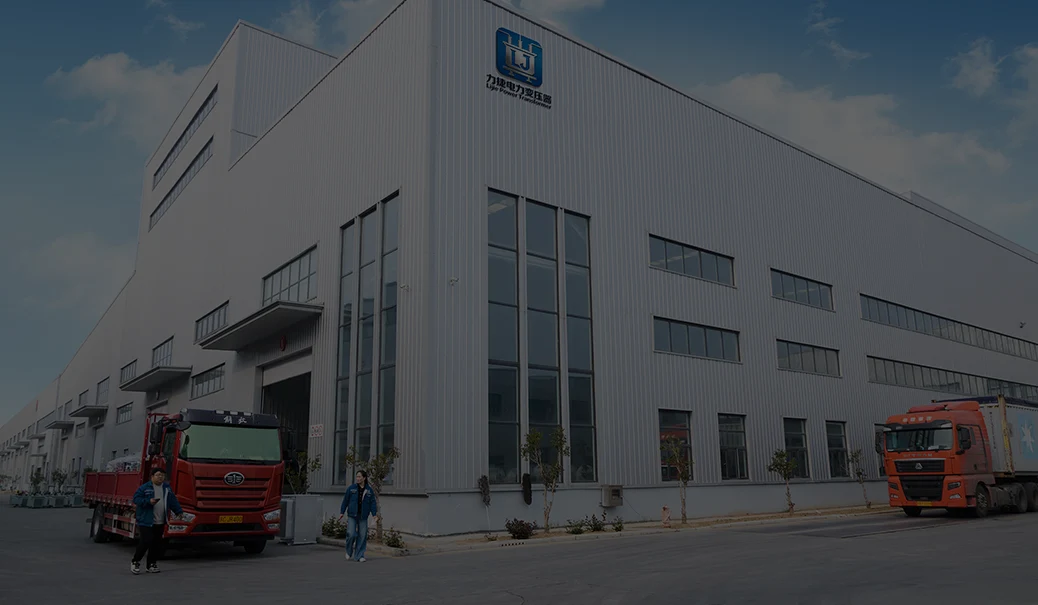
When working on big projects, you need sources whose production schedules match yours. Buildings that are several hundred thousand square meters big and have automatic winding machines, vacuum drying ovens, and computer-controlled testing stations show that they can make good things. Lijie Electric has two main bases that cover a total area of 500,000 square meters. It employs more than 2,000 people, including more than 160 engineers with advanced degrees. This infrastructure allows for batch production without affecting quality, which is very important for projects that need dozens or hundreds of similar units supplied on time.
Standard store items don't always work perfectly in every situation. When suppliers let engineers work together, designs can be changed to fit odd voltage levels, harsh weather conditions, or unique mounting arrangements. This adaptability stops solutions that aren't perfect and guarantees the best performance. Find out how possible partners handle technical help. For example, do they offer pre-sales engineering consultation? Can they model the heat performance or short-circuit forces that will be present in your installation? Responding to technical questions during the design phase keeps costly mistakes from being found during installation.
Since transformers last for decades, they need assistance after they are delivered. Make the guarantee terms clear. Usually, manufacturing flaws are covered for 18 to 24 months after the product is put into service. Besides the guarantee, you should also check how easy it is to get spare parts and expert help. When problems happen, suppliers who keep regional service centers open or work with local service providers can fix them faster. The quality of the documentation is also important. Full operation manuals, test results, and upkeep instructions in the language of your choice make installation and ongoing care easier.
People are interested in competitive prices, but the real measure is the total lifetime cost. Lower prices up front may come with less efficiency, which means that power costs will go up over the decades of use. Compare the initial price increases for higher-efficiency units to the present value of the energy savings they will bring in. Delivery wait times change project plans and costs. Reliable sellers give realistic deadlines—usually 60 to 90 days for standard configurations—and let you know right away if there are any delays. Payment terms that balance the need for cash flow with reducing risk help buyers and sellers have better relationships.
Maintenance that is done right keeps things working well and increases their useful life. The fully sealed design of the S13 type oil-immersed distribution transformer reduces the need for assistance, and strategic tracking stops failures and improves reliability.
Visual checks done every three months find problems on the outside before they get worse. Keep an eye out for oil leaks near seals, valves, and the seams on the tank. The walls of a corrugated tank should stay in shape and not bulge or change shape, which could mean there are problems with the pressure inside. When the oil level gauge shows the right amount of fluid, it's time to look for leaks or other problems inside the engine. The ceramic in the bushing should stay clean and crack-free, with no signs of tracking or flashover.
Monitoring the temperature gives you information about what's going on inside. The oil temperature sensor on top shows the real working temperature. Readings that stay close to or above the recommended levels are signs of overloading or cooling system damage. When you look at temperature rises and load curves side by side, you can find strange heating patterns that could mean that the windings are damaged or that oil isn't moving well.
Although sealed designs keep outside contaminants out, oil testing on a regular basis makes sure that the insulation stays in good shape. Dissolved Gas Analysis (DGA) finds gases that are produced when there is internal arcing, burning, or insulator breakdown. Setting up standard DGA results during launch makes it possible to analyze trends in a meaningful way. Moisture content readings make sure that the oil keeps its dielectric strength; too much moisture speeds up the aging of insulation. Oil testing should be done every year for important uses and every two to three years for less demanding ones.
Should oil quality deteriorate beyond acceptable limits, oil reclamation or replacement becomes necessary. This process requires specialized equipment and trained personnel. Coordinate with your supplier or qualified service providers to maintain proper handling procedures that preserve transformer integrity during maintenance activities.
When something is installed correctly, it is ready to work reliably. Place transformers on steady, level bases that can hold their full weight, including oil. Maintain enough space for air flow—heat loss rests on air moving freely around the curved tank sides. To keep electrical connections from coming loose and creating heat that finally breaks, the right torque specs must be followed. Lightning strikes and fault currents can be stopped by making sure that grounding links follow national electrical rules.
Before turning it on, you should do acceptance tests that measure the insulation resistance, check the winding resistance, and check the turns ratio. These tests show that shipping did not damage the inside and provide standard data for future diagnostics. After putting the transformer into service, let it run at a lower load at first. Gradually increase the load until it reaches its full capacity while keeping an eye on temperatures and performance factors.
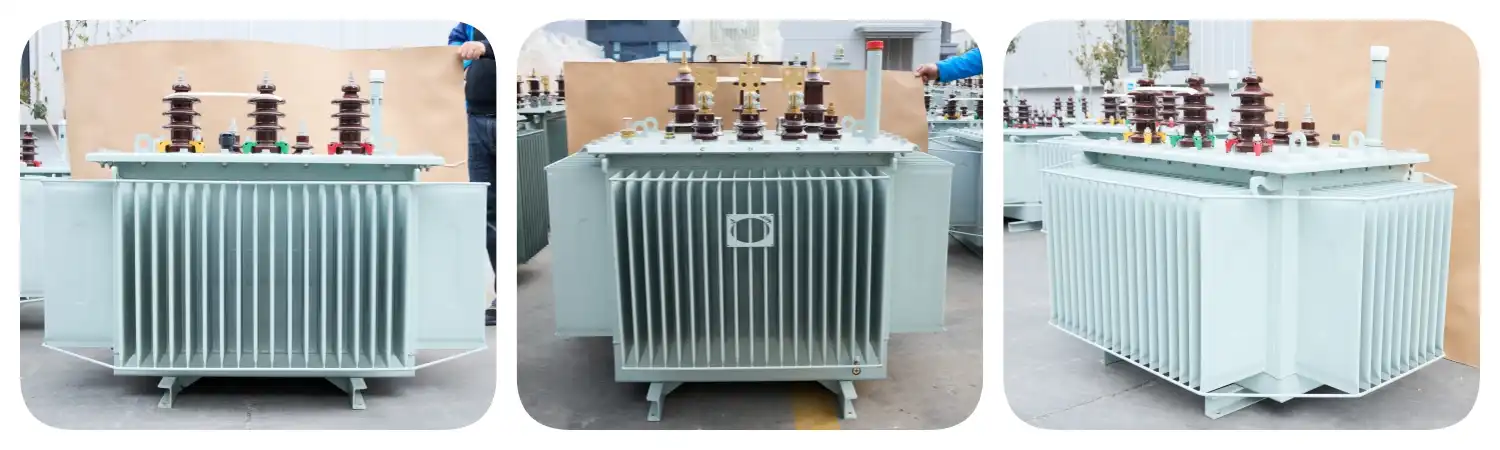
Chinese companies that make transformers have become world leaders because they give the best technical skills, output scale, and low prices. Understanding the value offered helps people who work in buying make the most of these benefits for the S13 type oil-immersed distribution transformer.
Major Chinese makers have put a lot of money into testing and quality processes. Companies like Lijie Electric keep their licenses from a number of foreign groups and work with others to do research that improves transformer technology. Products go through strict testing procedures, such as no-load loss measurements, load loss verification, dielectric resist tests, partial discharge measures, and pressure leak tests, to make sure that every unit meets the requirements before it is sent out. Performance claims can be trusted even more when they are checked by national testing sites.
Chinese sellers can offer low prices without lowering quality because their factories are efficient and they can save money by buying in bulk. When figuring out prices, you should think about how much better the S13 is at using energy. A 1000kVA unit that runs all the time and has 25% less no-load losses than older types saves thousands of dollars a year in power costs. Over 30 years, these savings are much greater than any price differences between providers at the start. When you buy from makers whose delivery history you can trust, you can avoid project delays that cost a lot of money and lead to penalties under your contract.
Exporters with a lot of experience handle the difficulties of foreign shipping with ease. They know what paperwork is needed for each target country, can ship heavy equipment in the right way, and work with freight forwarders and customs traders to make sure everything runs smoothly. Customers can buy Lijie Electric's products in six countries, from Australia and New Zealand to Central Asia, Africa, and other places. This shows that they are good at logistics, which will help you stay on schedule with your project. This knowledge means that there will be fewer surprises and the buying process will go more smoothly.
When you look at your ties with suppliers carefully, you get long-term benefits. When manufacturers put money into research and development (R&D), they keep making their goods better. This means that you can use new technologies as your infrastructure changes. Long-term relationships make it easier to talk to each other, make it easier to place repeat orders, and give one person priority when there are capacity issues. Suppliers who know what your application needs can give you better advice and faster expert help. Building trust through good first projects makes it easier for people to work together on bigger projects in the future.
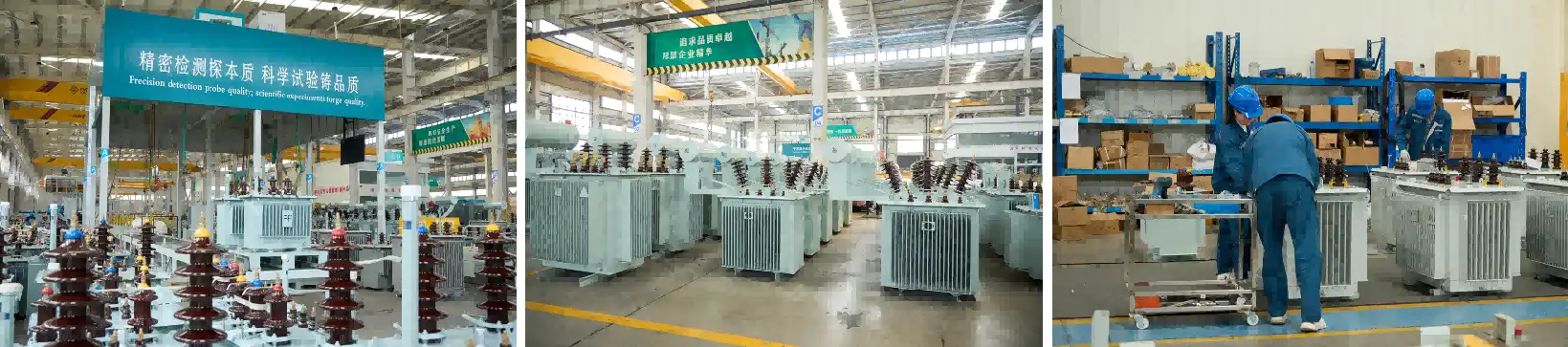
When people around the world buy S13 type oil-immersed distribution transformers from Chinese sellers, they get access to cutting-edge technology, products that have been proven to work, and great deals. To be successful, you need to carefully evaluate your suppliers, paying special attention to their licenses, production capacity, ability to make changes, and service infrastructure. It is clear that the S13 series is more efficient than its predecessors, which means that it will save money on costs over many years of use. Maintenance that is done correctly keeps efficiency high and increases lifespan, which maximizes return on investment. Strategic relationships with well-known makers like Lijie Electric give you access to technical know-how, the ability to scale up production, and quick support that improves your electrical infrastructure and helps you reach your long-term business goals.
If you keep up with the upkeep and use S13 type oil-immersed distribution transformers as directed, they should last for 30 years or more. The fully sealed tank design keeps oil from breaking down because of oxygen and moisture in the air. This makes the insulation last a lot longer than with older open designs. Regular checks and oil tests make sure that the generator keeps performing at a high level for as long as it is used.
Standard S13 transformers work successfully in outdoor settings with temperatures up to 40°C. There are customization choices that can be used in harsher environments, such as those with high elevations, wide temperature ranges, high humidity, or toxic atmospheres. Talk to your provider about certain environmental factors as you are developing the specifications. Making the right changes, like adding better coatings that protect against rust or better insulation systems, ensures that things work reliably in tough conditions without shortening their life.
Manufacturers with a good reputation will cover flaws in materials and workmanship for 18 to 24 months after the product is delivered. The warranty terms should spell out who is responsible for paying for sending replacement parts, giving expert help during troubleshooting, and fixing problems if they happen. Carefully read through the insurance paperwork and make sure you understand any unclear terms before confirming the purchase order.
Lijie Electric is ready to be your reliable source for S13 type oil-immersed distribution transformers. They have decades of technical experience and state-of-the-art factories. Our 500,000-square-meter production bases and 160+ advanced-degree engineers make transformers that meet the strictest requirements while keeping prices low and delivery times consistent. We are certified by ISO 9001, IEC, CE, and UL, which means that our goods meet international quality standards and legal needs in all markets around the world.
Whether you're in charge of updating the power grid, building green energy installations, or adding to the industrial power infrastructure, our expert team can help you with responsive advice that is tailored to your needs. We'd love the chance to talk about your project requirements, give you full technical documentation, and come up with custom solutions that solve your specific business problems. You can get quotes, detailed datasheets, or help with application engineering by emailing lijieelectrical@gmail.com or visiting lijie-electrical.com. Secure a manufacturing partner committed to your long-term success through superior products and dedicated service.
1. International Electrotechnical Commission. (2011). Power Transformers - Part 1: General Requirements (IEC 60076-1:2011). Geneva: IEC Publications.
2. Zhang, Y., & Liu, H. (2019). Energy Efficiency Improvements in Oil-Immersed Distribution Transformers: Technical Advances and Economic Analysis. Beijing: China Electric Power Press.
3. National Standardization Administration of China. (2016). Power Transformers - Energy Efficiency and Technical Specifications (GB/T 1094-2016). Beijing: Standards Press of China.
4. American Society for Testing and Materials. (2019). Standard Test Method for Analysis of Gases Dissolved in Electrical Insulating Oil by Gas Chromatography (ASTM D3612-19). West Conshohocken: ASTM International.
5. Wang, M., Chen, S., & Li, Q. (2020). Lifecycle Cost Analysis of Distribution Transformers in Modern Power Grids. Journal of Electrical Engineering Technology, 15(4), 1683-1694.
6. Singh, R., & Kumar, A. (2018). Comparative Performance Evaluation of Oil-Immersed and Dry-Type Distribution Transformers in Industrial Applications. International Journal of Power System Engineering, 12(3), 215-228.
YOU MAY LIKE


18%20type%20dry-type%20distribution%20transformer.webp)
12%20type%20epoxy%20resin%20cast%20transformer.webp)


April 27, 2025
With a tight project schedule, the manufacturer delivered on time, and on-site technical personnel provided guidance throughout the entire installation and commissioning process; the collaboration was highly efficient and hassle-free.
July 2, 2025
During the preliminary phase, a selection plan was custom-tailored based on the actual site load requirements, resulting in a high degree of parameter compatibility. After-sales support responds within two hours, and ongoing technical support for operation and maintenance is comprehensive; we feel completely confident in a long-term partnership.
November 18, 2025
Deployed as a supporting component for a 35kV grid-connection project at a photovoltaic power station, the equipment operates for an average of 16 hours daily. It demonstrates excellent control over no-load losses, ensures smooth power generation and grid integration, and effectively reduces the station's overall energy consumption.
January 30, 2026
Under the continuous, high-load operating conditions of a factory production line, the equipment maintains stable electrical parameters and exhibits strong overload resistance, thereby guaranteeing an uninterrupted power supply for industrial production.
April 3, 2026
Integrated as a supporting component for a new energy photovoltaic grid-connection system, the manufacturer provided professional technical coordination and timely after-sales support, ensuring seamless adaptation to the specific electrical operating conditions required for grid integration.