lijieelectrical@gmail.com

Where to buy S18 Type 35KV Oil-Immersed Power Transformer?

Jun 20, 2026

When looking for a high-performance S18 type 35KV oil-immersed power transformer, buyers usually look at well-known brands that have a history of making large-scale distribution equipment. Lijie Electric Power Technology Group is one of the best suppliers in the world because it has transformers that are approved to meet GB 20052-2020 Tier 1 energy saving standards. These standards are backed by ISO 9001, IEC, CE, and UL certifications. With two factories that cover 500,000 square meters, they can make sure that industrial parks, green energy projects, and grid upgrade programs in North America and beyond get what they need on time.
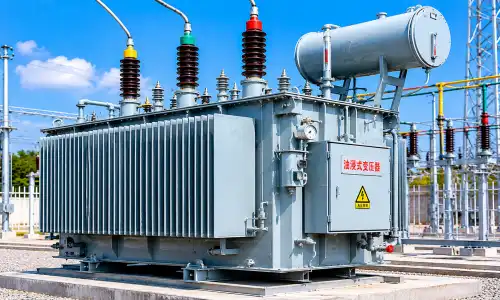
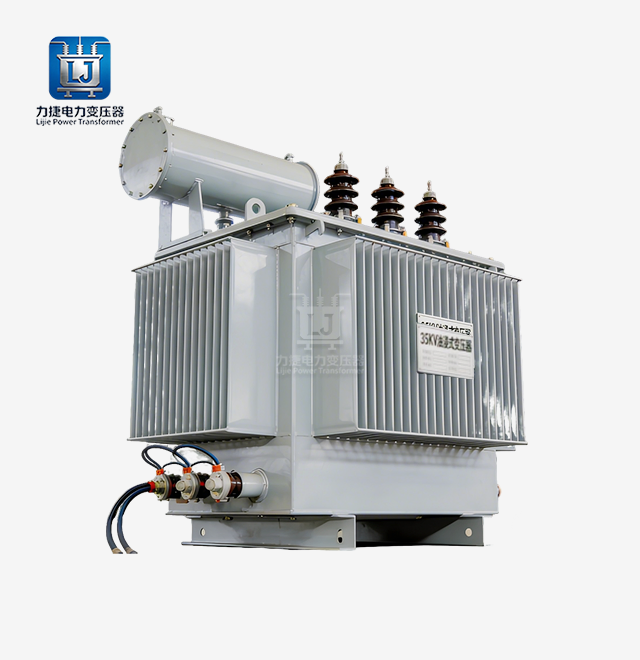
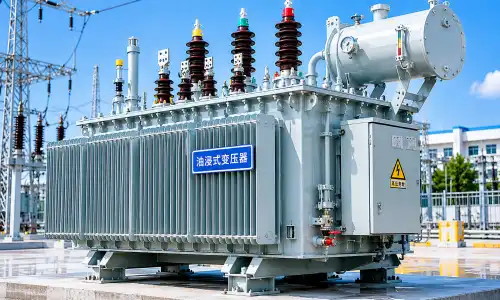
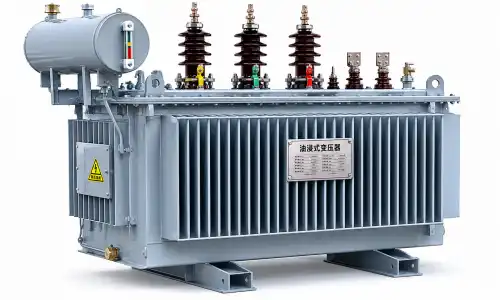
S18 type 35KV oil-immersed power transformer

Understanding the S18 Type 35KV Oil-Immersed Power Transformer

The S18 line is a big step forward in technology for medium-voltage distribution. This oil-immersed model is made for 35KV networks and uses advanced silicon steel core materials and improved winding configurations to achieve no-load loss decreases of over 20% compared to older S11 and S13 units. This big improvement in speed directly fixes the problems that utilities and factories have when they're trying to keep power flowing while wasting as little energy as possible.

Core Technical Specifications and Performance Advantages

The S18 is different from other transformers because it has a curved tank design that keeps air from touching the shielding oil. This new idea stops rust and water from getting in, so it can be used for longer than 25 years, even in harsh conditions. The strong coil structure can handle short-circuit currents without catastrophic failure, which is very important for places where electrical problems can happen at any time and cause expensive downtime or safety risks.

Here are some of the best things about this device:

  • Ultra Energy Efficient Design: Advanced silicon steel cores and precision-engineered windings cut load losses by 10–15%, which saves a lot of money over the life of the transformer.
  • Sealed Long-Life Architecture: The curved tank shapes keep oil pure for decades of use, lowering the number of upkeep tasks and replacements needed.
  • High Reliability Under Stress: Better insulation systems and stronger mechanical structures make sure that the system keeps running even when the power changes or when it's temporarily overloaded.
  • Low Noise and Smart Integration: The sound level stays between 45 and 55 dB(A), which is in line with strict environmental rules in cities. Smart monitoring is an option that lets you do online troubleshooting.

All of these benefits meet the buying objectives of total lifetime cost, business efficiency, and regulatory compliance. When businesses replace old equipment, they can expect to see measurable gains in energy efficiency measures. They will also be able to lower their carbon footprint, which is required by sustainability laws.

Typical Applications Across Industries

S18 type 35KV oil-immersed power transformer works best in situations that need both speed and sturdiness. It can handle changing loads without overheating, which is good for big green energy systems like centralized solar arrays and wind farms that produce 50MW to 100MW. Stable power supplies are important for protecting sensitive production equipment from voltage changes in industrial buildings that make cars, chemicals, and electronics.

Grid upgrade projects in urban areas, like free trade zones and central business districts, are choosing S18 units more and more because they are small and quiet. When utilities replace old S11 transformers in 35KV distribution networks, they report big drops in network losses. This directly supports two carbon reduction goals set by regulators.
Understanding the S18 Type 35KV Oil-Immersed Power Transformer The S18 line is a big step forward in technology for medium-voltage distribution. This oil-immersed model is made for 35KV networks and uses advanced silicon steel core materials and improved winding configurations to achieve no-load loss decreases of over 20% compared to older S11 and S13 units. This big improvement in speed directly fixes the problems that utilities and factories have when they're trying to keep power flowing while wasting as little energy as possible.  Core Technical Specifications and Performance Advantages The S18 is different from other transformers because it has a curved tank design that keeps air from touching the shielding oil. This new idea stops rust and water from getting in, so it can be used for longer than 25 years, even in harsh conditions. The strong coil structure can handle short-circuit currents without catastrophic failure, which is very important for places where electrical problems can happen at any time and cause expensive downtime or safety risks.  Here are some of the best things about this device:  Ultra Energy Efficient Design: Advanced silicon steel cores and precision-engineered windings cut load losses by 10–15%, which saves a lot of money over the life of the transformer. Sealed Long-Life Architecture: The curved tank shapes keep oil pure for decades of use, lowering the number of upkeep tasks and replacements needed. High Reliability Under Stress: Better insulation systems and stronger mechanical structures make sure that the system keeps running even when the power changes or when it's temporarily overloaded. Low Noise and Smart Integration: The sound level stays between 45 and 55 dB(A), which is in line with strict environmental rules in cities. Smart monitoring is an option that lets you do online troubleshooting. All of these benefits meet the buying objectives of total lifetime cost, business efficiency, and regulatory compliance. When businesses replace old equipment, they can expect to see measurable gains in energy efficiency measures. They will also be able to lower their carbon footprint, which is required by sustainability laws.  Typical Applications Across Industries S18 type 35KV oil-immersed power transformer works best in situations that need both speed and sturdiness. It can handle changing loads without overheating, which is good for big green energy systems like centralized solar arrays and wind farms that produce 50MW to 100MW. Stable power supplies are important for protecting sensitive production equipment from voltage changes in industrial buildings that make cars, chemicals, and electronics.  Grid upgrade projects in urban areas, like free trade zones and central business districts, are choosing S18 units more and more because they are small and quiet. When utilities replace old S11 transformers in 35KV distribution networks, they report big drops in network losses. This directly supports two carbon reduction goals set by regulators.

Comparing S18 with Other Transformer Types for Informed Procurement

You need to know how the S18 compares to other options on the market in order to make smart purchasing decisions. This comparison is mostly about performance measures, design trade-offs, and total cost of ownership factors that are important for medium-voltage uses.

S18 Versus S11 and S13 Legacy Models

The S18 type 35KV oil-immersed power transformer is more efficient than the S11 type, which was widely used in the 1990s and early 2000s, but the S11 type has higher no-load losses because it is made with older silicon steel grades and less developed methods. According to figures from the field, S11 units use about 20–30% more energy when they're not in use than S18 transformers that are working in the same conditions. The S13 series is better than this baseline, but it's still not as efficient as the S18, especially when only some of the power is being used, which is usual in green energy uses.

The lengths of maintenance rounds are also very different. The S11's regular oil protection system needs to be checked and replaced with new oil every 8–12 years. This needs to be done with special tools and following the rules for protecting the environment. The completely sealed design of the S18 gets rid of these ongoing costs, and dissolved gas analysis (DGA) finds faults early without having to do any invasive treatments.

Oil-Immersed Versus Dry-Type Trade-Offs

For indoor applications, dry-type transformers are better than flammable cooling mediums because of fire safety issues. However, their inability to handle heat properly limits their power rates and efficiency at the 35KV level. Designs that are immersed in oil, like the S18, are better at getting rid of heat, which lets them handle higher constant rates and more overloads. Even though it costs more up front, oil-immersed technology has lower lifetime costs in outdoor substations and industrial settings with enough room for clearances.

A recent study of the market for 2024 shows that the S18 type 35KV oil-immersed power transformer is comparable to other high-efficiency options when looking at cost-per-kVA over a 25-year service period. When comparing upfront capital costs to energy savings, procurement teams should take into account things like local power rates and expected load growth. In most utility-scale situations, the S18's lower losses make the higher price worth it within 3–5 years of running.
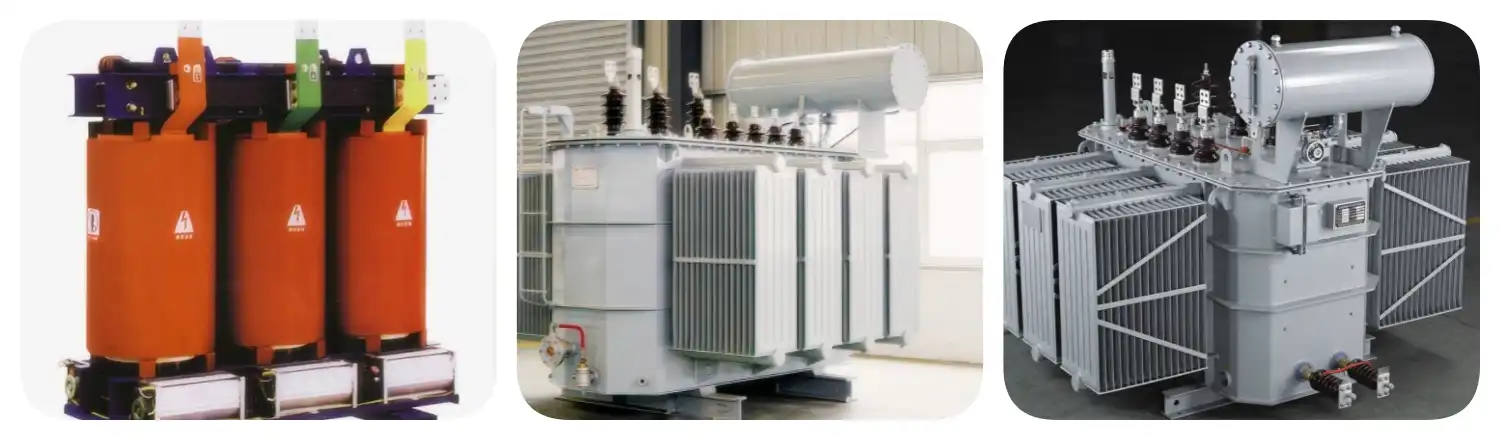
S18 type 35KV oil-immersed power transformer

Where to Buy S18 Type 35KV Oil-Immersed Power Transformers: Trusted Suppliers and Brands

Finding dependable makers who can meet deadlines for big deliveries while keeping quality standards high is still very important for the project's success. The transformer market is mostly made up of specialized companies that can make everything in-house and have certifications that are known around the world.

Evaluating Manufacturer Credentials and Capabilities

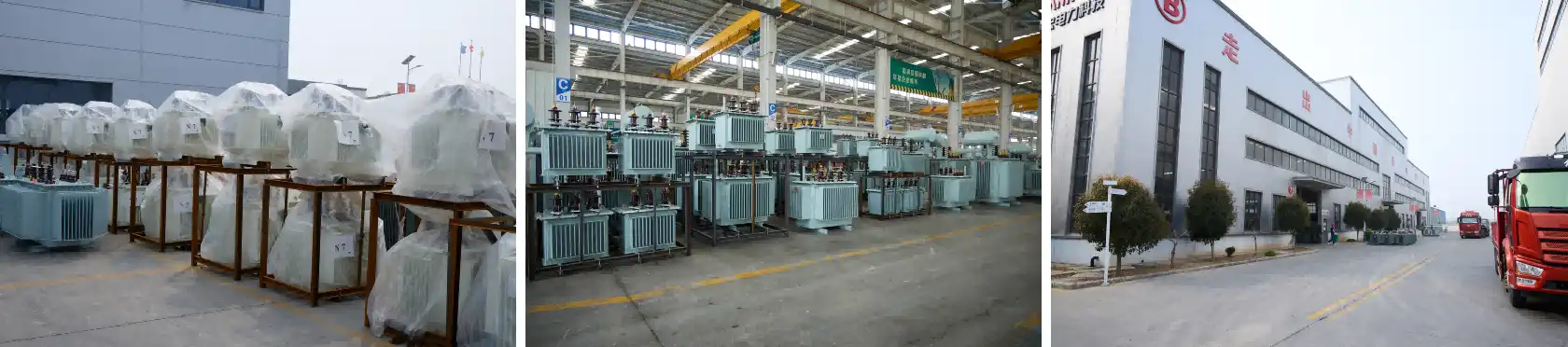
Lijie Electric Power Technology Group is a good example of a provider that can handle big orders. With a production capacity that supports sales of more than 5 billion RMB a year, the company has specialized R&D teams with more than 160 engineers with advanced degrees whose sole goal is to improve products all the time. Their two factories, one in Xuzhou and one in Nantong, allow for parallel production runs. This cuts down on lead times for pressing projects and protects against problems in the supply chain.

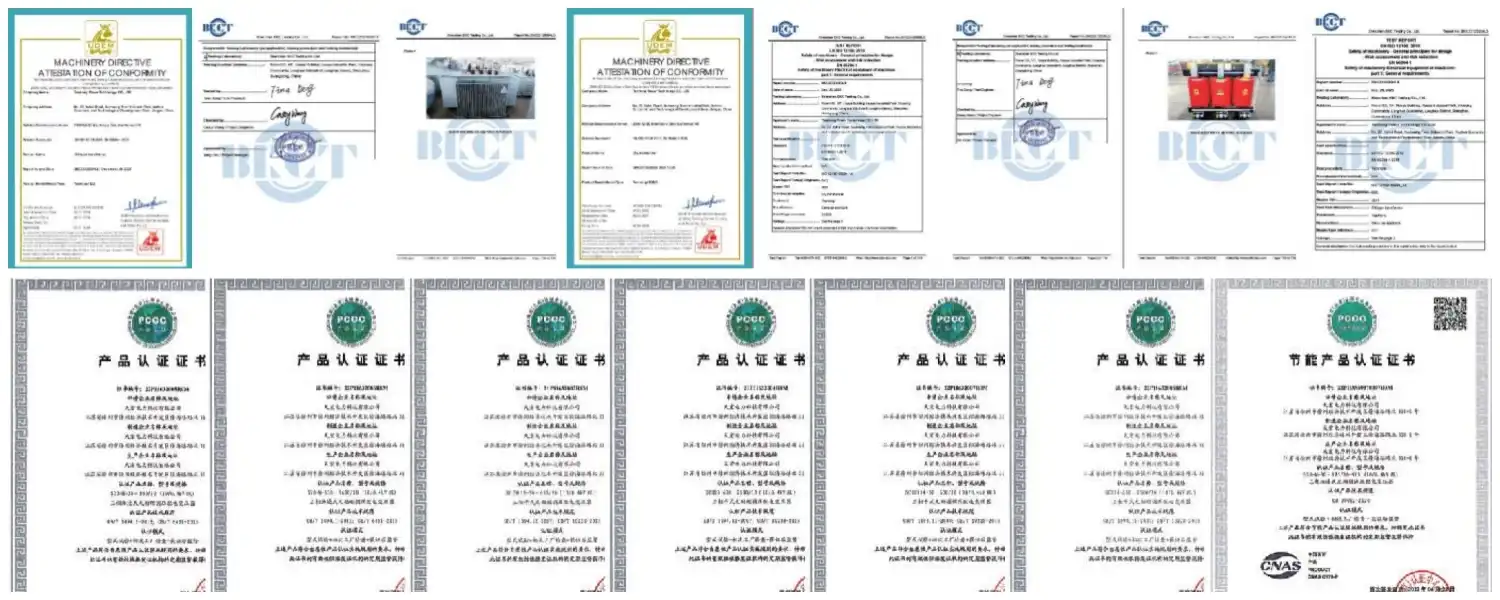
Checking licenses is an important part of qualifying a supplier that can't be skipped. Manufacturers of real S18 have both ISO 9001:2015 quality management certifications and product-specific approvals from IEC standards groups. For U.S. projects, UL listing gives extra confidence that the safety standards in North America will be met. Before committing to a purchase, buyers should get official test results from approved labs that show the dielectric strength, temperature rise, and impulse withstand performance.

Procurement Strategies for Bulk Orders

When planning multi-phase infrastructure operations, it can be helpful to negotiate framework deals. Setting chosen price terms and guaranteed delivery windows protects against changes in the market and lets the project be scaled up in modules. Suppliers with large inventory stocks and flexible production plans can handle changes in scope and shorter deadlines more easily than smaller operations that are running at full capacity.

For the S18 type 35KV oil-immersed power transformer, when making purchases, logistics coordination should be given the same amount of care. Transporting and handling transformers that weigh several tons requires special tools and takes 8 to 16 weeks, depending on how customized they are and how far they need to be shipped. Early in the negotiation process, buyers should clarify who is responsible for export packaging, marine insurance, and customs documentation, which helps avoid problems during the delivery phase.

Leading sellers are different from commodity companies because they offer technical help. Total cost of ownership is directly affected by how easy it is to get help from field service experts during commissioning, how quickly warranties are honored, and how easy it is to get new parts. Lijie Electric takes care of service networks that support installations in several countries. They offer technical documentation in multiple languages and digital tracking tools that let them fix problems remotely.
Where to Buy S18 Type 35KV Oil-Immersed Power Transformers: Trusted Suppliers and Brands Finding dependable makers who can meet deadlines for big deliveries while keeping quality standards high is still very important for the project's success. The transformer market is mostly made up of specialized companies that can make everything in-house and have certifications that are known around the world.  Evaluating Manufacturer Credentials and Capabilities Lijie Electric Power Technology Group is a good example of a provider that can handle big orders. With a production capacity that supports sales of more than 5 billion RMB a year, the company has specialized R&D teams with more than 160 engineers with advanced degrees whose sole goal is to improve products all the time. Their two factories, one in Xuzhou and one in Nantong, allow for parallel production runs. This cuts down on lead times for pressing projects and protects against problems in the supply chain.  Checking licenses is an important part of qualifying a supplier that can't be skipped. Manufacturers of real S18 have both ISO 9001:2015 quality management certifications and product-specific approvals from IEC standards groups. For U.S. projects, UL listing gives extra confidence that the safety standards in North America will be met. Before committing to a purchase, buyers should get official test results from approved labs that show the dielectric strength, temperature rise, and impulse withstand performance.  Procurement Strategies for Bulk Orders When planning multi-phase infrastructure operations, it can be helpful to negotiate framework deals. Setting chosen price terms and guaranteed delivery windows protects against changes in the market and lets the project be scaled up in modules. Suppliers with large inventory stocks and flexible production plans can handle changes in scope and shorter deadlines more easily than smaller operations that are running at full capacity.  For the S18 type 35KV oil-immersed power transformer, when making purchases, logistics coordination should be given the same amount of care. Transporting and handling transformers that weigh several tons requires special tools and takes 8 to 16 weeks, depending on how customized they are and how far they need to be shipped. Early in the negotiation process, buyers should clarify who is responsible for export packaging, marine insurance, and customs documentation, which helps avoid problems during the delivery phase.  Leading sellers are different from commodity companies because they offer technical help. Total cost of ownership is directly affected by how easy it is to get help from field service experts during commissioning, how quickly warranties are honored, and how easy it is to get new parts. Lijie Electric takes care of service networks that support installations in several countries. They offer technical documentation in multiple languages and digital tracking tools that let them fix problems remotely.

How to Choose the Right S18 35KV Transformer for Your Needs

To choose the best transformer configuration, you have to make sure that the equipment specs meet the characteristics of the load, the surroundings, and your long-term operating goals. This method includes more than just voltage and capacity ratings. It also takes into account goals for efficiency, physical limitations, and integration with current infrastructure.

Capacity and Efficiency Matching

S18 type 35KV oil-immersed power transformer load levels vary significantly across different application types. For renewable energy systems to operate efficiently, transformers must maintain high performance across a wide range of operating temperatures. In contrast, industrial facilities that run continuously at full capacity should select designs optimized for operation at 80% to 100% of their rated capacity. Analyzing historical load data and projected growth trends helps determine appropriate kVA ratings without oversizing, which can otherwise result in penalties and reduced efficiency under partial-load conditions.

The S18 has a Tier 1 efficiency grade under GB 20052-2020, which means that it will work within certain loss limits across the whole capacity range. Specifications for buying things should clearly mention these standards and ask for factory test papers that show compliance at load points stated in the contract. To correctly estimate when an investment will pay for itself, calculations of energy savings must take into account local power rates and the number of hours that the business is expected to be open each year.

Customization for Specific Operational Environments

S18 type 35KV oil-immersed power transformer performance is influenced by environmental factors, which affect how long a transformer lasts and how often it needs to be serviced. Coastal installations require more corrosion protection than the standard C4 grade. C5-M coatings provide longer resistance to salt mist exposure. For high-altitude locations, reduced air density affects cooling performance, so derating calculations or design modifications are necessary to compensate. Extreme temperatures, such as those in Arctic or tropical regions, require adjustments to oil density and alternative thermal management strategies.

Decisions about modification are also influenced by the need to regulate voltage. Utilities that serve areas with poor transmission systems may ask for transformers with bigger tap ranges so that secondary voltages stay stable even when primary voltages change. Industrial users with sensitive electronic loads often ask for tighter impedance limits and harmonic reduction features to keep equipment from breaking down because of problems with the power quality.

Evaluating Supplier Support and Warranty Terms

In addition to the actual tools, the service skills of the supplier have a big impact on how operations turn out. Full guarantee packages that cover both materials and labor for 3–5 years protect you financially against failures that happen too soon. Progressive producers offer choices for longer coverage and performance promises based on efficiency measures. This shifts the risk from buyers to suppliers.

S18 type 35KV oil-immersed power transformer maintenance advice and training programs help employees get better at what they do more quickly. Access to technical hotlines, detailed operation manuals, and readily available spare parts reduces the need to rely on expensive third-party contractors for routine maintenance. Before making a final purchasing decision, buyers should also evaluate how quickly suppliers have responded to warranty claims in the past, as well as the availability of field service personnel in the regions where they operate.

Maintenance Tips & Troubleshooting for S18 35KV Oil-Immersed Transformers

For assets to last as long as possible and for planned outages to be avoided, proactive repair plans that are in line with manufacturer advice and best practices in the industry are needed. The sealed design of the S18 makes many common repair jobs easier, but it also adds new monitoring needs that are better for current condition-based methods.

Routine Inspection and Preventive Maintenance Schedules

Inspecting the outside of the tank, the soundness of the bushings, and the usefulness of any accessories should be done visually once a year. Before they become failures, thermographic scans find hotspots that show loose links or problems with the flow of air inside the structure. Dissolved gas analysis (DGA), which is done every 12–24 months, can show early signs of problems by showing the patterns of gas production that happen when there is burning, partial discharge, or arcing.

For the S18 type 35KV oil-immersed power transformer, testing the quality of the oil ensures that the dielectric strength remains above the 30KV breakdown voltage limits set by IEC 60296. The tightly sealed tank minimizes pollution, and sampling through specific ports allows you to observe trends in water content and acidity. The results help determine whether filtration or replacement is needed, ensuring the best timing is chosen to prevent insulation from degrading too quickly.

Different designs need different amounts of upkeep. Naturally cooled (ONAN) transformers don't need much maintenance other than keeping the sides of the radiators clear of anything that could block airflow. For units with forced air or oil circulation systems to keep their thermal performance scores, the fans, pumps, and switches that control them need to be checked on a regular basis.

Common Operational Issues and Resolution Strategies

In an S18 type 35KV oil-immersed power transformer, noise levels that are abnormal usually indicate that the core laminations are loose or the windings are vibrating, which should be addressed during planned downtime. Buchholz relay activations suggest gas buildup caused by internal faults or air being trapped during commissioning, and this requires immediate investigation, along with oil sampling to determine the root cause.

When the pressure release valve opens, it means that there is too much pressure inside the system because of serious overloads or through-faults. Before putting the equipment back into service after an event, insulation resistance readings and turns ratio tests must be done to make sure the windings are still intact. If there are persistent pressure problems, it could mean that the cooling system isn't working properly, which means that the real loading conditions need to be compared to the standard conditions.

Leaks around seals or weld gaps break the seal, letting moisture in that speeds up the aging process. Finding the source of a leak through eye inspection or dye tests lets you fix it precisely with sealants that work well together or by replacing the gasket. In the worst cases, the tank may need to be sent back to the plant to be fixed, which shows how important strong quality control is during the manufacturing process.
How to Choose the Right S18 35KV Transformer for Your Needs To choose the best transformer configuration, you have to make sure that the equipment specs meet the characteristics of the load, the surroundings, and your long-term operating goals. This method includes more than just voltage and capacity ratings. It also takes into account goals for efficiency, physical limitations, and integration with current infrastructure.  Capacity and Efficiency Matching S18 type 35KV oil-immersed power transformer load levels vary significantly across different application types. For renewable energy systems to operate efficiently, transformers must maintain high performance across a wide range of operating temperatures. In contrast, industrial facilities that run continuously at full capacity should select designs optimized for operation at 80% to 100% of their rated capacity. Analyzing historical load data and projected growth trends helps determine appropriate kVA ratings without oversizing, which can otherwise result in penalties and reduced efficiency under partial-load conditions.  The S18 has a Tier 1 efficiency grade under GB 20052-2020, which means that it will work within certain loss limits across the whole capacity range. Specifications for buying things should clearly mention these standards and ask for factory test papers that show compliance at load points stated in the contract. To correctly estimate when an investment will pay for itself, calculations of energy savings must take into account local power rates and the number of hours that the business is expected to be open each year.  Customization for Specific Operational Environments S18 type 35KV oil-immersed power transformer performance is influenced by environmental factors, which affect how long a transformer lasts and how often it needs to be serviced. Coastal installations require more corrosion protection than the standard C4 grade. C5-M coatings provide longer resistance to salt mist exposure. For high-altitude locations, reduced air density affects cooling performance, so derating calculations or design modifications are necessary to compensate. Extreme temperatures, such as those in Arctic or tropical regions, require adjustments to oil density and alternative thermal management strategies.  Decisions about modification are also influenced by the need to regulate voltage. Utilities that serve areas with poor transmission systems may ask for transformers with bigger tap ranges so that secondary voltages stay stable even when primary voltages change. Industrial users with sensitive electronic loads often ask for tighter impedance limits and harmonic reduction features to keep equipment from breaking down because of problems with the power quality.  Evaluating Supplier Support and Warranty Terms In addition to the actual tools, the service skills of the supplier have a big impact on how operations turn out. Full guarantee packages that cover both materials and labor for 3–5 years protect you financially against failures that happen too soon. Progressive producers offer choices for longer coverage and performance promises based on efficiency measures. This shifts the risk from buyers to suppliers.  S18 type 35KV oil-immersed power transformer maintenance advice and training programs help employees get better at what they do more quickly. Access to technical hotlines, detailed operation manuals, and readily available spare parts reduces the need to rely on expensive third-party contractors for routine maintenance. Before making a final purchasing decision, buyers should also evaluate how quickly suppliers have responded to warranty claims in the past, as well as the availability of field service personnel in the regions where they operate.  Maintenance Tips & Troubleshooting for S18 35KV Oil-Immersed Transformers For assets to last as long as possible and for planned outages to be avoided, proactive repair plans that are in line with manufacturer advice and best practices in the industry are needed. The sealed design of the S18 makes many common repair jobs easier, but it also adds new monitoring needs that are better for current condition-based methods.  Routine Inspection and Preventive Maintenance Schedules Inspecting the outside of the tank, the soundness of the bushings, and the usefulness of any accessories should be done visually once a year. Before they become failures, thermographic scans find hotspots that show loose links or problems with the flow of air inside the structure. Dissolved gas analysis (DGA), which is done every 12–24 months, can show early signs of problems by showing the patterns of gas production that happen when there is burning, partial discharge, or arcing.  For the S18 type 35KV oil-immersed power transformer, testing the quality of the oil ensures that the dielectric strength remains above the 30KV breakdown voltage limits set by IEC 60296. The tightly sealed tank minimizes pollution, and sampling through specific ports allows you to observe trends in water content and acidity. The results help determine whether filtration or replacement is needed, ensuring the best timing is chosen to prevent insulation from degrading too quickly.  Different designs need different amounts of upkeep. Naturally cooled (ONAN) transformers don't need much maintenance other than keeping the sides of the radiators clear of anything that could block airflow. For units with forced air or oil circulation systems to keep their thermal performance scores, the fans, pumps, and switches that control them need to be checked on a regular basis.  Common Operational Issues and Resolution Strategies In an S18 type 35KV oil-immersed power transformer, noise levels that are abnormal usually indicate that the core laminations are loose or the windings are vibrating, which should be addressed during planned downtime. Buchholz relay activations suggest gas buildup caused by internal faults or air being trapped during commissioning, and this requires immediate investigation, along with oil sampling to determine the root cause.  When the pressure release valve opens, it means that there is too much pressure inside the system because of serious overloads or through-faults. Before putting the equipment back into service after an event, insulation resistance readings and turns ratio tests must be done to make sure the windings are still intact. If there are persistent pressure problems, it could mean that the cooling system isn't working properly, which means that the real loading conditions need to be compared to the standard conditions.  Leaks around seals or weld gaps break the seal, letting moisture in that speeds up the aging process. Finding the source of a leak through eye inspection or dye tests lets you fix it precisely with sealants that work well together or by replacing the gasket. In the worst cases, the tank may need to be sent back to the plant to be fixed, which shows how important strong quality control is during the manufacturing process.

Conclusion

To find an S18 type 35KV oil-immersed power transformer, you need to carefully consider the manufacturer's skills, the product's features, and the system for providing help throughout its life. The S18's high efficiency, sealed longevity design, and operating dependability make it ideal for modernizing utility-scale grids, integrating renewable energy, and heavy industrial uses that need an uninterrupted power supply over multiple decades. Successful procurement strategies weigh the initial cost of buying things against the savings that will be made over time. They also make sure that the suppliers they work with can meet the needs of complicated projects by providing quick technical support and full guarantee coverage.

FAQ

What Factors Influence Delivery Timelines for S18 Transformers?

Taking into account production delays and quality control procedures, standard units usually ship 10 to 14 weeks after an order is confirmed. Lead times are extended to 14–18 weeks for custom specs like unique impedance values, tap changer setups, or non-standard bushings. When shipping internationally, it can take an extra two to four weeks for ocean freight and customs clearance, based on the ports of arrival and the paperwork that needs to be done.

How Do Maintenance Requirements Differ Between Oil-Immersed and Dry-Type Units?

Oil-immersed transformers like the S18 need to be tested for DGA and oil quality on a regular basis, but they have better temperature performance, which means they don't need to be serviced as often. Dry-type units don't need to be cleaned as often because they are more sensitive to external contaminants and don't need to handle oil. Total upkeep costs over 25 years tend to favor sealed oil-immersed systems for outdoor use.

Which Certifications Verify Authentic S18 Product Quality?

Real units come with ISO 9001:2015 quality management certification, IEC 60076 compliance paperwork, and approvals specific to the area, like UL listing for North American markets or CE marking for European conformity. To make sure the goods are real, buyers should ask for test results from recognized labs and check that the maker is registered with national certification bodies.

Contact Lijie Electric for Reliable S18 Transformer Supply

The S18 type 35KV oil-immersed power transformer solutions from Lijie Electric Power Technology Group are backed by decades of technical quality and production scale. Our ISO, IEC, CE, and UL certifications at our Xuzhou and Nantong factories help us keep the quality of all of our mass orders the same. Flexible delivery schedules, cheap pricing, and specialized expert help during the commissioning and operational phases are all good things for procurement teams. You can email our team at lijieelectrical@gmail.com to talk about the details of your job or to get full quotes. As a trusted provider of S18 type 35KV oil-immersed power transformer solutions, we offer unique solutions that meet your performance goals and price needs, making sure that you get the most out of your transformer throughout its entire lifecycle.
How to Choose the Right S18 35KV Transformer for Your Needs To choose the best transformer configuration, you have to make sure that the equipment specs meet the characteristics of the load, the surroundings, and your long-term operating goals. This method includes more than just voltage and capacity ratings. It also takes into account goals for efficiency, physical limitations, and integration with current infrastructure.  Capacity and Efficiency Matching S18 type 35KV oil-immersed power transformer load levels vary significantly across different application types. For renewable energy systems to operate efficiently, transformers must maintain high performance across a wide range of operating temperatures. In contrast, industrial facilities that run continuously at full capacity should select designs optimized for operation at 80% to 100% of their rated capacity. Analyzing historical load data and projected growth trends helps determine appropriate kVA ratings without oversizing, which can otherwise result in penalties and reduced efficiency under partial-load conditions.  The S18 has a Tier 1 efficiency grade under GB 20052-2020, which means that it will work within certain loss limits across the whole capacity range. Specifications for buying things should clearly mention these standards and ask for factory test papers that show compliance at load points stated in the contract. To correctly estimate when an investment will pay for itself, calculations of energy savings must take into account local power rates and the number of hours that the business is expected to be open each year.  Customization for Specific Operational Environments S18 type 35KV oil-immersed power transformer performance is influenced by environmental factors, which affect how long a transformer lasts and how often it needs to be serviced. Coastal installations require more corrosion protection than the standard C4 grade. C5-M coatings provide longer resistance to salt mist exposure. For high-altitude locations, reduced air density affects cooling performance, so derating calculations or design modifications are necessary to compensate. Extreme temperatures, such as those in Arctic or tropical regions, require adjustments to oil density and alternative thermal management strategies.  Decisions about modification are also influenced by the need to regulate voltage. Utilities that serve areas with poor transmission systems may ask for transformers with bigger tap ranges so that secondary voltages stay stable even when primary voltages change. Industrial users with sensitive electronic loads often ask for tighter impedance limits and harmonic reduction features to keep equipment from breaking down because of problems with the power quality.  Evaluating Supplier Support and Warranty Terms In addition to the actual tools, the service skills of the supplier have a big impact on how operations turn out. Full guarantee packages that cover both materials and labor for 3–5 years protect you financially against failures that happen too soon. Progressive producers offer choices for longer coverage and performance promises based on efficiency measures. This shifts the risk from buyers to suppliers.  S18 type 35KV oil-immersed power transformer maintenance advice and training programs help employees get better at what they do more quickly. Access to technical hotlines, detailed operation manuals, and readily available spare parts reduces the need to rely on expensive third-party contractors for routine maintenance. Before making a final purchasing decision, buyers should also evaluate how quickly suppliers have responded to warranty claims in the past, as well as the availability of field service personnel in the regions where they operate.  Maintenance Tips & Troubleshooting for S18 35KV Oil-Immersed Transformers For assets to last as long as possible and for planned outages to be avoided, proactive repair plans that are in line with manufacturer advice and best practices in the industry are needed. The sealed design of the S18 makes many common repair jobs easier, but it also adds new monitoring needs that are better for current condition-based methods.  Routine Inspection and Preventive Maintenance Schedules Inspecting the outside of the tank, the soundness of the bushings, and the usefulness of any accessories should be done visually once a year. Before they become failures, thermographic scans find hotspots that show loose links or problems with the flow of air inside the structure. Dissolved gas analysis (DGA), which is done every 12–24 months, can show early signs of problems by showing the patterns of gas production that happen when there is burning, partial discharge, or arcing.  For the S18 type 35KV oil-immersed power transformer, testing the quality of the oil ensures that the dielectric strength remains above the 30KV breakdown voltage limits set by IEC 60296. The tightly sealed tank minimizes pollution, and sampling through specific ports allows you to observe trends in water content and acidity. The results help determine whether filtration or replacement is needed, ensuring the best timing is chosen to prevent insulation from degrading too quickly.  Different designs need different amounts of upkeep. Naturally cooled (ONAN) transformers don't need much maintenance other than keeping the sides of the radiators clear of anything that could block airflow. For units with forced air or oil circulation systems to keep their thermal performance scores, the fans, pumps, and switches that control them need to be checked on a regular basis.  Common Operational Issues and Resolution Strategies In an S18 type 35KV oil-immersed power transformer, noise levels that are abnormal usually indicate that the core laminations are loose or the windings are vibrating, which should be addressed during planned downtime. Buchholz relay activations suggest gas buildup caused by internal faults or air being trapped during commissioning, and this requires immediate investigation, along with oil sampling to determine the root cause.  When the pressure release valve opens, it means that there is too much pressure inside the system because of serious overloads or through-faults. Before putting the equipment back into service after an event, insulation resistance readings and turns ratio tests must be done to make sure the windings are still intact. If there are persistent pressure problems, it could mean that the cooling system isn't working properly, which means that the real loading conditions need to be compared to the standard conditions.  Leaks around seals or weld gaps break the seal, letting moisture in that speeds up the aging process. Finding the source of a leak through eye inspection or dye tests lets you fix it precisely with sealants that work well together or by replacing the gasket. In the worst cases, the tank may need to be sent back to the plant to be fixed, which shows how important strong quality control is during the manufacturing process.

References

1. International Electrotechnical Commission. Power Transformers – Part 1: General Standards and Test Procedures. IEC 60076-1:2011.

2. National Standards of the People's Republic of China. Power Transformers – Energy Efficiency and Technical Specifications. GB 20052-2020.

3. Institute of Electrical and Electronics Engineers. IEEE Guide for Loading Mineral-Oil-Immersed Transformers and Step-Voltage Regulators. IEEE C57.91-2011.

4. American National Standards Institute. Requirements for Liquid-Immersed Distribution, Power, and Regulating Transformers. ANSI/IEEE C57.12.00-2015.

5. Electric Power Research Institute. Transformer Life Extension and Condition Assessment Practices. EPRI Technical Report 1025925, 2019.

6. International Council on Large Electric Systems. Economic Assessment of Transformer Losses and Loading Capability. CIGRE Working Group A2.38, 2018.

Customer reviews background image

Here are some reviews from our users:

April 27, 2025

With a tight project schedule, the manufacturer delivered on time, and on-site technical personnel provided guidance throughout the entire installation and commissioning process; the collaboration was highly efficient and hassle-free.

July 2, 2025

During the preliminary phase, a selection plan was custom-tailored based on the actual site load requirements, resulting in a high degree of parameter compatibility. After-sales support responds within two hours, and ongoing technical support for operation and maintenance is comprehensive; we feel completely confident in a long-term partnership.

November 18, 2025

Deployed as a supporting component for a 35kV grid-connection project at a photovoltaic power station, the equipment operates for an average of 16 hours daily. It demonstrates excellent control over no-load losses, ensures smooth power generation and grid integration, and effectively reduces the station's overall energy consumption.

January 30, 2026

Under the continuous, high-load operating conditions of a factory production line, the equipment maintains stable electrical parameters and exhibits strong overload resistance, thereby guaranteeing an uninterrupted power supply for industrial production.

April 3, 2026

Integrated as a supporting component for a new energy photovoltaic grid-connection system, the manufacturer provided professional technical coordination and timely after-sales support, ensuring seamless adaptation to the specific electrical operating conditions required for grid integration.

Online Message Leave your information so that we can contact you.