April 27, 2025
With a tight project schedule, the manufacturer delivered on time, and on-site technical personnel provided guidance throughout the entire installation and commissioning process; the collaboration was highly efficient and hassle-free.
Jun 27, 2026
When we talk about reliable power distribution in demanding environments, the conversation inevitably turns to transformers capable of real-time voltage regulation without service interruption. A high-quality 2000 kVA Three-Phase OLTC Substation Transformer represents a critical asset for utilities, industrial facilities, and renewable energy integrators facing voltage instability and fluctuating load conditions. These units incorporate on-load tap changing technology, allowing operators to adjust voltage ratios dynamically while maintaining uninterrupted power flow—a capability essential for protecting sensitive equipment and ensuring consistent grid performance across diverse applications.

The most important thing about an OLTC-equipped power transformer is that it can fix changes in voltage without stopping activities. On-load tap changers make voltage changes in real time, while standard off-circuit tap changers need to be turned off before they can be used. This feature solves a problem that has been around for a long time in power distribution: keeping the secondary voltage fixed even when the primary voltage changes because of faraway power sources, variable renewable inputs, or heavy industry loads.
Our units can handle between 2000 kVA and 20,000 kVA of power, and they can output either 10 kV or 110 kV of high voltage or 0.4 kV to 10 kV of low voltage. 35/10 kV and 110/10 kV ratios are common configurations that serve regional grid hubs that step down power from transmission levels to distribution voltages.
The engineering that went into the 2000 kVA Three-Phase OLTC Substation Transformer is the result of decades of progress in electromagnetic design and materials science. High-quality oriented silicon steel cores keep eddy current losses to a minimum, and high-purity oxygen-free copper windings make sure that the flow and efficiency of the electricity are the best possible. The device that changes the tap can handle currents ranging from 200 A to 630 A. It can change the voltage in 1.5 seconds per step and has been used over 500,000 times.
Voltage regulation usually has adjustment values of ±3±2.5% or ±4±2.5%, which lets you finetune the output without stopping the load. Harmonic suppression works best with connection groups like Yd11 and Dyn11. This is especially important for buildings that use variable frequency drives, rectifiers, or other nonlinear loads that create third-harmonic currents. The Dyn11 design lets the neutral wire carry 100% unbalanced loads, which means it can handle single-phase loads in three-phase systems.
Cooling methods get better as the capacity goes up. ONAN systems that are naturally cooled are good for smaller sites, while OFAF or ODAF systems that use forced air or directed oil can handle the heat in larger units. The short-circuit impedance is between 6% and 12%, which is in line with GB/T 1094.5 norms. This limits fault current while maintaining accurate voltage control. Energy efficiency meets the low-loss standards of GB 20052, which lowers lifetime running costs. This is a top concern for procurement teams that are looking at the total cost of ownership.

OLTC or fixed tap designs should be chosen based on operating needs. Because they don't have any moving parts in the voltage control circuit, fixed tap transformers are cheaper to buy and don't need much upkeep. Any tap change, on the other hand, needs planned downtime and human involvement, which is not acceptable for important buildings like data centers, hospitals, or factories that make things all the time.
OLTC transformers, such as the 2000 kVA Three-Phase OLTC Substation Transformer, cost more to buy at first, but they don't require service delays for voltage changes. The tap changer device, especially the diverter switch that controls arc suppression during changes, gets the most attention during maintenance. Modern vacuum interrupters or high-speed transition resistors put out arcs in milliseconds. This keeps oil from carbonizing and increases service intervals to 50,000 to 100,000 processes, based on the size of the load current.
Medium- to high-voltage uses mostly use oil-immersed OLTC transformers because they are better at cooling and insulating. Mineral oil or manufactured esters that are resistant to fire insulate against electricity and remove heat, allowing for higher power levels in smaller spaces. These units work well in open substations, industrial parks, and utility sites where there are set rules for reducing the risk of fire.
Dry-type transformers with cast resin insulation work well in indoor settings where there isn't a lot of room for fires, like in business buildings or subway stops. But dry-type OLTC designs can't handle higher amounts of heat well, so oil-filled units are the better option for the 2000 kVA Three-Phase OLTC Substation Transformer class, which is used for heavy industry loads or regional distribution networks.
The market for high-capacity transformers is dominated by global companies like Siemens, ABB, and Schneider Electric, which have large certification libraries and well-established service networks. Multinational utilities and EPC contractors value these brands' extensive technical documents, predictive maintenance platforms, and multi-year insurance coverage, even though they usually come with higher prices.
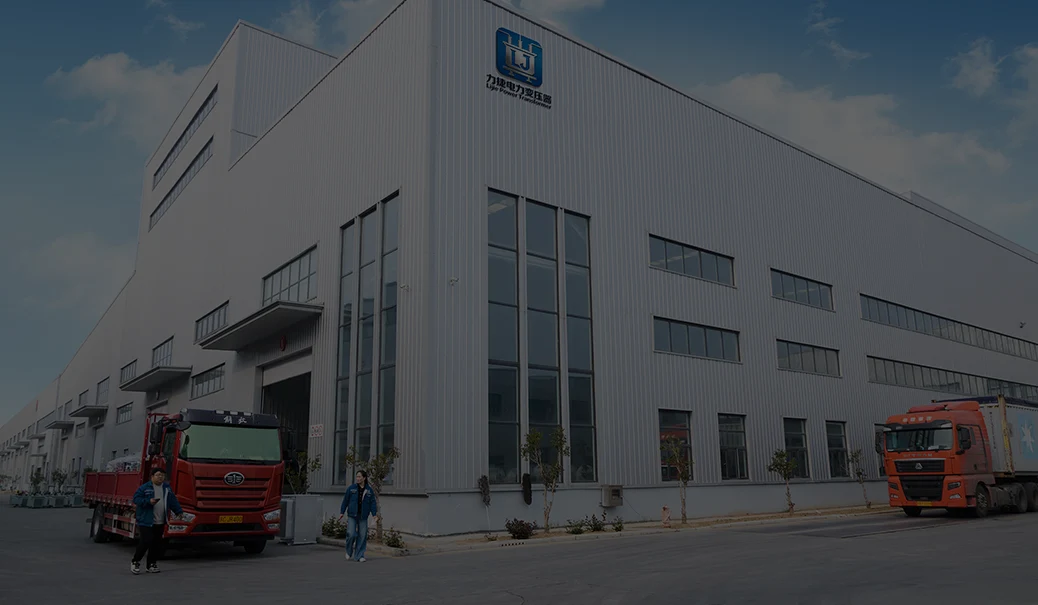
Regional producers are competing more and more on their ability to customize and send goods in a variety of ways. When buying from vendors, teams should check that they have ISO 9001 quality systems, IEC 60076 compliance tests, and third-party certification from groups like CQC or UL. Marketing boasts are less reliable than reference projects that have been used in similar situations, especially ones that show long-term dependability in tough conditions. Our factories in Xuzhou and Nantong are spread out over 500,000 square meters and are staffed by more than 160 engineers with doctoral and master's degrees. This allows us to make both standard products and custom solutions for each grid's specific needs.

Every year, dissolved gas analysis (DGA) checks oil samples for flammable gases that could mean that there is temperature or electrical stress in the tank. High amounts of hydrogen or acetylene show that shielding is breaking down or contacts are arcing, which helps people take action before a catastrophic failure. Testing the cooling system's ability to rise in temperature while it's under full load makes sure it works well, especially after servicing the tap changer or replacing the oil.
Because it controls the continuity of the electricity, the OLTC device needs extra care. Inspection times rely on how often the units are switched. Units that make frequent changes to account for fluctuations in green energy need to be serviced more often than units in stable utility networks.
Contact wear, oil pollution, and motor drive problems are all common problems. Oscillographic study of switching events shows contact timing problems or too long an arcing period. Vacuum interrupter integrity testing makes sure that the ability to stop arcs stays within the limits that were set. Unplanned power outages that affect loads that depend on the power source can be avoided by replacing transition resistors or contacts before they fail.
Continuous tracking systems that send real-time data to SCADA platforms via Modbus or IEC 61850 protocols are becoming more and more important for modern asset management. In order to keep track of things like winding temperatures, oil moisture levels, partial discharge activity, and tap changer operation counts, sensors are used. Predictive algorithms look for strange patterns, like slow temperature rises that could mean the cooling system is breaking down or patterns of contact wear in load tap changers. This lets you do condition-based maintenance that makes the best use of your resources.
These systems are especially helpful for renewable energy sites that are spread out geographically and where getting to the transformers for regular checks is hard. Remote tests cut down on site visits while improving the time of interventions, extending the lifecycles of assets, and lowering the costs of emergency repairs.
2000 kVA Three-Phase OLTC Substation Transformer units are priced by the item based on their size, voltage class, and any customization needs. Standard 2000 kVA units with common voltage ratios are cheaper than custom designs that have to deal with unusual resistance requirements or harsh environmental conditions. To get tier prices and priority production slots, you need to make a volume promise. This is especially important for infrastructure projects with phased delivery plans.
Lifecycle economics looks at more than just the cost of purchase. It also looks at energy losses, repair times, and the expected service life. Low-loss systems that meet GB 20052 standards lower running costs over 20–30 years, which makes up for the higher initial cost. The 24- to 36-month warranty covers both the transformer tank and the tap switch device. This protects you financially during setup and the first few months of use.
Specifications for purchases should require testing by a third party in approved labs. Routine tests make sure that the nameplate values are correct, and type tests show how well the product works in fault situations, high temperatures, and impulse voltage transients that look like lightning strikes. Site-specific natural factors are taken into account by special tests like seismic licensing or altitude de-rating.
Heavy-haul transport and crane gear are needed to carry transformers. Lead times range from 12 to 20 weeks for standard designs and up to 24 weeks or more for unique specs that need to be reviewed by engineers and prototypes tested. When delivery is timed to coincide with the end of civil work, like preparing the base, digging trenches for cables, and building the buswork, there is less need for storage on-site and less exposure to the weather.

Our research teams work with clients to make sure that the specifications of each transformer are best suited for the area in which it will be used. When regional power grid hubs step down 35 kV or 110 kV transmission feeds to 10 kV distribution networks, impedance tuning helps keep fault currents low while maintaining precise voltage control. Large industrial users, like steel mills, chemical centers, and auto plants, need better short-circuit protection and harmonic filtering that is tuned to the loads on the rectifier and motor drive.
Adding renewable energy to an existing power grid can be hard because centralized solar farms and wind farms with outputs above 100 MW produce power that isn't always stable, so the voltages that connect them to the grid need to be changed to 35 kV or 110 kV. The 2000 kVA Three-Phase OLTC Substation Transformer is used in these applications to ensure efficient voltage regulation and reliable integration into the grid. Our OLTC designs keep changing generator outputs stable before they are sent into utility networks. This keeps power quality standards high even when the weather causes changes. Urban core installations that serve data centers, transit hubs, and business areas need to be very small in size and produce very little noise. We meet these design requirements by using core damping and enclosure engineering techniques that are unique to our company.
The National Transformer Quality Supervision and Inspection Center and the Wuhan High Voltage Research Institute have approved the testing procedures that are used on every unit that leaves our facility. Measurements of partial discharge make sure that shielding systems don't have any holes or other problems that could cause them to fail early. Temperature rise testing at full load makes sure that the cooling system works well at all temperatures. Using oscillography to look at the OLTC switching process shows that the vacuum interrupter or resistive transition works within millisecond limits.
Our quality management system is certified by ISO 9001:2015 and also has approvals from IEC, CE, and UL, which lets us to sell our products all over the world. Being named a "High-Tech Enterprise" at the national level and a "Quality-Trusted Enterprise" in the province shows a strong dedication to producing high-quality goods. These approvals give buying teams peace of mind that the consistency of the products meets the needs of multi-year framework agreements and large-scale projects.
Technical training programs teach client maintenance teams how to use predictive tracking systems, analyze dissolved gas analyses, and follow OLTC-specific procedures. Our engineers can fix performance problems with IEC 61850-compatible smart electronics without having to go to the installation site. This cuts down on downtime and trip costs for installations that are spread out geographically.

OLTC systems change the voltage ratios while the transformer stays on and loaded. They do this by using vacuum interrupters or transition resistors to stop arcs from forming during switching. Off-circuit tap changers need to be completely turned off before they can be adjusted by hand, which means that planned outages aren't acceptable for important loads. OLTC units are more expensive, but they keep the service from going down.
The number of moving operations, not the date and time, determines how often inspections happen. When units do 50,000 to 100,000 tap changes, they usually need to check the diverter switch, evaluate the contacts, and test the oil quality. Automatic repair alerts and operation counters are tracked by continuous tracking systems, which makes the service schedule more efficient.
IEC 60076 certifies electricity performance around the world, while IEEE C57.12.00 meets the needs of the North American market. Quality management methods are approved by ISO 9001. Exports within the region need to have CE marking (in Europe), UL listing (in the US and Canada), or CQC approval (in China). Independent confirmation goes beyond what the maker says through third-party testing by approved laboratories.
Lijie Electric Power Technology Group can help you with your toughest power distribution problems because they have decades of experience in transformer building. Our factories cover 500,000 square meters and have more than 2,000 employees, including more than 160 engineers with advanced degrees. They make standard and custom OLTC solutions that meet IEC, IEEE, CE, and UL standards. We've been named a national "High-Tech Enterprise" and a regional "Quality-Trusted Enterprise" because we've consistently worked to make our products better and help our clients succeed. Our transformers are used by utilities, industrial buildings, and green energy projects on all six continents. They come with full warranties and are supported by service networks around the world. Email our expert team at lijieelectrical@gmail.com to talk about the details of your project, when it needs to be delivered, and how our OLTC substation transformer solutions can help your grid work better and more reliably.
1. IEEE Standards Association. (2020). IEEE Standard for General Requirements for Liquid-Immersed Distribution, Power, and Regulating Transformers. IEEE C57.12.00-2020.
2. International Electrotechnical Commission. (2018). Power Transformers - Part 5: Ability to Withstand Short Circuit. IEC 60076-5:2018.
3. Harlow, J.H. (2017). Electric Power Transformer Engineering (3rd Edition). CRC Press, Boca Raton.
4. National Standards of the People's Republic of China. (2016). Power Transformers - Part 5: Ability to Withstand Short Circuit. GB/T 1094.5-2016.
5. Kulkarni, S.V., and Khaparde, S.A. (2013). Transformer Engineering: Design, Technology, and Diagnostics (2nd Edition). CRC Press, Boca Raton.
6. International Council on Large Electric Systems. (2019). Guide for Life Management Techniques for Power Transformers. CIGRÉ Technical Brochure 761.
YOU MAY LIKE
11%20type%2035kV%20distribution%20transfo_1778137470754.webp)
H15%20Amorphous%20Alloy%20Distribution%20Transformer.webp)

H15%20type%20three-phase%20fully%20sealed%20distribution%20transformer.webp)


April 27, 2025
With a tight project schedule, the manufacturer delivered on time, and on-site technical personnel provided guidance throughout the entire installation and commissioning process; the collaboration was highly efficient and hassle-free.
July 2, 2025
During the preliminary phase, a selection plan was custom-tailored based on the actual site load requirements, resulting in a high degree of parameter compatibility. After-sales support responds within two hours, and ongoing technical support for operation and maintenance is comprehensive; we feel completely confident in a long-term partnership.
November 18, 2025
Deployed as a supporting component for a 35kV grid-connection project at a photovoltaic power station, the equipment operates for an average of 16 hours daily. It demonstrates excellent control over no-load losses, ensures smooth power generation and grid integration, and effectively reduces the station's overall energy consumption.
January 30, 2026
Under the continuous, high-load operating conditions of a factory production line, the equipment maintains stable electrical parameters and exhibits strong overload resistance, thereby guaranteeing an uninterrupted power supply for industrial production.
April 3, 2026
Integrated as a supporting component for a new energy photovoltaic grid-connection system, the manufacturer provided professional technical coordination and timely after-sales support, ensuring seamless adaptation to the specific electrical operating conditions required for grid integration.