April 27, 2025
With a tight project schedule, the manufacturer delivered on time, and on-site technical personnel provided guidance throughout the entire installation and commissioning process; the collaboration was highly efficient and hassle-free.
Jun 27, 2026
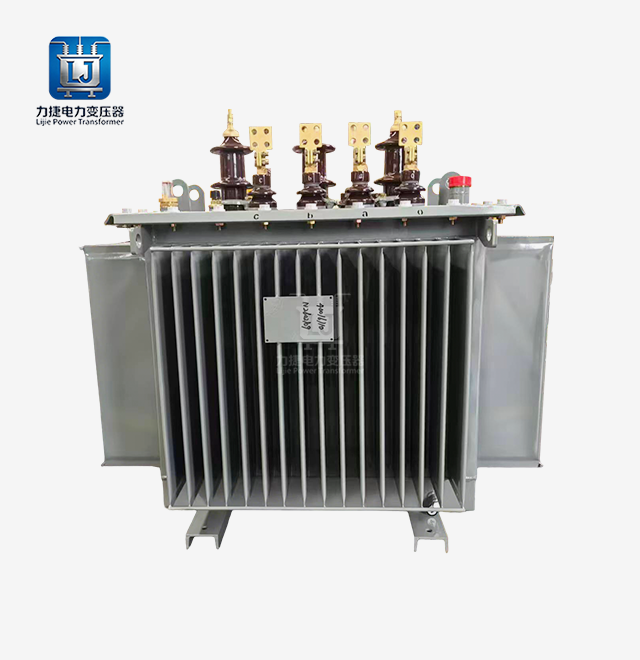
For modern power systems to work, the equipment needs to be reliable and keep long-term operating costs low. The S20 type 35KV oil-immersed power transformer is a big step forward for utilities, factories, and people who are developing green energy, who want to make the grid work better without losing reliability. This transformer solves some of the most important problems that power distribution networks face today, like how to handle irregular renewable energy flows and how to cut down on energy losses in heavy industry settings. It does this by using advanced electromagnetic design and better insulation systems. It meets both IEC 60076 and GB 1094 standards and has a power range of 630 to 31,500 kVA. This makes it a flexible option for a wide range of high-voltage uses in North America and beyond.

In its magnetic core, the S20 type 35KV oil-immersed power transformer line uses high-permeability cold-rolled grain-oriented silicon steel. This cuts no-load losses by about 10–15 percent compared to older S13 models. It can work with both single-phase and three-phase setups and has a maximum voltage of 35kV and frequencies of 50Hz or 60Hz. The voltage can be changed by ±2x2.5% with the no-excitation tap switch, so workers can fix problems without stopping service. Connection groups usually use either Dyn11 or Yd11 setups, which make sure they work with the grid infrastructure that is already in place and meet the neutral grounding standards needed for fault protection.
Mineral oil is used in this S20 type 35KV oil-immersed power transformer design in two ways: it acts as both an insulation and a way to move heat. The way of cooling changes between oil-immersed self-cooling for smaller units and oil-immersed air cooling for larger ones. This method keeps the temperatures of the windings within safe limits, even when the load is high. The fully sealed structure keeps damp out, which greatly increases the time between repair visits. This design lowers the total cost of ownership by reducing the number of repairs and replacements needed. Outdoor operating lifespans can reach 30 years, which is about 50% longer than S11 models.
The structure's design is based on its capacity. Corrugated tanks are good for smaller units because they let heat expand without needing separate coolers, while flat tank designs are better for bigger setups that need strong mechanical support. For 1000kVA units, noise levels stay at or below 60 dB(A), which meets strict environmental standards for substations in cities and sensitive industrial zones. The sound quality is good because the core clamping systems and precise winding methods used keep magnetostrictive noises to a minimum. Environmental flexibility includes working in temperatures up to 40°C outside, and can be changed to fit harsher conditions.
The inclusion of the S20 type 35KV oil-immersed power transformer in Level 1 certification for energy economy means that costs will go down over many years of running. When compared to standard efficiency transformers, a normal 1 MVA unit can save building owners between $8,000 and $12,000 a year in energy costs. This is mostly because it reduces core and copper losses. Usually, it takes three to five years to get the money back, and after that, the savings directly increase business margins. This efficiency benefit is especially useful when a lot of units are installed at once. For example, utilities may put in dozens of units across regional networks, which increases the overall financial and environmental benefits.
Risk resistance goes above and beyond national standards thanks to several design changes. The vacuum drying process keeps the wetness level in insulation materials below 0.5%, which keeps them from breaking down too quickly due to hydrolysis. When there are short-term overloads, high-quality insulation paper and oil with flash points above 135°C keep the temperature stable. Strength against short-circuit forces comes from support systems and strengthened winding structures that can handle the electromagnetic forces that are created when there is a fault. When combined with predictive tracking systems, these features cut unplanned outages by 60–80%. This is a huge benefit for businesses where downtime directly means lost production income.
Because wind farms and solar sites only generate power sometimes, they create voltage changes and harmonic distortion in collector systems that are hard to deal with. The S20 type 35KV oil-immersed power transformer's strong protection and ability to control voltage help to level out these changes before they affect the whole grid. The smart IoT features let you keep an eye on important factors like oil temperature, dissolved gas analysis, and partial discharge activity from afar. This way, workers can spot problems before they get too bad and cause failures. This proactive approach to maintenance fits with the way renewable energy companies run their businesses, putting a high value on keeping equipment running so that they can get the most out of their production capability.

As per ASTM D3612 guidelines, annual exams should include oil analysis, a visual check of the tank's integrity, and confirmation that the protection system works. As part of oil tests, the dielectric breakdown voltage is measured, dissolved gases are analyzed to find early signs of damage, and the oil's moisture level is checked. Visual checks look for signs of corrosion, the integrity of the seals, and that the cooling fans that are fitted are working properly. Buchholz switches, pressure relief devices, and temperature tracking tools need to be calibrated as part of protection systems. When these regular processes are carefully written down, they give us trending information that helps us make choices about preventative maintenance and the best times to do interventions.
Online DGA sensors, moisture sensors, temperature probes at various winding sites, and equipment for finding partial discharge are all part of more advanced monitoring systems. Using IEC 61850 protocols for remote SCADA integration sends real-time data to central control centers, which helps operators efficiently handle teams of distributed transformers. Predictive analytics programs look at this stream of data to guess how much longer something will last and plan maintenance for planned downtimes instead of waiting for it to break down suddenly. Using real-time tracking and making decisions based on data has been shown to cut maintenance costs by about 30% while also increasing uptime metrics.
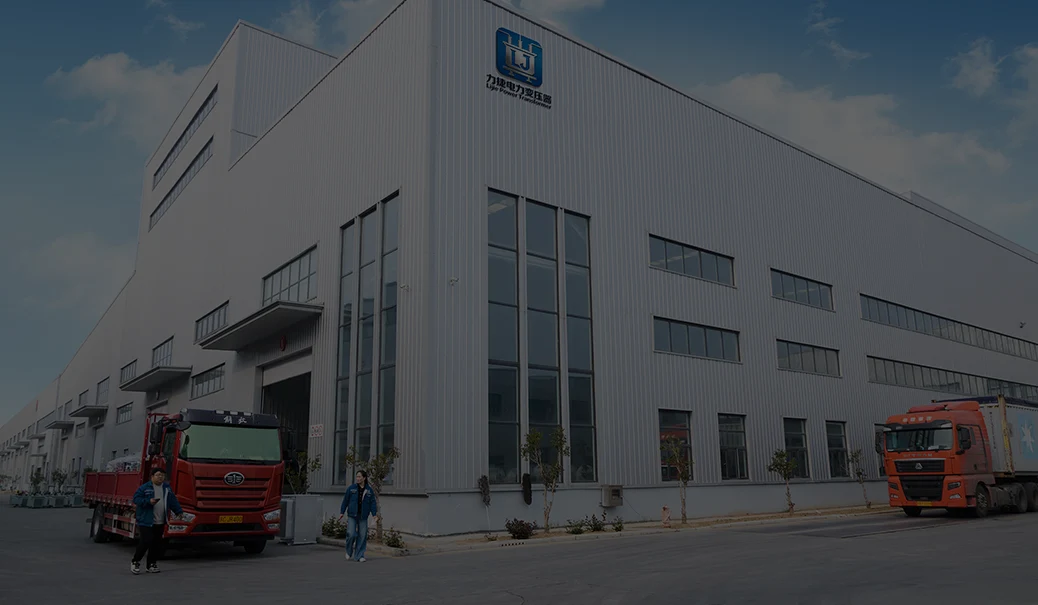
Buyers need to make sure that any possible providers of S20 type 35KV oil-immersed power transformers have up-to-date ISO 9001 quality management system certification and product-specific approvals. For the North American market, UL and CE approvals show that the product meets safety and electromagnetic compatibility standards for that area. According to IEEE C57.12.00 and IEC 60076 standards, suppliers should show test results from nationally known testing labs that include routine, type, and special tests. A manufacturing capacity review helps make sure that providers can meet project deadlines for big orders like those for improving utility grids or building industrial parks. Lijie Electric has two factories that are together 500,000 square meters, and they make more than 5 billion RMB a year. This shows that they have the size to meet bulk purchasing needs.
Unit price depends on capacity, customization needs, and order volume. But when making buying choices, you shouldn't just look at the original capital spending; you should also look at the lifecycle costs. Ratings for energy efficiency have a direct effect on the costs of running a building for 30 to 35 years. The warranty terms, the availability of spare parts, and the professional help provided after the sale all have a big impact on the total cost of ownership. Buying in bulk can often get you savings and better payment terms, especially when you're making deals for projects that will last for more than one year. For units bigger than 2 MVA, transportation logistics need special heavy-haul equipment and route planning, which adds costs that change depending on where the unit is located and how easy it is to get to infrastructure.
Specifications need to be tailored for each use. For example, projects that use green energy may need better harmonic tolerance, while heavy industrial setups need higher short-circuit withstand capability. Suppliers who offer both OEM and ODM choices give you the freedom to meet all of these needs. As part of the engineering teamwork process, load profiles, ambient conditions, and the need to integrate new tools with old ones should be carefully reviewed. Over 160 engineers at Lijie Electric with doctoral and master's degrees back this scientific conversation by turning operational needs into the best S20 type 35KV oil-immersed power transformer specs. Building long-term relationships with suppliers who can continuously improve their products has benefits that go beyond individual deals. It helps grid modernization efforts that happen over the course of several project steps.

Many regional lines have old equipment that has thermal limits that make it hard to move power during times of high demand. Upgrading to S20 type 35KV oil-immersed power transformers, which have better cooling systems and lower working temperatures, improves the capacity that can be used without having to expand the substation. In cities, where space limitations make physical growth too expensive, this method works especially well and saves money. Because of less loss, the upper transfer equipment doesn't have to work as hard to deal with heat, which improves the efficiency of the whole system, not just the installation site.
When there are steel mills or chemical plants in a heavy industrial complex, the load changes quickly, and rectifier drives and arc furnaces cause a lot of harmonic distortion. The S20 type 35KV oil-immersed power transformer's mechanical strength and ability to regulate voltage keep the supply stable even in these tough situations. The fully sealed structure shields internal parts from salt spray and high humidity, which lowers the frequency of upkeep in places where getting technicians can be difficult. This is especially helpful for remote regional grids in coastal or tropical climates. Renewable energy hubs need S20 type 35KV oil-immersed power transformers that can handle the fact that wind and solar power generation aren't always available. For reliable collector system operation, the S20 type 35KV oil-immersed power transformer's strong insulation system and smart tracking features are necessary.
With IoT-enabled tracking, S20 type 35KV oil-immersed power transformers go from being passive pieces of equipment to being active assets on the grid that provide practical data to help improve the network. When you connect it to distribution management systems, you can dynamically balance the load, control the power, and quickly find the source of a fault. These features help with the move toward autonomous power production and the two-way flow of electricity that defines modern distribution networks. The intelligent adaptation features of the S20 type 35KV oil-immersed power transformer make it a key part of this change. It provides the reliability needed while also allowing the freedom needed by new grid designs.
The S20 type 35KV oil-immersed power transformer has real benefits for power companies, industry users, and producers of green energy who have to deal with old infrastructure and changing generation portfolios. It meets the procurement goals of dependability, lifetime cost control, and technical compatibility by using less energy, lasting longer, and being able to work with smart grid technologies. When paired with thorough repair plans and proactive monitoring systems, these transformers provide the stable base that modern power distribution networks need. They also put organizations in a position to take advantage of future chances to modernize the grid.
If workers follow the maintenance plans given, the design service life can reach 30 to 35 years. A visual and oil analysis check once a year, along with big internal inspections every 10 to 15 years, will help your tools last as long as possible. Based on the results of a dissolved gas study, oil renewal usually happens every 15 to 20 years.
Because mineral oil is both an insulator and a cooler, it can handle more power than options that use air cooling. Because it conducts heat better, the insulation stays cooler during high loads, which slows down thermal aging and makes the insulation last longer. When used in big industrial settings with changing loads, this form works especially well.
For safety reasons, installations in North America need to meet NEMA and IEEE guidelines and have UL approval. The paperwork for buying things should include test results from approved labs, and make sure that they are in line with IEC 60076. Import taxes and paperwork needs are controlled by the customs classification under HS code 8504.23.

Lijie Electric has been making high-quality transformers for more than 20 years and can help you with your building work. We can fully customize the voltage levels, impedance values, and link groups on our S20 type 35KV oil-immersed power transformers to meet the needs of your particular application. Our dedication to quality is backed by ISO 9001, CE, and UL certifications. We help procurement managers, electrical engineers, and project managers with the whole process of design, delivery, and testing. Our 500,000-square-meter production centers and skilled tech team make sure that bulk orders are filled reliably and quickly. Email our team at lijieelectrical@gmail.com to talk about your project needs and get thorough technical plans that are made to fit your business.
1. Institute of Electrical and Electronics Engineers. "IEEE Standard for Liquid-Immersed Distribution, Power, and Regulating Transformers." IEEE C57.12.00-2015.
2. International Electrotechnical Commission. "Power Transformers – Part 1: General." IEC 60076-1:2011.
3. National Electrical Manufacturers Association. "Guide for Transformer Loss Evaluation." NEMA TP-1-2002.
4. Electric Power Research Institute. "Transformer Life Extension Guidelines." EPRI Technical Report 1019035, 2019.
5. American Society for Testing and Materials. "Standard Test Methods for Electrical Analysis of Insulating Oil." ASTM D3612-02.
6. Zhang, L., and Wang, H. "Performance Optimization of Medium-Voltage Oil-Immersed Transformers for Smart Grid Applications." Journal of Power Engineering, Vol. 42, No. 3, 2021, pp. 215-228.
YOU MAY LIKE
H15%20distribution%20transformer.webp)
11%20Epoxy%20Resin%20Cast%20Dry-Type%20Transformer.webp)


12%20type%2035KV%20dry-immersed%20transformer_1778136610496.webp)
12%20type%20epoxy%20resin%20cast%20transformer.webp)
April 27, 2025
With a tight project schedule, the manufacturer delivered on time, and on-site technical personnel provided guidance throughout the entire installation and commissioning process; the collaboration was highly efficient and hassle-free.
July 2, 2025
During the preliminary phase, a selection plan was custom-tailored based on the actual site load requirements, resulting in a high degree of parameter compatibility. After-sales support responds within two hours, and ongoing technical support for operation and maintenance is comprehensive; we feel completely confident in a long-term partnership.
November 18, 2025
Deployed as a supporting component for a 35kV grid-connection project at a photovoltaic power station, the equipment operates for an average of 16 hours daily. It demonstrates excellent control over no-load losses, ensures smooth power generation and grid integration, and effectively reduces the station's overall energy consumption.
January 30, 2026
Under the continuous, high-load operating conditions of a factory production line, the equipment maintains stable electrical parameters and exhibits strong overload resistance, thereby guaranteeing an uninterrupted power supply for industrial production.
April 3, 2026
Integrated as a supporting component for a new energy photovoltaic grid-connection system, the manufacturer provided professional technical coordination and timely after-sales support, ensuring seamless adaptation to the specific electrical operating conditions required for grid integration.