April 27, 2025
With a tight project schedule, the manufacturer delivered on time, and on-site technical personnel provided guidance throughout the entire installation and commissioning process; the collaboration was highly efficient and hassle-free.
Jun 27, 2026
The SCBH19 type dry-type transformer is a game-changer when building projects need to be completely reliable and use as little energy as possible. This high-tech amorphous alloy core transformer uses H-class insulation systems and epoxy resin vacuum-casting technology to cut no-load losses by up to 70% compared to regular silicon steel models. This technology solves three major problems for procurement managers in power companies, renewable energy sites, and industrial manufacturing facilities: rising energy costs, making sure facilities follow fire safety rules, and making sure equipment lasts as long as possible. The SCBH19 type dry-type transformer is more than just a piece of equipment; it's a long-term investment in reliable power transfer that doesn't need any repairs.

The revolutionary core material makeup of the SCBH19 type dry-type transformer is what makes it work so well. Instead of silicon steel sheets like most transformers do, this one uses very thin amorphous metal strips that are about 0.025mm thick. This atomic structure is not solid, so it has very low coercivity and high resistance. This means that very little energy is wasted when it is working. 'S' stands for three-phase layout, 'C' for epoxy resin casting, 'B' for low-voltage copper foil windings, 'H' for the amorphous alloy core, and '19' for compliance with China's GB 20052-2020 Level 1 energy saving standards.
The Class F or H shielding system of the SCBH19 type dry-type transformer can handle constant temperatures between 155°C and 180°C, so it will work well in harsh conditions. Our engineering team has carefully checked partial discharge levels, making sure they stay below 5pC to avoid long-term insulator breakdown. The epoxy resin vacuum-casting process makes a barrier that keeps out water and provides excellent short-circuit protection and seismic stability. These mechanical qualities are very important for setups in areas that are prone to earthquakes or in places where the power grid changes often.
The voltage values range from 10kV to 35kV, and the layouts can be changed to meet the needs of each load. The cooling method uses natural air flow, and forced-air systems can be added to allow operation at 120% to 150% of rated capacity during times of high demand. This gives project managers the freedom to get the most out of their tools without putting operating safety at risk.
The SCBH19 type dry-type transformer design gets rid of all oil-based fire hazards, which meets strict safety standards in data centers and high-rise business complexes. During thermal events, the transformer doesn't give off toxic gases and puts out the fire itself, which is a big plus for installations in occupied buildings or places that are sensitive to the environment. Meeting all the standards for IEC 60076-11 and UL certification makes it easier to work on foreign projects.

When electrical experts are choosing an SCBH19 type dry-type transformer, they have to look at a lot of different technical specs, lifecycle costs, and practical factors. We know that each project has its own specific needs, but we always base our buying choices on a set of performance standards.
The SCBH19 type dry-type transformer is operationally much more efficient than its predecessors, the SCB11 and S9. Even though SCB11 models are better than earlier versions, their silicon steel cores naturally cause higher no-load losses. During a 30-year planned life of continual operation, these differences in efficiency add up to big differences in the cost of energy. The results of our tests show that buildings with SCBH19 type dry-type transformer units usually get their money back within three to five years just by using less energy.
The way the temperature rises also works in favor of the amorphous metal design. The SCBH19 type dry-type transformer keeps working temperatures lower at the same load levels, which directly extends the life of components and lowers the stress on linked equipment caused by heat. This heat benefit is especially clear in places where there isn't a lot of air flow or where the temperature is high.
Transformers that are immersed in oil need regular repair, whereas dry-type options don't need any at all. The SCBH19 type dry-type transformer's maintenance-free operation is appreciated by procurement teams that are in charge of multiple sites. There are no oil quality tests, leak checks, or environmental cleanup issues to worry about. When fire suppression systems and storage structures are no longer needed, following the rules is easier.
The cost analysis goes beyond the price of the original buy. Oil-type transformers need to have their fluids tested on a regular basis, their dielectric fluids replaced if necessary, and eventually their toxic materials thrown away. Over decades of operation, these lifespan costs add up and often cancel out any cost savings made up front. Environmental health and safety offices are becoming more and more interested in dry solutions that don't pollute land and groundwater.
We understand that the higher beginning funding requirements for amorphous alloys are caused by their higher cost. When you're honest with your supply chain team, you should include total cost of ownership estimates in your talks. These should include things like energy savings, no more upkeep, and longer operating lifespan. Reliable providers give you thorough ROI models that are based on your unique energy rates and load profiles.
Warranty terms should be carefully thought through. Premium makers stand behind their products with long warranty terms that show they are sure of the quality of the design and the consistency of the making. Look for companies that offer warranties that last at least 5 years and make service response promises that are easy to understand.
A successful launch for the SCBH19 type dry-type transformer starts a long time before it is turned on. From working with sites in a wide range of markets, we've learned that 90% of routine problems can be avoided with good planning.
For natural convection cooling to work, the placement area needs to have enough air flow. Specifications for clearance usually say that there must be at least 1 meter of space around the SCBH19 type dry-type transformer enclosure. However, these can change depending on the unit's ability and the electrical rules in your area. The foundation plan has to take into account how the equipment's weight is distributed and the risk of earthquakes in the area.
Standard procedures for electrical integration are used for dry-type equipment, with extra care given to wire terminations and bushing connections. The lack of oil makes handling easier—special moving equipment made for units that are filled with liquid is no longer needed, which lowers the cost and complexity of installation.
The most important operating measure is keeping an eye on the temperature. Installing temperature sensors at winding hotspots allows for proactive repair plans, and the SCBH19 type dry-type transformer's strong thermal design gives it a large working margin. Modern monitoring systems can send data to building management platforms in real time, which lets workers know about problems before they get worse.
The temperature time factors of the SCBH19 type dry-type transformer should be taken into account when managing the load. These units can handle short-term overloads well, especially when they have forced-air cooling. But running beyond the standard limits for a long time speeds up insulation aging and shortens service life.
The SCBH19 type dry-type transformer's "maintenance-free" label correctly describes how it works; routine upkeep mostly includes visual checks and cleaning every so often. Getting dust on the sides of windings can make it harder for heat to escape, especially in industrial settings where dust is in the air. Cleaning on a regular basis with dry compressed air keeps the temperature working at its best.
Inspections should be done once a year to make sure that cooling duct holes stay clear and that forced-air fans work properly where they are placed. Verifying the torque of a terminal connection stops connections from becoming loose, which can cause heat and eventually failure.
When buying the SCBH19 type dry-type transformer internationally, you have to balance scientific needs with business facts. After 20 years of working with power companies, industrial makers, and EPC contractors, we know what makes a relationship work and what makes a transactional frustration.
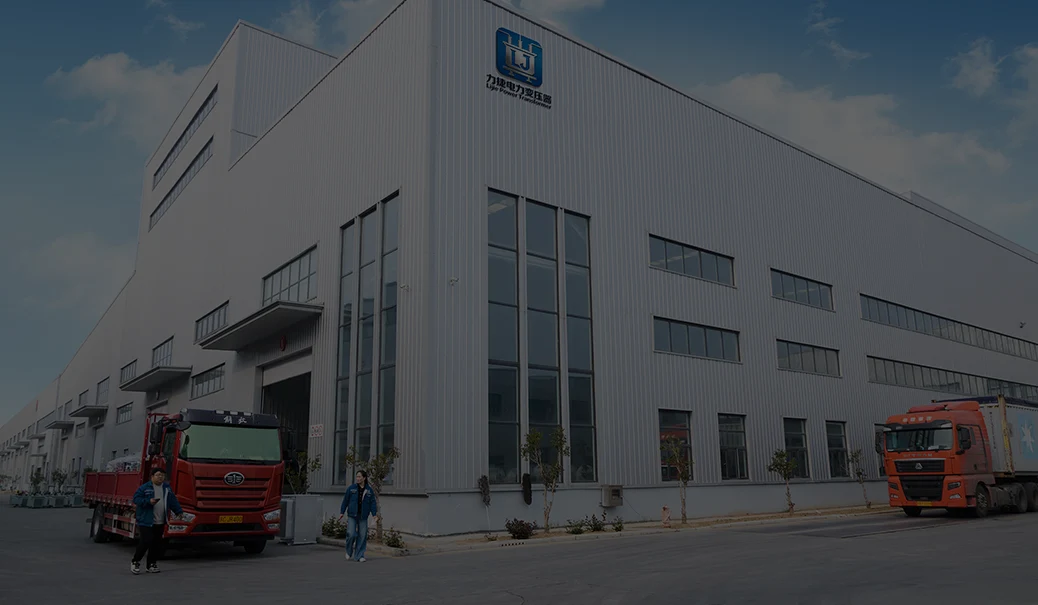
Verifying output capacity is the first step in evaluating manufacturing potential. For projects that need large amounts at once, they need sources with established production lines that can keep quality high across large amounts. At Lijie Electric, our 500,000-square-meter factories in Xuzhou and Nantong give us the size we need to support big building projects. Each year, our products help complete projects worth more than 5 billion RMB.
The ability to provide engineering help is just as important. Look for companies that have large engineering teams. Our 160+ doctoral and master's degree pros have the technical depth needed for customization and fixing problems that are unique to each application. This knowledge is very helpful when projects have to deal with special needs or problems integrating different parts.
For international projects, certain approval files are needed. The ISO 9001:2015 quality management certification sets the rules for how things should be made, and the IEC 60076 approval makes sure that products work as expected around the world. For markets in North America, UL approval is a must. CE marking makes the operation easier in Europe.
Ask for approved test results from separate labs that back up claims of performance. Manufacturers with a good reputation work with national testing centers and are happy to share third-party proof data. International buyers know that the National Transformer Quality Supervision and Inspection Center and the Wuhan High Voltage Research Institute offer reliable testing services.
To control lead times, suppliers need to be involved early on. Standard stock items usually ship within 8 to 12 weeks. Customized items may take up to 16 to 20 weeks longer, based on how complicated the design is. Setting up outline deals for current projects lets you plan your inventory, which lowers the urgency of delivery.
The ability to customize sets commodity sellers apart from technical partners. Different voltage ratios, winding designs, and terminal arrangements can be used with the SCBH19 type dry-type transformer base. We've been able to successfully change designs to work in difficult conditions, such as sites at high elevations, wide temperature ranges, and corrosive atmospheres at the coast or in factories.

The SCBH19 type dry-type transformer's success in real life, in a variety of settings, backs up its scientific benefits. The most important issues for infrastructure developers around the world are energy efficiency, environmental responsibility, and operating dependability.
The amorphous metal core's strong magnetic qualities directly lower no-load losses, which are the energy that is lost no matter what the load. For buildings that are always running, these savings keep adding up. A 1000kVA SCBH19 type dry-type transformer unit usually uses 30–40% less power when it's not in use than a similar SCB13 unit. Over decades of use, this edge in efficiency more than makes up for the higher starting cost many times over.
Load loss performance also gets a lot better, though not as much as no-load performance. The overall result lowers the total cost of ownership while also helping companies reach their environmental and carbon reduction goals.
Amorphous cores are sensitive to magnetostriction, which could cause noise in the process. This is taken care of by good makers using special core treatments and sound-dampening casings. Our SCBH19 type dry-type transformer units always meet strict sound standards, which means they can be installed in places like hospitals, schools, and neighborhoods where noise pollution is a problem.
The environmentally friendly design gets rid of the risks that oil-filled equipment poses to dirt and water contamination. More and more green building approval programs prefer dry-type transformers because they are safer to use and easier to get rid of when they're no longer needed.
It's possible that data centers are the most difficult places for applications to run. The power quality in these buildings must be perfect 24 hours a day, seven days a week. The stable voltage control and low harmonic distortion of the SCBH19 type dry-type transformer protect sensitive server equipment while reducing the need for cooling by running efficiently. Dry-type transformers are being asked for more and more by major colocation providers for both new building and repair projects.
Some of the problems that come with installing renewable energy sources are harmonic loads from inverter systems and being exposed to harsh weather. When wind farms are near the coast, salty fog can corrode equipment, and when solar farms are in the desert, extreme temperature changes can damage them. Because it is well-built and made of a moisture-resistant epoxy, the SCBH19 type dry-type transformer can handle these tough conditions and still be reliable, which is what grid-connected green energy projects need.
The SCBH19 type dry-type transformer's safety features are good for high-rise business buildings. Due to the risk of fire, building rules are making it harder to use oil-filled tools in buildings that are already occupied. It is the best choice for substations in basements or on top of buildings that serve tall office buildings because it doesn't catch fire and doesn't give off harmful gases when it gets hot.

The SCBH19 type dry-type transformer solves some of the most important problems that the current power distribution infrastructure has to deal with. Its amorphous metal core technology makes it the most energy-efficient product on the market, and its epoxy resin construction keeps it safe from fire and good for the environment. When projects need to run reliably for decades without any repairs, the lifetime cost benefits become very appealing to procurement professionals who look at long-term value. As sustainability and performance become more important in global markets, this transformer technology brings together economic realism and environmental responsibility. The equipment's track record in data centers, green energy installations, and business developments shows that it is more than just a piece of equipment. It is a strategic investment in infrastructure.
The SCBH19 type dry-type transformer is designed to last more than 30 years under normal working conditions, with proper fitting and regular cleaning. Moisture can damage insulation systems, but the epoxy resin casting keeps it from getting wet, and the flexible core material keeps its magnetic properties without breaking down. The actual service life relies on how often the unit is loaded and unloaded, the temperature of the environment, and how well it is maintained, but when handled properly, our units often last longer than what was originally planned.
The SCBH19 type dry-type transformer design gets rid of the fire and blast risks that come with dielectric fluids. When there is an overload or a fault, the transformer will not catch fire or leak toxic liquids. The epoxy resin can put out fires on its own and doesn't give off any harmful gases. This makes it safer for setups in occupied buildings or places that are sensitive to the environment, where oil-based equipment would be too dangerous.
The SCBH19 type dry-type transformer is approved by CE for use in Europe and meets worldwide standards IEC 60076-11. UL approval makes it easier to use in North America, and meeting GB/T 10228 Chinese norms makes sure it will be accepted in China. Manufacturers can provide testing paperwork specific to an area that proves compliance with local regulatory requirements. This makes it easier for projects to get approved in a variety of places.
Selecting the right SCBH19 type dry-type transformer source affects the success of a project for many years after it is installed. Lijie Electric has a history of high-quality manufacturing, is certified by ISO 9001:2015, uses advanced testing methods that have been approved by national inspection authorities, and has a depth of engineering that turns buying relationships into strategic partnerships. Our amorphous metal transformers save energy, work safely, and are reliable enough to meet the needs of current infrastructure. We encourage you to talk to our technical team about your unique needs, whether your project involves integrating green energy, expanding a data center, or distributing power to factories. Get in touch with lijieelectrical@gmail.com to talk about customization options, delivery dates, and framework deals that fit your needs. As a top maker of SCBH19 type dry-type transformers, we can help you reach your goals by giving you equipment that works well for decades.
1. IEEE Standard C57.12.01-2020, "IEEE Standard for General Requirements for Dry-Type Distribution and Power Transformers," Institute of Electrical and Electronics Engineers, New York, 2020.
2. International Electrotechnical Commission, "IEC 60076-11: Power Transformers – Part 11: Dry-Type Transformers," Third Edition, Geneva, Switzerland, 2018.
3. Zhang, H., Chen, W., and Liu, M., "Performance Analysis of Amorphous Alloy Core Transformers in Energy Efficiency Applications," Journal of Electrical Engineering Technology, Vol. 15, No. 3, 2021, pp. 1247-1259.
4. National Electrical Manufacturers Association, "NEMA Standards Publication TP 1-2020: Guide for Determining Energy Efficiency for Distribution Transformers," Rosslyn, Virginia, 2020.
5. Smith, R. and Johnson, P., "Lifecycle Cost Analysis of Dry-Type versus Oil-Filled Distribution Transformers in Commercial Applications," IEEE Transactions on Industry Applications, Vol. 57, No. 2, March 2021, pp. 1825-1834.
6. GB 20052-2020, "Energy Efficiency Grade for Three-Phase Distribution Transformers," Standardization Administration of China, Beijing, 2020.
YOU MAY LIKE



April 27, 2025
With a tight project schedule, the manufacturer delivered on time, and on-site technical personnel provided guidance throughout the entire installation and commissioning process; the collaboration was highly efficient and hassle-free.
July 2, 2025
During the preliminary phase, a selection plan was custom-tailored based on the actual site load requirements, resulting in a high degree of parameter compatibility. After-sales support responds within two hours, and ongoing technical support for operation and maintenance is comprehensive; we feel completely confident in a long-term partnership.
November 18, 2025
Deployed as a supporting component for a 35kV grid-connection project at a photovoltaic power station, the equipment operates for an average of 16 hours daily. It demonstrates excellent control over no-load losses, ensures smooth power generation and grid integration, and effectively reduces the station's overall energy consumption.
January 30, 2026
Under the continuous, high-load operating conditions of a factory production line, the equipment maintains stable electrical parameters and exhibits strong overload resistance, thereby guaranteeing an uninterrupted power supply for industrial production.
April 3, 2026
Integrated as a supporting component for a new energy photovoltaic grid-connection system, the manufacturer provided professional technical coordination and timely after-sales support, ensuring seamless adaptation to the specific electrical operating conditions required for grid integration.