April 27, 2025
With a tight project schedule, the manufacturer delivered on time, and on-site technical personnel provided guidance throughout the entire installation and commissioning process; the collaboration was highly efficient and hassle-free.
Jun 20, 2026
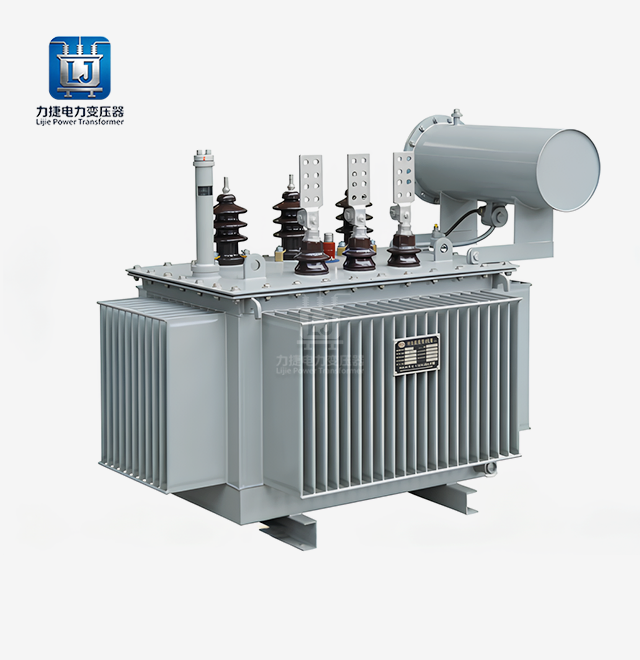
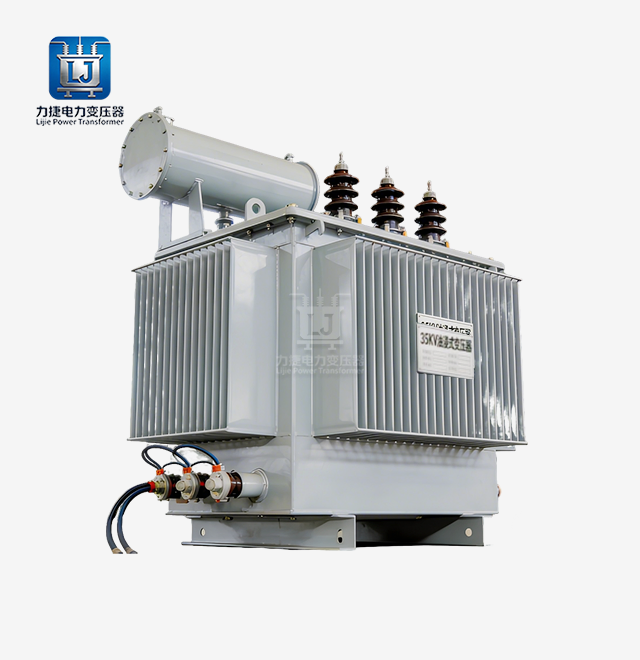
The S13 type oil-immersed distribution transformer represents a critical evolution in power distribution technology, engineered specifically for modern energy-saving requirements in 10kV, 20kV, and 35kV networks. Built around an optimized magnetic circuit featuring high-permeability cold-rolled oriented silicon steel, this transformer addresses persistent industry challenges—reducing no-load losses by approximately 25-30% compared to the S11 series while minimizing operational noise and eliminating oil leakage risks through its fully sealed corrugated tank structure. Its contribution extends beyond technical specifications: it delivers measurable reductions in total cost of ownership through superior energy efficiency and virtually maintenance-free operation, making it the preferred choice for utilities, renewable energy integrators, and industrial plants seeking long-term reliability.
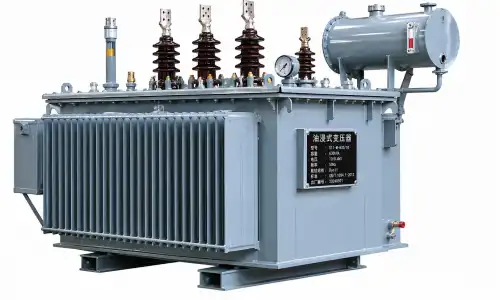
The idea behind this transformer's design is to keep the electricity safe and control the temperature. At its core is a complex set of parts that work together perfectly to change power levels in a safe and effective way. Figuring out how S13 type oil-immersed distribution transformers are put together requires looking at the core, windings, and cooling architecture.
The magnetic core is made of high-conductivity grain-oriented silicon steel that is put together using a multi-step mitered joint method. This method lowers magnetic resistance and makes sure that flux lines are smooth, which immediately leads to lower excitation currents and lower core losses. The choice of material fixes a problem that older transformers often have: they lose too much energy when they're not in use. Manufacturers achieve tight tolerance control by carefully stacking and bonding components. This stops noise caused by vibrations, which is an important factor to consider for installations in both home and business areas.
The primary and secondary windings are made up of oxygen-free copper wires that are protected with high-strength cellulose paper that has been soaked in premium transformer oil. The winding arrangement allows non-excitation voltage control with tap ranges of ±5% or ±2 2.5%, which lets you change the voltage without turning off the unit. Connection group names like Yyn0 and Dyn11 make it possible for different grid setups. These windings are strong enough to handle short-circuit forces that are higher than normal working stresses. This keeps the system safe from sudden faults that could make it less stable.
These transformers can handle both single-phase and three-phase loads and have outputs ranging from 30kVA to 3150kVA. Frequency rates of 50Hz and 60Hz make sure that the device works with devices all over the world, and impedance voltage values must match technical parameter tables or specific user requirements.
This type is different from others because it has a fully sealed, curved oil tank. Corrugated fins do two things: they allow the oil to stretch to fit changes in its volume during thermal cycles, and they also make the surface area for transferring heat much larger. Natural convection is what the ONAN (Oil Natural Air Natural) cooling method works. Hot oil rises in the tank, transferring heat to the corrugated sides, where air flow takes it away. This passive cooling means that there is no need for external pumps or fans, which lowers the need for upkeep and raises the efficiency.
The sealed design keeps outside wetness out, which is a main reason why standard open-type units lose their insulation. When Class A insulation is mixed with high-quality transformer oil, the electrical strength is 28kV/2.5mm, and the service life is more than 30 years under normal working conditions. Power frequency withstand voltage can reach AC-35kV, and shock withstand voltage can reach L1-75kV, which is in line with strict IEC 60076 and GB/T 1094 standards.
In addition to the oil-paper insulation system, there are also pressure release devices and conservator tanks that keep things safe in case of overpressure. The amount of insulation makes it safe to use outside in places where the temperature can hit 40℃, but custom designs can be made to fit conditions that are much harsher. This strong insulation framework answers concerns about dependability in tough industrial settings, like mines with lots of dust or coastal renewable energy sites that have to deal with salt spray and humidity.
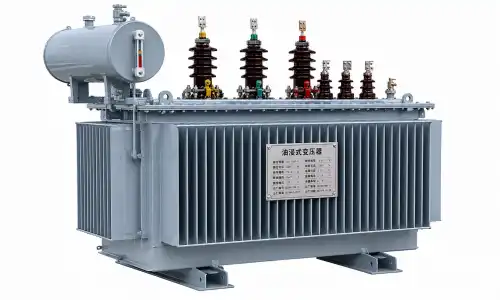
Knowing the real benefits this S13 type oil-immersed distribution transformer gives helps buying teams make business decisions and predict how much money they will save in the long run.
Both no-load and load losses are much lower in the S13 series than they were in the S11 series. No-load loss drops directly lead to savings 24 hours a day, seven days a week, since these losses happen all the time, no matter how much electricity is used. Optimized conductor size and less eddy current effects also make a big difference in load losses, which only happen during active power transfer. Over the course of a normal 30-year operating lifetime, these efficiency gains add up to big cost savings. This is especially true for big infrastructure projects where even small percentage gains can bring in a lot of money.
Meeting Level 2 energy efficiency standards makes it a legal option for places with strict rules about saving energy. The lower energy use is in line with the company's sustainability goals and lowers running costs, which is good for both environmental managers and financial planners.
Another area where the S13 line does exceptionally well is in acoustic sound. The noise levels are usually 3 to 5 decibels lower than the national limits. This is possible with improved core building methods and vibration damping. For placements in high-density urban residential areas, where noise pollution laws tightly limit what sounds are allowed, this feature is important. When utilities put in neighborhood substations, the community complains less, and the planning process is easier. The average 20% less noise compared to JB/T10088-2004 standards shows that user-centered design is getting better.
The fully sealed design keeps the oil-air contact from being exposed, which stops rust and moisture contamination that usually means oil needs to be replaced every so often. In traditional designs, oil quality slowly decreases when it comes into contact with air, needing expensive filtering or refilling every 5 to 10 years. The protected climate of the S13 makes the oil last longer, so it can last as long as the transformer does, assuming no major problems happen. This feature of not needing upkeep lowers lifetime costs and cuts down on downtime for service intervals.
The S13 line works well in a wide range of working situations. Its temperature stability makes it useful for industrial power plants and mines that deal with the harmonic-heavy loads that come from variable frequency drives and arc furnaces. These units are used as step-up or step-down parts in renewable energy systems, like solar PV farms and wind power plants. They can handle changing loads and harsh outdoor conditions, like salt spray from the coast. Because they are stable and don't make a lot of noise, commercial centers and infrastructure projects use them to build small substations that serve areas with lots of people.
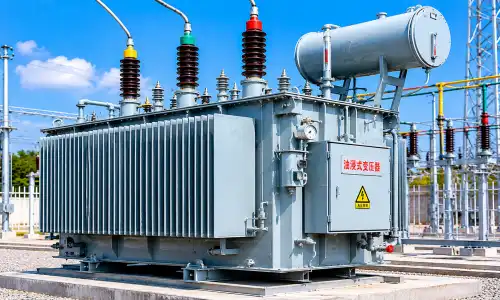
Before making a purchase choice, it's important to know how the S13 type oil-immersed distribution transformer compares to other options in terms of cost, efficiency, and upkeep.
As you move from S9 to S11 to S13, the core materials and wrapping methods get better in small but important ways. The S9 line is mostly out of date and has high no-load losses and bad cooling. Better types of silicon steel were added to the S11, which led to modest efficiency gains. Compared to S11 models, the S13 is even better because it has a better insulation material and a better magnetic circuit design. This makes the no-load current up to 70% lower. This huge improvement drops the amount of power needed for excitation and makes voltage control more stable.
Lowering the load loss also helps the S13, which means it runs cooler and parts last longer. When purchasing managers look at replacement projects, they should figure out how long it will take for the money to be paid back. The higher starting cost of S13 units usually pays for itself in three to five years through energy savings, and after that, they continue to save money on operational costs forever.
Dry-type transformers with cast resin insulation get rid of the fire risks that come with dangerous oils and work well for setups inside, where keeping the oil contained can be hard. But compared to oil-immersed versions, they have higher losses, make more noise, and can't handle as much pressure. Traditional safety worries are eased by the S13's sealed oil system. The high flash point mineral oil (usually >140°C) and sealed construction make the unit much safer than older open-type units.
Cooling efficiency also favors designs that are soaked in oil; oil's better heat transfer features allow for smaller constructions with the same ratings. Oil-immersed transformers are still the best choice for outdoor substations and industry uses that value speed and low cost.
When buying teams, look at transformer choices. They should think about a few important things. Technical compatibility starts with the voltage level needs. The S13 works with both 6kV and 12kV setups and has a power range of 30kVA to 3150kVA, which is enough for most distribution tasks. Ratings of efficiency have a direct effect on lifetime costs, so it's important to do accurate loss estimates. For projects to stay on schedule, delivery promises are important. Manufacturers with proven batch supply and manufacturing capacity make sure that installations happen on time.
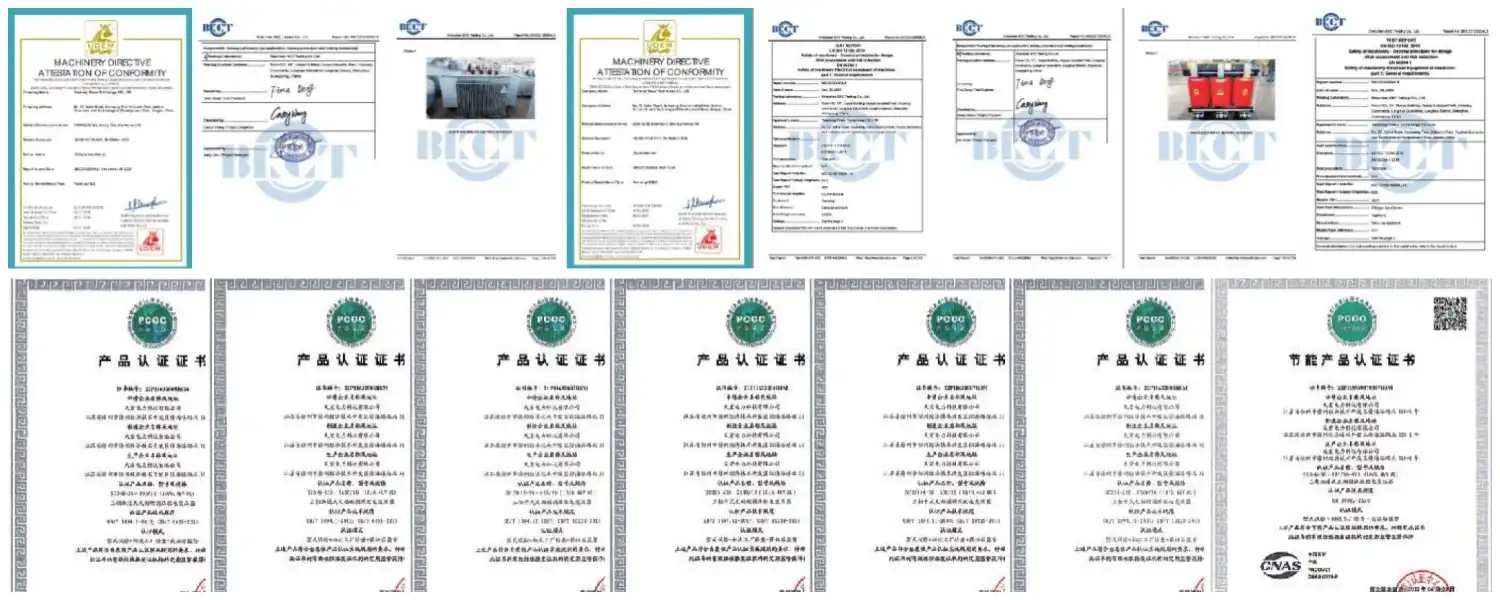
Certifications guarantee quality. Markings like ISO 9001:2015, IEC approval, CE, and UL show that the product meets foreign standards. Service capabilities, such as providing support after the sale, expert advice, and quick responses to customization requests, protect long-term operating efficiency and keep supplier partnerships strong.
The S13 type oil-immersed distribution transformer can last for more than 30 years if it is installed correctly and maintained regularly. Failures that cost a lot of money to fix are avoided through adhering to site standards.
Although the sealed design doesn't need any upkeep, it's still a good idea to check it every so often. By looking at them, you should be able to find oil leaks, rust, or damage to the joints and fittings. Before they get worse, thermographic scans find hot spots that mean links aren't tight or there are problems inside the system. Dissolved Gas Analysis (DGA), which is done every two to three years, shows early signs of problems through specific gas patterns. For example, hydrogen shows partial discharge, ethylene shows burning, and acetylene shows arcing faults. Testing for moisture content according to ASTM guidelines makes sure that the insulation's structure has not been damaged.
Comprehensive testing procedures make sure that transformers work properly and find problems early on. No-load and load loss tests make sure that the energy efficiency scores match the requirements. This makes sure that the units meet the performance levels that were agreed upon. Dielectric withstand tests, which include methods for applied voltage and generated overvoltage, make sure that insulation can handle practical pressures and short-term overvoltages. A partial discharge test should show a value below 100pC, which means the insulation is healthy and there are no break paths starting to form. For at least 8 hours, pressure leak tests put the sealed tank under 0.05MPa of pressure, which guarantees that it will never leak during the product's lifetime.
Preparing the site means building a stable, level base that can hold the weight of the generator plus the oil amount. Clearances that are just right allow air to flow for cooling and make it easy to do repairs in the future. Pay close attention to electrical connections; using the right torque limits stops connections from coming loose, which causes heat and speeds up the aging of insulation. To safely get rid of fault currents and lightning strikes, grounding devices must meet area codes.
For delivery systems to work, providers and project managers need to work together. Lead times depend on how customized the product needs to be and how many are ordered. Standard models may ship within weeks, but unique units need more time to be made. Clear communication about delivery goals keeps projects on schedule and makes sure that installation teams can schedule their time around the arrival of the transformer.
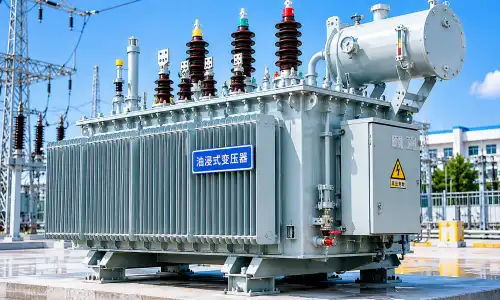
To successfully navigate the buying process for the S13 type oil-immersed distribution transformer, you need to know what the suppliers can do, how prices change, and what their support system is like.
Established makers show their qualifications by having the right certifications and a track record of success. IEC compliance makes sure that goods meet foreign technology standards, and ISO 9001:2015 certification shows that quality control systems are strong. Markings like CE and UL make it easier to sell in North America and Europe, which is very important for EPC companies working on international projects. OEM features show industrial adaptability for specific needs, such as voltage levels, tap layouts, and unique cooling needs.
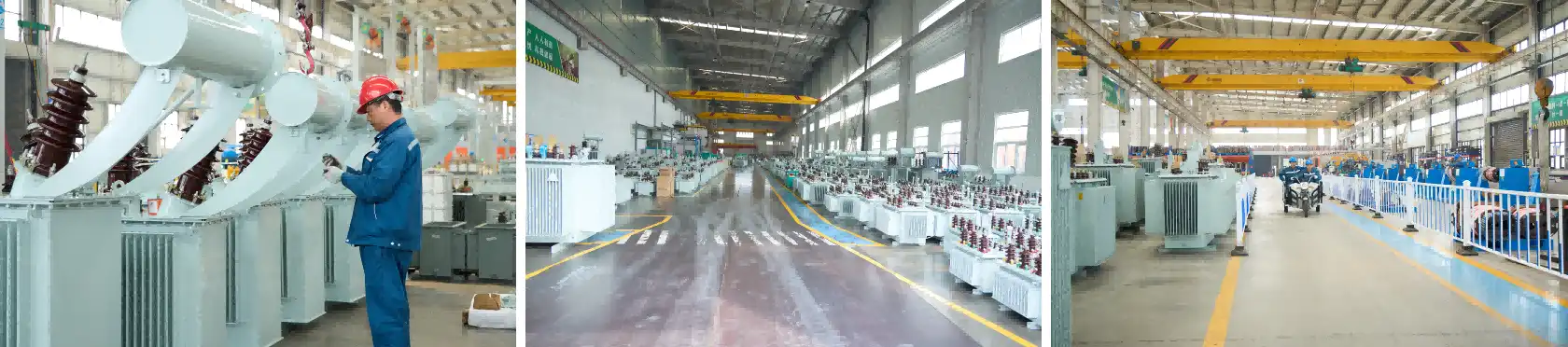
When hundreds of units are needed for big building projects, production ability is important. Manufacturers with more than one facility and yearly production capacities of more than 10,000 transformers keep the supply chain stable and make sure that deliveries happen on time. Visits to factories show how well the processes are controlled, how advanced the testing equipment is, and how skilled the workers are.
The prices of transformers in 2024 are based on the changing prices of raw materials like copper and silicon steel on the world market. When you buy more than 50 units, the price per unit usually goes down by 10-15% thanks to bulk purchase deals. Customization increases the cost of planning but ensures that the specifications are perfectly aligned with the needs of the project. Savings on energy use should be included in the total cost analysis. For example, a generator with 3% lower losses may cost 15% more at first, but it pays for itself in five years by using less power.
Most warranties cover manufacturing flaws and early failures for two to five years. Full warranties give customers trust in the quality of the product and the loyalty of the seller. Technical help during installation and testing makes sure that everything is set up correctly, which stops problems with operation that could have been caused by a wrong design. Ongoing maintenance services, such as oil analysis, diagnostic testing, and emergency repair action, keep things running smoothly for as long as they are used.
Suppliers with regional service centers offer faster reaction times and lower service costs. Having spare parts on hand keeps downtime from lasting too long, and keeping important parts like bushings, tap changes, and seals in stock lets you fix things quickly when they break down unexpectedly.
The S13 type oil-immersed distribution transformer has a great mix of low upkeep, high stability, and energy economy, which directly meets the needs of current buyers. Its fully sealed design, improved core materials, and better thermal management make it much better than earlier generations. This means that it will cost less over its lifetime and keep the grid more stable. The S13's proven performance benefits utilities that are updating old infrastructure, renewable energy developers who are adding new production capacity, and industry sites that are improving their power distribution systems. After carefully looking at the technical specs, the credibility of the seller, and the total cost, you can make smart buying choices that will help your business succeed in the long run.
The S13 type oil-immersed distribution transformer meets Level 2 energy saving standards because it has about 25% less no-load losses and up to 70% less no-load current than the S11 transformers. By building the core more carefully, noise levels drop by about 20% on average. The fully sealed corrugated tank keeps oil from breaking down, which means that regular repair times can go on forever in normal situations.
When installed outside, these units can handle temperatures up to 40°C, and they can be changed to work in hotter places if needed. For uses above 1000m, special joints or derating may be needed to make up for the lower air density that makes cooling less effective. A sealed building that doesn't let water or salt get in is good for coastal sites.
Checking for no-load and load loss, dielectric resist testing, dissolved gas analysis, partial discharge measurement below 100pC, and pressure leak testing at 0.05MPa for eight hours are all part of the strict procedures. These steps, which are required by IEC 60076 and GB/T 1094 standards, make sure that all production runs work the same way.
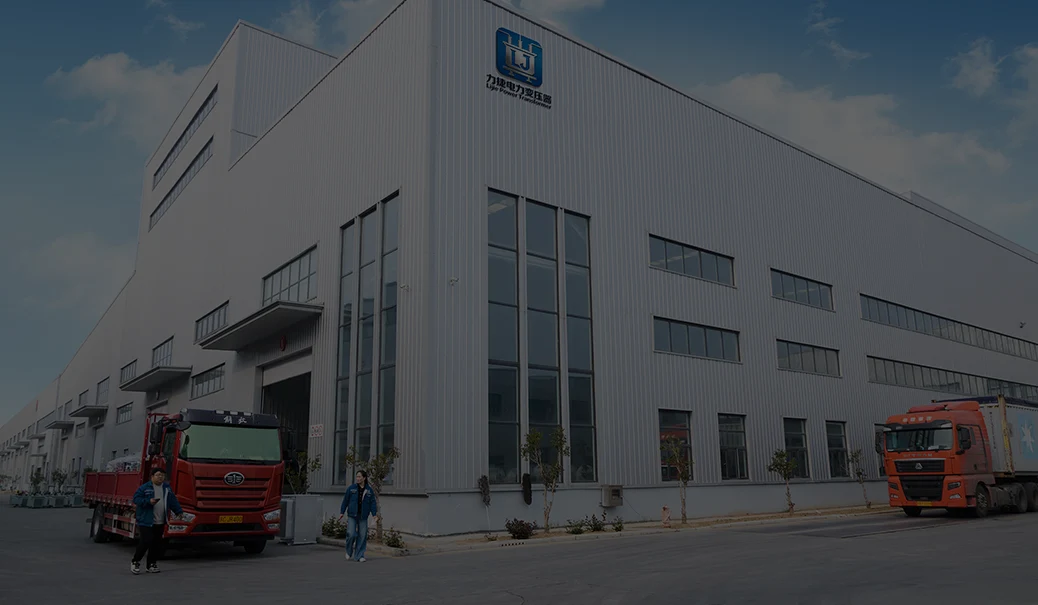
Lijie Electric Power Technology Group has been making high-quality transformers for more than 20 years and can help you with your power delivery tasks. We make approved S13 type oil-immersed distribution transformer units that meet IEC, CE, and UL standards in 500,000 square meters of state-of-the-art buildings in Xuzhou and Nantong. Our engineering team, which is made up of more than 160 professionals with graduate and master's degrees, creates solutions that are specific to your voltage levels, capacity needs, and weather conditions. We guarantee on-time delivery and full after-sales support as a National High-Tech Enterprise with ISO 9001:2015 certification and a track record of serving projects in six countries through batch supply. Get in touch with our team at lijieelectrical@gmail.com to talk about your needs, get full technical paperwork, and get low prices as a reliable supplier for your infrastructure projects. Visit lijie-electrical.com to see all of our products and learn how our focus on quality will protect your business's efficiency for decades to come.
1. International Electrotechnical Commission. (2018). Power Transformers – Part 1: General Requirements. IEC 60076-1 Standard Publication.
2. Zhang, W., & Liu, H. (2021). Energy-Efficient Design of Oil-Immersed Distribution Transformers. Journal of Electrical Engineering Technology, 16(4), 1823-1835.
3. National Institute of Standards and Technology. (2020). Dielectric Testing Methods for Power Transformers. ASTM D877 Technical Guidelines.
4. Chen, Q., Yang, S., & Wang, M. (2022). Comparative Analysis of S11 and S13 Series Transformer Performance. IEEE Transactions on Power Delivery, 37(2), 908-917.
5. Ministry of Industry and Information Technology, China. (2019). Technical Specifications for Oil-Immersed Power Transformers. GB/T 1094 National Standard Document.
6. Kumar, R., & Patel, D. (2023). Maintenance Strategies for Sealed Oil-Immersed Transformers in Renewable Energy Applications. International Journal of Electrical Power Systems, 145, 108-119.
YOU MAY LIKE


April 27, 2025
With a tight project schedule, the manufacturer delivered on time, and on-site technical personnel provided guidance throughout the entire installation and commissioning process; the collaboration was highly efficient and hassle-free.
July 2, 2025
During the preliminary phase, a selection plan was custom-tailored based on the actual site load requirements, resulting in a high degree of parameter compatibility. After-sales support responds within two hours, and ongoing technical support for operation and maintenance is comprehensive; we feel completely confident in a long-term partnership.
November 18, 2025
Deployed as a supporting component for a 35kV grid-connection project at a photovoltaic power station, the equipment operates for an average of 16 hours daily. It demonstrates excellent control over no-load losses, ensures smooth power generation and grid integration, and effectively reduces the station's overall energy consumption.
January 30, 2026
Under the continuous, high-load operating conditions of a factory production line, the equipment maintains stable electrical parameters and exhibits strong overload resistance, thereby guaranteeing an uninterrupted power supply for industrial production.
April 3, 2026
Integrated as a supporting component for a new energy photovoltaic grid-connection system, the manufacturer provided professional technical coordination and timely after-sales support, ensuring seamless adaptation to the specific electrical operating conditions required for grid integration.