April 27, 2025
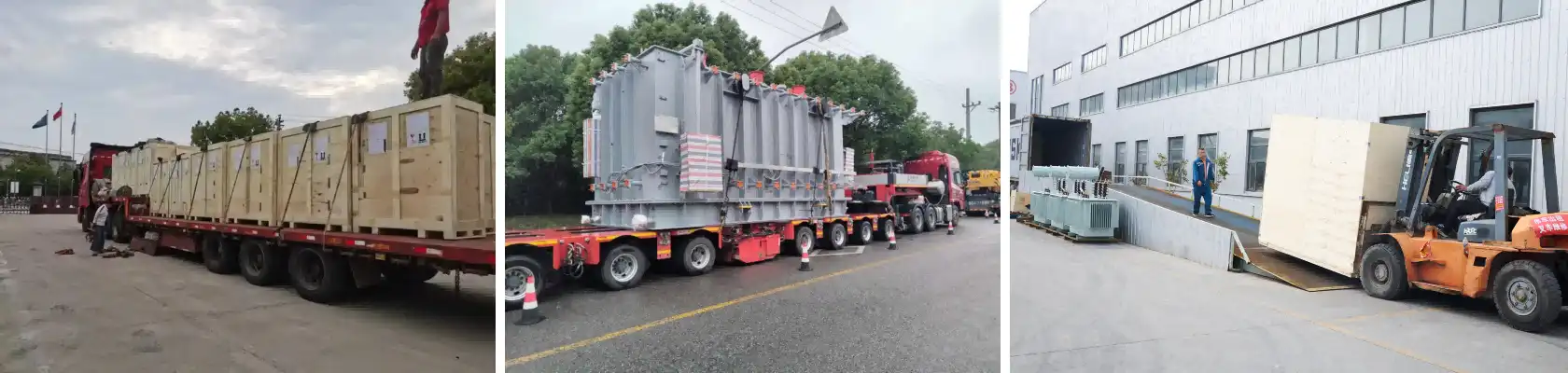
With a tight project schedule, the manufacturer delivered on time, and on-site technical personnel provided guidance throughout the entire installation and commissioning process; the collaboration was highly efficient and hassle-free.
Jun 28, 2026
A 2000 kVA Three-Phase OLTC Substation Transformer is a medium-to-high capacity power distribution device that has On-Load Tap Changer technology built in. This technology lets the voltage be changed in real time without stopping the power flow. It can handle voltages between 10 kV and 110 kV on the high side and between 0.4 kV and 10 kV on the low side. This transformer is an important part of regional power grids, industrial facilities, green energy systems, and urban building projects. Its main feature—constantly adjusting the voltage while the load is on—ensures stable power quality even when the grid goes through big changes. This makes it essential for applications that need to run continuously and accurately control the voltage.
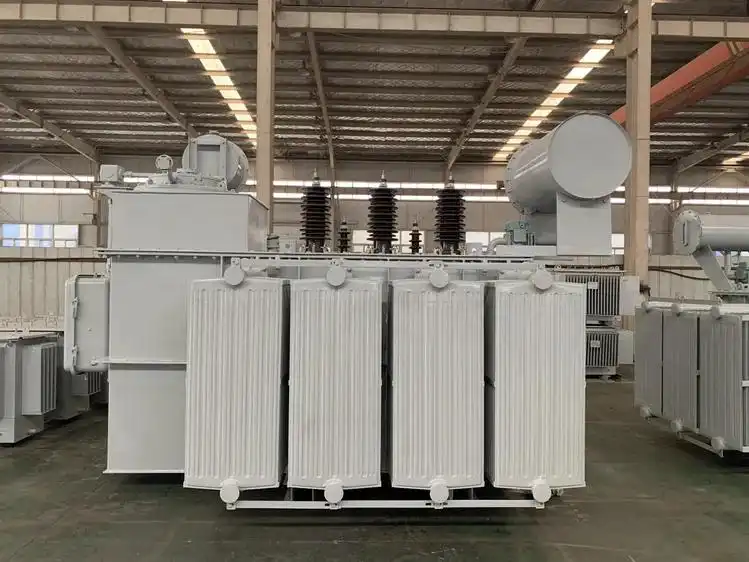
OLTC technology being built into medium-capacity transformers is a big step forward in making power transfer more reliable. Unlike regular transformers that need to be turned off to change the voltage, OLTC-equipped units keep running smoothly while adjusting for changes in the voltage upstream. In current electricity networks, where load patterns change quickly and generation sources add variability, this ability is very important.
The transformer is made with high-grade aligned silicon steel cores and oxygen-free copper windings, which reduce eddy current losses and increase heat conductivity. The OLTC device usually has voltage control ranges of ±3±2.5% or ±4±2.5%, and each step takes about 1.5 seconds. This quick reaction time makes sure that sensitive equipment doesn't experience too much voltage change. This protects programmable logic controls in factories and keeps data safe in important IT infrastructure. The tap switch is built to do at least 500,000 actions, which means it will work reliably for decades in harsh conditions.
Configurations for capacity range from 2000 kVA to 20,000 kVA, and stock and custom options are offered based on the needs of the project. 35/10 kV and 110/10 kV are two common voltage pairs that can be used for both medium-voltage distribution networks and high-voltage transport. The impedance level is usually between 6% and 12%, which is in line with GB/T 1094.5 norms. This makes sure that there is proper short-circuit safety while keeping the efficiency high during normal operation. Harmonic performance and system stability are improved by connection groups like Yd11 and Dyn11. This is especially important in industrial plants that have a lot of nonlinear loads.
Cooling options are chosen based on the system's size and the weather. Oil Natural Air Natural (ONAN) systems are good for mild load profiles. On the other hand, Oil Forced Air Forced (OFAF) or Oil Directed Air Forced (ODAF) configurations allow higher capacity units that work in normal temperatures or high loads all the time. Advanced dielectric materials that make insulation systems reliable over time in harsh working situations make them up to 110 kV class compliant. Low-loss designs meet the energy efficiency standards set by GB 20052, which lowers running costs by a large amount over the transformer's 25–30-year life span.
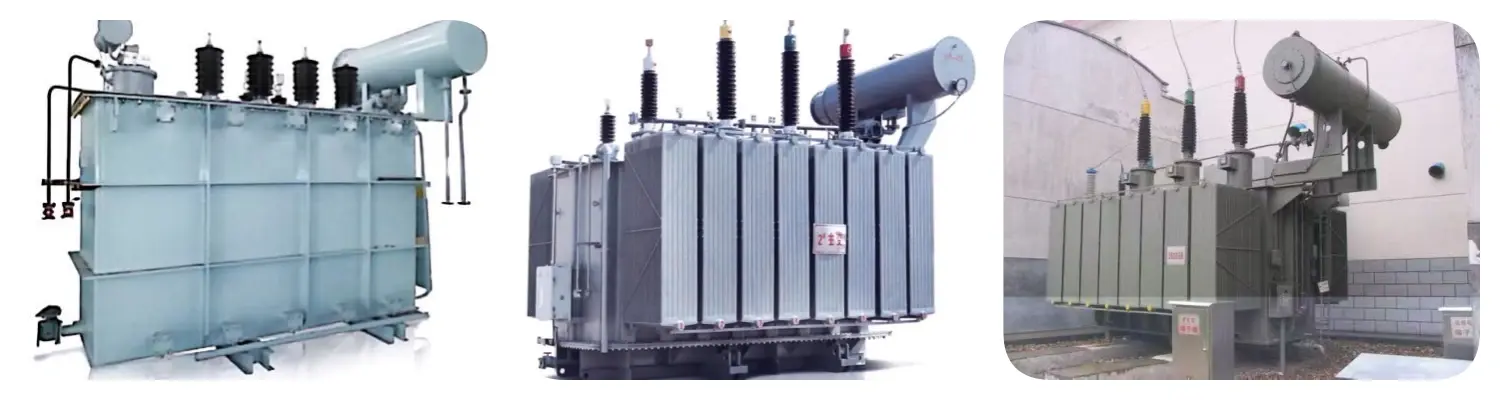
A 2000 kVA Three-Phase OLTC Substation Transformer provides reliable voltage regulation and enhanced grid stability for utility and industrial power systems. When choosing OLTC technology, the original cost has to be weighed against the long-term benefits for operations. Working with power companies and businesses has shown us a number of strong benefits that directly lead to lower total cost of ownership and higher system stability.
One of the biggest problems in power distribution is keeping voltage levels constant when load conditions change. Real-time voltage control solves this problem. In steel mills and mines, where high-starting-torque motors cause short-term drops in voltage, the OLTC quickly makes up for them so that equipment doesn't break down and production doesn't stop. As grids add green energy sources that produce energy in a variety of ways, this ability becomes more useful. Depending on the weather, wind farms and solar sites produce different amounts of power. The transformer evens out this unstable supply before sending it to the utility network, making sure that it follows grid rules.
A big chunk of the lifetime costs of power transfer is energy losses, and the 2000 kVA Three-Phase OLTC Substation Transformer helps address this challenge by continuously optimizing voltage levels. This reduces the losses that occur when transformers operate at fixed taps under changing load conditions. In real-world applications, this optimization can lower annual energy losses by 15% to 25% compared with non-regulated alternatives. For operators responsible for multiple substations, this translates into substantial cost savings. Maintenance frequency can also be reduced because the transformer experiences less thermal stress caused by prolonged over-voltage or under-voltage conditions.
Upstream equipment doesn't break down before it should because of a consistent power supply. When stable power is applied, stress levels go down in computer systems, variable frequency drives, and precision industrial equipment. The transformer's ability to regulate is an important safety measure in places like data centers and hospital buildings, where the dependability of equipment has a direct effect on the continuity of service. The transformer itself works better when the load is just right. The winding temperatures stay within the safe range, and the shielding materials wear out at normal rates instead of breaking down faster because of thermal cycles.
Proactive repair plans make sure that these important tools keep working for decades. Our method focuses on using regular inspection processes along with condition-based tracking techniques to find possible problems early on, before they become expensive failures.
The OLTC process needs to be checked on a regular basis to make sure it keeps working properly. Inspections are usually done once a year or every other year, based on how often the operations happen and the conditions in the surroundings. During these checks, the contact surfaces are looked at for wear, and the time of the diverter switch is checked to make sure that the right steps are taken when the tap is changed. When lubricating moving parts, make sure to follow the manufacturer's instructions and pay close attention to measures of contact resistance that show the state of parts that carry current. Testing the quality of the oil gives you an idea of what's going on inside, and analyzing the dissolved gases can show you early signs of insulation breakdown or arcing activity.
2000 kVA Three-Phase OLTC Substation Transformer systems have been deployed in thousands of installations, and field experience has revealed several common failure modes. The most frequent issue is contact wear, which manifests as increased resistance and can eventually lead to arcing during tap-changing operations. Acoustic monitoring can detect abnormal sounds during operation, providing early warning signs before serious failures occur. Corrosion or debris accumulation may cause mechanical binding within the drive mechanism, a problem that is typically resolved through cleaning and component replacement during scheduled maintenance outages. Although insulation failure is less common in well-maintained units, regular dielectric integrity testing remains essential to ensure the long-term reliability of the 2000 kVA Three-Phase OLTC Substation Transformer.
As part of thorough testing methods, measures of insulation resistance, power factor, and OLTC operation under no-load and loaded situations are all done. To get accurate results, these tests should only be done by trained people using tools that have been checked and adjusted. Professional installation and testing services are very important to us at Lijie Electric because we know that a good start has a big effect on long-term performance. Our technical team offers full help throughout the entire lifetime of a transformer, from creating the original specifications to commissioning and planning for ongoing upkeep. This partnership-based method makes sure that clients get the most out of their assets while minimizing unexpected downtime.
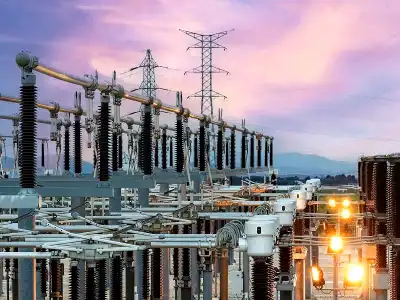
To choose the right supplier, you need to look at their technical skills, the quality of their products, and their long-term help system. Professionals in B2B buying have to balance the needs of current projects with long-term strategy issues that will affect how well assets work for many years to come.
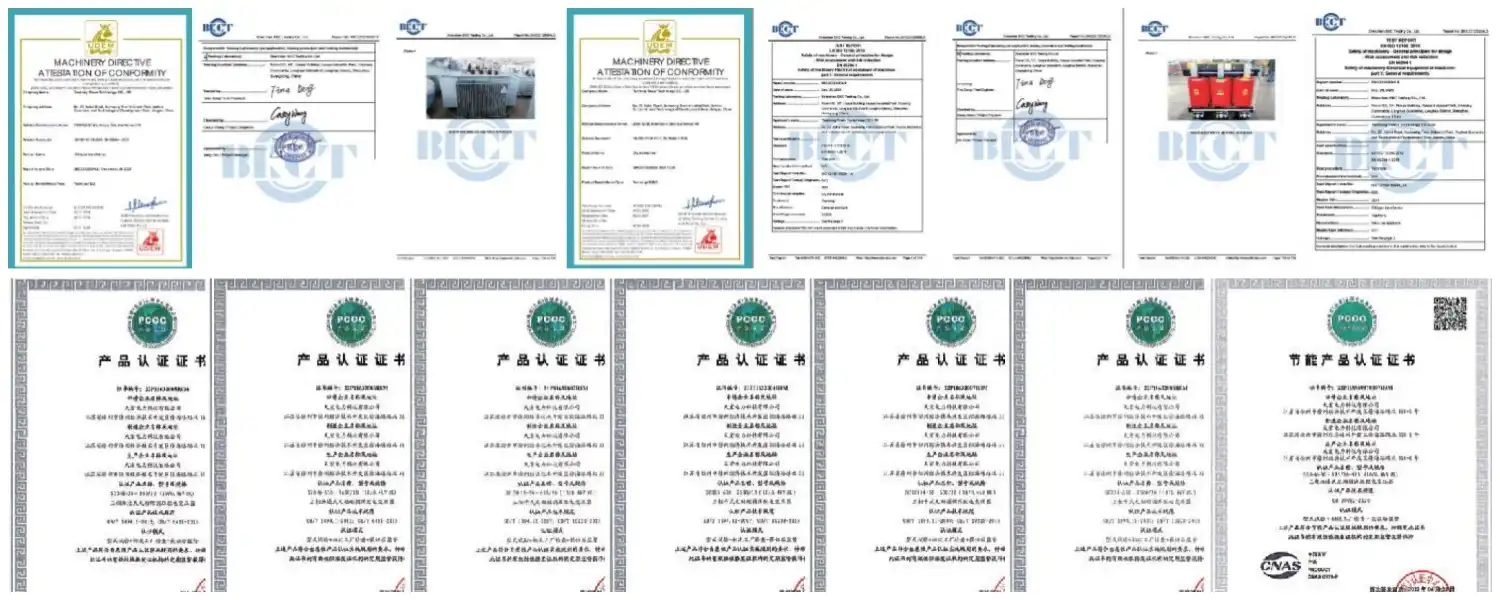
International approvals show that a product is made well and that the process is controlled. Getting ISO 9001:2015 approval shows that you care about quality management systems, and IEC compliance makes sure that your goods meet technical standards that are known all over the world. CE and UL certifications make it easier for projects to get approved in European and North American markets. This makes it easier for foreign building projects to follow the rules set by regulators. When sourcing a 2000 kVA Three-Phase OLTC Substation Transformer, these certifications provide additional confidence in product quality, safety, and regulatory compliance. In addition to certificates, you should also look at how well the supplier can meet project deadlines for big orders. The tight schedules that come with utility and industry projects can be met by factories that have a lot of production space and well-established supply lines.
Customization sets makers apart from those who only give basic configurations and lets them meet the specific needs of a project. It may be necessary to change the voltage ratios, resistance levels, and link groups to fit the needs of the grid or to connect to existing infrastructure. Manufacturers who have their own engineering departments can help with the creation of specifications and make sure that the options chosen are the best in terms of both performance and cost. If it applies to your construction site, ask for specific technical documents such as approved test results, thermal performance data, and seismic approval.
When making a budget for purchasing a 2000 kVA Three-Phase OLTC Substation Transformer, it is important to consider not only the unit price but also shipping, installation, and lifetime operating costs. While the initial purchase cost depends on specifications and order quantity, the total cost of ownership is significantly influenced by energy efficiency. A 2000 kVA Three-Phase OLTC Substation Transformer that complies with GB 20052 low-loss standards may cost 8% to 12% more than a standard-efficiency model, but the additional investment is typically recovered within three to five years through reduced energy consumption. Standard units may be shipped within 8 to 10 weeks, whereas custom-configured 2000 kVA Three-Phase OLTC Substation Transformer models often require lead times of 12 to 16 weeks. Therefore, early planning is essential to ensure timely project execution and avoid scheduling delays.
Setting up framework deals that guarantee stable prices and first-class service for multi-year project pipelines is good for big energy companies and businesses. These relationships help manufacturers make the best use of their production schedules while also giving customers more control over their purchasing prices and lower administrative costs. Long-term partnerships have been built between Lijie Electric and major power utilities, renewable energy developers, and EPC contractors on several continents. We have supplied thousands of transformers that constantly meet strict performance and dependability standards.
Knowing how well these transformers work in tough working settings helps buying teams decide if they are right for certain jobs. There are three situations that show how flexible and useful the technology is.
Electrical problems are especially common in steel mills and other big manufacturing sites. When they are turned on and off, big induction furnaces and rolling mills cause big changes in the power. The OLTC transformer fixes these changes in real time, keeping the voltage stable so that PLCs don't have to reboot and protecting important control systems. Consistent power supply in chemical processing plants makes it possible to precisely control temperature and pressure, which has a direct effect on the safety of the process and the quality of the products.
The use of renewable energy is a fast-growing area of application. Centralized solar farms with more than 100 MW of power need transformers that can handle changes in production while still connecting to the grid legally. The OLTC changes the voltage levels as the sun's energy changes throughout the day. This makes sure that the power input meets the needs of the utility. Installing a wind farm is also hard because the output changes depending on the speed of the wind. This changeable output is stabilized by the transformer before it is sent to the grid. This helps the switch to green energy sources in general.
Core infrastructure in cities needs to be very reliable and have a small size. Central business areas, data centers, and transit hubs can't handle power outages or changes in voltage. In hospital buildings, medical imaging equipment needs a voltage that is tightly controlled in order to work. In data centers, on the other hand, server hardware and data loss can't happen without stable power quality. In these situations, the transformer's ability to maintain power without interruption is very important for protecting important loads, which is why the extra money was spent on OLTC technology.
The 2000 kVA Three-Phase OLTC Substation Transformer has been used successfully in situations where voltage control and continued operation are important. Power companies, industry facilities, and green energy projects can all use its technical features, which include voltage adjustment ranges, cooling systems, and low-loss designs. With regular upkeep, these transformers will last longer and keep working well, so buying them now is a good idea for the long run. Choosing suppliers with proven manufacturing skills, foreign certifications, and full technical support is key to successful procurement. As power grids change to handle spread generation and more complicated loads, OLTC technology will continue to be necessary to keep power quality high and the system stable.
OLTC methods allow voltage optimization to happen continuously even when load conditions change. This lowers the energy loss that happens when transformers run at set taps. This real-time change feature usually cuts yearly energy use by 15% to 25% compared to non-regulated options. This lowers direct operating costs and increases equipment lifespan by lowering thermal stress.
Most setups only need to be inspected once a year. The main upkeep tasks are measuring contact resistance, checking oil quality, and making sure the machines work properly. Applications with a high duty rate may need to be inspected every six months, especially if they are used in tough environments or more often than usual for utility service.
Adding OLTC devices to transformers that are already in use is very difficult from both a technical and a cost point of view. The needed changes to the structure, along with the cost of the tap changer assembly and control systems, are often close to 60% to 70% of the price of brand-new equipment. Replacing old OLTC units with ones that are specifically made for the job usually gives better long-term value and dependability than retrofitting.
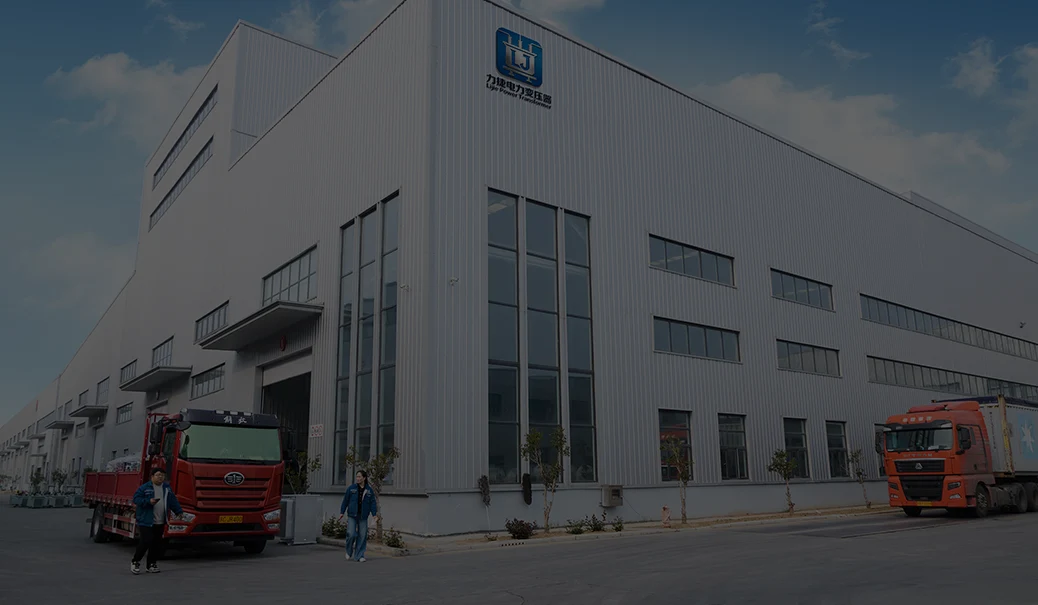
Lijie Electric Power Technology Group has been making high-quality transformers for more than 20 years and can help you with your building tasks. We make and test transformers with ratings from 35 kV to 500 kV and have full international certifications such as ISO 9001:2015, CE, UL, and IEC compliance. Our two state-of-the-art R&D and production buildings cover 500,000 square meters. We can make 2000 kVA Three-Phase OLTC Substation Transformers with custom voltage configurations, faster delivery times for important projects, and expert help during installation and commissioning. Email our engineering team at lijieelectrical@gmail.com to talk about the details of your project and get a thorough quote that fits your budget and operating needs.
1. International Electrotechnical Commission. IEC 60076-1: Power Transformers – Part 1: General. Geneva: IEC, 2011.
2. Institute of Electrical and Electronics Engineers. IEEE C57.12.00: Standard for General Requirements for Liquid-Immersed Distribution, Power, and Regulating Transformers. New York: IEEE, 2015.
3. National Development and Reform Commission. GB 20052-2020: Energy Efficiency and Energy Consumption Limits for Three-Phase Distribution Transformers. Beijing: Standards Press of China, 2020.
4. Harlow, James H. Electric Power Transformer Engineering, Third Edition. Boca Raton: CRC Press, 2012.
5. Kulkarni, S. V., and Khaparde, S. A. Transformer Engineering: Design, Technology, and Diagnostics, Second Edition. Boca Raton: CRC Press, 2013.
6. Working Group A2.37. Transformer Reliability Survey: Interim Report. Paris: CIGRE, 2015.
YOU MAY LIKE


%20Dry-type%20Distributing%20Transformer.webp)

H15%20Amorphous%20Alloy%20Distribution%20Transformer.webp)
April 27, 2025
With a tight project schedule, the manufacturer delivered on time, and on-site technical personnel provided guidance throughout the entire installation and commissioning process; the collaboration was highly efficient and hassle-free.
July 2, 2025
During the preliminary phase, a selection plan was custom-tailored based on the actual site load requirements, resulting in a high degree of parameter compatibility. After-sales support responds within two hours, and ongoing technical support for operation and maintenance is comprehensive; we feel completely confident in a long-term partnership.
November 18, 2025
Deployed as a supporting component for a 35kV grid-connection project at a photovoltaic power station, the equipment operates for an average of 16 hours daily. It demonstrates excellent control over no-load losses, ensures smooth power generation and grid integration, and effectively reduces the station's overall energy consumption.
January 30, 2026
Under the continuous, high-load operating conditions of a factory production line, the equipment maintains stable electrical parameters and exhibits strong overload resistance, thereby guaranteeing an uninterrupted power supply for industrial production.
April 3, 2026
Integrated as a supporting component for a new energy photovoltaic grid-connection system, the manufacturer provided professional technical coordination and timely after-sales support, ensuring seamless adaptation to the specific electrical operating conditions required for grid integration.