April 27, 2025
With a tight project schedule, the manufacturer delivered on time, and on-site technical personnel provided guidance throughout the entire installation and commissioning process; the collaboration was highly efficient and hassle-free.
Jun 28, 2026
It is important to know the differences between S22 and S20 models when looking at transformer choices for industrial or business power systems. The S22 type distribution transformer is the newest version of ultra-low-loss oil-immersed equipment. It was designed to meet the standards for Energy Efficiency Grade 1 in GB 20052-2024. The S22 has about 15–20% lower no-load losses than the S20, which also works reliably but only at Grade 2 efficiency. This is because it has advanced high-permeability silicon steel cores and an optimized electromagnetic design, which makes it the better choice for organizations that want to save money and be environmentally friendly over the course of its life.

Power companies, renewable energy projects, and big industrial facilities can all benefit from choosing the right distribution transformer because it affects operating stability, energy costs, and long-term dependability. As the need for electricity infrastructure grows and government rules get stricter, buying managers are under more pressure to find a balance between the initial investment and the total cost of ownership. We know that transformers need to work perfectly for 10 to 30 years while using as little energy as possible and needing as little upkeep as possible. The choice between the S22 and S20 models isn't just based on technical specs; it also shows how important efficiency, environmental responsibility, and infrastructural resiliency are to the company's overall goals. This comparison shows the main differences between these types of transformers. It gives electrical engineers, purchasing managers, and project leaders the information they need to make smart, data-driven buying choices that meet the needs of the project and stay within the budget.
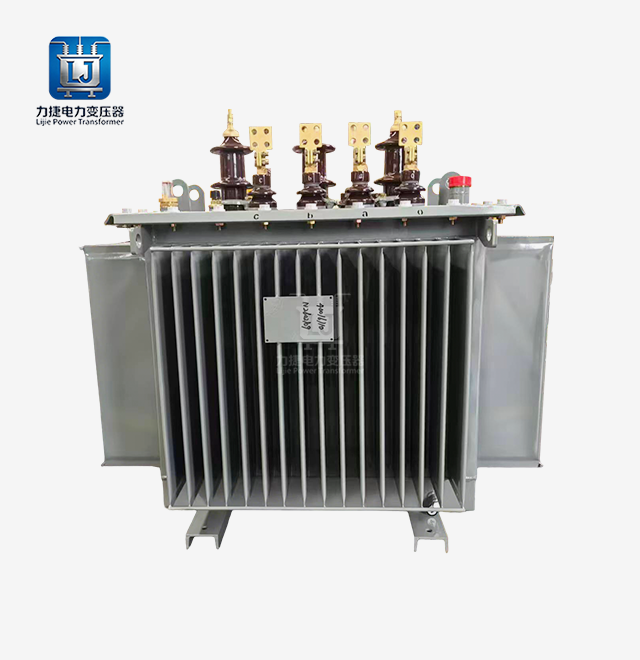
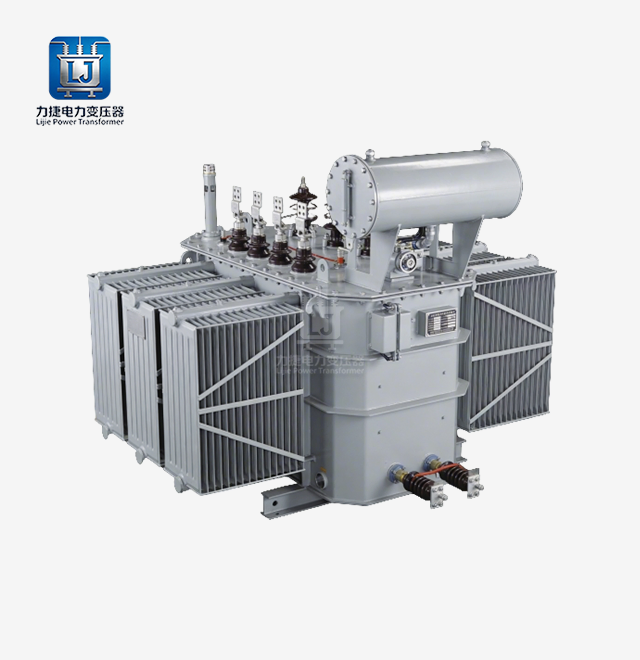
The S22 is the latest generation of distribution transformers. It was made for demanding uses that need to be as efficient as possible while having as little of an effect on the environment as possible. This oil-immersed, fully sealed unit can handle both single-phase and three-phase setups. Its capacity ranges from 30kVA to 3150kVA, and its voltage values are between 6kV and 12kV. Its curved tank design means that oil conservers are not needed. This cuts down on repair needs and keeps the engine running smoothly in temperatures up to 40℃. The unit is Energy Efficiency Grade 1 because it has carefully designed cores made of high-permeability cold-rolled grain-oriented silicon steel and oxygen-free copper windings that make it very good at preventing short circuits. With speeds of 50Hz and 60Hz, it can be used in a wide range of foreign markets.
The S20 type has been used for a long time in moderate-demand situations and has been shown to work reliably at Energy Efficiency Grade 2. The S20 and S22 both have similar voltage levels and capacity choices. However, the S20 uses standard silicon steel cores that work well but have slightly higher no-load and load losses. This plan is still popular in places where beginning capital costs are more important than long-term energy savings, like light business developments and smaller industrial sites. Its standard design method strikes a good balance between performance and cost, making it an easy starting place for projects with limited funds.
Their design mindset is what sets these models apart from each other. As the need to reduce carbon emissions and improve operational efficiency grows, the S22 type distribution transformer was developed to set a new benchmark for performance in modern power distribution. Every component, from the fully sealed corrugated tank to the stepped-joint core construction, reflects advances in materials science and electromagnetic engineering. In contrast, the S20 adopts a more traditional approach focused on proven reliability and cost-effectiveness. It is designed for markets where energy-efficiency regulations are less stringent or where infrastructure replacement cycles differ.
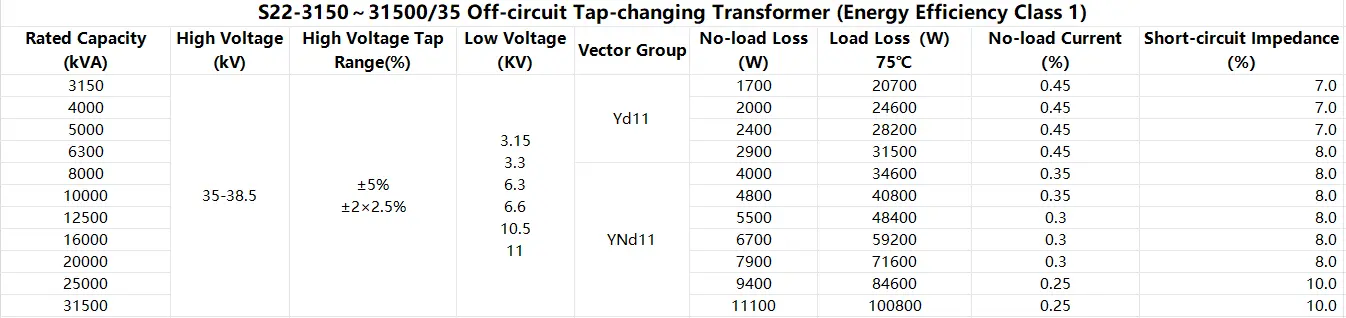
The most important difference between these kinds of transformers may be the amount of energy they lose. The advanced core materials and optimized magnetic circuit design of the S22 cut no-load losses by 15–20% compared to the S20. This directly leads to measurable cost savings over the course of its operating lifetime. This energy benefit grows a lot when the transformer runs nonstop for 30 years, which is how long a good one should last. A 1000kVA S22 unit used in a grid application saves between 12,000 and 15,000 kWh per year compared to a similar S20 type. This saves a lot of money and helps the environment. The S22 has better copper utilization and winding configuration, which also makes it less likely to lose load. This is especially clear when the load changes, which is common in cases where green energy is integrated.
Both types use oil-immersed self-cooling methods, but the details of how they are put together show important differences. The curved structure of the S22's tank gives it more surface area for releasing heat, so even during peak load times, it stays cooler to operate. This thermal benefit makes the insulation last longer and slows down the rate at which the oil breaks down, which lowers the frequency of upkeep. Even when the weather is bad, the S22 continues to keep its temperature rise levels within 65K for oil and 60K for windings. The S20 meets standard thermal requirements, but it operates at slightly higher temperatures when the load profile is the same. This could speed up oil oxidation and mean it needs to be checked more often in tough industrial settings.
The S22 type distribution transformer addresses growing concerns about noise pollution, which has become an increasingly important factor when selecting power distribution equipment, especially for installations near residential areas or within occupied buildings. The S22 has incredibly low noise levels (50–55 dB(A)) thanks to its precise core stacking methods and vibration-dampening tank design. This is 3 to 5 decibels lower than S20 units, which may meet regulatory requirements but create noticeably higher ambient noise levels. In real-world applications, this difference is significant for data centers, commercial buildings, and urban substations where noise control is essential for tenant satisfaction and regulatory compliance. The S22 is quieter because its high-grade silicon steel cores generate lower magnetostrictive forces, while its internal components benefit from enhanced mechanical bracing.
The short-circuit withstand power of a transformer shows how reliable it is when there is a fault. We design S22 windings with oxygen-free copper and better mechanical bracing structures that keep the wires from deforming during electrical breakdowns. This strong construction goes beyond what is required by IEC 60076 for dynamic stability, giving you peace of mind in tough industrial settings where fault currents can get very big. The S20 meets standard requirements for mechanical strength, but it doesn't have the strengthened bracing structure that is built into S22 designs. Both types have sealed tanks, but the S22's corrugated design offers better internal pressure resistance during heat expansion cycles. This helps it last longer in variable-load situations.
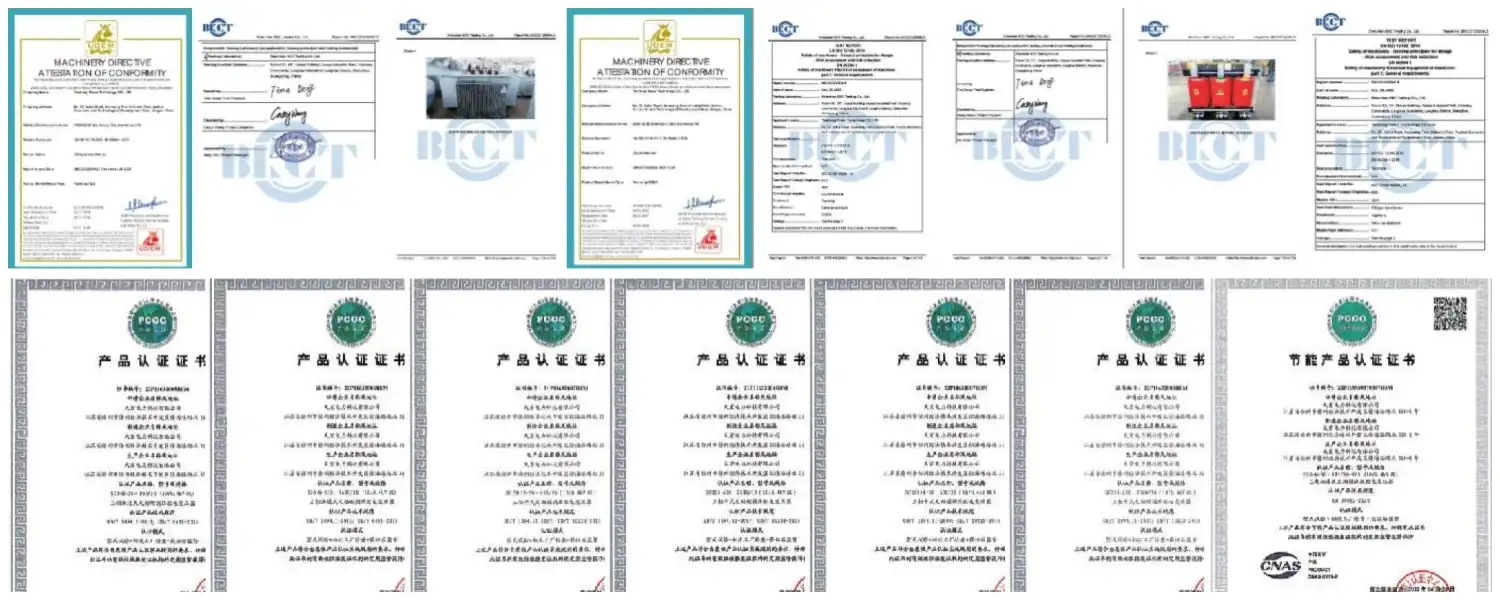
The S22 works great in tough industry settings where dependability and speed have a direct effect on the cost of production. Its very low loss characteristics and strong structure make it useful for steel mills, mines, and chemical manufacturing plants. When the S22 is connected to the national grid or a regional power utility, it's more efficient, which lowers transfer losses across networks that serve thousands of customers. Its fully sealed design keeps moisture out, so it can be used in coastal settings or humid hot regions without worrying about losing its dielectric strength. Because the S22 meets the requirements for IEC, CE, and UL certifications, it makes the approval process easier in many countries where EPC companies are in charge of multi-year building projects.
Transformers in solar farms and wind sites have to deal with special problems, such as harmonic distortion from inverters and changing loads. The advanced electromagnetic design of the S22 works well in these situations and keeps energy losses to a minimum during times when output changes. Its small size and sealed, maintenance-free design make it very useful in remote green energy areas where service is hard to get to. The unit's tap range of ±5% and ±2×2.5% lets voltage control needs be met without the need for extra equipment, which makes the design of the system easier. Integrators of energy storage like the S22 because it can handle power flows going both ways and quick changes in load that happen during battery charging cycles.
For business growth, small manufacturing facilities, and apartment buildings with modest capacity and cost-effectiveness, the S20 is a good fit. The S20's reliable performance makes it a good choice for shopping centers, office parks, and mixed-use projects with regular load patterns that don't need to meet high efficiency standards. When real estate companies are trying to stay within their capital budgets, they often choose the S20 for distribution transformers that need to handle ≤35kV in cities. The S22 is better for long-term planning because of its lower starting investment, but the S20 is better for projects with shorter planning horizons or where utility rate models don't encourage as much efficiency optimization.
For buying to go well, the capabilities of the S22 type distribution transformer must match the specific needs of the business. We suggest evaluating factors such as expected load patterns, environmental conditions, regulatory efficiency requirements, noise sensitivity, and total lifecycle budget. The efficiency improvements offered by the S22 type distribution transformer provide measurable benefits for projects seeking compliance with LEED or ESG reporting guidelines. Its sealed design and high-quality materials make it particularly suitable for harsh environments, including areas with high temperatures, heavy dust exposure, or coastal regions with salty air. On the other hand, retrofit projects in existing substations that already have established maintenance plans may find that the S20 remains sufficient in the short term before major infrastructure upgrades become necessary.

Conclusion
In the end, an organization's goals regarding efficiency, dependability, and lifetime economics will determine whether it chooses S22 or S20 transformers. The S22 type distribution transformer saves more energy than any other, blocks out noise better, and is built to last for tough industrial uses and current grid infrastructure. Its Grade 1 efficiency grade and cutting-edge design make it the best distribution transformer technology available right now. The S20 is reliable and has a good starting price. It can be used in situations where modest efficiency is enough for the job. When deciding between these choices, we advise procurement teams to do full lifecycle cost studies that take into account energy rates, utilization factors, and operating timeframes. Working with manufacturers with a lot of knowledge means you'll have access to technical help, on-time delivery, and full service for the life of your transformer.
The main difference is how well they handle energy loss and how efficiently they use it. Advanced silicon steel cores and improved electromagnetic design help S22 models achieve Energy Efficiency Grade 1. This means that they lose 15-20% less energy when they're not in use compared to S20 units, which are rated at Grade 2 efficiency. This means that over a 30-year working life, running costs will be lower.
Look at your load profile, how efficient you need to be, the surroundings, and your cash. S22 standards are helpful for projects that need to be as efficient as possible, work in harsh settings, or try to get sustainability approvals. S20 models may work for applications with low loads and limited cash. Our engineering team can help you match the powers of the transformer to the specifics of your business.
Standard setups usually ship 8 to 12 weeks after the order is confirmed. Depending on how complicated the design is, custom details take 12 to 16 weeks. Our manufacturing capabilities allow us to meet the needs of large-scale projects, and we keep clear lines of communication open during production cycles to make sure that delivery times are in line with building plans.
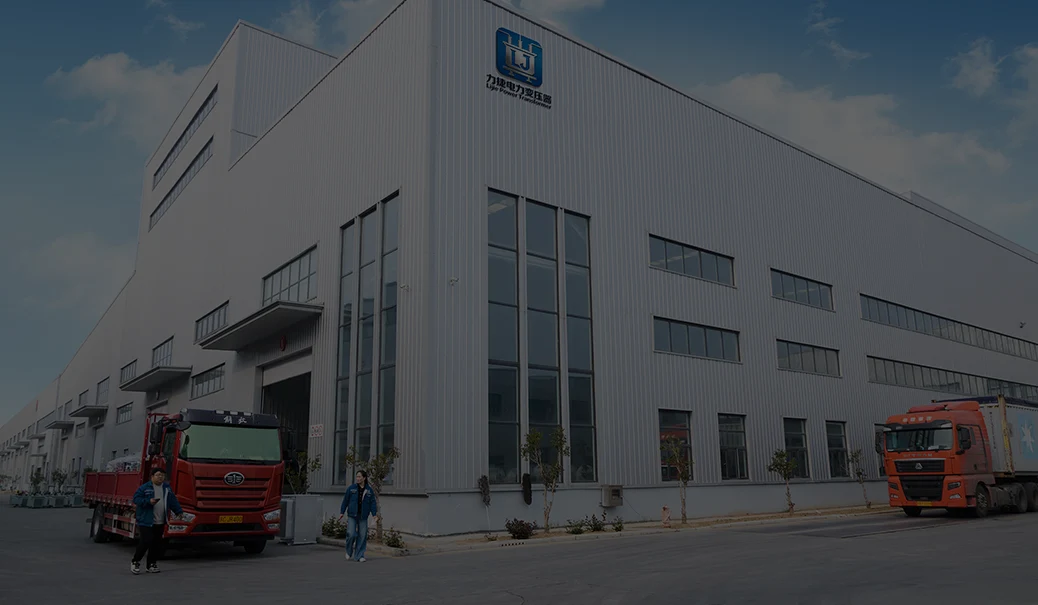
Work with Lijie Electric to get a reliable supply of S22 type distribution transformers. It is just as important to choose the right type as it is to choose the right transformer source. Lijie Electric has been making high-quality products for decades and has a lot of technical know-how. They have modern production sites that are over 500,000 square meters in size. We have been making S22 type distribution transformers for a long time and have strict quality standards that are backed up by ISO 9001, IEC, CE, and UL approvals. Our engineering team is available to help you with technical questions and can help you understand specification needs and lifecycle cost estimates. We always give the same high quality on all of our orders, whether you need unique solutions for integrating green energy or standard units for grid infrastructure. Email our team at lijieelectrical@gmail.com to talk about your project needs, get full technical specs, or get a custom quote that includes volume discounts for buying in bulk.
1. International Electrotechnical Commission. (2011). IEC 60076-1: Power Transformers - Part 1: General. Geneva: IEC Publications.
2. National Standards of the People's Republic of China. (2024). GB 20052-2024: Energy Efficiency Limits and Energy Efficiency Grades for Distribution Transformers. Beijing: Standards Press of China.
3. IEEE Power and Energy Society. (2018). IEEE C57.12.00: Standard for General Requirements for Liquid-Immersed Distribution, Power, and Regulating Transformers. New York: IEEE Standards Association.
4. Heathcote, M.J. (2007). J & P Transformer Book: A Practical Technology of the Power Transformer (13th ed.). Oxford: Newnes.
5. McLyman, C.W.T. (2017). Transformer and Inductor Design Handbook (4th ed.). Boca Raton: CRC Press.
6. Kulkarni, S.V., & Khaparde, S.A. (2012). Transformer Engineering: Design, Technology, and Diagnostics (2nd ed.). Boca Raton: CRC Press.
YOU MAY LIKE





April 27, 2025
With a tight project schedule, the manufacturer delivered on time, and on-site technical personnel provided guidance throughout the entire installation and commissioning process; the collaboration was highly efficient and hassle-free.
July 2, 2025
During the preliminary phase, a selection plan was custom-tailored based on the actual site load requirements, resulting in a high degree of parameter compatibility. After-sales support responds within two hours, and ongoing technical support for operation and maintenance is comprehensive; we feel completely confident in a long-term partnership.
November 18, 2025
Deployed as a supporting component for a 35kV grid-connection project at a photovoltaic power station, the equipment operates for an average of 16 hours daily. It demonstrates excellent control over no-load losses, ensures smooth power generation and grid integration, and effectively reduces the station's overall energy consumption.
January 30, 2026
Under the continuous, high-load operating conditions of a factory production line, the equipment maintains stable electrical parameters and exhibits strong overload resistance, thereby guaranteeing an uninterrupted power supply for industrial production.
April 3, 2026
Integrated as a supporting component for a new energy photovoltaic grid-connection system, the manufacturer provided professional technical coordination and timely after-sales support, ensuring seamless adaptation to the specific electrical operating conditions required for grid integration.