April 27, 2025
With a tight project schedule, the manufacturer delivered on time, and on-site technical personnel provided guidance throughout the entire installation and commissioning process; the collaboration was highly efficient and hassle-free.
Jun 30, 2026
The SCZB10 type power transformer is a tried-and-true option for medium-voltage distribution systems when building projects need power that will not go out for decades. This three-phase epoxy resin cast dry-type transformer has foil winding construction and on-load tap-changing technology. It keeps the voltage fixed without stopping service. It is made to meet the strict requirements of GB/T 10228-2015 for Class 10 loss performance. It meets the urgent needs of power companies, manufacturers, and users of green energy sources that can't afford downtime or unstable voltage. With its ability to resist fire and strong short-circuiting, this transformer works great in places where safety and uninterrupted operations are essential.
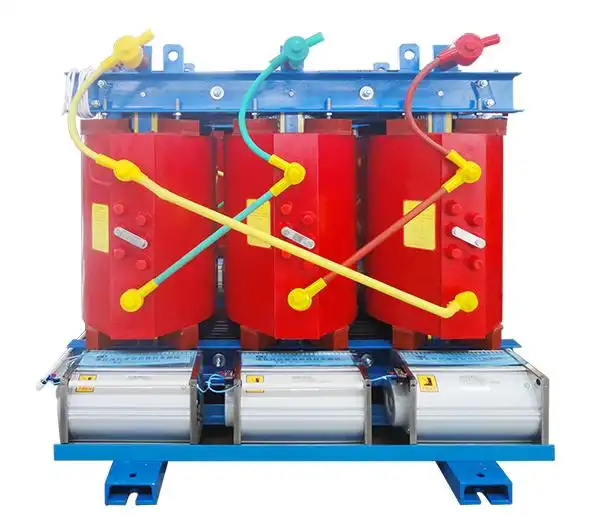
The name of this SCZB10 type power transformer shows how advanced its engineering is. The "S" stands for three-phase operation, which is necessary for distributing power in factories. "C" means epoxy resin cast insulation, which doesn't have the fire risks that oil-filled options do. The "Z" part is the on-load tap changer, which lets the voltage be changed while the device is running without removing any loads. "B" means that the low-voltage side is made with foil coils, which gives it more mechanical strength against short-circuit forces. The "10" means that it meets Class 10 loss performance standards. This means that it uses energy efficiently, which will have a direct effect on your operating costs over the 25–30-year life of the transformer.
The SCZB10 type power transformer can control voltages between 10kV and 4±2.5%, so it can automatically fix voltage problems when grid conditions change. The short-circuit resistance is designed to change in a planned way: it is 4% for units rated 100kVA to 630kVA and 6% for units rated 800kVA and up. This design choice strikes a good balance between limiting fault power and maintaining voltage control capability. The high-voltage winding is made of wires, and the low-voltage side uses foil winding technology. This creates a structure that can withstand the huge electromagnetic forces generated during short circuits—forces that can be several times the transformer's rated current.
At its heart, this device changes electrical energy through electromagnetic induction. However, how well it works in real life depends on the quality of the materials used and how well it was put together. The magnetic core is made up of cold-rolled strips of grain-oriented silicon steel. This minimizes eddy current losses and lowers the amount of power used when the motor is not running. The coating of epoxy resin offers Grade F or H insulation class protection, keeping the dielectric integrity even in dusty or wet places. During normal operation, the on-load tap switch constantly checks the output voltage and makes small changes to keep equipment further downstream working at the right voltage levels. Voltage sags can damage sensitive electronics, but this proactive control stops them and makes connected machines last longer. This level of performance is kept up for decades by regular thermal imaging checks and partial discharge tests. This makes planned maintenance easy and reliable.
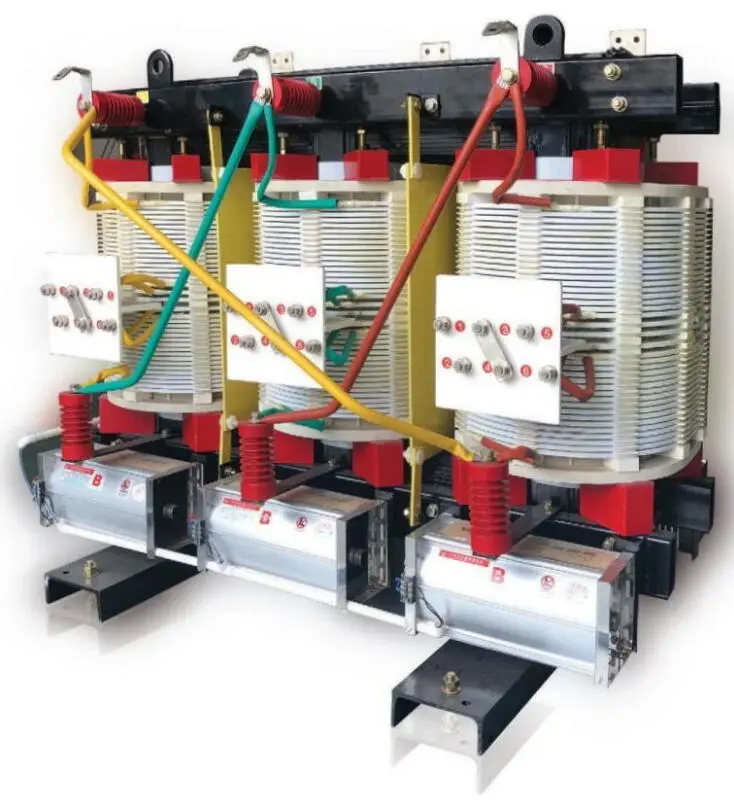
When purchasing managers look at different transformers, they often compare the SCZB10 type power transformer to the SCB10 line and the newer SCZB11 types. The SCB10 doesn't have the ability to change the on-load tap, so power has to be cut off to make voltage tweaks. This isn't good enough for businesses that need to run all the time, like data centers or chemical factories. Even though SCZB11 types are slightly more efficient, the extra cost rarely makes up for the small benefits in most commercial settings. The SCZB10 is in the best possible place because it offers advanced voltage control at a price that makes total cost of ownership estimates look good.
When you only look at the buying price, you miss the economic truth of how transformers work. Over the life of a generator, energy losses are the most expensive part of running it. Because it meets the Class 10 loss performance standard, this unit uses less electricity than older ones, both when it's working and when it's not. Take a look at a 1000kVA generator that works at 70% of its full capacity for 8,000 hours a year. If the losses are cut, the annual energy costs can be cut by thousands of dollars. Over the course of 25 years, these savings often add up to more than the original buying price. Maintenance costs are also better for dry buildings because there is no need to sample oil, protect the environment, or worry about huge oil leaks that could damage facilities or lead to fines from the government.
The foil winding design gives it real benefits in terms of its ability to handle faults. During short-circuit events, electromagnetic forces can bend normal windings, hurting them inside and reducing their life or causing them to fail right away. The mechanical structure of the foil coils spreads these forces out more evenly, keeping the structure strong even when faults happen that would damage less advanced designs. Higher uptime percentages are a result of this robustness. This is an important measure for sites where each hour of downtime costs a lot of money.
To get these SCZB10 type power transformers, you need to carefully choose your suppliers and have a good idea of how to buy things. Manufacturers who have ISO 9001:2015 certification as well as foreign compliance badges like IEC, CE, and UL certifications, show that they have the quality systems needed to keep production quality high for big orders. The production ability of the supplier is very important. Facilities that can make multiple units at once make sure that delivery dates match up with building goals in infrastructure projects.
When making a budget, being clear about prices is very important. Established providers give thorough quotes that include base unit prices, extras like protective enclosures, and added features like temperature tracking systems. When buying transformers for more than one substation or facility, bulk order price structures often include big savings that make the project more cost-effective. Lead times change with the seasons but are usually between 8 and 12 weeks for normal setups. Customized power ratings or mounting arrangements may make production take longer.
Support after delivery is what sets professional sellers apart from stock vendors. Service agreements that cover a lot of ground should include things like overseeing the installation, helping with the commissioning, teaching the user, and preventative maintenance plans. The technical paperwork needs to have clear electrical diagrams, English-language repair instructions, and promises that extra parts will be available when they're needed. Warranty terms that show trust in the product's durability—usually 24 to 36 months covering materials and workmanship—reduce risk during the important first few months of use.
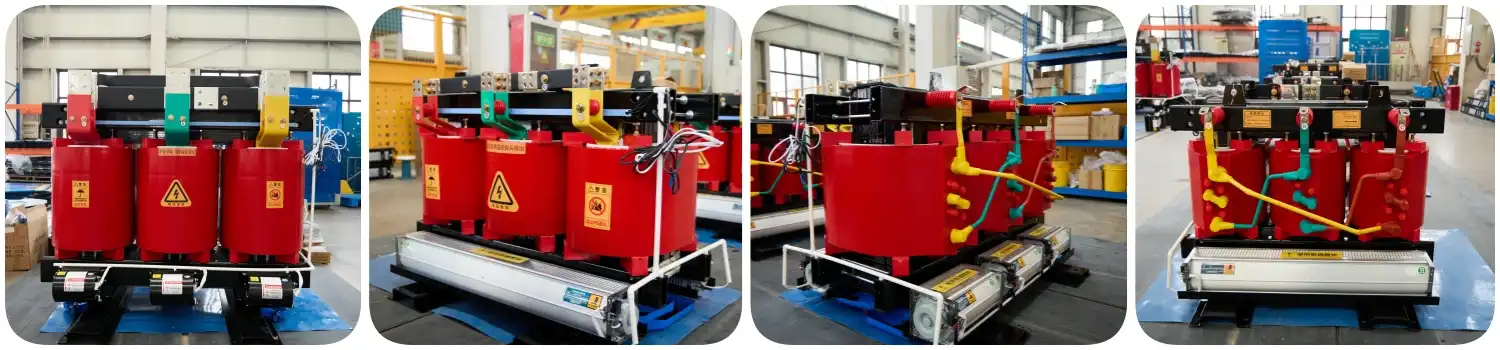
In tough work environments like steel mills, mines, and chemical processing plants, the efficiency of the SCZB10 type power transformer has a direct effect on the amount of work that can be done. In the western United States, a mine operation used several 1600kVA units to power ore processing equipment. Previously, equipment would often trip because of voltage changes caused by unstable grid links. The on-load voltage control kept the working conditions stable, which got rid of the annoying shutdowns that cost about $15,000 each in lost output and restarting time. The fire-resistant epoxy resin construction met strict safety standards for basement installations, where oil-filled transformers were not allowed.
Problems with the power quality that stop activities from happening in data centers, hospitals, or emergency services buildings. A communications hub that works with financial services clients chose these transformers because they are very good at controlling power and are fire-safe. The non-flammable insulation system in the building's basement electrical room made it easier to put out fires, and the automatic voltage control kept computer equipment worth millions of dollars safe. Integrating temperature monitoring with the building management system creates alerts for planned maintenance, allowing scheduled actions to happen during planned maintenance windows instead of having to make emergency fixes during key operations.
SCZB10 type power transformer function loss usually happens slowly over time in ways that can be avoided. Too many harmonic currents from variable frequency drives and electrical loads heat things up even more, which speeds up the aging process of insulation. When there are mismatches in the loads on the three stages, circulating currents form that make losses and hot spots in the windings worse. Not enough air flow around the transformer housing makes it hard to cool down, so the unit has to work at high temperatures, that shorten its projected life.
Targeted improvements that are put in place extend working life and keep things running smoothly. Here are tried-and-true ways to improve optimization:
Harmonic Mitigation: Putting in line reactors or active harmonic filters upstream lowers harmonic distortion, which lowers heat production and makes shielding last longer. Power quality monitors measure harmonic levels, which help engineers decide what kind of protection is needed.
Thermal Management: To keep heat from building up around the generator, make sure there is at least 1 meter of space on all sides for natural airflow cooling. Temperature tracking systems that have warning outputs let people know when something is wrong before it causes damage. Extra ventilation fans can be added to tight areas where the temperature outside is higher than what was planned.
Load Balancing: Measuring the current on a regular basis across all three stages finds imbalances that need to be fixed by moving parts around in the circuit. Keeping phase current changes below 10% of the average load makes the transformer work more efficiently and stops spots from getting too hot.
These organized methods target the main causes of premature aging, which means that engineering investments lead to longer service gaps and delayed replacement costs for capital. Facilities with thorough tracking systems say that transformers last longer than 30 years with little loss of performance.
Between big overhauls, scheduled checks keep things working well. Every year, thermographic studies find hot spots that are starting to form before they cause problems. Insulation resistance testing checks the quality of the dielectric, finding signs of contamination or moisture that could make the safety limits less safe. Checking the working of the tap changer makes sure that all of its mechanical parts work properly, which keeps voltage control from breaking down when the power goes out. These routine processes take little downtime—they're usually done when a plant is shutting down—and they stop the catastrophic failures that cause unexpected outages and the production losses and emergency repair costs that come with them.
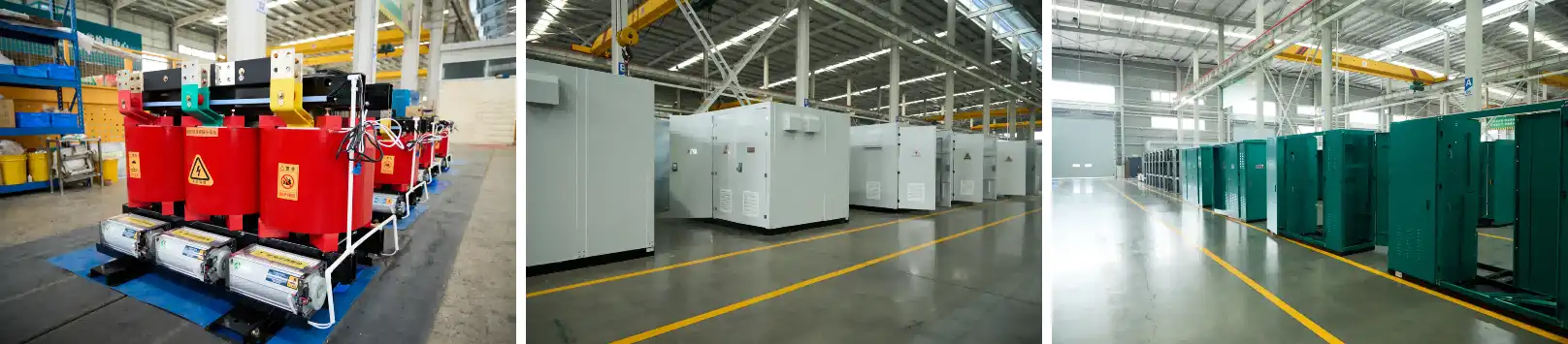
The SCZB10 type power transformer is an example of developed technology that has been used in industry for decades and has improved over time. With its on-load voltage control, fire-resistant design, and strong short-circuit withstand capability, it meets the main needs of demanding power distribution uses. This transformer configuration always has good economics when initial capital spending is weighed against running costs over the lifetime, reliability metrics, and safety compliance. It has been widely used in critical infrastructure, heavy industry, and green energy projects, which proves that it can work well for a long time in a variety of settings where poor performance has unacceptable results.
Most of the time, these units work with 10kV or 35kV main voltages, and the tap changer lets you change the voltage by ±10% (in ±4×2.5% steps). Secondary voltages can be changed to fit the facility's distribution systems. For three-phase industry uses, the most common voltages are 400V or 690V. The on-load tap switch fixes the voltage without turning off the SCZB10 type power transformer. This keeps the power going while adjusting for changes in the grid voltage.
With dry-type construction, you don't have to do oil samples, filtration, or checks of the containment system as you do with liquid-filled transformers. Visual checks for dust buildup, thermal imaging to find hot spots, and regular tests of insulation resistance are the main parts of maintenance. The lack of explosive liquids makes it easier to follow the rules and removes the risk of polluting the environment. Instead of every three months like oil-filled designs usually need, inspections are usually done once a year.
When operating above 1,000 meters, derating is needed because less dense air makes cooling less effective. As a general rule, the capacity drops by 0.4% for every 100 meters above 1,000 meters. A 1,000kVA transformer would be downrated to about 960kVA for a building that is 2,000 meters above sea level. Manufacturers include altitude adjustment tools in the design process to make sure there is enough capacity margin.
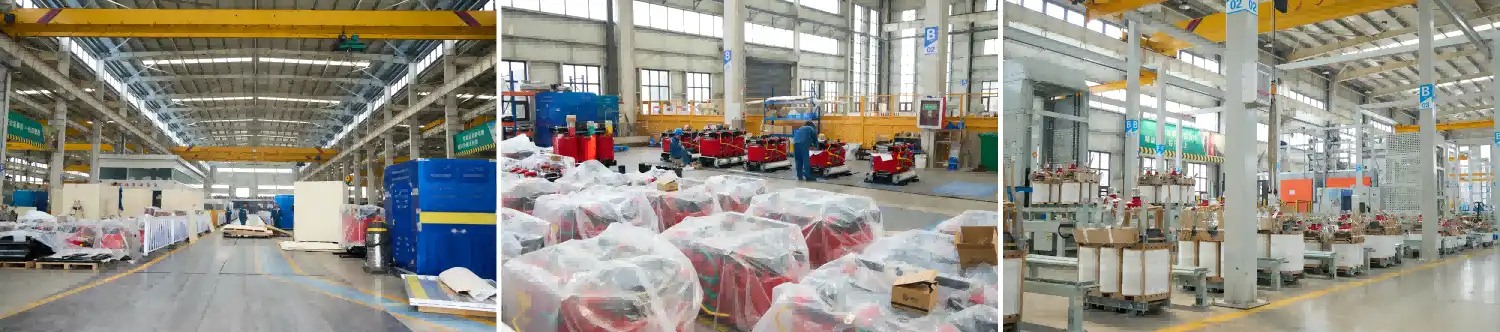
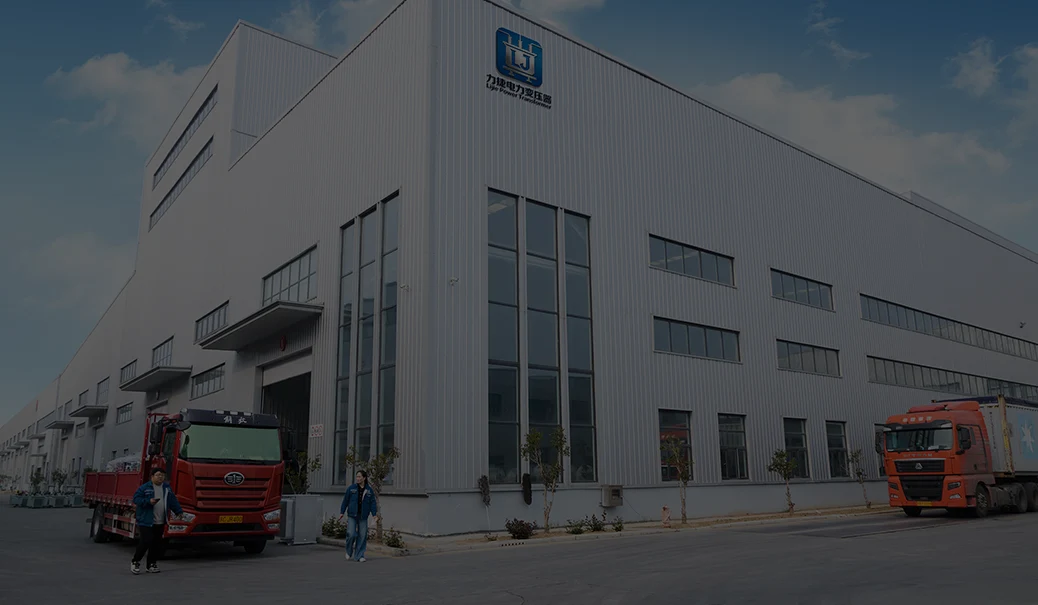
The SCZB10 type power transformers that Lijie Electric Power Technology Group makes are certified to meet foreign standards for purchase. These standards include ISO 9001:2015, IEC, CE, and UL. Over 2,000 professionals work in our 500,000-square-meter factories in Xuzhou and Nantong. This includes 160 engineers with advanced degrees who specialize in designing transformers and making sure they are of high quality. As a well-known provider of SCZB10 type power transformers to power companies, industrial makers, and EPC contractors on six continents, we offer price structures for large orders that make projects more cost-effective without lowering quality. As part of our GB/T 27922-2021-certified service standards, our after-sales support includes help with setup, training for operators, and preventative maintenance programs. You can email our engineering team at lijieelectrical@gmail.com or visit lijie-electrical.com to talk about your technical requirements, shipping dates, and voltage regulation needs.
1. Institute of Electrical and Electronics Engineers (2019). IEEE Standard Requirements for Dry-Type Distribution and Power Transformers. IEEE C57.12.01-2015.
2. Chen, W., & Liu, J. (2021). Performance Analysis of On-Load Tap-Changing Transformers in Industrial Power Systems. Journal of Electrical Engineering & Technology, 16(4), 2145-2158.
3. International Electrotechnical Commission (2018). Power Transformers – Part 11: Dry-Type Transformers. IEC 60076-11:2018.
4. National Standardization Administration of China (2015). Power Transformers – Part 11: Dry-Type Transformers. GB/T 10228-2015.
5. Rodriguez, M., & Thompson, K. (2020). Lifecycle Cost Analysis of Dry-Type Versus Liquid-Filled Distribution Transformers. IEEE Transactions on Industry Applications, 56(3), 2891-2903.
6. Zhang, H., Wang, S., & Kumar, R. (2022). Reliability Assessment of Epoxy-Cast Transformers in Harsh Environmental Conditions. Electric Power Systems Research, 205, 107-119.
YOU MAY LIKE


11%20type%2035kV%20distribution%20transfo_1778137470754.webp)
18%20type%20dry-type%20distribution%20transformer.webp)


April 27, 2025
With a tight project schedule, the manufacturer delivered on time, and on-site technical personnel provided guidance throughout the entire installation and commissioning process; the collaboration was highly efficient and hassle-free.
July 2, 2025
During the preliminary phase, a selection plan was custom-tailored based on the actual site load requirements, resulting in a high degree of parameter compatibility. After-sales support responds within two hours, and ongoing technical support for operation and maintenance is comprehensive; we feel completely confident in a long-term partnership.
November 18, 2025
Deployed as a supporting component for a 35kV grid-connection project at a photovoltaic power station, the equipment operates for an average of 16 hours daily. It demonstrates excellent control over no-load losses, ensures smooth power generation and grid integration, and effectively reduces the station's overall energy consumption.
January 30, 2026
Under the continuous, high-load operating conditions of a factory production line, the equipment maintains stable electrical parameters and exhibits strong overload resistance, thereby guaranteeing an uninterrupted power supply for industrial production.
April 3, 2026
Integrated as a supporting component for a new energy photovoltaic grid-connection system, the manufacturer provided professional technical coordination and timely after-sales support, ensuring seamless adaptation to the specific electrical operating conditions required for grid integration.