April 27, 2025
With a tight project schedule, the manufacturer delivered on time, and on-site technical personnel provided guidance throughout the entire installation and commissioning process; the collaboration was highly efficient and hassle-free.
Jun 30, 2026
Choosing the right power distribution tools is important for any substation project's security and cost-effectiveness. The S20 type 35KV oil-immersed power transformer is a smart purchase that solves the main issues that procurement managers, electrical engineers, and project planners are worried about right now: making sure the transformer is reliable for decades, minimizing costs over its lifetime, and meeting strict international standards. This high-tech transformer type achieves Level 1 energy efficiency, works reliably in tough industrial settings, and supports the merging of smart grid technology while still being compatible with older infrastructure systems used in heavy industry and utilities.
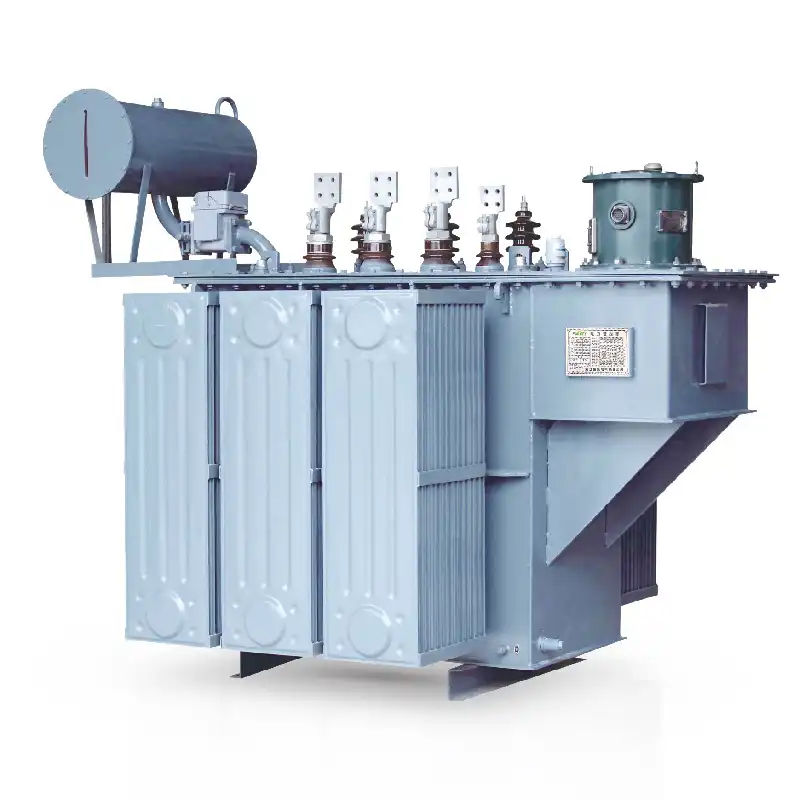
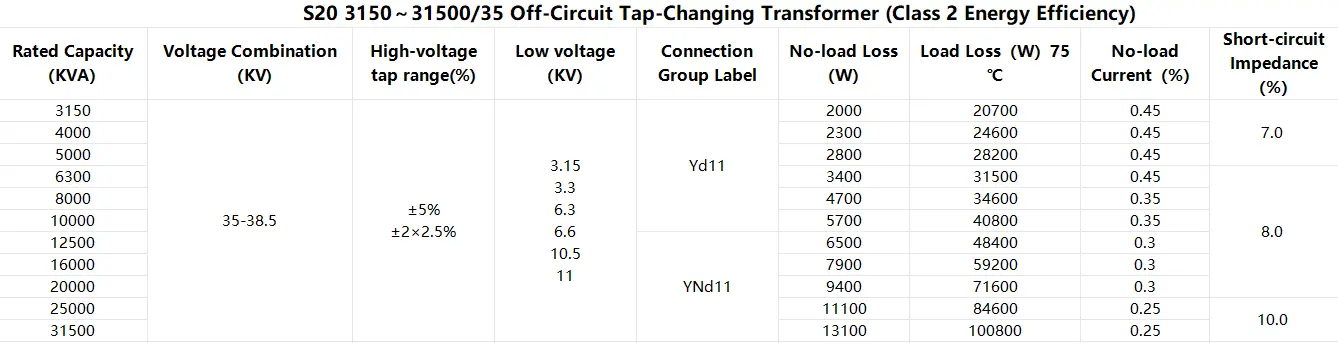
The S20 type 35KV oil-immersed power transformer series has a 35KV voltage rating, and capacity ranges from 630kVA to 31,500kVA, so it can be used in a wide range of substation designs, from small distribution nodes to big transmission hubs. These units have no-load tap changers that can be adjusted within a range of ±2 2.5%. This lets the voltage be optimized without turning off the generator. Single-phase and three-phase designs can both handle 50Hz and 60Hz frequency uses, which makes deployment around the world flexible. The names of the link groups—Dyn11 for the best arrangement and Yd11 for an alternative—are common in North American and foreign utility markets.
Mineral oil does two things inside these transformers: it keeps the electricity from flowing, and it gets rid of heat quickly. The oil-immersed self-cooling method works well for regular loads, and the oil-immersed air cooling method increases capacity during times of high demand. This way of cooling keeps the winding temperatures fixed even when the load stays high for a long time. This keeps the insulation from breaking down too soon, which shortens the life of the equipment. The fully sealed tank structure—corrugated for smaller units and flat for larger ones—keeps moisture and external pollutants from getting into the internal parts and weakening the dielectric strength.
The heart of the S20 type 35KV oil-immersed power transformer is made of high-permeability cold-rolled grain-oriented silicon steel. This cuts down on magnetic flux losses by 10-15% compared to older S11-series models. The precision-wound coils and optimized core shape keep the resistance voltage within ranges that meet the needs of the user while minimizing losses when there is no load. This engineering saves a lot of energy over the life of the transformer, which means that utilities and industry operators who manage ongoing baseload power distribution can save money on electricity costs.
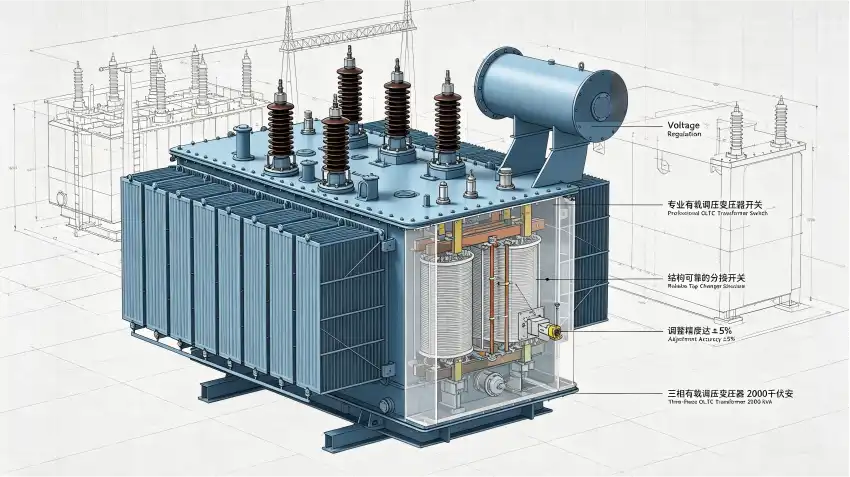
Level 1 energy economy certification sets S20 type 35KV oil-immersed power transformers apart in markets where lifetime cost analysis is used to decide what to buy. A 1000kVA unit can save between 98.5% and 99.2% of the energy it uses, based on the load. This means that compared to normal efficiency options, it can save between $8,000 and $12,000. Over a normal 30-year service life, these savings are much greater than the difference in the initial capital investment. This makes S20 type 35KV oil-immersed power transformers especially appealing for big infrastructure projects where multiple units run constantly across regional power grids or industrial complexes.
Here are the core advantages distinguishing this equipment:
These benefits work together to help procurement teams solve problems that keep coming up, like balancing limited budgets with total ownership costs, making sure that mission-critical operations don't lose their supplies, and meeting stricter environmental rules without sacrificing technical performance.
S20 type 35KV oil-immersed power transformers work effectively in temperatures up to 40°C, and there are ways to customize them to work in even harsher climates. The sealed tank design keeps moisture from getting into the insulating oil and oxidizing it, which are two main ways that open-tank designs fail when they are subject to ocean humidity or industrial air pollutants. This protection keeps the dielectric strength and increases the time between oil testing and replacement, which lowers the cost of upkeep work and the amount of time that the equipment is down.
There are clear operating benefits with S20 type 35KV oil-immersed power transformers over dry-type transformers in high-capacity substation uses. Dry-type transformers don't have the fire risks that come with insulation fluids that can catch fire, but they usually have higher core losses and less ability to handle overloads. Because oil-immersed designs have more thermal mass, they can handle surges better when the power goes out. This is important for utilities that have to deal with variable green energy sources or factories that have to deal with a lot of motor-starting transients.
Compared to older S11 and S13 series transformers, the S20 type 35KV oil-immersed power transformer models show real improvements in reducing core loss and noise. This is because they use more advanced magnetic circuit design and strict manufacturing standards. The better sealing systems fix a common problem with older designs where a failing gasket lets water in, which speeds up the breakdown of insulation and shortens the useful lives of the systems.
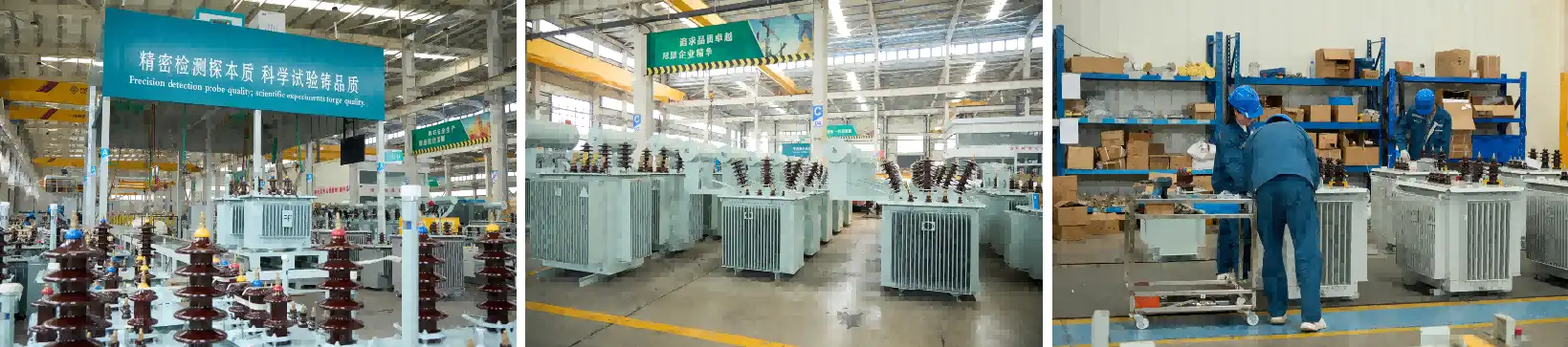
A study of the market shows that transformer makers have big differences in how well they make transformers, whether they follow approval rules, and how well they help customers after the sale. People who work in procurement should make sure that possible suppliers have ISO 9001:2015 quality management certification, IEC 60076 compliance testing paperwork, and UL or CE marks that show they are approved by regulators in the areas where the products will be used. When working on big projects that need to deliver many units on time, the production capacity of the supplier is very important. For example, factories with more than 2,000 workers and 500,000 square meters of space can consistently make a lot of units, which smaller factories can't do.
Warranty terms, the availability of spare parts, and how quickly expert help responds are what set trustworthy long-term partners apart from transactional sellers. Manufacturers that have been around for a long time and have installations in multiple countries can provide field-proven reliability data and engineering knowledge that has been gathered over many different applications. This lowers the technical risk in developing unique S20 type 35KV oil-immersed power transformer specifications.
For standard configuration S20 type 35KV oil-immersed power transformers, it usually takes 8–12 weeks from the time the order is confirmed until the plant tests them. For custom specs, delivery may take 14–18 weeks, based on how complicated the engineering is and how long it takes to get the parts. Buyers in charge of phased building projects can benefit from framework agreements that lock in prices and delivery times across multi-year rollout timelines. This protects buyers against rising material costs and production capacity limits when demand is high in the industry.
For projects that need ten or more units, buying in bulk has big benefits. By optimizing production batching and transportation consolidation, costs can be cut by 8 to 15 percent. To avoid disagreements during the commissioning phases, contracts should clearly spell out acceptance testing processes, shipping terms, the scope of installation support, and the conditions under which the guarantee can be activated.
For substation projects to be successful, the S20 type 35KV oil-immersed power transformer standards often need to be customized to fit the specific load profiles, environmental conditions, or grid interface factors. The S20 platform can handle changes in impedance voltage that meet the fault current limits of existing switchgear, special winding setups for industrial loads that use a lot of harmonics, and better corrosion protection for places like marine or chemical processing. Manufacturers with in-house research and development teams (ideally with PhD and master's level engineers) can look at the needs of each place and come up with the best solutions, matching cost with technical performance.
By involving suppliers early on in the design process, electrical engineers can work together to fine-tune specs, preventing either too many details that drive up costs or too few details that cut into working margins. Manufacturers with a good reputation send in thorough technical proposals that include finite element analyses of thermal performance and short-circuit withstand models to help validate the final design.
As part of yearly maintenance, the stability of the tank, the state of the gaskets, and the bushing seals should all be visually checked to find early signs of oil leaks or damage caused by the weather. Monitoring the temperature during load cycles makes sure that the cooling system is working properly, and taking samples of the oil every 24 months to keep track of the dissolved gas content, moisture levels, and dielectric strength in line with IEEE C57.106 standards. Keeping the quality of the oil high stops the shielding from breaking down, which is what causes most S20 type 35KV oil-immersed power transformers to fail early in industrial and utility settings.
Internal reviews are done every 10 to 15 years to check the state of the windings, tap changer contacts, and core grounding connections. These are important parts of the S20 type 35KV oil-immersed power transformer that slowly break down due to thermal cycling and mechanical vibration. Replacing old parts before they break during planned downtime keeps big problems from happening that need to be fixed quickly and at a cost that goes over budget.
When something is overheating, it's usually because the cooling pipes are blocked, the oil movement is bad, or the overload conditions are higher than the nameplate rates. By looking at temperature trends, you can find out-of-the-ordinary patterns before they cause damage, which lets you fix the problem by moving the load or upgrading the cooling system. Oil leaks usually happen where gaskets meet or where weld gaps are exposed to thermal expansion cycles. Immediate repair stops moisture contamination that speeds up insulation age.
Monitoring partial discharge finds insulation degradation early on, when it is still cheaper to fix the problem than to replace the whole S20 type 35KV oil-immersed power transformer. Advanced diagnostic tools, such as dissolved gas analysis, frequency response analysis, and acoustic emission monitoring, give a full picture of the health of an item. This makes it possible to use condition-based maintenance strategies that choose the best inspection times based on the item's actual condition instead of arbitrary calendar dates.
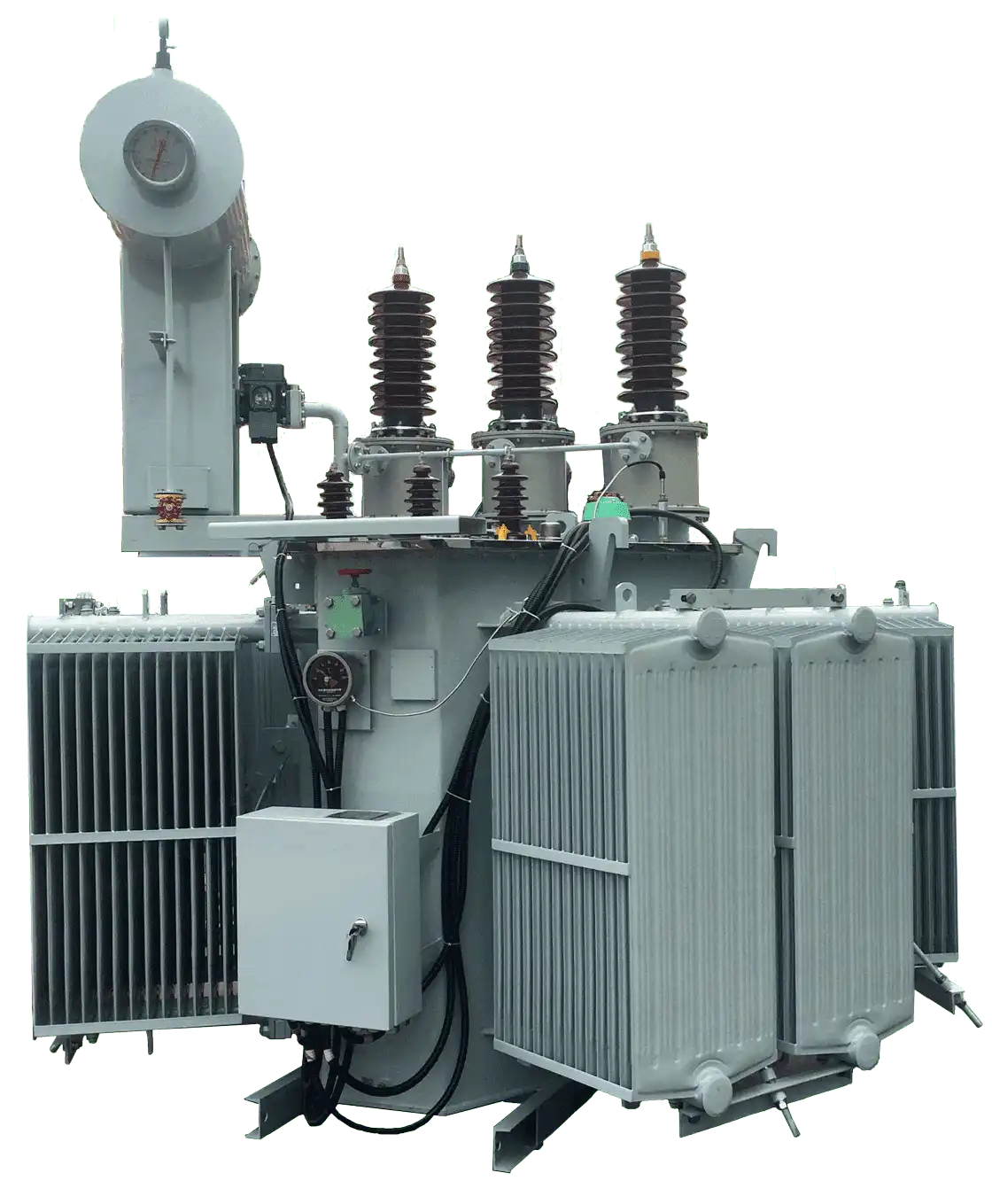
The S20 type 35KV oil-immersed power transformer has measurable benefits in terms of saving energy, being reliable, and lowering costs over its lifetime. These benefits directly affect buying goals in the utility, industry, and infrastructure sectors. This equipment is a smart buy for businesses that care more about long-term operating sustainability than lowering initial capital costs. It has a Level 1 efficiency rating, a 30-year service life, and is compatible with modern tracking systems. Using tried-and-true oil-immersed technology along with cutting-edge core materials and smart tracking makes a system that meets both the needs of traditional reliability and modern grid management.
With the right care, the design service life is 30 to 35 years. Every year, checks include checking the oil, looking at the engine, and testing the safety systems. Every 10 to 15 years, there are major internal checks, and every 15 to 20 years, the oil is changed based on the results of a dissolved gas analysis and the rules in IEEE C57.106.
Depending on size and load, the S20 type 35KV oil-immersed power transformer efficiency can be anywhere from 98.5% to 99.2%. When compared to standard efficiency transformers, a 1000kVA unit saves between $8,000 and $12,000. This is paid for in three to five years by lower losses over the life of the equipment.
Yes. Manufacturers support OEM branding, custom voltage setups, impedance standards, link group names, and extras that meet the needs of the market. Engineers can make systems that work with loads that produce a lot of harmonics, harsh environments, and different grid interface factors.
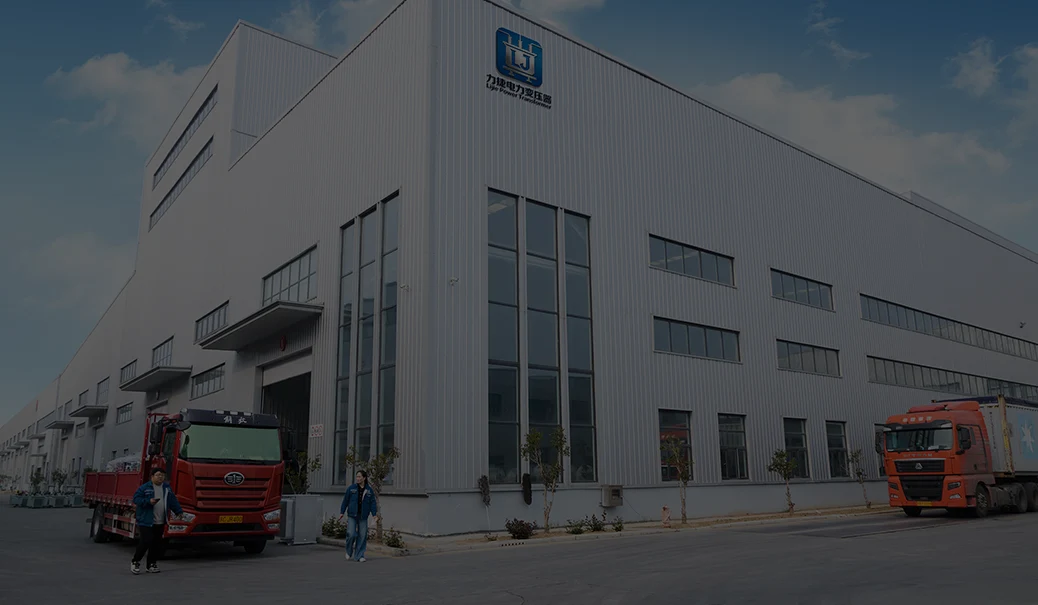
Lijie Electric is a well-known company that makes S20 type 35KV oil-immersed power transformers for utility companies, EPC contractors, and industrial site managers in North America and other countries. Our 500,000-square-meter factories in Xuzhou and Nantong are home to more than 2,000 workers, including 160 engineering experts who make IEC 60076-compliant products that are certified by CE and UL. Through the National Transformer Quality Supervision and Inspection Center, we keep up-to-date testing powers that make sure every unit meets specifications before it is shipped. Our S20 type 35KV oil-immersed power transformers for sale are made with advanced core materials, smart tracking integration, and tried-and-true oil-immersion technology. They are built to last for 30 years under tough operating conditions. Email our technical team at lijieelectrical@gmail.com to talk about the details of your project, look over your customization choices, and get full quotes that will help you make your purchasing decision. Go to lijie-electrical.com to see our full line of products and see examples of our reliable work in global projects that cover a wide range of uses.
1. Institute of Electrical and Electronics Engineers (IEEE), "IEEE Guide for Loading Mineral-Oil-Immersed Transformers and Step-Voltage Regulators," IEEE Standard C57.91-2011, 2012.
2. International Electrotechnical Commission, "Power Transformers – Part 1: General," IEC 60076-1 Edition 3.0, 2011.
3. National Electrical Manufacturers Association, "Guide for Determining Energy Efficiency of Distribution Transformers," NEMA Standards Publication TP 1-2002, revised 2019.
4. Zhang, W., and Liu, H., "Thermal Analysis and Life Assessment of Oil-Immersed Power Transformers Under Variable Loading Conditions," Electric Power Systems Research, Volume 178, 2020.
5. Central Electricity Authority of India, "Technical Standards for Construction of Electrical Plants and Electrical Lines: Transformers," Regulation 2010, Amendment 2019.
6. Johnson, M., and Patterson, R., "Comparative Life Cycle Cost Analysis of Oil-Immersed versus Dry-Type Distribution Transformers in Utility Applications," IEEE Transactions on Power Delivery, Volume 34, Issue 2, 2019.
YOU MAY LIKE

12%20type%2035kV%20distribution%20transformer.webp)


%20Dry-type%20Distributing%20Transformer.webp)
April 27, 2025
With a tight project schedule, the manufacturer delivered on time, and on-site technical personnel provided guidance throughout the entire installation and commissioning process; the collaboration was highly efficient and hassle-free.
July 2, 2025
During the preliminary phase, a selection plan was custom-tailored based on the actual site load requirements, resulting in a high degree of parameter compatibility. After-sales support responds within two hours, and ongoing technical support for operation and maintenance is comprehensive; we feel completely confident in a long-term partnership.
November 18, 2025
Deployed as a supporting component for a 35kV grid-connection project at a photovoltaic power station, the equipment operates for an average of 16 hours daily. It demonstrates excellent control over no-load losses, ensures smooth power generation and grid integration, and effectively reduces the station's overall energy consumption.
January 30, 2026
Under the continuous, high-load operating conditions of a factory production line, the equipment maintains stable electrical parameters and exhibits strong overload resistance, thereby guaranteeing an uninterrupted power supply for industrial production.
April 3, 2026
Integrated as a supporting component for a new energy photovoltaic grid-connection system, the manufacturer provided professional technical coordination and timely after-sales support, ensuring seamless adaptation to the specific electrical operating conditions required for grid integration.