April 27, 2025
With a tight project schedule, the manufacturer delivered on time, and on-site technical personnel provided guidance throughout the entire installation and commissioning process; the collaboration was highly efficient and hassle-free.
Jul 1, 2026
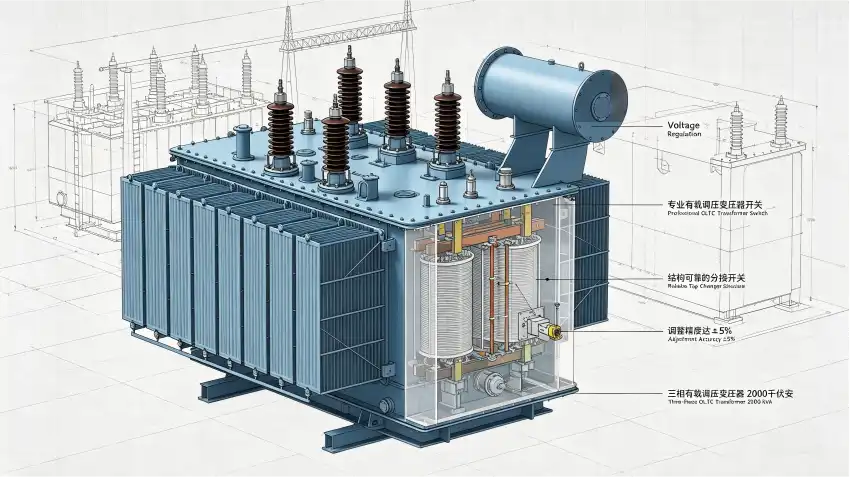
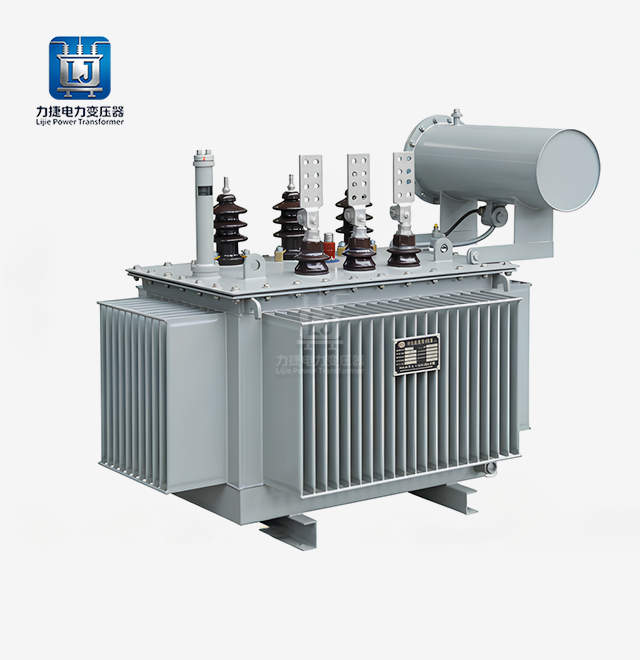
In order to work, a 2000 kVA Three-Phase OLTC Substation Transformer steps down high-voltage power from transmission lines to lower voltages that can be distributed. It also changes the output voltage based on load conditions using an on-board On-Load Tap Changer. This high-tech gear keeps the voltage stable without stopping the flow of electricity, which solves the very important problem of changing grid conditions. The tap changer mechanically changes between different winding taps in milliseconds. This allows for precise voltage regulation, which saves sensitive equipment further down the line and makes sure that power is always delivered to industrial, utility, and business settings.
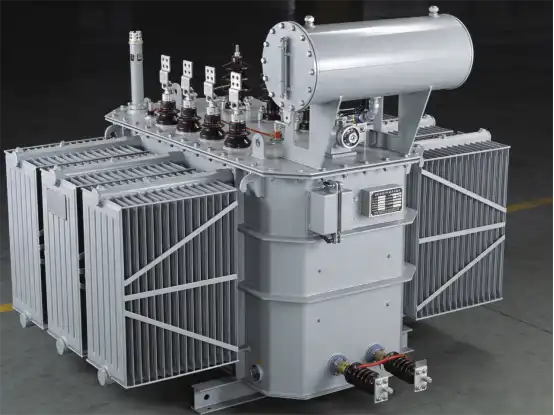
Basically, these 2000 kVA Three-Phase OLTC Substation Transformers work by using electromagnetic induction and having the ability to change the voltage on the fly. A magnetic field is made inside the laminated silicon steel core when high-voltage energy flows into the main windings. Based on the number of turns in the primary and secondary coils, this magnetic energy causes a voltage to be generated in the secondary windings. The OLTC system makes this equipment different from others because it lets the effective turns ratio be changed in real time while the transformer is fully loaded.
The OLTC reacts within 1.5 seconds per step to changes in the grid voltage. To stop arcing during switching, it uses either vacuum interrupters or high-speed transition resistors. Voltage drops or surges can't reach vital loads because of this quick reaction. The device has an adjustment range of ±3±2.5% or ±4±2.5%, which lets you finetune the output voltage even if the input voltage changes. It is very helpful in modern buildings with a lot of nonlinear electronic equipment that the Dyn11 or Yd11 connection group setup successfully reduces harmonic distortion while fitting unbalanced loads.
Being able to change the voltage without turning off the transformer directly leads to better power quality and longer equipment life. Manufacturing plants avoid costly production stops, data centers keep mission-critical servers online all the time, and green energy facilities integrate more smoothly with the grid even when output changes. The transformer constantly adjusts voltage levels to get the best results, which lowers losses in the distribution network and makes the system more energy efficient.
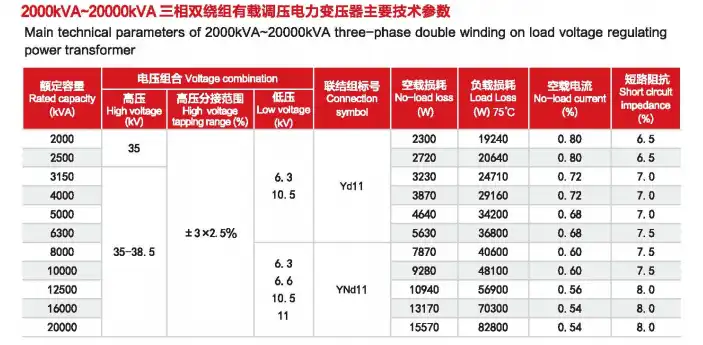
When procurement teams know the technical specs, they can correctly match the 2000 kVA Three-Phase OLTC Substation Transformers' skills with the needs of the project. Ratings for capacity range from 2000 kVA to 20,000 kVA, so they can handle a wide range of load patterns, from medium-sized factories to big building projects. Standard setups are easy to find, and there are also ways to make the system fit the needs of a specific application.
Modern units operate with low loss, meeting GB 20052 energy economy standards. This lowers operating costs over the 20–30-year life of the generator. Impedance levels between 6% and 12% meet the standards of GB/T 1094.5 for short-circuit safety and voltage regulation. Different sizes of units use different cooling methods. ONAN (Oil Natural Air Natural) cooling is used in smaller units, while OFAF (Oil Forced Air Forced) or ODAF (Oil Directed Air Forced) systems are used in bigger sites to handle thermal loads well.
Insulation levels of up to 110 kV class make sure that the system works reliably even when electrical stress is high. Mineral oil that doesn't catch fire or manufactured esters give dielectric power and meet safety standards for the environment. During operation, noise levels usually stay below 60–65 dB, but advanced core damping methods allow certain low-noise designs to reach under 55 dB. This is an important thing to think about for sites near residential areas or facilities that are sensitive to noise.
When looking at different transformer choices, knowing the useful differences between normal units and ones with 2000 kVA Three-Phase OLTC Substation Transformers makes their value propositions clearer. In many modern uses, service interruptions are not acceptable when using traditional transformers with off-circuit tap switches because they need to be turned off in order to make voltage changes. On the other hand, on-load tap changing keeps the process going while reacting flexibly to changes in voltage.
When equipment in factories with motors that have a high starting power turns on, the voltage drops a lot. Standard transformers can't handle these short-term events, which could lead to programmable logic controller restarts or sensitive equipment not working properly. OLTC transformers actively fight these kinds of problems, keeping the voltage stable even when the load changes. Generation unpredictability is a problem for all renewable energy systems. The output of wind and solar panels changes depending on the weather. OLTC smooths out these changes before sending power to the utility grid.
The extra complexity of the tap-changing system means that the 2000 kVA Three-Phase OLTC Substation Transformer requires about 15–25% more capital than normal units at the start. Lifecycle cost study, on the other hand, shows strong economic benefits. A better energy economy cuts down on the amount of power used and the costs that come with it over many years of use. Getting rid of the need for downtime to make manual tap changes saves money on repair costs and keeps businesses from losing money when production stops. Stable voltage protects equipment so it fails less often and lasts longer, which lowers the cost of replacing the whole electrical infrastructure.
There are pros and cons to both oil-immersed and dry-type OLTC transformers that depend on the purpose. Oil-immersed versions are better at cooling and can handle more overloading, which makes them perfect for big industrial loads and outdoor substations. With dry-type units, there are no fire risks like there are with insulation oil, so they can be used indoors in business buildings or places that care about the environment. Both versions offer on-load voltage regulation, so the choice can be made based on the safety, environmental, and efficiency needs of the place.
To choose the best 2000 kVA Three-Phase OLTC Substation Transformer, you need to carefully look at the technical specs, the needs of the operation, and the supplier's abilities. First, people who work in procurement should figure out what kind of load, voltage levels, and regulation are needed for their unique purpose. When regional power grid hubs switch from 35 kV or 110 kV distribution networks to 10 kV systems, they need strong units that can keep working with a lot of power. Large industrial users that make steel, chemicals, or cars need very stable power transmission to keep process quality high and protect sensitive equipment.
Capacity should be enough to handle both current loads and expected growth. Usually, 20–30% headroom above peak demand is required. The voltage ratings must exactly match the levels of the main source and secondary distribution. The control range should cover the predicted changes in the input voltage. Wider adjustment ranges are better for grids that experience frequent changes in voltage. Choosing the right connection group affects harmonic performance. The Dyn11 setup works best in places with a lot of electrical loads that cause harmonic distortion.
In addition to product specs, the reputation of the supplier has a big impact on the long-term success of the project. Certifications show that a product meets international standards. For example, ISO 9001:2015 certifications confirm the strictness of the quality management system, and IEC 60076 and IEEE C57.12.00 certifications confirm the performance of the electrical system. The CE and UL marks allow products to be sold in many countries and meet different legal standards. For example, a 2000 kVA Three-Phase OLTC Substation Transformer is designed to comply with these international standards while ensuring stable voltage regulation and reliable operation in demanding grid environments. Manufacturing capacity is important for big projects that need to be delivered in batches on tight deadlines. Facilities with a lot of production floor space and skilled workers can reliably fill orders for multiple units.
Service after the sale should be carefully looked at. Full professional support, including help with commissioning and training, makes sure that the job goes smoothly. The warranty should cover both the transformer tank parts and the OLTC system, and it should be clear when parts will be available and how long it will take for service to be done. Customization response lets it be changed to fit the needs of each project, whether that's higher resistance to earthquakes, different power ratios, or connecting to SCADA systems using Modbus or IEC 61850.
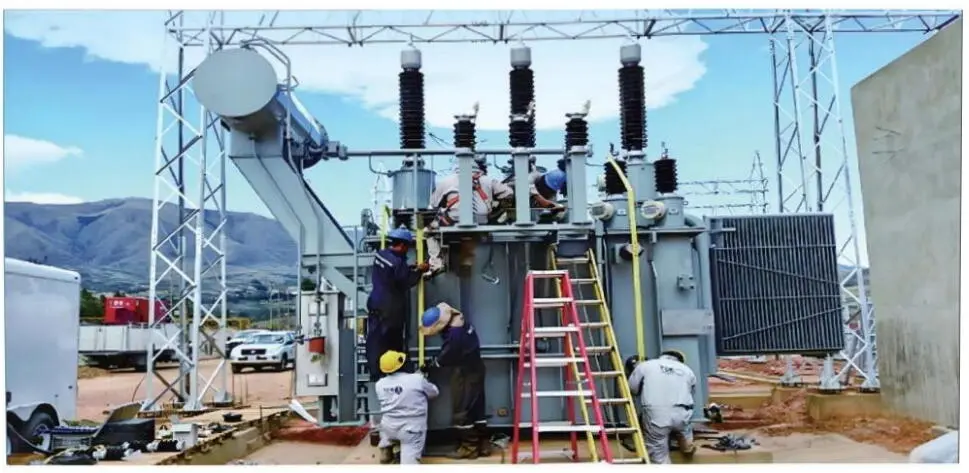
When something is installed correctly, it will work reliably for many years to come. When preparing a site, natural factors like temperature ranges, humidity levels, and earthquake activity must be taken into account. Enough space between things makes sure that repair work can be done safely and also meets electricity safety standards. The foundation should be strong enough to hold the weight of the 2000 kVA Three-Phase OLTC Substation Transformer—about 6–10 tons for a 2000 kVA unit—while also reducing vibrations to keep mechanical stress to a minimum.
Before turning on the power, thorough testing makes sure the system is ready and finds any problems before they affect operations. Insulation resistance tests show that the dielectric is solid throughout the whole structure of the wire. Tests of the turns ratio show that the position of the tap switch is accurate across the whole standard range. Measurements of partial discharge find problems in insulation that could cause it to fail too soon. Testing for temperature rise under realistic load situations makes sure the cooling system is working right. Dissolved gas analysis sets a standard for the state of the oil and gives diagnosticians a way to compare it to other data in the future.
Working with service companies with a lot of knowledge makes maintenance programs more effective. Manufacturers with a lot of experience in specific applications know how their plans fail and how to figure out what went wrong. Getting technical help while fixing speeds up the process and reduces downtime. Genuine new parts are guaranteed to work with the original part and are compatible, so you don't have to worry about their durability.
The 2000 kVA Three-Phase OLTC Substation Transformer is an important piece of technology for keeping power quality high in tough situations. Its ability to keep the voltage stable even when the load is high solves some of the biggest problems in modern electricity distribution, like how to make the grid more stable and add green energy. Procurement experts can make choices that balance technical needs with lifecycle economics if they understand how it works, what its specs are, and how to choose it. By following the right steps for installation and upkeep, you can make sure that your assets last as long as possible and keep working well for as long as the generator is in use.
About every 50,000 to 100,000 processes, the OLTC diverter switch needs to be checked. As part of maintenance, you should check the oil quality, look at the contacts for wear, and make sure the change sequence time is correct. The main transformer tank doesn't need much care, but the tap changer is very complicated and needs to be checked on a regular basis to make sure it works properly.
These days' units have smart electronics that work with Modbus or IEC 61850, which makes it easy to connect them to a SCADA system. Monitoring from afar keeps an eye on operational factors like load current, oil temperature, tap location, and alarm conditions. This connection makes preventative maintenance easier and speeds up the reaction time to problems as they arise.
To meet the needs of a particular project, manufacturers can change voltage ratios, impedance values, cooling systems, and link groups. Better resistance to earthquakes, special insulation materials, and custom shelters are all ways to deal with specific weather conditions. Grids with big changes in voltage can use control bands that are longer. Specification alignment is best achieved by talking about particular needs early on in the procurement process.
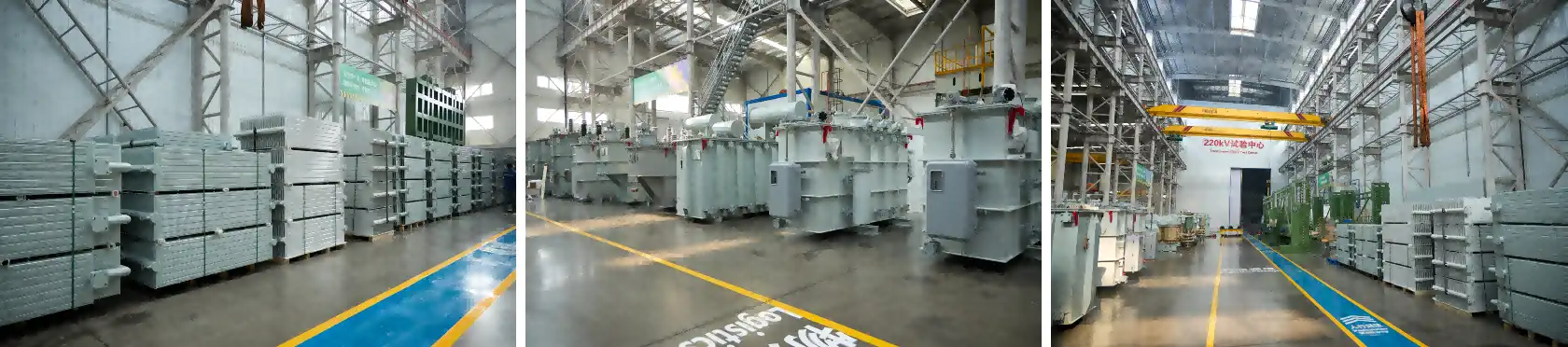
Lijie Electric Power Technology Group offers designed transformer solutions backed by decades of experience, making them and a wide range of quality standards. Our Xuzhou and Nantong factories, which are each 500,000 square meters, use cutting-edge production methods that always meet IEC, IEEE, CE, and UL standards. As a reliable 2000 kVA Three-Phase OLTC Substation Transformer seller, we work with power companies, companies that create green energy, and industrial manufacturers all over the world. Our engineering team works closely with clients to come up with the best configurations for each application, whether it's for a regional grid, a heavy industrial power source, or the introduction of green energy into the grid. Get in touch with our technical experts at lijieelectrical@gmail.com to talk about your project needs and find out how our transformer solutions can make your power distribution more reliable and efficient.
1. IEEE Standards Association. IEEE Standard for General Requirements for Liquid-Immersed Distribution, Power, and Regulating Transformers. IEEE C57.12.00-2015.
2. International Electrotechnical Commission. Power Transformers – Part 5: Ability to Withstand Short Circuit. IEC 60076-5:2006.
3. Harlow, James H. Electric Power Transformer Engineering. 3rd ed. CRC Press, 2012.
4. Kulkarni, S.V. and Khaparde, S.A. Transformer Engineering: Design, Technology, and Diagnostics. 2nd ed. CRC Press, 2013.
5. National Standardization Administration of China. Three-Phase Distribution Transformers – Energy Efficiency and Operational Limits. GB 20052-2020.
6. Heathcote, Martin J. The J&P Transformer Book: A Practical Technology of the Power Transformer. 13th ed. Elsevier, 2007.
YOU MAY LIKE




12%20type%2035KV%20dry-immersed%20transformer_1778136610496.webp)
April 27, 2025
With a tight project schedule, the manufacturer delivered on time, and on-site technical personnel provided guidance throughout the entire installation and commissioning process; the collaboration was highly efficient and hassle-free.
July 2, 2025
During the preliminary phase, a selection plan was custom-tailored based on the actual site load requirements, resulting in a high degree of parameter compatibility. After-sales support responds within two hours, and ongoing technical support for operation and maintenance is comprehensive; we feel completely confident in a long-term partnership.
November 18, 2025
Deployed as a supporting component for a 35kV grid-connection project at a photovoltaic power station, the equipment operates for an average of 16 hours daily. It demonstrates excellent control over no-load losses, ensures smooth power generation and grid integration, and effectively reduces the station's overall energy consumption.
January 30, 2026
Under the continuous, high-load operating conditions of a factory production line, the equipment maintains stable electrical parameters and exhibits strong overload resistance, thereby guaranteeing an uninterrupted power supply for industrial production.
April 3, 2026
Integrated as a supporting component for a new energy photovoltaic grid-connection system, the manufacturer provided professional technical coordination and timely after-sales support, ensuring seamless adaptation to the specific electrical operating conditions required for grid integration.