April 27, 2025
With a tight project schedule, the manufacturer delivered on time, and on-site technical personnel provided guidance throughout the entire installation and commissioning process; the collaboration was highly efficient and hassle-free.
Aug 17, 2026
When procurement managers and electrical engineers search for environmentally responsible transformer technologies, they increasingly discover that a Natural Ester Transformer Factory represents more than just a manufacturing facility—it embodies a commitment to sustainable power infrastructure. These specialized facilities produce transformers using biodegradable ester fluids derived from renewable vegetable sources, replacing conventional mineral oil insulation. This shift addresses critical environmental concerns while delivering superior technical performance, making natural ester transformer manufacturing a strategic choice for utilities, renewable energy developers, and industrial operators prioritizing both reliability and environmental stewardship.
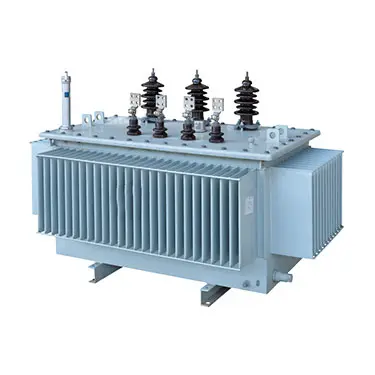
Normal transformer plants work in very different ways from a Natural Ester Transformer Factory. Instead of mineral oil made from petroleum, the insulating and cooling fluids in the power tools we make are recyclable Natural Esters. For ester-based dielectric fluids, these factories have advanced quality systems, climate-controlled environments, and special ways of handling the fluids.
The insulating medium is what makes the difference. Natural Ester fluids have special chemical structures that make them very dielectrically strong while also being completely compostable. Mineral oil stays in the ground and water for decades after a spill, but Natural Ester fluids break down on their own within weeks, reducing the damage to the environment. This feature is especially useful for sites near waterways, nature parks, or cities where the environment is sensitive and the highest safety standards are needed.
When making these transformers, a Natural Ester Transformer Factory must pay close attention to how pure the fluid is and how much moisture is present. Natural Ester fluids are hygroscopic, which means they actively take in water from cellulose paper insulation. This helps protect the insulation from breaking down, extending its service life. However, because of the same characteristic, strict humidity controls must be maintained in manufacturing settings during the assembly process.
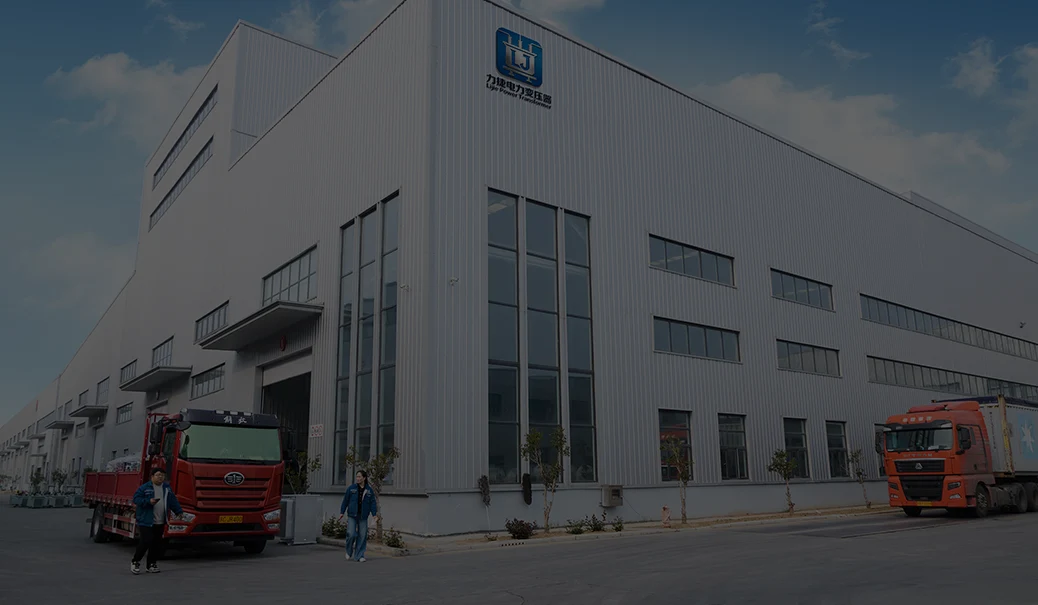
Lijie Electric has sites in Xuzhou and Nantong that are a total of 500,000 square meters and have production lines that are just for making Natural Ester transformers. Because ester-based insulation systems have special needs, our engineering team has come up with special methods to meet those needs. We can make a wide range of voltage classes of transformers, from low-voltage ones rated at 35kV or less to very high-voltage ones rated at 110kV or more. All of these can be insulated with Natural Ester materials.
Our production systems take into account five important technical factors that make Natural Ester transformer manufacturing quality. When measured according to IEC 60156 standards, the dielectric breakdown voltage always goes over 75kV. This makes sure that the fluid purity meets the strictest requirements. We use Karl Fischer titration to accurately measure the amount of moisture in the material, making sure that the levels stay well below the saturation point. The stability of sealed tanks is given extra attention because airtight sealing stops fluid polymerization that happens when oxygen comes in contact with it. Compatibility testing makes sure that paints, glue, and internal gaskets don't break down in settings with esters. Lastly, dissolved gas analysis sets starting points for ethane and methane, which are very different from mineral oil standards and need specific ways to be interpreted.
Because their fire points are so high—above 360°C and their flash points are over 300°C—Natural Ester transformers get K-class fire safety grades. Compared to mineral oil generators, which usually have fire points around 165°C, this is a big gain. This improved fire safety lowers insurance rates, cuts down on the need for firewalls, and lets installations happen in places where mineral oil transformers aren't allowed.
Biodegradability isn't the only environmental benefit. Mineral oil spills are very expensive to clean up and can get you in trouble with the law, but Natural Ester fluids are safe for aquatic life. This is especially helpful for utilities that work near protected rivers or sensitive ecosystems, since a single mineral oil spill can cause cleaning costs that are higher than the cost of buying the transformer in the first place.
The way Natural Ester fluids wick away water changes the way transformers age in a basic way. These fluids slow the hydrolysis process that usually shortens the life of transformers by actively removing water from cellulose paper insulation. Independent tests show that Natural Ester insulation makes paper last five to eight times longer than mineral oil does under the same heat stress conditions.
This longer lifespan has a huge effect on the total cost of ownership calculations. Natural Ester transformers cost 15% to 25% more than mineral oil equivalents when they are first bought, but they usually pay for themselves within 10 to 12 years of service thanks to their longer operating life and lower upkeep needs. Buying managers often find that working with a reliable Natural Ester Transformer Factory can provide more cost-effective solutions when they evaluate the 30-year lifespan costs, which include testing, upkeep, fluid refill, and finally disposal.
Environmental rules are getting stricter, but Natural Ester transformers don't need any special permissions or exemptions to work. Our units fully meet the requirements of IEC 62770 and ASTM D6871, which are standards made just for Natural Ester insulation systems. Our quality management system is certified by ISO 9001:2015, and our products are marked with CE for European markets and UL for North American uses. This wide range of certifications makes buying things easier for international projects and makes sure that rules are followed in all countries.
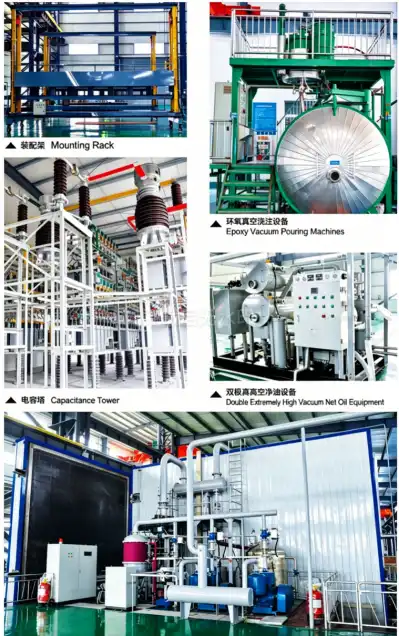
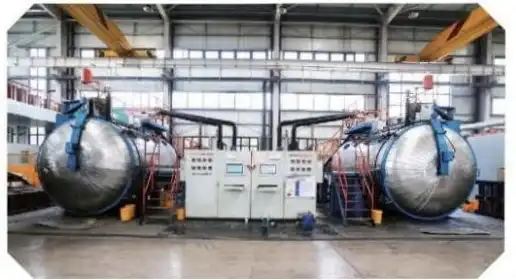
To make these customized transformers, strict process controls are needed that take into account the unique properties of Natural Ester insulation systems.
Core steel laminations get special surface processes that work well in ester conditions. Natural Esters can sometimes react badly with traditional covering systems that were made for mineral oil, which could lead to long-term damage. We use coating methods that have been tested and proven to be compatible with esters through rapid aging tests that last for 1,000 hours at high temperatures.
Assembling tanks takes place in climate-controlled rooms where the relative humidity stays below 40%. Workers finish installing the coils and connecting the leads within set times that limit the amount of time they are exposed to moisture in the air. Because ester fluids are thicker than mineral oil, they need different pressure and temperature profiles than mineral oil transformers. This is why we use vacuum processing cycles that are specifically designed for them.
After being filled, each generator goes through hot oil circulation steps that move the fluid around the insulation system and remove any remaining moisture or trapped gases. Because Natural Ester and mineral oil transformers have different fluid properties, this process usually takes 24 to 48 hours longer for Natural Ester units. A reliable Natural Ester Transformer Factory follows this extended process to ensure that all insulation surfaces are completely saturated and the transformer achieves stable performance during operation.
Our tech team works closely with clients to create unique designs that meet the needs of each application. We can set up Natural Ester insulation systems to meet your needs, whether you need electric furnace transformers for steel plants, rectifier transformers for electrochemical processes, or mining transformers for harsh conditions underground. Our production schedule works for both large framework orders that need to be delivered steadily over the course of several years and urgent repair units that need to be made because something unexpected went wrong.
We keep our production lines open so they can handle batch sizes ranging from a single test unit to series production of more than 100 units. This scalability is especially helpful for renewable energy developers who are putting in standard solar or wind systems that need a lot of similar transformers that can be delivered on time.
To find the right manufacturing partner, you need to look at more than just the product specifications.
When looking at possible suppliers, you should look at how much they produce and how qualified their workers are. Facilities that hire engineering teams with advanced degrees, like ours, which has over 160 professionals with doctoral and master's degrees, show a dedication to technical quality and ongoing growth. How mature a manufacturing process is shown by the amount of goods it makes each year; our 5 billion RMB in sales each year show that our processes are well-established and our supply lines are solid enough to support big infrastructure projects.
The price of a Natural Ester transformer takes into account both the cost of the materials and the unique ways they have to be made. Ask for full quotes that break down the prices into core materials, windings, tank assembly, fluid costs, and tests. This makes it easier to find competitive prices and stay away from bids that are too low, which could mean that the quality has been lowered.
Delivery times depend on how complicated the customization is and how busy the factory is right now. Custom-built units may take 16 to 20 weeks to ship, while standard distribution transformers usually ship within 8 to 12 weeks. Setting up framework deals with agreed-upon yearly amounts is a common way to get priority production times and better prices for big projects that need more than one unit.
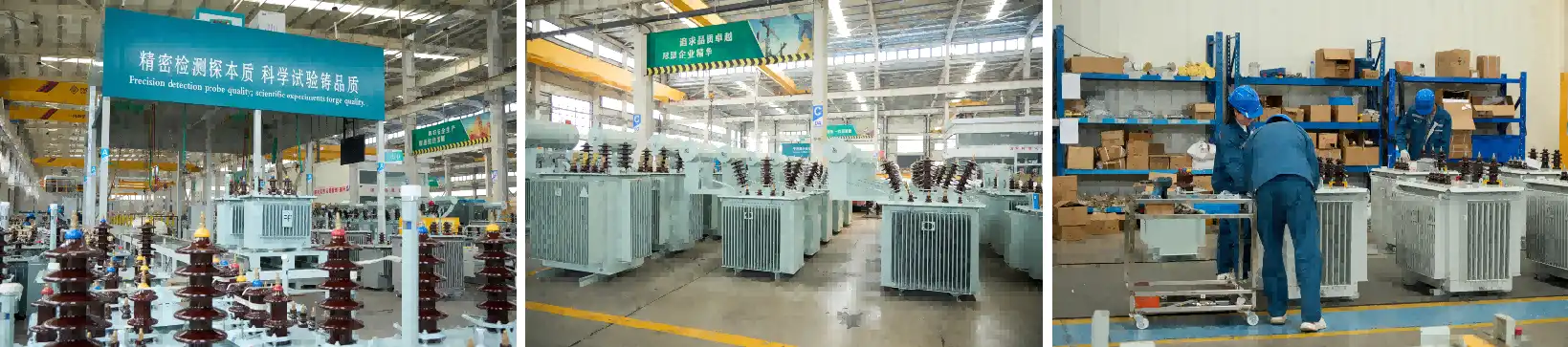
Making Natural Ester Transformer Factories is at the center of changes in the power grid because of several trends that are coming together.
After running successful trial projects, major utilities in North America, Europe, and the Asia-Pacific area now require Natural Ester transformers for all new installations. This growing installed base creates useful operational data that shows how reliable and effective the system is in the real world. Original equipment makers are offering more regular Natural Ester configurations instead of unique orders, which shows that the market is accepting them.
Shipping transformers to Australia, New Zealand, India, Vietnam, Malaysia, Indonesia, and many other countries shows that there is a need for renewable power options around the world. International engineering firms that work on building projects in emerging areas really like how Natural Ester technology lowers their environmental impact and raises fire safety.
Building relationships with Natural Ester transformer manufacturers who have a lot of experience has benefits that go beyond just making purchases. During the planning process of a project, we offer technical advice to help engineers make the best specifications for each working setting. As long as the system is running, we offer support after the sale that includes interpreting dissolved gas analyses, training on maintenance, and help with fixing problems. This way of working together makes sure that your investment in sustainable power infrastructure works well and lasts a long time.
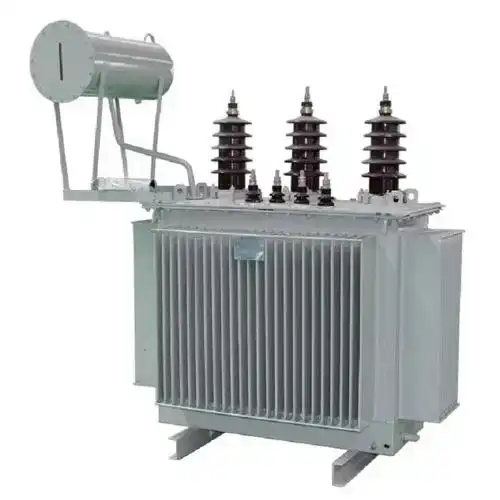
Natural Ester transformers offer better fire safety with K-class ratings, full biodegradability that eliminates the need for environmental cleanup, and longer insulation life—five to eight times longer than mineral oil systems. These benefits make up for higher initial costs by lowering costs over the course of the product's life and making it easier to follow regulations.
It usually takes 8 to 12 weeks from the time an order is confirmed until the standard distribution transformers with Natural Ester insulation are shipped. It usually takes 16 to 20 weeks to make customized units that meet specific voltage classes, resistance needs, or unique uses. Framework deals that promise a certain amount of work often get production scheduled ahead of time and wait times shortened.
Normal installation, connection, and safety tools can be used to set up Natural Ester units just like regular transformers. The transformers work well in electricity networks that are already in place, without any changes to the system. The most important thing to think about is making sure that maintenance staff gets training on how to interpret ester-specific dissolved gas analyses and follow proper moisture management protocols.
As a reliable Natural Ester Transformer Factory provider, Lijie Electric is ready to help you with your sustainable power infrastructure projects. Our two advanced manufacturing bases, which cover 500,000 square meters, and our team of over 160 engineers with advanced degrees give your projects the technical know-how and output capacity they need. We make transformers for 35kV distribution units up to 500kV ultra-high-voltage systems. All of them can be insulated with Natural Ester, which is safe for the environment. You can email our team at lijieelectrical@gmail.com to talk about your unique needs, get full technical specifications, or get personalized quotes. You can look at our full range of products at lijie-electrical.com and learn why utilities, developers of green energy, and industry users around the world trust Lijie Electric to provide them with reliable, certified, and environmentally friendly transformer solutions.
1. International Electrotechnical Commission (2013). IEC 62770: Fluids for Electrotechnical Applications – Unused Natural Esters for Transformers and Similar Electrical Equipment. Geneva: IEC Publications.
2. ASTM International (2019). ASTM D6871: Standard Specification for Natural (Vegetable Oil) Ester Fluids Used in Electrical Apparatus. West Conshohocken: ASTM International.
3. Martin, R., Athanassatou, H., Duart, J.C., Perrier, C., Sitar, I., Walker, J., & Claiborne, C. (2010). Experiences in Service with New Insulating Liquids. CIGRE Session Papers, Paris.
4. McShane, C.P., Rapp, K.J., Corkran, J.L., Gauger, G.A., & Luksich, J. (2006). Aging of Paper Insulation in Natural Ester Dielectric Fluid. IEEE/PES Transmission and Distribution Conference and Exposition.
5. Perrier, C., Ryadi, M., & Bertrand, Y. (2009). Comparison Study of Vegetable Oils and Mineral Oil Performance Under Lightning Impulse Voltage. IEEE Conference on Electrical Insulation and Dielectric Phenomena.
6. Tenbohlen, S., Koch, M., Vukovic, D., Weinläder, A., Harthun, J., Neuhold, S., & Polansky, R. (2008). Application of Vegetable Oil-Based Insulating Fluids to Hermetically Sealed Power Transformers. CIGRE Session Papers, Paris.
YOU MAY LIKE
18%20type%2035KV%20power%20transformer.webp)
14%20Epoxy%20Resin%20Dry%20Type%20Transformer.webp)



April 27, 2025
With a tight project schedule, the manufacturer delivered on time, and on-site technical personnel provided guidance throughout the entire installation and commissioning process; the collaboration was highly efficient and hassle-free.
July 2, 2025
During the preliminary phase, a selection plan was custom-tailored based on the actual site load requirements, resulting in a high degree of parameter compatibility. After-sales support responds within two hours, and ongoing technical support for operation and maintenance is comprehensive; we feel completely confident in a long-term partnership.
November 18, 2025
Deployed as a supporting component for a 35kV grid-connection project at a photovoltaic power station, the equipment operates for an average of 16 hours daily. It demonstrates excellent control over no-load losses, ensures smooth power generation and grid integration, and effectively reduces the station's overall energy consumption.
January 30, 2026
Under the continuous, high-load operating conditions of a factory production line, the equipment maintains stable electrical parameters and exhibits strong overload resistance, thereby guaranteeing an uninterrupted power supply for industrial production.
April 3, 2026
Integrated as a supporting component for a new energy photovoltaic grid-connection system, the manufacturer provided professional technical coordination and timely after-sales support, ensuring seamless adaptation to the specific electrical operating conditions required for grid integration.