April 27, 2025
With a tight project schedule, the manufacturer delivered on time, and on-site technical personnel provided guidance throughout the entire installation and commissioning process; the collaboration was highly efficient and hassle-free.
Jul 26, 2026
When selecting power distribution equipment for big utility or industrial projects, people making the choices are under a lot of pressure to find the best mix between initial costs and long-term operating efficiency. The S18 type oil-immersed distribution transformer takes this problem head-on by providing Tier 1 energy saving performance that lowers costs by a large amount over its lifetime. This transformer is designed to meet the energy efficiency standards of GB 20052-2020 and is made with fully sealed corrugated tank technology. It has 10–20% less losses than older S13 models, which makes it a great choice for power utilities, renewable energy developers, industrial manufacturers, and infrastructure projects all over the United States. Because it is completely sealed, it doesn't need oil conservators. This stops moisture from getting in and oil from going bad, which are two of the most common reasons why transformers fail early. This means that it will work without much care for 10 to 15 years, which is a huge benefit for remote sites and high-demand uses.
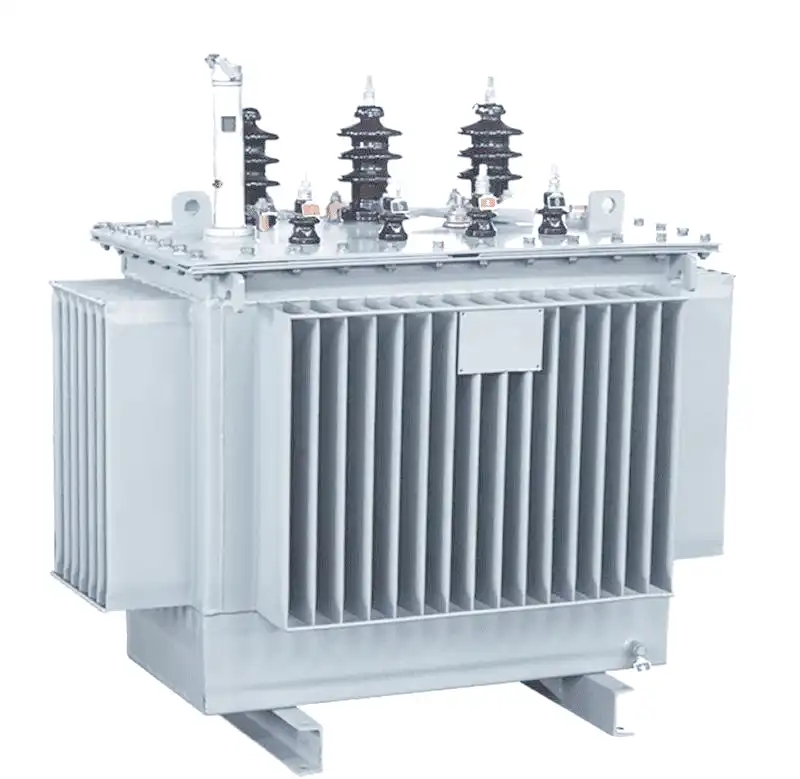
The S18 type oil-immersed distribution transformer uses high-permeability cold-rolled grain-oriented silicon steel cores to change electrical energy from one voltage level to another. It does this by using electromagnetic induction. The S18 type oil-immersed distribution transformer is different from other designs because it has multiple overlapped joint processes that keep magnetostriction and noise levels below 45dB. This makes it perfect for urban substations and other places that need to be quiet. Traditional breather systems have been replaced by fully sealed curved oil tanks. These keep the insulation oil away from oxygen and moisture in the air. This new idea greatly increases the life of the oil and keeps the electrical strength even after decades of continued use.
The S18 type oil-immersed distribution transformer series has voltage levels of 6 kV and 12 kV, which are good for medium-voltage distribution networks. Its power ranges from 30 kVA to 3,150 kVA. It works with both single-phase and three-phase setups, and the link groups can be named Yyn0 or Dyn11. This is so it can meet the needs of different grids. Non-excitation voltage regulation with tap ranges of ±5% or ±2x2.5% lets workers change the output voltage without turning off the power, so it can adapt to changes in the source and load. The shielding system can handle a power frequency withstand voltage of 35 kV AC and an impulse withstand voltage of 75 kV. This means it will work reliably in places where lightning is frequent or during switching operations.
With 50 Hz and 60 Hz operating frequency choices, the S18 type oil-immersed distribution transformer is compatible with foreign grid standards. This means it can be used for export projects in a variety of markets. The oil-immersed self-cooling (ONAN) method uses the larger surface area of the curved tank to naturally get rid of heat, so there's no need for forced-air fans or pumps, which are more complicated and need more upkeep. This passive cooling method makes things more reliable, especially in places where extra equipment might break down because of dust, humidity, or not getting serviced regularly.
The S18 type oil-immersed distribution transformer's structure is fully sealed, so it doesn't need as much regular upkeep as older transformer designs. When inspecting from the outside, you should pay attention to the soundness of the bushings and the ends of the cables. You should also look for signs of oil leaks or mechanical damage to the tank. Dissolved Gas Analysis (DGA) of insulating oil is still the best way to predict when maintenance will need to be done. It can find small problems like burning, partial discharge, or arcing before they get worse. Under normal working conditions, testing processes usually last three to five years. This cuts down on labour costs and downtime.
In industrial settings, common fault causes include harmonic loads making the wire too hot, moisture getting into the insulation and breaking it down, and mechanical stress from short-circuit forces. The S18 type oil-immersed distribution transformer protects against these risks with vacuum-dried insulation systems, hermetic seals, and a strong short-circuit impedance design (usually 4-6%) that lowers fault currents and mechanical loads when the grid goes down.
The change from S11 to S13 and now S18 type oil-immersed distribution transformers shows how core materials, winding methods, and heat control are always getting better. Even though they are still in use, S11 models have much higher no-load losses and noise than S18 type oil-immersed distribution transformers. The S13 series was more energy-efficient, but it didn't meet the new 2020 Tier 1 energy standards that many places require for new installs. The S18 type oil-immersed distribution transformer has 20–30% less no-load losses than the S13 units because it uses improved silicon steel grades with better permeability and lower core loss coefficients to improve magnetic flux density.
Better coil design and circuit material choice can also help lower load losses. Over the S18 type oil-immersed distribution transformer's 30-year working life, this leads to a lower total cost of ownership, as the savings in energy from smaller losses add up each year. When purchasing managers look at the overall costs, they will see that the small extra cost of an S18 type oil-immersed distribution transformer unit is paid for within three to five years just by the money saved on electricity. This makes it the smart choice for projects that want to be environmentally friendly and run efficiently.
For indoor sites where fire safety is very important, dry-type transformers are better. However, oil-immersed units like the S18 type oil-immersed distribution transformer have better thermal capacity and overload tolerance. The shielding oil does two things: it keeps electricity from flowing and it moves heat around. This makes it easier for oil-immersed transformers to handle short-term overloads, which is important in industrial settings where demand changes often. Because the S18 type oil-immersed distribution transformer is sealed, there are fewer worries about oil spills and environmental damage. This makes it safer to use than dry-type units while still providing the heat benefits of liquid insulation.
On top of that, oil-immersed transformers are usually cheaper when they have higher capacity values. When projects need transformers with more than 1,000 kVA, the S18 type oil-immersed distribution transformer is often a better deal than similar dry-type types. This is especially true when installation room is limited but placing the transformer outside is an option.
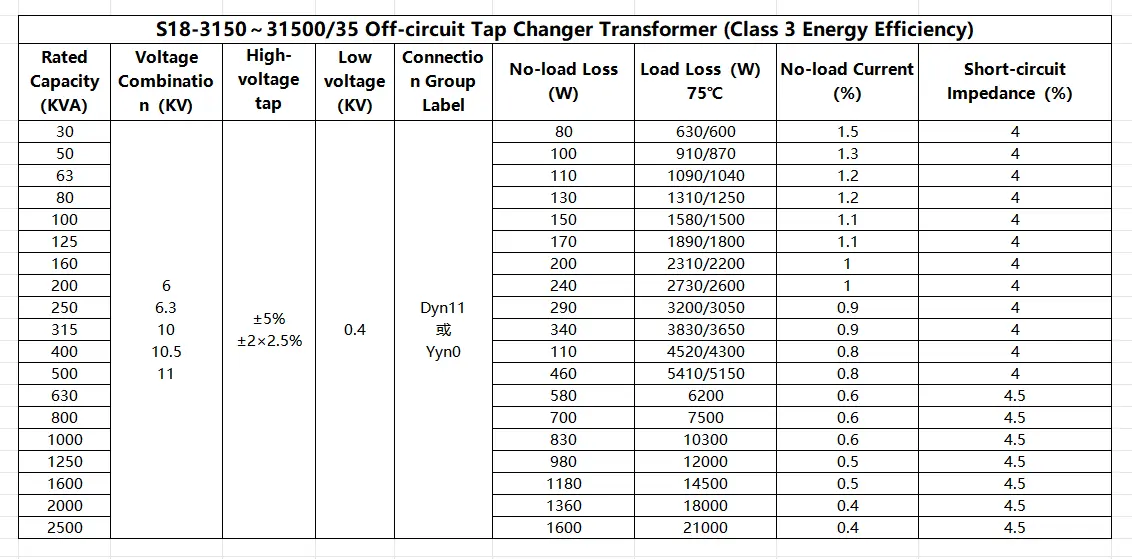
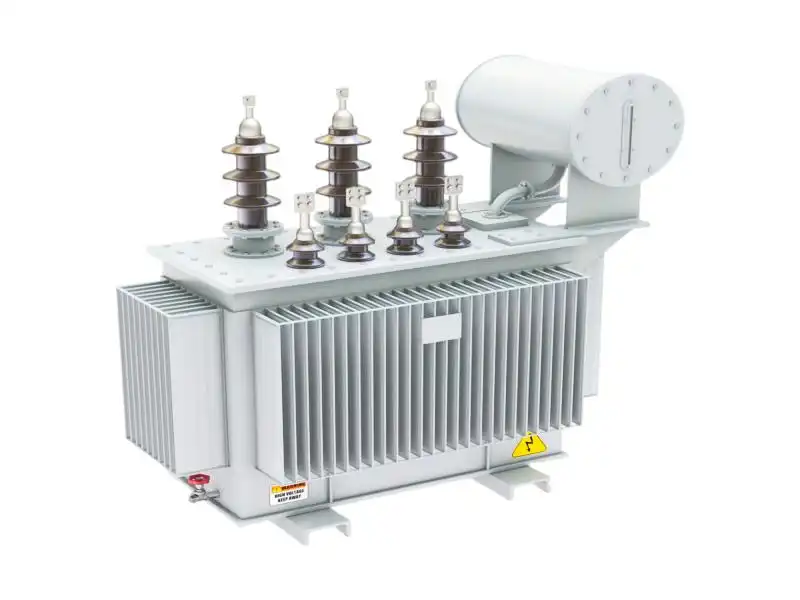
Transformers need to have as few no-load losses (core losses) and load losses (winding resistance losses) as possible in order to be as energy efficient as possible. The S18 type oil-immersed distribution transformer takes on both by using material science and engineering to make things better. Eddy current losses in the core are cut down by high-grade silicon steel with laser-scribed domain improvement. Compared to flat-wall tanks, curved tanks have about 30% more surface area, which improves natural airflow cooling without making the system more complicated.
Using thermal modelling during the planning phase makes sure that the temperature is evenly spread across the windings. This stops hotspots that cause insulation to age faster. The fully sealed oil system keeps the S18 type oil-immersed distribution transformer's electrical properties stable over its lifetime. This is different from designs with breathers, where moisture slowly gets into the oil and lowers its performance. Together, these features give reliable energy efficiency that meets or beats IEC 60076 standards. This has been proven by strict factory acceptance tests that include heat run tests and measuring loss with high-precision power analysers.
Independent tests by national transformer quality control centers show that S18 type oil-immersed distribution transformer units have no-load losses that are 10–20% lower than S13 versions. Load losses are also lower because the wire size and winding geometry have been optimised. The S18 type oil-immersed distribution transformer is an investment that will pay off in the future because it meets the GB 20052-2020 Tier 1 efficiency standards. This is in line with stricter rules on energy use in the power sector. The S18 type oil-immersed distribution transformer's high efficiency levels help utilities with grid modernisation projects, which supports goals for integrating green energy and lowering carbon emissions.
Performance data from field sites shows that the systems work reliably in a wide range of situations, from humid coastal areas to dry deserts. The rise in temperature during rated load stays well within the limits for Class A insulation. This makes sure that the insulation will last a long time and be reliable.
To find a good S18 type oil-immersed distribution transformer maker, you need to carefully look at their production skills, licenses, and customer service after the sale. Look for suppliers that have been certified with the ISO 9001:2015 Quality Management method. This shows that they have a method for controlling quality throughout the whole production process. International certificates like CE, UL, and IEC compliance show that a product meets safety and performance standards around the world. This is important for projects that involve exporting and building infrastructure across borders.
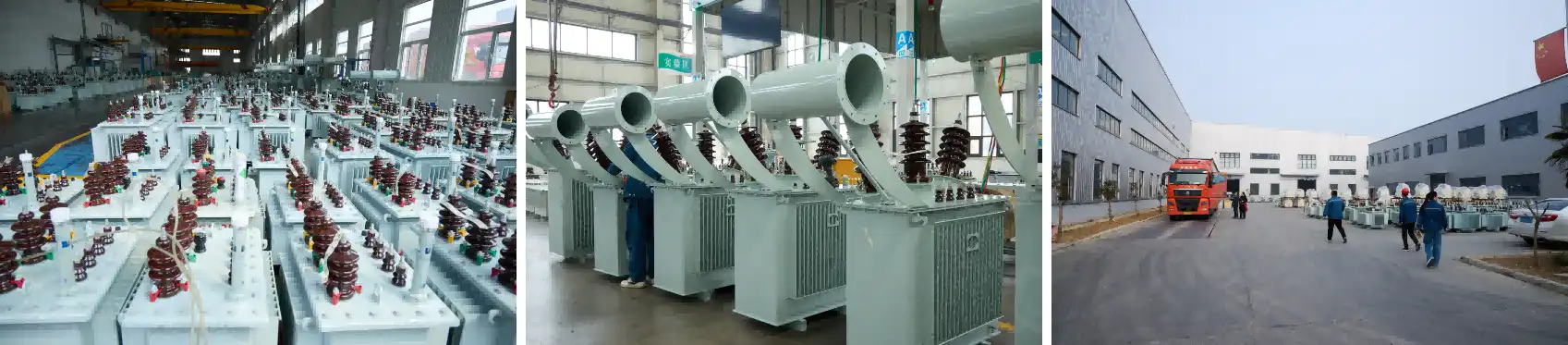
When projects need to place a lot of orders quickly, production ability is important. Manufacturers with dedicated transformer production lines that cover hundreds of thousands of square meters and more than 2,000 workers, including specialised engineering teams, can handle large orders without sacrificing quality or time. Check to see if the possible sources you're interested in have their own testing facilities where you can do regular, type and special tests, such as dielectric tests, loss measurements and mechanical integrity checks like pressure leak and vacuum leak tests.
Transformers have to meet different technical standards for different uses, such as expanding the power grid, upgrading industrial plants, or adding green energy sources, and for an S18 type oil-immersed distribution transformer, this means being able to adjust impedance voltage, connection groups, tap ranges, and even insulating oil types (mineral oil, synthetic ester, or biodegradable fluids like FR3) to suit the specific project requirements. Responding providers let you change more than just the specs listed in their catalogues. They can change things like impedance voltage, connection groups, tap ranges, and even insulating oil types (like mineral oil, synthetic ester, or biodegradable fluids like FR3) to fit the needs of your unique project. Having collaborative engineering support during the specification phase helps buying teams choose the best transformers by preventing over-specification, which raises costs, and under-specification, which lowers reliability.
Long-term relationships with makers make it easier to keep improving. Data from the field is used to refine products and come up with new designs for the next generation. When you focus on stable, multi-year framework deals for procurement, you can be sure that your suppliers will promise to consistent quality, predictable prices, and giving you priority during times of high demand.
Manufacturers that are named National High-Tech Enterprises or Specialised, Refined, and New "Little Giant" enterprises show that they are stars in the transformer industry when it comes to technology and new ideas. Awards for quality excellence, contract integrity, and environmental care show that a company is committed to doing business in a way that is sustainable and in line with what customers value. Feedback from utilities, EPC contractors, and industrial operators gives us useful information about how things really work in the real world. For example, reviews talk about less repair work, lower energy costs, and reliable operations over many years of service.
Case studies from renewable energy projects show how the S18 type oil-immersed distribution transformer's low excitation current and high thermal longevity can handle the changes in load that come with solar and wind power. In mines, steel production, and chemical manufacturing, the transformer's ability to provide stable power under constant high loads is shown. This is true even in corrosive or humid situations where protected construction is necessary.
Leading makers don't just sell transformers; they also offer complete power distribution solutions that include site inspections, help with designing electrical systems, supervision of installations, and help with commissioning. Complex projects get the right help when they can talk to technical experts with PhD and master's degrees in electrical engineering. These experts can help with everything from harmonic analysis and load profiling to security planning and thermal management. This all-in-one service model lowers project risk and speeds up time-to-operation, which is especially helpful for foreign EPC contractors who are in charge of handling complex infrastructure projects.
Choosing the S18 type oil-immersed distribution transformer is a smart move that will save money on energy costs, make operations more reliable, and lower costs over the life of the transformer. Procurement managers, electrical engineers, and project managers in the power utilities, green energy, industrial manufacturing, and building sectors can rest easy knowing that it meets international standards, is hermetically sealed, and is made of high-tech materials. The S18 type oil-immersed distribution transformer is the best choice for grid modernisation, renewable energy integration, and demanding industrial uses because it has 10–20% less losses than older models, almost no upkeep, and has been tested and proven to work in a wide range of situations. Working with well-known manufacturers gives you access to high-quality goods, the ability to customise them, and the expert help you need to make your project a success.
The S18 type oil-immersed distribution transformer has a better efficiency-to-cost ratio because it meets 2020 national energy standards with a much lower magnetic flux density than S13 models. This means that it has lower core losses and runs more quietly. While S20 names may refer to future standards, the S18 type oil-immersed distribution transformer is the newest technology that is currently available on the market and strikes a good balance between performance and price.
Because of its unique oil-path design and strong thermal management, the S18 type oil-immersed distribution transformer can handle short-term overloads according to IEC 60076-7 standards without the insulation breaking down quickly. This gives it operating flexibility during times of high demand or emergencies.
The S18 type oil-immersed distribution transformer doesn't need much care for the first 10 to 15 years, just cleaning the outside and checking the bushings. This is because it is hermetically sealed, which keeps oil from coming into touch with air. Doing a dissolved gas analysis every three to five years can help with predictive maintenance, which means finding problems before they happen.
For better fire safety and environmental protection, the S18 type oil-immersed distribution transformer can be filled with FR3 ester fluids or synthetic biodegradable oils as a customisation option. This makes it perfect for installations where spill containment or flammability worries require the use of different dielectrics.
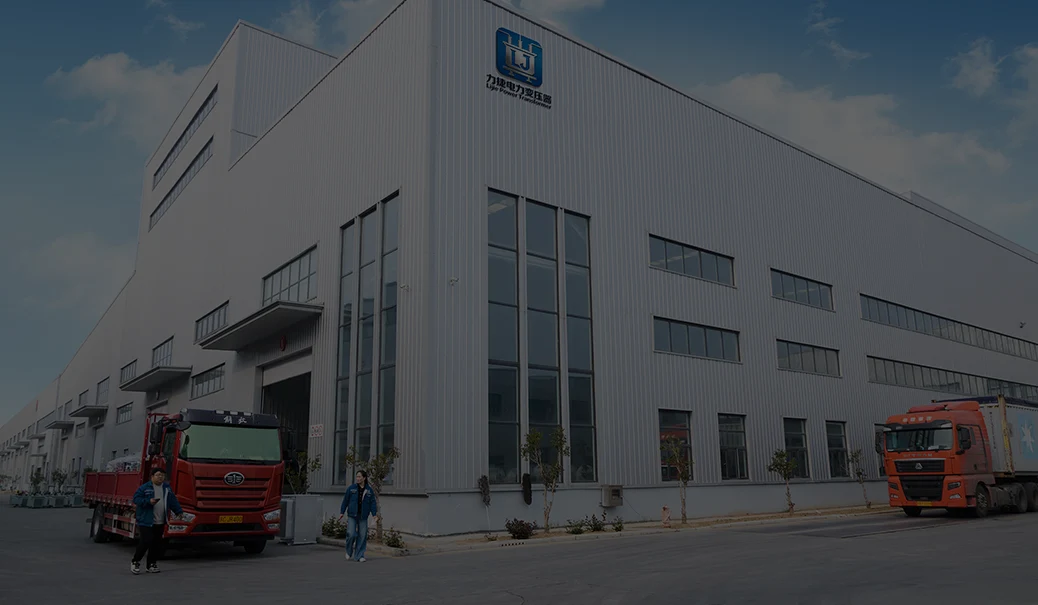
Lijie Electric Technology Group has been making high-quality transformers for over 20 years and also does cutting-edge research and development. They have production sites that cover 500,000 square meters and hire more than 160 engineers with advanced degrees. Our S18 type oil-immersed distribution transformer supplier options have been shown to work reliably in heavy industrial settings, green energy projects, and utility grids across North America and beyond. We are certified to ISO 9001:2015, CE, UL, and IEC standards, and we offer full customisation, faster delivery for big orders, and full expert support from the design stage through approval. You can email our team at lijieelectrical@gmail.com to talk about your project needs, get full specifications, or get cheap quotes that fit your procurement deadline. Visit lijie-electrical.com to see all of our products and learn how our energy-efficient transformer solutions can help you save money and make the grid more reliable.
1. IEEE Standard C57.12.00-2015, "General Requirements for Liquid-Immersed Distribution, Power, and Regulating Transformers," Institute of Electrical and Electronics Engineers, 2015.
2. International Electrotechnical Commission, "IEC 60076-1: Power Transformers – Part 1: General," Edition 3.0, 2011.
3. U.S. Department of Energy, "Energy Conservation Program: Energy Conservation Standards for Distribution Transformers," Federal Register, Vol. 78, No. 72, 2013.
4. National Electrical Manufacturers Association, "NEMA TP-1: Guide for Determining Energy Efficiency for Distribution Transformers," 2018 Edition.
5. Zhang, L. and Wang, H., "Advanced Materials and Design Techniques for Low-Loss Power Transformers," Proceedings of the International Conference on Electrical Machines and Systems, 2019.
6. Smith, R. J., "Life Cycle Cost Analysis of Oil-Immersed vs. Dry-Type Distribution Transformers in Industrial Applications," Electric Power Systems Research Journal, Vol. 145, 2020.
YOU MAY LIKE


13%20type%20epoxy%20resin%20cast%20transformer.webp)

10%20type%20dry-type%20distribution%20transformer.webp)
18%20type%2035KV%20power%20transformer.webp)
April 27, 2025
With a tight project schedule, the manufacturer delivered on time, and on-site technical personnel provided guidance throughout the entire installation and commissioning process; the collaboration was highly efficient and hassle-free.
July 2, 2025
During the preliminary phase, a selection plan was custom-tailored based on the actual site load requirements, resulting in a high degree of parameter compatibility. After-sales support responds within two hours, and ongoing technical support for operation and maintenance is comprehensive; we feel completely confident in a long-term partnership.
November 18, 2025
Deployed as a supporting component for a 35kV grid-connection project at a photovoltaic power station, the equipment operates for an average of 16 hours daily. It demonstrates excellent control over no-load losses, ensures smooth power generation and grid integration, and effectively reduces the station's overall energy consumption.
January 30, 2026
Under the continuous, high-load operating conditions of a factory production line, the equipment maintains stable electrical parameters and exhibits strong overload resistance, thereby guaranteeing an uninterrupted power supply for industrial production.
April 3, 2026
Integrated as a supporting component for a new energy photovoltaic grid-connection system, the manufacturer provided professional technical coordination and timely after-sales support, ensuring seamless adaptation to the specific electrical operating conditions required for grid integration.