April 27, 2025
With a tight project schedule, the manufacturer delivered on time, and on-site technical personnel provided guidance throughout the entire installation and commissioning process; the collaboration was highly efficient and hassle-free.
Jul 26, 2026
To choose the right S22 type 35KV oil-immersed power transformer, you need to carefully look at its technical specs, working needs, and ability to last for a long time. These transformers are important parts of power grids, installations for renewable energy, and heavy industrial uses. The S22 is the newest standard for energy efficiency. It meets GB 20052-2020 Grade 1 standards by using advanced materials and designing the magnetic circuit in the best way possible. To make sure this equipment works safely and efficiently for decades, buying teams have to weigh the needs for capacity, voltage settings, weather conditions, and total lifecycle costs.
The S22 type 35KV oil-immersed power transformer has become an important part of medium- to large-scale electrical building projects in today's world of power distribution. This guide helps procurement managers, electrical engineers, and project leaders make decisions that are hard because they need transformers that work really well and meet strict international standards. The S22 series has capacity ranges from 630KVA to 31,500KVA, so it can be used for a wide range of tasks, from regional utility networks to specific industrial loads. Our in-depth study includes technical details, benefits and disadvantages, upkeep issues, and criteria for judging suppliers that are designed to meet the needs of global B2B buyers who are in charge of big projects that need to be reliable.
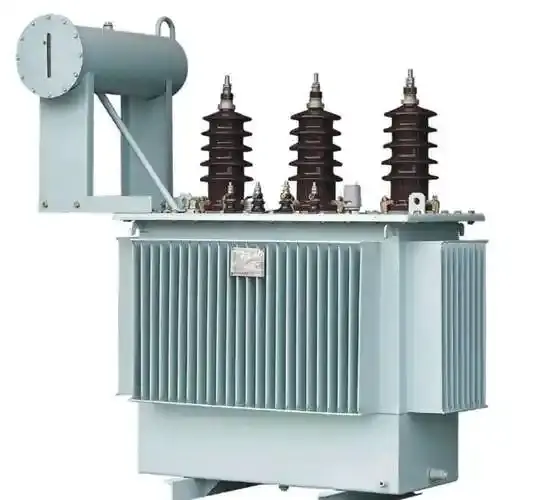
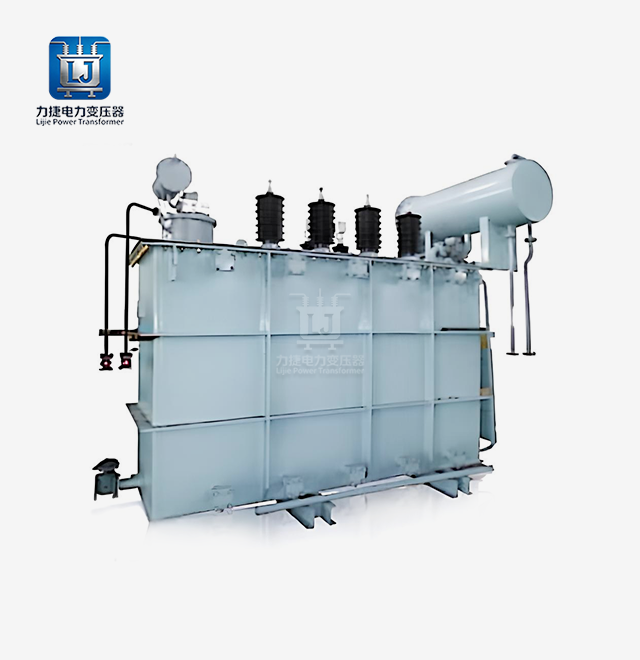
The S22 designation refers to the newest generation of oil-immersed distribution equipment that was made to have very low loss. The S22 type 35KV oil-immersed power transformer is different from others because it uses high-permeability cold-rolled grain-oriented silicon steel that has been laser-scribed. This makes the no-load losses about 25–30% lower than the S13 series and 43% lower than the S11 models. Electricity flows through the transformer using electromagnetic induction, and oil acts as both a buffer and a dielectric insulator medium. This fully sealed corrugated tank design keeps air and wetness from getting into the insulating oil, which makes it last much longer than 35 years. According to GB/T 1094.5 standards, the design has high-purity electrolytic copper windings with two layers of insulation that make it more resistant to short circuits and allow it to handle 2.5 times the rated current for two seconds.
There are different voltage setups to fit different distribution needs. The high-voltage sides are rated at 35KV±2±2.5%, and the low-voltage choices are 10kV, 6kV, and 0.4kV. Most utility and industry needs can be met by the standard combinations of 35KV/10kV and 35KV/0.4kV. However, tap ranges can be extended to ±3¿2.5% for specific voltage control needs. Connection groups use Dyn11 as their preferred configuration because it offers the best anti-harmonic interference, which is very important for nonlinear loads like charging infrastructure, renewable energy converters, and variable frequency drives. For some uses, the alternative Yd11 configuration is still available. Different cooling methods are used for different power levels. Oil-immersed self-cooling (ONAN) is used for units between 500KVA and 2,500KVA, while oil-immersed air cooling (OFAF) is used for units above 3,150KVA and increases heat transfer efficiency by 45% when the system is at full load.
The main difference is how energy-efficient the unit is, and for an S22 type 35KV oil-immersed power transformer, a 1,000KVA unit delivers no-load loss of less than 800W and load loss of less than 7,200W, representing a 10% reduction in no-load loss and 4% reduction in load loss compared to S20 predecessors, saving more than 2,200kWh annually per transformer. At rated current, a 1,000KVA unit has no-load loss of less than 800W and load loss of less than 7,200W. Compared to S20 predecessors, these changes mean that no-load loss is 10% lower and load loss is 4% lower. This means that each transformer saves more than 2,200kWh of energy each year. The sound quality is the best in the business, and noise levels are kept to a maximum of 50dB(A) for 1,000KVA units. This is 8dB(A) below the national standard JB/T 10088 and about the same as a regular conversation. The H+ class insulation system can handle temperatures up to 200℃ as long as the partial discharge level stays below 2pC. This means that it can work reliably even in hot places. According to GB/T 1094.2, the temperature rise limits for windings stay below 65K, and for top oil layers they stay below 55K. This keeps the system from boiling even when it's working at a high load for a long time.
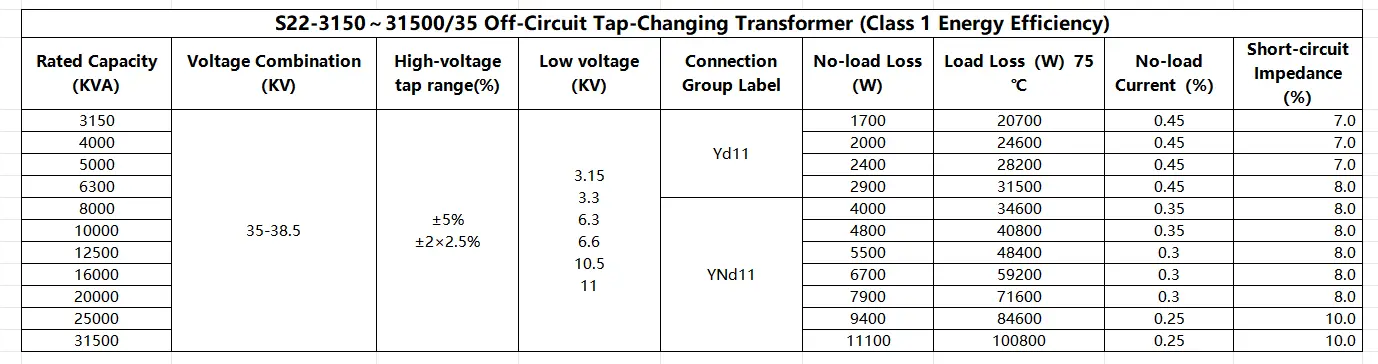
The first step in making the right choice is meeting capacity. Projects need to look at both the current load needs and the expected growth over the transformer's useful life. The S22 series has capacities ranging from 630KVA to 31,500KVA, and it can also support custom special capacities. This lets you get the right alignment for your specific load scenarios. A short-circuit impedance of 6.5% with a deviation of 10% gives the best balance between fault current limitation and voltage regulation, giving full impact resistance when the system is disturbed. Insulation levels meet strict requirements, with lightning protection up to 170KV peak and a high-voltage power frequency withstand voltage of 70KV for one minute. Low-voltage 10kV configurations can handle 42KV power frequency testing. These settings make sure that the system works reliably even when the power changes quickly, which can happen in industrial and utility settings.
The operating conditions have a big effect on the choice of transformer and how long it lasts. With an IP67 rating and C5-M corrosion resistance, S22 type 35KV oil-immersed power transformer units can be used in harsh outdoor settings, such as high-salt-spray areas near the coast, highly polluted industrial zones, and sites up to 3,000 meters above sea level. Load-bearing voltage regulation lets the power stay on while the system is being adjusted, and reliable tap-changing mechanisms make sure the system lasts a long time with plenty of safety margins. Because these transformers are compatible with intelligent controls, they can be added to a smart grid. This means that they can support remote monitoring and predictive repair routines, which are becoming more and more important to utility companies today. Temperature steadiness across changing environmental conditions gets rid of worries about performance dropping during certain times of the year or being limited by where you live.
The total cost of ownership includes more than just the buying price. It also includes how much energy it uses, how often it needs to be maintained, and how long it lasts. Because S22 transformers use less energy, they give you a real return on your investment over many years of use because they reduce electrical losses. Procurement managers should look at the warranty terms. Manufacturers with a good reputation will offer full coverage as a sign that they are confident in the product's durability. For multi-phase building projects that need hundreds of units supplied on time, it's important that suppliers can handle bulk deliveries, technical customisation, and quick customer service after the sale. Certification compliance, such as ISO 9001, IEC 60076, CE, and UL marks, shows that the quality of the manufacturing is consistent and makes it easier for regulators to approve products in different international markets.
Compared to designs that came before it, the S22 shows big improvements in all speed measures, and an S22 type 35KV oil-immersed power transformer delivers a 43% reduction in no-load loss compared to S11 units, a 10% improvement over S20 in no-load loss, and a 4% reduction in load loss, making it one of the most energy-efficient transformers available for medium-voltage distribution networks. The 43% less no-load loss compared to S11 units has a direct effect on operational economics, especially for transformers that are only partially loaded during off-peak hours. Even when compared to the more modern S20 series, the 10% improvement in no-load loss and the 4% decrease in load loss are big improvements in efficiency. These improvements come from using better core materials and magnetic flux paths that waste less energy. The sound advantage is also very amazing. S22 units are 3dB(A) quieter than S20 units, which is a big difference that can be heard in residential areas or noise-sensitive industrial settings.
The fully sealed curved tank design of S22 transformers solves the problems that usually come with oil-immersed equipment, like how water can get in and the oil breaking down. By getting rid of breathing mechanisms that let dirty air into insulating oil, maintenance intervals are greatly increased while dielectric properties are kept throughout the operational lifecycle. Because of this new design, current oil-immersed transformers are now as low-maintenance as dry-type options, but they still have better thermal and electrical performance.
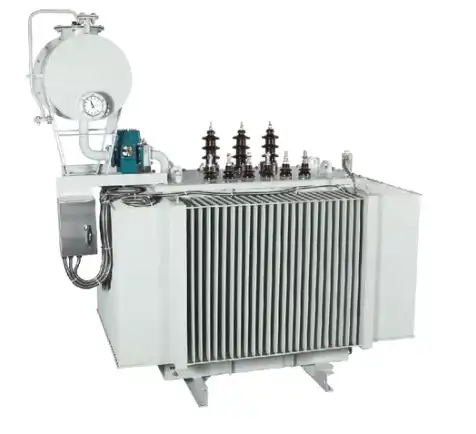
To get the most out of a transformer's operational life, it needs to be carefully watched over and maintained regularly. For a S22 type 35KV oil-immersed power transformer, dissolved gas analysis (DGA) and breakdown voltage (BDV) tests should be done on the oil quality once a year or after any system change. These testing methods find small problems before they become big ones. For example, they can find internal arcing, overheating, or moisture exposure early on. Temperature tracking makes sure that the temperatures of the windings and the top oil stay within certain ranges under different loads. The 24-hour pressure test at 0.05MPa shows that the corrugated tank system's seal is strong. This means that there is no leakage that could damage the insulation or put environmental dangers at risk.
Visual exams should check the outside conditions, such as the paint's soundness, the cleanliness of the bushings, and the functioning of the cooling system. For OFAF-cooled units bigger than 3,150KVA, the fan operation and control systems need to be checked on a regular basis to make sure they keep working as well as they should at removing heat. Even though tap changer mechanisms are made to require little maintenance, operational cycle counts and contact resistance measurements can help find wear before it causes performance to decline.
Overheating is the most common type of transformer fault, and for an S22 type 35KV oil-immersed power transformer, the design's conservative temperature rise limits and improved cooling systems significantly reduce this risk, though proper spacing and airflow remain essential for reliable operation. It usually happens because of poor cooling, too much load, or problems with the internal windings. These risks are lessened by the S22 design's conservative temperature rise limits and better cooling systems, but it is still important to make sure there is enough space between installations and airflow. Insulation breaks down slowly over many years, but it happens faster when it is exposed to heat, water, or too much electricity. The fully sealed tank stops moisture from getting in, which has been a problem with breathing-type transformers in the past. The H+ class insulation system with partial discharge levels below 2pC also protects against premature ageing. Concerns about oil leaks are greatly reduced because the corrugated tank design eliminates gasket failure spots. However, it is still important to be careful during installation when using bushing seals and accessory fittings.
Lightning strikes, system short circuits, and voltage surges are all outside forces that test the transformer's strength. The strong short-circuit current capacity and lightning impulse withstand rating of 170KV protect against most transient events. However, proper system grounding and surge protection coordination improve overall reliability. During production, quality control measures like electrical tests, temperature rise verification, and harmonic analysis make sure that every unit meets the requirements before it is sent out. This lowers the number of infant mortality failures that can happen with lower-quality equipment.
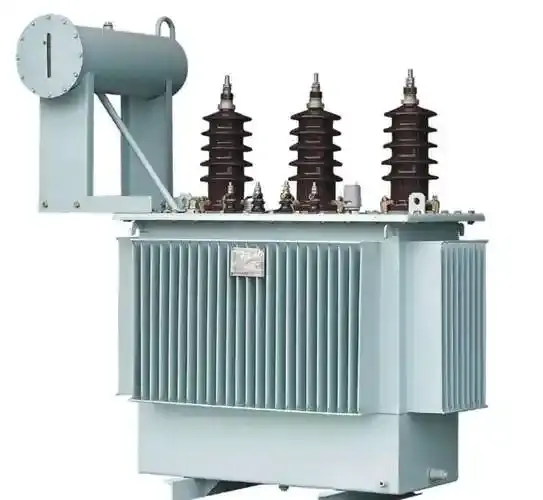
Choosing the right transformer maker is just as important to the success of a project as choosing the right tools. Suppliers whose established production capacity is more than 500,000 square meters and whose staff includes more than 160 engineers show that they have the infrastructure to handle large orders with consistent quality. Having certifications like ISO 9001, IEC standards compliance, CE marking, and UL listing shows that the way things are made and how well they are managed meet foreign standards. Being named a "National High-Tech Enterprise" or a "Specialised, Refined, and New Little Giant" business by the government means that the company is innovative and technically proficient.
An evaluation of production capacity should check the company's ability to deliver large amounts of goods on time, in line with the plans for different parts of the project. Suppliers with yearly sales of more than 5 billion RMB usually keep a lot of inventory and good ties in the supply chain so they can quickly meet urgent needs. When projects need non-standard power combinations, unique mounting setups, or specific environmental protection needs, technical customisation becomes very important. Instead of limiting customers to what's in their catalogues, companies with specialised research and development teams can come up with custom solutions to solve problems in specific applications.
Clear price structures should include the base cost of the equipment along with installation help, commissioning help, and guarantee coverage. When you buy in bulk for projects that need more than one unit, you get economies of scale that lower the cost per unit and make logistics easier for everyone. When energy efficiency, dependability, and maintenance needs are taken into account in the total cost of ownership calculation, however, the lowest initial price rarely means the best long-term economics. Over the course of 30 years, S22 efficiency improvements save a transformer 2,200 kWh of electricity each year. This saves the company a lot of money, often more than the extra cost of buying more efficient equipment at first.
Investments worth hundreds of thousands to millions of dollars are protected by after-sales service features like expert support, extra parts availability, and quick response times for field service. When suppliers give full product training to client maintenance teams and offer online diagnostic support, practical risks are lower for equipment that serves important infrastructure functions. Logistics for delivering heavy equipment that weighs several tonnes each require the ability to coordinate to make sure that the equipment is transported safely and arrives on time to meet building plans, even if the shipping routes are across international waters.
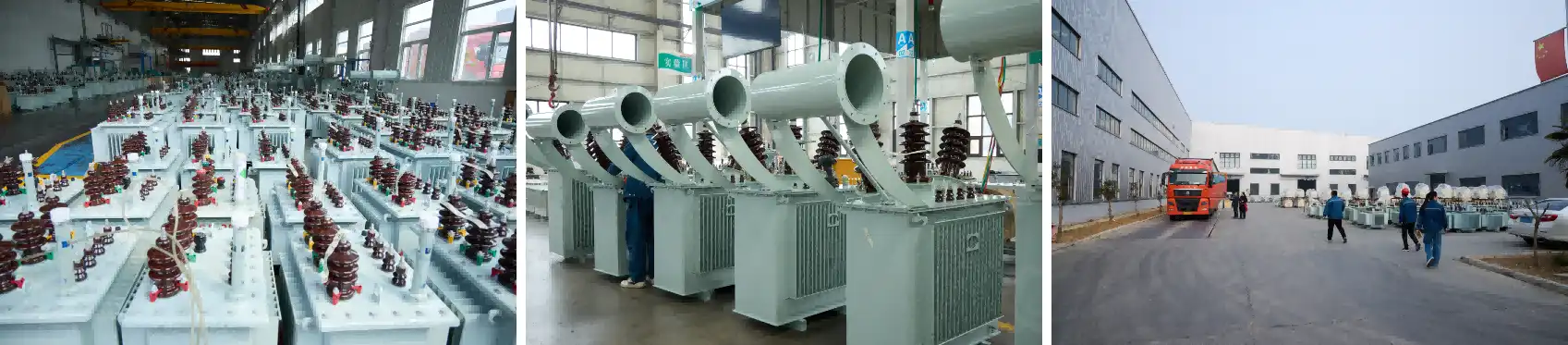
To find the best S22 type 35KV oil-immersed power transformer, you need to carefully look at its technical specs, making sure they match the needs of the purpose, the surroundings, and your long-term budget. Through the use of advanced materials and design optimisation, the S22 line sets new standards for operating reliability, energy savings, and sound performance. The success of procurement depends on the skills of the supplier in all areas, including the quality of the manufacturing, the dependability of delivery, the ability to respond to customisation requests, and support after the sale. By carefully looking at things like matching capacity, voltage, cooling needs, certification requirements, and total lifetime costs, buying teams are able to find transformer solutions that will last for decades and give the best return on large capital investments.
The main things that affect efficiency performance are the quality of the core material and the optimisation of the magnetic circuit. Laser-scribed cold-rolled grain-oriented silicon steel is used in the S22 to cut down on core losses, and high-purity copper windings cut down on resistive losses. Proper sizing based on real load stops operation at poor partial load conditions, and keeping the quality of the oil high keeps the cooling system working well, which directly affects load loss.
If you follow the care instructions, the H+ class insulation system and fully sealed construction can last for more than 35 years. Regularly checking the oil, temperature, and seal quality will make it last longer. Many oil-immersed transformers made to the same high standards of quality have been used in utility applications for 40 to 50 years thanks to regular maintenance.
The sizes and shapes of parts in different series usually match up, which makes retrofitting possible in many situations. However, the settings for the security relay, the verification of the link group, and the compatibility of the extra equipment need to be looked over. The higher efficiency of S22 units may change thermal profiles, which could change the amount of ventilation needed. This is why a site-specific engineering evaluation is needed before deciding to replace.
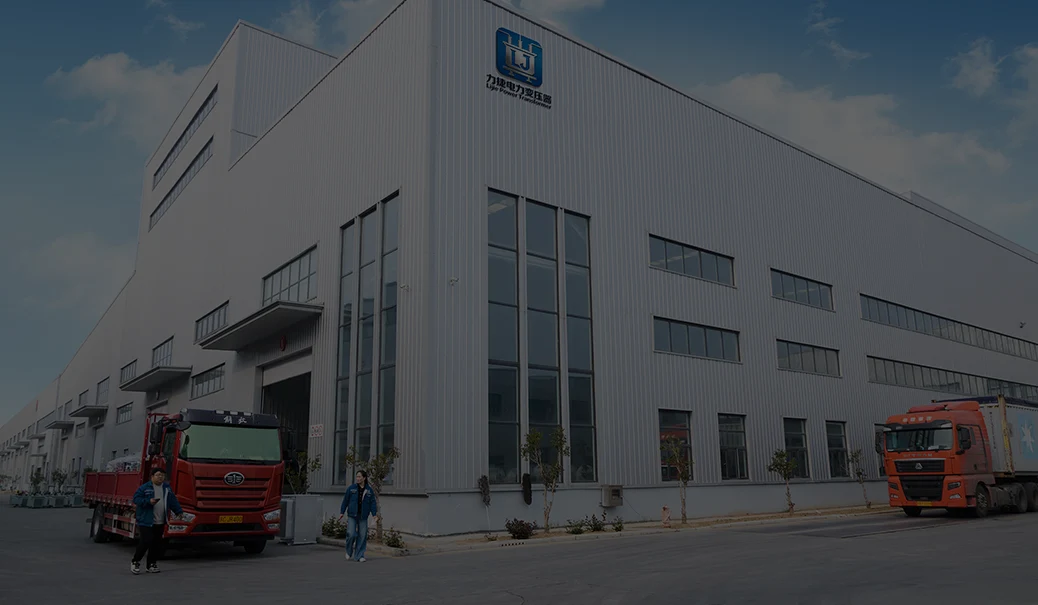
The S22 type 35KV oil-immersed power transformer solutions from Lijie Electric Power Technology Group are ready to help with your building projects. These solutions are backed by decades of manufacturing excellence. Our 500,000-square-meter factories in Xuzhou and Nantong make equipment that meets the strictest requirements for B2B customers around the world. This equipment is approved by ISO 9001, IEC, CE, and UL. As a reliable provider of S22 type 35KV oil-immersed power transformers, we offer full expert support, the ability to customise products to meet specific needs, and bulk purchasing options to help with big projects in the utility, green energy, and industrial sectors. Email our engineering team at lijieelectrical@gmail.com to talk about your specific needs for voltage, capacity, and delivery. We can make sure that your power distribution projects work as well and reliably as possible by giving you competitive quotes, clear technical documentation, and quick support after the sale.
1. International Electrotechnical Commission. (2018). Power transformers – Part 1: General requirements. IEC 60076-1 Edition 3.0.
2. National Standardization Administration of China. (2020). Minimum allowable values of energy efficiency and energy efficiency grades for three-phase distribution transformers. GB 20052-2020.
3. Zhang, L., & Wang, H. (2021). Advanced core materials and loss reduction techniques in modern power transformers. Journal of Electrical Engineering Technology, 16(4), 1823-1835.
4. Miller, T.J.E. (2019). Reactive power control in electric systems. John Wiley & Sons Professional Engineering Publishing.
5. Heathcote, M.J. (2020). The J&P transformer book: A practical technology of the power transformer (14th edition). Butterworth-Heinemann Technical Publications.
6. Kulkarni, S.V., & Khaparde, S.A. (2017). Transformer engineering: Design, technology, and diagnostics (2nd edition). CRC Press Power Engineering Series.
YOU MAY LIKE


10%20type%20dry-type%20distribution%20transformer.webp)
April 27, 2025
With a tight project schedule, the manufacturer delivered on time, and on-site technical personnel provided guidance throughout the entire installation and commissioning process; the collaboration was highly efficient and hassle-free.
July 2, 2025
During the preliminary phase, a selection plan was custom-tailored based on the actual site load requirements, resulting in a high degree of parameter compatibility. After-sales support responds within two hours, and ongoing technical support for operation and maintenance is comprehensive; we feel completely confident in a long-term partnership.
November 18, 2025
Deployed as a supporting component for a 35kV grid-connection project at a photovoltaic power station, the equipment operates for an average of 16 hours daily. It demonstrates excellent control over no-load losses, ensures smooth power generation and grid integration, and effectively reduces the station's overall energy consumption.
January 30, 2026
Under the continuous, high-load operating conditions of a factory production line, the equipment maintains stable electrical parameters and exhibits strong overload resistance, thereby guaranteeing an uninterrupted power supply for industrial production.
April 3, 2026
Integrated as a supporting component for a new energy photovoltaic grid-connection system, the manufacturer provided professional technical coordination and timely after-sales support, ensuring seamless adaptation to the specific electrical operating conditions required for grid integration.