April 27, 2025
With a tight project schedule, the manufacturer delivered on time, and on-site technical personnel provided guidance throughout the entire installation and commissioning process; the collaboration was highly efficient and hassle-free.
Jul 8, 2026
Most of the S(B)H15 type three-phase fully sealed distribution transformer comes from approved companies that make power equipment that uses less energy. There are three main ways to get these units: directly from OEM factories with ISO 9001, CE, and UL certifications like Lijie Electric; through authorised distributors in North America, Asia, and Africa; and through specialised EPC contractors that work on big infrastructure projects. Because of the complicated technology and need for long-term dependability, procurement professionals usually look for suppliers that have a history of delivering IEC-compliant amorphous alloy transformers to utility-scale operations in batches and with strong after-sales service networks.
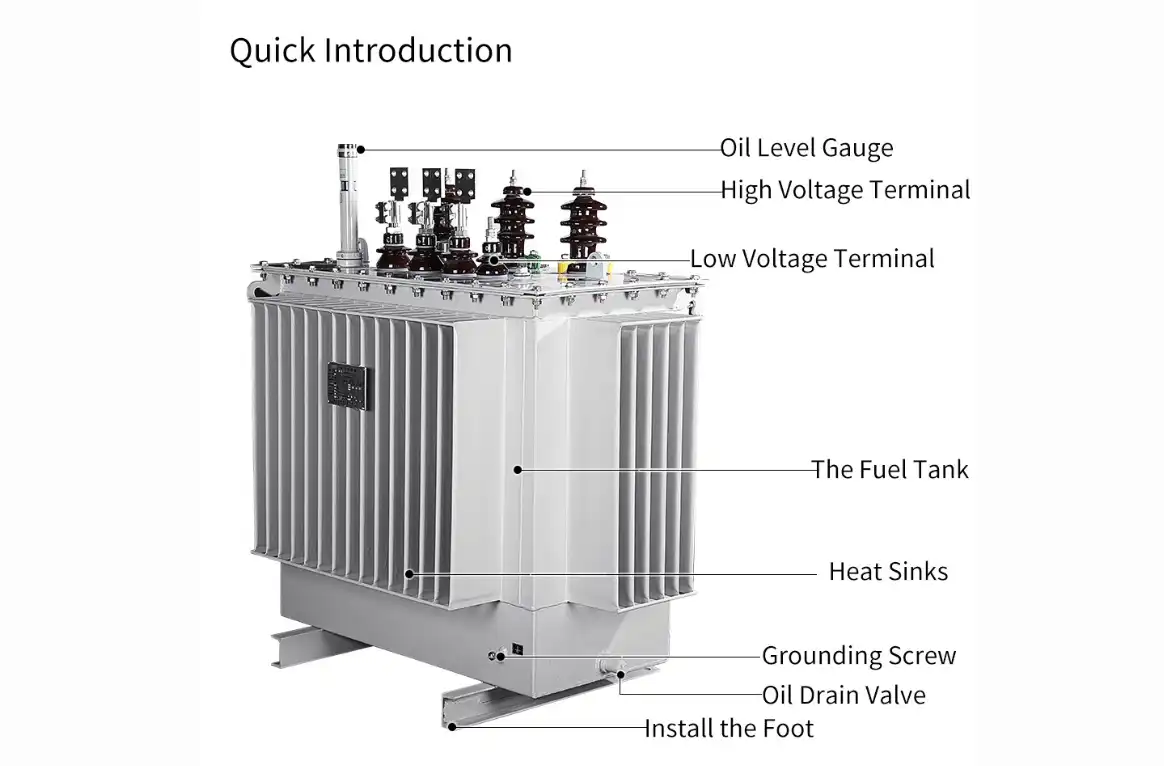
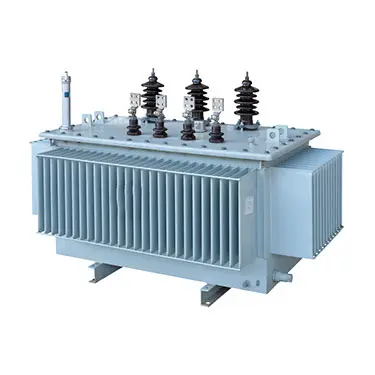
S(B)H15 type three-phase fully sealed distribution transformers are advanced power distribution units representing a big step forward in terms of technology that will make the grid more efficient and reliable. Their main innovation is the way they built their amorphous alloy, which is a magnetic material made up of iron, silicon, and boron that quickly solidifies to make an atomic structure that isn't rigid. This disorganised setup makes it easier to magnetise and demagnetise, which lowers no-load losses by about 70–80% compared to regular silicon steel cores.
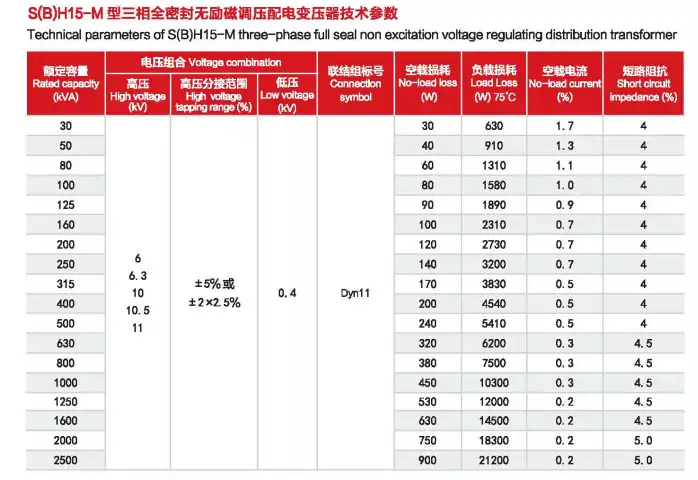
By using curved fins as thermal expansion elements, the fully sealed design gets rid of the need for a standard conservator tank. Oil-immersed self-cooling keeps the right operating temperatures without any contact with outside air. This stops moisture from getting in and oxidation from happening, which are two main reasons why insulation breaks down. This hermetic sealing makes the service life longer than 30 years and drastically cuts down on the amount of maintenance that needs to be done. Voltage ratings range from 6kV to 12kV, and capacity goes from 30kVA to 2,500kVA. This means that they can handle a wide range of load needs in business, industrial, and green energy systems.
According to GB 20052 standards, S(B)H15 type three-phase fully sealed distribution transformer transformers are Level 1 energy efficient, which means they work well in situations where they don't have any loads on them. The Dyn11 link group name improves harmonic suppression, which is especially helpful in places with variable frequency drives or green energy generators. Non-excitation voltage regulation lets you change the taps by ±5% or ±2×2.5%, so the output stays stable even when the grid changes. Insulation systems can handle power frequency voltages of up to 35kV and impulse voltages of up to 75kV. This makes them very good at protecting against transient overvoltages that happen a lot in places where lightning strikes or during industrial switching operations.
Due to improved clamping structures that reduce magnetostriction—the tendency of amorphous metals to change size in magnetic fields—noise levels stay much lower than with standard oil-immersed transformers. Because of this, they work great in urban substations close to neighbourhoods, hospitals, and school campuses where strict rules about noise pollution apply. The protected construction also gets rid of the chance of oil leaks, which meets the environmental standards that are being required more and more by state and local laws across the US.
Buying S(B)H15 type three-phase fully sealed distribution transformers requires the ability to tell the difference between the technologies that are available. It is clear that the amorphous metal sealed transformer stands out when compared to older models and other designs.
Depending on their capacity, conventional S11 series transformers made of cold-rolled grain-oriented silicon steel usually lose between 300W and 1,200W when they're not in use. These numbers go down by 70–80% with the S(B)H15, which means that there are real lifecycle cost savings. Over the course of 25 years, an industrial electricity rate-based 500kVA unit installed in a solar farm that runs at 40% no-load every year can save between $15,000 and $22,000 in energy costs. When compared to open-type conservator systems, sealed tank designs save 60% on maintenance costs because they don't need to be serviced or tested for oil and filters on a regular basis.
To figure out the total cost of ownership, you have to add up the savings on energy use, the number of repair visits, and the chance of downtime. The fully sealed amorphous design cuts down on unexpected outages caused by oil contamination or insulation failure due to wetness. These kinds of problems can cost factories $5,000 to $50,000 an hour in lost production. Buying in bulk for big grid modernisation projects or wind farm developments usually gets you 12–18% volume savings, which makes the price-to-performance ratio better for projects with more than 20 units. Longer warranty terms (5–10 years) with performance guarantees lower the risk even more for infrastructure investments that cost a lot of money.
To find suitable S(B)H15 type three-phase fully sealed distribution transformer providers, you need to carefully look at their technical skills, list of certifications, and supply chain stability. The world of procurement is split into a number of different channels, each of which serves a different set of project needs and risks.
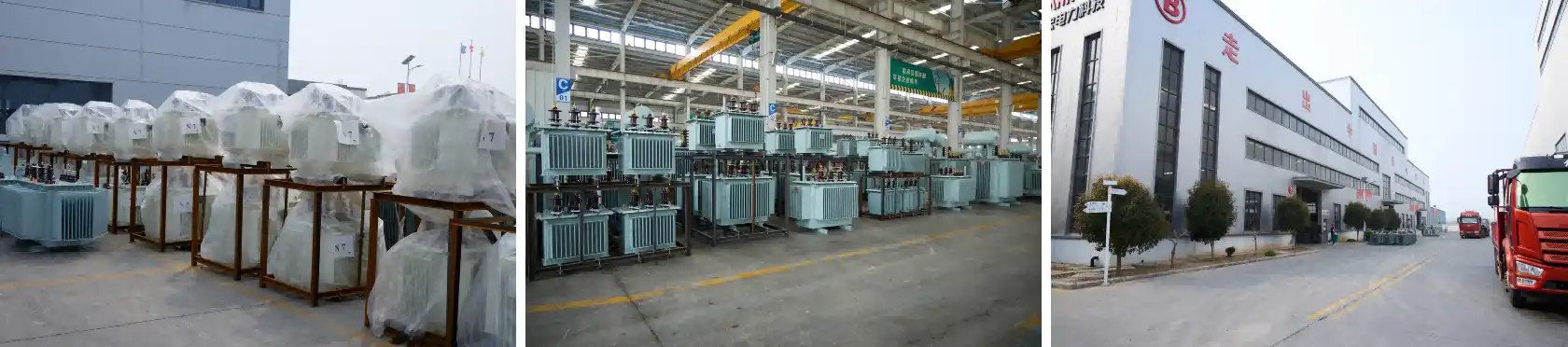
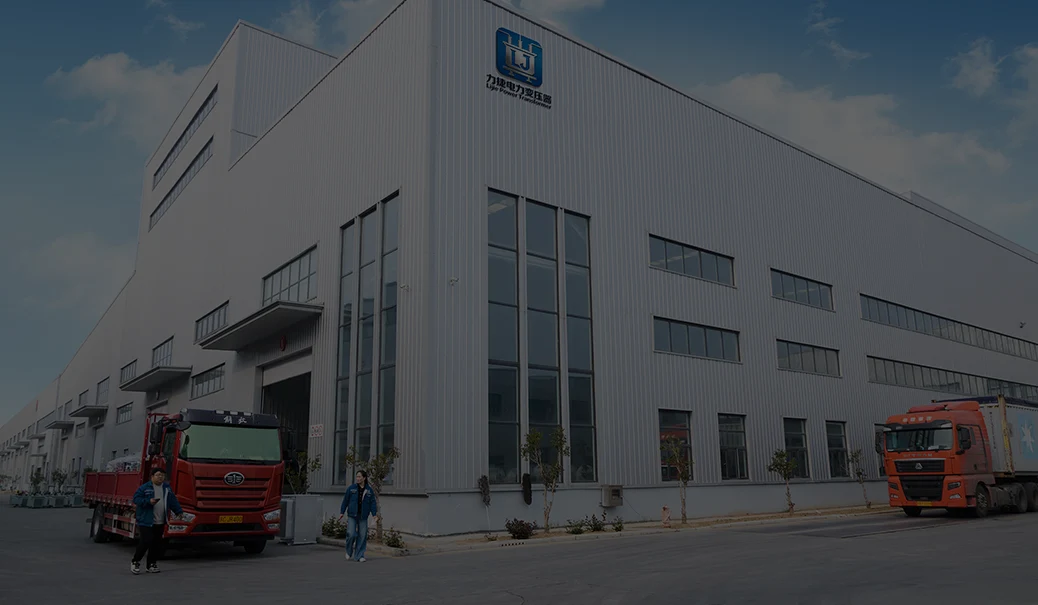
By working with well-known OEMs, you can be sure that you will have access to customisation choices and expert help for the entire lifecycle of the product. Lijie Electric has two factories that together cover 500,000 square meters and can handle orders worth more than 5 billion RMB every year. Over 160 engineers with advanced degrees work for the company. This means that designs can be changed to meet specific voltage control needs or weather conditions. Direct engagement gets rid of markups from distributors, which usually cuts unit costs by 8–15% and speeds up responses to technical questions during the specification phase.
Customised amorphous metal transformers usually take between 8 and 14 weeks to make, but this depends on the size and complexity of the specifications. Timelines may be pushed back by three to five weeks for projects that need to be qualified for seismic activity, use special paint systems for marine environments, or have integrated monitoring systems. It usually takes 18 to 25 days for containers to travel from Chinese manufacturing hubs to ports on the West Coast of the United States. This does not include the extra 7 to 10 days needed for inland transport and customs clearance. When coordinating with building schedules, procurement managers should keep these dates in mind. This is especially important for green energy projects that have production tax credit deadlines or grid interconnection goals.
The operational longevity of S(B)H15 type three-phase fully sealed distribution transformers is directly affected by how well the system is deployed and maintained. To keep the warranty valid and make sure safety standards are met, installation procedures and upkeep schedules must match what the maker says and what the industry standard is.
The foundation design has to take into account how the transformer's weight is distributed and how it needs to be loaded during earthquakes. Because a 1,000kVA unit weighs between 2,800 and 3,200 kg, it needs strengthened concrete pads with grounding lines built right in. Following NFPA 70 and OSHA rules for clearance requirements, keep minimum distances from buildings and flammable materials. Technicians make sure that oil level indicators and pressure relief devices can still be inspected while the machine is in place. When connecting high-voltage and low-voltage terminals, a torque wrench must be calibrated according to the manufacturer's instructions. For medium voltage bushings, this is usually 40–60 Nm. This keeps the connections from coming loose, which could cause heat and speed up the ageing of the insulation.
If the temperature rises more than 15°C above the standard limit, this could mean that the cooling system is blocked or overloaded. Load monitoring checks to see if practical needs are higher than the transformer's capacity values, which means that load balancing or capacity upgrades are needed. If you hear strange sounds, like buzzing that gets louder or clicking sounds that repeat, it could mean that the core laminations are loose or the windings are moving, which needs to be checked out by a professional. Protective relay coordination verification makes sure that circuit breakers and fuses upstream provide enough fault protection without tripping too often during inrush currents. These diagnostic methods cut down on unplanned downtime and increase the useful life of equipment, which protects the large amount of money that each unit represents as an investment.
To match S(B)H15 type three-phase fully sealed distribution transformer specifications to application needs, you have to look at load profiles, environmental restrictions, and long-term operational plans. This decision framework walks procurement workers through the factors for critical evaluation.
Loads on solar and wind installations change a lot, and they spend 30 to 60 percent of their working hours with little or no load. Amorphous cores' high no-load efficiency directly handles this pattern of use, saving the most energy during times when they are not producing power. If an industrial facility needs a steady baseload, it may put load loss performance and short-circuit withstand capability ahead of no-load characteristics. When choosing capacity, there should be a 20–30% margin above peak demand estimates. This will allow for future growth and stop chronic overloading situations that speed up ageing.
For outdoor locations in places where temperatures can drop to -25°C or rise to 40°C, oil viscosity and heat expansion must be taken into account in a special way. The S(B)H15 type three-phase fully sealed distribution transformer is designed to handle these environmental challenges, while de-rating or more cooling is needed for high-altitude deployments above 1,000 meters because the lower air density makes it harder for heat to escape. Better rust protection is needed in coastal areas, and epoxy-based paint systems and stainless steel tools can help. This makes things last longer in salty air. The sealed design naturally protects against airborne contaminants better than breathing-type conservator systems, making maintenance easier in places with a lot of dust, like mines or farms that process crops.
Lifecycle cost modelling should include ways to save energy, cut down on upkeep, and make things more reliable. With an average load of 50% and electricity costs of $0.10/kWh, a 1,000kVA amorphous transformer saves about $3,200 a year compared to traditional silicon steel models. At 3% discount rates over 25 years, the net present value of the energy savings alone is more than $50,000, which is often 40–60% of the cost of the tools themselves. These benefits are increased by less frequent upkeep and longer service lives, which give grid operators and industrial users payback times of 6 to 9 years. Based on these financial factors, amorphous alloy sealed transformers are seen as long-term investments rather than simple purchases.
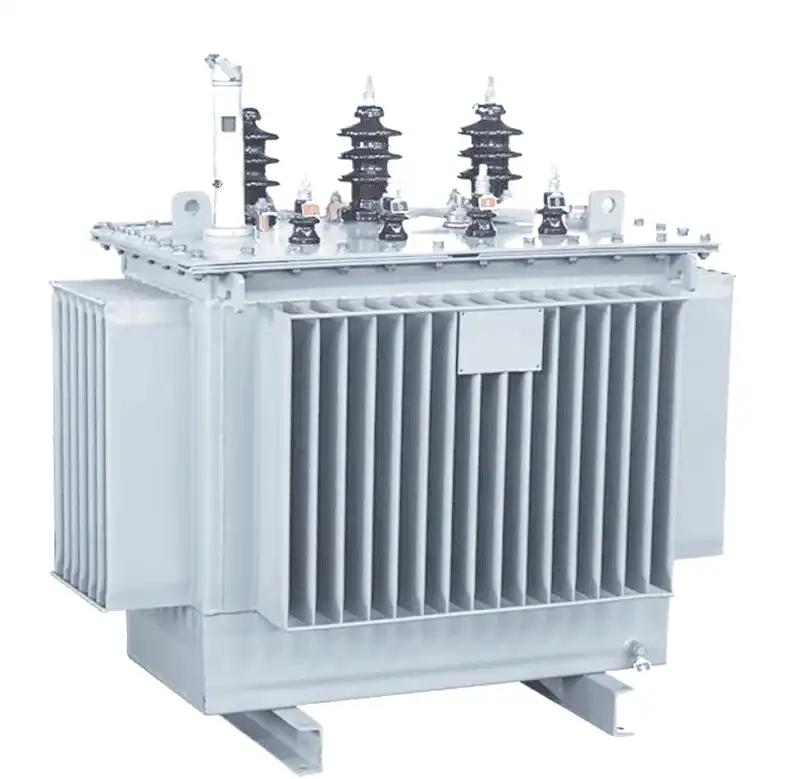
S(B)H15 type three-phase fully sealed distribution transformers solve some of the most important problems that modern power infrastructure has to deal with, such as the need to save energy, the high cost of maintenance, and long-term reliability expectations. The use of amorphous metal core technology lowers running costs in a measurable way, and hermetic sealing stops external pollution and increases service life. To be successful with procurement, you need to work with manufacturers who can show they have the technical know-how, certifications, and production capacity to support large-scale deployment. When you look at providers through the lens of quality systems, shipping reliability, and after-sales support, you can be sure that transformers will work as expected for the entire time they are in use. This protects your capital investments and helps reach grid modernisation goals.
The amorphous alloy core of the S(B)H15 type three-phase fully sealed distribution transformer works very well in renewable energy installations because it works better when there is no load and when there is some load. Solar and wind power plants have a lot of generation variability, which means they often have low output for long periods of time. During these times, core losses in traditional transformers waste a lot of energy. The S(B)H15 cuts no-load losses by 70–80%, which directly leads to lower operating costs and better project economics. The sealed design can handle the harsh outdoor conditions that are common at remote renewable energy sites and doesn't need much maintenance, which is important for places where getting service is hard and costs a lot.
Customised amorphous transformers usually take 8 to 14 weeks to make, from the time the order is confirmed until they are tested and approved by the factory. This timeline could be pushed back by 3 to 5 weeks if there are special needs, like higher resistance to earthquakes, built-in monitoring systems, or voltage configurations that aren't standard. For ocean freight, international delivery plus customs clearance takes an extra 18 to 25 days. During the project design phase, procurement managers should start writing transformer specifications. They should leave enough time for manufacturing, shipping, and on-site commissioning so that schedule delays don't affect interconnection or commercial operation dates.
Every job at Lijie Electric is backed by their more than 20 years of experience making high-quality S(B)H15 type three-phase fully sealed distribution transformers using cutting-edge amorphous metal technology and strict quality control. Our production facilities cover 500,000 square meters, and our team of more than 160 engineering experts creates custom solutions that meet UL, CE, and IEC standards. Our distribution transformers have been used successfully in renewable energy projects on six continents, providing grid operators, EPC contractors, and industrial facilities with reliable, energy-efficient gear. We are a certified supplier of these advanced units, and we can help you with everything from the initial design to commissioning and maintenance throughout the life of the transformer. You can talk about your project needs at lijieelectrical@gmail.com and get thorough technical proposals with reasonable prices for large orders backed by ISO 9001:2015 quality assurance.
1. Institute of Electrical and Electronics Engineers (IEEE), "IEEE Standard for Liquid-Immersed Distribution Transformers," IEEE C57.12.20-2019, 2019.
2. U.S. Department of Energy, "Energy Conservation Standards for Distribution Transformers," Federal Register Vol. 78, No. 123, June 2013.
3. International Electrotechnical Commission, "Power Transformers – Part 1: General," IEC 60076-1:2011, Third Edition, 2011.
4. National Electrical Manufacturers Association, "Guide for Loading Mineral-Oil-Immersed Transformers and Step-Voltage Regulators," NEMA C57.91-2011, 2011.
5. Chen, W., Zhang, Y., "Development and Application of Amorphous Alloy Distribution Transformers in Smart Grids," Journal of Electrical Engineering & Technology, Vol. 15, No. 2, March 2020.
6. American National Standards Institute, "Standard General Requirements for Liquid-Immersed Distribution, Power, and Regulating Transformers," ANSI C57.12.00-2015, 2015.
YOU MAY LIKE



10%20type%20dry-type%20distribution%20transformer.webp)

April 27, 2025
With a tight project schedule, the manufacturer delivered on time, and on-site technical personnel provided guidance throughout the entire installation and commissioning process; the collaboration was highly efficient and hassle-free.
July 2, 2025
During the preliminary phase, a selection plan was custom-tailored based on the actual site load requirements, resulting in a high degree of parameter compatibility. After-sales support responds within two hours, and ongoing technical support for operation and maintenance is comprehensive; we feel completely confident in a long-term partnership.
November 18, 2025
Deployed as a supporting component for a 35kV grid-connection project at a photovoltaic power station, the equipment operates for an average of 16 hours daily. It demonstrates excellent control over no-load losses, ensures smooth power generation and grid integration, and effectively reduces the station's overall energy consumption.
January 30, 2026
Under the continuous, high-load operating conditions of a factory production line, the equipment maintains stable electrical parameters and exhibits strong overload resistance, thereby guaranteeing an uninterrupted power supply for industrial production.
April 3, 2026
Integrated as a supporting component for a new energy photovoltaic grid-connection system, the manufacturer provided professional technical coordination and timely after-sales support, ensuring seamless adaptation to the specific electrical operating conditions required for grid integration.